
Understanding the Vietnam Transport Labor Landscape
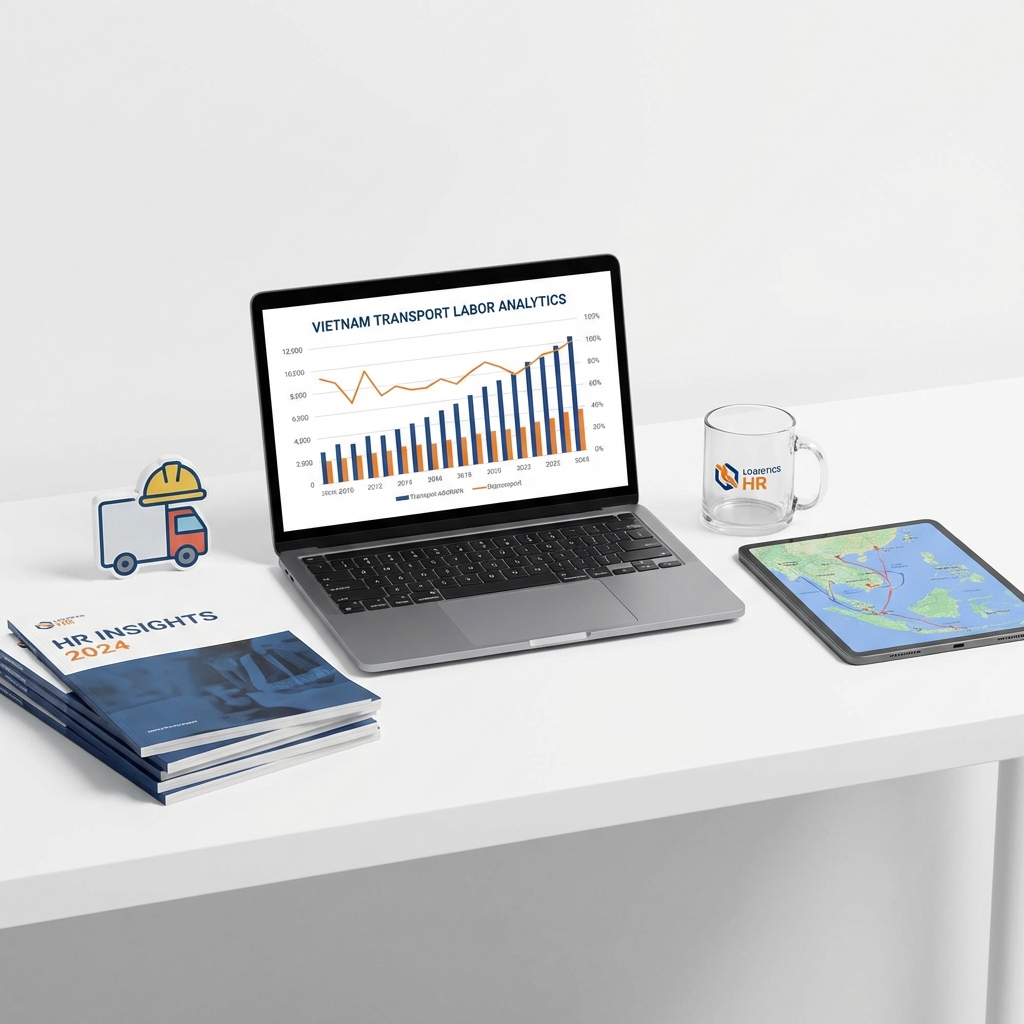
The transportation sector in Vietnam is a vibrant, rapidly evolving industry, serving as the backbone of the nation’s economic growth and integration into global supply chains. For Small and Medium-sized Enterprises (SMEs) operating within this dynamic environment, grasping the nuances of the Vietnam transport workforce and its specific labor landscape is paramount for sustainable growth and profitability. This section delves into the current state of the transportation workforce, exploring key logistics labor market Vietnam trends, inherent challenges, and unique characteristics that profoundly influence Optimized Salary Budget Structures for SMEs in transportation field in vietnam. Understanding these factors is critical for SMEs to not only attract and retain talent but also to remain competitive in a fiercely contested market. From the increasing demand for skilled driver salaries Vietnam to the evolving needs of logistics technician wages, every element plays a role in effective human resource planning.
1. Current Workforce Demographics and Skills Gap
Vietnam’s transport labor landscape is characterized by a relatively young and adaptable workforce, yet it faces significant challenges related to specific skill sets. A large proportion of the labor force, particularly in road freight, comprises drivers with foundational skills. However, the rapidly modernizing sector demands more than just basic driving or handling capabilities. There’s a pronounced skills gap logistics Vietnam when it comes to specialized vehicle operation (e.g., refrigerated trucks, hazardous materials transport), advanced logistics planning, supply chain management, and the crucial integration of technology. Many SMEs struggle to find candidates proficient in digital logistics platforms, fleet management software, or data analytics, which are becoming indispensable for efficiency and competitiveness.
Furthermore, safety standards and regulatory compliance require continuous training, an area where many existing workers may lack formal qualifications. This disparity between available talent and required expertise means that SMEs often have to invest heavily in training or face higher operational risks and inefficiencies. The demand for skilled mechanics capable of maintaining modern vehicle fleets is also on the rise, contributing to the pressure on logistics technician wages. Addressing these demographic realities and the inherent skills deficit is a foundational step towards developing robust HR strategies transport SMEs and ensuring adequate talent for the freight industry in Vietnam.
2. Impact of Economic Shifts on Labor Supply and Demand
Vietnam’s robust economic growth, driven by foreign direct investment and burgeoning international trade, has dramatically reshaped the Vietnam transportation sector trends. This expansion directly translates into an increased demand for logistics and transport services, consequently tightening the logistics labor market Vietnam. Trade agreements like the CPTPP and EVFTA have opened new markets and supply routes, further intensifying the need for a larger and more specialized transport workforce. However, this growth also presents labor challenges Vietnam transport. As other sectors, such as manufacturing and services, also expand, they compete for the same pool of labor, potentially drawing workers away from the transport industry, especially those seeking better working conditions or higher pay.
Government policies, including periodic adjustments to minimum wages, also play a significant role. While aimed at improving living standards, these adjustments can directly impact SME salary budgeting transport, particularly for businesses with thin margins. The rise of e-commerce has further escalated the demand for last-mile delivery personnel, creating new segments within the transport labor market. Adapting to these macro-economic shifts and understanding their influence on labor supply and demand is crucial for SMEs planning their workforce and remuneration strategies. The World Bank often highlights Vietnam’s evolving economic landscape and its implications for human capital development, which directly impacts the transport sector.
3. Regional Wage Variations within Vietnam’s Transport Sector
A defining characteristic of the Vietnam transport workforce is the significant regional disparity in wages. Major economic hubs like Ho Chi Minh City, Hanoi, and Da Nang, along with key industrial zones (e.g., Binh Duong, Dong Nai), experience higher costs of living and a greater concentration of businesses. This leads to higher driver salaries Vietnam and overall logistics technician wages in these areas compared to more rural or less industrialized provinces. The competition for talent among both domestic and international logistics firms further drives up remuneration expectations in these urban centers.
For SMEs, this means that a one-size-fits-all salary budget structure is often ineffective. Recruiting and retaining personnel in high-demand regions requires offering more competitive packages, while operations in less developed areas might allow for slightly lower, yet still locally competitive, wages. Understanding these regional wage disparities Vietnam is vital for formulating cost-effective transport staffing strategies. For instance, an SME with operations spanning multiple provinces might need to develop a tiered salary structure or offer location-specific benefits to ensure equitable and competitive compensation across its entire workforce. This nuanced approach is key to developing optimized salary budget structures for SMEs in transportation field in Vietnam, balancing operational costs with talent acquisition and retention in a complex and varied market. For more insights on crafting such structures, explore our guide on implementing optimized salary budget structures for SMEs in Vietnam’s transportation field.
In conclusion, the Vietnam transport workforce presents a complex interplay of demographic shifts, economic forces, and regional differences. SMEs must navigate a landscape marked by a critical skills gap logistics Vietnam, intense competition for talent, and fluctuating freight industry wages Vietnam. By meticulously analyzing these factors and adopting proactive HR strategies, businesses can develop effective Optimized Salary Budget Structures for SMEs in transportation field in vietnam that not only comply with local regulations but also foster a motivated and productive workforce, ensuring long-term success in this vital sector.
Foundations of an Optimized Salary Structure
In the dynamic and highly competitive Vietnamese transportation industry, Small and Medium-sized Enterprises (SMEs) face a unique set of challenges in attracting, retaining, and motivating skilled talent. An Optimized Salary Budget Structures for SMEs in transportation field in vietnam is not merely a matter of compliance but a strategic imperative. It ensures fair remuneration, boosts employee morale, enhances productivity, and ultimately contributes to the long-term sustainability and profitability of the business. Building such a structure requires a thoughtful approach, balancing internal equity with external competitiveness, all while considering the specific economic context and labor market dynamics of Vietnam’s logistics and transport sector. This section delves into the core principles and essential components necessary to construct a competitive and sustainable salary framework, tailored specifically for the unique demands of transportation SMEs.
1. Salary Benchmarking and Market Rate Analysis
Understanding where your enterprise stands in the market is the cornerstone of any effective salary structure. Salary benchmarking and market rate analysis involve systematically comparing your current compensation levels for various roles against those offered by competitors and similar industries in Vietnam. For transportation SMEs, this means looking beyond basic data to gather intelligence on Vietnamese transportation industry compensation, including what other trucking companies, logistics firms, and delivery services are paying for roles like drivers, dispatchers, mechanics, and logistics coordinators. This data helps identify competitive salary packages Vietnam, ensuring that your offerings are attractive enough to secure and keep top talent while remaining financially viable. Utilizing industry-specific surveys, government labor statistics, and professional HR consulting reports can provide valuable insights into market salary data Vietnam. Regular analysis helps businesses stay agile, adapting their pay scales to reflect shifts in labor demand, cost of living, and industry-specific skill shortages, thereby implementing effective SME salary strategies Vietnam and preventing talent drain due to uncompetitive wages.
2. Job Evaluation and Grading Systems for Transport Roles
Once external competitiveness is understood, the next critical step is establishing internal equity through robust job evaluation and grading systems. Job evaluation is a systematic process of determining the relative worth of jobs within an organization, ensuring that roles requiring similar levels of skill, effort, responsibility, and working conditions are compensated fairly. For the transportation sector, this is particularly vital, given the diverse range of roles from operational staff like vehicle operators and warehouse personnel to administrative and managerial positions. A well-designed job grading system Vietnam would categorize roles into distinct pay grades, each with a defined salary range. This process accounts for factors unique to transport roles, such as the complexity of routes, the value of cargo handled, safety responsibilities, technical expertise required for vehicle maintenance, and the impact of the role on business operations. Implementing fair pay structures through a transparent job evaluation methods transport system helps prevent internal pay disparities, boosts employee morale, clarifies career progression paths, and supports talent attraction logistics Vietnam by demonstrating a commitment to equitable remuneration.
3. Balancing Fixed Salaries with Variable Pay Components
A truly optimized salary structure for transportation SMEs must strike a delicate balance between fixed and variable pay. Fixed salaries, or base pay, provide employees with a stable and predictable income, which is crucial for financial security and job satisfaction. However, to foster a high-performance culture and link remuneration directly to business outcomes, incorporating variable pay components is essential. Variable pay includes performance-based incentives, bonuses, commissions, and allowances that fluctuate based on individual, team, or company performance. For roles like drivers, performance incentives logistics can be tied to metrics such as on-time delivery rates, fuel efficiency bonuses, safety records, or cargo damage prevention. Dispatchers might receive bonuses based on route optimization and operational efficiency. This approach encourages greater accountability and motivates employees to contribute directly to the company’s success, enhancing productivity and service quality. Carefully designed variable pay schemes SMEs ensure that employees are rewarded for exceeding expectations, helping manage labor costs more effectively by linking compensation to actual output and profitability, thereby contributing to sustainable salary models Vietnam and effective budget-friendly compensation plans.
Implementing Performance-Based Compensation & Incentives
In the competitive landscape of Vietnam’s transportation sector, small and medium-sized enterprises (SMEs) face the constant challenge of attracting, motivating, and retaining top talent while operating within stringent budget constraints. Implementing performance-based compensation and incentives is a powerful strategy to address these issues, directly linking employee output to rewards. This approach not only drives individual and team productivity but also contributes significantly to Optimized Salary Budget Structures for SMEs in transportation field in Vietnam, fostering a high-performance culture and ensuring cost-effective talent management.
By carefully designing and executing compensation strategies that reward excellence, transport SMEs can enhance operational efficiency, reduce turnover, and ultimately, improve profitability. The key lies in creating transparent, fair, and motivating systems that align employee goals with the company’s strategic objectives.
1. Designing Effective KPIs for Drivers, Logistics Staff, and Management
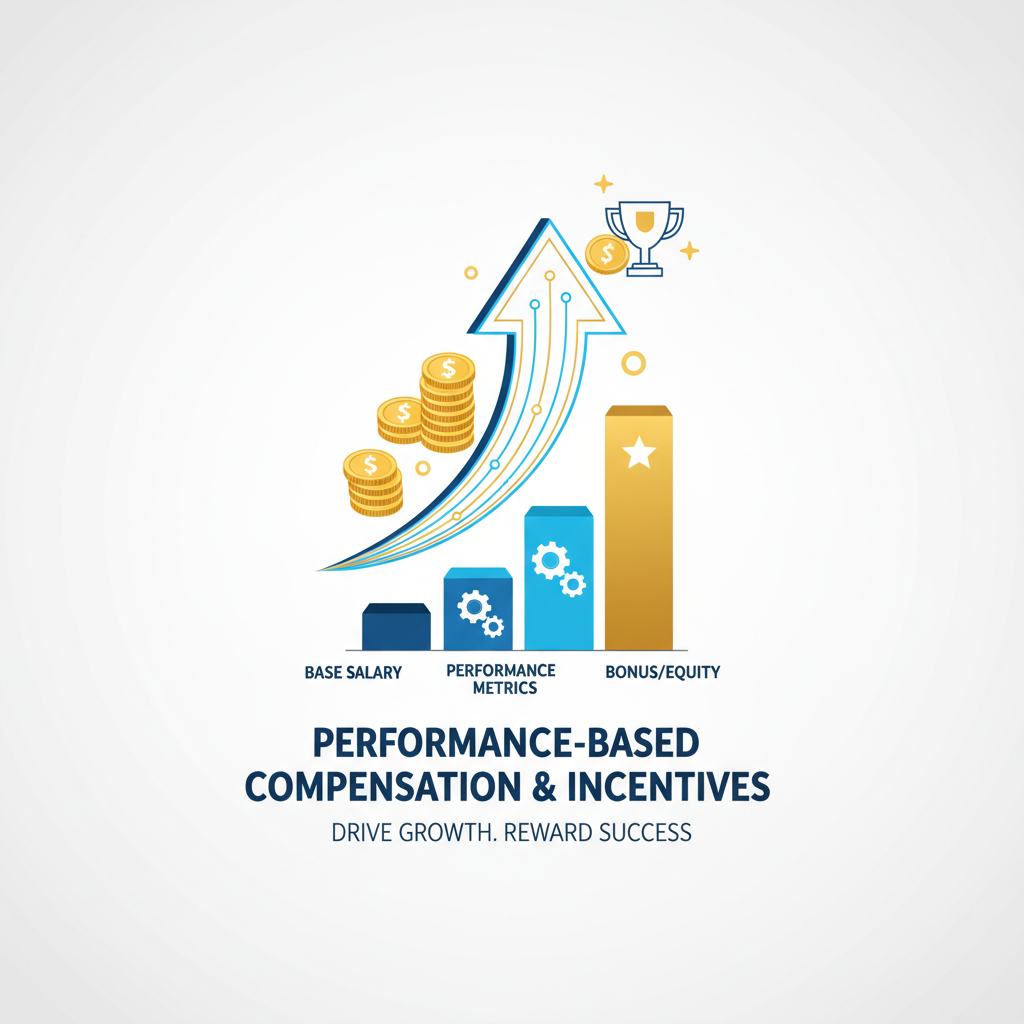
The foundation of any successful performance-based compensation system is a set of clear, measurable, and relevant Key Performance Indicators (KPIs). For transport SMEs, these KPIs must be tailored to the specific roles within the organization, driving both individual accountability and team success. For example, for drivers, KPIs might include on-time delivery rates, fuel efficiency (e.g., liters per 100km), vehicle maintenance adherence, and accident-free mileage. These metrics directly impact operational costs and customer satisfaction, making them crucial for cost-effective compensation models.
For logistics staff, effective KPIs could focus on route optimization efficiency, inventory accuracy, damage reduction rates, and successful load planning. These indicators directly influence operational smoothness and minimize waste. Management-level KPIs should encompass broader organizational goals such as overall fleet utilization, customer retention rates, departmental budget adherence, and team performance metrics. By linking these performance metrics directly to compensation, businesses can ensure that every employee understands their contribution to the company’s success and the overall Optimized Salary Budget Structures for SMEs in transportation field in Vietnam. Regular review and adjustment of these KPIs are vital to ensure they remain relevant and continue to drive desired behaviors in a dynamic environment.
2. Structuring Bonus Schemes and Incentive Programs
Bonus schemes and incentive programs are powerful tools to reinforce desired performance and boost employee motivation. These can range from individual performance bonuses, tied directly to meeting specific KPIs, to team-based incentives for collective achievements like achieving quarterly efficiency targets or exceeding customer satisfaction benchmarks. Company-wide profit-sharing schemes can also foster a sense of shared ownership and encourage all staff, from drivers to management, to contribute to overall business success.
When structuring these programs for transport SMEs, it’s crucial to ensure they are transparent, achievable, and perceived as fair. Budget constraints are a significant factor, requiring creative solutions that offer substantial motivation without overstretching resources. Short-term incentives can reward immediate results, while long-term incentives (e.g., annual performance bonuses or loyalty programs) can aid in employee retention and talent attraction. To successfully design and implement a performance-based pay system, transport SMEs must clearly communicate the criteria for earning bonuses, ensuring employees understand how their efforts directly translate into financial rewards. This clarity is essential for maintaining trust and driving sustained high performance within the framework of Optimized Salary Budget Structures for SMEs in transportation field in Vietnam.
3. Non-Monetary Rewards and Recognition for Employee Motivation
While monetary incentives are effective, non-monetary rewards and recognition play an equally vital role in driving employee motivation and loyalty, especially when cash flow for Optimized Salary Budget Structures is limited. Acknowledging and appreciating employees’ hard work can significantly boost morale and foster a positive work environment. Examples include public recognition through internal newsletters or team meetings, personalized thank-you notes from management, or ’employee of the month’ programs with symbolic awards. These gestures, though often small, can have a profound impact on how valued employees feel.
Furthermore, investing in professional development opportunities, offering flexible working arrangements where feasible (e.g., optimized shift schedules for logistics staff), or providing opportunities for career progression can be incredibly motivating. For drivers, this might involve advanced safety training or specialized vehicle operation courses. For logistics staff, it could be training in new software or supply chain management techniques. Creating a supportive and engaging workplace culture, improving facilities, or organizing team-building activities also serve as powerful non-monetary incentives. These initiatives contribute to a sense of belonging and commitment, significantly enhancing talent attraction and employee retention, often at a fraction of the cost of solely monetary compensation. By balancing financial incentives with meaningful recognition and development, transport SMEs in Vietnam can build a resilient, motivated, and highly productive workforce, all while maintaining Optimized Salary Budget Structures for SMEs in transportation field in Vietnam.
Budgeting & Legal Compliance for Transport SMEs
The dynamic landscape of Vietnam’s transportation sector presents both immense opportunities and complex challenges for Small and Medium-sized Enterprises (SMEs). A critical aspect of sustainable growth and operational efficiency for these businesses lies in their ability to manage salary budgets effectively while ensuring strict adherence to the country’s intricate labor laws. Optimized Salary Budget Structures for SMEs in transportation field in Vietnam are not merely about cost cutting; they involve strategic planning, accurate forecasting, and a deep understanding of legal obligations to foster a stable and motivated workforce. This section delves into the practical strategies and essential compliance measures necessary for transport SMEs to thrive in this competitive environment, ensuring their payroll practices are robust, ethical, and fully compliant.
-
Developing a Realistic Salary Budgeting Framework
Crafting an effective salary budget is the cornerstone of responsible financial management for any transport SME. It begins with a comprehensive understanding of current and projected labor cost optimization, factoring in not just basic wages but also allowances, bonuses, and mandatory contributions. For SMEs operating within the Vietnam transport sector, accurate salary forecasting tools are indispensable. These tools help predict future payroll expenses based on growth projections, seasonal fluctuations inherent to the transport industry, and potential changes in minimum wage regulations. Developing a wage structure design that is competitive yet sustainable is crucial for attracting and retaining skilled drivers, logistics personnel, and administrative staff. This framework should integrate budgeting best practices, allowing for contingency planning to absorb unexpected costs or market shifts. Moreover, effective workforce planning Vietnam involves aligning salary expenditures with operational needs, preventing both understaffing and overspending. Implementing robust HR policies transport SMEs can ensure fairness and transparency in compensation, contributing to employee satisfaction and reducing turnover. Regularly reviewing the budget against actual expenditures and market benchmarks is vital for making timely adjustments and maintaining fiscal health.
-
Navigating Vietnamese Labor Laws and Social Insurance Contributions
Compliance with Vietnamese labor law is non-negotiable and often complex for SMEs. Employers must meticulously navigate various regulations concerning employment contracts Vietnam, working hours, overtime pay, and termination procedures. A significant component of HR compliance Vietnam involves understanding and accurately calculating Social Insurance Contributions in Vietnam. This includes mandatory contributions to Social Insurance, Health Insurance, and Unemployment Insurance for employees. The percentages and calculation bases can vary, and errors can lead to substantial fines and retroactive payments. For transport SMEs, ensuring that all employees, including temporary or contractual staff, are covered correctly is paramount. Regular updates from governmental bodies like the Ministry of Labor, Invalids and Social Affairs (MOLISA) must be monitored to stay abreast of any regulatory updates Vietnam. Ignoring these regulations not only poses a legal risk but also impacts employee morale and company reputation. Leveraging expert advice or specialized services can significantly mitigate risk management payroll issues. A reliable resource for understanding these obligations is often found through official government publications or reputable legal advisories. For detailed information on these contributions, one can refer to guides like the one provided by Vietnam Briefing on Social Insurance Contributions in Vietnam.
-
Leveraging Technology for Payroll Management and Compliance
In an era of digital transformation, payroll software solutions are no longer a luxury but a necessity for transport SMEs seeking to optimize their salary budget structures and ensure compliance. Modern SME payroll management systems can automate complex calculations for wages, allowances, deductions, and mandatory social insurance contributions, significantly reducing human error and saving valuable time. These systems are invaluable for accurate salary forecasting tools and real-time tracking of labor costs. Beyond basic payroll, advanced platforms can assist with employee benefits Vietnam administration, tax reporting, and maintaining digital employee records. For legal compliance transport operations, integrated software solutions provide audit trails and generate compliant reports, simplifying the process of responding to regulatory inquiries. Furthermore, they can help in designing and implementing competitive wage structure design by providing data-driven insights. Adopting such technology not only streamlines administrative tasks but also enhances transparency and trust with employees. Businesses looking for comprehensive strategies to improve their payroll systems and overall budget efficiency can find valuable insights on Optimized Salary Budget Structures for SMEs in transportation field in Vietnam. Integrating these technological advancements is key to efficient HR policies transport SMEs and robust adherence, ultimately fostering financial stability and operational excellence.
Future-Proofing Your Compensation Strategy for 2026 & Beyond
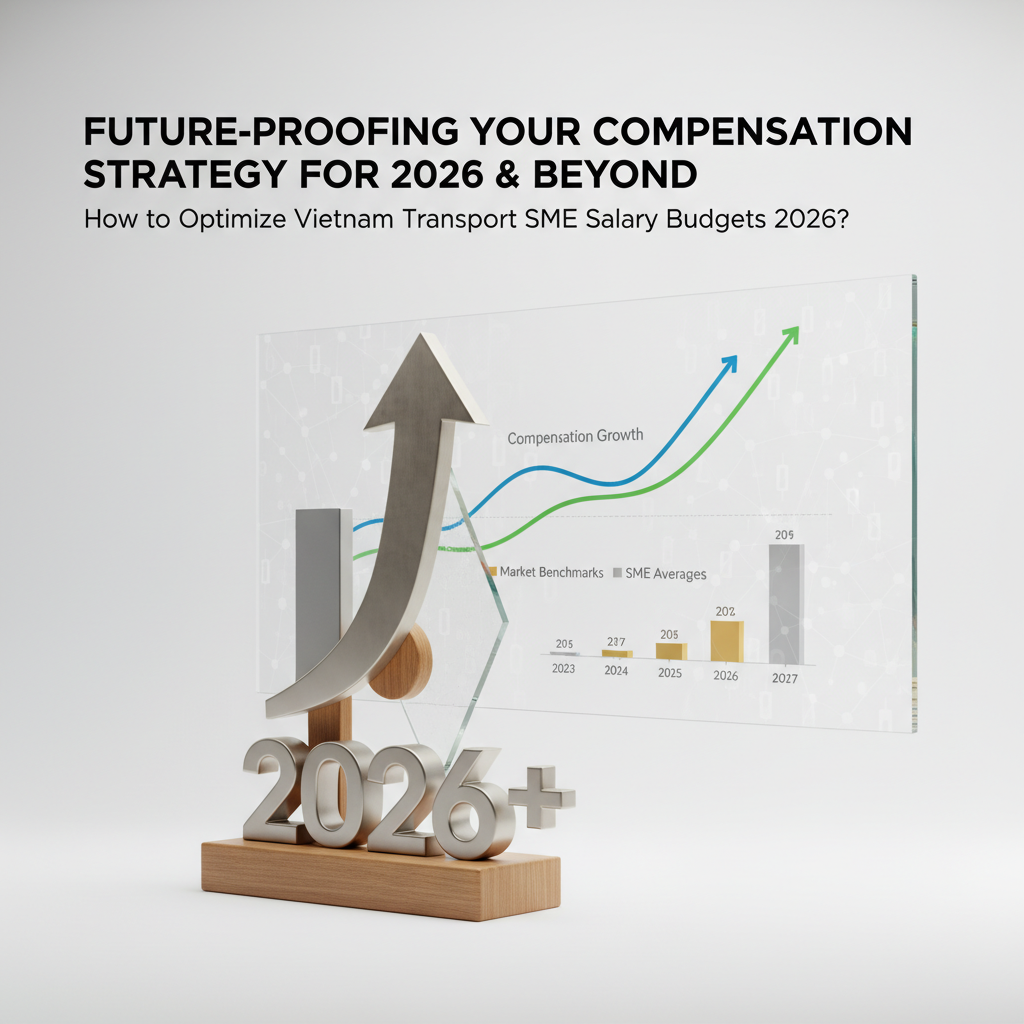
The landscape for Small and Medium-sized Enterprises (SMEs) in Vietnam’s vibrant transportation sector is evolving at an unprecedented pace. As we look towards 2026 and beyond, a proactive approach to compensation strategy is not just advantageous but essential for sustained growth and competitiveness. Future-proofing your compensation strategy means anticipating market shifts, technological advancements, and workforce demographic changes to maintain truly Optimized Salary Budget Structures for SMEs in transportation field in vietnam. This forward-thinking perspective ensures that businesses can attract, retain, and motivate the talent necessary to thrive in an increasingly complex environment, safeguarding their long-term viability and success.
1. Anticipating Automation and Digitalization Impacts on Roles
The transportation sector globally, and in Vietnam specifically, is on the cusp of significant transformation driven by automation and digitalization. Technologies such as autonomous vehicles, advanced logistics software, AI-powered route optimization, and drone delivery systems are not futuristic concepts but imminent realities. For SMEs, this means a fundamental reshaping of job roles. Traditional positions may become redundant, while new, highly specialized roles requiring advanced digital and analytical skills will emerge. Compensation strategies must adapt to this paradigm shift. Businesses need to conduct thorough workforce planning to identify future skill gaps and the market value of these emerging skills. This involves benchmarking salaries for roles like data analysts, robotics technicians, cybersecurity specialists, and AI integration experts, which may differ significantly from conventional transportation roles. Investing in upskilling and reskilling existing employees is crucial, and compensation packages should reflect the value added by these new competencies, potentially including performance bonuses tied to technology adoption or innovation. Understanding global future of work trends and their localized impact on Vietnam’s labor market is vital for ensuring competitive and fair pay structures as the industry digitalizes.
2. Strategies for Attracting and Retaining Gen Z Workforce
The Gen Z cohort is rapidly becoming a dominant force in the global workforce, and their expectations from employers differ significantly from previous generations. For SMEs in Vietnam’s transportation sector, attracting and retaining this talent pool requires a nuanced approach beyond just competitive salaries. Gen Z values purpose-driven work, opportunities for continuous learning and career development, work-life balance, and a strong company culture that champions diversity, equity, and inclusion. To appeal to them, compensation strategies should be holistic, encompassing not just base pay but also comprehensive benefits packages, flexible work arrangements where feasible (e.g., remote administrative roles, flexible shifts for drivers), and clear pathways for professional growth. Consider offering personalized development plans, mentorship programs, and tuition reimbursement. Performance-based incentives and transparent communication about salary progression are also key. Furthermore, emphasizing the social impact and sustainability efforts of the transportation business can resonate strongly with Gen Z’s values, enhancing the overall employee value proposition and ensuring your Optimized Salary Budget Structures for SMEs in transportation field in vietnam are aligned with their expectations.
3. Continuous Review and Adaptation of Salary Structures
In a dynamic market like Vietnam’s, particularly within the fast-evolving transportation sector, a “set it and forget it” approach to compensation is a recipe for stagnation. To maintain competitive and optimized salary budget structures, SMEs must commit to continuous review and adaptation. This involves regular market benchmarking against industry peers and broader labor market data to ensure that salary ranges remain competitive and attractive. Performance management systems should be robust, clearly linking individual and team contributions to compensation outcomes, including bonuses, raises, and promotions. Beyond base pay, a comprehensive total rewards strategy, incorporating health benefits, retirement plans, professional development allowances, and even wellness programs, can significantly boost employee satisfaction and retention. Data analytics should play a crucial role, allowing SMEs to track compensation effectiveness, identify potential pay inequities, and forecast future compensation needs based on business growth and talent requirements. Establishing a regular cycle for reviewing and adjusting salary structures—perhaps annually or biennially—will enable SMEs to respond swiftly to market changes, economic fluctuations, and emerging talent demands, thereby safeguarding their Optimized Salary Budget Structures for SMEs in transportation field in vietnam for the long haul.
By proactively addressing the impacts of automation, tailoring strategies for the Gen Z workforce, and embracing continuous review, SMEs in Vietnam’s transportation sector can ensure their compensation strategies are robust, competitive, and truly future-proof. This strategic foresight is paramount for sustainable growth and leadership in the years to come.
Partner with Shelby Global
You are looking for reliable HR Sevice Suppliers? Contact Shelby Global Now! To connect with verified talents and upgrade your orginization.
—————————————
References
– World Bank Vietnam Overview: https://www.worldbank.org/en/country/vietnam/overview
– Talentnet-Mercer Survey provides insight into compensation and benefit trends in Vietnam in 2023: https://www.talentnet.vn/en/insights/talentnet-mercer-survey-provides-insight-into-compensation-and-benefit-trends-in-vietnam-in-2023
– How to Design and Implement a Performance-Based Pay System: https://www.shrm.org/resources-and-tools/tools-and-samples/how-to-guides/how-to-design-and-implement-a-performance-based-pay-system/
– Social Insurance Contributions in Vietnam: https://www.vietnam-briefing.com/news/social-insurance-contributions-vietnam.html
– ILO publication on future of work trends: https://www.ilo.org/global/publications/ilo-bookstore/order-online/books/WCMS_857635/lang–en/index.htm