
Understanding the Vietnamese Labor Market for Global Hiring
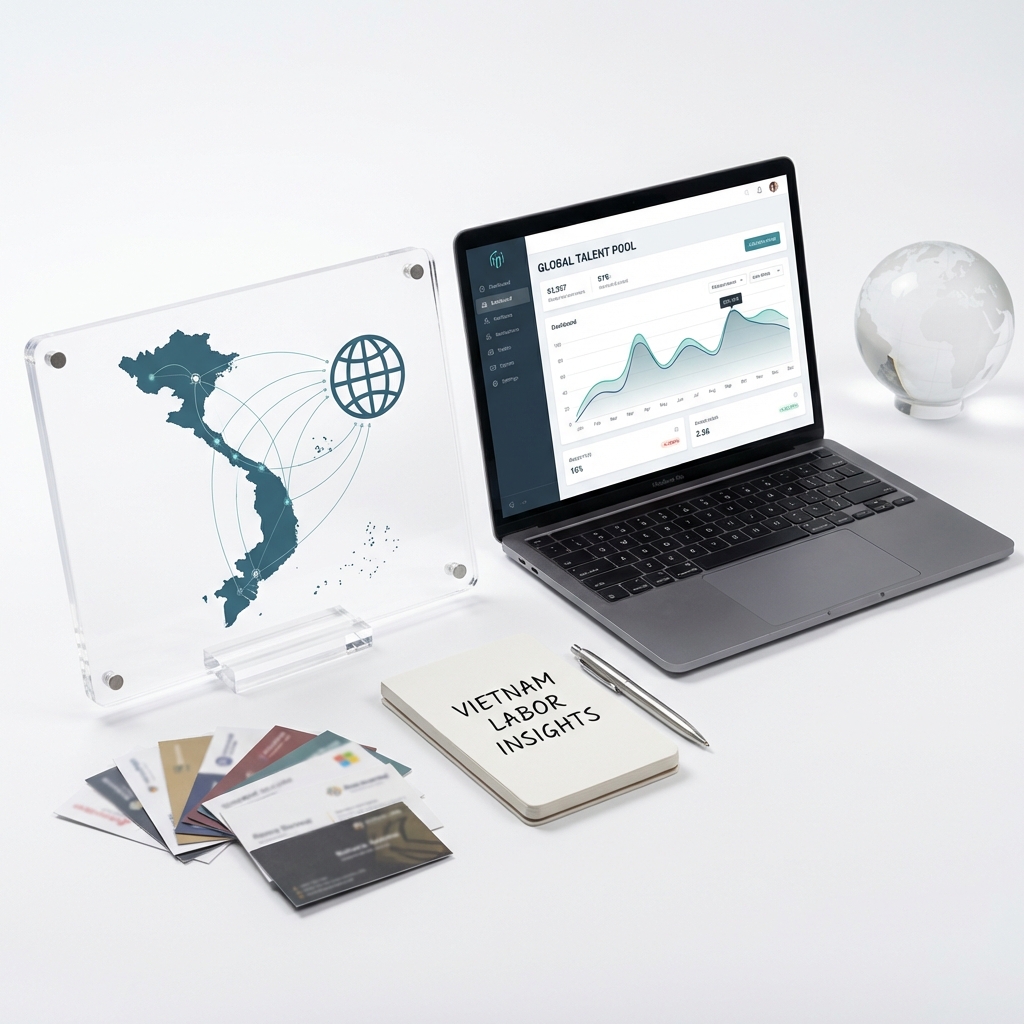
Vietnam has rapidly emerged as a powerhouse in the global talent landscape, offering a robust and dynamic workforce that is increasingly attractive to international employers. This section provides an overview of Vietnam’s compelling advantages for global hiring, delving into the unique characteristics of its labor market, key industries fueling its talent supply, and the strategic benefits that make Vietnamese professionals a valuable asset for companies worldwide. From its youthful demographics to its strong work ethic and growing technical proficiency, Vietnam presents a unique opportunity for businesses seeking high-quality, cost-effective talent on a global scale.
1. Demographics and Skill Sets of the Vietnamese Workforce
The foundation of Vietnam’s appeal lies in its favorable demographics. With a population exceeding 98 million and a median age around 32, Vietnam boasts a predominantly young, energetic, and adaptable workforce. This demographic dividend translates into a large pool of individuals eager to learn, grow, and contribute. The Vietnamese education system emphasizes science, technology, engineering, and mathematics (STEM), producing a steady stream of graduates with practical skills in areas critical for global demand, such as IT, engineering, and advanced manufacturing. Beyond technical acumen, Vietnamese professionals are renowned for their strong work ethic, diligence, and remarkable adaptability to new working environments and technologies. A growing proficiency in English, particularly among younger generations and those in urban centers, further enhances their suitability for international roles, bridging communication gaps and fostering seamless collaboration across borders. This combination of youth, skill, and cultural flexibility positions Vietnam as a prime source for diverse skill sets and high-quality candidates, making it an attractive hub for global talent acquisition.
2. Key Industries Driving Labor Supply for Overseas Roles
Vietnam’s economic transformation has been fueled by several key industries, which in turn generate a significant supply of experienced and skilled labor for overseas opportunities. The manufacturing sector, encompassing electronics, textiles, and footwear, has long been a backbone, creating a large pool of highly efficient production workers, engineers, and quality control specialists. The rapidly expanding Information Technology (IT) sector is another significant contributor, with a vibrant ecosystem of software developers, AI specialists, data analysts, and cybersecurity experts who are increasingly sought after by global tech companies for international recruitment. Beyond these, the construction industry provides a steady flow of skilled tradespeople and project managers, while the healthcare and hospitality sectors also contribute trained professionals. The country’s strategic focus on digitalization and high-tech manufacturing, as outlined in national development plans, continues to cultivate advanced skill sets within these industries. This robust industrial base ensures that companies looking for global talent have access to a wide array of professionals with practical, real-world experience. For a deeper insight into Vietnam’s economic trajectory and human capital development, refer to the World Bank’s overview of Vietnam, which highlights its consistent growth and efforts in human capital formation.
3. Strategic Advantages of Hiring Vietnamese Professionals Globally
International employers gain a multitude of strategic advantages by integrating Vietnamese professionals into their global teams. One of the most compelling benefits is cost-effectiveness. The compensation expectations for highly skilled Vietnamese workers are often significantly lower compared to counterparts in developed nations, allowing companies to optimize their operational budgets without compromising on quality or skill. This competitive advantage is crucial for businesses aiming to scale operations or enter new markets efficiently, offering a solution for cost-effective hiring. Furthermore, the strong work ethic, loyalty, and eagerness to contribute meaningfully define the Vietnamese professional ethos, leading to high productivity and reduced turnover rates. Culturally, Vietnamese employees are known for their collaborative spirit and respect for hierarchical structures, which can facilitate smooth integration into diverse international teams. The Vietnamese government also actively supports the overseas deployment of its skilled labor, streamlining processes and ensuring the protection of workers’ rights, making the overall hiring process more secure and transparent. For businesses navigating the complexities of international recruitment, partnering with experienced overseas recruitment agencies in Vietnam can unlock these benefits, providing access to top-tier talent and simplifying the entire hiring journey. Leveraging these strategic advantages positions companies for sustained growth and enhanced global competitiveness.
How to Vet and Choose the Right Overseas Recruitment Agency
A comprehensive guide on evaluating potential recruitment agencies, focusing on their experience, legal compliance, ethical practices, and proven track record in the industry.
Expanding your business globally or seeking specialized talent from abroad necessitates partnering with the right overseas recruitment agency. The landscape of international hiring is complex, fraught with legal intricacies, cultural nuances, and potential pitfalls. An unreliable partner can lead to costly delays, compliance issues, and reputational damage. This guide offers a strategic framework for evaluating and selecting overseas recruitment agencies in Vietnam and beyond, ensuring you secure a partner aligned with your values and business objectives. We’ll delve into essential criteria, crucial questions to ask, and the importance of understanding agency specializations to facilitate successful cross-border hiring. Navigating global talent acquisition demands diligence; this guide equips you with knowledge for informed decisions regarding your international recruitment firms needs.
-
Essential Criteria for Agency Evaluation (Licenses, Reputation)
The foundation of a trustworthy partnership with any overseas recruitment agency lies in verifying their credentials and reputation. First, confirm their legal standing. A reputable agency must possess all necessary licenses and permits to operate both in their base country and within target regions for talent sourcing. For instance, when looking for overseas recruitment agencies in Vietnam, ensure they are registered with the Ministry of Labor, Invalids and Social Affairs (MOLISA) and hold a valid labor export license if sending workers abroad. These licenses signify adherence to national labor laws and ethical recruitment practices.
Beyond official documentation, an agency’s reputation is paramount. Seek client testimonials, case studies, and industry references. How long have they been in business? Longevity often correlates with stability and a proven track record. Look for evidence of successful placements and long-term client relationships. Investigate their commitment to legal compliance in hiring through documented processes for candidate screening, visa processing, and pre-departure orientations. A strong reputation also reflects transparency regarding fees, service agreements, and candidate welfare. A truly dependable staffing solution partner will prioritize the well-being and rights of foreign worker recruitment, ensuring fair labor practices throughout the recruitment lifecycle. This due diligence is critical for safeguarding your company’s brand and ensuring a smooth global talent acquisition process.
-
Key Questions to Ask Prospective Recruitment Partners
Engaging with potential overseas recruitment agencies requires a structured approach to ensure all critical aspects are covered. Prepare a comprehensive list of questions to gauge their capabilities, processes, and commitment. Start with their experience: “How many years have you specialized in cross-border hiring for our industry?” and “Can you provide examples of successful placements in similar roles?” Inquire about their methodology for sourcing and screening candidates, including background checks, skill assessments, and language proficiency tests. Understanding their candidate pipeline is vital for predicting recruitment timelines and quality.
Probe into their legal and ethical framework: “How do you ensure compliance with both origin and destination country labor laws?” and “What are your policies regarding recruitment fees charged to candidates?” (Reputable agencies primarily charge the employer, adhering to ethical recruitment practices). Ask about their post-placement support for both employer and foreign worker recruitment, which might include cultural integration programs. Clarify their service level agreements (SLAs), including guarantees for placements and resolution processes for issues. For overseas recruitment agencies, specifically ask about their expertise in navigating local regulations and their network within the Vietnamese labor market. A transparent partner will openly discuss fees, timelines, and contingency plans, demonstrating their commitment to being a true global talent acquisition partner.
-
Understanding Agency Specializations and Industry Focus
Not all international recruitment firms are created equal; many specialize in particular industries, regions, or types of roles. While a generalist agency might suit broader needs, for highly specialized positions or unique geographic requirements, an agency with focused expertise is invaluable. When evaluating overseas recruitment agencies in Vietnam, consider whether they have a proven track record in your specific sector, be it IT, manufacturing, healthcare, or hospitality. Their specialization often means a deeper understanding of industry-specific skill sets, qualifications, and cultural nuances relevant to those roles.
An agency focused on a particular industry will have an established candidate network and a refined sourcing strategy tailored to that talent pool. This can significantly reduce time-to-hire and improve candidate quality. For instance, if you require engineers from Southeast Asia, choosing a firm with strong ties and experience in Vietnamese engineering recruitment will yield better results than a general international recruitment firm. Inquire about their success rates within your specific industry, the types of roles they fill, and their understanding of current market demands. This specialized insight, combined with their commitment to legal compliance in hiring and dependable staffing solutions, is a hallmark of a high-performing agency. Selecting a partner whose specialization aligns with your needs ensures a more efficient and effective foreign worker recruitment process, leading to successful long-term placements and a strong return on your global talent acquisition investment.
The Recruitment Process: From Sourcing to Placement Success
The journey of an individual seeking international employment through an overseas recruitment agency in Vietnam is a meticulously managed process, designed to ensure both the candidate’s suitability and the employer’s needs are perfectly met. These agencies act as critical bridges, connecting skilled Vietnamese talent with global opportunities. From initial candidate identification to comprehensive post-placement support, every step is optimized for efficiency, compliance, and mutual success. This detailed breakdown illuminates the operational intricacies of a typical agency, emphasizing rigorous screening, ethical practices, and sustainable placement strategies for the Vietnamese workforce.

1. Candidate Sourcing and Advanced Screening Methodologies
The foundation of successful international placement lies in robust candidate sourcing. Overseas recruitment agencies in Vietnam employ multifaceted strategies to attract and identify the most promising talent for labor export. This often begins with extensive advertising campaigns through digital platforms, local job fairs, vocational schools, and community networks, targeting specific skill sets required by international employers. Once a pool of potential candidates is established, advanced screening methodologies come into play. Initial reviews involve verifying academic qualifications, professional certifications, and work experience. This is followed by preliminary language proficiency tests, especially crucial for roles requiring direct communication. Furthermore, agencies conduct thorough background checks and verify references to ascertain the candidate’s professional integrity and reliability. The goal is to present only the most qualified and vetted individuals, ensuring a strong start for their overseas journey.
2. Effective Interview and Selection Protocols
Building upon the initial screening, the interview and selection phase is pivotal for overseas recruitment agencies in Vietnam. This stage is designed to assess not only technical capabilities but also soft skills, adaptability, and cultural fit – all essential for successful international placement. Agencies typically conduct structured interviews, often in multiple rounds, which may include panel interviews or interviews facilitated remotely with the overseas employer. These interviews delve deeper into the candidate’s experience, problem-solving abilities, and motivation for working abroad. Psychological assessments and aptitude tests may also be administered to gauge resilience and readiness for a new environment. A significant component of this stage is also comprehensive pre-departure training. This training covers essential topics like cultural orientation, basic legal rights in the host country, and practical advice for living and working overseas. Emphasizing transparency and fair practices, these protocols ensure that candidates are well-prepared and fully informed, aligning with ethical recruitment standards promoted by international bodies like the ILO.
3. Comprehensive Post-Placement Support and Follow-up Services
The responsibility of overseas recruitment agencies in Vietnam does not end with a successful placement; rather, it extends into crucial post-placement support. This commitment ensures the long-term well-being and productivity of the Vietnamese workforce abroad. Agencies often maintain ongoing communication with both the placed candidate and the employer, acting as a liaison for any issues that may arise. This can include assistance with cultural adjustment, workplace integration challenges, or even administrative matters. Regular check-ins, sometimes through dedicated support hotlines or local representatives, help identify potential problems early and provide timely solutions. Furthermore, these agencies play a vital role in ensuring that employment contracts are honored and that working conditions adhere to international labor standards. By offering continuous support and follow-up services, these agencies reinforce their commitment to ethical recruitment and foster a positive experience for all parties involved, contributing to the sustainable success of Vietnam’s labor export initiatives. This comprehensive approach differentiates reputable agencies, ensuring both immediate job fulfillment and enduring career satisfaction for the talent acquired.
Legal and Ethical Considerations in Vietnamese Overseas Recruitment
Crucial insights into the legal frameworks, ethical standards, and compliance issues that both employers and agencies must meticulously adhere to when recruiting from Vietnam.
Recruiting talent from Vietnam offers immense potential for global employers, but navigating the landscape of overseas recruitment agencies in Vietnam requires a deep understanding of the intricate legal and ethical considerations. For both hiring organizations and the agencies facilitating these placements, meticulous adherence to established frameworks is not just a legal obligation but a moral imperative. Ensuring a fair, transparent, and humane process safeguards the rights of Vietnamese migrant workers and protects the reputation of all parties involved.
1. Vietnamese Labor Laws and International Recruitment Regulations
The foundation of ethical overseas recruitment from Vietnam lies in strict compliance with its national legal framework, primarily the Vietnamese Labor Code and the Law on Vietnamese Guest Workers Abroad. These regulations govern everything from recruitment procedures, contract terms, working conditions, and social insurance to dispute resolution and repatriation. Employers and overseas recruitment agencies in Vietnam must ensure that all aspects of the hiring process, including job advertisements, candidate selection, and employment contracts, align with these national laws.
Beyond national legislation, Vietnam is also a signatory to several international conventions and adheres to principles promoted by organizations such as the International Labour Organization (ILO) regarding decent work for migrant workers. These international labor standards advocate for fair recruitment, protection against exploitation, and the promotion of worker rights across borders. Agencies and employers are expected to incorporate these global best practices into their operations, ensuring that the recruitment process is free from deceptive practices, discrimination, and excessive fees. Understanding and integrating both domestic and international regulations is paramount for lawful and ethical cross-border recruitment.
2. Ensuring Fair Recruitment Practices and Upholding Worker Rights
Ethical recruitment is the cornerstone of responsible overseas hiring. It means committing to principles that uphold the dignity and rights of every worker. Key among these is the “employer pays” principle, advocating that workers should not bear the cost of their own recruitment. This directly combats the risk of debt bondage and exploitation, which can arise when workers are burdened with exorbitant fees. Transparent contracts, clearly outlining terms of employment, wages, working hours, and conditions, must be provided in a language the worker fully understands before departure.
Furthermore, upholding worker rights extends to ensuring safe and healthy working conditions, reasonable working hours, and fair wages that meet or exceed the minimum wage of the host country. Protection against discrimination, harassment, and forced labor is non-negotiable. Reputable overseas recruitment agencies in Vietnam play a critical role in educating workers about their rights and responsibilities, as well as providing avenues for grievance redressal. Due diligence on the part of employers to vet their recruitment partners and monitor worker welfare post-arrival is crucial for maintaining ethical standards and robust recruitment compliance.
3. Common Pitfalls and Expert Strategies to Avoid Them
Despite the clear legal and ethical guidelines, the overseas recruitment landscape can be fraught with pitfalls. Common issues include illegal recruitment fees charged to workers, misleading job descriptions or contract terms, inadequate pre-departure orientation, and a lack of support for workers once they arrive in the host country. These issues not only expose workers to exploitation but also carry significant reputational and legal risks for employers and agencies.
Expert strategies to mitigate these risks begin with rigorous due diligence. Employers should partner exclusively with licensed and reputable overseas recruitment agencies in Vietnam that demonstrate a proven track record of ethical practices and adherence to all relevant laws. Implementing robust contracts with agencies, clearly defining roles, responsibilities, and fee structures, is essential. Regular audits of recruitment processes, along with worker interviews, can help identify and rectify issues proactively. Establishing transparent communication channels and providing accessible grievance mechanisms for workers are vital. Investing in comprehensive pre-departure orientation programs and ensuring ongoing support post-arrival further solidifies a commitment to migrant worker protection. By proactively addressing these challenges, employers and agencies can build sustainable, ethical, and mutually beneficial recruitment relationships.
Maximizing Your Investment: Cost & ROI of Hiring from Vietnam
In an increasingly competitive global landscape, businesses are continuously seeking strategic advantages to optimize operations and secure top-tier talent. Vietnam has emerged as a powerhouse for overseas recruitment, offering a compelling blend of skilled professionals and cost-effective hiring solutions. This section provides an in-depth discussion on the various cost structures involved in overseas recruitment from Vietnam and highlights the significant return on investment (ROI) potential for international businesses leveraging its vibrant workforce.
1. Detailed Breakdown of Recruitment Costs and Associated Fees
Understanding the financial commitment is the first step for any business considering global expansion or offshore recruitment. When engaging overseas recruitment agencies in Vietnam, several key cost components typically come into play. Initially, there are agency fees, which usually represent a percentage of the hired employee’s annual salary or a flat service fee. These fees cover the agency’s extensive work in sourcing, screening, interviewing, and presenting qualified Vietnamese talent tailored to specific roles.
Beyond the agency’s direct charges, businesses must account for other associated costs. Visa and work permit processing fees are mandatory for international placements, often requiring documentation and administrative efforts. Relocation assistance, though not always necessary, can be a valuable investment for attracting top-tier professionals, covering aspects like flight tickets, initial accommodation, and settlement support. Furthermore, some companies factor in initial training or onboarding costs to seamlessly integrate Vietnamese employees into their new organizational culture and systems. Despite these elements, the overall expenditure for cost-effective hiring from Vietnam often remains significantly lower compared to recruitment in Western markets, making it an attractive proposition for companies looking for robust HR solutions Vietnam provides.

2. Long-Term Benefits and Value of Hiring Vietnamese Talent
The true value of hiring from Vietnam extends far beyond immediate cost savings; it’s about investing in a future-proof global talent pool. The Vietnamese workforce is characterized by a strong work ethic, high adaptability, and an eagerness to learn and grow. Vietnam boasts a youthful, educated population with a growing proficiency in English and strong technical skills, particularly in IT, engineering, and manufacturing. This makes it an ideal source for businesses seeking to fill roles requiring technical expertise, meticulousness, and dedication.
The long-term ROI of global hiring from Vietnam is multifaceted. Lower average salaries, combined with a committed and productive workforce, translate into reduced operational costs and increased output. This efficiency directly impacts profitability and allows businesses to reallocate resources to innovation and expansion. Moreover, tapping into the Vietnamese talent pool provides access to a diverse perspective, fostering a richer, more dynamic work environment. For companies seeking sustainable growth and a competitive edge, offshore recruitment from Vietnam offers unparalleled value in enhancing productivity and driving innovation, proving that talent acquisition Vietnam is a smart move.
3. Real-World Case Studies: Successful Global Placements from Vietnam
The success stories of businesses leveraging Vietnamese talent are numerous and span across various industries. A prominent example includes a European software development firm that successfully built an entire remote development team in Ho Chi Minh City, reducing its annual operational costs by 40% while significantly increasing its project delivery capacity. This firm reported high satisfaction with the team’s technical prowess, collaborative spirit, and commitment to project deadlines.
Another compelling case involves an Australian hospitality group that addressed its staffing shortages by recruiting experienced chefs and service staff from Vietnam. The group highlighted the recruits’ exceptional customer service skills and adaptability, which quickly enhanced the overall guest experience across their properties. These examples underscore the versatility and high quality of Vietnamese professionals, demonstrating how strategic partnerships with overseas recruitment agencies in Vietnam can lead to substantial gains. Such successful global placements not only optimize budgets but also build robust, resilient teams capable of navigating the demands of the modern global economy, solidifying Vietnam’s reputation as a premier destination for talent acquisition.
Partner with Shelby Global
You are looking for reliable HR Sevice Suppliers? Contact Shelby Global Now! To connect with verified talents and upgrade your orginization.
—————————————
References
– World Bank’s overview of Vietnam: https://www.worldbank.org/en/country/vietnam/overview
– ILO Standards on Recruitment and Placement: https://www.ilo.org/global/standards/subjects-covered-by-international-labour-standards/recruitment-and-placement/lang–en/index.htm
– ILO – Fair Recruitment: https://www.ilo.org/global/topics/fair-recruitment/lang–en/index.htm
– International Labour Organization (ILO) regarding decent work for migrant workers: https://www.ilo.org/global/topics/labour-migration/lang–en/index.htm
– World Bank Vietnam Overview: https://www.worldbank.org/en/country/vietnam/overview