Understanding Vietnam’s E-commerce Talent Landscape
This section delves into the specifics of the Vietnamese e-commerce job market, highlighting key trends and talent availability crucial for effective salary budgeting.
For any CEO navigating the dynamic e-commerce sector in Vietnam, a profound understanding of the local talent landscape is paramount. The rapid growth of digital commerce in the country has created a vibrant yet competitive job market, making strategic talent acquisition and retention a cornerstone for sustainable success. Optimizing the salary budget requires not just an awareness of current compensation norms but also insights into emerging trends, skill gaps, and the competitive environment. This section will equip leaders with the knowledge necessary for informed decision-making, ensuring that their investment in human capital delivers maximum return and contributes directly to the overall salary budget optimizing manners for the CEO of Ecommerce field in vietnam.

1. Current E-commerce Salary Trends and Projections in Vietnam
Vietnam’s e-commerce market is characterized by robust growth, attracting significant investment and fostering a competitive environment for talent. Consequently, salaries in the sector have seen a steady upward trend, particularly for roles demanding specialized skills. Mid-level to senior positions in areas such as digital marketing, data analytics, supply chain management, and platform development command premiums due to scarcity and high demand. Entry-level salaries remain competitive but offer clear progression paths. Projections indicate continued salary appreciation, driven by the expanding market, increased foreign direct investment, and a rising cost of living. Understanding these trends is vital for forecasting future compensation expenses and devising proactive strategies. For example, a report by Hays Vietnam indicates consistent salary increases across tech and digital roles, highlighting the competitive nature of the market for top talent. This upward pressure on wages underscores the importance of a nuanced approach to salary budget optimizing manners for the CEO of Ecommerce field in vietnam, balancing market demands with fiscal prudence.
2. Key Skill Sets and Talent Pool Dynamics in the Local Market
The Vietnamese e-commerce talent pool is young, digitally savvy, and eager to learn, yet specific skill gaps persist. High-demand skill sets include advanced digital marketing (SEO, SEM, social media, content strategy), data analytics and business intelligence, UX/UI design, e-commerce platform management (e.g., Shopify, Magento, homegrown solutions), logistics and last-mile delivery optimization, and customer relationship management (CRM). While generalist talent is abundant, finding highly specialized individuals with extensive experience in scalable e-commerce operations can be challenging. Many local professionals possess strong foundational knowledge but may require further training in global best practices or advanced technologies. Attracting and retaining this critical talent involves not just competitive salaries but also compelling career development opportunities, a positive work culture, and exposure to innovative projects. To effectively manage and optimize your talent investment, considering a holistic approach that factors in training and development alongside compensation is crucial. This proactive management contributes significantly to salary budget optimizing manners for the CEO of Ecommerce field in vietnam by ensuring a skilled workforce without overspending on external recruitment for every specialized need.
3. Benchmarking Compensation Against Regional and Local Competitors
Effective salary budgeting is incomplete without thorough benchmarking against both regional and local competitors. Within Vietnam, competition for top e-commerce talent is fierce, not only among domestic giants like Tiki, Lazada, and Shopee but also from numerous rising startups and traditional retailers expanding their digital footprint. Comparing compensation packages—including base salary, bonuses, benefits, and long-term incentives—is essential to remain competitive without overpaying. Regionally, Vietnam often offers more cost-effective talent compared to Singapore or Malaysia, yet the gap is narrowing for highly specialized roles. CEOs should analyze what competitors offer for similar roles and adjust their compensation strategies accordingly. Utilizing professional salary surveys, engaging with recruitment agencies for market insights, and monitoring industry reports are effective ways to gather this crucial data. Such data-driven benchmarking is a core component of salary budget optimizing manners for the CEO of Ecommerce field in vietnam, enabling businesses to attract and retain the best people while maintaining financial health. This strategic comparison allows leaders to position their company as an employer of choice while meticulously managing their human resources expenditure.
Conclusion:
Navigating Vietnam’s dynamic e-commerce talent landscape requires a strategic, data-driven approach to compensation. By staying abreast of current salary trends, understanding the unique dynamics of the local skill sets, and rigorously benchmarking against competitors, CEOs can develop robust and optimized salary budgets. This not only ensures the attraction and retention of top talent essential for growth but also fosters a sustainable financial framework, ultimately enhancing the company’s competitive edge in this rapidly evolving market.
Strategic Compensation Models for Sustainable Growth
In the rapidly evolving landscape of Vietnam’s e-commerce sector, attracting and retaining top-tier talent is paramount for achieving sustainable growth. For CEOs navigating this dynamic environment, mastering salary budget optimizing manners for the CEO of Ecommerce field in vietnam is not merely about cost control; it’s about strategically investing in human capital. Effective compensation models serve as a powerful differentiator, fostering employee engagement, driving performance, and ultimately safeguarding the company’s long-term financial health. As competition for skilled professionals intensifies, especially in digital roles, e-commerce businesses must move beyond traditional pay scales to embrace innovative and flexible remuneration models that align with both individual and organizational objectives. These HR strategies e-commerce Vietnam are crucial for building a resilient workforce capable of adapting to market shifts and capitalizing on new opportunities, ensuring sustainable growth e-commerce Vietnam.
1. Implementing Performance-Based Incentives and Variable Pay Structures
One of the most effective remuneration models e-commerce for driving results and fostering accountability is the strategic implementation of performance-based incentives and variable pay structures. In e-commerce, where success is measurable through metrics like conversion rates and customer acquisition costs, linking compensation directly to performance boosts productivity and aligns efforts with corporate goals. This approach involves a combination of bonuses, commissions, and profit-sharing designed to reward tangible achievements. For instance, sales teams might earn commissions based on revenue targets, while marketing teams could receive bonuses tied to successful campaign outcomes. Implementing these performance incentives e-commerce allows businesses to manage their salary budget optimizing manners for the CEO of Ecommerce field in vietnam more efficiently, as a significant portion of compensation becomes contingent on business success.
Variable pay structures are particularly beneficial in fast-paced sectors like e-commerce, offering flexibility and responsiveness to market conditions. They motivate employees to exceed expectations, knowing their direct contributions will be recognized and rewarded. For senior management, this could extend to annual bonuses based on overall company profitability or specific strategic milestones. Crafting effective variable pay structures Vietnam requires clear Key Performance Indicators (KPIs) and transparent communication to ensure fairness. This not only enhances employee engagement e-commerce but also helps in attracting ambitious professionals. Companies should benchmark against global compensation best practices to ensure their incentives remain competitive and attractive to top talent, bolstering talent retention e-commerce Vietnam.
2. Designing Competitive Base Salaries Aligned with Business Goals
While variable pay is a powerful motivator, a foundation of competitive base salaries remains critical for attracting and retaining talent. For ecommerce compensation strategies Vietnam, this involves meticulous market research to understand prevailing pay scales for similar roles within the industry and the broader Vietnamese labor market. A CEO must ensure that base salary offerings are not only attractive enough to draw skilled professionals but also sustainable for the company’s long-term financial health. The process of designing competitive salaries e-commerce CEOs must balance external competitiveness with internal equity, ensuring pay scales reflect the value and complexity of each role. This alignment with business goals means the salary structure supports the company’s strategic objectives, whether aggressive growth or maintaining profitability.
To achieve this, businesses should conduct regular job evaluations and salary reviews, considering industry benchmarks, cost of living adjustments, and the specific skill sets required for e-commerce operations. A well-defined salary framework can mitigate turnover by providing clear career progression paths and associated pay increases, signaling a commitment to employee development. This systematic approach contributes significantly to salary budget optimizing manners for the CEO of Ecommerce field in vietnam by ensuring every dong spent on base compensation yields maximum value in terms of talent quality and retention. Failing to offer competitive base salaries can lead to challenges in talent retention e-commerce Vietnam, forcing businesses into a costly cycle of recruitment and training. Therefore, a robust base salary strategy is a cornerstone of any strategic reward systems Vietnam.
3. Utilizing Equity and Stock Options for Senior Leadership
For senior leadership and critical strategic roles within an e-commerce enterprise, particularly in high-growth startups, the judicious use of equity and stock options can be a game-changer. This form of compensation transforms executives into owners, aligning their personal financial success directly with the company’s long-term performance and shareholder value. Offering equity compensation Vietnam tech and stock options e-commerce leadership creates a powerful incentive for leaders to commit for the long haul, make decisions that drive sustainable growth, and think like entrepreneurs. It’s an essential tool for salary budget optimizing manners for the CEO of Ecommerce field in vietnam because it defers significant cash outlays while offering immense potential future value.
Equity grants, such as restricted stock units (RSUs) or performance shares, typically vest over several years, serving as a powerful “golden handcuff” that encourages stability and sustained effort. Stock options, on the other hand, give the holder the right to purchase company shares at a pre-determined price, benefiting from future appreciation. This model is particularly appealing in the e-commerce sector, where rapid growth and valuation increases are common. Beyond financial gain, equity fosters a deep sense of ownership and accountability, crucial for steering an e-commerce business through competitive markets and scaling challenges. Navigating the legal and tax implications of equity compensation Vietnam tech requires expert advice, but the benefits in securing committed, high-caliber leadership are undeniable, contributing significantly to the financial health e-commerce Vietnam.
In conclusion, for e-commerce CEOs in Vietnam, a sophisticated approach to compensation is more than just managing costs; it’s about crafting a strategic advantage. By blending competitive base salaries, robust performance-based incentives, and compelling equity opportunities for leadership, businesses can create a compensation framework that attracts and retains the best talent, drives exceptional performance, and ultimately paves the way for sustainable growth in Vietnam’s vibrant digital economy. This holistic strategy is key to mastering salary budget optimizing manners for the CEO of Ecommerce field in vietnam.
Leveraging Non-Monetary Benefits for Talent Retention
In the dynamic and competitive landscape of Vietnam’s e-commerce sector, CEOs face the constant challenge of attracting and retaining top talent while meticulously managing operational costs. While competitive salaries are undoubtedly important, smart salary budget optimizing manners for the CEO of Ecommerce field in vietnam extend far beyond the paycheque. This section delves into the crucial role of non-financial perks and a robust company culture in not only optimizing budgets but, more importantly, in keeping valuable employees engaged, motivated, and committed to your organization. By strategically investing in these intangible yet powerful assets, e-commerce leaders can foster an environment where talent thrives, reducing turnover and enhancing overall productivity without always increasing direct payroll expenses.
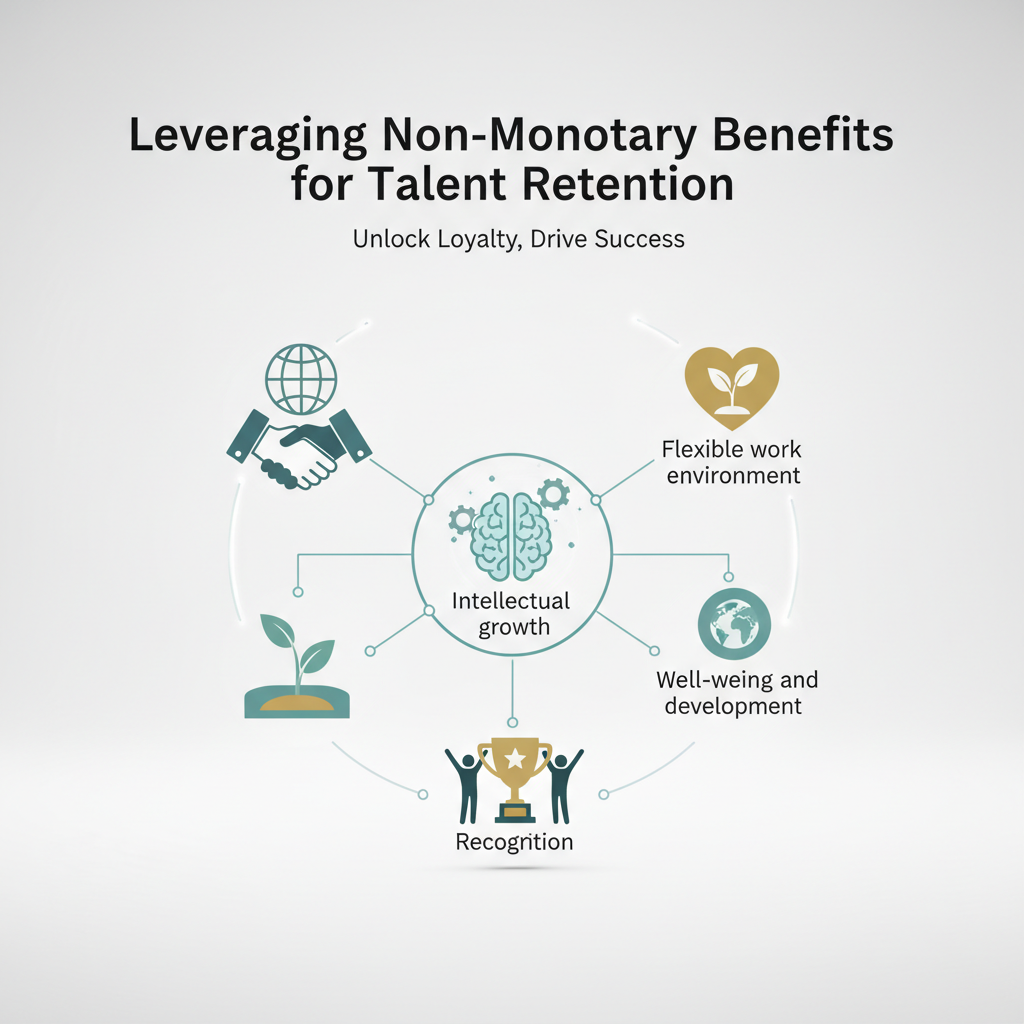
The modern workforce, particularly in high-growth sectors like e-commerce, seeks more than just financial compensation. They value work-life balance, opportunities for growth, and a supportive work environment. Understanding and catering to these evolving employee expectations is key to securing long-term loyalty and building a resilient team capable of driving innovation and sustained success in the Vietnamese market. Let’s explore specific strategies for leveraging non-monetary benefits.
1. Flexible Work Arrangements and Remote-First Policies
The COVID-19 pandemic irrevocably altered perceptions of work, thrusting flexible and remote work models into the mainstream. For e-commerce businesses, where digital operations are central, embracing flexible work arrangements and even remote-first policies offers significant advantages in talent retention. These policies empower employees to manage personal responsibilities alongside professional duties, leading to increased job satisfaction and reduced stress. In Vietnam, where urban commutes can be time-consuming and challenging, offering the option to work from home or have flexible hours can be a game-changer for attracting and retaining skilled professionals, particularly tech talent and digital marketers who often prioritize autonomy. Companies that provide this flexibility often report higher employee engagement and lower turnover rates, making it a highly effective non-monetary perk that directly contributes to salary budget optimizing manners by reducing recruitment costs and maintaining productivity. Furthermore, it widens the talent pool beyond geographical constraints, allowing CEOs of e-commerce companies in Vietnam to tap into a broader range of expertise.
2. Professional Development, Training, and Career Pathing Opportunities
Ambitious employees, especially those in fast-evolving fields like e-commerce, are consistently looking for opportunities to grow and advance their careers. Investing in professional development, training, and clear career pathing opportunities is a powerful non-monetary incentive. This can include access to online courses, workshops, mentorship programs, or internal promotions. When employees see a clear trajectory for growth within the company, coupled with the support to acquire new skills, their commitment and loyalty significantly increase. This strategy not only retains valuable employees but also upskills your existing workforce, reducing the need to hire externally for every new role and thus contributing to salary budget optimizing manners for the CEO of Ecommerce field in vietnam. Providing opportunities for continuous learning, such as certifications in digital marketing analytics, supply chain management, or AI applications in e-commerce, demonstrates a commitment to employee success and equips your team with the latest industry knowledge, making your company more competitive. According to a LinkedIn Workplace Learning Report, 94% of employees would stay at a company longer if it invested in their learning and development. This highlights the direct link between growth opportunities and employee retention.
3. Cultivating a Positive Workplace Culture and Employer Brand
Beyond tangible benefits, the workplace culture an e-commerce company fosters plays an indispensable role in talent retention. A positive workplace culture is characterized by mutual respect, open communication, recognition for achievements, and a sense of belonging. This involves celebrating successes, fostering team collaboration, and providing regular feedback. Companies with strong, positive cultures often find themselves becoming an employer of choice, attracting talent not just with pay, but with the promise of a fulfilling and supportive work environment. Building a strong employer brand – what people think and feel about working at your company – is crucial. This is nurtured through consistent internal communication, showcasing employee successes, promoting company values, and encouraging a healthy work-life integration. Initiatives like team-building activities, wellness programs, and transparent leadership contribute significantly to morale. A positive culture leads to higher employee engagement, reduced stress, and a stronger sense of loyalty, ultimately translating into lower turnover rates. For CEOs in the e-commerce field in Vietnam, investing time and resources into cultural initiatives is a prudent salary budget optimizing manner as it creates an environment where employees are not only productive but also genuinely happy to contribute to the company’s mission. Explore more about optimizing HR strategies on our blog: salary budget optimizing manners for the CEO of Ecommerce field in vietnam.
Conclusion
In conclusion, while competitive compensation remains a foundational element, CEOs in the e-commerce field in Vietnam seeking salary budget optimizing manners must look beyond the purely monetary. By strategically implementing flexible work arrangements, investing in professional development, and consciously cultivating a positive workplace culture and employer brand, businesses can build a highly engaged, loyal, and skilled workforce. These non-monetary benefits not only enhance talent retention but also create a sustainable competitive advantage, ensuring the long-term success and growth of your e-commerce enterprise in Vietnam’s vibrant market.
Data-Driven Budgeting and HR Technology Integration
In the dynamic and highly competitive E-commerce landscape of Vietnam, CEOs face the constant challenge of optimizing resources while fostering growth. Achieving peak operational efficiency and strategic talent allocation hinges significantly on sophisticated salary budget optimizing manners for the CEO of Ecommerce field in vietnam. This involves leveraging cutting-edge data analytics and integrated HR technology solutions, moving beyond traditional budgeting to a more informed, predictive approach. By embracing these advancements, E-commerce leaders can make smarter decisions regarding compensation, enhance workforce planning, and ultimately drive sustainable profitability in a rapidly evolving market, ensuring effective E-commerce salary optimization Vietnam.
1. HR Analytics for Workforce Planning and Salary Impact Analysis
The cornerstone of modern data analytics for HR Vietnam lies in robust HR analytics. For CEOs, understanding the intricate relationship between compensation, performance, and talent retention is paramount. Advanced analytical tools can dissect vast amounts of HR data, providing insights into employee turnover rates, the cost of recruitment, productivity metrics linked to specific salary bands, and the overall impact of compensation strategies on business outcomes. This data-driven approach allows for precise workforce planning E-commerce, identifying critical skill gaps, and strategically allocating salary budgets to areas that yield the highest return on investment. For instance, analyzing market benchmarks against internal salary data helps ensure competitive performance-based compensation E-commerce packages, crucial for attracting and retaining top talent in a competitive market. Furthermore, predictive analytics can forecast future staffing needs and the associated salary implications, enabling proactive adjustments rather than reactive measures, thus ensuring strategic talent allocation and boosting operational efficiency E-commerce.
2. Automation of Payroll and HR Administration Processes
Manual payroll and HR administration are not only time-consuming but also prone to errors, leading to inefficiencies and potential compliance issues. Implementing HR technology Vietnam for the automation of these processes is a game-changer for E-commerce businesses aiming for precision and cost-efficiency. Modern HRIS (Human Resources Information Systems) can streamline everything from onboarding and attendance tracking to leave management and payroll automation Vietnam. By integrating these systems, CEOs can significantly reduce administrative overheads, allowing HR teams to focus on strategic initiatives rather than routine tasks. This automation ensures accuracy in salary disbursements, compliance with Vietnamese labor laws, and provides real-time access to crucial HR data. For an E-commerce business, where rapid scaling and fluctuating workforce demands are common, a seamlessly integrated and automated HR system via HRIS implementation Vietnam becomes an indispensable tool for maintaining control over cost-efficiency E-commerce HR and ensuring smooth operations. Moreover, the ability to generate accurate and timely reports empowers CEOs with the data needed for continuous salary budget optimizing manners for the CEO of Ecommerce field in vietnam. For more insights into global HR technology trends, consider reports from leading consulting firms such as Deloitte’s Global Human Capital Trends.
3. Impact of AI and Technology on Future E-commerce Roles and Staffing Needs
The future of E-commerce is intrinsically linked with technological advancements, particularly in AI and machine learning. These technologies are not only transforming customer experiences but also reshaping internal roles and staffing requirements. E-commerce CEOs must proactively consider the impact of AI in HR E-commerce on their workforce planning. For example, AI-powered tools can automate customer service, inventory management, and even parts of the sales process, shifting the demand for certain human skills. This necessitates a strategic re-evaluation of current roles and the identification of future critical skills, such as data scientists, AI ethicists, and digital transformation specialists. Integrating predictive analytics with workforce planning can help anticipate these shifts, allowing for proactive upskilling programs and strategic hiring. Understanding these evolving needs is crucial for developing robust talent retention strategies Vietnam and ensuring that the organization is prepared for the “future of work E-commerce.” By embracing these technological shifts, E-commerce CEOs can optimize their salary budget optimizing manners for the CEO of Ecommerce field in vietnam by investing in roles that drive innovation and competitive advantage, rather than those prone to automation. This forward-looking perspective ensures agility and resilience in a rapidly changing digital economy.
Compliance, Risk Management, and Future-Proofing Strategies
This section covers the essential aspects of legal compliance in Vietnam and forward-thinking strategies to ensure salary budgets remain adaptable and resilient to market changes. For a CEO in the rapidly evolving e-commerce field in Vietnam, mastering the nuances of compliance and strategic financial planning is paramount to sustainable growth and competitive advantage. Optimizing salary budgets requires a keen understanding of both local regulations and global economic trends, transforming potential risks into strategic opportunities for talent retention and operational efficiency.
1. Navigating Vietnamese Labor Laws and Social Security Contributions
Operating an e-commerce business in Vietnam requires meticulous adherence to the nation’s comprehensive labor laws and social security regulations. The Vietnamese Labor Code, alongside numerous decrees and circulars, dictates minimum wages, working hours, termination procedures, and mandatory benefits. Failing to comply can result in significant fines, retroactive payments, and reputational damage, directly impacting your salary budget optimizing manners for the CEO of Ecommerce field in vietnam. Key areas of focus include understanding the regional minimum wage rates, which are updated periodically, and ensuring proper employment contracts are in place for all staff, from warehouse operatives to IT developers.
Crucially, employers must contribute to various social security funds, including social insurance, health insurance, and unemployment insurance. These contributions are a significant component of the total compensation cost and require accurate calculation and timely remittance. As of recent regulations, both employers and employees share these responsibilities, with specific percentages applied to the employees’ salaries. Beyond statutory contributions, understanding local practices regarding bonuses (e.g., Tet bonus, 13th-month salary) is vital for realistic budget forecasting. Staying informed about legislative changes, often announced by the Ministry of Labor, Invalids and Social Affairs, is not just about avoiding penalties, but about demonstrating a commitment to ethical employment practices that attract and retain top talent. For detailed information on specific contribution rates, you can refer to authoritative sources such as guides on social insurance contributions in Vietnam.

2. Forecasting Economic Shifts and Their Influence on Compensation
The Vietnamese economy is dynamic, characterized by rapid growth, but also susceptible to global economic fluctuations, inflation, and changes in consumer spending. For an e-commerce CEO, understanding how these macroeconomic shifts influence compensation strategies is critical for effective salary budget optimizing manners for the CEO of Ecommerce field in vietnam. Inflation, for instance, erodes purchasing power, often necessitating salary adjustments to maintain employee morale and competitiveness. Currency fluctuations can impact the cost of international hires or expatriate packages, while GDP growth rates can signal periods of increased talent demand and subsequent wage inflation, especially in high-growth sectors like technology and logistics within e-commerce.
Effective forecasting involves analyzing government economic reports, industry-specific surveys, and global market trends. E-commerce businesses should particularly monitor trends in digital transformation, tech talent availability, and the cost of living in major cities like Hanoi and Ho Chi Minh City, which directly affect salary expectations. Integrating scenario planning into your budget process—considering best-case, worst-case, and most-likely economic outcomes—allows for more agile decision-making. This proactive approach helps predict potential wage pressures or opportunities for strategic talent acquisition, ensuring your compensation plans remain competitive without overextending resources.
3. Building Flexibility into Budgeting for Market Fluctuations and Growth
To truly future-proof your e-commerce operations in Vietnam, salary budgets must be designed with inherent flexibility. Rigid annual budgets can quickly become obsolete in a fast-paced market. Strategies for building flexibility include adopting variable compensation models, such as performance-based bonuses, commissions, or profit-sharing schemes, which link employee rewards directly to company performance and market conditions. This approach helps manage fixed costs while motivating employees to contribute to company success.
Another key aspect is regular, data-driven salary reviews. Rather than infrequent, large adjustments, consider smaller, more frequent market adjustments based on real-time salary benchmark data for specific roles within the e-commerce sector. This ensures your compensation remains competitive and fair. Furthermore, investing in employee development and internal mobility can reduce reliance on external hiring, which can be more costly during periods of high demand. For more insights on this topic, explore effective salary budget optimizing manners for the CEO of Ecommerce field in vietnam. By creating a robust, adaptable compensation framework, e-commerce CEOs can navigate the complexities of the Vietnamese market, manage risks effectively, and ensure their salary strategies support both compliance and sustainable growth.
Partner with Shelby Global
You are looking for reliable HR Sevice Suppliers? Contact Shelby Global Now! To connect with verified talents and upgrade your orginization.
—————————————
References
– Hays Vietnam: https://www.hays.com.vn/en/salary-guide
– Mercer – Compensation and Benefits Insights: https://www.mercer.com/our-thinking/career/compensation-and-benefits.html
– LinkedIn Workplace Learning Report (2019): https://business.linkedin.com/talent-solutions/resources/talent-blog/workplace-learning-report-2019
– Deloitte’s Global Human Capital Trends: https://www2.deloitte.com/us/en/insights/focus/human-capital-trends/2024/2024-global-human-capital-trends.html
– guides on social insurance contributions in Vietnam: https://www.vietnam-briefing.com/news/social-insurance-contributions-vietnam-2024.html/