
The Flourishing Beauty Industry in Vietnam: An Overview
Vietnam’s beauty industry is currently undergoing a remarkable transformation, evolving from a nascent market into a dynamic and rapidly expanding sector. This section offers a comprehensive snapshot of this vibrant landscape, detailing its impressive market size, the key drivers fueling its growth, and its escalating economic significance. Understanding these foundational elements is crucial as a backdrop for comprehending the nuances of salary expectations and career prospects within this flourishing field, providing context for any salary range report of jobs in beauty field in vietnam.

1. Market Growth and Consumer Trends
The Vietnam beauty market growth has been nothing short of spectacular. Propelled by a young, increasingly affluent population and a growing middle class, the demand for cosmetics, personal care products, and aesthetic services has surged. The cosmetics & personal care market in Vietnam is projected to continue its robust expansion, highlighting significant investment potential and a burgeoning consumer base. Key drivers include rising disposable incomes, rapid urbanization, and a pervasive influence of global beauty trends, particularly from South Korea and Japan. Vietnamese consumers, especially millennials and Gen Z, are becoming more discerning, prioritizing product efficacy, brand reputation, and ethical sourcing.
Observed consumer trends beauty Vietnam include a strong preference for natural and organic ingredients, personalized skincare routines, and sophisticated make-up products. Digitalization plays a pivotal role, with social media platforms and beauty influencers heavily impacting purchasing decisions. Consumers are well-informed and actively seek products that cater to specific concerns, from anti-pollution solutions to advanced anti-aging treatments. This evolving consumer landscape is a primary catalyst for the industry’s sustained expansion, creating a diverse and competitive environment.
2. Key Segments: Salon, Spa, Retail & E-commerce
The beauty industry in Vietnam is multifaceted, comprising several flourishing segments. The traditional salon and spa sector remains a cornerstone, offering a wide array of services from hair styling and nail care to advanced facial treatments and therapeutic massages. The demand for beauty salon jobs Vietnam and skilled professionals in the spa industry Vietnam continues to rise, driven by consumers’ desire for self-care and professional pampering. High-end spas and specialized clinics focusing on non-invasive aesthetic procedures are also experiencing significant growth, catering to an increasingly sophisticated clientele.
In parallel, the cosmetics retail Vietnam landscape is diverse, ranging from international brand boutiques in luxury shopping malls to local beauty stores and pharmacies. Major global players have established a strong presence, competing with innovative domestic brands. However, the most explosive growth has been witnessed in the e-commerce sector. With high internet penetration and smartphone adoption, e-commerce beauty trends Vietnam are reshaping how consumers discover and purchase products. Online platforms, social commerce, and direct-to-consumer models are thriving, offering convenience, competitive pricing, and a vast product selection. This digital shift not only broadens market reach but also provides new avenues for beauty professionals in sales, marketing, and digital content creation.
3. Impact on Employment and Economy
The flourishing beauty industry has a profound impact on Vietnam’s employment landscape and overall economy. It is a significant job creator, offering diverse career paths for millions across various skill levels. From estheticians, hairdressers, and make-up artists in salons and spas, to sales associates and brand managers in retail, and product developers and marketing specialists in corporate settings, the demand for talent is continuous. The industry supports an ecosystem of related sectors, including manufacturing, packaging, logistics, and advertising, further amplifying its economic contribution.
The growth of the beauty sector employment Vietnam highlights a shift towards professionalization and specialized skills, driving the need for continuous training and development. This robust economic activity generates substantial tax revenues and attracts foreign direct investment, solidifying Vietnam’s position as a key market in Southeast Asia’s beauty landscape. As the industry matures, the importance of understanding compensation benchmarks becomes paramount. For both employers seeking to attract top talent and professionals aiming to navigate their career paths, a reliable salary range report of jobs in beauty field in vietnam is an invaluable resource, reflecting the dynamic remuneration structure within this thriving and economically vital sector.
Decoding Salary Ranges for Top Beauty Professions
A detailed look at the typical salary ranges for various popular roles within Vietnam’s beauty field, offering insights into expected compensation based on common job titles like cosmetologists, makeup artists, and spa managers.
The beauty industry in Vietnam is a dynamic and rapidly expanding sector, fueled by increasing disposable incomes and a growing demand for high-quality aesthetic services. As more individuals consider a career in this vibrant field, understanding the typical compensation becomes crucial. This report provides a comprehensive overview of the salary range report of jobs in beauty field in vietnam, offering aspiring and current beauty professionals insights into what they can expect to earn across various popular roles. From the hands-on specialists to the strategic managers, the Vietnamese beauty job compensation landscape is diverse, influenced by factors such as experience, location, specialized skills, and the type of establishment.
1. Cosmetologist & Skincare Specialist Pay in Vietnam
Cosmetologists and skincare specialists form the backbone of Vietnam’s beauty services, directly engaging with clients for treatments ranging from facials and chemical peels to waxing and body treatments. The cosmetologist salary Vietnam varies significantly based on several factors. Entry-level positions, often in local salons or smaller spas, might see monthly earnings from 5,000,000 VND to 8,000,000 VND. These roles typically involve basic skincare procedures and client preparation.
As professionals gain experience and refine their skills, their earning potential rises considerably. Experienced skincare specialist pay Vietnam in mid-range to high-end spas or dermatology clinics can range from 10,000,000 VND to 20,000,000 VND per month. Specialists with advanced certifications in areas like laser treatments, microdermabrasion, or specialized anti-aging therapies, especially those working in major urban centers like Ho Chi Minh City or Hanoi, can command even higher beauty industry salaries Vietnam, potentially exceeding 25,000,000 VND. Commissions on product sales and tips also significantly contribute to their overall beauty professional earnings Vietnam, often adding an extra 10-30% to their base salary. Establishing a strong client base and a reputation for excellent results are key drivers for higher compensation in this segment of the salary range report of jobs in beauty field in vietnam.
2. Makeup Artist & Hair Stylist Wages in Vietnam
Makeup artists and hair stylists are crucial for events, personal grooming, and media production, making their makeup artist wages Vietnam highly variable. For those working in traditional salons, a consistent monthly income can range from 6,000,000 VND to 12,000,000 VND for experienced stylists, with beginners starting lower. These roles often include a base salary plus commissions from services and product sales.
However, the freelance market offers a different compensation model. Highly skilled makeup artists and hair stylists specializing in bridal, fashion, or editorial work can charge per event or per day. A single bridal package, for example, might fetch anywhere from 2,000,000 VND to 10,000,000 VND, depending on the artist’s reputation, portfolio, and the complexity of the service. Those working with celebrities, in film/TV production, or for high-profile fashion events can command even higher rates. Building a strong personal brand, an impressive portfolio, and a robust network are paramount for maximizing beauty professional earnings Vietnam in the freelance segment. The flexibility and potential for high earnings per project make this an attractive path for many, though it also requires strong marketing and business management skills to maintain a steady income, reflecting the diverse salary range report of jobs in beauty field in vietnam.
3. Spa Manager & Clinic Director Salaries
At the leadership level, spa managers and clinic directors oversee the entire operation, ensuring smooth services, staff management, and financial performance. These roles demand a blend of business acumen, customer service expertise, and knowledge of beauty treatments. The spa manager salary Vietnam typically ranges from 15,000,000 VND to 30,000,000 VND per month in mid-sized spas or clinics. Their compensation is heavily influenced by the size and prestige of the establishment, its location, and the manager’s proven ability to drive revenue and manage a team effectively.
For clinic directors in larger, multi-service beauty centers or aesthetic clinics, particularly those offering advanced medical aesthetic procedures, salaries can be substantially higher. These positions often require extensive experience in operations, marketing, and staff development, and might include performance-based bonuses. A seasoned clinic director in a luxury establishment could earn upwards of 40,000,000 VND to 70,000,000 VND or more per month, positioning them at the top tier of beauty industry salaries Vietnam. Their strategic input directly impacts the business’s success, making their Vietnamese beauty job compensation reflect their critical role in leadership and profitability. For a more comprehensive salary range report of jobs in beauty field in vietnam, explore our dedicated resources.
Understanding the various factors that influence beauty professional earnings Vietnam is crucial for anyone navigating the industry. From the specialized skills of a cosmetologist to the leadership prowess of a spa manager, opportunities for growth and substantial compensation are abundant. According to the World Bank, Vietnam’s economy has shown remarkable resilience and growth, directly impacting job markets across sectors, including beauty, creating a robust environment for professionals to thrive.
Key Factors Influencing Beauty Professional Salaries in Vietnam
The burgeoning beauty sector in Vietnam presents a dynamic landscape for professionals seeking rewarding careers. Understanding the salary range report of jobs in the beauty field in Vietnam requires an in-depth look at several critical elements that collectively shape an individual’s earning potential. From the foundational skills one possesses to the environment in which they practice, various factors play a pivotal role in determining a beautician’s pay, cosmetologist’s earnings, or a spa therapist’s salary. Navigating this intricate web allows aspiring and current beauty professionals to make informed career decisions and optimize their income.
The rapid growth of Vietnam’s economy and an increasingly beauty-conscious population have fueled demand across all segments, from nail technicians and hairstylists to aestheticians and makeup artists. However, the exact wages commanded by these professionals are not uniform. Here, we delve into the key determinants that influence beauty sector salaries in Vietnam, providing insights into what drives variations in income across the industry.
1. Experience Level & Specialized Skills
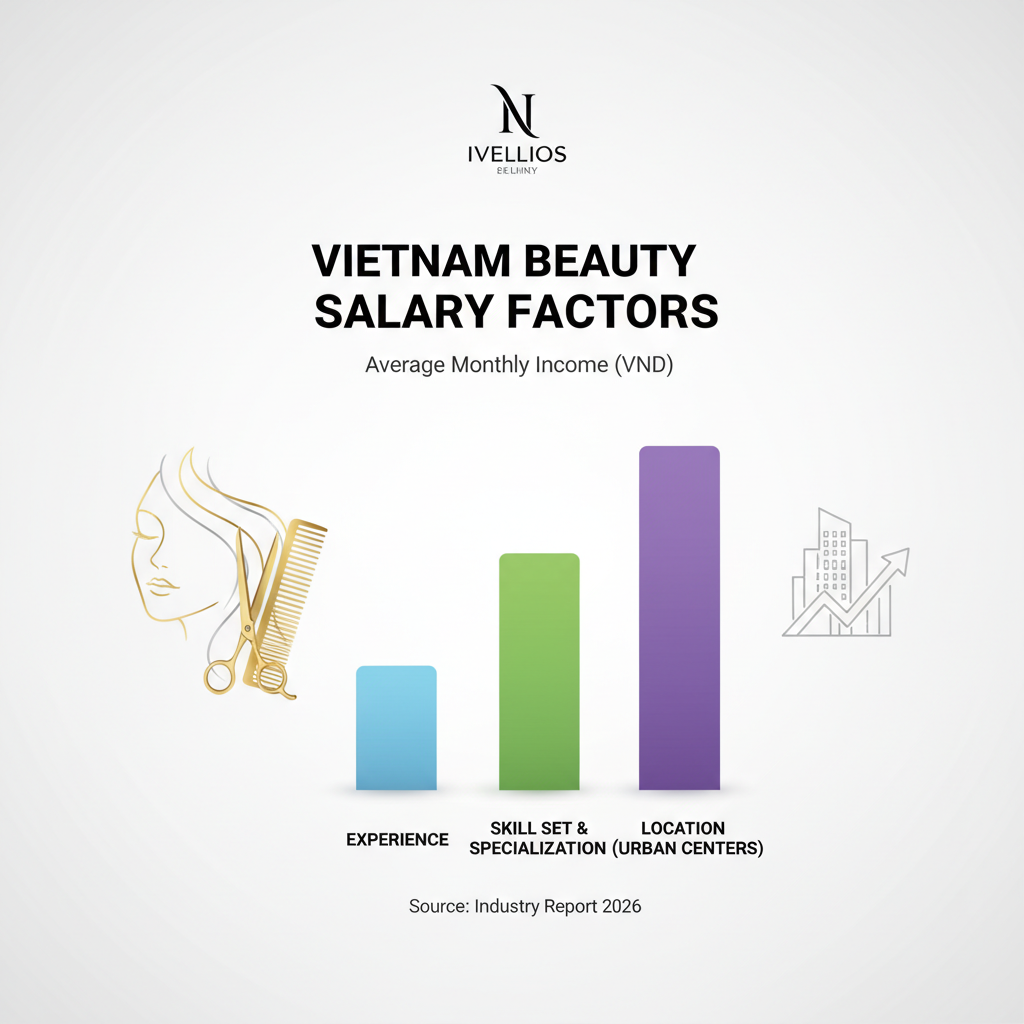
One of the most significant factors influencing a beauty professional’s salary in Vietnam is their level of experience and the specialization of their skills. Entry-level positions, such as junior nail technicians, apprentice hairstylists, or newly certified aestheticians, typically command lower wages. These roles often focus on basic services and skill development, with earnings reflecting a foundational understanding rather than extensive expertise. As professionals gain years of experience, hone their craft, and build a loyal client base, their earning potential increases substantially. Senior beauty professionals, with 5+ years of experience, often earn significantly more due to their proven track record, efficiency, and ability to handle complex treatments.
Beyond general experience, specialized skills are a major income booster. Professionals with advanced certifications in areas like medical aesthetics (e.g., laser treatments, chemical peels), intricate hair coloring techniques (balayage, ombré), complex nail art, permanent makeup, or specialized massage therapies (e.g., hot stone, Ayurvedic) are highly sought after. These niche skills allow them to charge premium prices for their services and secure positions in high-end establishments. Continuous professional development, attending workshops, and acquiring new, in-demand skills are crucial for maximizing cosmetology earnings and moving up the pay scale within the competitive Vietnamese beauty market. For instance, an aesthetician salary specializing in anti-aging treatments or a hairstylist’s wages for intricate bridal up-dos will likely surpass those of general practitioners.
2. Geographic Location: Urban vs. Rural Pay Gaps
Where a beauty professional chooses to work dramatically impacts their income. Vietnam exhibits a distinct pay gap between urban centers and rural areas. Major cities like Ho Chi Minh City, Hanoi, and Da Nang offer significantly higher salary prospects due to several intertwined factors. These metropolitan areas boast a higher concentration of affluent clients, a greater number of high-end salons and international spas, and a generally higher cost of living, which translates into higher service prices and, consequently, higher beautician pay.
In urban settings, the sheer volume of potential clients and the competitive landscape often drive establishments to offer more attractive salary packages, including better base pay, commission structures, and benefits, to attract top talent. The demand for diverse and sophisticated beauty services, from elaborate hair treatments to advanced skincare, is also much stronger in these bustling hubs. Conversely, beauty professionals in rural or provincial areas typically earn less. The market demand is often for more basic and affordable services, client spending power is lower, and there are fewer luxury establishments. While the cost of living is also lower in these regions, the disparity in earning potential for jobs in the beauty field in Vietnam is undeniable. Therefore, a strategic choice of location is a critical component for maximizing a professional’s salary.
3. Type of Establishment: High-End Salons vs. Local Spas
The nature of the establishment where a beauty professional is employed profoundly influences their earning potential. There’s a significant difference in salary structures between high-end, luxury salons, international hotel spas, and smaller, local beauty shops or neighborhood spas.
High-End Salons & International Spas: These establishments cater to a premium clientele, often including expatriates and affluent locals, who are willing to pay top dollar for exceptional service, exclusive products, and a luxurious experience. Professionals working here, whether a spa therapist or a senior hairstylist, often benefit from higher service charges, which translate into generous commission rates on services and product sales. They may also receive a higher base salary, better benefits packages (health insurance, paid leave), opportunities for advanced training, and access to cutting-edge technologies. The brand reputation of such establishments allows them to attract and retain highly skilled individuals, offering compensation that reflects their expertise and the value they bring.
Local & Mid-Range Establishments: Smaller, local beauty shops, neighborhood salons, and mid-range spas typically offer more competitive pricing to attract a broader local customer base. While they provide stable employment, the earning potential, particularly in terms of commission, may be lower than in luxury settings. Professionals might earn a more modest fixed salary with smaller bonuses or commissions. Benefits may also be less comprehensive. However, these establishments often offer a strong sense of community, a steady client flow for essential services like manicures and basic haircuts, and can be excellent training grounds for new professionals. The overall economic landscape, as detailed by authoritative sources such as the World Bank’s economic overview of Vietnam, plays a crucial role in shaping the viability and compensation structures across all segments of the beauty industry.
In conclusion, a beauty professional’s salary in Vietnam is a multi-faceted outcome of their individual skill set and experience, their chosen geographic work location, and the type of establishment they serve. By strategically developing specialized skills, targeting bustling urban centers, and aligning with reputable, high-end establishments, beauty professionals can significantly enhance their earning potential within Vietnam’s flourishing beauty sector.
Emerging Trends and Future Outlook for Beauty Job Salaries
The beauty industry in Vietnam is a dynamic and rapidly evolving sector, poised for significant growth and transformation in the coming years. As consumer preferences shift and technological advancements reshape operational landscapes, the salary range report of jobs in beauty field in Vietnam will undoubtedly reflect these changes. This section examines current and future trends shaping the beauty industry, predicting how digitalization, new technologies, and evolving consumer demands will impact salary structures by 2026. Understanding these shifts is crucial for both employers seeking skilled talent and professionals aiming to enhance their career prospects in Vietnam’s vibrant beauty sector.
1. Impact of Digitalization and Social Media
The digital revolution has profoundly altered how beauty brands interact with consumers and how beauty professionals market their services. In Vietnam, where internet penetration and social media usage are exceptionally high, digitalization has created a burgeoning demand for roles that combine traditional beauty expertise with digital prowess. We’re seeing a surge in demand for content creators, digital marketing specialists for beauty brands, and influencers who can build personal brands and client bases online. Beauticians, makeup artists, and stylists are increasingly expected to manage their online portfolios, engage with clients via social media, and even conduct virtual consultations. This integration of digital skills into core beauty roles means that professionals adept at navigating platforms like TikTok, Instagram, and Facebook will command higher salaries. The digital economy’s rapid expansion in Southeast Asia, including Vietnam, underscores the urgency for beauty professionals to embrace these tools. Expect to see a growing premium placed on individuals who can leverage these platforms for client acquisition and brand building, driving an upward trend in salaries for digitally-savvy beauty industry trends Vietnam professionals and those in digital marketing beauty jobs within the sector. E-commerce platforms are also creating new opportunities, affecting the e-commerce beauty jobs landscape and remuneration.
2. Rise of Niche and Specialized Treatments
Vietnamese consumers are becoming more discerning, moving beyond generic beauty services to seek out highly specialized and personalized treatments. This trend is fueling the growth of niche markets such as organic and clean beauty, advanced medical aesthetics (e.g., non-invasive anti-aging procedures, specialized acne treatments), sustainable beauty practices, and gender-specific services. As a result, there is an increasing demand for professionals with in-depth knowledge and advanced skills in these particular areas. Training in specific technologies, ingredients, or methodologies becomes a significant differentiator. For instance, an aesthetician trained in advanced laser treatments or a therapist specializing in bespoke aromatherapy will likely earn more than a generalist. This shift towards specialization directly impacts specialized beauty services salaries, rewarding expertise and continuous learning. The adoption of new beauty technology impacts also means that technicians proficient in operating advanced equipment will be highly valued. Professionals who stay ahead of these consumer demand beauty sector shifts and invest in targeted training will find themselves in a stronger bargaining position for salaries by 2026.
3. Emphasis on Professional Certifications and Training
As the beauty industry in Vietnam matures and global standards become more influential, there is a heightened emphasis on professional certifications, continuous training, and adherence to best practices. Consumers are increasingly seeking assurance of quality, safety, and ethical conduct, leading to a preference for certified professionals. Employers, in turn, are prioritizing candidates who hold recognized qualifications, whether local accreditations or international certifications from reputable bodies. This trend extends across all segments of the beauty industry, from cosmetologists and spa therapists to beauty consultants and salon managers. Investment in continuous professional development (CPD) – attending workshops, seminars, and advanced courses – will not only enhance skill sets but also significantly boost earning potential. Professionals with strong professional beauty qualifications and a commitment to lifelong learning will be viewed as more reliable and expert, commanding higher salaries and better career progression opportunities. This focus on expertise and verified credentials will contribute to a more structured and professionalized beauty industry trends Vietnam, with salaries reflecting the level of qualification and experience.
In conclusion, the future outlook for beauty job salaries in Vietnam is bright for those who embrace change and commit to continuous development. Digital proficiency, specialization in high-demand niche treatments, and formal professional certifications will be the primary drivers of increased earning potential by 2026. The dynamic interplay of technology, evolving consumer demand beauty sector, and a commitment to quality will redefine career paths and salary expectations across the industry. Staying informed through resources like the salary range report of jobs in beauty field in Vietnam will be essential for navigating this exciting landscape.
Strategies to Boost Your Earnings in Vietnam’s Beauty Sector
The Vietnamese beauty market is a vibrant and rapidly expanding landscape, offering immense opportunities for professionals to build thriving careers and significantly increase their income. With a youthful population, increasing disposable incomes, and a strong cultural emphasis on personal appearance, demand for high-quality beauty services continues to surge. However, to truly capitalize on this dynamic environment and secure a lucrative position, beauty professionals must adopt strategic approaches. This section provides practical advice and actionable steps designed to enhance your career trajectory and boost your earnings in Vietnam’s competitive beauty industry. Understanding the latest trends and a comprehensive salary range report of jobs in beauty field in vietnam can provide a foundational advantage, revealing where the highest earning potential lies and how to position yourself for success.
1. Continuous Skill Development & Specialization
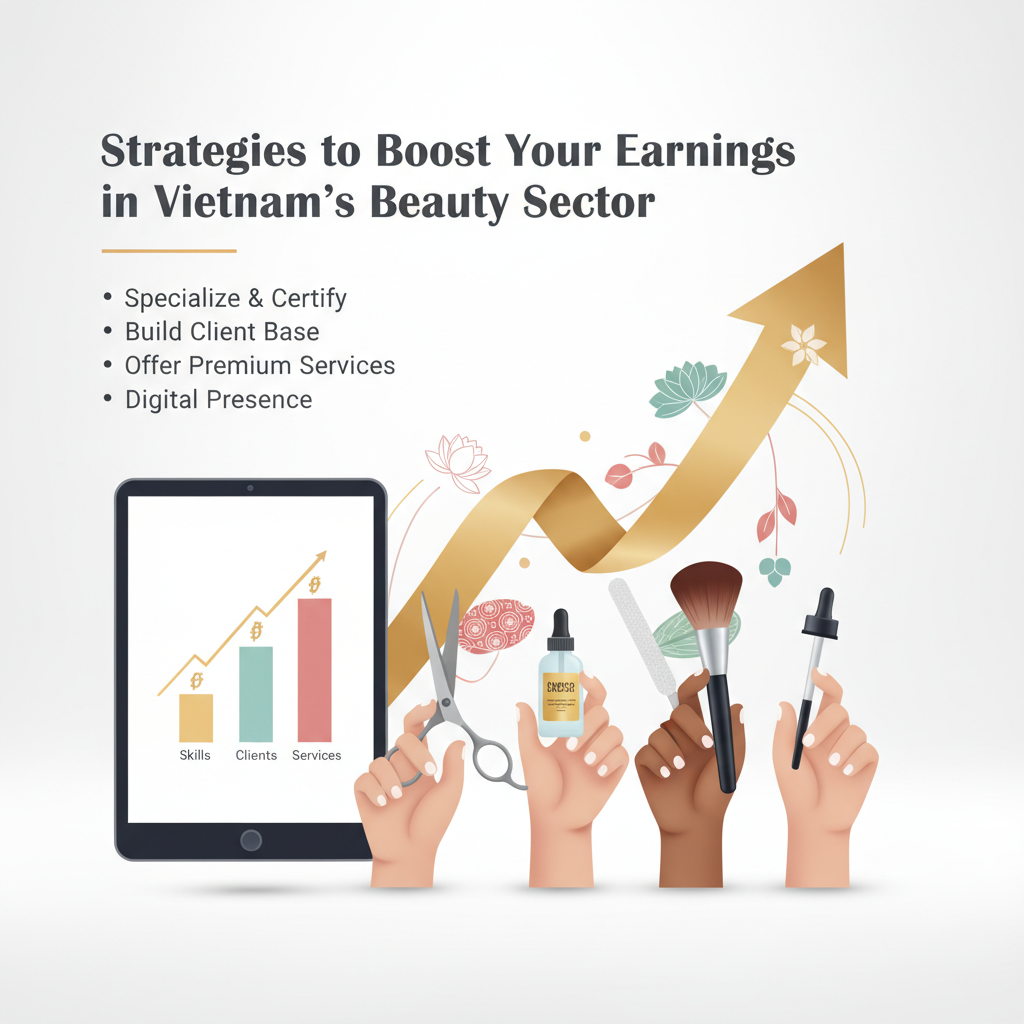
In a market as dynamic as Vietnam’s, staying static is not an option. Clients are increasingly sophisticated, seeking out professionals who offer the latest techniques and specialized services. Investing in continuous skill development is paramount. This goes beyond basic training; consider advanced certifications in niche areas such as medical aesthetics, advanced cosmetic tattooing, specialized hair coloring techniques (e.g., balayage, ombre), complex nail art, or unique spa therapies. For instance, expertise in K-beauty trends, which are highly influential in Vietnam, or advanced non-invasive cosmetic procedures can command premium prices. Regularly attending workshops, online courses, and international beauty expos (even virtually) will keep you abreast of global innovations and local market demands. Specializing allows you to differentiate yourself from generalists, attract a more discerning clientele, and justify higher service fees. By becoming the go-to expert in a specific domain, you elevate your market value and ensure a steady stream of high-paying clients. Focus on areas that show high growth potential within the Vietnamese market, such as anti-aging treatments, natural and organic beauty solutions, or highly personalized consultation services.
2. Building a Strong Personal Brand and Client Base
Your personal brand is your reputation, and in the beauty sector, it’s directly linked to your earning potential. In Vietnam, where word-of-mouth and social media influence are significant, a compelling personal brand is crucial for attracting and retaining clients. Start by creating a professional online presence across platforms popular in Vietnam, such as Facebook, Instagram, and Zalo. Showcase a high-quality portfolio of your work, before-and-after photos (with client consent), and glowing testimonials. Engage actively with your audience, offering beauty tips, answering questions, and demonstrating your expertise. Exceptional customer service is non-negotiable; strive to create memorable experiences that encourage repeat business and positive referrals. Implement loyalty programs, offer personalized consultations, and maintain excellent communication. A robust client base built on trust and satisfaction ensures consistent bookings and helps insulate you from market fluctuations. Actively solicit reviews and feedback, using it to refine your services and address any shortcomings. Remember, a strong personal brand combined with a loyal client base translates directly into higher income and long-term career stability in Vietnam’s competitive beauty landscape.
3. Networking and Professional Associations
Networking is a powerful, yet often underestimated, tool for career advancement and income growth in the beauty industry. Actively engaging with peers, mentors, and industry leaders can open doors to new opportunities, collaborations, and advanced training. Attend local industry events, trade shows, and seminars. Join professional beauty associations in Vietnam, which can provide valuable resources, educational opportunities, and platforms for connection. These associations often host exclusive events, workshops, and even job boards. Collaborating with complementary businesses, such as fashion boutiques, photography studios, or wellness centers, can expand your reach and introduce you to new client segments. For example, a makeup artist could partner with a wedding planner, or a nail technician with a spa. Seek out mentors who have achieved success in the Vietnamese beauty sector; their insights and guidance can be invaluable. Building a strong professional network not only enhances your reputation but also keeps you informed about emerging trends, potential job openings, and lucrative business ventures. Staying connected to the broader beauty community, understanding the nuances of the growing beauty market in Vietnam, and leveraging professional relationships are key strategies for significantly boosting your earnings and securing a prominent position in this dynamic industry.
Partner with Shelby Global
You are looking for reliable HR Sevice Suppliers? Contact Shelby Global Now! To connect with verified talents and upgrade your orginization.
—————————————
References
– Cosmetics & Personal Care | Vietnam | Market Forecast – Statista: https://www.statista.com/outlook/cmo/cosmetics-personal-care/vietnam
– World Bank, Vietnam’s economy: https://www.worldbank.org/en/country/vietnam/overview
– World Bank’s economic overview of Vietnam: https://www.worldbank.org/en/country/vietnam/overview
– Google, Temasek & Bain e-Conomy SEA 2023 report: https://economysea.withgoogle.com/
– Beauty and Personal Care Market in Vietnam: https://www.statista.com/outlook/cmo/beauty-personal-care/vietnam