
Understanding Vietnam’s Production Labor Market
Vietnam has rapidly emerged as a global manufacturing powerhouse, attracting significant foreign direct investment (FDI) and becoming a pivotal link in international supply chains. This dynamic, complex production labor market is crucial for businesses. A nuanced understanding is not just beneficial but critical for developing a robust Salary Defining Strategy for all job titles in production field in Vietnam, as informed salary decisions are the bedrock of attracting and retaining talent. The unique characteristics of Vietnam’s production sector, from evolving economic policies to labor supply and demand intricacies, directly influence wage structures and talent availability. Navigating this requires insight into macroeconomic factors, industry growth, and skill gaps, which this section will explore.

1. Current economic landscape and its impact on wages
Vietnam’s economic narrative over the past decade has been one of remarkable growth and resilience. Consistently reporting strong GDP growth rates, driven by manufacturing and export, this robust performance directly pressures wages upwards. The Vietnamese government actively manages annually adjusted minimum wage levels, influencing salary baselines across regions. Adjustments consider inflation, living costs, and economic indicators. Inflation, while generally managed, also necessitates higher wages in urban and industrial zones to maintain employee purchasing power. Furthermore, FDI continues to create a competitive labor market. New factories bidding for talent, particularly in specific industrial parks, naturally push salary expectations upwards. Understanding these macroeconomic trends, including trade agreements and government incentives, is vital for developing a Salary Defining Strategy for all job titles in production field in Vietnam, ensuring competitive and sustainable compensation.
2. Key industries and growth sectors in production
Vietnam’s production sector is diverse, encompassing key industries with distinct labor demands and salary dynamics. Electronics manufacturing in northern provinces is a high-growth sector attracting significant tech investment. It demands sophisticated technical skills, from operators to engineers, driving higher average wages. Traditional pillars like textiles, garments, and footwear remain major employers in southern and central regions. Though labor-intensive with lower entry-level wages, these sectors are modernizing, integrating automation and requiring higher-skilled roles in design, R&D, and quality assurance. Emerging growth areas include automotive components, plastics, chemicals, and food processing, diversifying the manufacturing base. This varied industrial expansion creates localized talent competition, necessitating a sector-specific and geographically informed Salary Defining Strategy for all job titles in production field in Vietnam. Compensation for a skilled technician in a Bac Ninh electronics factory, for instance, will differ significantly from one in a Binh Duong garment factory.
3. Labor supply, demand, and skill gaps
Vietnam boasts a large, young, and adaptable workforce—a key manufacturing advantage. However, labor supply and demand are increasingly nuanced. While general production labor for entry-level roles is abundant, a pronounced shortage exists for skilled technicians, engineers, and experienced middle management. This ‘skill gap’ is critical, driven by rapid industrialization, complex manufacturing, and Industry 4.0 demands like automation and AI. Educational and vocational training systems strive to catch up, but industrial change often outstrips qualified graduates. Companies fiercely compete for candidates with specific technical expertise, language skills, or leadership capabilities, leading to significant wage premiums. This dynamic makes a comprehensive Salary Defining Strategy for all job titles in production field in Vietnam indispensable. It must address minimum wage compliance, market premiums for scarce skills, and include investment in training and talent retention. Understanding these imbalances is key to forecasting labor costs and developing sustainable compensation structures for operational continuity and growth.
In conclusion, Vietnam’s production labor market is a complex tapestry of rapid economic expansion, diverse industrial growth, and evolving workforce dynamics. For enterprises seeking to thrive, a deep understanding of these elements is a strategic imperative. By meticulously analyzing the economic landscape, identifying key industry demands, and recognizing skill gaps, businesses can craft a Salary Defining Strategy for all job titles in production field in Vietnam that is both competitive and sustainable, ensuring long-term success in this vibrant manufacturing hub.
Core Components of a Robust Salary Defining Strategy
Details the fundamental elements and methodologies required to build an effective, fair, and competitive salary structure across all job titles.
Establishing a precise and equitable salary defining strategy for all job titles in the production field in Vietnam is crucial for any organization aiming for sustainable growth and talent retention. In a dynamic market like Vietnam, where competition for skilled labor in manufacturing and production is intense, a well-thought-out compensation framework ensures not only compliance but also motivates employees and enhances overall productivity. This strategy goes beyond merely assigning numbers; it involves a systematic approach that balances internal fairness with external competitiveness, tailored to the specific context of the production sector.
-
Job Evaluation and Grading Systems
The foundation of any robust salary defining strategy begins with a thorough job evaluation process. This systematic methodology assesses the relative worth of each job within the organization, irrespective of the incumbent. For the production field in Vietnam, this involves meticulously analyzing roles from entry-level operators and technicians to supervisory positions and plant management. Factors considered typically include required skills, effort, responsibility, and working conditions. Methodologies such as point-factor systems, where jobs are rated on a series of predefined compensable factors (e.g., technical expertise, decision-making authority, physical demands, problem-solving complexity), allow for objective comparisons. By assigning scores, organizations can establish a clear hierarchy of jobs and group them into distinct pay grades. This ensures internal consistency, meaning that jobs of similar value receive similar compensation, laying the groundwork for a fair and transparent pay structure. A well-implemented job evaluation system minimizes pay disparities and provides a logical basis for career progression within the demanding environment of a production facility.
-
Market Benchmarking and Salary Surveys
While internal equity is vital, a salary structure must also be externally competitive to attract and retain top talent. This is where market benchmarking and comprehensive salary surveys come into play. Organizations in the production sector in Vietnam must regularly compare their pay scales against relevant market data. This involves participating in, or purchasing reports from, reputable salary survey providers that offer industry-specific and geographically specific data. For instance, comparing the salaries of production engineers, quality control specialists, or machine operators in Ho Chi Minh City or Binh Duong Province against competitors in the same region is paramount. These surveys provide critical insights into prevailing market rates, salary ranges, and benefits packages for comparable roles. Leveraging this data allows companies to position their compensation competitively – whether aiming to lead, match, or lag the market – based on their business strategy and talent acquisition goals. Regular analysis of these benchmarks ensures that the compensation strategy remains aligned with external market realities, preventing potential talent drain due to uncompetitive pay, which is a significant concern for the production field in Vietnam given the demand for skilled workers.
-
Internal Equity and Pay Transparency
Achieving internal equity means ensuring that employees perceive their pay as fair relative to others within the organization, considering their responsibilities, performance, and contributions. This component is intertwined with job evaluation, as it relies on a consistent framework for valuing roles. Beyond structured evaluation, internal equity also encompasses performance management systems that link pay increases and bonuses to individual and team performance, fostering a culture of meritocracy. For the production field, this might involve clear metrics for output, quality, safety compliance, or efficiency improvements. Pay transparency, while sometimes viewed with caution, plays a significant role in building trust and reinforcing internal equity. This doesn’t necessarily mean disclosing everyone’s exact salary, but rather being transparent about the processes, criteria, and pay ranges for different job grades. Clearly communicating how salaries are determined, how performance influences pay, and the opportunities for career progression and associated pay growth can significantly boost employee morale, reduce perceptions of unfairness, and enhance employee engagement within the Vietnamese production workforce. A transparent approach helps employees understand their current position and future potential within the company’s comprehensive salary defining strategy, promoting a positive and productive work environment.
Tailoring Strategies for Diverse Production Job Titles
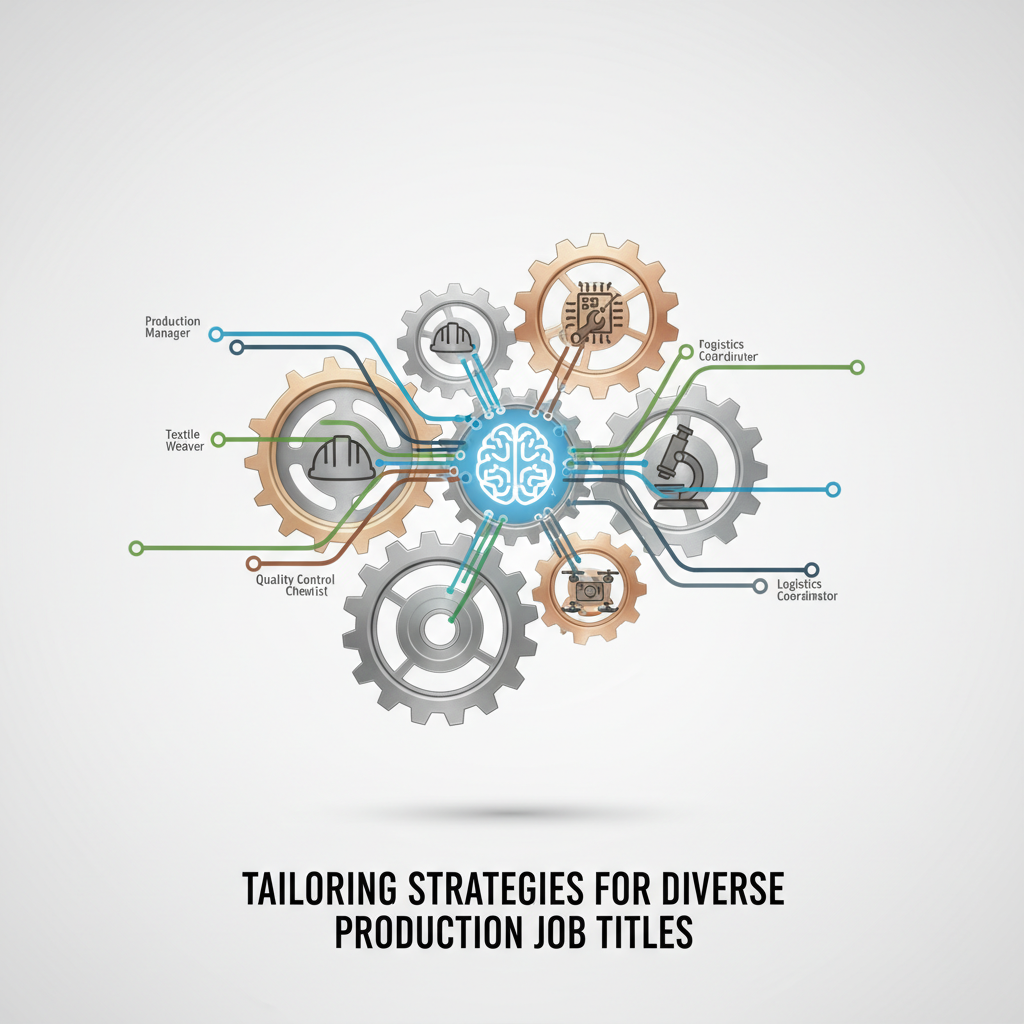
In Vietnam’s dynamic and rapidly expanding manufacturing and production sector, an effective Salary Defining Strategy for all job titles in production field in vietnam is not merely about competitive pay; it’s about a nuanced approach that acknowledges the unique contributions, skill sets, and market value of each role. From the shop floor to the executive boardroom, salary structures must be meticulously adapted to attract, motivate, and retain top talent across the entire organizational hierarchy. This strategic segmentation ensures that compensation aligns with responsibilities, drives performance, and supports long-term business objectives in a highly competitive talent landscape.
1. Entry-level and technical roles compensation
For entry-level workers and technical staff in Vietnam’s production facilities, compensation strategies must prioritize competitive foundational pay and clear pathways for growth. This category includes roles such as production line operators, assembly workers, quality control inspectors, and maintenance technicians. The primary focus here is on providing a stable and attractive base salary that meets or exceeds local market rates, ensuring basic needs are met and reducing turnover. Beyond the base, companies should consider incorporating performance-related bonuses for meeting production targets, quality metrics, or efficiency improvements. Overtime pay, adhering strictly to Vietnamese labor laws, is also a significant component for many of these roles, impacting total take-home pay substantially. Furthermore, non-monetary benefits like vocational training, safety equipment, health insurance, and opportunities for skill development are crucial. These benefits not only enhance job satisfaction but also empower employees to advance within the company, creating a motivated and loyal workforce. A robust Salary Defining Strategy for all job titles in production field in vietnam for this segment ensures a steady supply of essential operational talent.
2. Mid-management and specialized positions
Mid-management and specialized roles form the backbone of efficient production operations, bridging the gap between strategic objectives and day-to-day execution. This category encompasses positions like production supervisors, department managers, process engineers, logistics coordinators, and supply chain specialists. Compensation for these roles should reflect their increased responsibility, technical expertise, and direct impact on operational success. A sophisticated strategy involves a strong base salary complemented by significant performance-based incentives tied to specific Key Performance Indicators (KPIs) such as production efficiency, waste reduction, on-time delivery, and team performance. Skill-based pay, where individuals are rewarded for acquiring specialized certifications or mastering advanced production techniques, can also be highly effective in retaining valuable talent. Beyond direct financial incentives, benefits packages often expand to include comprehensive health and life insurance, professional development programs, tuition reimbursement for further education, and potentially company car allowances or housing support. These roles require a compensation structure that acknowledges their strategic importance and encourages continuous improvement and leadership development, ensuring that critical operational insights and improvements are driven from within.
3. Senior leadership and executive remuneration
At the apex of the production hierarchy, senior leadership and executive roles demand a compensation strategy that mirrors their extensive responsibilities, strategic impact, and direct influence on the company’s profitability and long-term vision. This includes positions like Plant Managers, Operations Directors, and Vice Presidents of Production. Remuneration for these executives typically comprises a substantial base salary, but a significant portion of their total compensation is performance-dependent. This often includes large annual bonuses tied to company-wide financial performance, operational excellence (e.g., overall plant efficiency, safety records, cost leadership), and strategic project completion. Long-term incentive plans, such as stock options, restricted stock units, or phantom stock, are also common, aligning executive interests directly with shareholder value and encouraging sustained growth. Furthermore, executive benefits packages are comprehensive, featuring robust health and wellness programs, executive retirement plans, generous paid time off, and perquisites like company-provided vehicles, housing allowances, or club memberships. Attracting and retaining top-tier executives, especially in a competitive market like Vietnam, requires an understanding of global executive compensation trends and local market nuances. According to the Michael Page Vietnam Salary Guide, expert local market insights are crucial for benchmarking and crafting attractive packages for these pivotal roles, ensuring the company’s strategic direction is in capable hands.
Ultimately, a holistic and dynamic Salary Defining Strategy for all job titles in production field in vietnam is vital for sustained success. By carefully segmenting compensation approaches, companies can optimize their human capital investments, foster a productive work environment, and maintain a competitive edge in Vietnam’s evolving industrial landscape.
Performance-Based Pay and Incentive Structures
In today’s competitive global market, particularly within the dynamic production sector in Vietnam, an effective Salary Defining Strategy for all job titles in production field in vietnam is paramount for attracting, motivating, and retaining top talent. Performance-based pay and incentive structures are not merely compensation tools; they are strategic levers designed to align employee efforts directly with company objectives, enhance productivity, and foster a culture of continuous improvement. By linking remuneration to tangible outcomes, organizations can ensure that their investment in human capital yields maximum returns, driving both individual and organizational success. This section delves into the core components of such a strategy, exploring how to build robust systems that truly incentivize performance across all production roles.
1. KPIs and performance appraisal systems
The foundation of any effective performance-based pay system lies in clearly defined Key Performance Indicators (KPIs) and a robust performance appraisal system. For production roles in Vietnam, KPIs must be quantifiable, relevant, and directly reflect critical aspects of the job, such as production volume, quality control adherence, efficiency rates, safety compliance, and waste reduction. For example, a machine operator might have KPIs related to uptime percentage and defect rates, while a production manager’s KPIs could include overall line efficiency and team productivity. A well-structured performance appraisal system provides a consistent and objective framework for evaluating how well employees meet these KPIs. It should involve regular feedback sessions, goal setting, and transparent rating scales, ensuring that employees understand what is expected of them and how their performance impacts their potential earnings. Integrating a clear performance management system is crucial for fairness and developmental growth, making the salary definition process transparent and motivating rather than arbitrary. This systematic approach ensures that salary adjustments and bonus allocations are based on objective metrics, providing a fair and clear Salary Defining Strategy for all job titles in production field in vietnam.
2. Bonus structures and profit-sharing schemes
Beyond base salaries, short-term incentives like bonus structures and profit-sharing schemes play a vital role in driving immediate performance and fostering a sense of shared ownership. Bonus structures can be tied to individual, team, or departmental achievements. For production roles, this might involve production bonuses for exceeding output targets, quality bonuses for maintaining low defect rates, or safety bonuses for incident-free periods. These incentives should be clearly communicated, achievable, and paid out regularly enough (e.g., quarterly or semi-annually) to maintain their motivational impact. Profit-sharing schemes, on the other hand, connect employee rewards directly to the company’s overall financial success. By allocating a percentage of company profits to employees, these schemes encourage everyone, from line workers to senior managers, to think like owners and contribute to the company’s bottom line. This collective incentive can significantly boost morale and collaboration, ensuring that the entire workforce is invested in improving efficiency and profitability, thereby enhancing the overall Salary Defining Strategy for all job titles in production field in vietnam.
3. Long-term incentives and retention programs
While short-term incentives address immediate performance, long-term incentives (LTIs) and retention programs are essential for securing future talent and fostering sustained commitment. For production fields, where skilled labor can be in high demand, LTIs might include deferred cash bonuses, phantom stock options (where employees receive cash payments based on the value of company shares without owning actual stock), or long-term incentive plans tied to multi-year project completion or continuous improvement milestones. These programs are particularly effective for key personnel and management roles, encouraging them to remain with the company and contribute to its strategic growth over several years. Additionally, robust retention programs encompass more than just financial incentives. They include career development opportunities, leadership training, mentorship programs, and a positive work environment. Investing in employee training and skill enhancement not only improves productivity but also demonstrates a commitment to their professional growth, making employees less likely to seek opportunities elsewhere. By combining competitive base pay, performance-driven bonuses, and strategic long-term incentives, companies can craft a holistic and compelling Salary Defining Strategy for all job titles in production field in vietnam that ensures both immediate productivity gains and enduring employee loyalty and organizational success.
Legal Compliance and Future Trends in Vietnam
Vietnam’s production sector, a pivotal engine of its economic growth, operates within a dynamic regulatory landscape. For businesses to thrive and maintain a competitive edge, understanding the nuances of legal compliance in compensation practices and anticipating future trends is paramount. This section addresses the essential regulatory framework and anticipated changes affecting compensation practices in Vietnam’s dynamic production sector, offering insights crucial for developing a robust Salary Defining Strategy for all job titles in production field in Vietnam.
1. Vietnamese Labor Laws and Minimum Wage Regulations
Navigating Vietnam’s labor laws is the foundational step for any effective Salary Defining Strategy. The cornerstone of labor regulations is the Labor Code of Vietnam, which governs employment relationships, working conditions, and compensation across all sectors, including the bustling production industry. Employers must meticulously adhere to its provisions concerning minimum wages, working hours, social insurance contributions, and employee benefits.
Vietnam’s minimum wage is determined regionally and is subject to periodic adjustments by the government, reflecting economic conditions and living costs. Currently, there are four regions, each with a distinct minimum wage rate. Beyond the base salary, companies are mandated to contribute to social insurance, health insurance, and unemployment insurance funds for their employees, significantly impacting the total cost of employment. Overtime pay, severance allowances, and various leave entitlements are also strictly regulated, requiring careful consideration when structuring compensation packages. Ignoring these legal mandates can lead to substantial fines and reputational damage. A comprehensive understanding of these legal requirements is vital for establishing a fair, compliant, and competitive approach to compensation, forming the bedrock of a robust Salary Defining Strategy for all job titles in production field in Vietnam.
2. Impact of Automation and AI on Future Salaries
The global production landscape is rapidly transforming, and Vietnam is no exception. The increasing integration of automation, robotics, and artificial intelligence (AI) into manufacturing processes is profoundly reshaping job roles and, consequently, future salary structures. While automation can optimize efficiency and reduce manual labor for repetitive tasks, it simultaneously creates demand for new, specialized skills in areas such as robotics engineering, data analytics, AI development, and advanced machine operation and maintenance.

This shift necessitates a proactive approach to workforce development and compensation. Companies must evaluate how these technologies impact existing job descriptions and identify emerging roles that will command higher salaries due to specialized expertise. Investing in upskilling and reskilling programs for the current workforce will be crucial to bridge skill gaps and ensure employees remain valuable assets in an increasingly automated environment. Compensation models will need to evolve, recognizing contributions based on problem-solving, critical thinking, and technological proficiency rather than purely manual effort. A forward-thinking Salary Defining Strategy for all job titles in the production field in Vietnam must account for these technological advancements to remain competitive and attract the talent needed for a high-tech future.
3. Attracting and Retaining Top Talent in a Competitive Market
In Vietnam’s booming production sector, competition for skilled talent is fierce. While legal compliance forms the baseline, a truly effective Salary Defining Strategy must go beyond minimum requirements to attract and retain the best professionals. Today’s workforce, especially in specialized production roles, seeks more than just a competitive base salary. Factors such as comprehensive benefits packages (healthcare, retirement plans), opportunities for professional development and career progression, a positive work culture, and work-life balance play significant roles in an employee’s decision-making process.
To stand out, companies should develop transparent and equitable compensation policies that clearly articulate pay scales, performance-based incentives, and bonus structures. Benchmarking salaries against industry averages and competitor offerings is essential to ensure competitiveness. Furthermore, fostering an environment that promotes continuous learning and offers clear pathways for career growth can significantly boost employee loyalty. As Vietnam continues its economic ascent, the demand for highly skilled labor will only intensify. Therefore, a strategic and holistic approach to compensation, one that integrates legal adherence with market competitiveness and employee welfare, is indispensable for businesses aiming to secure a strong workforce. For more insights into Vietnam’s labor market dynamics, refer to reports from reputable institutions like the World Bank on Vietnam’s Economy. This comprehensive strategy ensures not only compliance but also sustainable growth and leadership in the production sector.
Partner with Shelby Global
You are looking for reliable HR Sevice Suppliers? Contact Shelby Global Now! To connect with verified talents and upgrade your orginization.
—————————————
References
– World Bank Overview: Vietnam: https://www.worldbank.org/en/country/vietnam/overview
– SHRM Salary Data Resources: https://www.shrm.org/resources-and-tools/pages/salary-data.aspx
– Michael Page Vietnam Salary Guide: https://www.michaelpage.com.vn/salary-guide
– Performance Management Toolkit from SHRM: https://www.shrm.org/topics-tools/tools-templates/toolkits/performance-management
– World Bank on Vietnam’s Economy: https://www.worldbank.org/en/country/vietnam/overview