
Overview of Singapore’s Education Landscape & Key Drivers
Singapore’s education system is globally recognized for its excellence, consistently ranking high in international assessments. This robust performance is underpinned by a forward-looking approach that constantly adapts to evolving global demands and domestic needs. Understanding the intricate dynamics of this landscape is crucial for anyone seeking insights into the market demand trend report of education field in singapore. This section provides a foundational understanding of the current state of education, highlighting the primary forces shaping its direction and demand, from demographic shifts to strategic government initiatives.

1. Current Demographics and Student Population Shifts
Singapore’s demographic profile is a primary driver influencing its education sector. A declining birth rate, coupled with an aging population, presents unique challenges and opportunities. While the demand for traditional primary and secondary education may see a gradual plateau or even slight decline in some areas, the focus is increasingly shifting towards quality over quantity. This demographic trend also fuels the expansion of the early childhood education sector, as parents seek high-quality foundational learning experiences for fewer children. Furthermore, Singapore’s status as a global hub continues to attract expatriate families, maintaining a steady demand for international schools and niche educational offerings. The emphasis on lifelong learning is also a direct response to an aging workforce, necessitating continuous skills upgrading and retraining. These shifts are pivotal when assessing the overall market demand trend report of education field in singapore, indicating a move towards specialized and adult education programs that cater to evolving societal needs.
2. Economic Outlook and Impact on Education Spending
Singapore’s robust and resilient economy significantly influences its education landscape. Despite global economic uncertainties, the nation consistently invests heavily in education, viewing it as a critical pillar for national development and economic competitiveness. Government spending priorities are often aligned with strategic economic sectors, such as advanced manufacturing, digital technologies, and biomedical sciences, leading to specialized program development and funding in these areas. Parents, too, place a high premium on education, often allocating substantial portions of their household budgets to private tuition, enrichment classes, and supplementary education, reflecting a deeply ingrained cultural value for academic excellence and future opportunities. This strong private spending indicates a robust market demand for quality educational services beyond the public system. Furthermore, as the economy evolves, the demand for upskilling and reskilling programs for the adult workforce intensifies, directly impacting the tertiary and vocational education sectors. This constant adaptation to economic imperatives is a key factor in any comprehensive market demand trend report of education field in singapore.
3. Government Vision and Strategic Education Initiatives
The Singaporean government, primarily through the Ministry of Education (MOE), plays a highly proactive role in shaping the education landscape. Its vision is centered on nurturing future-ready citizens equipped with critical thinking, creativity, and adaptability. Key initiatives like SkillsFuture exemplify this commitment, promoting lifelong learning and providing subsidies for professional development courses across all stages of a Singaporean’s career. This national movement directly stimulates demand for adult education, vocational training, and specialized professional certifications. The education system also places a strong emphasis on digital literacy and computational thinking, integrating technology across the curriculum from early years to tertiary education to prepare students for a digital-first economy. Furthermore, continuous curriculum reviews ensure relevance, shifting away from rote learning towards applied, interdisciplinary approaches. These strategic shifts not only define the educational experience but also significantly influence the market demand trend report of education field in singapore, guiding investments in infrastructure, pedagogical approaches, and new educational offerings. For detailed insights into these policy directions, the Ministry of Education’s official website provides comprehensive information on their future directions and initiatives.
In conclusion, Singapore’s education landscape is a dynamic ecosystem driven by a confluence of demographic shifts, robust economic performance, and strategic government foresight. From adapting to evolving student populations and investing heavily in future-ready skills to fostering a culture of lifelong learning, these key drivers collectively shape the market demand trend report of education field in singapore. Understanding these foundational elements is essential for stakeholders seeking to navigate and contribute to one of the world’s most progressive education systems.
Emerging Trends in Learning & Teaching Methodologies
The education sector is undergoing an unprecedented transformation, driven by technological advancements and evolving societal needs. This shift is particularly evident in how learning is delivered and consumed, heralding new pedagogical approaches and robust technological integrations. For anyone keen on understanding the evolving landscape, especially within a dynamic region, a comprehensive market demand trend report of the education field in Singapore offers invaluable insights into these revolutionary changes. The global demand for flexible, effective, and engaging learning experiences continues to spur significant innovation, leading to a profound digital learning transformation across all levels of education.
1. The Rise of Blended and Hybrid Learning Models
The past few years have firmly established blended and hybrid learning as mainstream methodologies, moving beyond their initial perception as temporary solutions during disruptions. Blended learning typically integrates face-to-face classroom instruction with online learning activities, offering students the best of both worlds – the structure and social interaction of traditional classrooms alongside the flexibility and self-paced nature of digital platforms. Hybrid models, often used interchangeably, emphasize flexible choices where students might choose fully online or fully in-person modes for specific courses or periods, or a mix of both. This approach offers enhanced accessibility and accommodates diverse learning styles and schedules, making education more inclusive. Institutions are increasingly investing in robust online learning platforms and instructional design to optimize these models, ensuring seamless transitions and effective content delivery. The demand for such flexible options is a key driver in the market demand for educational services, particularly for lifelong skill development and professional upskilling programs.
2. Personalized Learning Pathways and Adaptive Technologies
Moving away from the ‘one-size-fits-all’ approach, personalized learning is gaining significant traction. This methodology tailors the learning experience to each student’s unique needs, pace, and preferences. Leveraging data analytics and advanced algorithms, personalized education pathways allow educators to identify individual strengths and weaknesses, offering targeted support and enrichment. Adaptive learning systems are at the forefront of this trend, utilizing AI to dynamically adjust course content, assignments, and assessments based on a student’s real-time performance and comprehension. These systems can recommend specific resources, provide immediate feedback, and even modify the difficulty level of tasks, ensuring optimal engagement and mastery. The implementation of such adaptive learning systems is critical for fostering deeper understanding and promoting greater learner autonomy, ultimately enhancing the effectiveness of educational interventions and preparing individuals for the future of education.
3. Impact of Artificial Intelligence and EdTech Solutions
Artificial Intelligence (AI) is rapidly becoming a cornerstone of educational technology (EdTech), promising to revolutionize every facet of learning and teaching. AI in education Singapore, much like globally, is being explored for its potential to automate administrative tasks, freeing up educators to focus on instructional design and student interaction. Beyond automation, AI-powered tools are transforming content creation, providing intelligent tutoring systems that offer instant, personalized feedback, and facilitating sophisticated analytics to track student progress and predict potential learning difficulties. From virtual reality (VR) and augmented reality (AR) for immersive learning experiences to sophisticated learning management systems (LMS) and AI-driven assessment tools, EdTech innovation is accelerating at an unprecedented pace. The transformative potential of artificial intelligence in education is vast, extending to fostering new methods of lifelong skill development and ensuring that educational offerings remain relevant in a rapidly changing world. As institutions and learners alike embrace these technologies, the future of education will undoubtedly be more intelligent, interconnected, and tailored to individual needs.
These emerging trends—blended learning, personalized pathways, and the pervasive influence of AI and EdTech solutions—are not just fads but fundamental shifts redefining the educational paradigm. They underscore a global push towards more agile, accessible, and effective learning environments, directly influencing the market demand trend report of education field in Singapore and beyond. Embracing these innovations is crucial for institutions aiming to remain competitive and for learners seeking relevant skills for the modern workforce, ensuring continuous pedagogical innovation and robust skill development.
Sector-Specific Demand Analysis
Understanding the nuanced market demand trend report of education field in Singapore is critical for stakeholders looking to navigate its dynamic landscape. This section provides a detailed examination of the Singapore education market across various segments, from early years to higher education and vocational training. The demand for education services in Singapore is shaped by demographic shifts, economic imperatives, government policies, and evolving global trends, making a comprehensive analysis essential for investors, educators, and policymakers.

1. Higher Education & University Enrollment Projections
The higher education Singapore sector continues to be a cornerstone of the nation’s knowledge economy. Demand for university education remains robust, driven by a strong societal emphasis on academic achievement and the perceived value of degrees in the job market. Enrollment projections indicate steady demand for local universities, complemented by a significant interest in international programs and partnerships. Key drivers include government initiatives to foster a highly skilled workforce, the appeal of Singapore as a regional education hub for international students, and the continuous upgrading of skill sets through postgraduate studies and executive education. Emerging fields such as artificial intelligence, data science, cybersecurity, and sustainability studies are seeing increased demand, reflecting global economic shifts and Singapore’s strategic focus on innovation. According to official data on higher education from the Ministry of Education (MOE) Singapore, the nation consistently invests in its universities to maintain their global competitiveness and relevance. This sustained investment, coupled with initiatives like the SkillsFuture impact on credit for degree holders, ensures that higher education remains vibrant and responsive to future economic needs.
2. Vocational, Technical, and Skills-Based Training
In line with Singapore’s commitment to lifelong learning Singapore, the vocational training Singapore sector, technical, and skills-based training is experiencing significant growth. The comprehensive market demand trend report underscores the pivotal role of programs under the SkillsFuture initiative. This national movement aims to provide Singaporeans with opportunities to develop and deepen skills throughout their lives, responding to industry transformation and the need for continuous reskilling and upskilling. Demand is particularly high for specialized training in areas such as advanced manufacturing, digital media, healthcare technologies, and service excellence. Institutions like the Institute of Technical Education (ITE) and polytechnics play a crucial role in preparing individuals for industry-relevant careers. Furthermore, private training providers are expanding their offerings to meet specific industry demands, fostering a dynamic ecosystem for skills development. The SkillsFuture impact is evident in the increasing participation rates in adult education and training, ensuring that the workforce remains agile and future-ready. This emphasis on practical skills is vital for sustaining Singapore’s economic competitiveness.
3. Early Childhood and K-12 Education Trends
The early childhood education Singapore sector, encompassing infant care, childcare, and kindergartens, continues to witness strong demand. This is driven by high parental participation in the workforce and a growing understanding of the importance of early years development. Government subsidies and initiatives to expand preschool capacity have made quality early education more accessible. For K-12 Singapore education, while the public school system remains dominant, there is a steady demand for private and international schools, particularly among expatriate families and local parents seeking alternative curricula or specialized programs (e.g., those with a stronger emphasis on STEM or arts). Birth rates and the inflow of expatriate families significantly influence enrollment figures. EdTech Singapore solutions are increasingly integrated across both early childhood and K-12 segments, enhancing learning experiences and administrative efficiencies. Parents are also seeking enrichment programs that complement the mainstream curriculum, focusing on areas like coding, robotics, and creative arts. The focus on holistic development and future-ready skills, even at foundational levels, shapes parental choices and the offerings of educational institutions in these critical sectors.
Key Growth Areas and Market Opportunities
Singapore’s education sector is a dynamic landscape, continuously evolving to meet the demands of a rapidly changing global economy. Renowned for its commitment to excellence and innovation, the nation actively seeks to identify and capitalize on market demand trend report of education field in singapore. This strategic focus ensures that its educational offerings remain relevant, competitive, and forward-looking, driving significant opportunities for growth and investment. As a leading global education hub, Singapore is uniquely positioned to address emerging needs and leverage untapped potential, reinforcing its role in shaping future talent and knowledge economies. The insights gleaned from a comprehensive market demand trend report of education field in singapore reveal several promising areas poised for substantial expansion and innovation.
1. Lifelong Learning & Upskilling/Reskilling Programs
The imperative for continuous learning has never been more pronounced, driven by technological disruption, automation, and the accelerating pace of economic transformation. Singapore’s proactive stance on cultivating a future-ready workforce has led to a robust emphasis on lifelong learning. Government initiatives, most notably the SkillsFuture movement, provide significant support and funding for individuals to acquire new skills and adapt to evolving job roles. This has created a burgeoning market for adult learning programs, ranging from short courses and certifications to executive education and professional development modules. The demand spans various sectors, with a particular focus on digital skills education, data analytics, artificial intelligence, cybersecurity, and green skills crucial for sustainability. Providers who can offer flexible, industry-relevant, and outcomes-focused upskilling and reskilling programs will find substantial market opportunities. The emphasis on talent development through continuous education ensures a steady stream of demand for innovative learning solutions, supporting both individual career progression and national economic resilience.
2. Demand for Specialized Skills and Niche Courses
Beyond broad upskilling, there is a pronounced and growing demand for highly specialized skills and niche courses that address very specific industry requirements. As Singapore diversifies its economy into high-value sectors such as biotechnology, advanced manufacturing, fintech, and urban solutions, the need for deep expertise in these areas intensifies. Conventional curricula often struggle to keep pace with these rapidly evolving specializations, creating a significant gap that private education institutions and vocational training providers are uniquely positioned to fill. Examples include advanced robotics programming, quantum computing fundamentals, ethical AI development, specialized medical device regulation, or sustainable urban planning. These niche courses attract professionals seeking to gain a competitive edge, as well as companies looking to equip their workforce with cutting-edge capabilities. Investment in developing and delivering such specialized content, often in collaboration with industry partners, represents a high-growth segment within Singapore’s education market. The focus here is on precision education that directly addresses critical skill shortages and fosters innovation within key strategic industries.
3. International Student Market & Cross-Border Education
Singapore’s reputation for academic excellence, political stability, and a vibrant multicultural environment continues to attract a significant number of international students, cementing its status as a global education hub. This market segment encompasses K-12 education, higher education (university and postgraduate levels), and professional executive programs. Factors such as a safe environment, high quality of life, and excellent post-graduation career prospects make Singapore a preferred destination. Moreover, the landscape of cross-border education is expanding beyond traditional physical campuses. The rise of sophisticated e-learning platforms and blended learning models has opened new avenues for Singaporean institutions to extend their reach globally. This includes offering online degrees, short courses, and professional development programs to students who may not be able to relocate. Partnerships with foreign universities and institutions for dual-degree programs, articulation pathways, and offshore campuses further enhance this potential. Investors looking into this area should consider not only expanding physical capacity but also investing in robust digital infrastructure and innovative pedagogical approaches to cater to a diverse international audience, leveraging Singapore’s brand as an education leader.
In conclusion, Singapore’s education sector offers a wealth of opportunities, driven by its strategic national priorities and the dynamism of the global economy. From empowering lifelong learners through robust SkillsFuture initiatives and addressing critical skill gaps with specialized vocational training, to solidifying its position as a premier global education hub, the pathways for investment and growth are clear. Understanding these market trends is crucial for stakeholders aiming to contribute to and benefit from Singapore’s thriving educational ecosystem.
Challenges, Future Outlook, and Strategic Recommendations
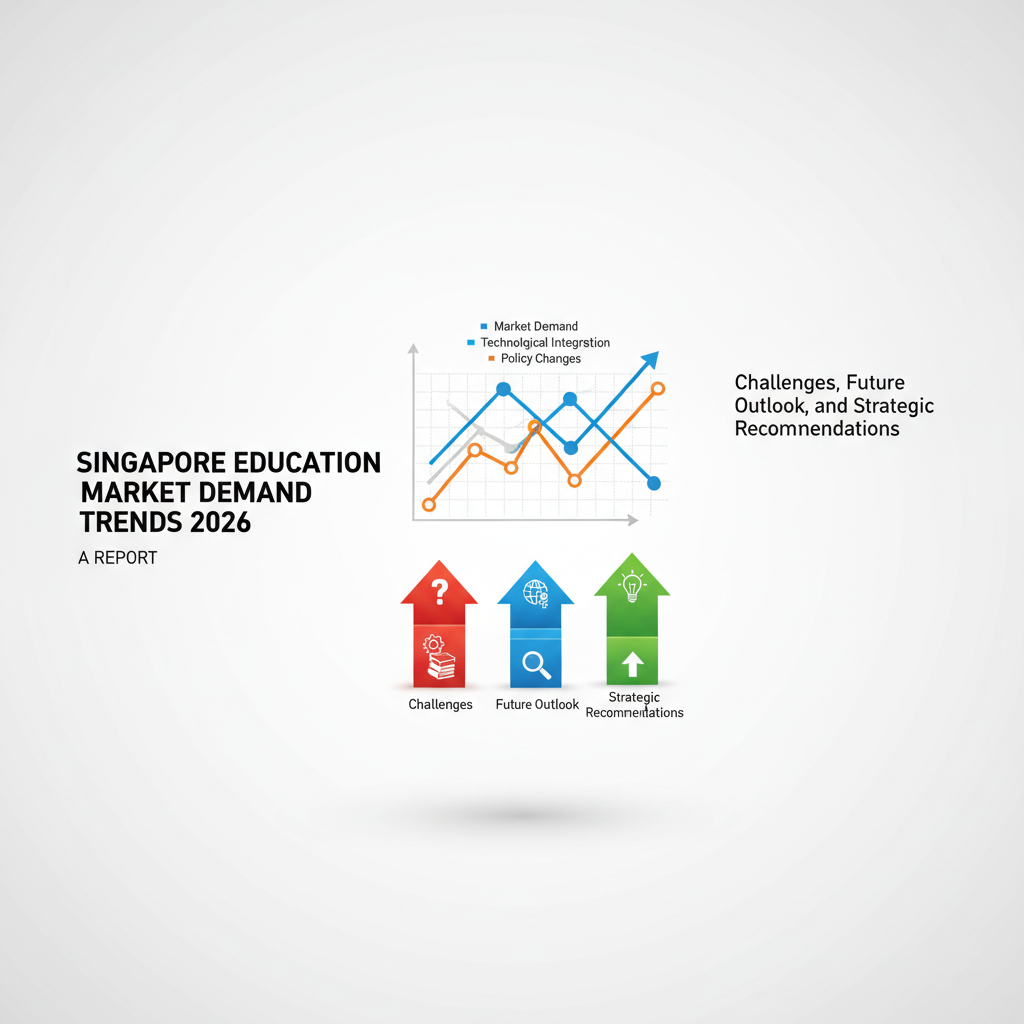
The education field in Singapore, renowned for its excellence and forward-thinking approach, continuously faces a dynamic landscape shaped by global shifts, technological advancements, and evolving societal needs. This section delves into the critical hurdles currently impacting the sector, offers a proactive market demand trend report of the education field in Singapore, and outlines actionable strategies for various stakeholders to ensure sustained growth and relevance.
1. Addressing Educator Shortages and Professional Development
One of the most pressing challenges confronting the education sector globally, and increasingly in Singapore, is the sustained attraction and teacher retention Singapore. The demand for highly qualified and passionate educators often outstrips supply, exacerbated by factors such as competitive alternative career paths and the evolving complexities of the teaching profession. Furthermore, the rapid pace of pedagogical innovation and the integration of digital learning Singapore necessitate a robust framework for continuous professional development. Educators must be equipped with the latest skills in blended learning methodologies, data analytics for personalized instruction, and socio-emotional learning support. Investing in comprehensive training programs that not only refresh existing knowledge but also introduce cutting-edge educational technologies and adaptive teaching strategies is paramount. This proactive approach ensures that teachers remain effective, engaged, and capable of nurturing future-ready citizens.
2. Navigating Regulatory Changes and Funding Landscape
The education landscape in Singapore operates within a meticulously structured regulatory environment. However, these frameworks are subject to periodic revisions aimed at maintaining high standards, promoting equity, and aligning with national strategic objectives. Adapting to policy changes education Singapore, which might include curriculum reforms, new assessment criteria, or shifts in accreditation requirements for private institutions, demands agility and foresight from all education providers. Simultaneously, the government education funding models can undergo adjustments, impacting budget allocations for public institutions and influencing the operational viability of private entities. Understanding these nuances is crucial. Institutions must develop robust financial planning strategies and explore diversified revenue streams, including partnerships with industry, philanthropic contributions, and innovative program offerings. Proactive engagement with regulatory bodies and a clear understanding of the evolving funding landscape are essential for sustainable institutional health and strategic growth.
3. Strategic Imperatives for Education Providers in 2026
As we look towards 2026 and beyond, several strategic imperatives will define success for education providers in Singapore. Firstly, embracing education technology adoption will move beyond mere implementation to strategic integration across all facets of learning and administration. This includes AI-driven personalized learning paths, immersive virtual reality environments, and sophisticated learning management systems that enhance student engagement and operational efficiency. Secondly, there will be an intensified focus on skills-based education Singapore, moving away from purely content-driven curricula towards developing critical thinking, problem-solving, creativity, and adaptability – skills vital for the future workforce. Institutions must forge stronger links with industries to ensure curriculum relevance and provide practical internship and apprenticeship opportunities. Thirdly, promoting lifelong learning Singapore will become a core mission, with institutions offering flexible, modular courses and micro-credentials that cater to working professionals seeking reskilling and upskilling. The future of education Singapore is one where learning is continuous, personalized, and deeply integrated with industry needs, fostering a culture of perpetual growth and innovation for both individuals and the nation.
Partner with Shelby Global
You are looking for reliable HR Sevice Suppliers? Contact Shelby Global Now! To connect with verified talents and upgrade your orginization.
—————————————
References
– Ministry of Education Singapore’s Future Direction: https://www.moe.gov.sg/about-us/our-future-direction
– AI and education: Guidance for policy-makers: https://unesdoc.unesco.org/ark:/48223/pf0000370967
– Ministry of Education (MOE) Singapore Higher Education Statistics: https://www.moe.gov.sg/education-in-singapore/facts-and-statistics#higher-education
– SkillsFuture movement: https://www.skillsfuture.gov.sg/AboutUs
– Research and Practice in Education – NIE Singapore: https://www.nie.edu.sg/about-us/news-publications/nie-publications/research-and-practice-in-education