
Understanding Unique Challenges for SG Entertainment SMEs
Singapore’s vibrant entertainment landscape, though small, is a hotbed of creativity and innovation. However, for Small to Medium-sized Enterprises (SMEs) in this sector, navigating the complexities of compensation can be particularly challenging. Unlike larger corporations, these agile businesses face unique economic, talent, and regulatory pressures that significantly impact their ability to offer competitive salaries and benefits. Developing Optimized Salary Budget Structures for SMEs in Entertainment field in singapore is not merely about cost-cutting, but about strategic resource allocation to attract and retain top talent while ensuring long-term sustainability. This section delves into the specific hurdles faced by SG Entertainment SMEs, offering insights crucial for effective compensation planning.

-
Market volatility and project-based work structures
The entertainment industry inherently operates on a project-based model, particularly for SMEs. This brings with it significant market volatility, where revenue streams can be inconsistent and unpredictable. Unlike stable, recurring income models, an entertainment SME might experience periods of intense activity followed by lulls, making long-term financial planning, especially for fixed overheads like salaries, incredibly difficult. For businesses striving for Optimized Salary Budget Structures for SMEs in Entertainment field in singapore, this necessitates flexible compensation strategies. Companies often rely on contract workers, freelancers, and project-specific teams, which while offering agility, also complicates traditional payroll and benefits administration. Structuring competitive remuneration packages that account for project duration, skill specialisation, and potential downtime requires careful balancing to avoid over-commitment during lean periods or under-resourcing during peak times. This fluid environment demands creative solutions for salary budgeting that can adapt to rapid market shifts and project cycles, ensuring both business continuity and fair compensation for talent.
-
Intense competition for creative talent in a global hub
Singapore’s status as a global hub, while beneficial for business opportunities, intensifies the competition for creative talent. Local SMEs are not just competing with other local small businesses but also with larger regional and international players, many of whom have deeper pockets and can offer more attractive compensation packages, comprehensive benefits, and clearer career progression paths. This challenge is particularly acute for niche roles requiring specialized skills in areas like animation, VFX, game development, or digital content creation. Attracting and retaining top-tier talent often means going beyond basic salaries. SMEs must develop unique value propositions that include professional development opportunities, exposure to diverse projects, a supportive creative culture, and innovative compensation models such as performance-based bonuses, profit-sharing, or even equity options, if applicable. A robust strategy for talent development and retention is crucial for sustainability, ensuring that an SME’s optimized salary budget structures are not solely about numbers but also about fostering a compelling work environment that appeals to highly sought-after professionals.
-
Impact of local grants, schemes, and regulatory landscapes
Singapore’s government actively supports its creative industries through various grants and schemes, such as those offered by the Infocomm Media Development Authority (IMDA) or Enterprise Singapore. While these initiatives provide much-needed financial assistance for projects, capability development, and even some aspects of talent development, they also introduce a layer of complexity for SMEs in budgeting. Understanding the eligibility criteria, application processes, and reporting requirements for these grants is essential. Effective utilization can significantly augment a company’s ability to offer competitive compensation without solely relying on operational revenue. However, the regulatory landscape also imposes obligations, including mandatory CPF contributions, foreign worker levies, and adherence to employment laws stipulated by the Ministry of Manpower (MOM). These compliance costs must be factored meticulously into any Optimized Salary Budget Structures for SMEs in Entertainment field in singapore. Navigating this intricate web of support and regulation requires dedicated effort and expertise, ensuring that SMEs maximize available assistance while remaining fully compliant, thereby fostering a stable and fair compensation environment.
Key Components of an Optimized Salary Budget Structure
An optimized salary budget is more than just allocating funds; it’s a strategic framework designed to attract, retain, and motivate talent while ensuring the financial health of the business. For Small and Medium-sized Enterprises (SMEs) in Singapore’s dynamic entertainment sector, a well-structured budget is particularly critical. It not only addresses competitive pressures for talent but also fosters an environment of fairness and transparency, which is crucial for employee retention in entertainment Singapore. This section delves into the essential elements that form a robust and fair compensation practices entertainment industry budget, ensuring both employee satisfaction and business sustainability, particularly focusing on Optimized Salary Budget Structures for SMEs in Entertainment field in singapore.
1. Base salary benchmarking and competitive analysis
Establishing competitive base salaries is the cornerstone of any effective compensation strategy. For entertainment SMEs in Singapore, this involves a meticulous process of base salary benchmarking and competitive analysis. It requires understanding the market rates for various roles within the entertainment industry, from production assistants and graphic designers to marketing specialists and project managers. Key steps include:
- Market Research: Utilizing reliable salary surveys and reports specific to Singapore and the broader creative/entertainment sectors. This data helps identify the prevailing salary ranges for similar positions, taking into account experience levels and specialized skills.
- Industry-Specific Nuances: Recognizing that the entertainment sector often has unique compensation structures, such as project-based roles, varied working hours, and the value placed on portfolios and specific creative talents. Benchmarking should account for these particularities.
- Local Economic Factors: Singapore’s high cost of living and specific labor market dynamics (e.g., reliance on foreign talent, government incentives for local hiring) must be factored in to ensure salaries are not just competitive globally but also locally sustainable for employees. This analysis helps SMEs position themselves as attractive employers without over-extending their financial capacity, vital for optimizing compensation strategies. A clear understanding of market benchmarks ensures employees perceive their pay as fair, crucial for morale and reducing turnover. Companies also refer to guidelines like Singapore’s Tripartite Guidelines on Fair Employment Practices (TGFEP) to ensure equitable compensation structures.
2. Performance-based incentives and bonus frameworks
Beyond base salaries, performance-based incentives and bonus frameworks are powerful tools for motivating employees and aligning individual contributions with organizational goals. In the project-driven world of entertainment, these can be particularly effective.
- Individual Performance Bonuses: Directly linking bonuses to an employee’s achievement of specific, measurable goals. For a film production company, this could involve hitting project milestones on time and within budget, or for a marketing agency, achieving specific client engagement metrics.
- Team or Project Bonuses: Recognizing collective effort, which is often crucial in creative and collaborative environments. Successful completion of a major production, exceeding audience engagement targets for a campaign, or winning an industry award could trigger team bonuses, fostering a sense of shared success.
- Profit-Sharing: For more established SMEs, a portion of the company’s profits can be distributed among employees, creating a direct stake in the company’s overall success and encouraging a long-term perspective.
- Commissions: Applicable for roles with direct revenue generation, such as sales for event sponsorships or talent agents.
These frameworks should be transparent, clearly communicated, and perceived as fair by employees. They serve not only as financial rewards but also as recognition for hard work and dedication, reinforcing a culture of high performance and innovation within the entertainment sector.
3. Benefits, perks, and non-monetary compensation strategies
While monetary compensation is vital, a comprehensive salary budget structure extends to benefits, perks, and non-monetary compensation strategies. These elements significantly enhance the overall employee value proposition, especially in an industry often characterized by passion and creative drive.
- Health and Wellness Programs: Beyond basic medical insurance, offering wellness initiatives like subsidized gym memberships, mental health support, or ergonomic workstations demonstrates a commitment to employee well-being, which is increasingly valued.
- Professional Development and Training: Investing in courses, workshops, and industry conferences relevant to the entertainment field allows employees to upgrade their skills, stay current with trends (e.g., new software, production techniques), and grow their careers. This is a powerful retention tool in a fast-evolving industry.
- Flexible Work Arrangements: The entertainment sector often involves demanding schedules. Offering flexibility, such as remote work options where feasible, compressed workweeks, or adaptable project schedules, can significantly improve work-life balance and job satisfaction.
- Recognition Programs: Non-monetary recognition, such as employee-of-the-month awards, public commendations, or peer recognition systems, can be highly motivating and reinforce positive behaviors and contributions.
- Unique Industry Perks: Depending on the SME, this could include access to industry events, complimentary tickets to shows, opportunities to work on exciting projects, or even creative sabbaticals.
Strategically integrated, these non-monetary elements demonstrate a holistic approach to employee welfare, fostering loyalty and a positive workplace culture for Optimized Salary Budget Structures for SMEs in Entertainment field in singapore. They differentiate a company in the competitive talent market, contributing to employee retention in entertainment Singapore.
Conclusion
An optimized salary budget structure for SMEs in Singapore’s entertainment sector is a multi-faceted approach. By meticulously benchmarking base salaries, implementing fair and motivational performance incentives, and strategically integrating a range of non-monetary benefits, businesses can create a compensation package that not only attracts top talent but also ensures long-term employee satisfaction and sustainable growth. This holistic strategy is key to thriving in a competitive and creative industry.
Data-Driven Strategies for Entertainment Salary Benchmarking
In Singapore’s vibrant yet niche entertainment industry, Small and Medium-sized Enterprises (SMEs) face a unique challenge: attracting and retaining top talent with competitive and fair salaries, all while managing tight budgets. Generic compensation models often fall short, necessitating a nuanced, data-driven approach to salary benchmarking. This involves meticulously gathering, analyzing, and applying relevant data to craft Optimized Salary Budget Structures for SMEs in Entertainment field in singapore, ensuring both financial sustainability for the business and equitable remuneration for its creative and technical professionals.
1. Leveraging industry reports and specialized salary surveys
The foundation of robust salary benchmarking lies in reliable data. For SMEs in entertainment, this means looking beyond generic market data to specialized sources. Industry reports from creative arts councils, media associations, or even production guilds often provide insights into compensation trends for roles like animators, producers, sound engineers, and marketing specialists specific to the entertainment sector. While proprietary surveys can be expensive, publicly available summaries or aggregated data can still offer valuable directional cues. Furthermore, general labor market reports from authoritative bodies like Singapore’s Ministry of Manpower (MOM) provide crucial context on overall wage growth and employment conditions, which indirectly influence entertainment salaries. Understanding these broader economic indicators alongside niche industry data allows SMEs to set a realistic baseline. For instance, looking at Singapore’s labor market statistics can help contextualize salary expectations within the national economic landscape.
2. Analyzing local cost of living and talent demand trends
Singapore’s high cost of living significantly impacts salary expectations, making it a critical factor in entertainment salary benchmarking. A salary that seems competitive on paper might be insufficient to afford a decent quality of life in the city-state, potentially leading to talent attrition. SMEs must therefore factor in local living expenses, housing costs, and transportation when evaluating compensation packages. Beyond cost, understanding the supply and demand for specific entertainment skills is paramount. Is there a surge in demand for VFX artists due to new international productions? Or is there an oversupply of entry-level production assistants? Monitoring these talent trends through job board analysis, recruitment agency insights, and professional networking events can reveal where competition for talent is fiercest, thereby dictating where salary adjustments might be most necessary. A proactive approach to understanding these dynamics helps SMEs not only retain their current workforce but also effectively scout for new talent, contributing to Optimized Salary Budget Structures for SMEs in Entertainment field in singapore.
3. Tools and platforms for efficient compensation data analysis
Manually collating and interpreting vast amounts of salary data can be daunting for resource-strapped SMEs. Fortunately, various tools and platforms can streamline this process. For smaller businesses, advanced spreadsheet functions can serve as an initial data analysis tool, allowing for comparisons, averages, and basic trend identification. As operations grow, dedicated HR Information Systems (HRIS) or compensation management software offer more sophisticated capabilities, including integrated data dashboards, real-time market data feeds (often requiring subscriptions), and scenario planning features. These platforms help visualize compensation data, identify pay gaps, and model the impact of different salary adjustments on the overall budget. Moreover, anonymized internal data can be leveraged – analyzing employee tenure, performance metrics, and salary progression can inform internal equity adjustments, ensuring fairness within the organization. While advanced tools might seem like a significant investment, the insights they provide can lead to more strategic compensation decisions, preventing costly turnover and enhancing overall workforce productivity in the long run.
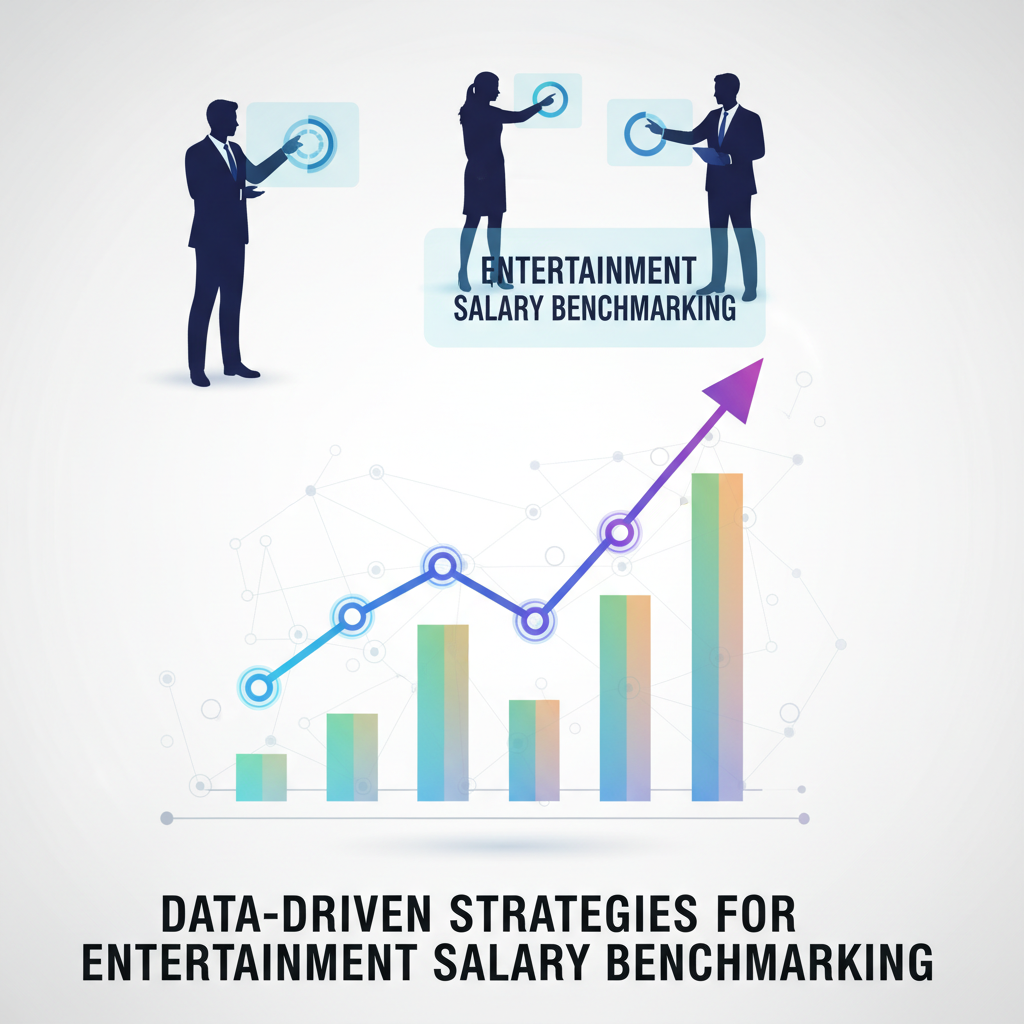
By diligently applying these data-driven strategies, SMEs in Singapore’s entertainment sector can move beyond guesswork. They can create compensation frameworks that are not only competitive and fair but also sustainable, ensuring they attract and retain the exceptional talent vital for their success in this dynamic industry.
Implementing Flexible Compensation Models for Talent Retention
The entertainment industry, particularly for small and medium-sized enterprises (SMEs) in Singapore, faces a unique challenge in attracting and retaining top talent. The dynamic nature of projects, the gig economy’s prevalence, and fierce global competition necessitate a departure from traditional, rigid salary structures. To thrive, businesses must embrace innovative and adaptable compensation frameworks. Developing Optimized Salary Budget Structures for SMEs in Entertainment field in singapore is paramount, moving beyond just base pay to encompass a holistic approach. This strategy helps foster loyalty and ensures a steady pipeline of skilled individuals, combating high turnover. Effective talent retention strategies in Singapore entertainment require a nuanced understanding of what motivates professionals in this demanding field.
-
Project-based remuneration vs. hybrid retainer models
Project-based remuneration offers flexibility for both talent and employer, allowing SMEs to scale their workforce based on specific project needs. It’s cost-efficient for short-term engagements and enables access to specialized skills. However, inherent instability can be a significant drawback for talent, leading to financial uncertainty and a lack of commitment, often pushing skilled individuals to seek more stable opportunities.
A more balanced approach for Optimized Salary Budget Structures for SMEs in Entertainment field in singapore involves hybrid retainer models. These frameworks offer a foundational retainer – a fixed monthly payment – combined with performance-based bonuses or higher rates for specific projects. For instance, a lead animator might receive a base retainer for availability, augmented by additional payments for completed milestones. This blend provides financial security that freelance work often lacks, while still allowing employer flexibility. It encourages a deeper sense of belonging and commitment, as talent feels valued and more integrated. This approach can significantly enhance performance-based pay in entertainment, making it more attractive and reliable for top-tier professionals.
-
Equity, profit-sharing, or royalty options for key personnel
Beyond immediate remuneration, offering long-term incentives like equity, profit-sharing, or royalty options can be a powerful tool for retaining key personnel, especially in SMEs where cash flow might be tighter. These models effectively turn employees into stakeholders, aligning their personal financial success with the company’s overall performance. For creative directors or lead producers contributing significantly to intellectual property, granting a percentage of project profits or future royalties can be incredibly motivating. Imagine a game developer receiving a small share of game sales – this fosters deep ownership and encourages exceptional performance.
Implementing such schemes requires careful planning and clear legal frameworks, particularly in Singapore. It’s crucial to define eligibility criteria, vesting schedules for equity, and transparent metrics for distribution. While complex, the benefits outweigh the challenges: these incentives reduce turnover, attract high-calibre talent, and solidify a company’s financial future by linking compensation to actual business success. For Optimized Salary Budget Structures for SMEs in Entertainment field in singapore, these options represent a strategic investment, encouraging loyalty and entrepreneurial spirit within the team.
-
Training, development, and clear career progression pathways
While monetary compensation is vital, non-financial incentives, particularly professional growth and development, play an equally crucial role in talent retention. The entertainment industry constantly evolves. Professionals are eager to acquire new skills and stay relevant. SMEs in Singapore that invest in continuous training and development for their staff demonstrate a commitment to their employees’ long-term success. This could include workshops on new software, mentorship programs, or attendance at industry conferences specific to entertainment.
Crucially, these development opportunities must be coupled with clear career progression pathways. Employees need to see a future within the organization. Establishing defined roles, outlining responsibilities, and transparently communicating criteria for advancement motivate individuals to hone their skills. A junior editor, for example, should understand what skills are needed to become a senior editor. Providing regular performance reviews and opportunities for internal promotion fosters a culture of growth and loyalty. As highlighted by articles like “How to Retain Talent in a Tight Labor Market” by Harvard Business Review (HBR), investing in employees’ development and showing a path forward is a key determinant of retention. For SMEs operating with Optimized Salary Budget Structures for SMEs in Entertainment field in singapore, these non-monetary benefits can often be more impactful than incremental salary bumps, providing enduring value.
Conclusion
Implementing flexible compensation models is no longer an option but a necessity for talent retention in Singapore’s competitive entertainment industry. For SMEs, crafting Optimized Salary Budget Structures for SMEs in Entertainment field in singapore involves a multifaceted approach that considers immediate financial needs, long-term incentives, and robust professional growth opportunities. By creatively blending project-based remuneration with hybrid retainers, offering equity or profit-sharing, and committing to continuous training and clear career paths, entertainment businesses can build resilient, motivated teams equipped to drive innovation and achieve sustained success.
Legal & Regulatory Considerations for SME Payroll (2026 Outlook)
Navigating the intricate landscape of legal and compliance requirements is paramount for Singaporean entertainment Small and Medium-sized Enterprises (SMEs) when designing their salary budgets. As the industry evolves and the regulatory environment tightens, anticipating future changes, particularly by 2026, is crucial for maintaining financial health and operational integrity. Proactive planning ensures not only adherence to current statutes but also adaptability to forthcoming legislative shifts, guaranteeing Optimized Salary Budget Structures for SMEs in Entertainment field in singapore that support sustainable growth and talent retention for payroll compliance Singapore.

1. Adherence to Employment Act and CPF contribution requirements
The bedrock of payroll compliance for any Singaporean SME, including those in the vibrant entertainment sector, lies in strict adherence to the Employment Act (EA) and the Central Provident Fund (CPF) contribution requirements. The EA delineates fundamental terms and conditions of employment, such as working hours, rest days, annual leave, public holidays, and termination notice periods. Entertainment SMEs often deal with diverse employment types – full-time, part-time, project-based, and gig workers – making a thorough understanding of how the EA applies to each crucial. Misclassification of employees or incorrect application of EA provisions can lead to significant penalties and reputational damage for entertainment industry labor laws.
Equally critical are CPF contributions. Employers must correctly calculate and remit both the employer’s and employee’s share of CPF contributions by the stipulated deadlines. For the entertainment industry, variable income streams, such as performance bonuses, royalties, or project completion payments, necessitate careful attention to ensure all eligible wages are included in CPF calculations. The government frequently reviews CPF contribution rates and salary ceilings, and businesses must stay updated on these changes. By 2026, it’s plausible that adjustments to CPF ceilings or rates might occur to address evolving demographic and economic needs, impacting overall salary budgets for entertainment businesses. Implementing robust payroll systems and processes is vital to ensure ongoing compliance and avoid costly errors in managing employee benefits and contributions.
2. Fair Consideration Framework and foreign talent guidelines
Singapore’s commitment to building a strong local workforce is evident in policies like the Fair Consideration Framework (FCF) and stringent foreign talent guidelines Singapore. For entertainment SMEs, which often rely on specialized international talent (e.g., directors, choreographers, unique performers, technical crew), navigating these regulations is increasingly important. The FCF mandates that employers fairly consider Singaporean candidates before hiring foreign professionals, managers, and executives (PMEs) on Employment Passes (EPs). This typically involves advertising job vacancies on MyCareersFuture portal for a minimum period.
By 2026, the government is likely to continue strengthening the FCF, potentially expanding its scope or increasing scrutiny on compliance, especially in sectors with a perceived high reliance on foreign labor. Entertainment SMEs must demonstrate genuine efforts to upskill and hire local talent. This includes investing in training programs for Singaporeans and documenting the rigorous evaluation of local candidates. Changes in qualifying salaries for EPs and S Passes are also a regular feature of Singapore’s foreign talent policy, designed to ensure foreigners hired are of higher quality and do not unduly depress local wages. Staying abreast of these thresholds and understanding the criteria for exemptions is essential for forecasting personnel costs and ensuring seamless operations, particularly when planning for international productions or engagements requiring specialized skills. Effective strategic workforce planning that prioritizes local development while judiciously sourcing global talent will be key to sustainable growth and compliance.
3. Anticipated changes in labor laws and economic policies by 2026
Looking ahead to 2026, Singapore’s labor laws and economic policies are likely to continue evolving, driven by factors such as an aging population, digitalization, and the push towards a more inclusive workforce. Entertainment SMEs should anticipate potential shifts in several areas. Firstly, there’s a growing emphasis on protecting platform workers and improving their work conditions. This could lead to new regulations impacting gig workers and independent contractors, a common employment model in the entertainment industry, potentially requiring companies to provide more benefits or clearer contractual terms. Such changes would directly affect payroll structures and operational costs.
Secondly, continued discussions around wage model adjustments, such as the Progressive Wage Model (PWM) expansion, might extend to more sectors or job roles. While historically focused on lower-wage sectors, the principle of tying wage progression to skills and productivity could influence other industries, including entertainment, prompting a review of salary benchmarks and career pathways. Thirdly, with Singapore’s focus on sustainability and ESG (Environmental, Social, Governance) factors, there might be indirect impacts on labor practices, encouraging companies to adopt more transparent and equitable compensation policies. Furthermore, potential adjustments to foreign worker levies or quotas could influence the cost of hiring international talent, directly impacting salary budgets. Proactive engagement with industry associations and government bodies will be crucial for entertainment SMEs to understand and prepare for these changes, ensuring their salary budget structures remain competitive, compliant, and supportive of long-term business objectives in a dynamic economic environment. Maintaining flexibility in budget allocation and staying informed will be critical for navigating the evolving regulatory landscape effectively.
Partner with Shelby Global
You are looking for reliable HR Sevice Suppliers? Contact Shelby Global Now! To connect with verified talents and upgrade your orginization.
—————————————
References
– IMDA Media Industry Transformation Plan: https://www.imda.gov.sg/programme-listing/media-industry-transformation-plan
– Tripartite Guidelines on Fair Employment Practices (TGFEP): https://www.tal.sg/tafep/tgfep
– Singapore’s labor market statistics: https://stats.mom.gov.sg/Pages/Labour-Market-Overview.aspx
– How to Retain Talent in a Tight Labor Market: https://hbr.org/2021/04/how-to-retain-talent-in-a-tight-labor-market
– Employment Act (EA): https://www.mom.gov.sg/employment-practices/employment-act