Foundation of HR in Singaporean Fashion SMEs
Stepping into the role of CEO, especially in a dynamic sector like fashion, brings a unique set of challenges and opportunities. For new leaders spearheading small to medium fashion businesses in Singapore, understanding the intricate HR landscape is not just beneficial, but critical for sustainable growth. This section aims to lay the groundwork, providing a Step by Step to understand SMEs HR Structure for the fresh the CEO in Fashion field in singapore, ensuring you’re equipped to build a robust, people-centric foundation from day one.

1. Defining SME in Singapore’s Fashion Context
Before delving into HR intricacies, it’s essential to grasp what constitutes an SME in Singapore, particularly within the fashion industry. Generally, Singaporean SMEs are defined by Enterprise Singapore as companies with annual revenue of not more than S$100 million OR employment size of not more than 200 workers. While this definition holds across sectors, its application in fashion SMEs reveals distinct characteristics. These businesses often thrive on creativity, niche market segments, and a strong brand identity, frequently helmed by visionary founders. Unlike manufacturing giants or service conglomerates, a fashion SME might comprise a small team of designers, marketers, and production coordinators, often with fluid roles. Understanding this scale is crucial as it directly impacts HR strategy – from recruitment and talent management to compensation and compliance. Your HR structure must be agile and tailored to this unique context, prioritizing flexibility and cost-effectiveness while adhering to local regulations.
2. Key Differences: Corporate vs. SME HR Challenges
For a CEO transitioning from a large corporate environment or launching a new venture, the HR challenges in an SME will present a stark contrast. Large corporations typically boast dedicated HR departments with specialists in recruitment, compensation, benefits, and employee relations. They operate with established policies, extensive budgets for training, and robust legal support. In a fashion SME, however, the HR function is often consolidated, handled by a generalist, the operations manager, or even the CEO themselves. This ‘multi-hat’ scenario means limited resources, budget constraints, and a more informal, yet intensely personal, approach to employee management.
Common HR challenges for fashion SMEs include attracting and retaining top talent against the allure of larger brands, managing performance and development with fewer structured programs, ensuring compliance with local labour laws (e.g., Employment Act, CPF contributions) without dedicated legal counsel, and fostering a strong company culture within a tight-knit team. These challenges necessitate a practical, hands-on approach to HR, focusing on foundational elements that yield maximum impact.
3. Why HR Matters from Day One for a Fashion CEO
Some new CEOs might perceive HR as an administrative burden, something to address once the business scales. However, for a fashion SME in Singapore, embracing HR strategically from day one is a cornerstone of success. Effective HR isn’t just about processing payroll or drafting contracts; it’s about shaping your company’s culture, attracting the right creative minds, and retaining them in a competitive market. A proactive HR approach ensures legal compliance, mitigating risks that could severely impact a smaller business. It also fosters an environment where employees feel valued, leading to higher engagement, productivity, and innovation – critical for a creative industry like fashion.
By investing in clear policies, fair compensation structures, and a positive work environment early on, you build a resilient foundation that supports growth. It allows you to define your employer brand, align your team with your artistic vision, and navigate the inevitable people-related challenges with confidence. For a fashion CEO, understanding and implementing sound HR practices isn’t an option; it’s a strategic imperative that directly influences brand reputation, operational efficiency, and long-term viability.
Essential HR Compliance & Legal Frameworks
Navigating the mandatory legal and regulatory requirements for HR in Singapore is crucial for avoiding pitfalls and ensuring ethical operations, especially for a fresh CEO stepping into the vibrant fashion field. For those looking for a Step by Step to understand SMEs HR Structure for the fresh the CEO in Fashion field in singapore, grasping these foundational legal frameworks is paramount to building a resilient and compliant business from day one. Singapore’s robust legal landscape protects both employers and employees, requiring a proactive approach to HR management.
1. Singapore Employment Act: Key Provisions for SMEs
The cornerstone of employment law in Singapore is the Employment Act (EA). As a CEO in the fashion industry, understanding its key provisions is non-negotiable for managing your workforce effectively and avoiding potential disputes. The EA covers a wide range of employment terms and conditions, including contracts of service, payment of salaries, working hours, rest days, holidays, and leave entitlements (e.g., annual leave, sick leave, maternity and paternity leave). For SMEs, this means clearly stipulating these terms in employment contracts and adhering to statutory minimums. For instance, employees covered by the EA are entitled to paid annual leave based on their length of service, and clear guidelines exist for overtime pay and public holiday work.
Compliance with the EA ensures fair treatment of employees and mitigates legal risks. It’s vital to differentiate between employees covered by the EA and those who might fall under different categories (e.g., managerial or executive employees earning above a certain threshold, who are generally covered by specific sections or common law). Familiarising yourself with the specific clauses applicable to your employees, especially in a dynamic sector like fashion, is critical. The Ministry of Manpower (MOM) provides comprehensive resources on the Employment Act, which every employer should consult to ensure full compliance. You can find detailed information on the Singapore Employment Act on the MOM website.
2. Fair Consideration Framework (FCF) & Local vs. Foreign Hires
Singapore’s talent landscape often necessitates a mix of local and foreign expertise, especially in specialized areas within the fashion industry like design, merchandising, or global marketing. The Fair Consideration Framework (FCF) is a critical policy designed to ensure that Singaporeans are fairly considered for job opportunities before employers hire foreign professionals. For SMEs, this means that generally, all job vacancies for Professional, Managerial, Executive, and Technician (PMET) roles must be advertised on the MyCareersFuture portal for at least 14 days before submitting an Employment Pass (EP) application for a foreign candidate. Certain exemptions apply, such as companies with fewer than 10 employees or jobs with a fixed monthly salary of S$20,000 or more.
Understanding the FCF is not just about compliance; it’s about strategic workforce planning. While the framework aims to encourage employers to strengthen their Singaporean core, it doesn’t preclude hiring foreign talent where local expertise is scarce or specific skills are required for growth, such as bringing in a renowned fashion designer or a specialist in sustainable textile development. As a CEO, you must ensure your recruitment processes are transparent and adhere to FCF guidelines, demonstrating genuine efforts to consider Singaporean candidates. Failing to comply can result in administrative penalties, including having your work pass privileges suspended, and damage your company’s reputation.
3. Payroll, CPF, & Income Tax Obligations for Employers
Beyond employment terms and hiring policies, managing payroll, Central Provident Fund (CPF) contributions, and income tax obligations forms a significant part of HR compliance in Singapore. As an employer, you are legally required to make timely and accurate salary payments to your employees. For Singaporean citizens and Permanent Residents, monthly CPF contributions are mandatory. These contributions, shared between employer and employee, go into various accounts (Ordinary, Special, Medisave) for retirement, housing, healthcare, and education. The CPF contribution rates vary based on age and salary, and it’s essential to use the correct rates and submit contributions by the 14th of the following month.
Furthermore, employers are responsible for handling employee income tax. This primarily involves submitting Form IR8A/IR8S to the Inland Revenue Authority of Singapore (IRAS) by 1 March each year, detailing each employee’s earnings for the previous year. Many companies participate in the Auto-Inclusion Scheme (AIS) for Employment Income, which automates the submission of employees’ income information directly to IRAS, simplifying the tax filing process for both the employer and employee. For foreign employees, employers also have specific tax clearance obligations when they cease employment in Singapore. Accurate record-keeping for all payroll, CPF, and tax-related matters is not just good practice but a legal necessity, ensuring transparency and compliance for your fashion SME.
Building Your Fashion Team: Recruitment & Onboarding
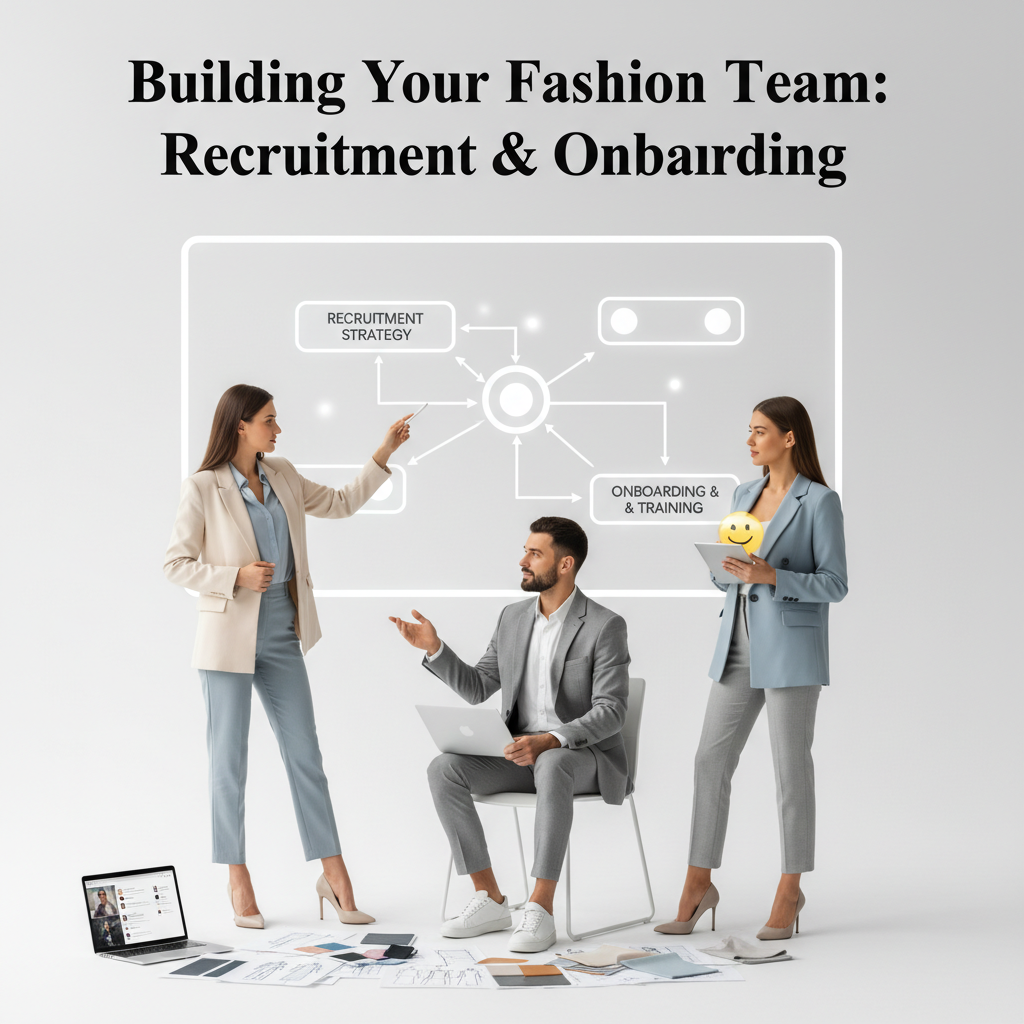
For new CEOs navigating the vibrant and competitive fashion landscape of Singapore, building a high-performing team is paramount. This practical guide offers a step-by-step approach to understanding SMEs HR structure, focusing on how to effectively attract, hire, and integrate top talent into your dynamic fashion SME environment. Mastering these recruitment and onboarding strategies is not just about filling vacancies; it’s about cultivating a thriving culture that drives innovation, productivity, and sustained growth in a competitive market.
1. Crafting Compelling Job Descriptions for Fashion Roles
The foundation of successful recruitment lies in well-articulated job descriptions. For fashion SMEs, these documents must do more than just list tasks; they need to inspire and attract creative individuals who resonate with your brand’s vision. A compelling job description acts as your initial brand ambassador, drawing in candidates who not only possess the required skills but also share your company’s passion for fashion. Start by clearly defining the role’s purpose within your Singaporean fashion business, detailing how this position contributes to the overall strategic goals. Outline key responsibilities with specific examples relevant to the fashion industry – for a designer, this might include “conceptualizing new collections inspired by regional trends” or “collaborating with pattern makers.”
Crucially, articulate the required skills, distinguishing between technical competencies (e.g., proficiency in Adobe Illustrator, knowledge of textile sourcing, e-commerce platform management) and essential soft skills (e.g., creativity, collaboration, adaptability, trend forecasting). Don’t forget to highlight the unique aspects of your company culture and the growth opportunities available. A junior designer, for instance, might be excited by the chance to “work directly with the Creative Director on seasonal campaigns.” By using engaging, brand-aligned language, your job descriptions become powerful tools for attracting the right calibre of creative talent, effectively filtering out unsuitable applicants while drawing in those who are a genuine fit for your burgeoning fashion enterprise.
2. Effective Interviewing Techniques for Creative Talent
Interviewing in the fashion sector, especially for creative roles, demands a nuanced approach that goes beyond standard Q&A. To truly assess a candidate’s potential and fit for your fashion SME, you need techniques that reveal their creativity, problem-solving abilities, and collaborative spirit. Begin by thoroughly reviewing portfolios and past work; for designers, this might involve dissecting their sketchbooks and mood boards, while for marketers, it could be evaluating their previous campaign strategies. Ask behavioral questions that prompt candidates to share specific examples of how they’ve handled challenges or demonstrated innovation in past roles. For instance, “Tell me about a time you had to pivot a design concept due to unforeseen challenges, and what was the outcome?” or “Describe a successful fashion marketing campaign you developed and the results achieved.”
Consider incorporating practical tasks or “auditions” directly relevant to the role. A designer might be given a brief to sketch a mini-collection, while a content creator could be asked to draft social media posts for a new product launch. This provides tangible evidence of their skills and how they perform under realistic conditions. Assess culture fit by observing their interaction with team members during group interviews or informal meet-and-meets. Their passion for fashion, adaptability, and willingness to collaborate are as crucial as their technical prowess. Furthermore, be mindful of unconscious biases and strive for an equitable hiring process. For deeper insights into structured interviewing, resources like the Society for Human Resource Management (SHRM) offer excellent guidance on effective behavioral interviewing techniques, which can be adapted for creative roles to ensure you’re making informed, objective decisions.
3. Seamless Onboarding for Productivity & Culture Fit
Hiring is only half the battle; effective onboarding is critical for integrating new talent into your fashion SME, accelerating their productivity, and ensuring long-term retention. A well-structured onboarding process should begin even before the new employee’s first day. This “pre-boarding” phase can include sending a welcome email with essential information, a digital welcome kit (company values, team directory, first-day schedule), and completing necessary HR paperwork online. The goal is to make them feel valued and prepared before they even step into the office or log in remotely.
During the first week, focus on introductions to key team members, clarifying reporting lines, and articulating the company’s vision and immediate priorities. Assigning a buddy or mentor can significantly ease their transition, providing a go-to person for questions and cultural nuances. Beyond the initial HR essentials like payroll setup and benefits enrollment, dedicate time to immerse them in your brand’s culture. Organize team lunches, share the brand’s origin story, and explain the values that drive your fashion business. Set clear expectations for their role, define short-term goals, and establish a regular feedback loop. Ongoing check-ins, performance reviews, and opportunities for professional development are vital for fostering engagement and loyalty. A comprehensive onboarding strategy ensures that your new fashion talent not only understands their role but also feels a strong connection to your brand, contributing quickly and meaningfully to your Singapore-based fashion SME’s success.
Developing & Retaining Talent in a Fashion SME
Developing and retaining top-tier talent is paramount for the success of any business, but it takes on a unique urgency within the dynamic, trend-driven world of a fashion SME in Singapore. For a fresh CEO stepping into this vibrant industry, understanding how to cultivate an engaged, high-performing team is not merely an HR function; it’s a strategic imperative. This guide offers a comprehensive, Step by Step to understand SMEs HR Structure for the fresh the CEO in Fashion field in singapore, ensuring employee growth, enhancing overall performance, and building unwavering loyalty within your organization. From creative designers to meticulous merchandisers and innovative marketers, nurturing your human capital is the thread that weaves together a thriving fashion enterprise.
-
Performance Management & Goal Setting for Fashion Professionals
Effective performance management in a fashion SME goes beyond generic reviews; it requires a nuanced understanding of creative and commercial roles. For a fresh CEO, implementing a robust system begins with establishing clear, measurable, and achievable (SMART) goals that resonate with both individual aspirations and the company’s strategic vision. This could mean setting targets for a designer on the successful launch of a new collection, a merchandiser on inventory turnover rates, or a digital marketer on engagement metrics for campaign launches. Regular, constructive feedback is crucial, moving beyond annual appraisals to embrace continuous dialogue. Implement quarterly check-ins and mid-year reviews where employees can discuss progress, challenges, and development needs. Utilize 360-degree feedback for a holistic view, particularly for creative roles where peer input and client satisfaction are vital. Tying performance directly to career progression and recognition fosters a meritocratic environment, motivating fashion professionals to continually elevate their craft and contribute to the brand’s success. This structured approach ensures every team member understands their impact and how their individual efforts contribute to the collective runway of success.
-
Training & Development Opportunities for Fashion Skills
The fashion industry is in a perpetual state of evolution, driven by new trends, technologies, and consumer demands. To keep your fashion SME agile and competitive, a strong emphasis on continuous learning and development is indispensable. For a new CEO, identifying and investing in targeted training programs is key. This includes upskilling in cutting-edge design software like CLO3D or Optitex for virtual prototyping, mastering sustainable material sourcing practices, or enhancing digital marketing prowess for e-commerce platforms and social media engagement. Consider offering internal mentorship programs, pairing seasoned professionals with emerging talent to transfer invaluable institutional knowledge and practical skills. External workshops and seminars on topics ranging from emerging fabric technologies to global retail trends can expose your team to broader industry insights. Furthermore, encourage cross-functional training, allowing designers to understand the production process, or marketers to grasp the intricacies of merchandising. Leveraging national initiatives like SkillsFuture Singapore can provide access to subsidies and resources for enhancing your team’s capabilities, ensuring your fashion professionals remain at the forefront of industry innovation and skill. By investing in their growth, you not only boost individual competencies but also fortify your SME’s collective expertise and future readiness.
-
Employee Engagement, Culture, and Retention Strategies
Beyond performance management and training, cultivating a vibrant and supportive workplace culture is the cornerstone of talent retention in a fashion SME. A fresh CEO must prioritize creating an environment where creativity thrives, voices are heard, and contributions are celebrated. Foster a collaborative spirit that encourages open communication and idea-sharing, recognizing that innovation often sparks from diverse perspectives. Implement recognition programs, such as “Designer Spotlight” or “Team Contributor of the Quarter,” to acknowledge outstanding effort and reinforce desired behaviors. Flexible work arrangements, where feasible, can significantly enhance work-life balance, a critical factor for attracting and retaining talent in today’s demanding world. Regularly solicit employee feedback through surveys or town halls to understand their needs and concerns, demonstrating that their well-being is a priority. Furthermore, developing clear career progression paths within the SME, even in a leaner structure, provides employees with a vision for their future within the company. Building a strong, positive culture minimizes turnover, transforms employees into brand advocates, and ensures your fashion SME remains a magnet for top talent. This holistic approach ensures every team member feels valued, heard, and integral to the brand’s success story.
Managing HR Operations & Future-Proofing
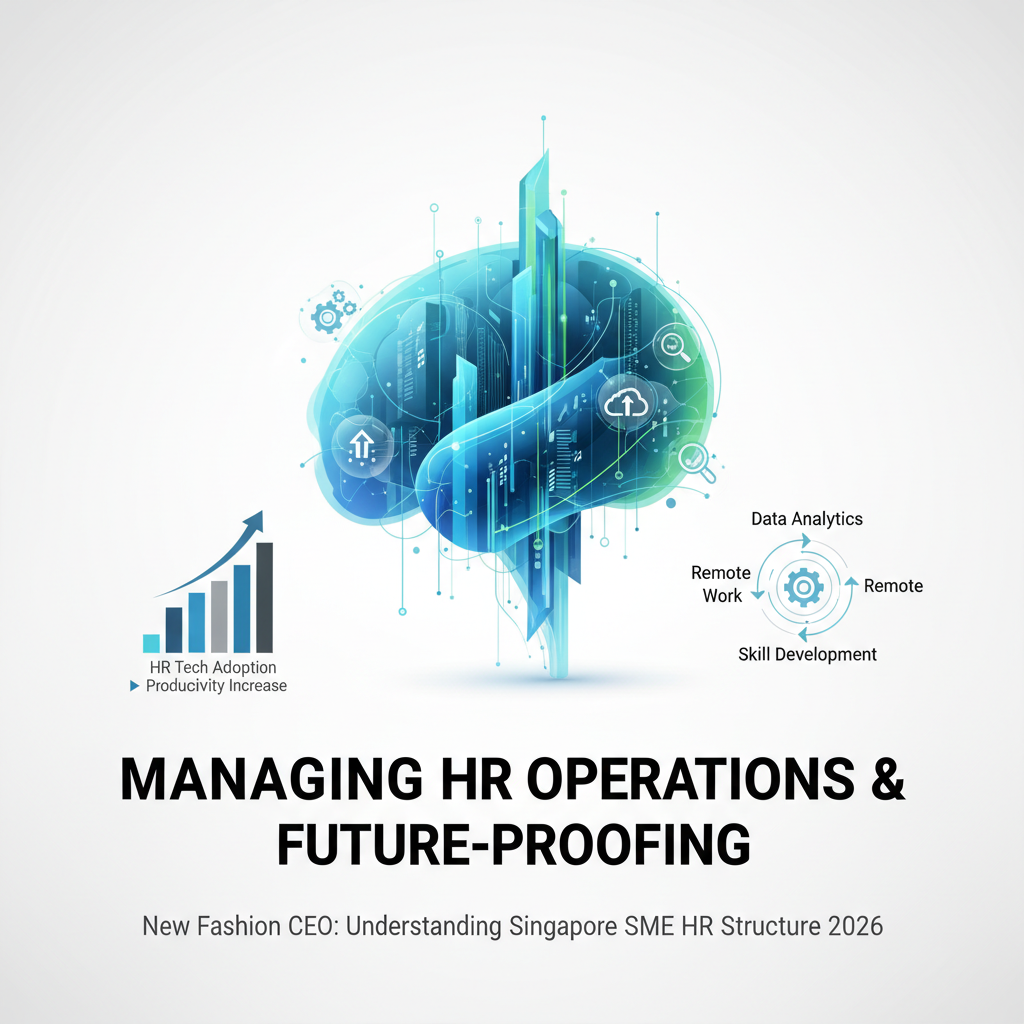
Singapore’s fashion industry is dynamic and fiercely competitive, demanding not just creativity but also robust operational foundations. For a fresh CEO in the fashion field, understanding the nuances of human resources management is paramount. This section offers a comprehensive, Step by Step guide to understanding SMEs HR structure, focusing on ongoing operational aspects and how to strategically prepare for future growth and challenges. Effective HR management is not merely about compliance; it’s about building a resilient, high-performing team that can adapt to market shifts and drive innovation. From meticulous record-keeping to fostering positive employee relations and embracing technological advancements, mastering these elements is crucial for sustained success and navigating the evolving landscape of talent management in Singapore.
1. HR Record-Keeping & Data Management Best Practices
In the fast-paced fashion world, efficient HR record-keeping is the bedrock of compliance and operational excellence. For Singaporean SMEs, maintaining accurate and accessible employee data is not just good practice but a legal requirement, crucial for everything from payroll processing to dispute resolution. Best practices begin with a centralized, secure system, whether cloud-based or on-premise, that meticulously tracks employee personal details, contracts, performance reviews, training records, leave applications, and disciplinary actions. This ensures easy retrieval for audits and critical decision-making. Furthermore, adherence to Singapore’s Personal Data Protection Act (PDPA) is non-negotiable. CEOs must ensure data is collected, used, and disclosed only with consent and for legitimate purposes, with robust security measures in place to prevent breaches. Regular data audits and clean-ups are essential to maintain accuracy and relevancy, reducing administrative burden and mitigating legal risks. Establishing clear data retention policies, in line with statutory requirements, also prevents unnecessary storage of sensitive information, streamlining operations and bolstering data privacy. A well-organized record-keeping system serves as a reliable historical database, invaluable for strategic planning and understanding workforce trends.
2. Handling Employee Relations & Conflict Resolution
A thriving fashion enterprise in Singapore hinges on a harmonious and productive work environment. Proactive employee relations are key to fostering loyalty, engagement, and reducing attrition. This involves clear communication channels, regular feedback sessions, and a culture that values transparency and mutual respect. However, conflicts are inevitable. When disputes arise, whether between colleagues or between an employee and management, a structured approach to conflict resolution is paramount. Fresh CEOs should establish clear internal grievance procedures that are fair, impartial, and confidential. This includes defining steps for reporting issues, conducting thorough investigations, and implementing appropriate resolutions. Training managers in basic mediation and active listening skills can significantly de-escalate situations before they escalate. For more complex issues, external mediation services or expert HR consultation may be necessary. Adherence to Singapore’s employment laws, particularly those related to fair treatment and wrongful dismissal, is critical. Understanding the Ministry of Manpower’s guidelines on dispute resolution provides a vital framework for navigating employee grievances ethically and legally, ensuring that resolutions are equitable and sustainable, thereby safeguarding the company’s reputation and morale.
3. Leveraging HR Tech for SMEs & Scalability
The modern fashion SME in Singapore cannot afford to overlook the transformative power of HR technology. For a fresh CEO, embracing HR tech is a strategic move towards efficiency, scalability, and competitive advantage. Traditional manual HR processes are time-consuming and prone to error, hindering growth. Cloud-based HR Information Systems (HRIS) or Human Capital Management (HCM) platforms offer integrated solutions for payroll, leave management, attendance tracking, performance management, and recruitment. These systems automate routine tasks, freeing up HR and management time to focus on strategic initiatives like talent development and culture building. Crucially, HR tech provides invaluable data analytics, offering insights into workforce trends, productivity, and turnover rates, enabling data-driven decision-making. When selecting a system, consider scalability – choose a platform that can grow with your business without requiring a complete overhaul. Ease of use, integration capabilities with other business software (e.g., accounting), and strong data security features are also vital. Investing in HR tech not only streamlines operations but also enhances the employee experience, making your fashion brand an attractive workplace, ready to adapt and scale in Singapore’s dynamic market.
Partner with Shelby Global
You are looking for reliable HR Sevice Suppliers? Contact Shelby Global Now! To connect with verified talents and upgrade your orginization.
—————————————
References
– Enterprise Singapore: https://www.enterprisesg.gov.sg/financial-support/capabilities-and-growth/sme-definition
– Singapore Employment Act on the MOM website: https://www.mom.gov.sg/employment-practices/employment-act
– effective behavioral interviewing techniques: https://www.shrm.org/resources-and-tools/hr-topics/talent-acquisition/pages/behavioral-interviewing.aspx
– SkillsFuture Singapore: https://www.skillsfuture.gov.sg/
– Ministry of Manpower’s guidelines on dispute resolution: https://www.mom.gov.sg/employment-practices/dispute-resolution