Overview of Singapore’s F&B Landscape
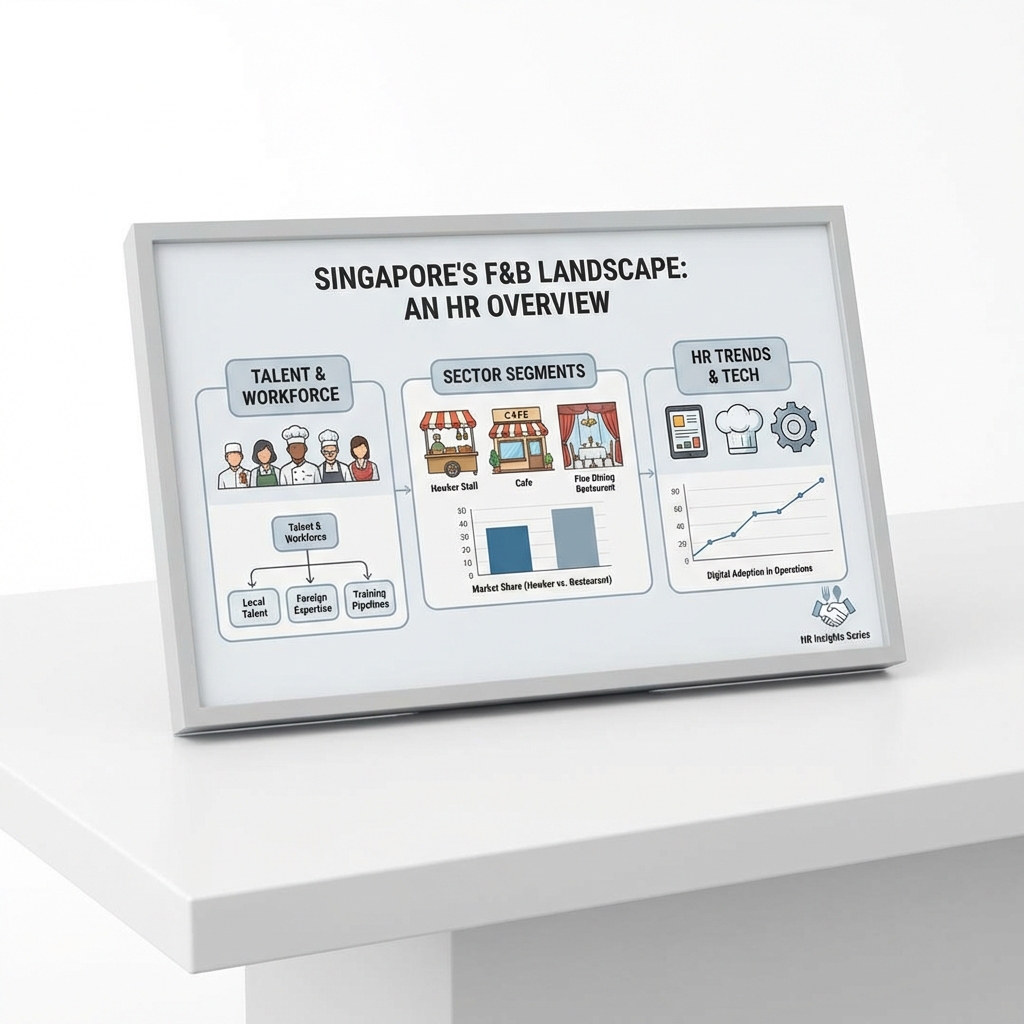
Singapore’s Food & Beverage (F&B) sector stands as a vibrant and integral pillar of its economy and social fabric. Renowned for its diverse culinary scene, from bustling hawker centres to Michelin-starred establishments, the industry is a dynamic reflection of the nation’s multicultural identity and its status as a global hub. This report sets the stage by delving into the current state and profound significance of the F&B landscape in Singapore, highlighting its robust economic contribution, unique operational characteristics, and the foundational elements that shape its future trajectory.
1. Current market size and contribution to GDP
The F&B sector is a significant economic contributor in Singapore, demonstrating remarkable resilience and consistent growth. The sector consistently contributes a substantial percentage to the nation’s Gross Domestic Product (GDP), directly supporting a vast workforce. It encompasses quick-service restaurants, cafes, catering services, and the burgeoning food delivery market. The sector’s growth is propelled by strong local consumption, a thriving tourism industry, and an increasing appetite for diverse and innovative dining experiences. Beyond direct revenue, the F&B industry creates substantial ripple effects, stimulating demand in related sectors such as agriculture, logistics, and retail. It is also a significant employer, providing numerous job opportunities and fostering a vibrant entrepreneurial ecosystem. High per capita spending, driven by strong local consumption and robust tourism, fuels a continuous and healthy revenue stream for the industry.
2. Key players and competitive landscape
Singapore’s F&B market is characterized by its intense competitiveness and a rich tapestry of players. The landscape is segmented into various categories, each with its own set of dominant players and emerging disruptors. Traditional hawker centres, a UNESCO recognized cultural heritage, continue to be a cornerstone, offering affordable and authentic local fare. Alongside these, international fast-food chains and casual dining restaurants command a significant market share, catering to diverse tastes and preferences. The fine dining segment thrives on innovation and global culinary trends. Key local conglomerates like Jumbo Group, Koufu, and BreadTalk Group operate extensive networks, while numerous independent eateries, cafes, and innovative start-ups contribute to the market’s dynamism. The rise of food delivery platforms such as GrabFood, Foodpanda, and Deliveroo has fundamentally reshaped the competitive landscape, creating new avenues for businesses and increasing consumer convenience. This competitive environment fosters continuous innovation in menu offerings, service models, and technological adoption, pushing businesses to differentiate themselves to capture consumer attention and loyalty. Understanding the intricacies of these market dynamics is crucial for any comprehensive market demand trend report of Food & Beverage field in singapore.
3. Regulatory environment and government initiatives supporting F&B
The Singaporean government plays a proactive and pivotal role in shaping and supporting the F&B sector through robust regulatory frameworks and strategic initiatives. The Singapore Food Agency (SFA) oversees food safety and hygiene standards, ensuring consumer confidence and maintaining Singapore’s reputation for high-quality food. Licensing requirements and regular inspections are stringent, guaranteeing operational excellence across the industry. Beyond regulation, government bodies like Enterprise Singapore actively champion the growth and transformation of the F&B industry. They implement various support schemes aimed at enhancing productivity, fostering innovation, and facilitating internationalization. Initiatives include grants for digitalization, automation, and the adoption of sustainable practices. Schemes promote technology adoption for inventory management, online ordering, and data analytics. Emphasis is also placed on manpower development, with training programmes to upskill the workforce and attract new talent. Furthermore, Singapore is actively promoting sustainable F&B practices, aligning with its “30 by 30” food security goal and efforts to reduce food waste. These concerted efforts create a conducive environment for F&B businesses to thrive, innovate, and contribute significantly to Singapore’s economic resilience and global culinary standing.
The dynamic and ever-evolving F&B landscape in Singapore continues to present both opportunities and challenges. Its economic significance, competitive vibrancy, and strong governmental support underscore its importance. A detailed analysis of these factors forms the bedrock for understanding future market demand and trends, guiding businesses towards sustainable growth and success in this exciting sector.
Key Demand Drivers Shaping the Future of F&B
Analyzing the primary factors influencing consumer behavior and market demand in the Singaporean F&B industry, including lifestyle changes and technological adoption.
1. Changing Consumer Preferences: Health, Sustainability, and Convenience
Singapore’s discerning consumers are increasingly driving the market demand trend report of Food & Beverage field in singapore towards a triple imperative: health, sustainability, and unparalleled convenience. The growing health consciousness among Singaporeans translates into a robust demand for nutritious options, plant-based alternatives like lab-grown meat and plant-based protein, and products with reduced sugar, salt, and artificial additives. Clean labels, transparency in sourcing, and functional foods that offer specific health benefits are no longer niche but mainstream expectations, pushing F&B businesses to innovate their menus and product lines. Furthermore, environmental awareness is rapidly shaping consumer behavior. Diners are actively seeking F&B establishments and products that prioritize sustainable practices, from ethically sourced ingredients, local produce, and reduced food waste to compostable packaging and energy-efficient operations. This shift is pushing businesses to adopt greener operations, implement circular economy principles, and communicate their sustainability efforts effectively to resonate with eco-conscious consumers. Concurrently, the fast-paced urban lifestyle reinforces the perennial need for convenience. This fuels the popularity of ready-to-eat meals, pre-portioned meal kits, subscription services, and efficient grab-and-go options, enabling consumers to access quality food quickly and effortlessly, whether for busy workdays, home dining, or on-the-move consumption.
2. The Transformative Impact of Technology: Online Delivery, Automation, and AI
Technology continues to be a profound disrupter and enabler, fundamentally reshaping the operational landscape and customer experience within Singapore’s F&B sector. The proliferation of online food delivery platforms (e.g., GrabFood, Foodpanda, Deliveroo) has not only expanded consumer choice and accessibility but has also created new business models like cloud kitchens and virtual brands, allowing for greater market penetration and operational agility. Beyond delivery, technological adoption extends to significant advancements in kitchen automation. Robotics for precise food preparation, consistent cooking, and even efficient serving are addressing persistent labor shortages, reducing operational costs, and improving consistency and hygiene standards, particularly in high-volume operations. Moreover, artificial intelligence (AI) and data analytics are revolutionizing back-end operations and front-end personalization. AI is leveraged for predictive analytics in inventory management, optimizing supply chains, dynamic pricing strategies, and forecasting demand more accurately. On the customer-facing side, AI personalizes marketing efforts, recommends tailored dishes based on individual preferences, and enhances customer service through chatbots, setting new benchmarks for operational excellence and customer engagement. Mobile ordering, cashless payment systems, and integrated loyalty programs are now standard, streamlining transactions and enhancing the overall customer journey.
3. Demographic Shifts, Tourism Rebound, and Evolving Lifestyle Changes
Singapore’s unique demographic profile and dynamic external factors significantly influence its F&B future. The nation’s aging population, for instance, drives demand for specific F&B offerings – smaller portion sizes, softer textures, nutritious options tailored to senior health needs, and even specialized dietary menus. Simultaneously, Singapore’s status as a global hub attracts a diverse expatriate community, broadening the culinary palate and fostering robust demand for international cuisines and authentic dining experiences that reflect global trends. Critically, the robust rebound of tourism post-pandemic has provided a substantial boost to the F&B industry, with international visitors flocking to renowned hawker centers, fine-dining establishments, and unique themed cafes across the island, injecting significant vitality and revenue into the sector. Beyond these, broader lifestyle changes continue to shape dining habits. The increasing desire for experiential dining, unique concepts, social media-worthy food, and personalized culinary journeys drives innovation in restaurant design and menu curation. The blurring lines between work and leisure, coupled with an emphasis on convenience and flexibility, further contribute to the demand for diverse F&B options available across various channels – from bustling eateries to home-based businesses and subscription boxes – catering to every occasion and time of day. These multifaceted influences compel F&B businesses to remain agile and innovative to capture evolving consumer desires and market opportunities. The overall market size and trends for F&B in Singapore demonstrate continuous evolution, as highlighted by various industry outlooks and reports, such as insights provided by Statista’s Food Market Outlook for Singapore.
Emerging Market Trends and Growth Segments
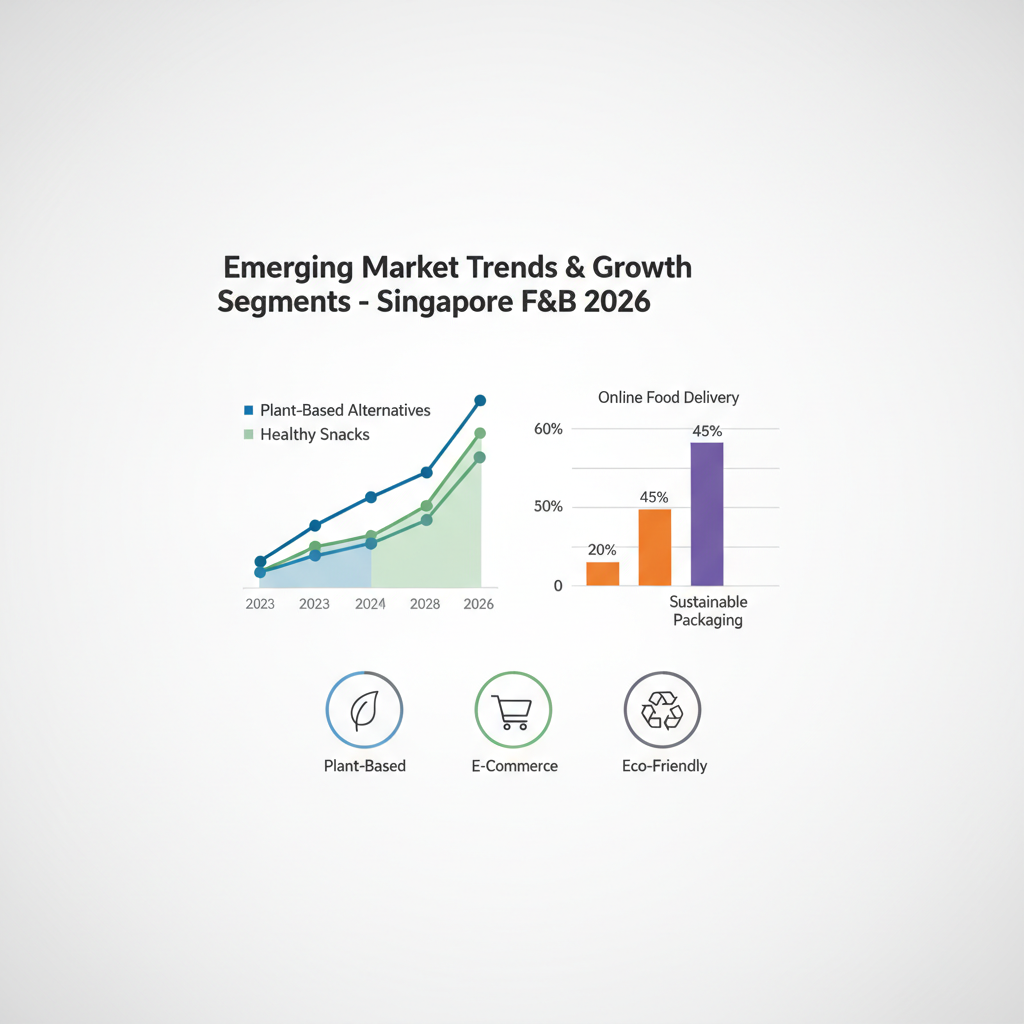
Singapore’s dynamic Food & Beverage (F&B) sector is a hotbed of innovation, continually evolving to meet sophisticated consumer demands and adapt to global shifts. As businesses look to capitalize on new opportunities, understanding the prevailing market demand trend report of Food & Beverage field in singapore is crucial. This section highlights specific trends and niche areas within the F&B sector that are experiencing significant growth or show future potential for market demand in Singapore, marking key areas for F&B innovation Singapore.
-
Plant-based foods, alternative proteins, and functional foods
Singapore is rapidly emerging as a hub for sustainable food solutions, driven by a strong emphasis on food security and a growing eco-conscious consumer base. The demand for plant-based foods, from meat analogues to dairy alternatives, is skyrocketing across retail shelves and restaurant menus. This trend is amplified by advancements in alternative proteins, including cell-based meats and insect-derived proteins, which are gaining traction as viable and sustainable options. Furthermore, consumers are increasingly seeking functional foods – products fortified with health-benefiting ingredients like probiotics, prebiotics, and immune-boosting compounds. This segment caters to a population keen on preventive health and wellness, representing a significant area of growth in Singapore’s F&B landscape. For more insights into this evolving sector, Enterprise Singapore provides comprehensive support and information on the nation’s push towards innovative food solutions. The government’s proactive stance in supporting food tech and sustainable protein development underscores the long-term potential of these segments, making them central to future F&B investment strategies.
-
Rise of experiential dining, unique concepts, and dark kitchens
Singaporean diners are no longer content with just good food; they crave unique and memorable experiences. This has fueled the rise of experiential dining, where the ambiance, theme, and interactive elements are as important as the cuisine itself. From omakase counters offering intimate culinary journeys to themed cafes and pop-up restaurants with limited-time menus, operators are innovating to create distinctive concepts that stand out in a competitive market. Paradoxically, parallel to this is the explosive growth of dark kitchens (also known as cloud or ghost kitchens). These delivery-only establishments optimize efficiency and cost by operating without a physical dining space, catering directly to the burgeoning online food delivery market. While seemingly disparate, both trends reflect a consumer desire for convenience and novelty, albeit through different channels. The strategic deployment of dark kitchens allows F&B businesses to scale operations, test new menus with minimal overhead, and reach a wider audience, contributing significantly to Singapore food tech trends.
-
Growth in ready-to-eat meals, meal kits, and subscription services
The fast-paced urban lifestyle in Singapore, coupled with the continued prevalence of hybrid work models, has supercharged the demand for convenient and healthy meal solutions. Ready-to-eat (RTE) meals, available in supermarkets and convenience stores, offer quick and nutritious options for time-strapped individuals. Complementing this are meal kits, which provide pre-portioned ingredients and recipes, allowing consumers to cook gourmet meals at home with minimal effort and food waste. This trend resonates particularly with those who enjoy cooking but lack the time for extensive meal planning or grocery shopping. Furthermore, subscription services for food – ranging from curated snack boxes to weekly meal deliveries catering to specific dietary needs (e.g., keto, vegan, gluten-free) – have carved out a significant niche. These services offer personalization and convenience, building strong customer loyalty. This segment is driven by a desire for ease, variety, and health-conscious choices, underscoring a key aspect of the current market demand trend report of Food & Beverage field in singapore.
Challenges and Opportunities for F&B Businesses
The dynamic and highly competitive Singapore Food & Beverage (F&B) market presents significant hurdles and strategic avenues for growth, innovation, and sustainability. Businesses navigating this landscape must possess resilience and a forward-thinking approach. Understanding intricate market dynamics is crucial for any F&B enterprise looking to cement its position and capture new opportunities. This discussion will delve into primary challenges confronting Singapore’s F&B establishments and the strategic opportunities available to foster long-term success.
-
Labor Shortages, Rising Operating Costs, and Rental Pressures
Singapore’s F&B sector grapples with persistent challenges related to human resources and escalating operational expenditures. A tightening labor market and stricter foreign worker quotas lead to chronic labor shortages, driving up wages and training costs, impacting service quality and operational efficiency. Concurrently, businesses face rising ingredient prices, utility costs, and exorbitant commercial rental rates. These combined factors create immense pressure on profitability and sustainability.
Opportunities lie in embracing automation and technology, such as AI-powered cooking assistants or self-ordering kiosks, to reduce reliance on manual labor. Flexible work arrangements, cross-training staff, and employee retention programs can mitigate labor woes. To counter rising costs, businesses can implement smart energy management, bulk purchasing, and explore cloud or dark kitchens. These significantly reduce rental footprints and overheads, allowing businesses to focus on food preparation and delivery, tapping into evolving consumer preferences for convenience.
-
Supply Chain Resilience, Food Waste Reduction, and Sustainable Sourcing
The globalized nature of food supply chains exposes Singaporean F&B businesses to vulnerabilities, from geopolitical tensions and climate change impacts to logistics disruptions. The city-state’s high reliance on food imports makes it particularly susceptible to price fluctuations and supply disruptions. Furthermore, food waste remains a significant concern, contributing to environmental degradation and economic losses. Consumers are increasingly aware of their food choices’ environmental footprint, pushing businesses towards more responsible practices.
Addressing these offers substantial opportunities for differentiation. Enhancing supply chain resilience involves diversifying sourcing, local farm partnerships (“farm-to-table”), and leveraging technology for real-time inventory management. Implementing robust food waste reduction strategies, like precise portion control and collaborating with food rescue organizations, cuts costs and improves public image. Prioritizing sustainable sourcing – opting for ethically produced, environmentally friendly ingredients – resonates with eco-conscious consumers, enhancing brand reputation and aligning with national sustainability goals.
-
Digital Transformation, Data Analytics for Insights, and Personalization
In an increasingly digital world, F&B businesses that lag in digital adoption risk falling behind, despite the immense benefits for operational efficiency, customer engagement, and growth. While initial investment and the learning curve can be daunting, extracting actionable insights from collected data is crucial for competitive advantage. Data security concerns also remain a key challenge.
Opportunities are transformative. Implementing online ordering systems, contactless payments, and loyalty programs streamlines operations and enhances customer convenience. Utilizing data analytics for insights into customer preferences, peak hours, and marketing effectiveness informs strategic decisions. This data empowers personalized experiences, from customized menu recommendations to targeted promotions, fostering deeper customer relationships. Engaging through social media and investing in CRM systems allows F&B establishments to anticipate market demand, optimize offerings, and stay competitive. Accessing a comprehensive market demand trend report of Food & Beverage field in Singapore further empowers informed, data-driven decisions.
Ultimately, while the Singapore F&B market presents formidable challenges, it simultaneously offers fertile ground for innovation and strategic growth. Businesses that proactively address labor and cost pressures, embrace sustainability, and harness digital transformation will not only overcome hurdles but also carve out distinctive niches and achieve enduring success in this vibrant sector.
Strategic Outlook and Future Projections to 2026
Singapore’s Food & Beverage (F&B) sector stands at the precipice of significant transformation, driven by evolving consumer preferences, technological advancements, and a persistent drive towards sustainability. This forward-looking perspective provides a comprehensive summary of key takeaways from recent analyses and offers actionable recommendations to equip stakeholders and businesses for success in the dynamic market up to 2026. Understanding these shifts is crucial for strategic planning and maintaining a competitive edge in one of Southeast Asia’s most vibrant economies.
1. Forecasted market growth and segment performance for F&B
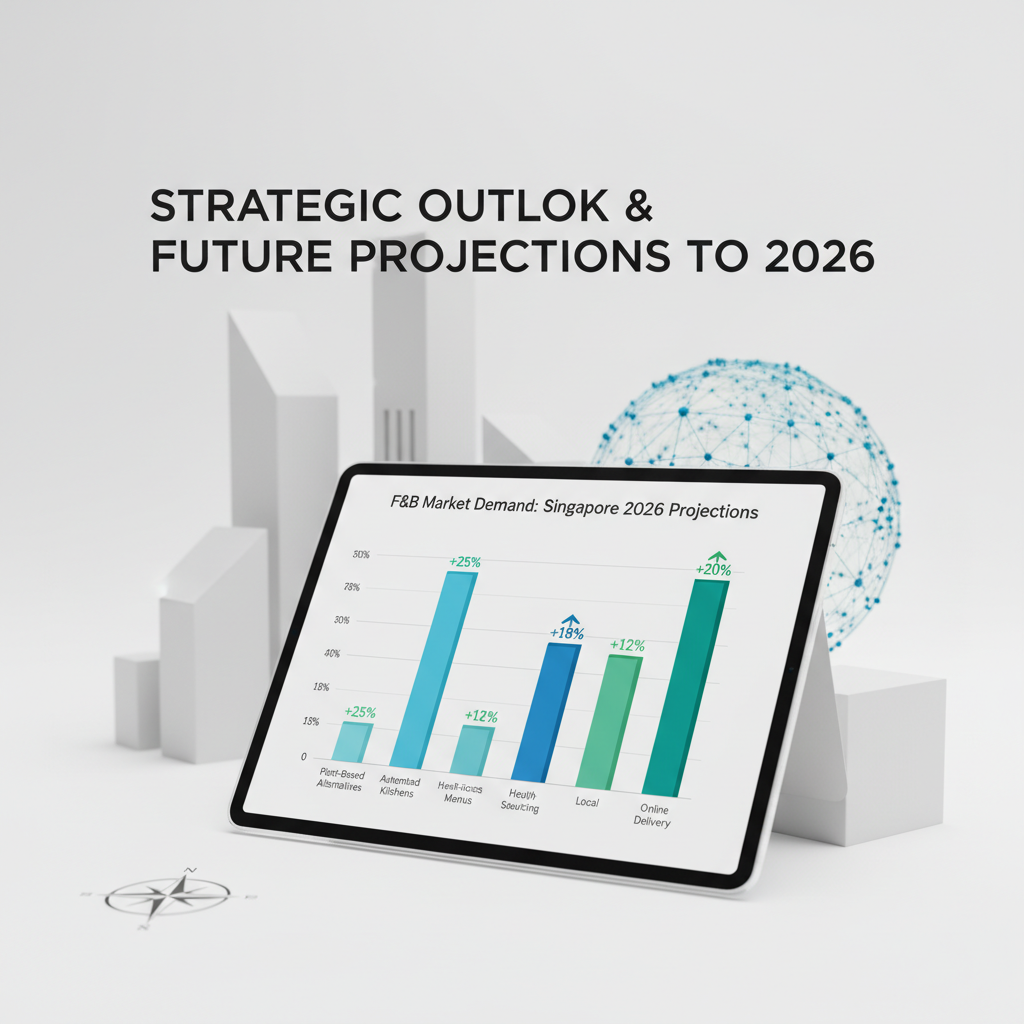
The Singaporean F&B market is projected to demonstrate sustained growth through 2026, albeit with nuanced performance across various segments. Overall, the market demand trend report of Food & Beverage field in Singapore indicates a healthy compound annual growth rate (CAGR), propelled by factors such as rising disposable incomes, a robust tourism recovery, and an increasingly sophisticated consumer base. Within the dining out segment, casual dining and experiential concepts are expected to outperform, reflecting a consumer desire for unique and memorable experiences beyond just food. Food delivery services, while perhaps normalizing from their pandemic-driven peak, will continue to be a significant player, with growth focusing on efficiency, wider cuisine choices, and subscription models.
Furthermore, health and wellness remain paramount, driving demand for organic, plant-based, and functional food options. The plant-based market, in particular, is poised for exponential growth as more consumers adopt flexitarian or vegetarian diets. Specialised diet products catering to allergies, intolerances, and specific nutritional needs will also see increased traction. Beverages, especially artisanal coffee, health-centric drinks, and innovative non-alcoholic options, are set for strong performance. Retail F&B will benefit from premiumisation and convenience, with ready-to-eat meals and gourmet packaged foods gaining popularity.
2. Investment hotspots and areas for innovation and R&D
For investors and businesses looking to capitalise on the future of the Food & Beverages Market in Singapore, several key areas stand out as prime investment hotspots. Food technology (food tech) is undoubtedly at the forefront, encompassing everything from alternative protein production (e.g., cell-based meat, precision fermentation) to advanced food processing and packaging solutions aimed at reducing waste and extending shelf life. Start-ups leveraging AI and data analytics for supply chain optimisation, personalised nutrition, and demand forecasting present significant opportunities.
Innovation and R&D efforts should concentrate on sustainability, focusing on circular economy principles within F&B operations. This includes developing upcycling technologies for food waste, creating sustainable packaging materials, and pioneering energy-efficient kitchen equipment. Automation and robotics in food preparation, serving, and logistics offer substantial potential for improving operational efficiency and addressing labour shortages. Furthermore, investing in smart kitchen solutions and digital platforms that enhance customer engagement and streamline operations will yield considerable returns. Functional food development, particularly ingredients that offer specific health benefits, is another burgeoning area for R&D investment, aligning with the wellness trend.
3. Recommendations for F&B operators and policymakers
To thrive in this evolving landscape, F&B operators in Singapore must embrace digital transformation, integrating online ordering, loyalty programs, and data analytics to understand and anticipate consumer needs. Prioritising supply chain resilience and diversification, including local sourcing where feasible, will mitigate future disruptions. Investing in talent development and retention, especially in culinary innovation, digital marketing, and sustainable practices, is crucial. Operators should also explore collaborative models, partnering with food tech start-ups or other F&B businesses to leverage shared resources and expertise, and to accelerate innovation.
For policymakers, continued support for the F&B sector through grants for R&D, automation, and sustainability initiatives is essential. Streamlining regulatory frameworks to facilitate the introduction of novel food products and innovative business models will foster growth. Developing robust infrastructure for sustainable practices, such as food waste collection and processing facilities, is also critical. Furthermore, creating platforms for knowledge sharing and collaboration between academic institutions, industry players, and research organisations will accelerate Singapore’s position as a global F&B innovation hub. By working in concert, all stakeholders can ensure Singapore’s F&B sector remains vibrant, resilient, and forward-looking.
Partner with Shelby Global
You are looking for reliable HR Sevice Suppliers? Contact Shelby Global Now! To connect with verified talents and upgrade your orginization.
—————————————
References
– Enterprise Singapore Food Services Industry Overview: https://www.enterprisesg.gov.sg/industries/food-services-industry
– Statista’s Food Market Outlook for Singapore: https://www.statista.com/outlook/co/food/singapore
– Enterprise Singapore – Food Manufacturing and Services: https://www.enterprisesg.gov.sg/industries/industries-we-support/food/food-manufacturing-and-services
– Supply Chain Resilience and Sustainable Food Practices: https://www.enterprisesg.gov.sg/industries/food/food-manufacturing-and-services/sustainability-in-food-sector
– Food & Beverages Market in Singapore: https://www.statista.com/outlook/co/food-beverages/singapore