
Overview of Singapore’s Production Landscape & Market Drivers
This section sets the stage by defining Singapore’s diverse production field and outlining the macroeconomic, geopolitical, and policy factors influencing its demand trends up to 2026. Understanding these dynamics is crucial for businesses aiming to navigate and capitalize on the opportunities within the nation’s robust industrial base, providing a foundational insight for any comprehensive market demand trend report of production field in Singapore.
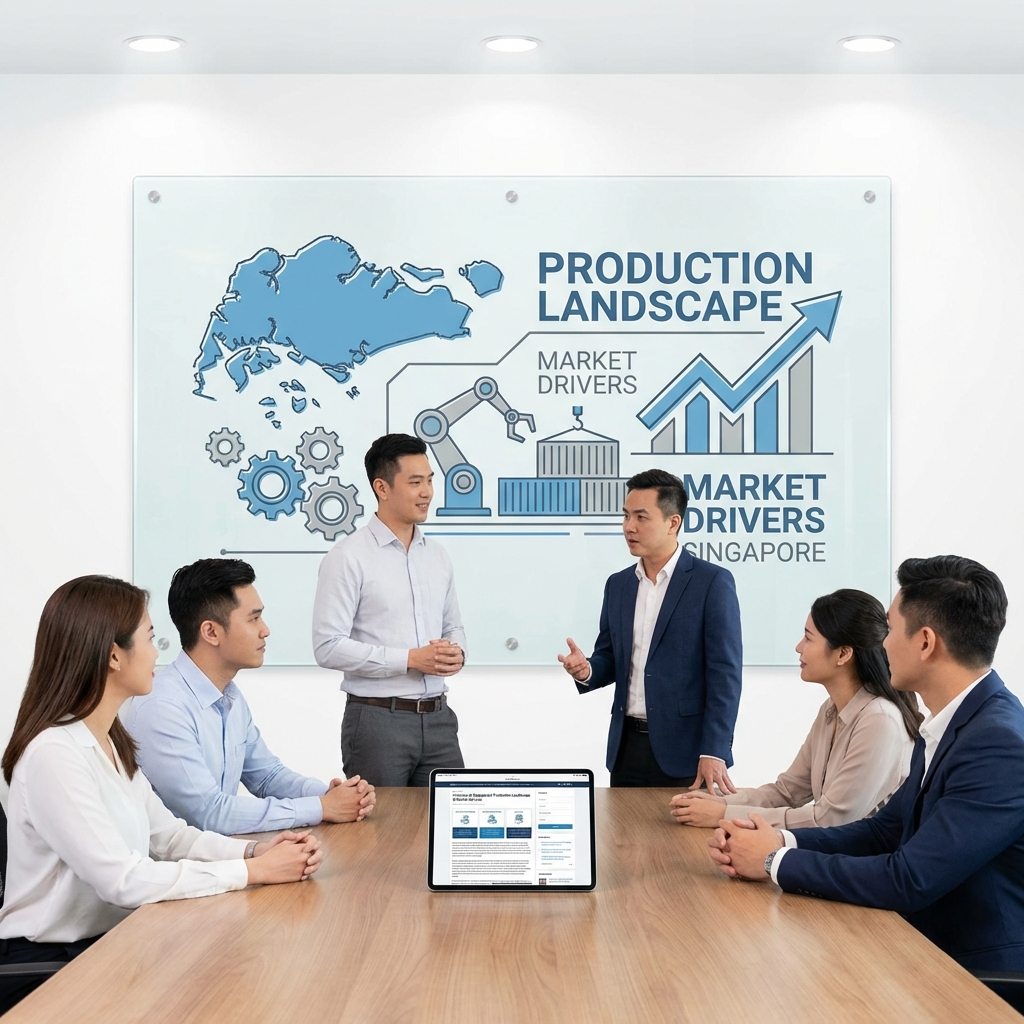
1. Defining Singapore’s Production Field: Key Sectors & Contribution to GDP
Singapore’s production landscape is characterized by its focus on high-value, advanced manufacturing, distinguishing it as a sophisticated industrial hub in Southeast Asia. Far from a low-cost manufacturing base, the nation has strategically cultivated an ecosystem supporting complex, technology-intensive industries. Key sectors driving Singapore’s production prowess include:
- Electronics: A cornerstone, encompassing semiconductors, data storage, and consumer electronics, pivotal for global supply chains.
- Chemicals: With a strong presence on Jurong Island, this sector covers petrochemicals, specialty chemicals, and pharmaceuticals.
- Biomedical Sciences: A rapidly expanding field, including biopharmaceuticals, medical technology, and healthcare services.
- Aerospace: Specializing in Maintenance, Repair, and Overhaul (MRO) services, as well as manufacturing of aerospace components.
- Precision Engineering: Providing crucial support to other high-tech sectors with advanced tools, machinery, and components.
Collectively, manufacturing consistently contributes a significant portion to Singapore’s Gross Domestic Product (GDP), typically around 20-25%. This robust contribution underscores the sector’s strategic importance to the nation’s economic resilience and global competitiveness. The emphasis on innovation, research and development (R&D), and digitalization across these industries ensures Singapore remains at the forefront of advanced production capabilities, continually shaping the market demand trend report of production field in Singapore.
2. Macroeconomic Factors & Global Trade Shaping Demand
The demand within Singapore’s production field is profoundly influenced by a confluence of macroeconomic factors and global trade dynamics. As a small, open economy, Singapore is highly susceptible to international economic shifts. Key influences up to 2026 include:
- Global Economic Growth: Overall world economic performance directly impacts demand for Singaporean exports. A robust global economy fuels industrial output and consumption, benefiting Singapore’s manufacturing sectors, particularly electronics and chemicals.
- Supply Chain Resilience and Diversification: Post-pandemic disruptions have highlighted the need for resilient and diversified supply chains. Singapore’s strategic location, political stability, and advanced logistics infrastructure position it as an attractive hub for companies looking to de-risk their operations, driving demand for local production and related services.
- Geopolitical Shifts: Tensions between major global powers, such as the US-China trade relations, can lead to shifts in manufacturing locations and trade flows. Singapore often benefits from companies diversifying their production bases, leading to increased foreign direct investment (FDI) in its high-value manufacturing sectors.
- Inflation and Interest Rates: Rising global inflation and interest rates can impact consumer spending and investment decisions, potentially slowing demand for goods produced in Singapore. However, the nation’s focus on essential and high-tech components often provides a degree of insulation.
- Digital Transformation & Sustainability Trends: The accelerating pace of digitalization and the global imperative for sustainability are creating new demand. Industries are investing in automation, AI, and green manufacturing processes, which Singapore’s advanced production capabilities are well-equipped to support. According to the WTO Global Trade Outlook, global trade volumes are projected to see moderate growth, with varying impacts across sectors, underscoring the need for adaptive manufacturing strategies in Singapore.
3. Government Initiatives & Industrial Policies (e.g., Manufacturing 2030)
Singapore’s government plays a proactive and instrumental role in shaping the production landscape through strategic initiatives and industrial policies. These policies are designed to future-proof the industry, attract investment, and foster innovation, directly influencing the long-term market demand trend report of production field in Singapore.
- Manufacturing 2030: This ambitious vision aims to grow Singapore’s manufacturing value-add by 50% and create 25,000 new jobs by 2030. It focuses on anchoring Singapore as a global business, innovation, and talent hub for advanced manufacturing. This includes investments in R&D, promoting adoption of Industry 4.0 technologies (e.g., IoT, AI, robotics), and developing a skilled workforce.
- Industry Transformation Maps (ITMs): These roadmaps, developed for various sectors including electronics, chemicals, and biomedical sciences, outline strategies for growth, innovation, and productivity improvements. They integrate enterprise and workforce transformation, ensuring industries remain competitive and relevant.
- Talent Development and Training: Recognizing the importance of a skilled workforce, the government heavily invests in talent development programs, reskilling initiatives, and partnerships with educational institutions. This ensures a steady supply of high-calibre engineers, technicians, and data scientists required by advanced manufacturing.
- Sustainability and Green Manufacturing: Aligned with global climate goals, policies are encouraging sustainable practices, energy efficiency, and the development of green technologies within the production sector. This includes grants and incentives for companies to adopt environmentally friendly processes and materials.
- Attracting Foreign Direct Investment (FDI): Singapore continues to offer attractive incentives, a stable regulatory environment, and world-class infrastructure to draw leading multinational corporations (MNCs) to establish high-value manufacturing operations, thereby bolstering local demand and production capabilities.
These concerted efforts by the government create a fertile ground for businesses, ensuring that Singapore’s production field remains dynamic, innovative, and responsive to global demands, making it a critical area of analysis for any market demand trend report of production field in Singapore. The interplay of these factors will dictate the trajectory of demand and supply within Singapore’s key industrial sectors through 2026 and beyond.
Key Demand Trends Across Core Production Sectors
Singapore’s manufacturing sector, a cornerstone of its economy, continues to evolve dynamically, driven by global megatrends and strategic national initiatives. Understanding the evolving market demand trend report of production field in Singapore is crucial for businesses aiming to capitalize on emerging opportunities within Singapore’s dynamic manufacturing sector. This exploration delves into specific industry shifts within the nation’s critical manufacturing segments, highlighting significant growth areas, shifts in consumer and B2B demand, and the promising new avenues for innovation and investment. From advanced electronics to life sciences and sustainable chemicals, Singapore is strategically positioning itself at the forefront of high-value manufacturing, adapting swiftly to technological advancements and global market needs. This detailed look at demand trends across core production sectors will illuminate the strategic directions shaping the future of Singaporean industry.
-
Electronics & Semiconductors: Demand for Advanced Components & Devices
Singapore remains a global hub for electronics and semiconductor manufacturing, a sector experiencing unprecedented demand, particularly for advanced components. The relentless push for digital transformation, artificial intelligence (AI), 5G connectivity, and the Internet of Things (IoT) is fueling a surge in the need for high-performance chips. Data centers, cloud computing infrastructure, and increasingly, electric vehicles (EVs) and autonomous systems, rely heavily on sophisticated semiconductor technologies. This trend translates into robust demand for wafer fabrication, integrated circuit design, and assembly and test services within Singapore. Companies here are pivoting towards producing higher-value, specialized semiconductors tailored for AI acceleration, power management, and advanced sensors. The demand for advanced packaging technologies is also on the rise, enabling smaller, more powerful, and energy-efficient devices. Singapore’s ecosystem, backed by strong R&D capabilities and a skilled workforce, is well-positioned to meet these intricate requirements, driving significant growth in its electronics output and attracting further foreign direct investment into this critical sector.
-
Biomedical Sciences: Growth in Pharmaceuticals, MedTech & Biologics
The Biomedical Sciences sector in Singapore continues its impressive growth trajectory, propelled by increasing global healthcare demand, an aging population, and significant advancements in medical technology and therapeutics. Within pharmaceuticals, there’s a sustained demand for innovative drug development and precision manufacturing, particularly in specialty medicines and biologics. Singapore has become a preferred location for the production of complex biologics, vaccines, and active pharmaceutical ingredients (APIs) due to its stringent regulatory environment, advanced manufacturing capabilities, and skilled talent pool. The MedTech segment is witnessing a surge in demand for diagnostic tools, minimally invasive surgical devices, and digital health solutions, driven by a focus on preventive care and personalized medicine. Furthermore, the pandemic underscored the critical need for resilient healthcare supply chains, reinforcing Singapore’s role as a reliable global manufacturing base for essential medical products. The sector’s strong emphasis on research and development, coupled with collaborations between academia, industry, and government, ensures a continuous pipeline of innovation, meeting the evolving global demand for cutting-edge healthcare solutions.
-
Chemicals & Energy: Sustainable Solutions & Specialty Chemicals Demand
Singapore’s Chemicals and Energy sector, primarily centered on Jurong Island, is undergoing a profound transformation, moving towards sustainability and high-value specialty chemicals. While traditional petrochemicals remain foundational, the dominant demand trend is shifting towards environmentally friendly solutions and advanced materials. There’s a growing global appetite for specialty chemicals used in diverse applications, including advanced electronics, sustainable packaging, electric vehicle batteries, and pharmaceutical intermediates. The industry is actively embracing green chemistry principles, circular economy initiatives, and carbon capture technologies to reduce its environmental footprint. Furthermore, demand for sustainable energy solutions, including bio-based fuels and hydrogen production, is creating new opportunities for chemical companies to innovate and diversify their portfolios. Singapore’s strategic investments in research into new sustainable processes and materials, combined with its robust infrastructure, position it as a leader in producing high-performance, eco-friendly chemicals. This pivot not only enhances the sector’s long-term resilience but also addresses the escalating global demand for products that support a more sustainable future.
These demand trends unequivocally highlight Singapore’s agility and strategic foresight in navigating global economic shifts. The nation’s commitment to fostering innovation, investing in advanced manufacturing capabilities, and developing a highly skilled workforce ensures its sustained competitiveness across these core production sectors. As global markets continue to evolve, Singapore’s proactive approach in aligning its industrial policies with high-growth segments and sustainability imperatives reinforces its position as a leading global manufacturing hub, driving economic prosperity and technological advancement for decades to come. Companies looking for a robust and forward-thinking environment will find invaluable insights in this market demand trend report of production field in Singapore.
Technological Transformation & Industry 4.0 Adoption
Singapore’s production field is undergoing a profound transformation, propelled by the rapid adoption of Industry 4.0 technologies. This technological revolution is not merely an upgrade; it’s a fundamental reshaping of how goods are conceived, produced, and delivered, directly influencing market demand trends. As global supply chains evolve and consumer expectations shift towards greater customization and efficiency, Singapore’s manufacturing sector is strategically leveraging advancements like automation, Artificial Intelligence (AI), the Internet of Things (IoT), and sophisticated manufacturing processes. These innovations are enhancing operational capabilities, driving unprecedented levels of efficiency, and ultimately redefining the competitive landscape. Understanding these shifts is crucial for any market demand trend report of production field in singapore, highlighting a clear trajectory towards smart, integrated, and resilient manufacturing ecosystems.

1. Automation & Robotics: Boosting Productivity & Capacity
The integration of automation and robotics is a cornerstone of Industry 4.0, fundamentally altering productivity and capacity within Singapore’s production sector. From sophisticated industrial robots on assembly lines to collaborative robots (cobots) working alongside human operators, these technologies address critical challenges such as labor shortages and the need for precision manufacturing. Automation reduces human error, ensures consistent product quality, and enables 24/7 operational capabilities, significantly boosting output. This trend is creating a burgeoning demand for automated systems, robotic integration services, and a workforce skilled in operating and maintaining advanced machinery. Companies are investing heavily in Robotic Process Automation (RPA) and autonomous guided vehicles (AGVs) to streamline logistics and internal processes. The drive towards higher productivity and reduced operational costs is a primary factor influencing the market demand for these advanced manufacturing solutions in Singapore, making robust automation infrastructure a competitive imperative.
2. Digitalization & AI: Smart Factories & Predictive Analytics
Digitalization, coupled with Artificial Intelligence (AI), is paving the way for smart factories in Singapore. The Industrial Internet of Things (IIoT) connects machines, sensors, and systems across the production floor, generating vast amounts of data. AI and machine learning algorithms then process this data to unlock invaluable insights, enabling predictive analytics. This means factories can move beyond reactive maintenance to proactive problem-solving, anticipating equipment failures before they occur, optimizing energy consumption, and fine-tuning production schedules for maximum efficiency. AI-driven quality control systems can detect defects with unparalleled accuracy and speed, further enhancing product reliability. The demand for robust IIoT platforms, AI-powered analytics tools, and cybersecurity solutions to protect these interconnected systems is skyrocketing. This shift towards data-driven decision-making and intelligent automation is a significant driver in the overall market demand trend report of production field in singapore, emphasizing the need for digital infrastructure and specialized data science talent.
3. Advanced Manufacturing Technologies: Additive Manufacturing & IIoT Integration
Beyond traditional methods, advanced manufacturing technologies are opening new frontiers in Singapore. Additive manufacturing, commonly known as 3D printing, allows for the creation of complex geometries, rapid prototyping, and on-demand production of highly customized parts, significantly reducing material waste and lead times. This technology is particularly impactful in industries requiring bespoke components or rapid iteration, such as aerospace, medical devices, and specialized electronics. Furthermore, the deep integration of IIoT across the entire value chain, including supply chain management and customer interaction, is fostering truly connected enterprises. Digital twins – virtual replicas of physical assets and processes – enable real-time monitoring, simulation, and optimization, creating a feedback loop for continuous improvement. These advancements are driving demand for innovative materials, specialized software platforms, and expertise in complex system integration. The adoption of these cutting-edge processes indicates a clear market trajectory towards flexible, resilient, and highly customized production capabilities, marking a critical phase in the market demand trend report of production field in singapore.
In conclusion, Singapore’s production field is actively embracing Industry 4.0 to secure its position as a global manufacturing hub. The relentless pursuit of efficiency, enhanced capabilities, and innovation through automation, AI, IIoT, and advanced manufacturing processes is not just transforming factories; it’s creating new market opportunities and demands across the entire ecosystem. Businesses that adapt swiftly to these technological currents will be best positioned to thrive in this evolving landscape.
Supply Chain Resilience, Sustainability, and Workforce Evolution
As Singapore’s production field navigates an increasingly complex global landscape, understanding market demand trend report of production field in singapore requires a keen focus on non-technological factors that are profoundly reshaping operational strategies and consumer expectations. Beyond technological advancements, the imperative for robust supply chains, stringent sustainability mandates, and the continuous evolution of workforce skills are critical drivers influencing long-term competitiveness and growth. These pillars—resilience, sustainability, and human capital—are interdependent, collectively determining how effectively Singaporean manufacturers can meet future market demands and maintain their position as a global manufacturing hub.
1. Building Resilient & Diversified Supply Chains for Stability
The global events of recent years have unequivocally highlighted the vulnerabilities inherent in traditional, lean supply chains, underscoring the urgent need for enhanced supply chain resilience. For Singapore’s production field, which is highly integrated into global trade networks, mitigating disruptions is paramount for maintaining stability and ensuring continuous supply to meet market demand. This necessitates a strategic shift towards diversified supply chains, moving beyond single-source dependencies and geographical concentrations. Companies are now actively exploring nearshoring, reshoring, and the development of regional hubs to reduce lead times and enhance responsiveness to geopolitical shifts and unforeseen crises. Furthermore, digital technologies such as AI-driven predictive analytics and blockchain are being leveraged to provide end-to-end supply chain visibility, enabling proactive identification and mitigation of potential bottlenecks. Investing in robust risk management frameworks and fostering collaborative relationships with multiple suppliers globally not only safeguards production but also builds consumer confidence, positioning Singaporean products as reliable in a volatile market.
2. Green Manufacturing & Sustainability Practices (ESG Integration)
Sustainability is no longer merely a corporate social responsibility initiative but a fundamental business imperative driving market demand. Consumers, investors, and regulatory bodies alike are demanding greater accountability from manufacturers regarding their environmental, social, and governance (ESG) performance. For the Singaporean production field, this translates into a significant push towards green manufacturing practices. Integrating sustainability means adopting circular economy principles, minimizing waste generation, optimizing energy consumption, and transitioning towards renewable energy sources in production processes. It involves responsible sourcing of materials, reducing carbon footprints across the value chain, and ensuring ethical labor practices. Companies that excel in ESG integration not only enhance their brand reputation and attract environmentally conscious consumers but also gain a competitive edge in securing financing and complying with evolving international trade regulations. According to a report by McKinsey, building a truly resilient and sustainable supply chain is now a strategic priority, moving beyond cost-cutting to value creation. This commitment to sustainability is crucial for long-term growth and market relevance.
3. Skilled Labor Demand & Workforce Transformation (Upskilling for Industry 4.0)
The rapid advancements of Industry 4.0 technologies—including automation, artificial intelligence, IoT, and advanced robotics—are fundamentally reshaping the skill requirements within the production field. While these technologies promise enhanced efficiency and productivity, they also create a significant demand for a skilled labor force capable of operating, maintaining, and innovating with these new systems. The traditional manufacturing skillset is evolving, requiring workers to possess strong digital literacy, data analytics capabilities, problem-solving abilities, and adaptability. Singapore is proactively addressing this workforce transformation through aggressive upskilling and reskilling initiatives. Government agencies, educational institutions, and industry players are collaborating to develop targeted training programs that equip the existing workforce with critical Industry 4.0 skills. This continuous investment in human capital ensures that Singapore’s production sector remains agile, innovative, and capable of attracting and retaining the talent necessary to leverage advanced manufacturing technologies. A highly skilled workforce is not just an operational necessity; it’s a strategic asset that underpins Singapore’s ability to innovate and respond effectively to shifting market demands, ultimately securing its competitive advantage in the global manufacturing arena.
Future Outlook & Strategic Implications for 2026
Singapore’s production field is poised for continued transformation and growth towards 2026, driven by a strategic imperative to maintain global competitiveness and adaptability. This market demand trend report of production field in singapore indicates a shift towards higher value-added activities, intense focus on technological integration, and a proactive response to evolving global dynamics. The nation’s advanced manufacturing sector, a cornerstone of its economic strategy, is expected to navigate both significant opportunities and complex challenges in the coming years, requiring agile policy-making and innovative business strategies.
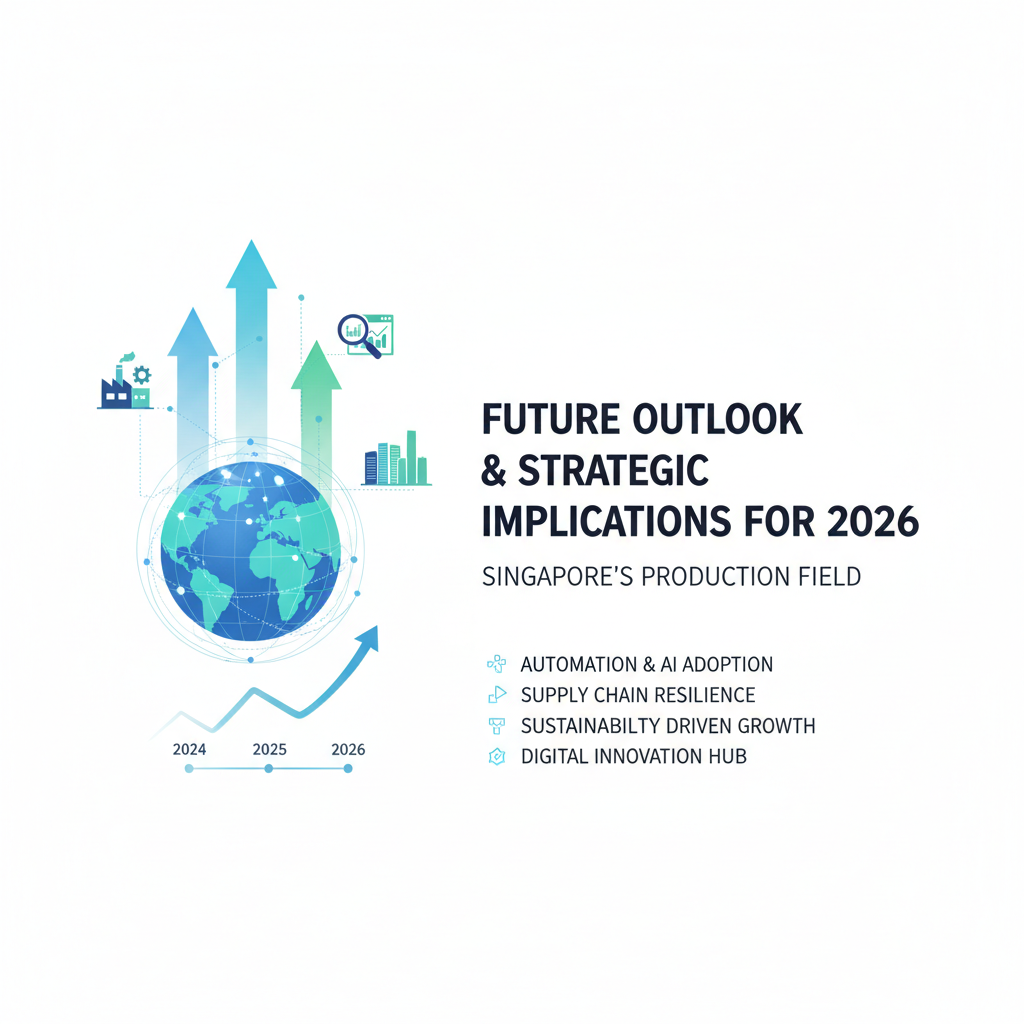
1. Projected Growth Areas & Emerging Opportunities by 2026
By 2026, several key sectors within Singapore’s production field are projected to experience robust growth, propelled by both domestic innovation and strong policy support and global demand. Advanced manufacturing, encompassing areas like aerospace, medical technology, and electronics, will remain a primary engine. The semiconductor industry trends, particularly in high-performance computing and AI applications, are set to drive significant investment and production expansion. Furthermore, the biomedical sciences demand is expected to surge, fuelled by an aging global population and continuous breakthroughs in healthcare technology. Precision engineering growth will support these high-tech industries, providing specialized components and solutions.
Emerging opportunities also lie in the proliferation of green technologies and sustainable production methods. As global emphasis shifts towards decarbonization and circular economy principles, Singapore is well-positioned to become a hub for green manufacturing, leveraging its expertise in clean energy solutions and environmental engineering. Digital transformation and Industry 4.0 adoption will continue to reshape factory floors, leading to more efficient smart factories equipped with AI, IoT, and big data analytics. Significant R&D investment by both government and private entities will unlock new capabilities, fostering a vibrant ecosystem for innovation and high-value production.
2. Potential Challenges & Risks (e.g., Global Competition, Resource Scarcity)
Despite promising growth trajectories, Singapore’s production field faces a spectrum of competitive landscape challenges towards 2026. Intense global competition from lower-cost economies and rapidly developing technological hubs demands continuous innovation to maintain an edge. Resource scarcity, particularly for land and energy in a densely populated island nation, presents a persistent constraint, necessitating creative solutions in resource optimization and vertical integration.
Another critical risk is talent shortage. As industries evolve rapidly towards automation solutions and specialized manufacturing, there is an ongoing need for workforce upskilling and the attraction of global talent attraction. Geopolitical instability and trade protectionism pose threats to supply chain resilience, requiring companies to diversify their sourcing and production networks. Rising operational costs, including labor and energy, could also erode profitability if not managed through increased productivity and technological adoption.
3. Strategic Recommendations for Businesses: Innovation, Diversification, Collaboration
To capitalize on future demand and mitigate risks, businesses in Singapore’s production field must adopt multi-pronged strategic approaches. Central to this is relentless innovation. Companies should prioritize R&D investment into cutting-edge technologies, accelerate Industry 4.0 adoption, and embrace digital transformation to create agile and intelligent smart factories. This includes leveraging artificial intelligence for predictive maintenance, advanced robotics for enhanced productivity, and IoT for real-time operational insights.
Diversification is another crucial strategy. Businesses should explore expanding their product portfolios into high-growth niche segments, investing in new capabilities beyond their core offerings, and venturing into adjacent markets that align with global trends, such as sustainable packaging or bioplastics. This helps build resilience against sector-specific downturns and broadens market reach.
Collaboration across various stakeholders is paramount. This includes forging stronger public-private partnerships, participating in industry clusters to share knowledge and resources, and fostering international alliances for market access and technology transfer. Strengthening local ecosystems for talent development and supply chain networks is vital. Furthermore, companies must commit to sustainable production practices, not just as a compliance measure but as a core competitive advantage. Investing in energy-efficient processes, waste reduction, and circular economy models will enhance brand reputation and open new market opportunities. Continuous workforce upskilling and talent development programs are indispensable to ensure that Singapore’s human capital remains at the forefront of global advanced manufacturing expertise, attracting and retaining the necessary skilled professionals for 2026 and beyond.
Partner with Shelby Global
You are looking for reliable HR Sevice Suppliers? Contact Shelby Global Now! To connect with verified talents and upgrade your orginization.
—————————————
References
– WTO Global Trade Outlook: https://www.wto.org/english/news_e/pres24_e/pr954_e.htm
– Singapore Economic Development Board (EDB) – Manufacturing: https://www.edb.gov.sg/en/our-industries/manufacturing.html
– Manufacturing | EDB Singapore: https://www.edb.gov.sg/en/our-industries/manufacturing.html
– Building supply chain resilience: Lessons from the pandemic – McKinsey & Company: https://www.mckinsey.com/capabilities/operations/our-insights/building-supply-chain-resilience-lessons-from-the-pandemic
– Singapore Manufacturing Outlook: https://www.edb.gov.sg/en/our-industries/manufacturing.html