Current Landscape: Understanding Singapore’s Travel Market Dynamics
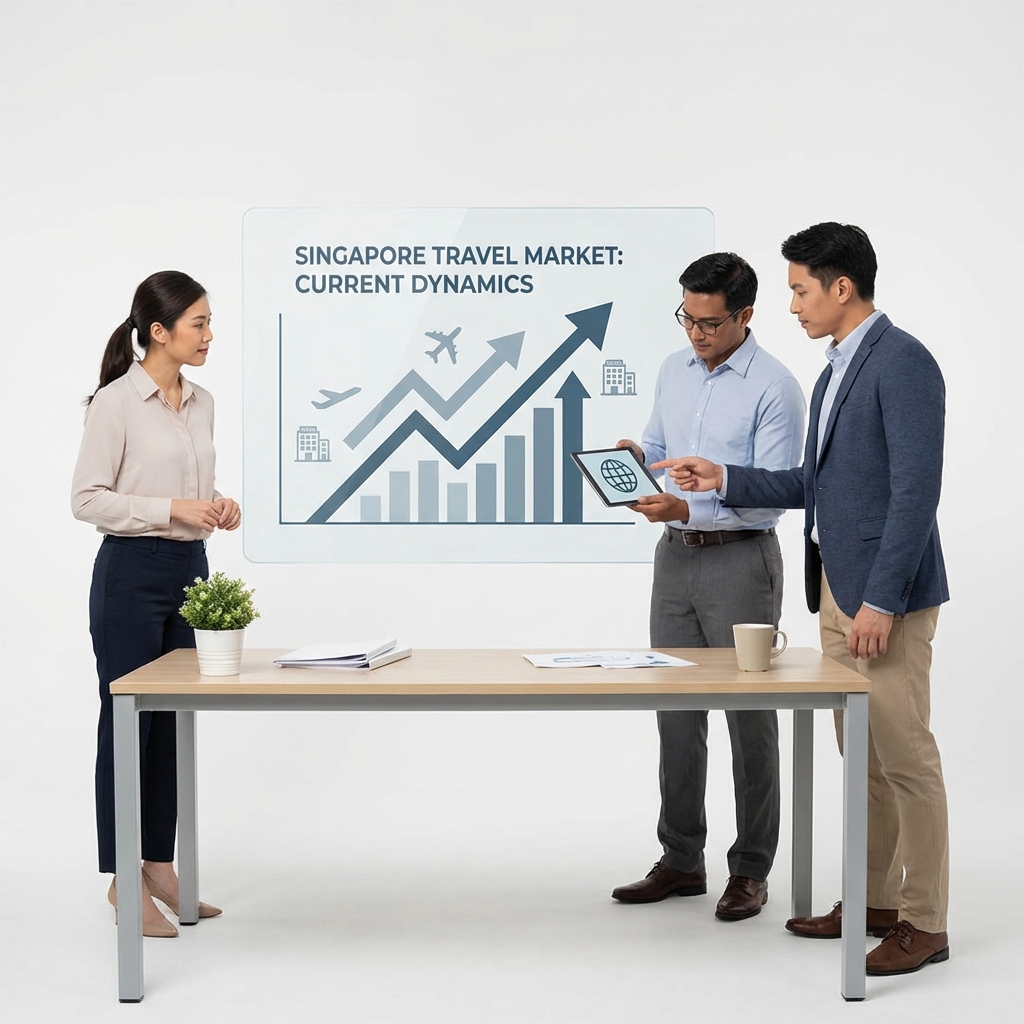
Singapore, a global hub for business and leisure, continues to demonstrate remarkable resilience and adaptability in its travel sector. This section provides a comprehensive overview of the current state of the travel industry in Singapore, setting the stage for future trends and market conditions. Analyzing the market demand trend report of Travels field in singapore reveals a dynamic environment shaped by global economic shifts, evolving consumer behaviors, and strategic national initiatives. Understanding these dynamics is crucial for stakeholders navigating the competitive landscape of Singapore’s tourism sector.
1. Post-Pandemic Recovery: Key Milestones and Challenges
The Singapore travel market has staged a robust comeback following the unprecedented disruptions of the COVID-19 pandemic. Key milestones include the gradual reopening of borders, the establishment of Vaccinated Travel Lanes (VTLs), and a significant surge in international visitor arrivals since late 2022. The Singapore Tourism Board (STB) has reported impressive recovery rates, with visitor arrivals consistently climbing towards pre-pandemic levels. This vigorous tourism recovery is fueled by pent-up demand and Singapore’s reputation as a safe and attractive destination. However, challenges persist, including global economic uncertainties, geopolitical tensions, and inflationary pressures impacting operational costs for travel businesses. Labor shortages across the hospitality and aviation sectors also pose significant hurdles, necessitating innovative solutions and workforce development initiatives to sustain growth in the competitive travel industry.
2. Domestic Travel vs. International Arrivals: Shifting Balances
Prior to the pandemic, Singapore’s travel market was heavily reliant on international visitors. During the travel restrictions, domestic tourism experienced an unprecedented boom, with locals exploring their own backyard through staycations, local attractions, and F&B experiences. Government campaigns like the “SingapoRediscovers Vouchers” played a crucial role in stimulating this domestic demand. While international arrivals have now largely overtaken domestic tourism in terms of volume and revenue, the pandemic fostered a renewed appreciation for local offerings, which continues to provide a stable base for the industry. The current balance sees a strategic focus on recapturing high-spending international tourists while maintaining engagement with local residents to ensure a resilient and diversified travel market. This shifting balance underscores the dynamic nature of Singapore’s visitor economy and the evolving strategies required to cater to diverse traveler segments.
3. Key Market Segments: Leisure, MICE, and Business Travel
Singapore’s travel industry thrives on a diversified portfolio of market segments. Leisure travel remains a cornerstone, attracting families, couples, and solo adventurers with world-class attractions such as Marina Bay Sands, Gardens by the Bay, and Sentosa Island. The focus here is on creating unique, authentic, and sustainable travel experiences. Simultaneously, Singapore continues to solidify its position as a premier global hub for MICE (Meetings, Incentives, Conferences, and Exhibitions). With state-of-the-art convention centers, excellent connectivity, and a robust supporting ecosystem, the MICE industry is a significant driver of high-value tourism, attracting large international delegations and fostering economic growth. Business travel, while often intertwined with MICE, also represents a vital segment, supported by Singapore’s status as a regional financial and innovation hub. The integration of technology, enhanced sustainability practices, and personalized services are key trends influencing these crucial segments, ensuring Singapore remains at the forefront of the global travel and tourism landscape.
Emerging Traveler Preferences and Consumer Behavior
Singapore, a dynamic global hub, continuously adapts its tourism offerings to cater to an evolving global clientele. Understanding the shifts in traveler needs and behaviors is paramount for stakeholders aiming to capture future growth. This section of our market demand trend report of Travels field in Singapore delves into the key emerging preferences and consumer behavior patterns that are significantly influencing demand and shaping the future of travel product development across the city-state.
1. Rise of Sustainable and Experiential Tourism Demands
A profound shift in global consciousness is driving a heightened demand for responsible and meaningful travel. Modern travelers, particularly those visiting Singapore, are increasingly seeking experiences that align with their values concerning environmental protection and community well-being. This translates into a growing interest in sustainable tourism Singapore initiatives, such as eco-friendly accommodations, conservation-focused tours, and support for local businesses. Beyond simply visiting attractions, there’s a strong pull towards authentic, immersive encounters that offer a deeper understanding of local culture and heritage. The `experiential travel demand` in Singapore means travelers are looking for hands-on workshops, culinary journeys, interactions with local artisans, and off-the-beaten-path explorations rather than conventional sightseeing tours. This emerging preference is a crucial element influencing `Singapore travel trends`, pushing operators to innovate their offerings to provide more enriching and environmentally conscious options.
2. Influence of Digital Natives and Social Media on Choices
The rise of digital natives, specifically Millennials and Gen Z, has fundamentally reshaped `consumer behavior travel`. These demographics, accustomed to instant information and pervasive connectivity, heavily rely on digital platforms throughout their travel journey. Social media, in particular, plays an undeniable role, influencing everything from destination discovery to booking decisions. Platforms like Instagram, TikTok, and YouTube serve as powerful visual inspiration boards, with user-generated content (UGC) often holding more sway than traditional advertising. Travelers are influenced by peers, influencers, and authentic testimonials, seeking aesthetically pleasing and shareable moments. This `digital travel influence` extends to seamless online booking experiences, mobile-first interfaces, and the expectation of personalized recommendations powered by data. For Singapore’s tourism sector, understanding the `social media travel impact` is vital for engaging these tech-savvy travelers, necessitating robust digital marketing strategies and the creation of visually appealing, ‘Instagrammable’ experiences.
3. Demand for Personalized and Niche Travel Experiences
The days of one-size-fits-all travel packages are increasingly behind us. Today’s discerning traveler, especially within the context of a `market demand trend report of Travels field in singapore`, yearns for individuality and tailor-made itineraries. This surge in demand for `personalized travel experiences` reflects a desire to move beyond mainstream offerings and create unique, memorable journeys that cater specifically to personal interests and preferences. Whether it’s a bespoke culinary tour focusing on Singaporean hawker delights, a curated art and culture trail, or a wellness retreat incorporating local practices, travelers are willing to pay a premium for experiences designed just for them. This trend also fuels the growth of `niche travel markets`, targeting specific interests such as medical tourism, educational trips, adventure sports, or even specific cultural festivals. Singapore’s diverse appeal and sophisticated infrastructure position it well to cater to these specialized segments, requiring travel providers to develop highly customized and flexible offerings to meet this evolving consumer desire for unique, unforgettable adventures.
Technological Innovations Driving Travel Demand
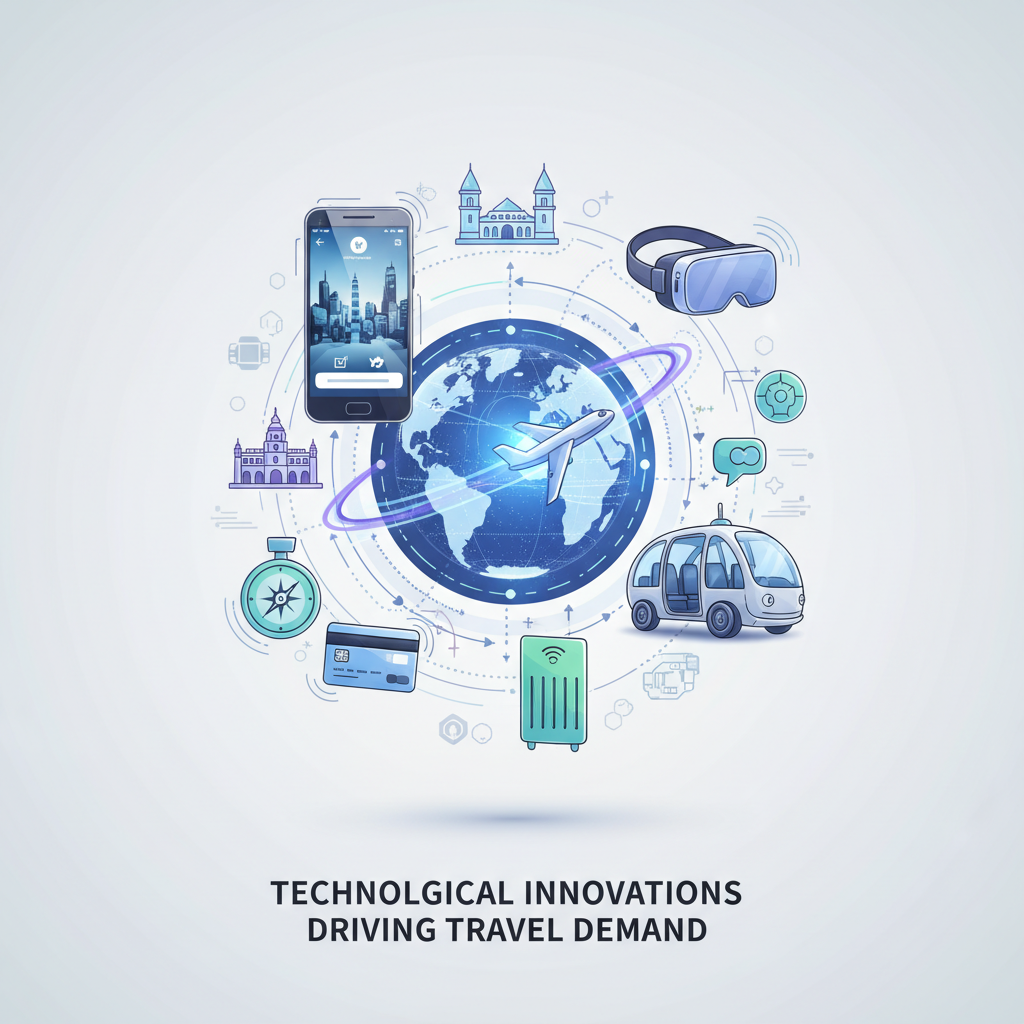
Singapore, a global hub for innovation and tourism, is at the forefront of leveraging cutting-edge technology to redefine its travel landscape. The ongoing digital revolution is not merely an enhancement; it’s a fundamental shift that reshapes user experience, influences consumer choices, and ultimately drives the market demand trend report of Travels field in singapore. From AI-driven personalization to the seamless efficiency of contactless services, technology is making travel more accessible, personalized, and engaging, solidifying Singapore’s position as a smart tourism destination.
1. AI and Personalization in Travel Planning and Booking
Artificial intelligence (AI) is rapidly transforming how travelers plan and book their journeys, offering unparalleled levels of personalization. In Singapore’s competitive travel sector, AI algorithms analyze vast datasets of past travel behaviors, preferences, and real-time market conditions to offer highly curated recommendations. This includes everything from personalized itinerary suggestions and dynamic pricing to predictive recommendations for flights, accommodations, and local experiences. AI-powered chatbots and virtual assistants provide instant customer support, handling queries, facilitating bookings, and offering travel tips in multiple languages, enhancing the overall convenience for visitors. The ability of AI to create hyper-personalized travel packages significantly boosts engagement and conversion rates, making travel planning less daunting and more exciting. This focus on individual traveler needs is a key factor influencing the market demand trend report of Travels field in singapore, as consumers increasingly expect bespoke experiences over generic offerings. Such smart tourism solutions are crucial for attracting and retaining the modern traveler, driving demand for innovative digital travel platforms.
2. Contactless Travel and Digitalization of Services
The imperative for health and safety, particularly post-pandemic, has accelerated the adoption of contactless travel experiences and the digitalization of services across Singapore. Travelers now expect seamless, touch-free interactions from arrival to departure. This trend encompasses mobile check-ins for flights and hotels, digital boarding passes, biometric authentication at airports, and QR code-based payments for attractions and public transport. Many establishments in Singapore are deploying smart payment systems and mobile travel apps that allow visitors to manage their entire journey from a smartphone, reducing physical contact points and enhancing efficiency. Beyond health benefits, digitalization streamlines operations, reduces waiting times, and provides a smoother, more pleasant travel experience. The convenience and perceived safety of contactless options are significant drivers in consumer choice, directly impacting the market demand trend report of Travels field in singapore towards destinations and providers that embrace these technologies. This shift towards contactless experiences is not just a temporary measure but a permanent fixture of modern travel, fostering demand for robust digital infrastructure.
3. Data Analytics and Predictive Modeling for Future Trends
The collection and sophisticated analysis of travel data are foundational to understanding and predicting future market demands within Singapore’s travel sector. Through advanced data analytics and predictive modeling, stakeholders can gain deep insights into traveler behavior, emerging preferences, and global tourism trends. This allows for proactive adjustments in service offerings, marketing strategies, and infrastructure development. For instance, analyzing booking patterns, search queries, and social media sentiment can help predict peak travel seasons, identify popular destinations, and anticipate demand for specific types of tourism, such as sustainable travel tech or experiential tours. This data-driven approach enables businesses and policymakers to make informed decisions, optimize resource allocation, and tailor offerings to meet evolving consumer expectations. The insights derived from such analyses are invaluable for compiling an accurate market demand trend report of Travels field in singapore, ensuring that the industry remains agile and competitive. The evolution of AI in travel, powered by big data, allows for a more responsive and efficient travel ecosystem, further solidifying Singapore’s position as a leader in innovative tourism.
Key Growth Drivers and Future Opportunities
Singapore’s travel sector stands on the precipice of significant growth, propelled by a confluence of strategic governmental foresight, robust infrastructure development, and proactive regional engagement. A comprehensive market demand trend report of Travels field in singapore reveals an optimistic trajectory, making it a prime arena for investment and strategic development. This section delves into the principal factors poised to drive this expansion and highlights the burgeoning opportunities that lie ahead for stakeholders.
-
Government Initiatives and Tourism Development Plans
Singapore’s government, through the Singapore Tourism Board (STB), has consistently played a pivotal role in shaping the nation’s tourism landscape. Post-pandemic recovery efforts have been robust, focusing on rebuilding visitor confidence and recalibrating strategies for sustainable growth. Initiatives like the “SingapoRediscovers” campaign boosted domestic tourism, while the “Passion Made Possible” brand continues to draw international visitors by highlighting unique Singaporean experiences. Looking forward, the STB is actively championing sustainable tourism, aiming to position Singapore as a leading urban destination that balances economic growth with environmental and social well-being. This includes investments in green infrastructure, carbon-neutral MICE events, and promoting responsible travel practices. The recovery of the MICE sector (Meetings, Incentives, Conferences, and Exhibitions) is a key focus, with Singapore leveraging its reputation for safety, efficiency, and world-class facilities to attract large-scale international events. Furthermore, there’s a strong emphasis on digital transformation in travel, with plans to integrate technology for enhanced visitor experiences, from seamless digital payment systems to AI-powered personalized itineraries. These forward-looking tourism development plans underscore the government’s commitment to ensuring Singapore remains a vibrant and competitive global tourism hub, offering clear avenues for investment in new attractions and innovative tourism products. The STB’s strategic outlook consistently guides these development efforts.
-
Infrastructure Expansion and Connectivity Enhancements
World-class infrastructure is a cornerstone of Singapore’s appeal as a travel destination, and continuous enhancements are critical growth drivers. The ongoing expansion of Changi Airport, particularly the development of Terminal 5 (T5), is set to significantly increase passenger handling capacity, reinforcing its status as a major aviation hub in Southeast Asia. This Changi Airport expansion will not only facilitate greater air travel volumes but also enhance connectivity to global markets. Beyond air travel, Singapore is investing in its cruise terminals, aiming to capitalize on the growing popularity of cruise tourism in the region. Improvements in public transport networks, including new MRT lines and enhanced bus services, ensure seamless intra-city travel for tourists. Furthermore, Singapore’s ambition to be a smart city tourism destination drives investment in advanced digital infrastructure, including widespread 5G connectivity and IoT integration, enhancing the visitor experience through smart navigation, personalized services, and efficient logistical support. These infrastructure projects collectively reduce travel friction, improve accessibility, and solidify Singapore’s position as a highly connected and efficient gateway for regional and international travelers, thereby bolstering the overall market demand trend report of Travels field in singapore.
-
Regional Collaboration and Market Expansion Strategies
Singapore’s strategic location and strong diplomatic ties enable robust regional collaboration, a vital component of its growth strategy. Engaging with fellow ASEAN nations to promote multi-country itineraries and joint marketing efforts helps broaden Singapore’s appeal as part of a larger Southeast Asian experience. Such ASEAN tourism market partnerships are crucial for attracting long-haul travelers who often seek to explore multiple destinations in one trip. Beyond ASEAN, Singapore is actively diversifying its source markets, with focused strategies to attract visitors from high-growth economies like India and China, as well as emerging markets in the Middle East and other parts of Southeast Asia. This involves tailored marketing campaigns and visa facilitation initiatives. The emphasis on experiential travel across these diverse markets means developing unique offerings that cater to niche interests, from cultural heritage tours to urban adventures and culinary journeys. By forging stronger regional links and strategically expanding its market reach, Singapore is not only increasing visitor arrivals but also enhancing its overall tourism ecosystem, ensuring sustained growth and resilience against future market fluctuations. This proactive approach to market demand trend report of Travels field in singapore strategies ensures that the sector remains dynamic and responsive to global shifts.
Navigating Challenges and Strategic Recommendations for 2026
As the global travel industry continues its robust recovery, stakeholders in Singapore face a dynamic landscape shaped by evolving consumer behaviors, economic shifts, and technological advancements. This section delves into potential hurdles and offers actionable advice to ensure resilience and sustained growth, building upon insights from a recent market demand trend report of Travels field in singapore.
1. Geopolitical Factors and Economic Volatility Impact
The global economic environment in 2026 is projected to remain susceptible to geopolitical shifts and economic volatility, directly influencing travel sentiment and spending patterns. Conflicts, trade tensions, and energy price fluctuations can rapidly alter travel corridors and consumer confidence. For Singapore, a key regional hub, these factors present a dual challenge: managing the inflow from traditional markets while strategically diversifying. For instance, a slowdown in major economies could curb outbound leisure travel, affecting Singapore’s inbound tourism numbers. Inflationary pressures and currency fluctuations can make travel more expensive, influencing destination choices and travel duration. Businesses must develop robust risk mitigation strategies, including scenario planning for various economic outcomes and maintaining flexible operational models. Diversifying source markets beyond traditional powerhouses, focusing on high-growth regional economies, and cultivating domestic tourism further bolsters resilience against external shocks. Understanding global economic forecasts is paramount; authoritative sources like the IMF’s World Economic Outlook provide critical insights into these broader trends, which directly influence the market demand trend report of Travels field in Singapore.
2. Talent Shortages and Workforce Development in Tourism
The post-pandemic recovery has exposed and exacerbated existing talent shortages across the tourism and hospitality sectors globally, and Singapore is no exception. This challenge is not merely about headcount; it extends to the availability of skilled professionals adept at navigating modern travel complexities, including digital proficiency, data analytics, and personalized customer service. An aging workforce, coupled with a perceived lack of attractive career pathways, further compounds the issue. Addressing this requires a multi-pronged approach: investing significantly in workforce development in tourism through upskilling and reskilling initiatives. Collaborative efforts between industry players, educational institutions, and government bodies are essential to develop relevant curricula and internship programs. Furthermore, embracing travel technology adoption can augment existing staff capabilities, automating routine tasks and freeing up personnel for higher-value customer interactions, thereby enhancing customer experience enhancement. Creating more attractive and flexible work environments, offering competitive remuneration packages, and highlighting the vibrant career opportunities within the travel sector are crucial for attracting and retaining talent. Singapore’s competitiveness in delivering premium personalized travel experiences hinges directly on its ability to nurture a skilled and motivated workforce.
3. Strategic Adaptations for Long-Term Resilience and Innovation
To ensure long-term resilience and sustained growth, Singapore’s travel industry must prioritize strategic adaptations driven by innovation and foresight. This involves a deep commitment to sustainable tourism practices, ensuring that growth benefits local communities and preserves environmental integrity, which is increasingly a differentiator for conscious travelers. Digital transformation in travel is no longer optional; it’s a fundamental requirement. From AI-powered booking systems and virtual reality destination previews to seamless contactless journeys, technology underscores enhanced efficiency and unique traveler engagement. Businesses must invest in cutting-edge travel technology adoption and harness data-driven decision making to understand evolving traveler preferences and optimize offerings. Developing niche markets, such as wellness tourism, MICE (Meetings, Incentives, Conferences, and Exhibitions), or heritage tours, can create new revenue streams and diversify the market demand trend report of Travels field in Singapore. Furthermore, fostering regional tourism initiatives and robust partnerships can expand reach and create mutually beneficial synergies. Above all, maintaining unwavering standards for health and safety protocols will remain critical, reassuring travelers and building trust. By embracing these strategic adaptations, Singapore can solidify its position as a leading, innovative, and resilient global travel destination, continually enhancing the overall customer experience enhancement.
Partner with Shelby Global
You are looking for reliable HR Sevice Suppliers? Contact Shelby Global Now! To connect with verified talents and upgrade your orginization.
—————————————
References
– Singapore Tourism Statistics: https://www.stb.gov.sg/content/stb/en/trade-and-partners/industry-performance/tourism-statistics.html
– WTTC Sustainable Tourism Policy: https://wttc.org/initiatives/sustainable-tourism-policy
– The Evolution of AI in Travel | Amadeus Insights: https://amadeus.com/en/insights/blog/the-evolution-of-ai-in-travel
– Singapore Tourism Board Tourism Performance Report: https://www.stb.gov.sg/content/stb/en/about-stb/corporate-reports/tourism-performance.html
– IMF’s World Economic Outlook: https://www.imf.org/en/Publications/WEO