
Scope of Responsibilities: Hands-On vs. High-Level
Understanding the differences between the SMEs’ HR Manager and the Corporates’ HR Director in education companies in Malaysia is crucial for aspiring HR professionals and organizations. While both roles manage human capital, their scope, daily responsibilities, and strategic impact diverge significantly, shaped by the scale and structure of their respective organizations within the vibrant Malaysian education sector. The HR landscape in Malaysia presents unique challenges, demanding distinct approaches from these two pivotal HR roles.
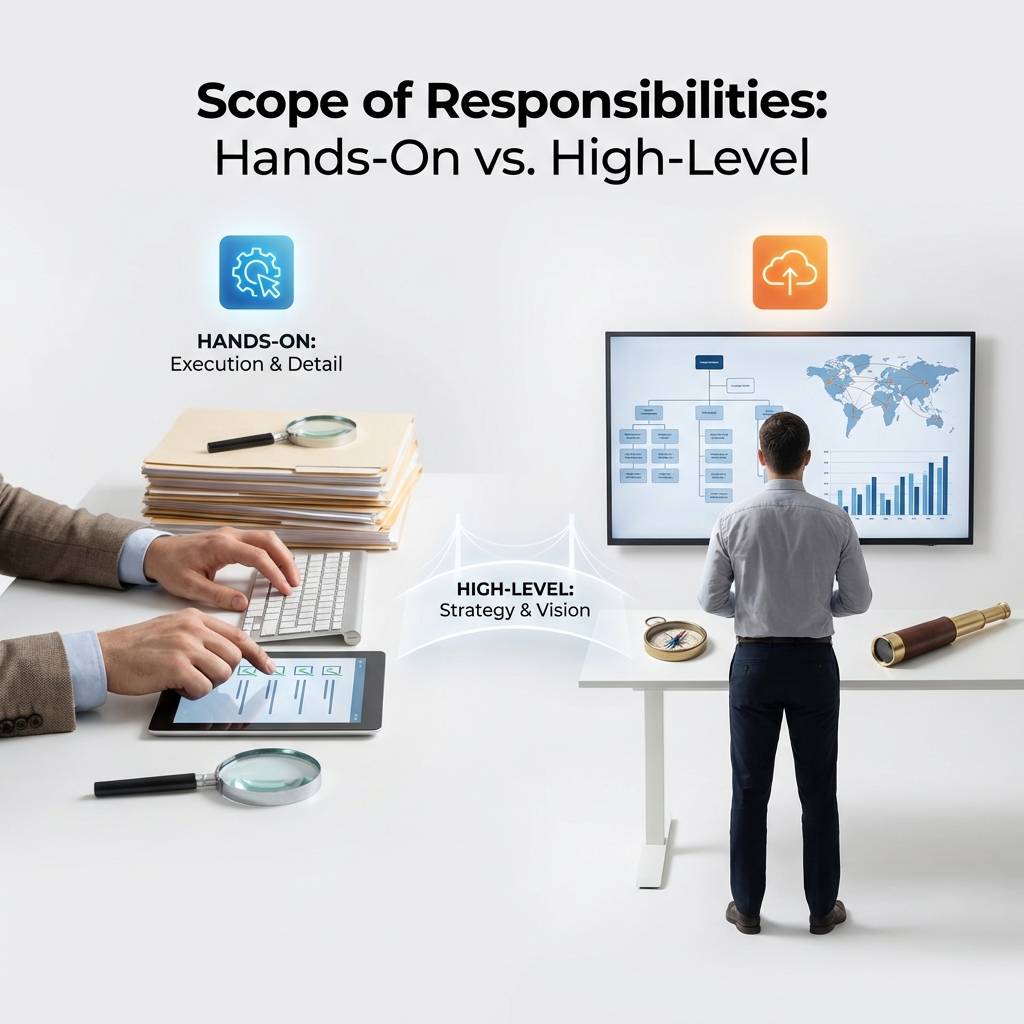
A Small and Medium-sized Enterprise (SME) in education typically operates with leaner resources and a more intimate organizational structure. Here, the SME HR Manager often functions as a generalist, handling the full spectrum of day-to-day operational HR tasks. In contrast, a Corporate HR Director in a larger education group focuses on overarching strategy, policy, and long-term organizational development.
1.
Operational vs. Strategic Focus
The core distinction lies in the approach to HR. An SME HR Manager is inherently hands-on, deeply involved in tactical HR execution. This includes direct recruitment of teachers and staff, managing payroll processing, administering benefits, and serving as the primary point of contact for employee grievances. Their focus is largely tactical, ensuring immediate needs are met and operations run smoothly within the specific education institution. They often provide instant HR solutions and support for day-to-day employee relations.
Conversely, the Corporate HR Director in a larger education company operates at a much higher, strategic HR level. Their purview extends to developing long-term HR strategy, organizational design, talent management frameworks, and succession planning across multiple institutions. They translate overarching business goals into impactful organizational development initiatives, focusing on scalability, fostering a cohesive corporate culture, and addressing systemic HR challenges. Their role is about creating robust systems and frameworks that empower other HR teams, rather than individual tasks.
2.
Compliance & Policy Development
In regulatory adherence, the SME HR Manager is primarily tasked with implementing existing policies and ensuring adherence to basic Malaysian Employment Act 2022 amendments and general labour law. They ensure immediate compliance with statutory requirements like EPF, SOCSO, and income tax, and manage day-to-day adherence to internal guidelines. Their role is more about execution and direct application, often navigating the unique nuances of their specific education institution. Understanding sector-specific regulations within the education sector is also a key part of their compliance duties.
The Corporate HR Director is the architect of the organization’s comprehensive HR framework. They are responsible for designing, updating, and enforcing overarching HR policies that align with national regulations, international best practices, and the company’s strategic objectives. This includes developing strategies for managing large-scale compliance risks, ethics, and corporate governance across multiple entities. They anticipate future legal changes, proactively adjusting policies. Their role also encompasses ensuring fair employment practices and designing robust skill development programs through corporate policy.
3.
Employee Lifecycle Management
For the SME HR Manager, involvement in employee lifecycle management is deep and personal. From drafting job descriptions and conducting interviews to onboarding new hires, managing performance reviews, handling disciplinary actions, and processing resignations – they cover every stage. Their intimate knowledge of each employee’s journey is often a distinguishing factor. They are typically the primary point of contact for all employee relations matters, acting as a crucial link between management and staff in their specific educational entity.
The Corporate HR Director, on the other hand, oversees the strategic design of talent management programs that span the entire employee journey across the corporation. They focus on creating robust frameworks for recruitment processes, comprehensive training and development, standardized performance management systems, and effective retention strategies. While not directly involved in individual hiring or termination, they establish the guidelines and systems that empower HR teams across the corporation to manage these processes consistently. Their focus is on building a sustainable, high-performing workforce and enhancing overall HR capabilities across the entire group of companies.
In essence, the SME HR Manager is a practitioner ensuring the daily wellness of the human resources engine, whereas the Corporate HR Director is the architect, designing the engine’s long-term performance and ensuring it aligns with the larger vehicle’s journey in the Malaysian education landscape. Both roles are indispensable, but their impact and approach to HR management are distinctly different, reflecting the varying operational scales and strategic imperatives of their respective organizations.
Team Structure & Resources: Lean Operations vs. Specialized Departments
Examines the typical team sizes, allocated budgets, and availability of specialized HR tools and expertise for each role in the education industry.
The landscape of Human Resources (HR) within the Malaysian education sector presents a stark contrast between small and medium-sized enterprises (SMEs) and large corporate entities. The fundamental Differences between the SMEs’ HR Manager and the Corporates’ HR Director in education companies in malaysia are deeply rooted in their organizational structures, resource allocation, and strategic approaches to talent management. While an HR Manager in an SME might be a jack-of-all-trades, navigating everything from `talent acquisition` to `payroll management`, their corporate counterpart, an HR Director, oversees a specialized team, focusing on high-level `HR strategy` and `organizational development`. This divergence influences every facet of `HR operations`, from `workforce planning` to `employee engagement` and `HR compliance`.
1. Team Size & Specialization
In Malaysian educational SMEs, the HR function is often a lean, centralized operation, typically managed by a single HR Manager or a small team of generalists. This individual is responsible for a broad spectrum of HR activities, including recruitment, onboarding, `performance management`, `training and development`, compensation, benefits administration, and ensuring adherence to local labor laws. The nature of this role demands a high degree of adaptability and the ability to manage diverse `HR policies` with limited dedicated resources. The focus is primarily on operational efficiency and immediate `staffing needs`, often leaving less room for long-term `HR strategic planning` or advanced `HR analytics`.
Conversely, large corporate education providers boast extensive HR departments, characterized by specialized teams. An HR Director in such an environment typically leads units dedicated to specific functions like `talent acquisition`, learning and `organizational development`, compensation and benefits, `HR technology` and analytics, and employee relations. This specialization allows for deeper expertise in each area, enabling more sophisticated `HR solutions` and a proactive approach to `workforce planning`. Corporate HR teams can develop comprehensive `HR best practices`, implement robust `employee engagement` programs, and contribute significantly to the overall business `HR strategy`, reflecting a more mature and complex HR ecosystem.
2. Budget Allocation & HR Tech
`Budget constraints` are a significant differentiator in the deployment of `HR technology` and resources. SMEs in the education sector often operate with tighter budgets, limiting their investment in advanced HR tools. Many still rely on manual processes, spreadsheets, or basic HR software for core functions like attendance tracking and leave management. While this keeps costs low, it can hinder efficiency, data accuracy, and the ability to generate meaningful `HR insights`. Their focus is often on cost-effective `HR solutions` and ensuring essential `HR compliance` without significant expenditure on sophisticated systems.
Corporates, on the other hand, allocate substantial budgets towards comprehensive `HR technology` stacks. This includes integrated Human Resources Information Systems (HRIS), Applicant Tracking Systems (ATS), Learning Management Systems (LMS), and sophisticated `HR analytics` platforms. These investments enable streamlined `HR operations`, automated processes, data-driven decision-making, and enhanced `learning and development` opportunities. The strategic use of `HR tools` allows corporate HR Directors to monitor key HR metrics, forecast `staffing needs`, and measure the impact of `HR programs` on organizational goals, aligning closely with a proactive `HR strategy`. Developing a clear HR strategy is crucial for both, but the tools available vary significantly. For more on developing a robust HR strategy, see this SHRM article on HR strategy development.
3. Vendor Management & Partnerships
The approach to `vendor management` and `HR partnerships` also reflects the structural differences. SME HR Managers frequently rely on external vendors for specialized services that exceed their internal capacity or expertise. This might include `payroll outsourcing`, legal advice on complex `HR compliance` issues, or specialized recruitment for niche roles. For SMEs, building strong, trustworthy `HR partnerships` with a few key external `HR service providers` is crucial for filling knowledge gaps and managing workload. These relationships are often transactional but critical for ensuring the smooth functioning of `HR operations` within budget limitations.
In contrast, corporate HR Directors often have the resources to establish more strategic and long-term `HR alliances`. While they also engage in `HR outsourcing` for certain functions, their vendor selection process is typically more rigorous, involving multiple bids and comprehensive service level agreements. They might partner with global consultancies for `organizational development` projects, specialized recruitment firms for executive searches, or technology providers for custom HR system integrations. Their `HR strategies` often involve leveraging external expertise to drive innovation and maintain a competitive edge, rather than merely supplementing internal capabilities. This approach allows for greater scalability and access to cutting-edge `HR best practices` and `HR solutions` that can impact the entire organization’s `workforce planning` and talent landscape.
Strategic Influence & Business Impact: Implementer vs. Innovator
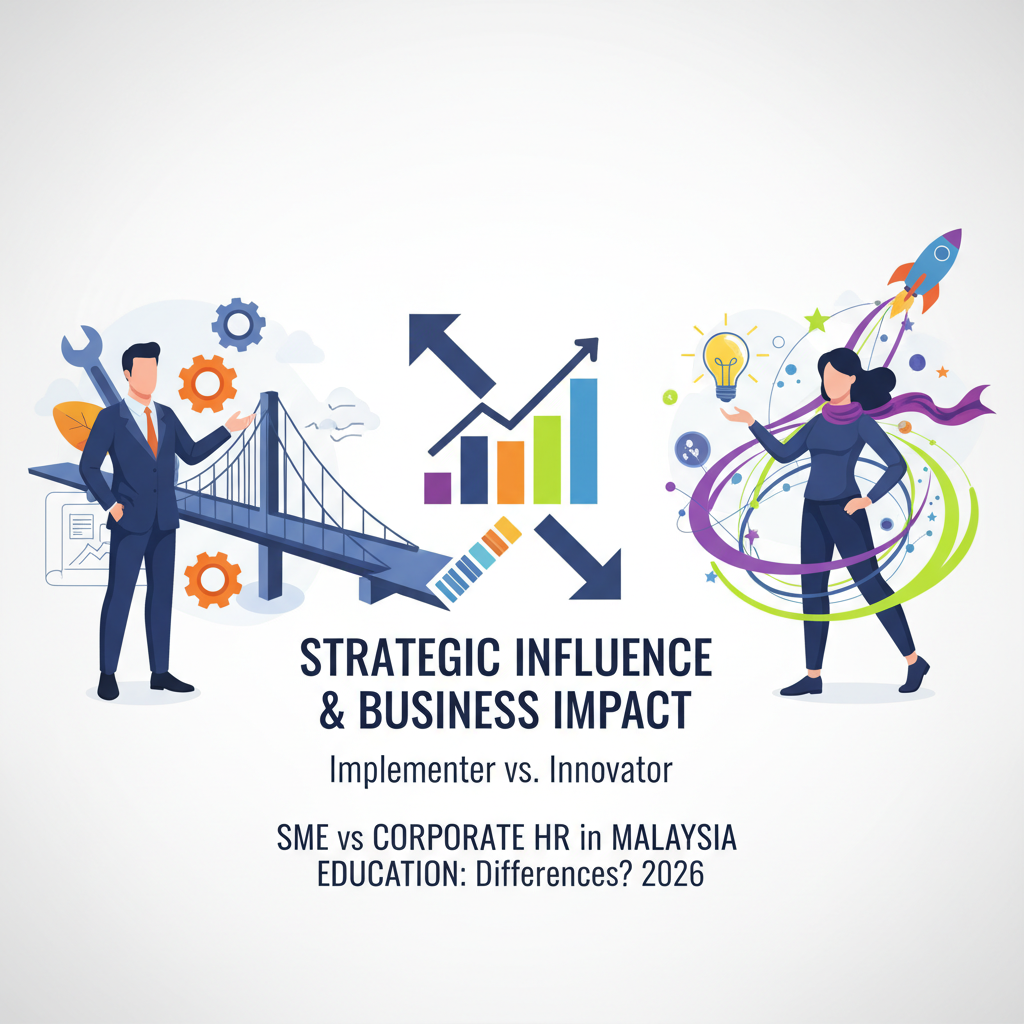
In the dynamic landscape of Malaysian education companies, the role of Human Resources professionals extends far beyond administrative tasks. HR is increasingly pivotal in shaping an organization’s direction, contributing to strategic goals, and fostering a thriving work environment. This section delves into the nuanced differences between the SMEs’ HR Manager and the Corporates’ HR Director in education companies in Malaysia, highlighting how each role contributes to and influences overall business strategy and organizational development. From talent acquisition strategies to fostering organisational culture transformation, understanding these distinctions is key to appreciating HR’s evolving strategic imperative in the education sector HR landscape Malaysia.
1. Boardroom Presence & Decision-Making
For SMEs in the Malaysian education sector, the HR Manager often acts as a trusted advisor to the owner or CEO. Their influence is typically direct, hands-on, and focused on immediate operational needs. While they may contribute significantly to discussions on staffing and employee relations, their formal boardroom presence might be limited, and their input tends to be tactical, addressing SME HR challenges education. They play a crucial role in ensuring compliance and smooth daily operations, yet the HR’s influence on business strategy is more informal and embedded within the owner’s vision. Resource allocation decisions are often driven by immediate necessity rather than long-term strategic HR planning.
In stark contrast, the HR Director in a large corporate education entity usually holds a seat at the executive table, actively participating in strategic discussions and contributing to high-level decision-making processes. They are seen as strategic partners, aligning HR initiatives with overarching corporate HR strategic planning and business objectives. Their input influences major investments, expansion plans, and organizational restructuring. The HR director responsibilities education encompass not just people strategy but also risk management, corporate governance, and ethical considerations. Their role is about proactive foresight and shaping the organization’s future, rather than just reacting to current demands, demonstrating a more mature approach to HR decision-making education.
2. Talent Strategy & Workforce Planning
The SME HR Manager in education often shoulders a broad spectrum of responsibilities, from recruitment and onboarding to payroll and employee welfare. Their talent acquisition strategies Malaysia are typically lean, relying on direct hiring, referrals, and managing the entire recruitment cycle for a diverse range of roles, often focused on immediate gaps. Workforce planning Malaysia education in SMEs is usually short-to-medium term, driven by student enrollment cycles and immediate operational demands. Employee development programs might be informal or budget-constrained, focusing on essential skills. The emphasis for the HR manager daily tasks SME is on effective employee retention in education through strong personal relationships and responsive problem-solving, rather than complex compensation and benefits education structures or sophisticated talent pipeline development.
Conversely, a Corporate HR Director oversees a specialized team dedicated to various aspects of talent management education industry. Their focus is on long-term, strategic workforce planning, encompassing talent acquisition strategies, succession planning education firms, and leadership development education across multiple departments or institutions. They implement sophisticated compensation & benefits education packages, comprehensive performance management systems, and robust employee development programs designed to cultivate future leaders. HR technology implementation plays a significant role in managing vast talent pools, tracking performance, and predicting future workforce needs through workforce analytics education sector. This strategic approach ensures a steady pipeline of skilled professionals, critical for sustained growth and competitive advantage in a complex market.
3. Organisational Development & Culture Shaping
In an SME education company, the HR Manager’s role in organizational development (OD) and culture shaping is often less formalized. The organizational culture is frequently an extension of the founder’s values and personality, evolving organically. The HR manager focuses on reinforcing existing values, mediating employee relations, and providing basic training to ensure a harmonious work environment. Change management in education for SMEs tends to be less structured, often involving direct communication and adapting quickly to new circumstances. Their efforts towards employee engagement Malaysia HR are often personalized, fostering a close-knit community where HR acts as a direct point of contact for staff concerns. HR best practices Malaysia education in this context often revolve around building strong internal relationships and maintaining morale within a smaller, more intimate setting.
For large corporates, the HR Director is a key architect of organisational culture transformation. They design and implement extensive OD initiatives, including leadership development education programs, performance management systems, and comprehensive change management in education frameworks to adapt to market shifts or technological advancements. They lead initiatives for diversity and inclusion initiatives, ensuring the organization reflects societal values and attracts a broad talent pool. Employee engagement initiatives are data-driven, utilizing surveys and analytics to inform strategies. The HR Director drives proactive cultural shifts, ensuring the corporate culture aligns with strategic goals and promotes innovation and sustained growth. This strategic oversight ensures the organization is not only responsive but also adaptive, leveraging HR’s influence on business strategy to drive continuous improvement and foster a resilient, forward-thinking environment.
Navigating the Malaysian Education Sector: Unique Challenges & Opportunities
The Malaysian education sector is a dynamic landscape, constantly evolving with policy changes, technological advancements, and shifting societal demands. For HR professionals, particularly those operating within this unique environment, understanding the specific hurdles and growth areas is paramount. This section delves into the nuanced differences between the SMEs’ HR Manager and the Corporates’ HR Director in education companies in Malaysia, highlighting how their roles, responsibilities, and strategic approaches diverge in addressing sector-specific challenges and opportunities. From grassroots private institutions to large multinational education corporations, HR’s strategic contribution is critical for success and sustainability, impacting everything from student experience to institutional reputation.
1. Talent Acquisition & Retention Specifics
Attracting and retaining high-calibre educators remains a top priority and a significant challenge across the Malaysian education sector. For an HR Manager in an SME education company, the task of teacher recruitment Malaysia often involves direct engagement, leveraging personal networks, and emphasizing the institution’s unique culture and mission. Budget constraints mean offering highly competitive salaries or extensive benefits packages is often not feasible. This necessitates a focus on intrinsic motivators, creating a supportive work environment, and offering opportunities for growth within a smaller, agile setup. The education HR challenges here are magnified by limited brand recognition and resources for extensive recruitment campaigns, making staff retention strategies heavily reliant on fostering strong team dynamics and work-life balance.
In contrast, a Corporates’ HR Director in a larger education entity benefits from a more established brand, dedicated recruitment teams, and often, more robust budgets. Their focus might extend to international talent management education sector initiatives, attracting specialized lecturers or researchers, and designing comprehensive career pathways. These corporations can offer structured professional development education programs, better healthcare, and more extensive leave policies. However, they also face the challenge of managing a larger, more diverse workforce, ensuring consistency in HR practices across multiple campuses or divisions, and battling potential bureaucracy. Both, however, share the common goal of securing educators with relevant qualifications and pedagogical skills, especially for in-demand subjects like STEM and digital literacy.
2. Navigating Local Regulatory Compliance
Adherence to Malaysian labor law education and sector-specific regulations is a complex area where the differences between an SME HR Manager and a Corporate HR Director become particularly pronounced. An SME HR Manager typically juggles multiple roles, often acting as the sole point of contact for legal and compliance matters. They must meticulously understand and implement requirements concerning employment law education Malaysia, such as contract drafting, working hours, leave entitlements, and social security contributions (EPF, SOCSO). Navigating the intricacies of obtaining expat work permits education for foreign educators can be a particularly time-consuming and challenging task without dedicated legal support, increasing HR compliance Malaysia risks.
For a Corporate HR Director, while the volume of compliance tasks is higher, they usually have access to in-house legal counsel or specialized compliance teams. This allows for a more proactive and structured approach to interpreting and implementing education regulations HR from bodies like the Ministry of Education (MOE) and the Department of Skills Development (DSD). They are often involved in high-level policy formulation, ensuring institutional adherence to evolving data privacy laws, accreditation standards, and managing larger scale workforce planning education in line with regulatory changes. Both roles, however, share the critical responsibility of safeguarding the institution against legal penalties and reputational damage by ensuring all HR practices are compliant.
3. Digital Transformation & HR Tech Adoption
The pace of digital transformation and HR technology adoption also varies significantly between SMEs and larger education corporations. For SMEs, budget constraints often mean slower HR tech adoption challenges SME. HR Managers might rely on basic HR software or even manual processes for attendance, payroll, and leave management. Implementing a comprehensive HRIS education Malaysia system might be a long-term goal rather than an immediate priority. The focus is often on leveraging affordable, scalable solutions that simplify core HR functions and improve HR efficiency education without a massive upfront investment. The implications of online learning HR implications also mean adapting to new ways of monitoring performance and engagement for remote or hybrid teaching staff.
Conversely, Corporate HR Directors are often at the forefront of implementing advanced HR technology trends. They oversee the integration of sophisticated HRIS platforms, talent management suites, performance appraisal systems, and AI-driven recruitment tools. These investments are part of broader digital HR strategies education aimed at automating routine tasks, providing data analytics for strategic decision-making, and enhancing employee experience. The challenges here involve managing large-scale system integrations, ensuring data security, and training a diverse workforce on new technologies. Both, however, recognize that leveraging technology is essential for streamlining operations, improving service delivery, and ultimately supporting the institution’s educational mission in an increasingly digital world.
Essential Skill Sets & Career Progression: Generalist vs. Specialist Paths
Navigating the dynamic landscape of Human Resources within Malaysia’s education sector requires a nuanced understanding of various roles, particularly the distinction between generalist and specialist approaches. This section outlines the critical competencies required for success in each role and discusses potential career trajectories and professional development avenues. Understanding the Differences between the SMEs’ HR Manager and the Corporates’ HR Director in education companies in malaysia is paramount for HR professionals charting their career paths and for education institutions seeking the right talent.
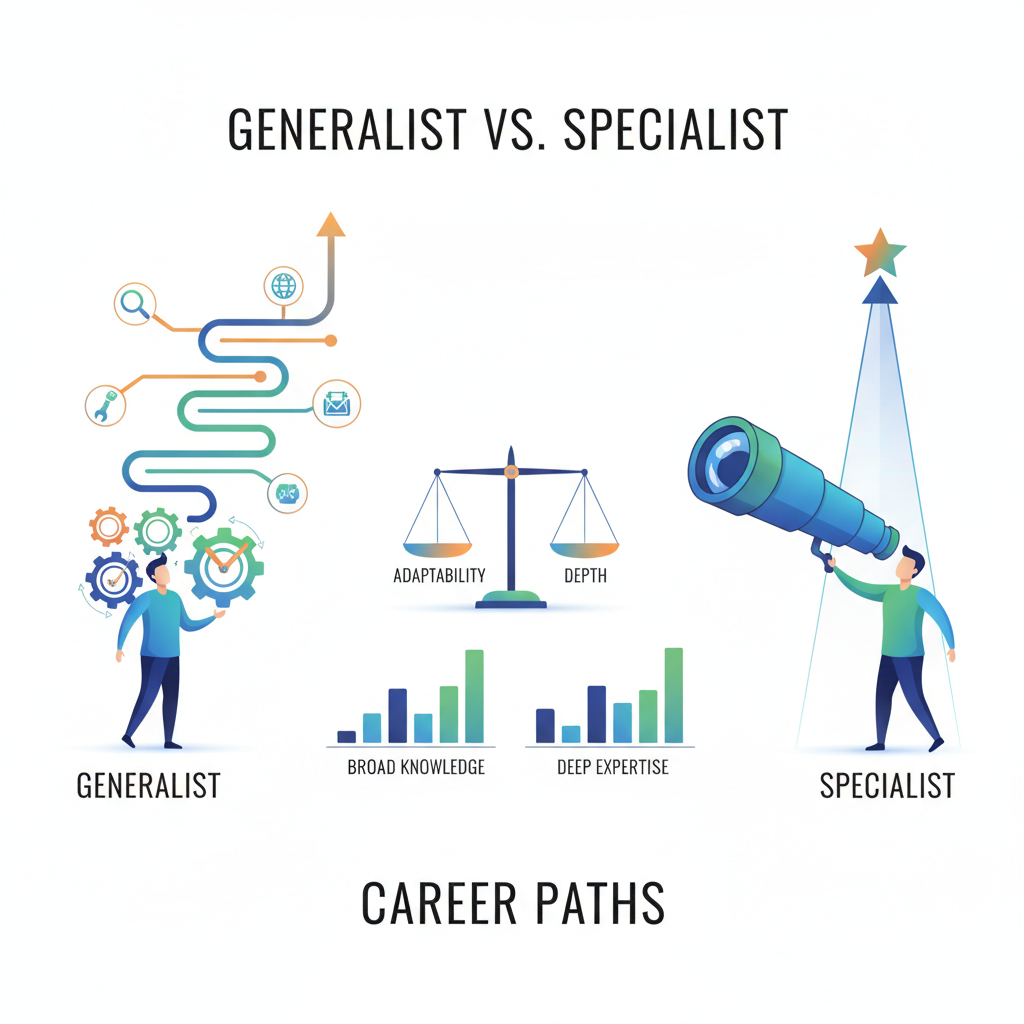
In smaller and medium-sized enterprises (SMEs) within the education sector, the HR Manager typically embodies a generalist role. This individual is often a one-person HR department or leads a small team, requiring a broad skill set to manage the entire employee lifecycle. Conversely, in larger corporate education entities, the HR Director often operates with a more specialized focus, leading specific HR functions or departments and contributing to strategic organizational goals. These differing operational models define the core competencies and career progression paths.
1.
Core Competencies for Each Role
For an SME HR Manager in the education sector, core competencies revolve around versatility and hands-on execution. They must be adept at recruitment and selection, onboarding, payroll processing, employee relations, performance management, basic compensation and benefits administration, and ensuring compliance with Malaysian labor laws. Their daily tasks are highly operational, often involving direct interaction with employees and management on a wide range of HR issues. Strong problem-solving skills, adaptability, and a proactive approach to developing HR policies and procedures are crucial. They serve as a vital link between staff welfare and organizational objectives, often acting as a strategic partner to the CEO or founder on HR matters within a lean structure.
In contrast, a Corporate HR Director, especially in larger education companies, requires a more specialized and strategic skill set. Their competencies typically include expertise in specific HR domains such as talent acquisition strategy, organizational development, succession planning, advanced compensation and benefits, HR analytics, and change management. They focus on long-term HR strategies, aligning human capital initiatives with the corporate education group’s overarching business objectives. Leadership, strategic thinking, policy formulation, and the ability to leverage data for decision-making are paramount. They might oversee multiple specialist teams (e.g., L&D, C&B, HRIS), requiring robust leadership and stakeholder management skills. The critical competencies for HR professionals are evolving, demanding both generalist adaptability and specialist depth.
2.
Education & Certification Requirements
Educational backgrounds for both roles typically include a bachelor’s degree in Human Resources Management, Business Administration, Psychology, or a related field. For an SME HR Manager, practical experience often weighs heavily, supplemented by certifications in general HR practices, such as those offered by the Malaysia Institute of Human Resources Management (MIHRM) or other local professional bodies. These certifications validate foundational knowledge in labor law, employee relations, and HR administration.
For Corporate HR Directors, higher education, such as a Master’s degree in Human Resources, MBA with an HR specialization, or Organizational Development, is often preferred. Specialized certifications are also highly valued, including global credentials like SHRM-SCP (Senior Certified Professional) or HRCI SPHR (Senior Professional in Human Resources), or specific certifications in areas like talent management, HR analytics, or compensation and benefits. These advanced qualifications underscore the strategic nature of their roles and their ability to navigate complex HR challenges, further emphasizing the Differences between the SMEs’ HR Manager and the Corporates’ HR Director in education companies in malaysia in terms of required expertise.
3.
Future Career Paths & Mobility
The career trajectory for an SME HR Manager often involves progressing to larger SMEs, becoming a Head of HR, or potentially transitioning into a specialist role within a corporate structure after gaining extensive generalist experience. Their broad exposure makes them valuable candidates for roles requiring a holistic understanding of HR operations. Mobility often involves moving across different industries or scaling up in terms of organizational size, continuously refining their leadership and strategic capabilities.
A Corporate HR Director, on the other hand, might advance within their specialization to roles such as Vice President of Talent & Culture, Chief People Officer (CPO), or even take on broader executive leadership positions. Their career path is characterized by deeper dives into specific HR functions and a greater impact on organizational strategy and culture. While the initial Differences between the SMEs’ HR Manager and the Corporates’ HR Director in education companies in malaysia might seem stark, there can be cross-pollination. A generalist with strong strategic acumen can transition into a corporate directorship, and a specialist might seek a generalist role in a smaller organization to broaden their experience. Continuous professional development, mentorship, and strategic networking are vital for upward mobility in both paths within Malaysia’s competitive education HR landscape.
Partner with Shelby Global
You are looking for reliable HR Sevice Suppliers? Contact Shelby Global Now! To connect with verified talents and upgrade your orginization.
—————————————
References
– Malaysian Employment Act 2022 amendments: https://home.kpmg/my/en/home/insights/2023/10/employment-act-2022.html
– SHRM article on HR strategy development: https://www.shrm.org/resources-and-tools/hr-topics/human-resource-management/pages/developing-an-hr-strategy.aspx
– How HR is Becoming More Strategic: https://www.shrm.org/resources-and-tools/hr-topics/human-resource-management/pages/how-hr-is-becoming-more-strategic.aspx
– Ministry of Human Resources Malaysia Official Portal: https://www.mohr.gov.my/
– Critical Skills for HR Professionals: https://www.shrm.org/resources-and-tools/hr-topics/talent-acquisition/pages/critical-skills-for-hr-professionals.aspx