
Understanding Vietnam’s Beauty Industry HR Landscape
Vietnam’s beauty industry is experiencing a remarkable boom, fueled by a young, increasingly affluent population and a growing demand for both domestic and international products and services. This dynamic expansion presents unique opportunities and challenges, particularly within the realm of Human Resources. For both Small and Medium-sized Enterprises (SMEs) and large Corporates operating in this vibrant sector, understanding and adapting HR strategies is not just beneficial, but critical for sustainable growth and competitive advantage. The intricate interplay of local cultural nuances, rapid market shifts, and diverse talent demands necessitates a nuanced approach to talent acquisition, development, and retention, making the HR landscape in Vietnamese beauty a complex yet rewarding field.

1. Growth and Dynamics of the Vietnamese Beauty Market
The Vietnamese beauty market is a powerhouse of potential, consistently demonstrating double-digit growth year-on-year. Driven by rising disposable incomes, urbanization, and the pervasive influence of social media, consumers are more informed and discerning than ever before. This market dynamism impacts HR significantly, creating a continuous demand for skilled professionals across various segments—from product development and marketing to sales, salon services, and cosmetic procedures. The rapid pace of innovation and evolving consumer preferences mean that companies must not only attract top talent but also invest heavily in ongoing training and upskilling to remain relevant. According to Statista’s market outlook, the cosmetics market in Vietnam is projected to continue its robust growth, emphasizing the need for robust HR strategies to support this expansion.
2. Defining SMEs vs. Corporates in the Beauty Sector
To truly grasp the HR landscape, it’s essential to differentiate between SMEs and Corporates within Vietnam’s beauty sector. SMEs typically encompass local beauty brands, independent salons, small distributors, and emerging e-commerce ventures. They are often characterized by leaner operations, fewer employees (usually under 300), direct owner involvement, and limited financial resources. Their HR functions might be managed by a generalist, the owner themselves, or even outsourced. In contrast, Corporates include large multinational beauty conglomerates, major domestic players, and established retail chains with extensive resources, multiple business units, and a larger employee base. Their HR departments are typically well-structured, featuring specialist roles in areas like talent acquisition, compensation & benefits, learning & development, and HR technology.
The core of this distinction lies in the differences between the SMEs’ HR Structure and the Corporates’ HR Structure in beauty field in vietnam. For SMEs, HR is often reactive and tactical. Recruitment might rely heavily on personal networks or local job boards, training is often on-the-job, and compensation packages may be less formalized. Decision-making is swift due to fewer hierarchical layers. However, this also means limited capacity for specialized HR initiatives, potential inconsistencies in policy application, and greater challenges in attracting highly sought-after talent who might seek the perceived stability and career progression opportunities of larger firms.
Corporates, on the other hand, boast strategic HR functions. They leverage sophisticated Applicant Tracking Systems (ATS), robust performance management frameworks, and structured career development paths. Their compensation and benefits packages are competitive, often benchmarked against industry standards. They invest significantly in employer branding to attract diverse talent and have dedicated teams for compliance, employee relations, and HR analytics. While this structure offers stability and specialized expertise, it can sometimes lead to slower decision-making processes and a more bureaucratic approach, potentially hindering agility in a fast-evolving market like beauty.
3. Why HR Structure is Critical for Organizational Success
Regardless of size, a well-defined and strategically aligned HR structure is paramount for any organization striving for success in Vietnam’s competitive beauty sector. For SMEs, an effective HR strategy can foster a strong company culture, improve employee engagement, and ensure compliance, thereby attracting and retaining the crucial talent needed for growth. It means building foundational HR processes that can scale as the business expands. For Corporates, a robust HR structure translates into optimized talent management, enhanced productivity, and the ability to adapt to market changes while maintaining global standards. It allows for strategic workforce planning, succession planning, and the cultivation of a diverse and inclusive workplace.
Ultimately, the HR landscape in Vietnam’s beauty industry demands a bespoke approach. Both SMEs and Corporates must continuously evaluate and refine their HR strategies, recognizing that a “one-size-fits-all” model simply won’t suffice. Tailored HR practices, focused on the unique needs and growth trajectory of the organization, are the cornerstone for unlocking potential, driving innovation, and achieving long-term success in this vibrant and ever-evolving market.
Structural Divergence: HR Departments & Key Roles
The human resources landscape within Vietnam’s bustling beauty industry presents a fascinating dichotomy when comparing Small and Medium-sized Enterprises (SMEs) with large Corporations. The Differences between the SMEs’ HR Structure and the Corporates’ HR Structure in beauty field in vietnam are profound, impacting everything from team composition and daily operations to strategic influence and resource allocation. Understanding these fundamental structural variations is crucial for businesses aiming to optimize their human capital strategies in this dynamic sector.
1. Team Size and Composition: Generalists vs. Specialists
The most immediate and striking difference lies in the size and composition of HR teams. In SMEs operating within the Vietnamese beauty field, HR departments are typically lean, often comprising one to three individuals. These HR professionals function primarily as HR Generalists, wearing multiple hats. Their responsibilities span the entire employee lifecycle: from recruitment and onboarding to payroll processing, benefits administration, employee relations, and basic training coordination. This multi-faceted role demands versatility and a broad understanding of HR functions, but it often means less depth in any single area. The focus is usually on tactical, day-to-day operational tasks necessary to keep the business running smoothly, demonstrating the distinct aspects of the SMEs’ HR structure.
Conversely, large Corporations in the beauty sector boast significantly larger and more specialized HR teams. The Corporates’ HR structure is often departmentalized, featuring dedicated teams or individual HR Specialists for specific functions. One might find a Talent Acquisition Manager solely focused on recruitment, a Compensation and Benefits Specialist ensuring competitive remuneration packages, an HR Business Partner strategically aligning HR with departmental goals, or a Learning and Development Manager crafting comprehensive training programs. This specialization allows for deeper expertise, more sophisticated strategies, and a proactive approach to human capital management. The sheer HR Department Size reflects the complexity and scale of their operations.
2. Reporting Structures and Decision-Making Authority
The reporting lines and the locus of decision-making in HR also diverge considerably. In SMEs, the HR function often reports directly to the business owner, CEO, or a general manager. This direct line of communication can facilitate quick decisions and adaptability, which is crucial for agile small businesses. However, it can also mean that HR decisions are heavily influenced by the immediate operational demands of the owner, sometimes lacking a long-term strategic perspective. HR’s role in the SMEs’ HR structure might be perceived as largely administrative, with limited influence on core business strategy.
For large Corporations, the reporting structure is typically more hierarchical and integrated. A Chief Human Resources Officer (CHRO) often sits on the executive board, signifying HR’s strategic importance. Below the CHRO, there might be multiple layers of management, with HR Business Partners reporting both functionally to HR leadership and operationally to specific business units. This matrix structure allows for both centralized strategic direction and localized tactical execution. Decision-making is more formalized, involving multiple stakeholders, data analysis, and adherence to established policies and legal frameworks. This Strategic HR approach ensures that human capital initiatives are directly linked to overall business objectives within the Corporations’ HR structure.
3. Budget Allocation and Resource Availability for HR Functions
Resource availability, particularly HR Budget allocation, is another critical differentiator affecting the scope and sophistication of HR functions in the Vietnamese beauty field. SMEs generally operate with tighter budgets, meaning HR investments are often minimal. Basic HR tools, such as spreadsheets for employee data and simple attendance tracking systems, are common. Opportunities for extensive professional development, advanced HR Technology like robust HRIS (Human Resources Information Systems), or comprehensive employee wellness programs are limited. The focus is on essential compliance and operational efficiency at the lowest possible cost within the SMEs’ HR structure.
In contrast, Corporations allocate substantial budgets to their HR departments, recognizing human capital as a strategic asset. This enables investment in cutting-edge HR Technology, including sophisticated HRIS platforms, applicant tracking systems, performance management software, and AI-powered recruitment tools. There are generous provisions for Learning and Development programs, leadership training, and employee engagement initiatives. Large beauty corporations might also have dedicated teams or significant budgets for Talent Acquisition strategies, competitive Compensation and Benefits packages, and proactive Employee Relations management, allowing them to attract, retain, and develop top talent effectively, reflecting the robust nature of the Corporations’ HR structure.
Ultimately, while both SMEs and Corporations in Vietnam’s beauty sector strive for effective human resource management, their structural foundations dictate vastly different approaches. SMEs prioritize agility and broad operational coverage, while Corporations invest in specialization, strategic integration, and advanced resources to drive long-term growth and competitive advantage.
Talent Strategies: From Hiring to Growth
The dynamic and ever-evolving beauty industry in Vietnam presents a unique landscape for human resource management. From the bustling streets of Hanoi to the vibrant markets of Ho Chi Minh City, both small and medium-sized enterprises (SMEs) and large corporates are vying for top talent. Understanding the Differences between the SMEs’ HR Structure and the Corporates’ HR Structure in beauty field in vietnam is crucial for effective talent acquisition, development, and retention. While both aim to attract skilled beauty professionals – be it dermatologists, beauticians, marketing specialists, or R&D scientists – their approaches are fundamentally shaped by scale, resources, and strategic priorities.
SMEs in the beauty sector often operate with lean HR teams, sometimes even integrating HR functions into administrative roles. This necessitates agile, cost-effective solutions for talent management. Corporates, conversely, boast specialized HR departments with dedicated teams for recruitment, compensation, learning & development, and HR analytics. This structured approach allows for more comprehensive strategies but can sometimes lead to slower decision-making processes. The unique challenges and opportunities within Vietnam’s burgeoning beauty market demand tailored strategies that acknowledge these structural variances.
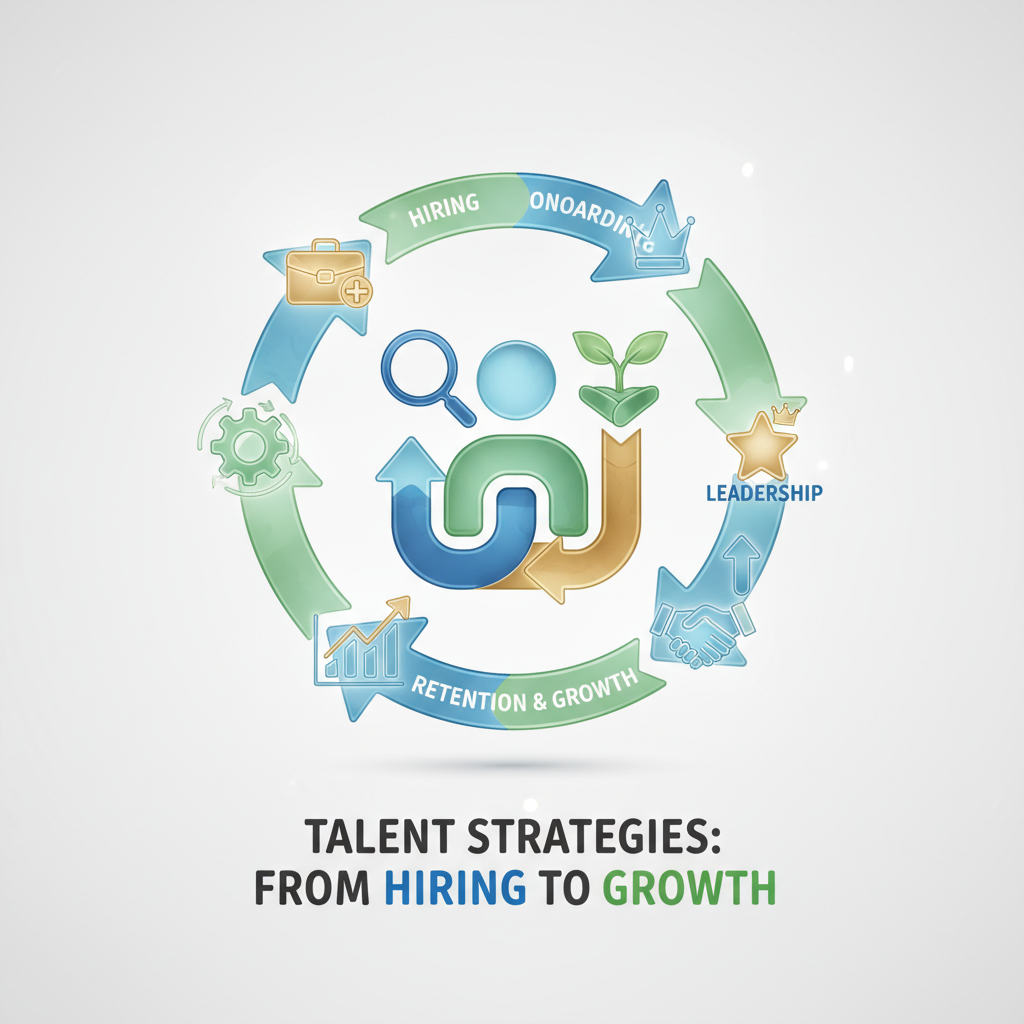
1. Recruitment and Onboarding Processes: Scale and Scope
For SMEs in the Vietnamese beauty sector, recruitment often relies on personal networks, social media, and local job boards. The process is typically hands-on, with owners or senior managers directly involved in interviewing and selecting candidates. Onboarding tends to be informal, focusing on quick integration into a small, close-knit team. This approach fosters a strong sense of community and direct mentorship, which can be highly appealing to candidates seeking a more personal touch and immediate impact. However, the scope is limited, and reaching a wider talent pool can be a significant hurdle, making it harder for these businesses to scale rapidly.
In contrast, corporates leverage extensive employer branding campaigns, professional recruitment agencies, and sophisticated applicant tracking systems (ATS). Their recruitment strategies are broader, targeting a national or even international talent pool through online platforms and university partnerships. Onboarding at corporates is a structured, multi-stage process, often including detailed orientation programs, departmental introductions, and formal training modules. This ensures standardization and compliance, preparing new hires for complex organizational structures and diverse teams. While potentially less personalized, it offers clear career pathways and exposure to larger projects, differentiating the Differences between the SMEs’ HR Structure and the Corporates’ HR Structure in beauty field in vietnam significantly in the talent acquisition phase.
2. Performance Management, Compensation, and Benefits Structures
Performance management in SMEs is typically less formalized, often relying on direct feedback, weekly check-ins, and observable outcomes. Merit-based salary adjustments and ad-hoc bonuses are common, reflecting the company’s immediate financial performance and individual contributions. Benefits might be basic, focusing on mandatory social insurance and perhaps some company-specific perks like product discounts or flexible hours. The direct link between performance and reward can be highly motivating, but the lack of transparent, standardized frameworks can sometimes lead to perceived inconsistencies.
Corporates, on the other hand, implement robust performance management systems, including annual reviews, objective key results (OKRs) or key performance indicators (KPIs), and 360-degree feedback mechanisms. Compensation structures are often complex, involving base salaries, performance bonuses, long-term incentives, and comprehensive benefits packages that extend beyond statutory requirements to include private health insurance, wellness programs, and extensive paid leave. These structures are designed for transparency, fairness, and scalability, aiming to attract and retain high-caliber professionals. A deeper understanding of the core differences in HR structures reveals how these variances impact employee expectations and overall job satisfaction.
3. Training, Development, and Career Progression Pathways
SMEs in Vietnam’s beauty industry often prioritize on-the-job training and peer mentorship. Learning is experiential, with employees gaining new skills through practical application and direct guidance from experienced colleagues or founders. Professional development might involve sending employees to local workshops or industry events. Career progression is often organic, dictated by business growth and the emergence of new roles. While this can offer rapid skill acquisition and a sense of entrepreneurial contribution, structured long-term development plans and clear advancement paths may be less defined.
Corporates invest heavily in continuous learning and development. They offer extensive internal training programs, e-learning platforms, leadership development initiatives, and opportunities for external certifications or higher education. Career progression is mapped out through clear organizational hierarchies, succession planning, and internal mobility programs, providing employees with structured pathways for advancement both within their departments and across the organization. This commitment to employee growth is a significant draw for ambitious professionals and contributes to higher retention rates. A recent study highlighted the critical role of robust talent strategies in driving competitive advantage, especially in fast-paced markets like Vietnam’s beauty sector. Ultimately, the choice between an SME and a corporate in Vietnam’s beauty industry often boils down to an individual’s career aspirations, desired work environment, and preferred learning style, all influenced by the underlying HR structures.
Policy, Compliance & Technology: Operational Contrasts
This section focuses on the differences in formal policies, adherence to regulatory compliance, and the integration of HR technology solutions between the two organizational types within the dynamic beauty field in Vietnam.
-
Formalization of HR Policies and Procedures
A significant operational contrast lies in the formalization of HR policies and procedures. For SMEs in the Vietnamese beauty sector, HR policies are often less formalized, relying more on unwritten rules, ad-hoc decisions, or basic templates. Decision-making regarding HR matters is typically agile and reactive, driven by immediate operational needs rather than a comprehensive, predefined framework. This approach allows for quick adaptation to market shifts or unique employee situations but can lead to inconsistencies, a lack of transparency, and potential legal vulnerabilities. Documentation, if present, is usually minimal and focused on essential requirements rather than comprehensive guidelines.
In stark contrast, large corporations within the beauty industry possess extensive, meticulously documented HR policies and procedures. These frameworks cover every facet of the employee lifecycle, from recruitment and onboarding to performance management, compensation structures, employee benefits, and termination protocols. These policies are often globally aligned while being meticulously localized to adhere to Vietnamese labor laws and cultural nuances. The emphasis is on ensuring consistency, fairness, and transparency across all operations, significantly reducing legal risks and fostering a structured work environment. Regular training sessions are conducted to ensure all employees and managers are aware of and adhere to these established guidelines, underscoring a proactive and strategic approach to HR governance.
-
Navigating Vietnamese Labor Laws and Regulatory Compliance
Navigating Vietnamese labor laws and regulatory compliance presents another critical difference. SMEs typically approach compliance in a more reactive manner, often driven by necessity or specific issues rather than proactive risk management. They might have limited dedicated resources for legal counsel or HR compliance specialists, frequently relying on general advice, learning through experience, or reacting to government inspections. Misinterpretations or oversights of complex Vietnamese labor laws concerning contracts, working hours, social insurance, or employee benefits can lead to penalties, employee disputes, or reputational damage. Their focus is often on meeting minimum statutory requirements rather than striving for best practices or exceeding compliance standards.
Conversely, large corporations in the beauty industry maintain dedicated HR and legal teams specializing in Vietnamese labor law and regulatory compliance. These teams proactively monitor legislative changes, conduct internal audits, and ensure meticulous adherence to all statutory requirements, from intricate employment contracts and social insurance contributions to occupational safety and health standards. Their approach is inherently risk-averse, aiming for full compliance to protect the company’s reputation, avoid legal challenges, and ensure ethical labor practices. They frequently engage expert legal counsel to navigate complex regulations, such as those pertaining to specific industry practices, data privacy, or the employment of foreign workers, ensuring a robust and compliant operational foundation. For more authoritative insights, understanding the nuances of Vietnamese labor law is essential.
-
Adoption and Utilization of HR Technology (HRIS) and Digital Tools
The adoption and utilization of HR technology, specifically Human Resource Information Systems (HRIS) and other digital tools, starkly highlight the operational contrasts. In Vietnamese beauty SMEs, HR technology adoption is often nascent or fragmented. They typically rely on basic digital tools like spreadsheets for payroll and attendance tracking, or even maintain manual, paper-based systems for employee records and administrative tasks. The investment in a comprehensive HRIS is frequently perceived as too costly or overly complex for their immediate operational scale and budget constraints. Digital transformation, while recognized as important, tends to be gradual, focusing on readily available, low-cost solutions that address specific pain points rather than integrated, end-to-end systems.
In contrast, large corporations heavily invest in and leverage sophisticated HRIS platforms that integrate a wide array of HR functions into a unified system. These platforms handle everything from talent acquisition, onboarding, payroll processing, and benefits administration to performance management, learning and development, and time & attendance tracking. Such systems provide robust data analytics capabilities, automate routine administrative tasks, enhance employee self-service options, and ensure data security and compliance with privacy regulations. The utilization of advanced HR technology is central to their operational efficiency, enabling data-driven strategic HR planning, fostering a seamless employee experience, and supporting rapid scalability. These systems are critical for managing the complex HR needs of a large workforce across multiple locations, thereby creating a profound difference in the efficiency and strategic capability of the differences between the SMEs’ HR structure and the corporates’ HR structure in the beauty field in Vietnam.
Challenges, Opportunities & The Future of Beauty HR
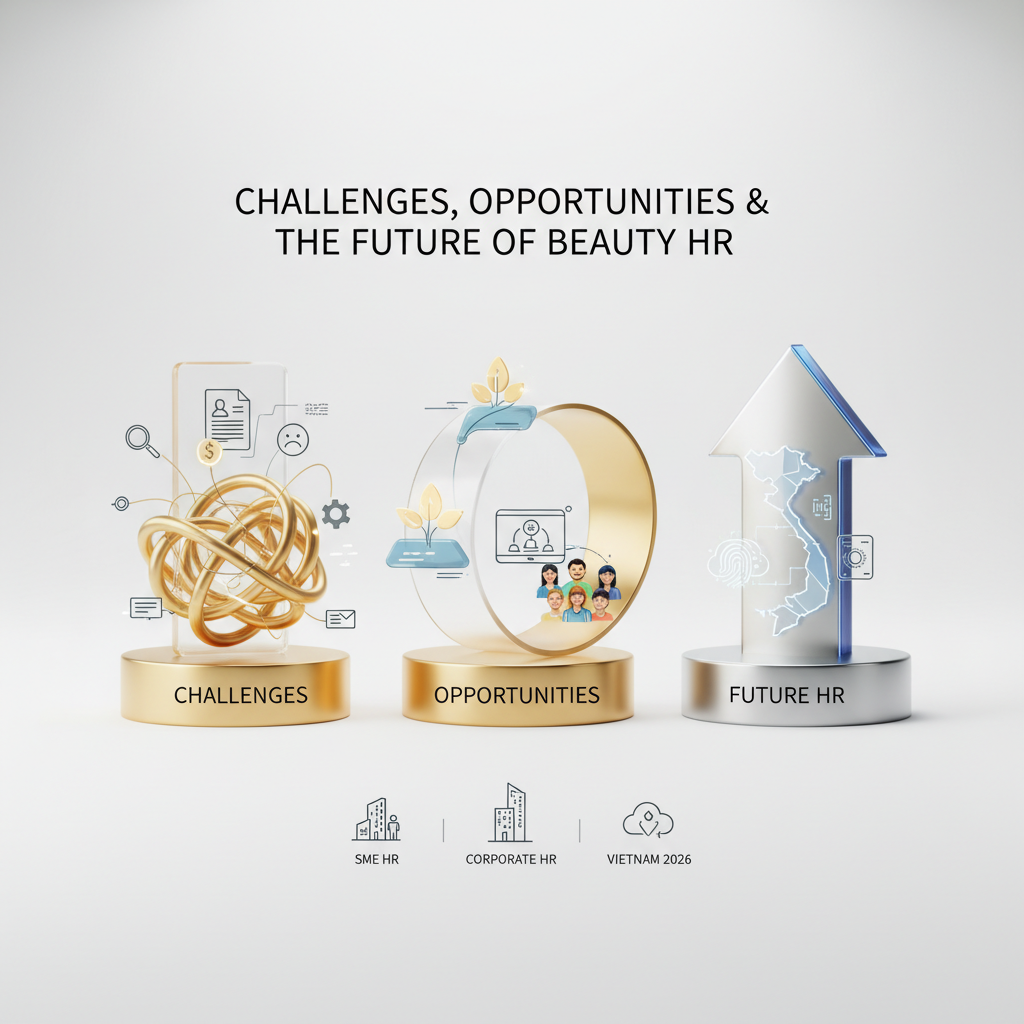
Vietnam’s beauty sector, a dynamic and rapidly expanding industry, presents a fascinating dichotomy in its human resources landscape. As the market matures, the fundamental differences between the SMEs’ HR structure and the corporates’ HR structure in the beauty field in Vietnam become increasingly pronounced, shaping their respective challenges and opportunities. Understanding these distinctions is crucial for navigating talent acquisition, development, and retention in a competitive environment. This section delves into the specific HR hurdles faced by both types of organizations, explores avenues for growth, and highlights emerging trends that will define the future of HR in this vibrant sector.
1. Common HR Hurdles for SMEs vs. Corporates in Vietnam
For Small and Medium-sized Enterprises (SMEs) in the Vietnamese beauty sector, HR challenges often stem from resource constraints and a lack of formalized structures. Many operate without dedicated HR departments, with administrative staff or founders managing recruitment, payroll, and employee relations. This hinders attracting top talent, as competitive benefits, clear career paths, and robust training programs are often lacking. Retention is also a significant hurdle, as employees may seek better stability and opportunities with larger organizations. Compliance with evolving labor laws can be complex for SMEs lacking specialized HR expertise, exposing them to potential risks. Fostering a positive workplace culture and ensuring fair performance management can also be inconsistent without established HR frameworks.
Conversely, larger beauty corporates in Vietnam, while possessing greater resources, face a different set of complexities. Their challenges often stem from scale and the need for standardized yet localized approaches. Bureaucracy can impede agility in responding to market changes or employee needs. Maintaining a consistent corporate culture across multiple branches or diverse brand portfolios requires sophisticated internal communication and HR strategies. Talent management for corporates involves developing large workforces, necessitating complex performance management systems, leadership development, and succession planning. Integrating global HR policies with local Vietnamese cultural nuances and legal frameworks also presents a significant challenge, requiring a delicate balance for efficiency and compliance.
2. Leveraging Strengths: Agility vs. Resources and Brand Power
Despite their challenges, both SMEs and corporates in the beauty sector possess inherent strengths. SMEs, with lean structures, excel in agility. They can make quick decisions, adapt rapidly to market shifts, and implement new HR initiatives with minimal red tape. Their close-knit environments often foster strong team bonds and a sense of belonging, powerful tools for employee engagement and retention. Opportunities for SMEs lie in building unique, values-driven cultures, offering broader responsibilities and direct impact, and adopting flexible work arrangements to attract diverse talent.
Corporates, on the other hand, benefit from extensive resources and established brand power. Their financial strength allows investment in state-of-the-art HR technologies, comprehensive training, and competitive compensation packages. A strong corporate brand in the beauty industry attracts top talent, offering prestige, stable career paths, and international exposure. Leveraging these strengths, corporates can build sophisticated talent pipelines, implement robust leadership development, and create diverse career advancement opportunities to engage their large workforce. The opportunity for corporates is to streamline processes and empower local HR teams to maintain agility within structured environments.
3. Adapting to 2026 Trends: Digitalization, Employee Experience, and ESG in HR
The future of HR in Vietnam’s beauty sector will be significantly shaped by global and local trends, with digitalization, employee experience (EX), and Environmental, Social, and Governance (ESG) principles at the forefront. By 2026, both SMEs and corporates must embrace digitalization. This means moving beyond basic payroll software to integrated HR Information Systems (HRIS), leveraging AI for recruitment and performance analytics, and adopting digital platforms for learning and development. Digitalization helps SMEs formalize processes and gain efficiencies, while corporates use it to enhance data-driven decision-making and personalize employee journeys.
Employee Experience (EX) will become paramount. This holistic approach focuses on every interaction an employee has with the organization, from onboarding to offboarding. Creating a positive and engaging EX involves fostering a supportive culture, providing meaningful work, ensuring work-life balance, and offering growth opportunities. For beauty brands, where passion and creativity are key, a strong EX is vital for retaining skilled professionals like beauticians, marketers, and product developers. Investing in EX helps cultivate internal and external brand ambassadors.
Finally, ESG considerations are rapidly integrating into HR strategies. This translates to a greater focus on diversity, equity, and inclusion (DEI) in hiring and promotion, ensuring ethical supply chain practices (relevant for beauty products), promoting employee well-being, and demonstrating environmental responsibility. As consumers and employees become more socially conscious, beauty companies with strong ESG credentials will gain a significant competitive advantage in attracting and retaining talent. Reports like Deloitte’s Global Human Capital Trends consistently highlight these shifts, indicating a future where HR is not just about compliance but strategic value creation through people and purpose. HR professionals in Vietnam’s beauty sector must proactively adapt to these evolving demands, transforming their functions into strategic partners driving sustainable growth and fostering a thriving workforce.
Partner with Shelby Global
You are looking for reliable HR Sevice Suppliers? Contact Shelby Global Now! To connect with verified talents and upgrade your orginization.
—————————————
References
– Vietnam Cosmetics Market Outlook: https://www.statista.com/outlook/cmo/cosmetics/vietnam
– Deloitte Human Capital Trends: https://www2.deloitte.com/us/en/insights/focus/human-capital-trends.html
– HR Trends for 2024 and Beyond: https://hbr.org/2023/11/hr-trends-for-2024
– An Overview of Labor Law in Vietnam by Vietnam Briefing: https://www.vietnam-briefing.com/news/labor-law-in-vietnam-an-overview.html
– Deloitte’s Global Human Capital Trends: https://www2.deloitte.com/us/en/pages/human-capital/articles/human-capital-trends.html