
Scope and Scale of HR Operations
The industrial landscape of Singapore, home to both agile Small and Medium-sized Enterprises (SMEs) and formidable multinational corporations, offers a compelling study in how organizational size and the complexity of production operations dictate Human Resources (HR) functions. Understanding the Differences between the SMEs’ HR Structure and the Corporates’ HR Structure in production field in singapore is vital for appreciating the varied HR challenges and opportunities across the island’s vibrant production sector and the broader Singapore HR landscape. While both entity types strive for efficiency and talent retention, their approaches to HR management, resource allocation, and strategic integration diverge significantly due to operational scale, financial capacity, and regulatory compliance requirements.

1. Centralized vs. Decentralized HR Models
A primary distinction lies in HR organizational structure. Singaporean SMEs, particularly in production, almost invariably feature highly centralized HR operations. A small team, often one or two generalists, or even the owner/manager, handles the entire HR spectrum. This model prioritizes cost-efficiency and direct communication, with HR acting as general practitioners for recruitment, onboarding, payroll, employee relations, and basic compliance. While swift decisions are possible, lack of specialization can lead to capacity constraints and a reactive approach.
In contrast, large corporations in Singapore’s production sector often adopt decentralized or matrixed HR models. They establish dedicated HR departments for distinct business units, geographical regions, or specialized functions (e.g., manufacturing plants, R&D). This decentralization allows for greater expertise, tailoring HR strategies to local operational needs while adhering to corporate policies. HR Business Partners (HRBPs) are common, providing strategic support within business units, while Centers of Excellence (COEs) handle specialized functions like talent acquisition, compensation, or learning and development. This structure supports complex needs, fostering strategic alignment and specialized support, despite potentially longer decision-making processes. This significantly impacts talent management strategies in Singapore.
2. Breadth of HR Functions (Payroll, Admin, Strategy)
The scope of HR functions varies dramatically. For Singaporean production SMEs, HR is often heavily focused on operational essentials: meticulous payroll processing, benefits administration, recruitment for immediate production needs, and ensuring basic compliance with Singaporean labour laws. Strategic HR initiatives—such as long-term workforce planning, sophisticated talent development, or comprehensive HR analytics—are often secondary, or beyond current resource capabilities. The emphasis is on maintaining smooth operations and managing day-to-day personnel matters efficiently.
Conversely, large corporations possess the resources for a much broader range of HR functions. Beyond robust payroll and administrative services, they invest significantly in strategic HR. This includes sophisticated talent acquisition, comprehensive learning and development to upskill the workforce, intricate compensation and benefits frameworks, performance management systems, industrial relations, and dedicated teams for HR technology adoption. Strategic HR Business Partners collaborate with senior leadership to align HR initiatives with business objectives, focusing on succession planning, diversity, and fostering a strong corporate culture. Their aim is to cultivate a high-performing, engaged, and future-ready workforce, which is critical for sustained competitive advantage.
3. Impact of Company Size on HR Resource Allocation
Company size directly dictates HR resource allocation, encompassing budget, technology, and specialized personnel. SMEs, with constrained budgets, often rely on manual processes or basic HR software for essential functions. HR professionals are typically generalists, requiring broad skills. Investment in advanced HR Information Systems (HRIS) or dedicated HR analytics platforms is rare, making data-driven decision-making challenging. The focus is on maximizing efficiency with minimal expenditure, prioritizing immediate operational needs over long-term strategic investments. This limitation affects HR technology adoption for SMEs, often leading to reliance on external consultants for complex issues and impacting efficient HR compliance within the production sector.
Large corporations, however, commit substantial resources to their HR departments. They invest in state-of-the-art HR technology platforms, including integrated HRIS, applicant tracking systems (ATS), learning management systems (LMS), and sophisticated HR analytics tools. This technological leverage enables greater automation, efficiency, and the ability to derive actionable insights from workforce data. Furthermore, ample budgets allow for specialized HR roles—recruitment specialists, compensation analysts, organizational development experts, and HR strategists. This specialization drives more sophisticated workforce development strategies in Singapore, ensuring robust HR operations. These resources facilitate proactive workforce planning, talent pipeline development, and comprehensive employee well-being programs, fostering a resilient and agile production workforce.
The stark differences between the SMEs’ HR Structure and the Corporates’ HR Structure in production field in singapore underscore HR’s adaptive nature in response to organizational scale. While SMEs champion agility and cost-effectiveness through generalist HR, large corporations leverage specialization and technology to build comprehensive, strategically aligned HR functions. Both models are vital contributors to Singapore’s diverse economy, each navigating unique HR challenges and opportunities to support their respective production operations.
Talent Acquisition and Management Strategies
Singapore’s vibrant yet highly competitive production landscape presents unique challenges and opportunities for businesses seeking to attract, retain, and develop top-tier talent. The Differences between the SMEs’ HR Structure and the Corporates’ HR Structure in production field in Singapore are particularly pronounced, dictating distinct approaches to human capital management. While both aim for a skilled and motivated workforce, their scale, resources, and operational philosophies lead to vastly different strategies in talent acquisition, employee retention, and workforce development. Understanding these disparities is crucial for both job seekers navigating the sector and businesses striving for sustainable growth. SMEs often leverage agility and a close-knit culture, whereas corporates benefit from extensive resources and structured global frameworks. This section delves into these contrasting methodologies, examining how each type of organization addresses the critical need for skilled production professionals, considering crucial aspects like SME production talent acquisition, Corporate HR strategies Singapore production, employee retention production sector Singapore, workforce development manufacturing Singapore, and effective talent attraction strategies production roles.
1. Recruitment Channels & Branding Differences
The initial gateway to talent acquisition showcases significant variations. For SMEs in Singapore’s production sector, recruitment often leans on informal yet effective channels. Word-of-mouth referrals, local community networks, and targeted postings on more affordable, localized job platforms are common. Their employer branding, while perhaps not formalized, often stems from the owner’s reputation, the company’s direct impact on local projects, and a strong sense of camaraderie. They highlight the opportunity for employees to wear multiple hats, gain diverse experience, and witness the tangible results of their work, appealing to individuals seeking a more intimate and impactful work environment.
In stark contrast, large corporates deploy sophisticated, multi-channel recruitment strategies. This includes leveraging global professional networking sites, partnering with specialized recruitment agencies, establishing strong relationships with polytechnics and universities for graduate programs and internships, and maintaining dedicated career portals. Their employer branding is often a meticulously crafted narrative, emphasizing global opportunities, structured career progression, cutting-edge technology, and comprehensive benefits. They invest heavily in showcasing their brand as an industry leader, attracting candidates who value stability, a clear growth trajectory, and the prestige associated with a global entity. These robust talent attraction strategies production roles allow corporates to cast a wider net and appeal to a broader, often internationally diverse, candidate pool.
2. Compensation, Benefits, and Employee Value Proposition
When it comes to compensating and valuing employees, the strategic divergence between SMEs and corporates in Singapore’s production field is notable. SMEs, often operating with tighter budgets, may offer competitive base salaries but might have less extensive benefits packages compared to their larger counterparts. Their Employee Value Proposition (EVP) typically focuses on non-monetary perks: a flexible work environment, direct recognition for contributions, a flat hierarchy enabling quicker decision-making, and a family-like culture. For many, the chance to have a significant, visible impact on the business, coupled with a supportive team, forms a strong basis for employee retention production sector Singapore. They also often emphasize learning diverse skills due to multi-functional roles.
Corporates, conversely, are known for structured salary bands, comprehensive benefits that include health insurance, dental coverage, retirement plans, performance bonuses, and sometimes stock options. Their EVP is built around stability, long-term career planning, extensive professional development opportunities, and access to state-of-the-art facilities. They can leverage their scale to offer specialized roles, allowing individuals to deepen expertise in specific production areas. The promise of global mobility or advancement within a large, established framework is a powerful draw for many, contributing significantly to their ability to attract and retain highly skilled individuals.
3. Training & Development for Production Roles
The approach to skill enhancement and career growth, particularly for specialized production roles, also varies significantly. SMEs often rely on informal, on-the-job training, where experienced senior staff mentor new hires. This hands-on learning is practical and immediate, fostering a culture of shared knowledge. To upskill their workforce, many SMEs actively tap into government-supported programs like SkillsFuture initiatives, which provide subsidies for various industry-relevant courses. This pragmatic approach ensures that essential skills are transferred efficiently, helping them adapt quickly to changing production demands and promoting workforce development manufacturing Singapore.
In contrast, corporates typically boast well-defined and extensively funded training and development frameworks. These include dedicated internal training academies, leadership development programs, access to a wide array of external certification courses, and e-learning platforms. They may implement structured rotation programs, allowing employees to gain experience across different departments or even international sites. This systematic investment in continuous professional development ensures a pipeline of skilled workers, prepared for future technological advancements and leadership positions. Their Corporate HR strategies Singapore production often integrate learning pathways with career progression, ensuring employees see a clear future within the organization and reducing attrition. According to insights from the Singapore Ministry of Manpower, continuous upskilling is vital for all enterprises to remain competitive, a principle embraced differently across organizations of varying sizes. Further understanding the intricacies of these approaches can be found by exploring the “Differences between the SMEs’ HR Structure and the Corporates’ HR Structure in production field in singapore” more deeply.
Compliance, Policies, and Governance
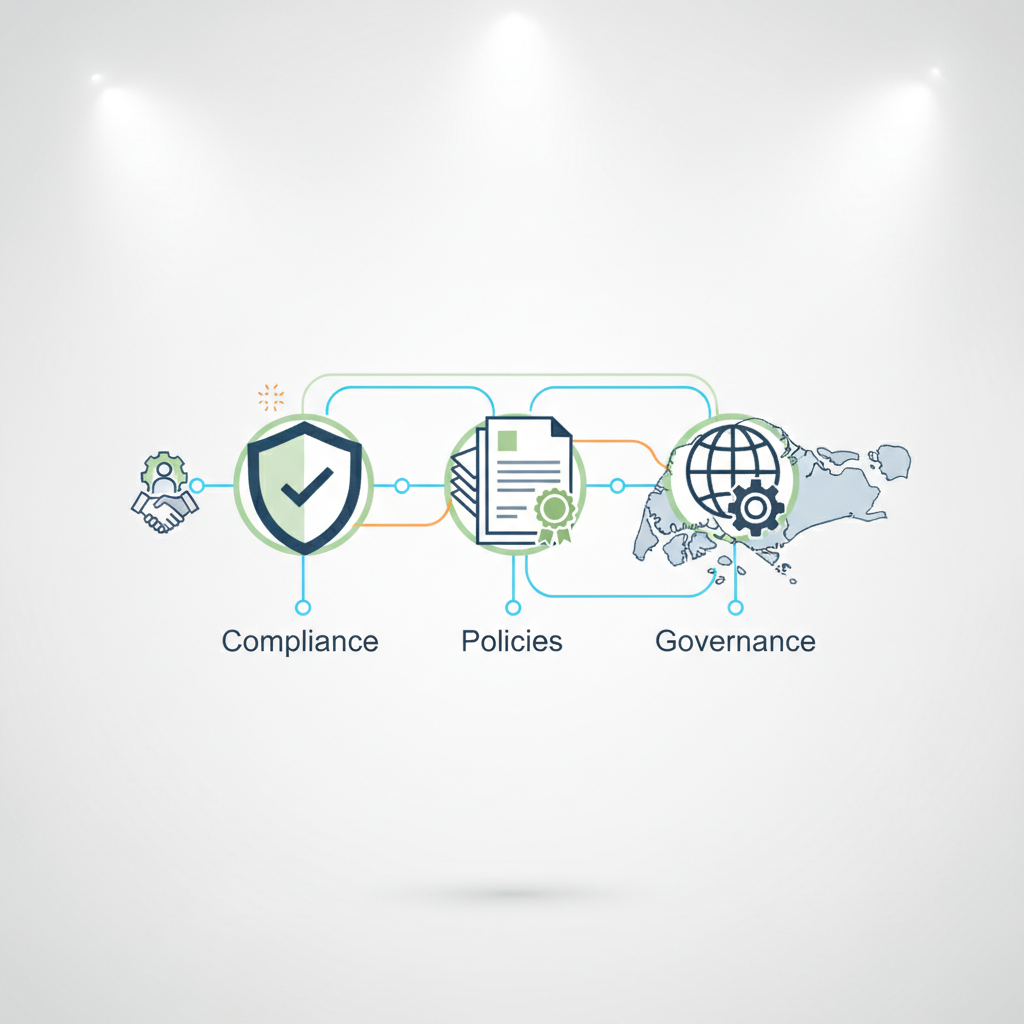
In Singapore’s dynamic production sector, the approach to HR compliance, policy development, and governance structures varies significantly between Small and Medium-sized Enterprises (SMEs) and large multinational corporations. These differences stem from varying resources, operational scales, and strategic priorities, profoundly impacting how regulatory requirements, internal policies, and oversight mechanisms are applied and enforced. Understanding these distinctions is crucial for anyone navigating the human resources landscape in Singapore, especially when considering the key differences in HR structures.
1. Navigating Singapore Labor Laws & Regulations
The intricate web of Singapore’s labor laws and regulations, encompassing the Employment Act, Central Provident Fund (CPF) contributions, foreign worker quotas, and workplace safety standards, presents a unique challenge for HR departments in the production sector. For SMEs, HR compliance often falls on a lean team, or even the business owner, who juggles multiple operational roles. Their approach tends to be reactive, addressing compliance issues as they arise, often relying on basic checklists or external consultants for critical matters. Keeping abreast of frequent legislative updates, such as changes to the Ministry of Manpower (MOM) regulations, can be a significant hurdle due to limited resources for dedicated research and training. This can lead to increased vulnerability to non-compliance risks, particularly in areas like overtime pay, rest days, or proper documentation for foreign employees within the production sector.
In contrast, large corporations in Singapore’s production sector possess sophisticated HR compliance frameworks. They employ specialized HR teams with dedicated roles for legal compliance, industrial relations, and policy oversight. These teams proactively monitor legislative changes, often engaging legal counsel and industry associations to interpret new regulations and integrate them into their global HR strategies. Corporate HR departments conduct regular internal audits, ensuring rigorous adherence to Singapore labor laws and minimizing exposure to penalties or reputational damage. Their comprehensive approach to production sector HR laws ensures consistency across a large workforce and complex operational structures.
2. Policy Development and Implementation (SOPs vs. Bureaucracy)
The development and implementation of HR policies also highlight the operational differences. SMEs typically favor flexibility and agility, often operating with unwritten rules or informal Standard Operating Procedures (SOPs) for common HR functions like leave applications or performance reviews. These policies, while effective in smaller, closely-knit environments, might lack the formal documentation and transparency required as the company grows. Policy communication in SMEs is often direct and personal, relying on verbal instructions or simple announcements, reflecting their agile HR policy approach. This can be efficient but also prone to inconsistencies and misunderstandings, particularly when dealing with disciplinary actions or grievance handling.
Conversely, large corporations are characterized by a more structured and sometimes bureaucratic approach to HR policy development. They establish comprehensive employee handbooks, detailed codes of conduct, and multi-layered grievance procedures. Every policy, from recruitment to exit, undergoes thorough legal review and cross-departmental approval, ensuring alignment with global standards and local regulations. Policy implementation is formalized through extensive training programs, digital HR platforms (HRIS) for dissemination, and mandatory acknowledgments. While this corporate HR bureaucracy can sometimes be perceived as slow, it ensures fairness, consistency, and a robust defense against potential legal challenges, embedding strong HR governance principles across their production operations.
3. Risk Management and Ethical HR Practices
Risk management and the promotion of ethical HR practices are fundamental to sustainable business operations, yet their execution varies significantly. For SMEs in the production sector, HR risk management is often an organic process, heavily influenced by the owner’s personal values and direct experience. Issues like workplace harassment, discrimination, or data privacy might be addressed on a case-by-case basis, potentially lacking predefined formal structures or clear reporting channels. This can expose SMEs to significant operational and reputational risks if not managed effectively, as employees might feel unsupported or unaware of recourse options. Ethical HR practices are often embedded in the company culture rather than codified in extensive policies.
Corporations, on the other hand, integrate HR risk management into their broader enterprise-wide risk frameworks. They have dedicated compliance officers, internal audit teams, and whistleblower hotlines, fostering a culture of accountability and transparency. Ethical HR practices are meticulously defined in codes of conduct, anti-corruption policies, and clear guidelines for diversity, equity, and inclusion. Regular training on workplace ethics, data protection, and anti-harassment policies is mandatory, protecting both the employees and the organization’s brand. This robust corporate governance HR approach not only mitigates legal and financial risks but also enhances employee trust and ensures a responsible and ethical working environment within the production sector.
HR Technology Adoption and Digital Transformation
In Singapore’s dynamic production sector, the landscape of HR technology adoption and digital transformation maturity presents a stark contrast when comparing small and medium-sized enterprises (SMEs) with large corporations. Understanding the differences between the SMEs’ HR structure and the corporates’ HR structure in the production field in Singapore is crucial for appreciating the strategic implications of HR tech investments. While both segments acknowledge the imperative for digital HR transformation, their approaches, capabilities, and outcomes vary significantly, influenced by factors such as budget, scale, expertise, and strategic priorities. This examination delves into the varying levels of HR tech integration, highlighting how these disparities shape workforce management and strategic HR functions across the industry.
1. HRIS and Payroll System Usage
The foundational layer of HR technology, Human Resources Information Systems (HRIS) and payroll systems, illustrates one of the most pronounced differences. For SMEs in Singapore’s production sector, HRIS adoption often begins with essential functionalities. Many still rely on basic spreadsheet-based systems for employee records and manual processes for payroll. When they do adopt dedicated systems, it’s typically cloud-based, off-the-shelf solutions designed for core administrative tasks like leave management, attendance tracking, and simple payroll processing. These systems aim primarily for efficiency gains and compliance, reducing the administrative burden on lean HR teams. Budgetary constraints and a perception of complex systems being overkill for their smaller headcounts often deter them from more sophisticated platforms. This limited HR tech adoption in Singapore’s SME landscape often means less integration with other business systems.
Conversely, large corporations in the production field typically operate with highly integrated, enterprise-grade HRIS platforms that encompass a comprehensive suite of functionalities. These systems often include global payroll capabilities, robust employee self-service portals, talent acquisition modules, and performance management tools, all feeding into a central employee database. Integration with ERP systems, financial modules, and even shop-floor production management systems is common, enabling a holistic view of human capital and operational efficiency. The scale and complexity of their workforces necessitate advanced features for managing diverse employee demographics, international transfers, and intricate compensation structures. For these corporates, HRIS is not merely an administrative tool but a strategic backbone supporting complex workforce planning and compliance requirements.
2. Automation of HR Processes
Beyond basic HRIS, the level of automation in HR processes further distinguishes SMEs from large corporations. SMEs often exhibit a more gradual and selective approach to automation. Core HR processes like leave application, expense claims, and timesheet submissions might be automated to streamline administrative workflows and reduce manual errors. However, more complex processes such as recruitment, onboarding, and performance appraisals often retain significant manual components, relying on email communications, physical forms, and face-to-face interactions. The rationale is often rooted in the perceived cost of automation, the lack of in-house IT expertise for implementation and maintenance, and a preference for personal touch in smaller team environments. This limited digital HR transformation in production environments can sometimes lead to bottlenecks and slower response times.
In contrast, large corporations embrace extensive automation across the entire HR lifecycle. From AI-powered applicant tracking systems (ATS) that screen resumes and schedule interviews, to automated onboarding workflows that integrate with IT provisioning and training platforms, automation is pervasive. Performance management systems automate goal setting, feedback collection, and review cycles. Chatbots handle routine employee queries, freeing up HR professionals for more strategic initiatives. Robotics Process Automation (RPA) might be deployed for data entry, compliance checks, and report generation. This extensive automation is critical for managing the vast volume of HR transactions, ensuring consistency, reducing operational costs, and allowing HR departments to shift from transactional activities to strategic talent development and employee experience initiatives. These organizations are at the forefront of HR technology trends in production sector.
3. Data Analytics and Strategic HR Insights
The ability to leverage HR data for strategic insights is perhaps the clearest indicator of digital transformation maturity. SMEs typically generate and utilize HR data primarily for descriptive reporting and compliance purposes. They might track basic metrics such as headcount, attrition rates, and attendance for operational oversight. While valuable, this often provides a reactive view of the workforce. Challenges include disparate data sources, lack of integrated analytics tools, and insufficient expertise in data interpretation. Consequently, proactive workforce planning, talent forecasting, or impact analysis of HR interventions remain nascent, making it harder for HR to become a true strategic partner in the business. Addressing these SME HR challenges in Singapore requires significant investment in both technology and talent.
Large corporations, on the other hand, actively pursue advanced HR analytics. Their integrated HRIS platforms accumulate vast amounts of data, which is then analyzed using sophisticated business intelligence (BI) tools, predictive analytics, and even machine learning algorithms. They conduct workforce planning, identify flight risks, analyze the effectiveness of training programs, forecast talent gaps, and measure the impact of HR policies on business outcomes. HR functions within these organizations are often equipped with dedicated HR analytics specialists who provide actionable insights to senior leadership, influencing strategic decisions related to talent acquisition, development, retention, and organizational design. This commitment to data-driven decision-making transforms HR into a powerful strategic business partner, fundamentally altering the differences between the SMEs’ HR structure and the corporates’ HR structure in the production field in Singapore. Their large corporate HR strategies are heavily reliant on robust data infrastructure.
In conclusion, while both SMEs and large corporations in Singapore’s production sector are navigating the journey of HR digital transformation, the differences between the SMEs’ HR structure and the corporates’ HR structure in the production field in Singapore are profound. Large corporations lead the charge with comprehensive, integrated, and highly automated HR tech ecosystems, driven by the need for scale, efficiency, and strategic insights. SMEs, while often agile, contend with resource constraints and adopt HR tech more incrementally, focusing on core administrative efficiency. Bridging this gap will require targeted support, accessible solutions, and a growing recognition of HR technology as a critical enabler for competitive advantage across all business sizes.
Strategic Contribution and Business Impact
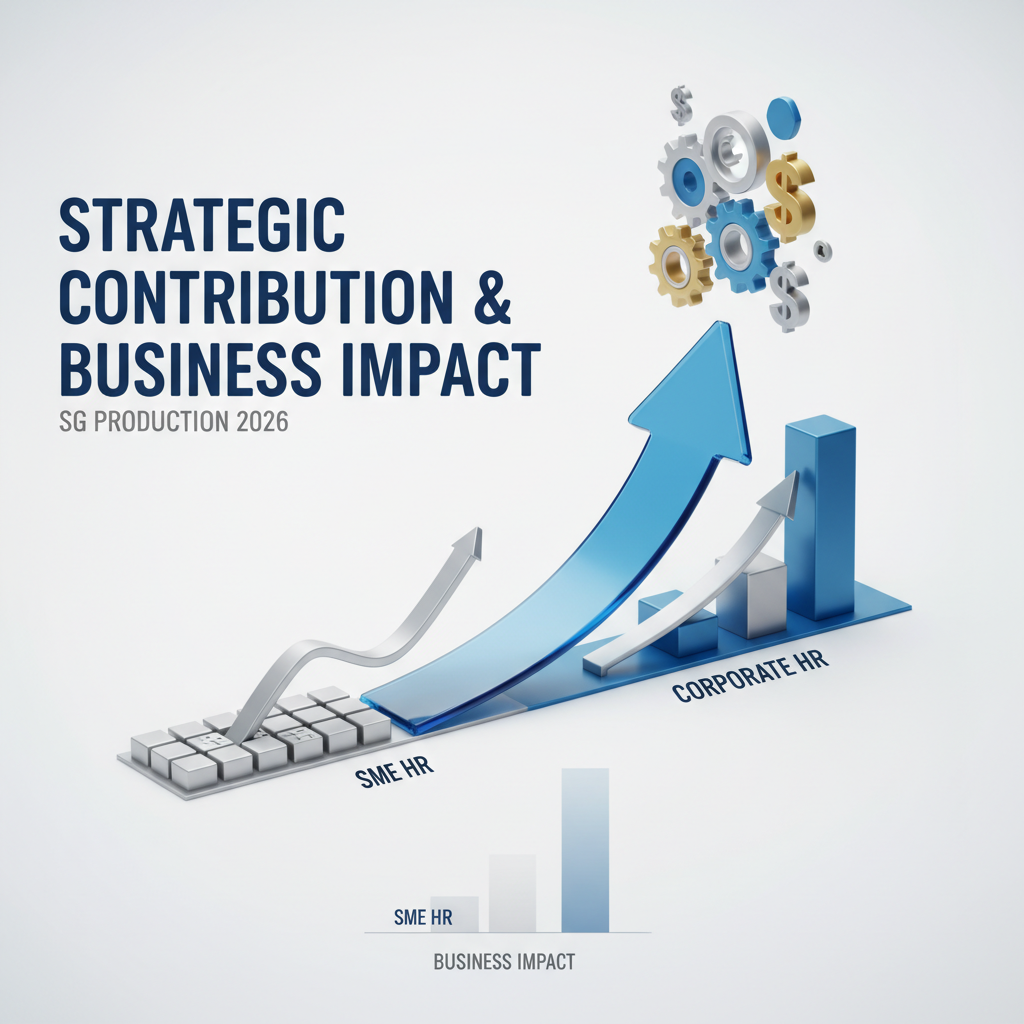
In the dynamic landscape of Singapore’s production environment, the role of Human Resources (HR) has undergone a significant transformation. Traditionally viewed as an administrative function, particularly within many Small and Medium-sized Enterprises (SMEs), HR in larger corporations now operates as a strategic business partner, directly influencing operational efficiency, innovation, and long-term success. Understanding the inherent differences between the SMEs’ HR structure and the corporates’ HR structure in the production field in Singapore is crucial for appreciating this evolution and its impact on the nation’s industrial output. This shift reflects a growing recognition that human capital is a key driver of competitive advantage, requiring sophisticated HR transformation and strategic engagement.
1. HR as a Strategic Partner vs. Administrative Function
For many SMEs in Singapore’s production sector, HR functions often remain largely administrative. These departments typically manage essential tasks such as payroll processing, basic compliance with labor laws, recruitment for immediate needs, and managing employee records. The focus is primarily on maintaining operational continuity and adherence to statutory requirements, with limited resources or expertise dedicated to broader strategic initiatives. This model, while cost-effective for smaller operations, can limit growth and agility in a competitive market.
Conversely, in larger corporations within the Singaporean production field, HR has evolved into a strategic partner. This involves moving beyond transactional duties to embrace proactive talent management strategies, sophisticated workforce planning, and developing robust performance management systems. Strategic HR teams in these organizations play a pivotal role in shaping organizational direction, anticipating future talent needs, and ensuring that HR policies and practices directly support business objectives. They often leverage advanced HR technology adoption to streamline processes, gain data-driven insights, and enhance overall efficiency.
2. Aligning HR with Business Goals and Production Targets
The transition to a strategic HR model in larger Singaporean production companies means a direct alignment of HR initiatives with core business goals and production targets. This involves HR leaders actively participating in executive-level discussions, understanding market demands, technological advancements, and operational challenges. For instance, HR might design specific training programs to upskill employees in automation or new manufacturing techniques, directly impacting production efficiency and product quality.
Strategic HR also takes the lead in workforce planning, ensuring the right talent is available at the right time to meet fluctuating production demands or expansion plans. This includes robust succession planning for critical roles, proactive talent acquisition to fill skill gaps, and implementing effective performance management systems that link individual performance directly to production output and quality metrics. By embedding HR within the operational fabric, larger corporations can harness their human capital to achieve competitive advantages, drive innovation, and sustain growth in the highly competitive global market.
3. Driving Organizational Culture and Employee Engagement
A key differentiator for strategic HR in larger production corporations is its proactive role in shaping organizational culture and fostering high employee engagement initiatives. Beyond simply managing employee relations, strategic HR cultivates an environment that encourages collaboration, innovation, and continuous improvement. This is particularly vital in production settings where safety, quality, and efficiency are paramount.
Through well-designed engagement programs, recognition systems, and transparent communication channels, HR helps build a strong sense of purpose and belonging among employees. This directly contributes to higher productivity, reduced absenteeism, and improved employee retention. Strategic HR also champion diversity, equity, and inclusion, ensuring a fair and supportive workplace that attracts and retains top talent. By investing in a positive culture and employee well-being, these organizations not only enhance their employer brand but also create a resilient and adaptable workforce capable of navigating the complexities of modern manufacturing in Singapore.
Partner with Shelby Global
You are looking for reliable HR Sevice Suppliers? Contact Shelby Global Now! To connect with verified talents and upgrade your orginization.
—————————————
References
– MOM Singapore – Employment Practices for SMEs: https://www.mom.gov.sg/employment-practices/small-and-medium-enterprises-smes
– :
– Ministry of Manpower Singapore: https://www.mom.gov.sg/
– Grow Digital – Enterprise Singapore: https://www.enterprisesg.gov.sg/sme-portal/growth-solutions/grow-digital
– :