
Fundamental Differences in HR Function Scope
The rapid growth of Singapore’s e-commerce sector demands adaptable Human Resources. However, HR function scope varies dramatically between Small and Medium-sized Enterprises (SMEs) and large corporates. Understanding these differences between the SMEs’ HR Structure and the Corporates’ HR Structure in Ecommerce field in singapore is crucial. While large corporations boast specialized HR departments and extensive resources, SMEs typically adopt a more generalized, agile, and often lean approach, integrating HR deeply into operations. This divergence impacts everything from strategic planning to daily tasks, shaping employee experience and organizational growth.

Large corporations, with vast employee bases, departmentalize HR. This allows dedicated teams for talent acquisition, compensation, benefits, learning, and employee relations. Such specialization fosters deep expertise and ensures compliance with intricate regulations. Conversely, HR in e-commerce SMEs often falls under a single HR generalist, an operations manager, or the business owner. This individual juggles multiple responsibilities, requiring a broad understanding of all HR facets but with less depth in any single area. SME HR focuses on immediate needs and rapid response, reflecting their lean operational model and agile decision-making cycles.
-
Recruitment & Onboarding Processes (e-commerce specific roles)
Recruiting and onboarding e-commerce specific roles (e.g., digital marketers, data analysts, logistics coordinators) highlight a primary distinction. Large corporates utilize established talent acquisition teams, robust employer branding, and sophisticated Applicant Tracking Systems (ATS). They leverage extensive networks and structured university recruitment. Onboarding is formalized, multi-stage, designed to integrate new hires into complex corporate culture over weeks with structured training modules.
SMEs, however, rely on informal networks, direct job postings, and referrals. Hiring is typically faster, driven by immediate operational needs. Onboarding is more hands-on, personalized, with new hires quickly immersed in tasks and mentored by leads or owners. While fostering agility, this can mean less structured training. Competing for in-demand e-commerce talent without branding and resource advantages, SMEs often focus on culture and direct impact. For further insights into Singapore’s talent landscape, the Ministry of Manpower provides valuable labor market statistics and trends.
-
Compensation, Benefits & Payroll Administration
In compensation, benefits, and payroll, the differences between the SMEs’ HR Structure and the Corporates’ HR Structure in Ecommerce field in singapore are pronounced. Large corporates feature comprehensive, multi-tiered compensation structures, sophisticated salary benchmarking, and a wide array of benefits including advanced health plans and extensive wellness programs. Payroll administration is handled by dedicated teams or large-scale providers, ensuring compliance with complex tax laws. Their diverse benefits portfolio serves as a significant attraction and retention tool.
SMEs, due to budgetary constraints, offer more basic compensation and benefits. While competitive salaries are essential, benefits might be less extensive, focusing on statutory requirements. Payroll administration is frequently managed by single HR personnel, an accountant, or outsourced to local payroll services, requiring careful oversight. The emphasis is on efficiency and cost-effectiveness, often leveraging flexible or performance-based incentives.
-
Employee Relations & Engagement Programs
Employee relations and engagement reveal distinct approaches. Large corporates typically have formal grievance procedures, dedicated HR business partners for conflict resolution, and structured engagement programs like surveys and leadership development. Their scale allows investment in professional development and diversity initiatives.
For e-commerce SMEs, employee relations are often more informal and direct. Conflicts resolve through immediate supervisors or business owners, fostering accessibility. Engagement programs are more organic, such as team lunches or direct recognition. While less formal, these can effectively foster a close-knit culture thriving on immediate feedback. A deeper dive into these structural distinctions, particularly concerning HR agility and scalability, can be found by exploring the topic of Differences between the SMEs’ HR Structure and the Corporates’ HR Structure in Ecommerce field in singapore.
In conclusion, HR functions in Singapore’s e-commerce sector are profoundly shaped by organizational size. Large corporates benefit from specialized expertise and structured frameworks. SMEs prioritize agility, cost-efficiency, and a generalized, hands-on approach. Both models have unique strengths and challenges, reflecting strategic choices in managing people in a rapidly evolving digital marketplace.
HR Team Structure, Roles, and Technology Adoption
The burgeoning e-commerce landscape in Singapore presents a dynamic environment for Human Resources. As businesses navigate rapid growth and evolving consumer demands, the HR function plays a pivotal role in attracting, retaining, and developing talent. However, the structure, specialization of roles, and reliance on HR technology starkly contrast between e-commerce Small and Medium-sized Enterprises (SMEs) and corporate giants. Understanding these variations is crucial for appreciating the diverse approaches to talent management within Singapore’s vibrant digital economy, highlighting the fundamental differences between the SMEs’ HR structure and the Corporates’ HR structure in the e-commerce field in Singapore.
1. Generalist vs. Specialist HR Roles
In the fast-paced world of e-commerce SMEs in Singapore, HR teams are often lean and characterized by generalist roles. A single HR professional, or a small team, typically juggles a wide array of responsibilities, including recruitment, onboarding, payroll processing, performance management, employee relations, and compliance. This necessitates a versatile and agile HR professional who can wear multiple hats, adapting quickly to the immediate operational needs of a growing business. The focus is often on foundational HR functions and ensuring day-to-day operations run smoothly with limited resources. Talent acquisition in this context often relies on direct sourcing and network referrals, with less emphasis on elaborate employer branding strategies.
Conversely, corporate giants in the e-commerce sector employ extensive HR departments with highly specialized roles. These larger organizations often have dedicated teams for specific HR functions: Talent Acquisition Specialists focus solely on recruitment strategies and employer branding; Compensation & Benefits Analysts design sophisticated remuneration packages; HR Business Partners (HRBPs) are strategically embedded within business units to provide tailored HR guidance; and Learning & Development Managers craft comprehensive training programs. This specialization allows for deeper expertise in each area, more sophisticated policy development, and a higher degree of strategic alignment with overall business objectives, reflecting a more mature and complex organizational structure designed to manage thousands of employees across diverse functions.
2. Integration of HRIS & E-commerce Tools
Technology adoption in HR is another significant differentiator. E-commerce SMEs in Singapore often begin their digital HR journey with basic, cloud-based HRIS (Human Resource Information Systems) or even manual spreadsheets. As they scale, they gradually adopt integrated solutions that streamline core HR processes like payroll, leave management, and employee data management. The key driver for these SMEs is often cost-effectiveness and ease of use, prioritizing platforms that can integrate seamlessly with their existing e-commerce operational tools (e.g., inventory management, customer service platforms) to manage their workforce, particularly for roles like warehouse staff or delivery personnel. Solutions that offer quick implementation and minimal training are highly favored.
For corporate giants, the reliance on advanced HR technology is foundational. They leverage sophisticated, enterprise-level HRIS like SAP SuccessFactors, Oracle HCM Cloud, or Workday, which offer comprehensive modules spanning global payroll, talent management, workforce planning, analytics, and succession planning. These systems are often deeply integrated with other enterprise resource planning (ERP) and customer relationship management (CRM) systems, providing a holistic view of the organization’s human capital. Furthermore, these corporations often invest in cutting-edge HR tech trends, such as AI-powered recruitment tools, predictive analytics for workforce planning, and sophisticated employee experience platforms. Staying abreast of these developments is critical, as highlighted in reports on global human capital trends, demonstrating a commitment to leveraging technology for strategic HR advantage and operational excellence on a massive scale.
3. Strategic HR vs. Operational Focus
In e-commerce SMEs, HR’s focus tends to be predominantly operational. The daily demands of a growing business, coupled with limited resources, mean HR is often engaged in reactive problem-solving and ensuring compliance with local labor laws. While the aspiration for strategic HR exists, the immediate need to recruit, onboard, and manage employees efficiently often takes precedence. Strategic considerations, such as long-term workforce planning, elaborate talent development pipelines, or proactive organizational design, may be addressed on an ad-hoc basis or become part of the founder’s or CEO’s remit rather than a dedicated HR function.
Conversely, HR in corporate e-commerce giants operates with a strong strategic mandate. HR functions are integral to business strategy development, with HR leaders often sitting on executive boards. They move beyond transactional activities to focus on organizational effectiveness, talent analytics, leadership development, succession planning, diversity, equity, and inclusion (DEI) initiatives, and fostering a robust corporate culture that supports global objectives. HR Business Partners actively consult with business unit leaders to align people strategies with commercial goals, ensuring that the human capital strategy directly contributes to market leadership and sustainable growth. This strategic orientation allows corporates to proactively shape their workforce, anticipate future skill needs, and mitigate talent risks across their expansive operations.
Agility, Decision-Making, and Culture Impact
In Singapore’s dynamic e-commerce landscape, an organization’s size significantly shapes its HR operations. The differences between the SMEs’ HR structure and the Corporates’ HR structure in the e-commerce field in Singapore profoundly impact HR decision-making, policy implementation, and workplace culture. Understanding these distinctions is crucial for optimizing human capital strategies and maintaining a competitive edge. This section examines how organizational size influences HR effectiveness in Singaporean e-commerce businesses.

1.
Centralized vs. Decentralized HR Decisions
For Singaporean e-commerce SMEs, HR decision-making is typically highly centralized. Founders or a lean team handle all HR responsibilities, from talent acquisition to employee relations. This concentrated authority enables swift decisions, minimal bureaucracy, and direct communication, fostering an environment where HR strategies are executed rapidly. For instance, a small e-commerce startup might quickly approve new flexible work arrangements to attract specialized talent. This approach is effective for rapid responses and immediate adaptations, boosting organizational agility. For more on these fundamental differences in talent management and HR strategy, explore the comprehensive overview on the Differences between the SMEs’ HR Structure and the Corporates’ HR Structure in Ecommerce field in Singapore.
Conversely, large e-commerce corporates in Singapore often feature a decentralized or hybrid HR structure. They boast dedicated HR departments, sometimes specialized by function or business unit. While corporate policies provide a framework, daily decisions might be delegated to HR business partners. This structure ensures specialized expertise and proximity to business needs but involves more stakeholders and processes, potentially slowing decision cycles. The emphasis shifts from speed to consistency, compliance, and scalability across a larger workforce, crucial for managing vast human capital and ensuring fairness, though it can impact HR innovation pace.
2.
Pace of Policy Implementation & Adaptability
The speed of HR policy implementation and adaptation is a key differentiator. SMEs in the e-commerce sector introduce, test, and refine policies with exceptional alacrity due to their smaller size. Whether it’s a new remote work policy or an updated leave policy, the path from ideation to implementation is short and direct. This quick adaptability is a significant asset in the dynamic e-commerce industry, allowing SMEs to swiftly respond to market shifts or evolving employee expectations. Their lean operations support HR innovation, where pilot programs can be launched and iterated without extensive disruption.
For large e-commerce corporates, policy implementation is a far more complex and protracted endeavor. New policies undergo rigorous review by legal teams, multiple HR committees, and senior management across business units. Communication and change management strategies are meticulously planned for consistent understanding and adoption across thousands of employees. While this thoroughness ensures robustness, compliance, and equity, it naturally slows the process. This deliberate pace offers stability and predictability. The challenge for large corporates is balancing this stability with agility, crucial for the digital economy. Insights into how businesses adapt can be found in discussions around modern HR practices and agility (e.g., Why HR Needs to Be More Agile – and How To Do It – Harvard Business Review).
3.
Fostering Company Culture in E-commerce
Workplace culture, vital for engagement and retention, is cultivated differently across organizations in Singapore’s e-commerce landscape. SMEs often possess an organic, closely-knit culture, an extension of the founders’ vision. Smaller teams foster strong personal connections, direct communication, and a shared mission, creating a family-like atmosphere. Employee well-being initiatives can be highly personalized, and a strong sense of community develops naturally. This authentic culture attracts individuals seeking impact and belonging.
In contrast, large e-commerce corporations deliberately design and maintain a cohesive culture across numerous departments and a vast employee base. While values are formally articulated, consistent embodiment requires structured programs, leadership modeling, and robust internal communications. Employee engagement strategies are formalized, encompassing surveys, recognition, and dedicated diversity, equity, and inclusion (DEI) initiatives. Scale can hinder individual connections but offers opportunities for a richer tapestry of perspectives. Maintaining a vibrant, unified culture amidst rapid growth and digital transformation is a continuous, strategic undertaking for these larger players.
The structural differences between the SMEs’ HR structure and the Corporates’ HR structure in the e-commerce field in Singapore highlight divergent HR operational models. SMEs excel in agility, rapid decision-making, and fostering intimate cultures due to lean structures. Large corporates, though slower, offer consistency, scalability, and robust frameworks for extensive workforces. Both have inherent strengths and challenges. Ultimately, successful e-commerce businesses, regardless of size, must align their HR framework with strategic objectives and growth trajectory, effectively cultivating human capital to thrive in the competitive digital economy.
Talent Management & Development Strategies
In Singapore’s dynamic e-commerce landscape, effective talent management is crucial for business success. The strategies for attracting, developing, and retaining talent, particularly for critical e-commerce roles such as digital marketers, data analysts, supply chain specialists, and platform managers, vary significantly between Small and Medium-sized Enterprises (SMEs) and larger corporate environments. Understanding these Differences between the SMEs’ HR Structure and the Corporates’ HR Structure in Ecommerce field in singapore is key to appreciating their distinct approaches to human capital.
1. Employer Branding & Value Proposition (EVP)
The establishment and communication of an Employer Branding and Value Proposition (EVP) serve as the foundation for attracting top talent. Corporates in Singapore often leverage their established global or regional brand recognition, extensive resources, and comprehensive benefit packages to craft a compelling EVP. Their branding efforts typically involve sophisticated marketing campaigns, dedicated HR functions, and partnerships with universities, emphasizing career progression, stability, and exposure to large-scale operations. For e-commerce roles, this translates into showcasing advanced technology stacks, international projects, and structured training programs, appealing to candidates seeking structured growth and prestige. They can afford to invest in professional employer branding agencies and extensive online presence.
Conversely, SMEs, while perhaps lacking the extensive budgets and brand recognition of their corporate counterparts, differentiate themselves through agility, a strong company culture, and the promise of direct impact. Their EVP often highlights a flatter hierarchy, quicker decision-making processes, opportunities for cross-functional learning, and a more personal work environment. E-commerce professionals in SMEs are often attracted to the ability to wear multiple hats, see the immediate results of their work, and contribute significantly to the company’s growth trajectory. Their branding efforts are typically more organic, relying on employee testimonials, social media engagement, and the personal reputation of founders or leaders.
2. Sourcing Strategies for E-commerce Talent
Sourcing critical e-commerce talent requires tailored approaches to navigate Singapore’s competitive job market. Corporates typically employ a multi-pronged strategy, utilizing large professional recruitment firms, premium subscriptions to global job portals like LinkedIn Recruiter, and internal talent acquisition teams. They also tap into vast global networks, enabling them to recruit specialized talent internationally if local pools are insufficient. Furthermore, corporates often have robust internal mobility programs and cultivate relationships with educational institutions to establish graduate pipelines for entry-level e-commerce positions, ensuring a continuous influx of fresh talent.
SMEs, on the other hand, frequently rely on more cost-effective and localized sourcing methods. These include niche job boards focused on technology or e-commerce, local professional networks, referrals from existing employees, and direct outreach through social media platforms. They might also leverage government-supported platforms or schemes aimed at helping SMEs find local talent. Due to smaller budgets, SMEs often prioritize candidates who can integrate quickly and hit the ground running, sometimes accepting candidates with slightly less experience but demonstrating high potential and a strong fit with the company culture. Networking events and direct applications via their own websites also form a significant part of their sourcing toolkit.
3. Learning & Development Programs (Digital Skills)
The rapid evolution of e-commerce necessitates continuous learning and development in digital skills. Corporates often boast extensive L&D budgets, enabling them to implement structured training programs, internal academies, and partnerships with renowned educational institutions or industry experts. They invest in certifications for cutting-edge tools (e.g., Google Analytics, Salesforce Commerce Cloud), offer leadership development for high-potential employees, and provide access to vast online learning libraries. Rotation programs across different e-commerce functions or regions are also common, designed to develop well-rounded leaders and specialists capable of adapting to future challenges. This systematic approach ensures a pipeline of skilled professionals ready for advanced roles.
SMEs, with more constrained resources, tend to adopt agile and practical L&D strategies. Their focus is often on immediate skill gaps and on-the-job training, where experienced team members mentor newer recruits. Singapore’s government initiatives, such as IMDA’s Digital Skills and Talent Development initiatives, are crucial for SMEs, providing subsidies and frameworks for employees to attend external short courses, workshops, or gain specific digital certifications. Peer learning, webinars, and leveraging free or low-cost online resources also play a significant role. While less structured, these programs are often highly targeted and directly applicable to the SME’s operational needs, fostering a culture of continuous practical improvement and rapid upskilling to keep pace with digital trends.
Navigating Compliance and Risk in E-commerce HR
The burgeoning e-commerce sector in Singapore presents unique opportunities and significant HR challenges. From managing a diverse workforce spanning tech talent, logistics personnel, and customer service representatives to handling vast amounts of sensitive data, HR departments face a complex web of regulatory compliance and inherent risks. How Small and Medium-sized Enterprises (SMEs) and large corporates navigate these waters often hinges on their HR infrastructure, resources, and strategic approach. Understanding the distinct Differences between the SMEs’ HR Structure and the Corporates’ HR Structure in Ecommerce field in singapore is crucial for appreciating their respective compliance capabilities and risk mitigation strategies.
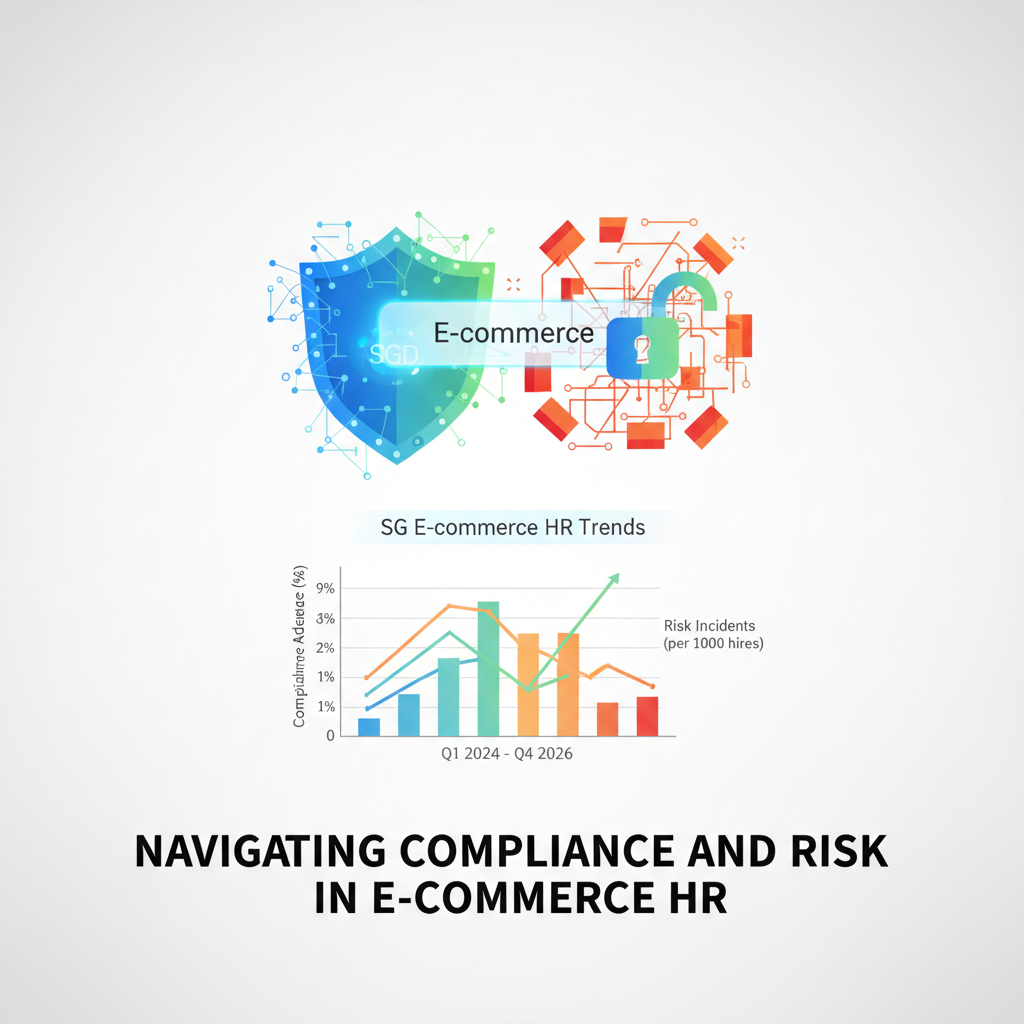
Generally, corporate HR structures boast dedicated legal teams, compliance specialists, and robust HRIS systems, allowing for proactive policy development and stringent adherence. SMEs often rely on generalist HR personnel, external consultants, or even owner-managers to handle HR functions. This disparity significantly impacts their ability to manage everything from employment law to data protection and workplace safety within the fast-paced, high-volume environment of e-commerce.
1. MOM Regulations & Fair Employment Practices
Singapore’s Ministry of Manpower (MOM) sets stringent guidelines for employment, covering aspects from contracts and working hours to foreign worker quotas and retrenchment benefits. For e-commerce, this means ensuring transparent hiring, adherence to the Employment Act, and compliance with the Tripartite Guidelines on Fair Employment Practices (TGFEP). Corporates typically have well-documented HR policies, regular audits, and dedicated resources to stay abreast of legislative changes, investing in training for managers on fair employment practices.
SMEs, however, may struggle with the intricate details of MOM regulations. Their HR personnel might wear multiple hats, leading to less specialized knowledge and potential non-compliance, such as incorrect overtime calculations or insufficient leave provisions. Resource constraints can lead to reactive rather than proactive compliance. Ensuring fair and equitable treatment across a diverse workforce, including full-time, part-time, and gig economy workers prevalent in e-commerce, requires continuous vigilance. For comprehensive information on employment laws, companies can refer to the official MOM website.
2. Personal Data Protection Act (PDPA) Compliance
The Personal Data Protection Act (PDPA) is paramount in e-commerce, where companies routinely collect, process, and store vast amounts of customer and employee data – from purchase histories and delivery addresses to payroll information. Compliance requires implementing robust data protection policies, securing data storage, obtaining explicit consent, and having clear procedures for data access and breach notification.
Large e-commerce corporations usually have dedicated Data Protection Officers (DPOs), sophisticated cybersecurity measures, and regular data privacy training. They are equipped to conduct Data Protection Impact Assessments (DPIAs) and manage complex data sharing agreements. For SMEs, fulfilling PDPA requirements can be a significant hurdle. Lacking dedicated DPOs or specialized IT security teams, they might rely on generic software or struggle to implement comprehensive data governance. This exposes them to higher risks of data breaches, reputational damage, and penalties, especially if customer data is compromised.
3. Workplace Safety & Health (especially for warehouses/logistics)
E-commerce operations heavily rely on warehouses, fulfillment centers, and last-mile delivery, which inherently come with specific Workplace Safety & Health (WSH) risks. These include risks associated with machinery operation (forklifts, conveyor belts), manual handling, slips, trips, falls, and road safety for delivery personnel. WSH regulations mandate employers to ensure a safe working environment, provide necessary training, conduct risk assessments, and establish emergency procedures.
Corporates typically have well-established WSH management systems, dedicated safety officers, regular audits, and comprehensive training for warehouse staff and delivery riders. They invest in ergonomic equipment and proactively implement preventive measures. In contrast, SMEs in e-commerce, particularly smaller logistics partners or lean warehouse operations, may have fewer resources for WSH. Their focus might be on operational efficiency, potentially overlooking critical safety protocols. This can lead to a higher incidence of workplace accidents, injuries, and associated liabilities. Ensuring compliance requires not just documentation but a culture of safety across all levels.
Navigating the complex landscape of HR compliance and risk in Singapore’s e-commerce sector demands continuous adaptation and investment. While large corporations benefit from structured HR departments, specialized legal and IT teams, and significant financial resources, SMEs often face an uphill battle. Their leaner structures necessitate creative solutions, potentially leveraging HR tech, outsourcing specific compliance tasks, or fostering a strong internal culture of responsibility. Regardless of size, a proactive and informed approach to MOM regulations, PDPA compliance, and WSH is not just a legal obligation but a strategic imperative for sustainable growth in the competitive e-commerce arena.
Partner with Shelby Global
You are looking for reliable HR Sevice Suppliers? Contact Shelby Global Now! To connect with verified talents and upgrade your orginization.
—————————————
References
– Ministry of Manpower Singapore Labour Market Statistics: https://www.mom.gov.sg/statistics-publications/labour-market-and-wages
– Deloitte Global Human Capital Trends: https://www2.deloitte.com/us/en/insights/topics/talent/human-capital-trends.html
– Why HR Needs to Be More Agile – and How To Do It – Harvard Business Review: https://hbr.org/2023/07/why-hr-needs-to-be-more-agile-and-how-to-do-it
– IMDA’s Digital Skills and Talent Development initiatives: https://www.imda.gov.sg/programme-listing/digital-skills-and-talent-development
– Ministry of Manpower – Employment Act: https://www.mom.gov.sg/employment-practices/employment-act