Fundamental Differences in HR Department Structure
Singapore’s beauty industry is a vibrant ecosystem, ranging from agile small-to-medium enterprises (SMEs) that offer bespoke services to sprawling large corporations with international footprints. Despite operating within the same dynamic market, the approaches to human resources are profoundly distinct. Understanding these Differences between the SMEs’ HR Structure and the Corporates’ HR Structure in beauty field in singapore is crucial for anyone navigating or aspiring to succeed in this competitive landscape. While SMEs often adopt lean, adaptive HR models, larger firms leverage extensive resources for specialized, strategic HR functions. This overview delves into how HR departments are typically organized and staffed within these contrasting organizational sizes, highlighting their unique strengths and challenges.

1. Team Size and Specialization Levels
In SMEs within Singapore’s beauty sector, the HR department is typically a lean operation. Often, HR functions are managed by a single individual, who might also wear multiple hats, or even by the business owner themselves. This results in highly integrated, albeit often informal, `HR resource allocation`. The focus is primarily on immediate operational needs such as payroll processing, basic compliance, and reactive employee issue resolution. Specialization is minimal, and the HR professional acts as an all-rounder. The emphasis is on efficiency and cost-effectiveness, with limited budgets restricting the ability to hire multiple, specialized roles. This structure demands versatility and a hands-on approach to every aspect of human capital management, from talent acquisition to administrative tasks. `Talent acquisition processes` in SMEs might rely heavily on personal networks or general job boards, lacking the sophisticated screening and branding strategies of larger entities.
Conversely, large corporations boast extensive HR teams, often structured into various specialized departments. These might include dedicated units for `talent acquisition processes`, `compensation and benefits administration`, `learning and development initiatives`, employee relations, and HR information systems (HRIS). The sheer scale of operations necessitates such specialization, allowing for deeper expertise in each area. For instance, a dedicated recruitment team can meticulously craft employer branding, utilize advanced applicant tracking systems, and implement robust interview processes. This division of labor ensures that each HR function is managed by experts, contributing to a more comprehensive and strategic approach to human capital. `Compensation and benefits administration` in a large corporate setting involves complex analyses and market benchmarking, requiring specialized knowledge to remain competitive and compliant.
2. Role of HR Generalists vs. Dedicated Specialists
The distinction between HR generalists and dedicated specialists is perhaps one of the most prominent Differences between the SMEs’ HR Structure and the Corporates’ HR Structure in beauty field in singapore. In an SME, the HR professional is almost exclusively an `HR generalist`. They are responsible for the entire employee lifecycle, from recruitment and onboarding to performance management, `employee relations management`, and offboarding. This broad scope requires a comprehensive understanding of HR principles and practices across all domains. While this offers flexibility and a holistic view of the workforce, it can sometimes limit the depth of expertise in highly complex or specialized areas. An HR generalist in an SME often becomes the single point of contact for all employee-related queries, fostering a close-knit but demanding role. They are often instrumental in `organizational culture development` simply by being the main point of contact for employees.
Large corporations, on the other hand, thrive on the expertise of `HR specialists`. These professionals delve deep into specific HR domains, such as a compensation specialist designing intricate pay structures, a learning and development specialist crafting bespoke training programs, or an HR business partner aligning HR initiatives with specific departmental goals. This specialization allows for advanced methodologies and a more strategic impact on specific business outcomes. For example, a dedicated team for `learning and development initiatives` can implement sophisticated programs tailored to employee growth and skill enhancement, directly contributing to competitive advantage. The Society for Human Resource Management (SHRM) provides further insights into these distinct roles, highlighting how specialization allows for greater strategic depth and operational efficiency in larger organizations. For more on the roles of generalists versus specialists, refer to What Are the Differences Between HR Generalists and HR Specialists?
3. Integration of HR with Overall Business Strategy
For many SMEs in the beauty industry, HR functions tend to be more reactive and operationally focused. HR is often seen as a support function, primarily responsible for compliance, administrative tasks, and addressing immediate staffing needs. While `operational HR focus` is crucial for day-to-day smooth running, `strategic workforce planning` or proactive talent development might take a backseat due to limited resources and immediate business pressures. Integration with overall business strategy typically happens informally, through direct communication with the owner, rather than through structured strategic planning sessions. `HR technology adoption` in SMEs might be limited to basic payroll software, lacking comprehensive HRIS platforms that enable data-driven strategic decisions.
In contrast, HR in large corporations is increasingly positioned as a `strategic business partner`. HR leaders are integral members of the executive team, contributing to long-term business planning, `organizational culture development`, and decision-making. Their role extends beyond administration to include proactive `strategic workforce planning`, talent analytics, and designing HR policies that directly support corporate objectives and drive organizational change. They leverage advanced `HR technology adoption`, including sophisticated HRIS and analytics tools, to inform strategic decisions, predict talent needs, and measure the impact of HR initiatives. This deeper integration ensures that human capital strategies are aligned with the broader business goals, enhancing competitive advantage and fostering sustainable growth in Singapore’s dynamic beauty sector.
Recruitment and Talent Acquisition Strategies
Singapore’s vibrant beauty sector, encompassing everything from luxury spas to innovative cosmetic brands, is a dynamic and highly competitive landscape. For businesses operating within this sphere, attracting, hiring, and onboarding the right talent is paramount to success. However, the strategies employed often diverge significantly when comparing Small and Medium-sized Enterprises (SMEs) with their larger corporate counterparts. These Differences between the SMEs’ HR Structure and the Corporates’ HR Structure in beauty field in singapore are largely dictated by budget constraints, brand reach, and the inherent operational scales, shaping their entire talent acquisition lifecycle.
1. Budget Constraints and Sourcing Channels for Talent
For SMEs in the beauty field in Singapore, budget limitations are often the primary driver behind their talent acquisition strategies. Lacking the financial muscle of corporates, SMEs typically rely on more cost-effective sourcing channels. This often includes leveraging free or low-cost job portals, social media platforms (e.g., Facebook groups, Instagram for beauty professionals), and tapping into personal networks and employee referrals. Agility is key; they might quickly adapt to emerging platforms and focus on direct, personalized outreach. The challenge here is reaching a wide enough pool of qualified candidates without extensive advertising spend. They might also engage with local beauty schools or vocational training centers for fresh talent, nurturing them from an early stage.
Corporates, conversely, command significantly larger recruitment budgets. This allows them to utilize premium job boards, engage specialized recruitment agencies, invest in advanced LinkedIn Recruiter subscriptions, and even conduct global talent mapping exercises. Their brand recognition often means a larger influx of direct applications, reducing some sourcing costs. Corporates also frequently participate in career fairs and university recruitment drives, especially for roles requiring specific skills or management potential. Their approach to talent sourcing is typically more structured and broad-reaching, aiming for both volume and specialized skill sets in the beauty sector Singapore.
2. Employer Branding and Candidate Experience Management
Employer branding for SMEs often revolves around their unique company culture, a close-knit team environment, and direct mentorship opportunities. Lacking a globally recognized name, they build their brand through authentic employee testimonials, transparent communication about growth opportunities, and fostering a strong sense of belonging. The candidate experience, while less formalized, tends to be highly personal. Candidates might interact directly with owners or senior managers, fostering a deeper connection. This personalized touch can be a significant draw for individuals seeking a more intimate work environment and immediate impact, which is a key part of their HR structure in the beauty field. According to the Hays Salary Guide FY 23/24 Report, Singapore’s evolving workforce highly values company culture and work-life balance, aspects where SMEs can uniquely shine.
Corporates, on the other hand, leverage their established brand reputation, often backed by professional marketing teams dedicated to employer branding. Their career pages are polished, their recruitment campaigns sophisticated, and they can offer attractive benefits packages, structured career progression paths, and opportunities for international exposure. The candidate experience is typically more standardized and professional, involving multi-stage interview processes, comprehensive assessments, and formal feedback loops. While this might lack the personal touch of an SME, it offers clarity, professionalism, and the promise of a well-defined career trajectory, crucial elements of corporate HR strategies in managing candidate experience.
3. Onboarding Processes and Early Retention Efforts
Onboarding in SMEs within Singapore’s beauty sector is frequently more hands-on and less formalized. New hires might be quickly integrated into their teams, often receiving direct guidance and training from their immediate supervisors or even the business owner. The emphasis is on swift immersion into daily operations and fostering strong interpersonal relationships from day one. Early retention efforts largely depend on creating a supportive team environment, providing immediate opportunities for contribution, and ensuring consistent communication. The smaller size often allows for quicker feedback loops and adaptation to individual needs, which is vital for new employees.
Corporates typically have highly structured, multi-stage onboarding programs. These often include formal orientation sessions, comprehensive training modules, buddy systems, and scheduled check-ins with HR and management over several weeks or even months. The aim is to ensure cultural immersion, compliance with company policies, and a thorough understanding of the corporate structure and values. For early retention, corporates rely on clear performance metrics, regular reviews, structured professional development programs, and access to a wider range of benefits (e.g., health insurance, employee wellness programs, professional certifications). These comprehensive programs are designed to support long-term career growth and integrate talent seamlessly into the larger organizational framework, reflecting profound differences in their HR structure and approach to talent retention strategies. Both approaches, while distinct, aim to secure valuable talent in Singapore’s competitive beauty market, but through vastly different operational paradigms.
Compensation, Benefits, and Performance Management
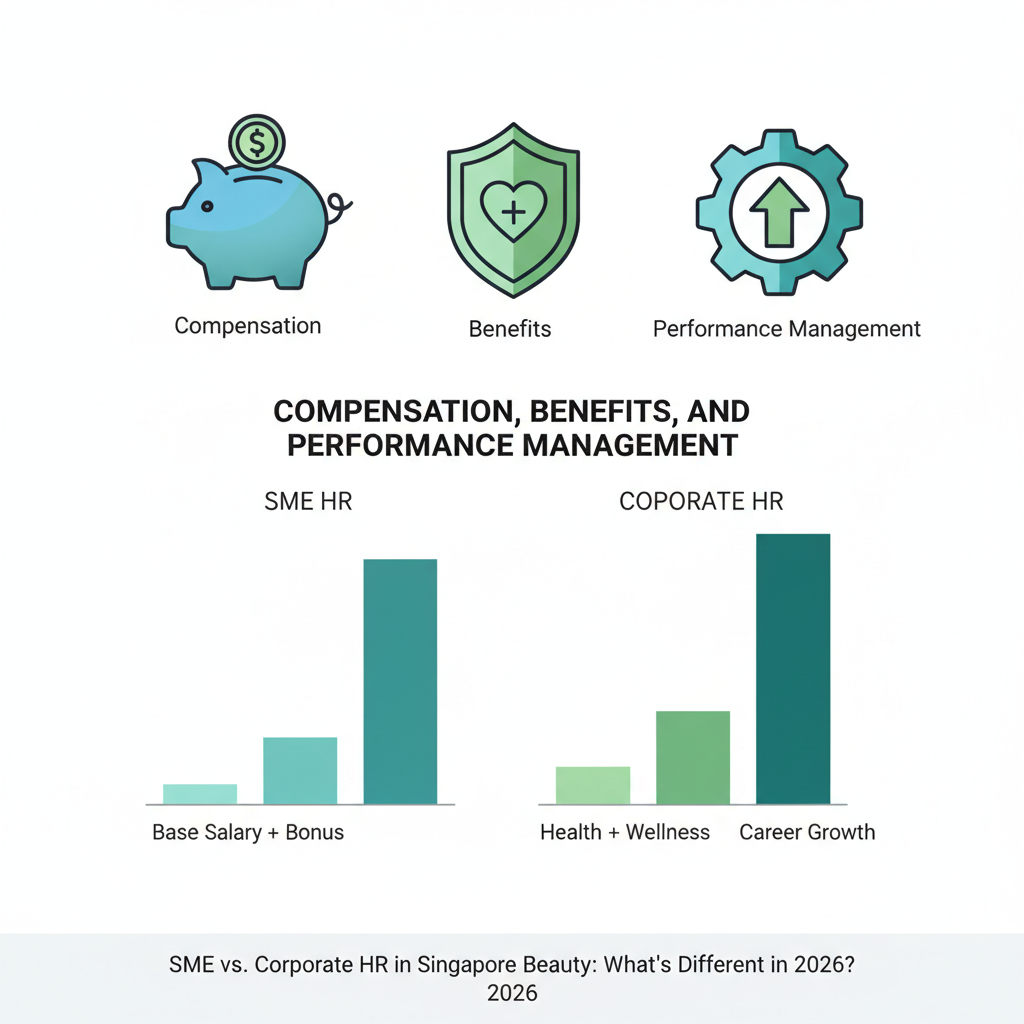
The strategic design and implementation of compensation, benefits, and performance management systems are critical for attracting, retaining, and motivating talent in any industry. In Singapore’s vibrant beauty sector, the approach to these HR pillars varies significantly depending on an organization’s size. Examining the Differences between the SMEs’ HR Structure and the Corporates’ HR Structure in beauty field in singapore reveals distinct methodologies driven by resource availability, scale of operations, and strategic objectives. For small and medium-sized enterprises (SMEs) in beauty, HR often adopts a more agile, personalized approach, while larger corporates typically deploy standardized, robust, and often more complex systems designed for scalability and compliance. Understanding these nuances is crucial for both employees navigating their career paths and businesses aiming to optimize their HR strategies in this dynamic market.
1. Salary Structures, Incentives, and Equity Offerings
The foundation of any compensation strategy lies in its salary structures, incentives, and potential equity offerings. For SME beauty HR Singapore, salary structures are often less formalized and more fluid. Base salaries might be determined through direct negotiation, with less reliance on rigid pay bands. Performance incentives, if offered, tend to be discretionary bonuses tied directly to individual or team sales targets, reflecting the immediate impact employees have on the business’s bottom line. Equity offerings are rare in SMEs, though some may explore profit-sharing models or phantom stock options for key managerial roles to foster greater commitment and ownership. The focus for SMEs is often on competitive base salary to attract initial talent, coupled with a strong emphasis on team culture and growth potential.
Conversely, Corporate beauty HR Singapore operates with highly structured and multi-tiered salary grades. These are typically benchmarked against industry standards and regional markets to ensure external competitiveness and internal equity. Incentive programs are formalized, often comprising annual bonuses linked to meticulously defined Key Performance Indicators (KPIs), sales commissions, and long-term incentives such as stock options or restricted stock units, especially for senior management. These compensation strategies beauty market focus on attracting top-tier talent, rewarding sustained performance, and aligning employee interests with shareholder value over the long term. Regular salary reviews and structured progression paths are standard, reflecting a more mature and scalable approach to salary structures beauty industry.
2. Non-Monetary Benefits and Employee Perks
Beyond direct financial compensation, non-monetary benefits and employee perks play a significant role in overall employee value proposition. In HR policies beauty SMEs, these benefits are frequently more personalized and less formalized. Perks might include product discounts, flexible working arrangements (where operational feasible), informal team outings, and direct access to senior leadership, fostering a strong sense of community and belonging. Health insurance might be basic, if offered, often relying on government schemes or minimal group coverage. Training and development typically occur on-the-job, with mentorship from experienced colleagues. The charm of SME benefits lies in their flexibility and the tangible impact employees feel they have within a close-knit environment.
In contrast, larger corporates boast comprehensive employee benefits beauty sector packages designed to cater to a diverse workforce and ensure compliance. These typically include extensive medical, dental, and life insurance, robust retirement plans (e.g., CPF contributions beyond statutory minimums), and formal wellness programs. Structured training and development budgets are allocated for continuous learning, professional certifications, and leadership development, crucial for talent retention beauty corporates. Many also offer additional perks like transport allowances, gym memberships, and elaborate employee recognition programs. According to a report by the Ministry of Manpower (MOM) Singapore, comprehensive benefits packages are key in supporting employee well-being and productivity across industries, highlighting the strategic importance of such offerings in larger organizations. MOM’s guidelines on compensation and benefits provide a useful benchmark for employers in Singapore. These structured offerings are often preferred by employees seeking stability, comprehensive support, and clear career progression.
3. Performance Review Systems and Feedback Mechanisms
Effective performance management systems are vital for employee growth and organizational success. For SMEs in the beauty field, performance review systems are often more informal and conversational. Feedback is frequent, spontaneous, and typically delivered directly by managers or even business owners. Annual reviews, if formalized, might be simple check-ins focused on personal development and immediate contributions. The advantage here is agility and direct communication, allowing for quick adjustments. However, challenges include potential inconsistency, subjectivity, and less robust documentation of performance, which can impact structured career progression in the long run. These performance management beauty Singapore approaches often emphasize individual responsibility and direct accountability within a smaller team.
Corporates, on the other hand, implement highly formalized and structured performance review systems. These usually involve annual or bi-annual cycles with clearly defined KPIs, goal-setting processes, and multi-rater (e.g., 360-degree) feedback mechanisms. Performance management software is often utilized to streamline the process, track progress, and ensure consistency. Calibration sessions among managers are common to ensure fairness and objectivity in evaluations. Clear promotion criteria, performance improvement plans (PIPs), and a strong link between performance ratings and compensation adjustments are hallmarks of corporate systems. While sometimes perceived as bureaucratic, these systems aim for transparency, objectivity, and scalability, providing a clear framework for career advancement and talent development within large organizations. The robust nature of these systems helps manage a larger workforce effectively and ensures alignment with broader strategic goals.
Employee Development, Training, and Career Growth
The vibrant beauty industry in Singapore presents diverse pathways for professional development, training, and career progression, largely influenced by the type of employer: Small and Medium-sized Enterprises (SMEs) versus large corporations. Understanding the differences between the SMEs’ HR structure and the corporates’ HR structure in beauty field in Singapore is crucial for beauty professionals mapping their career trajectory. While both aim to foster talent, their approaches to nurturing beauty professional development Singapore diverge significantly, shaped by resources, scale, and strategic objectives. From hands-on experience to structured leadership programs, the landscape offers varied opportunities for beauty industry career progression.
-
Training Budgets and Accessibility of Programs
One of the most striking contrasts lies in training budgets and program accessibility. Large corporations in the beauty sector typically boast substantial budgets, enabling them to invest in comprehensive, often international, training programs. These can include advanced certifications, workshops led by renowned global experts, and partnerships with established beauty academies. For a beauty professional, this means access to cutting-edge techniques, product knowledge from leading brands, and globally recognized qualifications that enhance their skill set and marketability. Furthermore, corporate structures often have dedicated HR departments that streamline the application and participation process for these programs, making accessibility straightforward. They might also leverage digital learning platforms for continuous upskilling.
Conversely, SMEs, such as independent salons or boutique spas, often operate with tighter financial constraints. This doesn’t mean a lack of training, but rather a different approach. Training might be more focused on immediate, practical needs, such as mastering a new signature treatment, enhancing customer service skills, or product knowledge specific to the brands they carry. These programs are often less formal, involving on-the-job training, peer-to-peer learning, or workshops conducted by product suppliers. While the scale and scope may be smaller, the intimacy of an SME environment can offer more personalized instruction and direct application of learned skills. Government initiatives in Singapore, such as those from Workforce Singapore (WSG), often provide grants and subsidies to support SME beauty salon training, helping bridge this budgetary gap and ensuring that even smaller establishments can invest in upskilling beauty therapists.
-
Career Pathing, Mentorship, and Succession Planning
The framework for corporate beauty industry career growth is often highly structured and transparent. Large organizations usually have clearly defined career paths, outlining specific roles, required competencies, and progression milestones from junior therapist to senior roles, and even into management or specialist positions (e.g., aesthetician, salon manager, trainer). Employees can often see a clear ladder to climb, with performance reviews and development plans tied to these pathways. Mentorship in corporations might be more formal, with assigned mentors and structured programs designed to guide rising talent. For talent management beauty sector, succession planning is also a key corporate strategy, identifying and preparing internal candidates for future leadership roles, ensuring continuity and fostering employee retention beauty industry. This structured environment can provide a sense of security and a clear roadmap for ambitious professionals.
In SMEs, career pathing tends to be more fluid and less formal. Progression might depend more on an individual’s initiative, demonstrated capability, and the business’s specific needs and growth. A beauty professional might find themselves taking on varied responsibilities, from hands-on treatments to assisting with inventory or social media, offering a broader, albeit less structured, learning experience. Mentorship in an SME is often more organic, with direct guidance from the salon owner or senior staff. This close-knit environment can foster deep, personal connections and provide invaluable insights directly from experienced practitioners. While formal succession planning might be less prevalent due to the smaller scale, opportunities for advancement can arise as the business grows, often leading to a more hands-on, entrepreneurial learning curve. The informal nature of HR practices beauty Singapore in SMEs offers unique flexibility.
-
Focus on Skill Enhancement vs. Leadership Development
Corporations often allocate significant resources not only to technical skill enhancement but also to comprehensive leadership development programs. Beyond mastering new treatment techniques, professionals might be trained in team management, strategic planning, financial literacy, communication, and client relationship management, preparing them for roles as salon managers, regional directors, or even corporate trainers. This holistic approach aims to build well-rounded leaders capable of managing teams, driving business growth, and upholding brand standards across multiple outlets. The emphasis is on cultivating a talent pipeline that can sustain and expand the organization’s footprint. Many corporate programs also delve into advanced soft skills essential for client engagement and building lasting relationships.
SMEs, while certainly valuing leadership, tend to prioritize immediate skill enhancement beauty professionals directly related to service delivery and client satisfaction. The focus is often on perfecting specific beauty techniques, learning new product applications, and refining customer service to build a loyal client base. While leadership skills are naturally developed through increased responsibility, formal leadership training programs might be less common. However, the direct interaction with the business owner often provides a real-world perspective on managing a beauty business, including financial aspects and operational challenges. This environment encourages practical problem-solving and a direct impact on the business’s success, which can be immensely rewarding. Exploring the Differences between the SMEs’ HR Structure and the Corporates’ HR Structure in beauty field in Singapore further illuminates these distinct development philosophies.
Both SMEs and corporations offer unique benefits for professional upskilling beauty and career growth in Singapore’s beauty sector. The choice depends on an individual’s preferred learning style, career aspirations, and desired balance between structured progression and entrepreneurial flexibility.
HR Technology, Compliance, and Strategic Impact
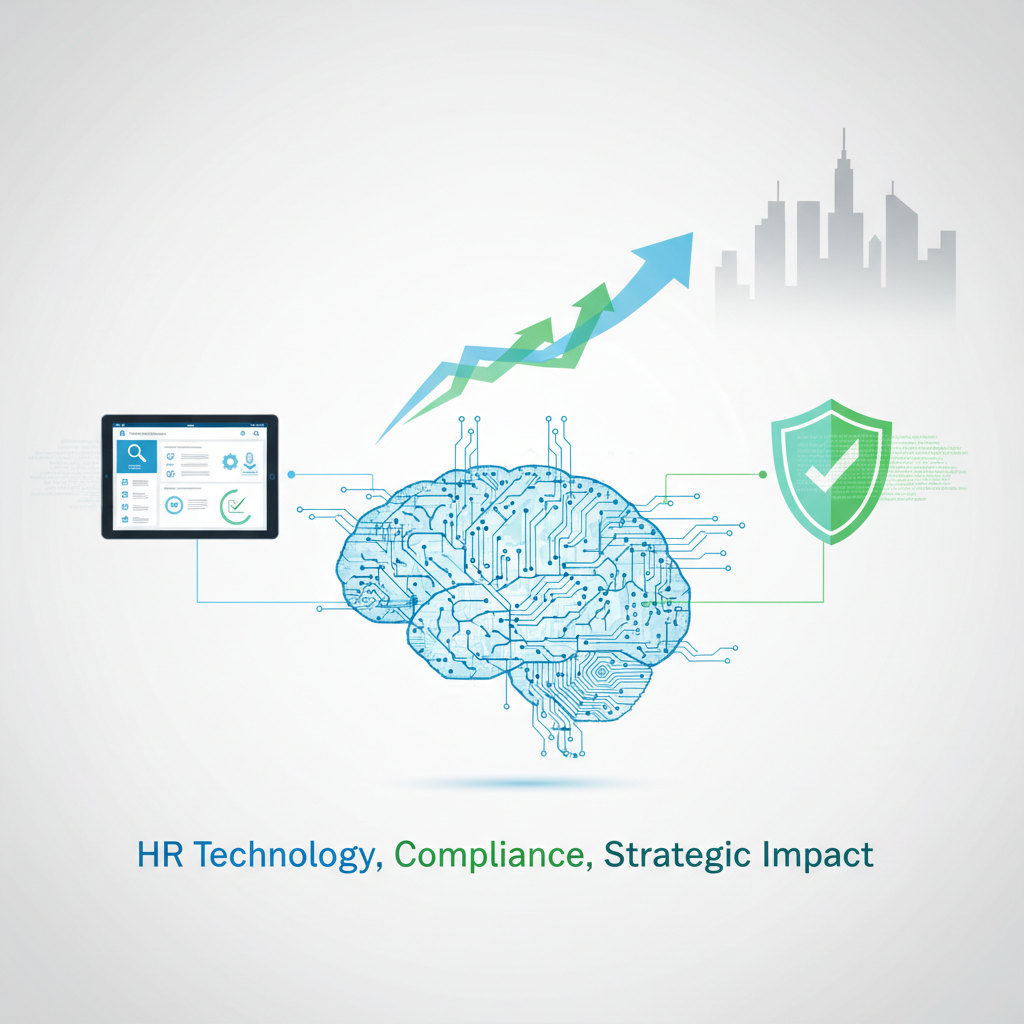
The burgeoning beauty sector in Singapore, encompassing everything from bespoke aesthetic clinics to large-scale cosmetic retailers, presents a unique and evolving landscape for human resources. HR’s role has transcended traditional administrative functions to become a critical driver of success, yet its manifestation varies significantly across the organizational spectrum. Understanding the distinct differences between the SMEs’ HR Structure and the Corporates’ HR Structure in beauty field in singapore is crucial for appreciating the challenges and strategic advantages each faces. While SMEs often grapple with resource constraints and multi-hat wearing, corporate giants leverage sophisticated systems and specialized teams. This section delves into how HR technology adoption, adherence to regulatory compliance, and the overall strategic influence of HR shape the operational efficacy and growth potential for both small and large beauty enterprises in the Lion City.
1. Adoption of HRIS and Automation Tools
The degree of HR technology adoption significantly bifurcates the operational efficiency of beauty SMEs and large corporations in Singapore. For many small and medium-sized beauty businesses, HR functions, including payroll, leave management, and recruitment, are often handled manually or through basic spreadsheets. This approach, while cost-effective in the short term, can lead to inefficiencies, data inaccuracies, and a lack of scalable processes, creating significant SME HR challenges Singapore. The focus tends to be on immediate operational needs rather than long-term strategic HR planning. Conversely, corporate beauty entities typically invest heavily in advanced Human Resources Information Systems (HRIS) and sophisticated automation tools. These systems integrate various HR functions, from applicant tracking and onboarding to performance management and learning & development. The seamless flow of data allows for robust analytics, enabling strategic decision-making and a more personalized employee experience. This HR tech adoption beauty sector strategy not only streamlines operations but also frees up HR personnel to engage in higher-value strategic initiatives, making HR automation for beauty businesses a competitive differentiator.
2. Navigating Singapore Labor Laws and Regulations
Regulatory compliance is a non-negotiable aspect of HR in Singapore, yet the approach to navigating its complexities differs markedly between SMEs and corporations. Singapore beauty industry HR professionals, regardless of company size, must adhere to strict guidelines set by the Ministry of Manpower. For SMEs, staying abreast of the latest amendments to the Employment Act, Central Provident Fund (CPF) contributions, and foreign worker regulations can be a daunting task without dedicated legal or HR expertise. Mistakes can lead to hefty fines and reputational damage. Many SMEs rely on external consultants or generalist managers, who might lack specialized knowledge in intricate areas such as progressive wage models for specific sectors or evolving fair consideration frameworks. Large corporations, on the other hand, benefit from dedicated in-house legal counsel and specialist HR teams that possess deep expertise in Singapore employment law beauty. They often have robust internal audit processes to ensure compliance, mitigate risks, and proactively adapt to legislative changes, forming part of their comprehensive Corporate HR strategies Singapore. This proactive stance ensures not only compliance but also builds a strong employer brand, vital for talent attraction and retention.
3. HR’s Role in Business Growth and Innovation
The strategic influence of HR in driving business growth and innovation is perhaps where the most profound differences between the SMEs’ HR Structure and the Corporates’ HR Structure in beauty field in singapore become apparent. In SMEs, HR often remains largely administrative, focused on reactive tasks like hiring replacements and managing basic employee relations. While essential, this transactional approach limits HR’s ability to contribute to long-term business objectives. Their strategic input might be informal, often coming directly from the business owner or a general manager. This contrasts sharply with corporate beauty enterprises where HR is increasingly viewed as a vital strategic partner. These larger organizations embed HR professionals in leadership teams, tasking them with developing comprehensive Strategic HR in beauty initiatives that align with market expansion, product innovation, and digital transformation goals. This includes sophisticated talent management strategies, robust succession planning, leadership development programs, and fostering a culture of innovation. Talent management beauty Singapore in corporates extends to creating career pathways for therapists, aestheticians, and sales professionals, ensuring a pipeline of skilled individuals ready to adapt to industry trends. By strategically shaping the workforce and organizational culture, HR becomes an enabler of competitive advantage and sustainable growth, moving beyond mere compliance to genuine business partnership.
Partner with Shelby Global
You are looking for reliable HR Sevice Suppliers? Contact Shelby Global Now! To connect with verified talents and upgrade your orginization.
—————————————
References
– What Are the Differences Between HR Generalists and HR Specialists?: https://www.shrm.org/resourcesandtools/tools-and-samples/hr-qa/pages/what-are-the-differences-between-hr-generalists-and-hr-specialists.aspx
– Hays Salary Guide FY 23/24 Report: Navigating Singapore’s Evolving Workforce: https://www.hays.com.sg/salary-guide
– Ministry of Manpower Singapore: Compensation and Benefits Guidelines: https://www.mom.gov.sg/employment-practices/compensation
– Workforce Singapore (WSG) – SkillsFuture Enterprise Credit: https://www.wsg.gov.sg/employers/grants-support/skillsfuture-enterprise-credit.html
– :