
Organizational & Hierarchical Differences
In Vietnam’s dynamic production landscape, the inherent size and nature of Small and Medium-sized Enterprises (SMEs) versus large corporates profoundly sculpt the architecture, reporting mechanisms, and strategic integration of their Human Resources (HR) departments. Understanding these Differences between the SMEs’ HR Structure and the Corporates’ HR Structure in production field in Vietnam is crucial for optimizing workforce management, talent retention, and operational efficiency across the sector. These organizational divergences are not merely cosmetic; they dictate how HR functions, its capacity to adapt, and its overall contribution to business success.
While both organizational types aim for productivity and growth, the scale of operations, resource availability, and strategic complexities lead to distinct HR paradigms. For SMEs, HR often embodies a generalist, hands-on approach, whereas large corporates necessitate specialized, multi-tiered systems to manage their vast and diverse workforces. Key areas of divergence include structural layering, operational models, and strategic influence.
1. Flat vs. Multi-layered HR Structures
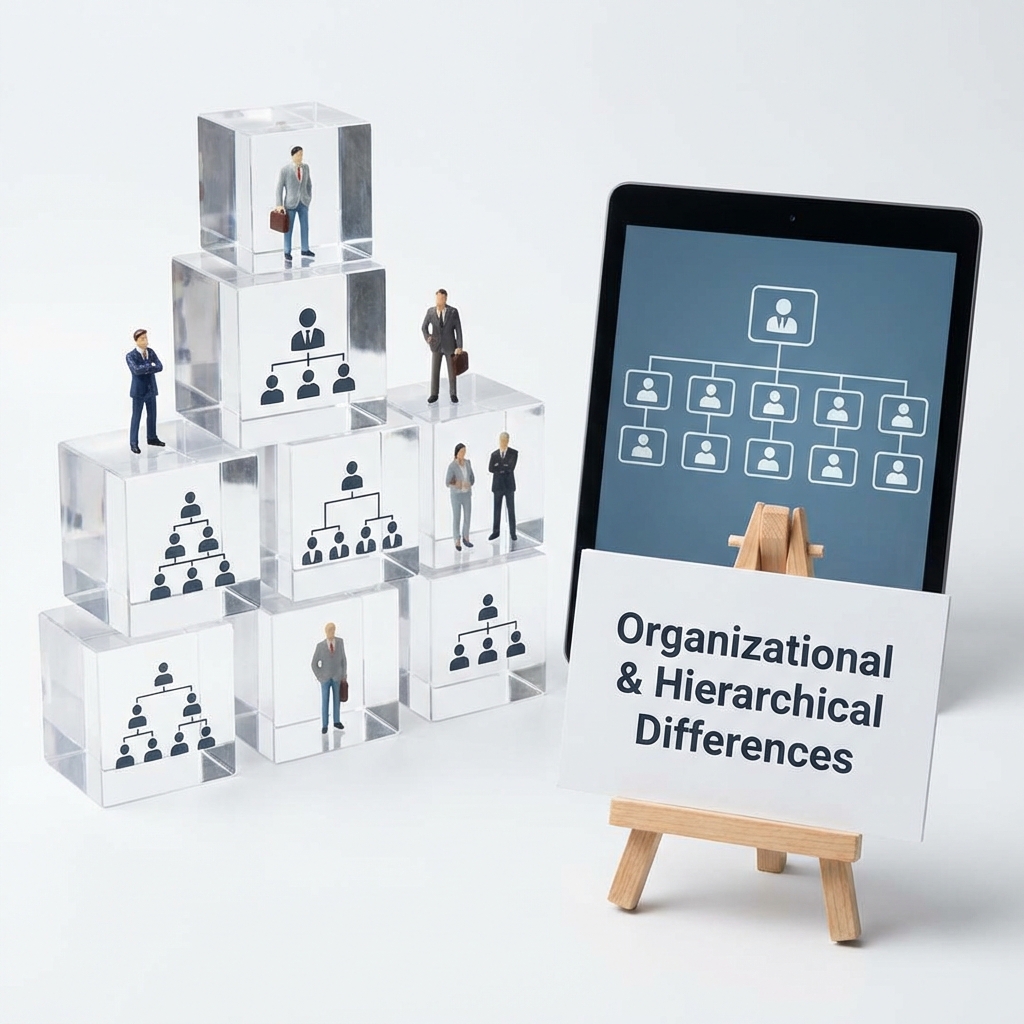
The fundamental structural disparity lies in the departmental hierarchy. In the production field, Vietnamese SMEs typically operate with a lean, flat HR structure. This often means a small team, perhaps just one or two HR generalists, or even the business owner themselves, handling all HR functions from recruitment and payroll to employee relations and basic compliance. Reporting lines are usually direct, often to the General Director or company owner. This flatness fosters agility and direct communication, allowing for quick decision-making and a more personal touch in employee interactions. However, it can also lead to limited specialization, potential overload for HR personnel, and a reactive rather than proactive approach to HR strategy, especially in complex areas like talent development or legal compliance updates.
Conversely, large corporates in Vietnam’s production sector exhibit a multi-layered HR structure. Their scale demands specialization. An HR department in a large factory might include dedicated teams for recruitment, compensation and benefits (C&B), learning and development (L&D), employee relations, and health & safety. Each team may have its own manager, reporting up through several levels to an HR Director. This specialization allows for deep expertise in specific HR domains, enabling robust policy development, strategic talent management, and comprehensive compliance. While this structure offers thoroughness and scalability, it can sometimes introduce bureaucratic processes and slower decision-making, requiring strong communication channels across different HR sub-departments and business units.
2. Centralized vs. Decentralized HR Models
Another significant divergence is the operational model adopted. SMEs predominantly employ a centralized HR model. All HR activities are typically managed from a single HR office or department at the company’s head office, even if the production facilities are located elsewhere. This centralization simplifies communication and ensures consistent application of policies across the smaller workforce. It’s resource-efficient for smaller organizations, avoiding duplication of efforts and overheads.
Large corporates, especially those with multiple production sites or extensive workforces across different provinces in Vietnam, often lean towards a decentralized HR model. This model incorporates HR Business Partners (HRBPs) embedded within specific production units or factories. These HRBPs act as strategic advisors to local management, understanding specific operational needs and aligning HR initiatives with local business goals. While core functions like C&B or L&D might remain centralized as “Centers of Excellence” (CoEs) for consistent policy and economies of scale, much of the day-to-day employee support, talent acquisition, and performance management is handled locally. This decentralization allows for greater responsiveness to local challenges and a deeper understanding of specific production unit requirements, though it demands strong coordination and clear communication between centralized HR functions and local HRBPs. According to a report by the International Labour Organization (ILO), effective HR decentralization in rapidly developing economies can significantly enhance labor market responsiveness and productivity in large industrial settings, a trend particularly relevant in Vietnam’s growing manufacturing sector.
3. HR Reporting Lines and Influence on Business Strategy
The reporting structure of HR and its subsequent influence on broader business strategy also varies considerably. In Vietnamese SMEs within the production sector, HR often reports directly to the owner or General Director. While this direct line offers proximity to top leadership, HR’s influence is frequently tactical rather than strategic. The focus tends to be on operational necessities: ensuring enough hands on the production line, managing basic compliance, and handling immediate employee issues. Strategic HR initiatives, such as long-term workforce planning, succession management, or complex organizational development, might be deprioritized due to limited resources, expertise, or the owner’s immediate operational focus.
Conversely, in large corporates, the HR Director or Chief Human Resources Officer (CHRO) typically sits on the executive leadership team, reporting directly to the CEO or COO. This elevated position grants HR a significant voice in shaping overall business strategy. Here, HR is seen as a strategic partner, contributing to discussions on market expansion, technological adoption, risk management, and organizational transformation, especially as Vietnam’s production sector increasingly integrates into global supply chains. HR’s role extends beyond mere administration to include critical areas like talent pipeline development, fostering a high-performance culture, and driving initiatives that directly impact competitive advantage. The ability of HR to influence strategic direction is a key difference between the SMEs’ HR Structure and the Corporates’ HR Structure in production field in Vietnam, often reflecting the greater complexity and long-term planning required by larger organizations. For more insights into how these structures impact overall organizational effectiveness, you can explore detailed analyses of HR’s strategic role.
In summary, the organizational and hierarchical differences between SMEs and large corporates in Vietnam’s production field fundamentally dictate their HR structures. From flat, centralized models with tactical influence to multi-layered, often decentralized systems with strategic executive representation, these distinctions underscore the varied approaches to managing human capital. Recognizing these structural nuances is paramount for stakeholders aiming to navigate, support, or engage with the diverse HR landscapes across Vietnam’s industrial base.
Key HR Functions and Scope
Details the core HR responsibilities in each entity, highlighting variations in resource allocation, specialization, and the breadth of services offered within the Vietnamese production sector.
The dynamic landscape of Vietnam’s production sector presents a dichotomy in human resources management, particularly between Small and Medium-sized Enterprises (SMEs) and larger corporate entities. The differences between the SMEs’ HR structure and the Corporates’ HR structure in the production field in Vietnam are profound, influencing operations and strategic growth. These disparities, driven by scale and resources, lead to significant variations in HR resource allocation, specialization, and the overall breadth of HR services offered within the Vietnamese production sector. Understanding these distinctions is crucial.
-
Generalist vs. Specialist HR Roles
In the Vietnamese production sector, HR roles diverge significantly. SMEs, constrained by budgets, typically rely on a generalist HR model. A single professional often handles the entire spectrum: recruitment, payroll, employee relations, and basic compliance. This limits depth of expertise. Focus is on immediate operational needs, with little scope for specialized functions. HR resource allocation in SMEs is often reactive, prioritizing urgent needs over proactive strategic planning.
Conversely, large corporate entities boast highly specialized HR structures. Their scale allows dedicated departments for specific domains. A corporate HR department might include specialists in talent acquisition, compensation and benefits, HR business partners, and teams for learning and development or HRIS. This high degree of HR specialization in Vietnam’s corporate landscape enables a sophisticated approach to human capital management, ensuring deep expertise across all functional areas and supporting complex workforce needs.
-
Administrative vs. Strategic HR Focus
The operational focus of HR also varies significantly. For Vietnamese SMEs in production, HR is predominantly administrative. Day-to-day activities revolve around transactional tasks: managing records, payroll, attendance, basic labor law adherence, and routine queries. Immediate concern is often operational efficiency, leaving little room for strategic HR initiatives. The breadth of HR services in SMEs is generally confined to essential functions, keeping the workforce compliant. HR’s role rarely extends to being a strategic business partner.
In contrast, corporate HR structures embrace a more strategic orientation. Administrative tasks are streamlined through technology or outsourced, allowing core HR to focus on higher-value activities. Corporate HR acts as a strategic business partner, influencing organizational development, talent management, and cultural transformation. They proactively develop policies aligned with global best practices and local market conditions, aiming to enhance organizational performance. This strategic HR focus emphasizes long-term planning, fostering a high-performance culture, and leveraging human capital for business success.
-
Compliance and Policy Development Priorities
Compliance with Vietnamese labor laws and internal policy development represents another critical differentiation. For SMEs, compliance efforts are typically reactive and pragmatic. The priority is to meet minimum legal requirements, often with limited resources for in-depth legal interpretation or proactive policy development. Policies, if formal, might be rudimentary or loosely enforced, relying more on informal communication. The informal nature of many SMEs means complex policy frameworks are often seen as a burden rather than a strategic asset, influencing overall HR services breadth.
Corporations, conversely, approach compliance and policy development with greater rigor and foresight. Given their larger scale and potential for public scrutiny, they invest heavily in comprehensive adherence to local labor laws, international labor standards, ethical guidelines, and internal corporate governance. This involves dedicated legal teams, comprehensive policy manuals, and robust internal audit mechanisms. Policy development is proactive, encompassing areas like anti-harassment, data privacy, and workplace safety, often exceeding minimum legal requirements. This meticulous approach mitigates legal and reputational risks, supports a structured environment, and upholds the company’s brand image, particularly for organizations engaged in global supply chains, as highlighted by reports on labor standards and practices in developing economies.
Ultimately, the differences between the SMEs’ HR structure and the Corporates’ HR structure in the production field in Vietnam reflect their divergent maturity, resource availability, and strategic imperatives. While SMEs prioritize operational efficiency with a generalist approach, larger corporations leverage specialized expertise and comprehensive policy frameworks to drive performance and mitigate risks. Both models are vital to Vietnam’s economic fabric, but their HR methodologies underscore the critical impact of scale on human resources management.
Recruitment & Talent Management Strategies
Vietnam’s production sector, characterized by rapid growth and increasing sophistication, presents a dynamic yet competitive landscape for attracting, hiring, developing, and retaining talent. Both Small and Medium-sized Enterprises (SMEs) and large corporates operating within this environment navigate unique challenges and opportunities in their human resources approaches. Understanding the Differences between the SMEs’ HR Structure and the Corporates’ HR Structure in production field in Vietnam is crucial for effective talent management, ensuring sustainable growth and operational excellence.
While corporates often leverage substantial resources and established brand recognition, SMEs rely on agility, close-knit cultures, and direct impact. This section delves into how these two distinct organizational structures approach critical HR functions, highlighting their respective strengths and inherent hurdles in securing and nurturing the workforce vital for Vietnam’s industrial future.
1. Sourcing Channels and Employer Branding
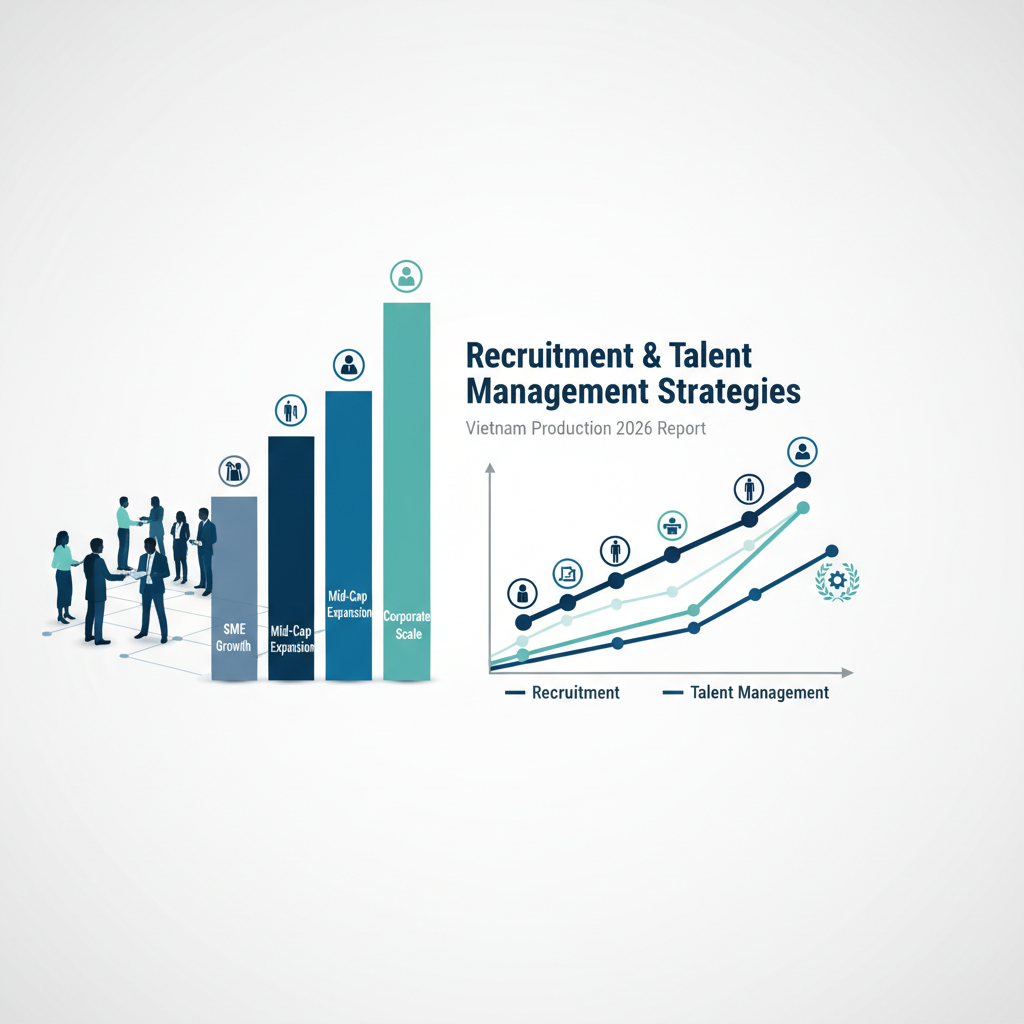
The initial phase of talent acquisition—sourcing and branding—reveals stark contrasts. Large corporates in Vietnam’s production sector typically possess well-funded HR departments that employ multi-channel sourcing strategies. They engage with professional recruitment agencies, leverage global platforms like LinkedIn, actively participate in university career fairs, and run sophisticated employer branding campaigns. Their strong corporate reputation, often backed by international recognition and comprehensive benefits packages, acts as a powerful magnet for top-tier talent. They can project a long-term career path and professional development opportunities, making them highly attractive to ambitious candidates.
Conversely, SMEs often operate with more constrained budgets and less brand recognition. Their sourcing efforts frequently rely on local job boards, word-of-mouth referrals, and community networks. While these methods can yield dedicated local talent, they often struggle to compete for specialized skills against the allure of larger companies. Building an employer brand for an SME often means emphasizing a unique company culture, direct impact, and a familial work environment, rather than extensive marketing campaigns. Despite these challenges, many SMEs successfully attract talent by offering more autonomy, faster career progression for specific roles, and a sense of belonging that larger, more bureaucratic organizations might not provide. This dynamic is particularly evident as Vietnam’s manufacturing sector faces ongoing human capital challenges, requiring both SMEs and corporates to innovate in their attraction strategies.
2. Onboarding, Training & Development Programs
Once hired, the journey of talent development also diverges significantly. Corporates typically implement structured, multi-stage onboarding programs designed to integrate new employees into complex organizational structures, standard operating procedures, and company culture. Their training and development budgets are often substantial, covering a wide array of technical skills relevant to advanced manufacturing processes, leadership training, soft skills development, and even opportunities for international exposure or further education. These programs are often linked to clear career progression frameworks, demonstrating a commitment to long-term employee growth and retention.
SMEs, on the other hand, usually adopt a more hands-on, often less formal approach. Onboarding might involve direct mentorship from a manager or experienced colleague, with immediate immersion into daily tasks. Training often occurs on-the-job, focusing on immediate skill requirements crucial for operational efficiency. While formal training budgets are limited, SMEs excel at fostering a culture of continuous learning through practical experience and direct problem-solving. The challenge for SMEs lies in providing systematic development paths and preventing trained staff from being poached by larger firms that can offer more structured career advancement and higher compensation. However, the direct learning environment and quick feedback loops in SMEs can be highly beneficial for individuals seeking rapid skill acquisition and direct exposure to diverse operational aspects.
3. Performance Management & Employee Retention Tactics
The final pillar of talent management—performance and retention—highlights different tactical priorities. Corporates utilize sophisticated performance management systems involving regular appraisals, Key Performance Indicators (KPIs), 360-degree feedback, and robust compensation and benefits packages that often include attractive bonuses, health insurance, and retirement plans. Retention strategies extend to creating clear promotion pathways, fostering work-life balance initiatives, and offering global mobility options for high performers. Their ability to provide comprehensive benefits and a sense of long-term career security is a significant retention tool.
SMEs, while often unable to match the financial incentives of corporates, leverage different strengths for retention. Their performance management systems might be less formal, relying on direct manager-employee communication and immediate feedback. Retention tactics for SMEs often hinge on fostering a strong, supportive team culture, recognizing individual contributions directly, and offering flexibility. Employees in SMEs often feel a greater sense of ownership and purpose due to their direct impact on the company’s success. While salary and benefits might be a challenge, many SMEs compensate by offering a dynamic work environment, opportunities to wear multiple hats, and a close-knit community feeling. The success of an SME’s HR structure, despite the Differences between the SMEs’ HR Structure and the Corporates’ HR Structure in production field in Vietnam, often depends on cultivating loyalty through unique cultural aspects and direct relationships.
In conclusion, the approaches to recruitment and talent management in Vietnam’s production sector reveal a fascinating dichotomy. Corporates, with their extensive resources and established brands, excel in structured processes, comprehensive development, and robust compensation. SMEs, though resource-constrained, thrive on agility, direct engagement, and unique cultural appeal. Both types of organizations contribute vital elements to the talent ecosystem, and understanding these fundamental Differences between the SMEs’ HR Structure and the Corporates’ HR Structure in production field in Vietnam is essential for developing tailored HR strategies that ensure sustained growth and competitive advantage in a rapidly evolving market.
Compensation, Benefits & Employee Relations
Examining the distinct approaches to remuneration, employee welfare, and managing labor relations in Vietnamese SMEs versus larger corporate production environments reveals significant Differences between the SMEs’ HR Structure and the Corporates’ HR Structure in production field in vietnam. The dynamic landscape of Vietnam’s manufacturing sector necessitates varied human resource strategies, directly impacting talent attraction, retention, and overall operational efficiency. This section delves into how these two distinct organizational types navigate the complexities of employee compensation, benefits, and industrial relations.
1. Salary Structures & Incentive Programs
The remuneration strategies employed by Vietnamese SMEs and large corporations in the production field exhibit a fundamental divergence. SMEs, often characterized by leaner operations and limited budgets, typically adopt more flexible and less formalized salary structures. Base salaries might be comparatively lower, but there’s a greater propensity for direct, performance-linked bonuses or ad-hoc rewards, often negotiated directly with employees. This approach allows for agility but can sometimes lead to inconsistencies. Incentive programs in SMEs are frequently personal, tied to immediate team or individual output, and may lack the sophisticated metrics seen in larger entities. The emphasis is often on maintaining competitive wages within the local market to attract and retain essential skilled labor without extensive formal grading systems.
In contrast, larger corporate production environments implement highly structured, multi-tiered salary scales. These are meticulously designed with clear job grades, competency frameworks, and transparent progression paths. Salaries are often benchmarked against regional or international standards, ensuring competitiveness for diverse talent pools. Performance management systems are rigorously integrated, linking individual and team achievements to annual reviews, bonus disbursements, and career advancement. Corporations employ a broader range of sophisticated incentive programs, including profit-sharing schemes, long-term incentive plans (LTIPs), and share options, designed not only to motivate but also to foster a sense of ownership and align employee interests with long-term company goals. These systems aim for fairness, transparency, and scalability across large workforces.
2. Benefits Packages & Employee Welfare Initiatives
Differences extend significantly into employee welfare and benefits provisions. Vietnamese SMEs generally adhere strictly to statutory requirements, providing compulsory social insurance, health insurance, and unemployment insurance as mandated by the government. Beyond these, additional perks are often informal and resource-dependent, such as occasional team-building events, small allowances for meals or transportation, or gifts on special occasions. The focus is on creating a familial atmosphere and providing direct support where possible, but extensive, formalized welfare programs are rare due to budgetary and administrative constraints. Talent retention in SMEs often relies more on personal relationships, flexible work arrangements where possible, and a sense of belonging rather than comprehensive benefit packages.
Conversely, large corporate production environments offer expansive and comprehensive benefits packages that extend far beyond statutory obligations. These often include supplementary private health insurance for employees and their families, life insurance, robust retirement plans, and various wellness programs (e.g., gym memberships, health check-ups, mental health support). Furthermore, many corporations invest in extensive employee welfare initiatives like childcare subsidies, housing allowances, transportation support, subsidized canteens, and educational grants. The strategic objective behind these generous provisions is multi-faceted: to attract top-tier talent, enhance employee engagement, reduce turnover, and project an image of a responsible employer. These benefits are meticulously designed to support employees’ holistic well-being and long-term career satisfaction, acting as powerful tools for talent acquisition and retention in a competitive market.
3. Labor Law Compliance & Union Engagement Strategies
Navigating Vietnam’s intricate labor laws presents a significant challenge, with distinct approaches observed across SMEs and large corporations. SMEs often face resource limitations in maintaining full compliance. While they are bound by the same regulations, dedicated HR or legal expertise for complex labor matters may be absent, leading to reliance on general administrative staff or infrequent external consultation. Documentation, contract management, and adherence to specific reporting requirements might be less rigorous. Union presence in smaller SMEs can be informal or non-existent, with employee grievances typically handled through direct communication channels with management. This less formalized approach carries inherent risks of non-compliance, potentially leading to disputes or penalties if not managed carefully.
In contrast, large corporate production environments prioritize stringent labor law compliance. They typically employ dedicated in-house legal teams or retain specialized external counsel to ensure meticulous adherence to the Vietnamese Labor Code and related decrees. Comprehensive policies and procedures are established, regularly reviewed, and communicated to the workforce. Proactive risk management, internal audits, and robust documentation are standard practices. Regarding union engagement, corporations often adopt structured approaches. They either work closely with established local trade unions, fostering constructive dialogue and collective bargaining agreements, or facilitate the formation of internal employee representative councils to ensure formal channels for employee voice. This strategic approach to industrial relations aims to minimize legal exposure, maintain harmony, and build a reputation as a fair and responsible employer, crucial for long-term stability and social license to operate.
Strategic HR Role & Future Trends
The landscape of Human Resources in Vietnam’s production sector is undergoing a profound transformation, shifting from a traditionally administrative function to a critical strategic partner. This evolution is vital for organizations seeking to thrive amidst global competition and rapid technological advancements. Understanding the nuances, particularly the Differences between the SMEs’ HR Structure and the Corporates’ HR Structure in production field in Vietnam, is key to navigating future challenges and unlocking opportunities. While multinational corporations and large domestic enterprises often have well-developed HR departments capable of strategic planning, many Small and Medium-sized Enterprises (SMEs) are still catching up, facing resource constraints and a more operational focus. This section explores how HR is evolving, its aspirations versus current realities, the impact of digital transformation, and the necessity of adapting to changing workforce demographics and prevalent skills gaps.

1. HR as a Business Partner: Aspiration vs. Reality
The aspiration for HR to become a true business partner is a global trend, and Vietnam is no exception. In theory, HR business partners align HR strategies with organizational goals, contributing directly to profitability, innovation, and sustainable growth. They move beyond transactional tasks to provide insights on talent management, organizational design, change management, and workforce planning. For large corporations in Vietnam’s production field, this aspiration is increasingly becoming a reality. These organizations typically invest in dedicated HR specialists, advanced HR analytics, and leadership development programs, enabling HR teams to sit at the executive table and influence strategic decisions. Their robust HR structures allow for proactive engagement with business units, fostering a culture of performance and continuous improvement.
However, the reality for many Vietnamese SMEs, which form the backbone of the production sector, often diverges significantly. Here, HR functions are frequently limited to administrative duties like payroll processing, compliance, and basic recruitment. The lack of specialized HR staff, limited budgets for HR technology, and a prevailing focus on day-to-day operations mean that strategic HR initiatives are often deprioritized. HR professionals in SMEs may find themselves bogged down in operational tasks, leaving little room for strategic foresight or partnership with business leaders. Bridging this gap requires both a mindset shift from leadership and a concerted effort to upskill HR teams, even if it means starting with foundational data analysis and performance management practices tailored to their scale.
2. Digital Transformation in HR (HR Tech Adoption)
Digital transformation is reshaping every facet of business, and HR is at the forefront of this change. The adoption of HR technology (HR Tech) in Vietnam’s production sector promises increased efficiency, enhanced employee experience, and data-driven decision-making. Cloud-based HR Information Systems (HRIS), applicant tracking systems (ATS), performance management software, and e-learning platforms are becoming indispensable tools. Large corporations are leading this charge, leveraging sophisticated platforms to automate routine tasks, streamline recruitment, and analyze workforce data to predict trends and optimize talent strategies. Their significant capital allows for substantial investments in integrating advanced AI and machine learning tools for personalized employee experiences and predictive analytics.
SMEs, while recognizing the benefits, often face barriers to comprehensive HR Tech adoption. Cost, complexity, and a lack of technical expertise are common hurdles. However, accessible and scalable solutions are emerging, offering SMEs the opportunity to adopt modular HR Tech that addresses their immediate needs, such as digital payroll, basic attendance tracking, and simple employee self-service portals. Even incremental adoption can yield significant benefits, freeing up HR staff from manual tasks and allowing them to focus on more strategic initiatives. The global trend towards HR technology, as highlighted by resources like SHRM’s insights on HR Technology, underscores its critical role in modern HR, urging all organizations, regardless of size, to embark on their digital journey.
3. Adapting to Workforce Demographics & Skills Gaps
Vietnam’s production sector faces dynamic workforce challenges driven by evolving demographics and persistent skills gaps. The country benefits from a young, agile workforce, but it also contends with an aging population in the long term, coupled with a demand for increasingly sophisticated skills required by Industry 4.0. HR’s strategic role is paramount in addressing these shifts. This includes proactive talent acquisition strategies to attract and retain skilled workers, particularly in areas like automation, data analytics, and advanced manufacturing processes. For both SMEs and large corporations, developing robust training and development programs is crucial to reskill and upskill the existing workforce, ensuring adaptability to new technologies and production methodologies.
Addressing skills gaps also involves fostering partnerships with educational institutions and vocational training centers to tailor curricula to industry needs. HR departments must develop competency frameworks, conduct skills assessments, and implement personalized learning paths to close deficiencies. Furthermore, fostering a diverse and inclusive workplace culture can enhance talent retention and innovation. As Vietnam integrates deeper into global supply chains and embraces higher-value manufacturing, HR’s ability to forecast future skill requirements, manage generational diversity, and cultivate a learning-oriented environment will be central to maintaining competitiveness and achieving sustainable growth across the production landscape.
Partner with Shelby Global
You are looking for reliable HR Sevice Suppliers? Contact Shelby Global Now! To connect with verified talents and upgrade your orginization.
—————————————
References
– International Labour Organization (ILO): https://www.ilo.org/hanoi/lang–en/index.htm
– International Labour Organization (ILO) Vietnam: https://www.ilo.org/global/countries/asia-and-the-pacific/viet-nam/lang–en/index.htm
– Vietnam Briefing: Vietnam’s Human Capital Challenges and Opportunities in the Manufacturing Sector: https://www.vietnambriefing.com/news/vietnams-human-capital-challenges-opportunities-manufacturing-sector.html
– Vietnam Employment Guide by DLA Piper: https://www.dlapiper.com/en-vn/insights/publications/vietnam-employment-guide
– SHRM’s insights on HR Technology: https://www.shrm.org/topics-tools/technology