Introduction: Navigating Singapore’s Transport HR Landscape
Singapore’s transportation sector is a vibrant and critical pillar of its economy, renowned for its efficiency, technological adoption, and global connectivity. From bustling ports and world-class airports to an extensive public transport network and a burgeoning logistics industry, the sector is in constant motion. At its heart lies a dynamic workforce, and the effectiveness of Human Resources (HR) plays an undeniably critical role in ensuring its seamless operation and future growth. This section delves into the intricate world of transport HR in Singapore, highlighting the necessity of understanding the varied approaches taken by Small and Medium-sized Enterprises (SMEs) and large corporations. The differences between the SMEs’ HR Structure and the Corporates’ HR Structure in transportation field in singapore are not merely administrative distinctions but fundamental strategic choices that impact everything from talent acquisition and retention to operational efficiency and innovation.
1. The Unique Challenges of Transport HR in Singapore
The transportation sector in Singapore presents a unique set of HR challenges that demand tailored strategies. Firstly, there’s a persistent talent crunch, particularly for skilled roles like pilots, captains, railway engineers, and even experienced bus drivers. Attracting and retaining these professionals is a constant battle in a competitive global market. Secondly, the sector grapples with an aging workforce, necessitating robust succession planning and a focus on attracting younger talent. Thirdly, rapid technological advancements, such as automation in ports, autonomous vehicles, and sophisticated logistics software, require continuous upskilling and reskilling initiatives. HR departments must anticipate future skill requirements and implement effective training programs to ensure the workforce remains relevant and productive. Finally, regulatory compliance, long working hours, shift work, and high-pressure environments inherent in many transport roles add layers of complexity, requiring HR to develop comprehensive welfare programs and manage employee well-being effectively. These multifaceted challenges underscore why a nuanced understanding of HR structures is paramount.
2. Why Differentiating HR Structures Matters for Growth
Understanding the fundamental differences between the SMEs’ HR Structure and the Corporates’ HR Structure in transportation field in singapore is not merely an academic exercise; it’s a strategic imperative for sustainable growth. For SMEs, HR functions are often handled by a lean team, sometimes even by the owner or a single generalist. This structure allows for agility and close-knit employee relations but can lack specialized expertise in areas like complex compensation, talent analytics, or industrial relations. In contrast, large corporations typically boast sophisticated, multi-tiered HR departments with dedicated specialists for recruitment, learning and development, compensation and benefits, HR business partnering, and more. This specialized approach ensures compliance, scalability, and robust talent management frameworks. Recognizing these distinctions enables businesses to optimize their HR investments, tailor policies to their operational scale, and effectively address their specific challenges. For an SME, replicating a large corporate HR model would be inefficient; similarly, a large corporation cannot operate effectively with a minimalist HR setup. The right structure directly impacts a company’s ability to attract top talent, maintain high morale, navigate regulatory landscapes, and ultimately, drive innovation and expansion within the competitive transport sector.
3. Overview of Singapore’s Transport Sector: SMEs vs. Corporates
Singapore’s transport sector is a diverse ecosystem comprising both global giants and nimble SMEs. Large corporations, such as PSA International (port operations), Singapore Airlines (aviation), SMRT Corporation and SBS Transit (public transport), and major international logistics players, operate on a massive scale. They employ thousands, manage extensive fleets, and often have international footprints. Their HR structures are designed to support complex organizational hierarchies, intricate performance management systems, and extensive career development pathways. These entities are often at the forefront of implementing advanced HR technologies and comprehensive employee engagement programs. On the other hand, SMEs constitute a significant portion of the sector, including numerous local logistics firms, charter bus operators, small shipping agencies, and innovative transport tech startups. These businesses typically have fewer than 200 employees and operate with tighter budgets and more flexible organizational structures. Their HR needs often focus on foundational tasks like payroll, basic recruitment, and ensuring compliance with essential labor laws. The unique scale and operational demands of each group naturally lead to distinct approaches in HR strategy and implementation, influencing their talent management practices, workforce development initiatives, and overall contribution to Singapore’s position as a global transport hub. For more insights into the broader transport landscape, refer to the Land Transport Master Plan 2040, which outlines the nation’s strategic direction for the future of land transport.
Core Functional Differences: From Recruitment to Retention
The strategic management of human resources plays a pivotal role in the success of any organisation. However, the practical distinctions in key HR functions — spanning recruitment, training, compensation, and employee relations — are particularly stark when contrasting small and medium-sized enterprises (SMEs) with large corporate settings, especially within Singapore’s dynamic transportation field. These fundamental differences between the SMEs’ HR Structure and the Corporates’ HR Structure in transportation field in singapore impact everything from talent acquisition to long-term employee engagement and retention.
1. Recruitment & Onboarding: Scale, Process, and Candidate Pool
In the Singaporean transportation sector, attracting and integrating new talent varies significantly. SMEs often operate with lean HR, or functions are handled by owners/managers. This leads to a less formalised recruitment process, relying on word-of-mouth, local job boards, or direct approaches. Limited budgets restrict access to advanced Applicant Tracking Systems (ATS) or premium job portals, resulting in a smaller, more localised candidate pool. Onboarding might be a hands-on process, with new hires learning on the job rather than through structured programs. For a small logistics firm, hiring a driver might involve a quick interview and driving test, followed by immediate immersion into daily routes.
Conversely, large transportation corporates in Singapore, like major shipping lines or public transport operators, possess dedicated HR departments with specialised recruiters. Their recruitment is highly structured, leveraging sophisticated ATS, professional networking platforms, and extensive employer branding. This attracts a wide, diverse talent pool, often including international candidates for specialised roles. Onboarding programmes are comprehensive, spanning weeks with structured orientation, departmental introductions, compliance training, and mentorship. This ensures thorough integration into company culture and complex operational procedures for roles like port operations managers or logistics engineers.
2. Learning & Development: Budget, Scope, and Specialization
The investment in learning and development (L&D) is another area of significant divergence. SMEs in the transportation sector typically face tighter budget constraints, limiting investment in formal programs. L&D initiatives are often reactive, focusing on essential compliance training—such as mandatory safety certifications for drivers under Singapore’s Workplace Safety and Health Act—and on-the-job skill acquisition. The scope tends to be broad, aiming for generalist employees. Upskilling for new technologies like electric vehicle maintenance might be pursued ad-hoc.
Large transportation corporations allocate substantial L&D budgets, often housing dedicated academies or partnering with external providers. They offer structured career development paths, leadership training, and highly specialised courses tailored to specific roles, from maritime navigation to aviation safety. For example, a major airline might have sophisticated flight simulators. There’s a proactive approach to future-proofing the workforce, with an emphasis on continuous professional development. Such organisations frequently tap into government initiatives like SkillsFuture Enterprise Credit (SFEC) to subsidise training costs.
3. Compensation & Benefits: Structure, Flexibility, and Employee Value Proposition
The design and delivery of compensation and benefits packages critically differentiate talent attraction and retention. SMEs in Singapore’s transportation sector typically offer simpler, more direct pay structures, focusing on competitive base salaries and perhaps basic performance bonuses. Non-monetary benefits might be limited, though they can sometimes offer greater personal flexibility or a close-knit environment. Their Employee Value Proposition (EVP) often hinges on direct impact and varied responsibilities within a less bureaucratic structure.
In contrast, large transportation corporates offer complex and comprehensive compensation and benefits packages designed to compete globally. These include tiered salary scales, extensive health and wellness benefits, robust retirement plans, stock options, performance-based incentives, and generous leave policies. Their EVP is built on career stability, structured growth, prestigious brand affiliation, and often, international exposure. While potentially less flexible day-to-day, they provide a powerful draw for talent seeking long-term career progression and comprehensive security. For drivers, a large bus operator offers more stable salaries and better health coverage compared to a smaller private hire company, even if the latter offers slightly higher per-ride earnings.
In conclusion, while both SMEs and large corporates in Singapore’s transportation industry strive for effective HR, their inherent structural and resource differences lead to profoundly distinct practices in recruitment, development, and reward. Understanding these variations is crucial for both job seekers navigating the market and organisations seeking to optimise their talent strategies.
Strategic Impact of Business Scale and Resources
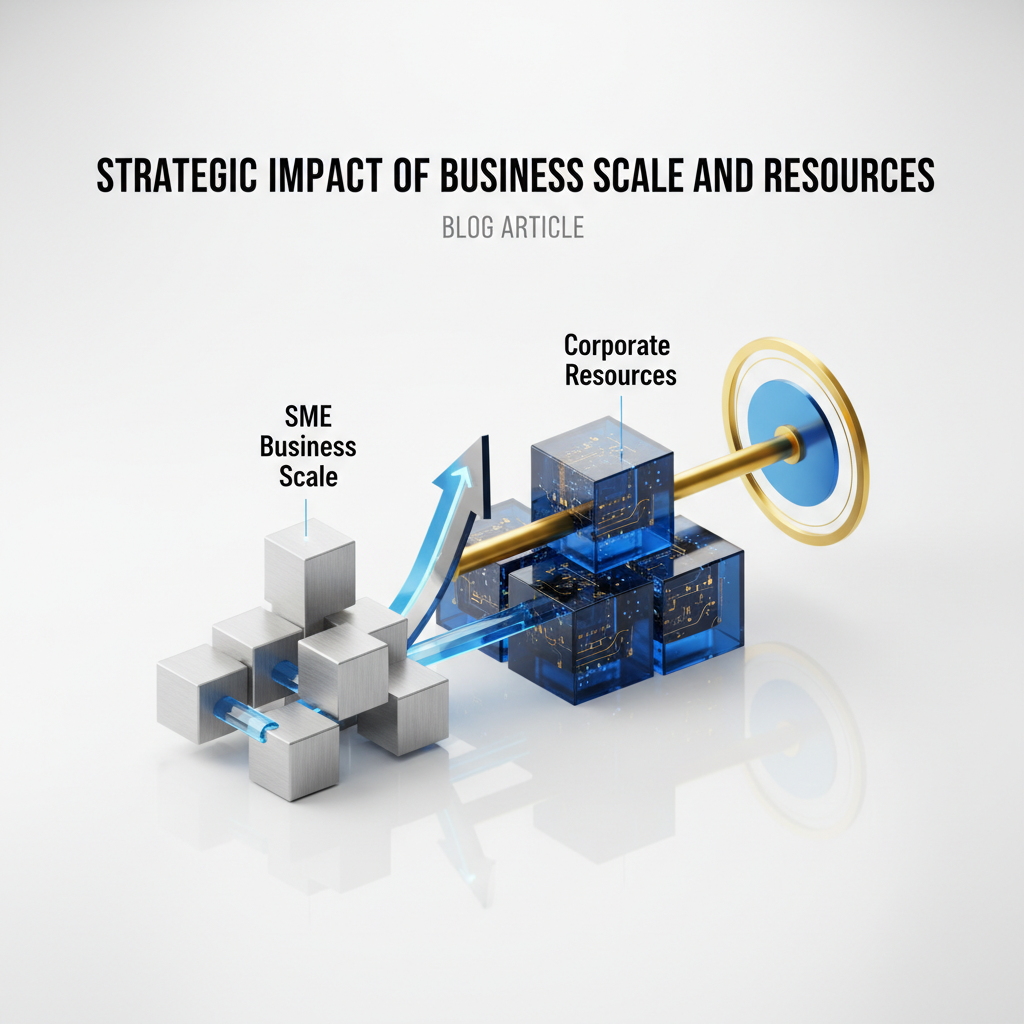
In the dynamic and highly competitive landscape of Singapore’s transportation sector, the strategic impact of business scale and available resources on Human Resources (HR) departments cannot be overstated. The fundamental differences between the SMEs’ HR structure and the Corporates’ HR structure in the transportation field in Singapore dictate not only the operational breadth but also the strategic depth of HR functions. While larger corporations leverage extensive resources to build sophisticated, multi-faceted HR strategies, small and medium-sized enterprises (SMEs) often operate under tighter constraints, leading to more agile yet less specialized HR practices. This disparity profoundly influences everything from talent acquisition and development to employee engagement and overall business resilience.
1. Budgetary Constraints vs. Extensive Resource Allocation
The most immediate distinction in HR structures between SMEs and large corporations in Singapore’s transport sector lies in their financial capacity. SMEs typically grapple with significant budgetary constraints, which necessitate a pragmatic and often reactive approach to HR. Their HR budgets are usually limited, often bundled into broader administrative costs, focusing primarily on essential compliance requirements such as payroll processing, benefits administration, and adherence to local labor laws like those set by Singapore’s Ministry of Manpower (MOM). Strategic initiatives like advanced training programs, HR technology investments (e.g., sophisticated HRIS, applicant tracking systems), or comprehensive employee wellness programs are often out of reach. This lean budgeting means HR professionals in SMEs must be adept at resourcefulness, prioritizing immediate operational needs over long-term strategic investments.
Conversely, large corporations in the transportation sector benefit from extensive resource allocation. Their substantial HR budgets enable significant investments in cutting-edge HR technologies, comprehensive employee training and development programs, robust talent management systems, and competitive compensation and benefits packages. This financial muscle allows them to build state-of-the-art HR departments capable of implementing complex strategic initiatives. For instance, a major logistics firm might invest in predictive analytics for workforce planning or deploy an AI-driven recruitment platform to optimize hiring, leveraging its financial stability to gain a competitive edge in attracting and retaining top talent. The ability to allocate substantial funds directly translates into a more sophisticated and proactive HR strategy, fostering innovation and long-term growth.
2. Dedicated HR Teams vs. Multi-Faceted Roles
Another critical divergence concerns the structure and specialization of HR teams. In many SMEs within Singapore’s transport industry, HR functions are often multi-faceted and handled by individuals with broader responsibilities. It is not uncommon for the business owner, an office manager, or a general administrator to oversee HR alongside their primary duties. Even where a dedicated HR professional exists, they typically operate as a generalist, managing recruitment, payroll, employee relations, and basic compliance. This requires a broad skill set but limits the depth of expertise available for specialized HR domains. The focus remains on keeping operations smooth and compliant, with less capacity for specialized functions like detailed organizational development or sophisticated performance management.
In stark contrast, large corporations possess the scale to employ dedicated, specialized HR teams. These teams are typically segmented into distinct departments focusing on specific areas such as talent acquisition, learning and development (L&D), compensation and benefits, HR business partners (HRBPs), HR analytics, and industrial relations. This specialization allows for a profound depth of expertise in each area, ensuring best practices are applied across the board. For example, a dedicated L&D team can design intricate training modules tailored to different career paths within the organization, while an HRBP can closely align HR initiatives with specific departmental business objectives. This specialized structure enables corporations to develop and execute highly targeted HR strategies that directly support their overarching business goals, enhancing their competitive advantage. The focus here is not just on operational efficiency but on strategic value creation through human capital.
3. Strategic HR Planning & Business Alignment
The differences in budget and team structure directly feed into the capacity for strategic HR planning and business alignment. For SMEs in the transportation sector, HR planning is often more reactive and short-term oriented. The immediate needs of the business—filling urgent roles, managing daily employee issues, and ensuring compliance—take precedence. Strategic HR discussions, such as long-term workforce planning, succession planning for critical roles, or proactive talent pipeline development, are often secondary or less formalized due to resource constraints and a focus on immediate operational demands. While crucial, their HR efforts tend to be more tactical, directly supporting the day-to-day running of the business rather than shaping its future trajectory.
Large corporations, by virtue of their resources and specialized teams, can engage in sophisticated, proactive strategic HR planning. HR departments in these entities are often integrated into executive-level discussions, acting as strategic partners in charting the company’s future. They develop comprehensive workforce plans that anticipate future talent needs, implement robust succession planning to mitigate leadership risks, and design talent management strategies that align directly with long-term business objectives. This includes leveraging data analytics to predict workforce trends, developing comprehensive employer branding initiatives, and implementing change management strategies for large-scale organizational transformations. For instance, a major airline might use strategic HR planning to forecast pilot requirements over the next decade, developing partnerships with training academies to build a sustainable talent pipeline. Such proactive alignment ensures that human capital strategies are not just supportive but integral to achieving strategic business outcomes. This approach is vital for companies navigating the complexities of modern business environments, as highlighted by expert insights on future-ready workforces. Singapore’s Ministry of Manpower (MOM) frequently emphasizes the importance of robust workforce planning and talent management for sustained economic growth and competitiveness.
In conclusion, the strategic impact of business scale on HR within Singapore’s transportation sector is profound. While SMEs demonstrate remarkable agility and resourcefulness with their multi-faceted HR roles and budget-conscious approaches, large corporations leverage extensive resources and specialized teams to drive sophisticated, long-term strategic HR initiatives. These differences ultimately shape the capacity of HR to influence business outcomes, from attracting and retaining talent to fostering innovation and ensuring organizational resilience in a rapidly evolving industry.
Technology Adoption & Digital Transformation in HR
The landscape of Human Resources is undergoing a seismic shift, driven by rapid technological advancements and the imperative for digital transformation. This evolution is particularly evident in Singapore’s dynamic transportation sector, where businesses, irrespective of their size, are leveraging technology to streamline operations, enhance employee experience, and ensure compliance. However, the adoption rates and types of HR technology deployed vary significantly between Small and Medium-sized Enterprises (SMEs) and larger corporates, largely reflecting the fundamental Differences between the SMEs’ HR Structure and the Corporates’ HR Structure in transportation field in singapore. While both strive for efficiency, their drivers, barriers, and strategic approaches to digital HR transformation present a compelling contrast.
Corporates, with their extensive resources and complex organizational structures, often pursue comprehensive, integrated HR ecosystems. Their digital transformation journey is typically strategic, aiming for holistic talent management, robust analytics, and global scalability. In contrast, SMEs, constrained by budget and personnel, often prioritize immediate operational needs, opting for agile, cost-effective solutions that address core HR functions. This divergence in strategy shapes their choices across various HR technology domains.
-
HRIS & Payroll Systems: Simplicity vs. Enterprise Solutions
For SMEs in Singapore’s transportation sector, HR Information Systems (HRIS) and payroll solutions are foundational. Their primary drivers are regulatory compliance, accurate salary disbursement, and basic leave management. They often gravitate towards cloud-based, all-in-one solutions that offer user-friendly interfaces, minimal setup, and predictable subscription costs. These systems typically provide essential modules like employee profiles, attendance tracking, and statutory submissions, minimizing manual errors and freeing up limited HR personnel. The simplicity and affordability of such platforms are paramount, as complex, highly customizable enterprise solutions are often beyond their budget and technical capacity.
Conversely, large transportation corporates demand sophisticated, integrated enterprise HRIS platforms. These systems, like SAP SuccessFactors or Workday, go far beyond basic payroll, encompassing advanced modules for performance management, succession planning, global compensation, and complex organizational charting. Their drivers include the need for extensive data analytics to inform strategic workforce planning, seamless integration with financial and operational systems, and the ability to manage a diverse, often multi-national workforce with varying contractual agreements. Barriers for corporates often involve the significant upfront investment, extensive customization, and the intricate change management required for enterprise-wide implementation.
-
Applicant Tracking Systems (ATS) and Recruitment Tech
Recruitment technology is another area where SMEs and corporates diverge significantly. SMEs in transportation, often with smaller, more localized hiring needs for drivers, mechanics, or administrative staff, may rely on simpler tools. Many might use free job boards, basic email systems, or even manual spreadsheets to track applicants. For those adopting an ATS, it’s usually a standalone, user-friendly system designed for managing a moderate volume of applications, scheduling interviews, and communicating with candidates efficiently. The focus is on filling vacancies quickly and cost-effectively, often through direct postings or local networks.
In contrast, large transportation corporates face the challenge of high-volume recruitment, specialized skill demands (e.g., multi-modal logistics experts, data analysts, senior management), and maintaining a strong employer brand. They deploy advanced ATS platforms, often integrated into their broader HRIS, that feature AI-powered candidate sourcing, automated screening, talent pooling, and comprehensive onboarding workflows. These systems facilitate robust analytics on time-to-hire, source effectiveness, and candidate experience. The investment in such technology is driven by the need to attract top talent, manage extensive talent pipelines, and ensure compliance with fair hiring practices across diverse geographies, acknowledging the critical role technology plays in the modern recruitment landscape, as highlighted by various industry reports on digital HR transformation trends. For instance, HR Technologist’s insights into HR digital transformation trends underscore the growing sophistication in recruitment technology.
-
Learning Management Systems (LMS) for Driver/Operator Training
The transportation sector heavily relies on skilled and compliant personnel, making training and development crucial. For SMEs, driver and operator training often involves a blend of on-the-job instruction, external courses, and basic internal certifications. While some may use simple online modules or free video platforms for basic refreshers, a dedicated LMS is less common due to cost and the perceived complexity of managing such a system for a smaller workforce. Tracking compliance and certifications might still rely on manual records or simple databases, posing challenges for robust reporting and audit trails.
Corporates, however, view LMS as an indispensable tool for ensuring safety, compliance, and continuous professional development. Their LMS platforms are often comprehensive, offering customized e-learning modules for specific vehicle types, safety protocols, regulatory updates (e.g., dangerous goods handling), and soft skills development. These systems provide personalized learning paths, track progress, manage certifications, and generate detailed audit trails essential for regulatory scrutiny. Integration with performance management systems allows for identifying skill gaps and tailoring training interventions. The drivers here are not just efficiency but also risk mitigation, maintaining high operational standards, and fostering a culture of continuous learning and safety within a large, mobile workforce.
In conclusion, while the aspiration for digital transformation permeates HR operations across Singapore’s transportation sector, the journey is distinct for SMEs and corporates. SMEs prioritize foundational, cost-effective solutions for immediate operational needs, valuing simplicity and compliance. Corporates, conversely, invest in integrated, sophisticated systems for strategic talent management, advanced analytics, and global scalability. Both pathways are vital, demonstrating how technology adoption in HR is not a one-size-fits-all endeavor but a nuanced response to an organization’s size, resources, and strategic imperatives.
Compliance, Culture, and Future Outlook
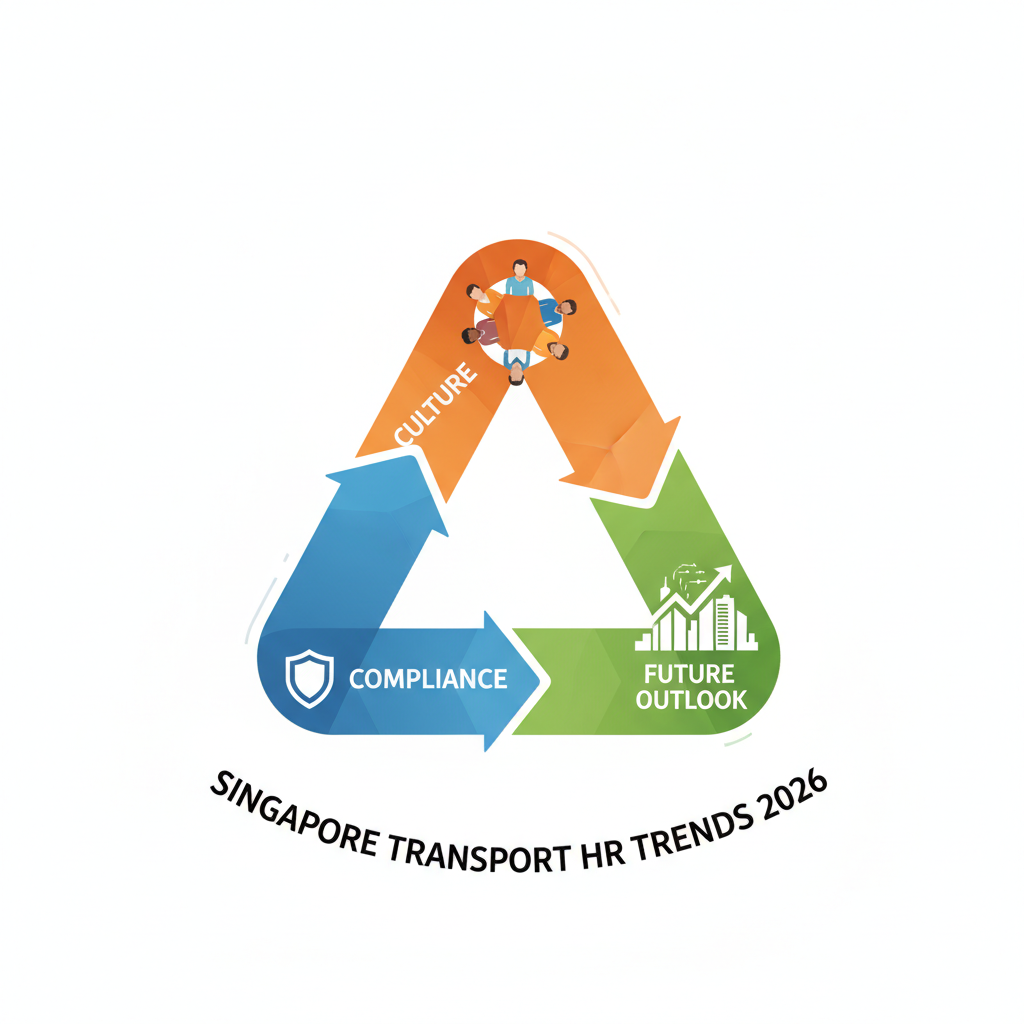
Understanding how compliance with Singaporean labor laws, organizational culture, and future trends impact HR structures differently across SMEs and corporates in the dynamic transportation sector is crucial for strategic human resource management. The Differences between the SMEs’ HR Structure and the Corporates’ HR Structure in transportation field in singapore are particularly pronounced, reflecting variations in resources, scale, and strategic priorities.
In Singapore’s bustling transportation industry—from logistics and ride-hailing to public transport and aviation—HR departments face unique challenges. While large corporations often possess dedicated legal teams and robust HRIS, small and medium-sized enterprises (SMEs) frequently rely on multi-hatted HR generalists or even outsource these functions, leading to distinct operational models and strategic outcomes.
1. Navigating Regulatory Compliance: MOM, CPF, and Sector-Specific Rules
Singapore’s robust regulatory environment demands meticulous adherence to labor laws. The Ministry of Manpower (MOM) sets comprehensive guidelines on employment terms and workplace safety, while the Central Provident Fund (CPF) dictates mandatory savings. For transportation companies, sector-specific rules from authorities like the Land Transport Authority (LTA) or the Civil Aviation Authority of Singapore (CAAS) add further complexity.
Corporates typically feature specialized compliance teams or dedicated HR legal experts who stay abreast of regulatory changes. Their scale allows for sophisticated HR information systems (HRIS) that automate compliance checks, payroll, and leave management, ensuring accurate CPF contributions and adherence to MOM guidelines. This structured approach minimises legal risks and ensures fair labor practices across their extensive workforce.
In contrast, SMEs often find navigating this landscape more challenging due to limited resources. HR professionals wear multiple hats, sometimes relying on external consultants. While dedicated to compliance, their approach can be more reactive. However, many SMEs are increasingly leveraging affordable HR tech solutions and government-funded initiatives to bolster their compliance frameworks. Staying updated on key regulations, such as the Employment Act on the MOM website, is paramount for all businesses.
2. Shaping Organizational Culture and Employee Engagement
Organizational culture and employee engagement strategies diverge significantly. In SMEs, culture is often more organic, driven by the founder’s vision and direct interactions. The close-knit nature fosters camaraderie, where employees feel a direct impact. HR’s role involves nurturing this intimate environment, facilitating open communication, and creating flexible arrangements, especially important in a sector with varied shift patterns.
Corporates face the challenge of cultivating cohesive culture across diverse departments and a larger workforce. Their approach to engagement is typically more formalised, involving structured feedback, comprehensive training, career progression, and well-defined benefits. While providing clarity, it can sometimes feel less personal. HR in large transportation firms invests heavily in leadership development and internal communications to ensure cultural alignment.
The differences between the SMEs’ HR structure and the corporates’ HR structure in the transportation field in Singapore are particularly evident here. SMEs can be more agile in responding to employee feedback, whereas corporates might have more resources for large-scale initiatives but take longer to implement. Both strive to create a workplace that attracts and retains talent.
3. Addressing Talent Shortages and Skills Gaps
Both SMEs and corporates in Singapore’s transportation sector grapple with talent shortages and the rapid evolution of required skills, particularly with digitalisation, automation, and sustainable practices. The demand for skilled drivers, logistics specialists, data analysts, and maintenance technicians with knowledge of electric vehicles or autonomous systems is intensifying.
Corporates, with deeper pockets, invest in sophisticated talent acquisition, including global recruitment and university partnerships. They offer attractive compensation, clear career progression, and opportunities for international exposure. Their HR structures facilitate comprehensive workforce planning, allowing them to project future skill needs and proactively develop or acquire talent.
SMEs, while agile, face greater constraints in attracting top talent. They often rely on word-of-mouth and government-supported traineeship programs. Their advantage lies in offering unique growth opportunities, wider responsibilities, and a chance to make a direct impact. HR in SMEs must be innovative in recruitment, showcasing the company’s unique value proposition. Bridging skills gaps often involves leveraging government grants for upskilling and cross-training existing staff.
Ultimately, while corporates leverage scale and structured systems, SMEs thrive on agility and a personalised approach. Both must strategically adapt their HR structures and practices to meet the evolving demands of compliance, culture, and talent in Singapore’s dynamic transportation landscape, ensuring sustainable growth and operational excellence.
Partner with Shelby Global
You are looking for reliable HR Sevice Suppliers? Contact Shelby Global Now! To connect with verified talents and upgrade your orginization.
—————————————
References
– :
– SkillsFuture Enterprise Credit (SFEC): https://www.skillsfuture.gov.sg/SkillsFuture%20Enterprise%20Credit
– Singapore’s Ministry of Manpower (MOM) frequently emphasizes the importance of robust workforce planning and talent management: https://www.mom.gov.sg/employment-practices/future-of-work/workforce-planning-and-talent-management
– HR Digital Transformation Trends 2023 & 2024: https://www.hrtechnologist.com/articles/digital-transformation-hr/hr-digital-transformation-trends-2023-2024/
– Employment Act on the MOM website: https://www.mom.gov.sg/employment-practices/employment-act