
Understanding Vietnam’s Retail HR Landscape
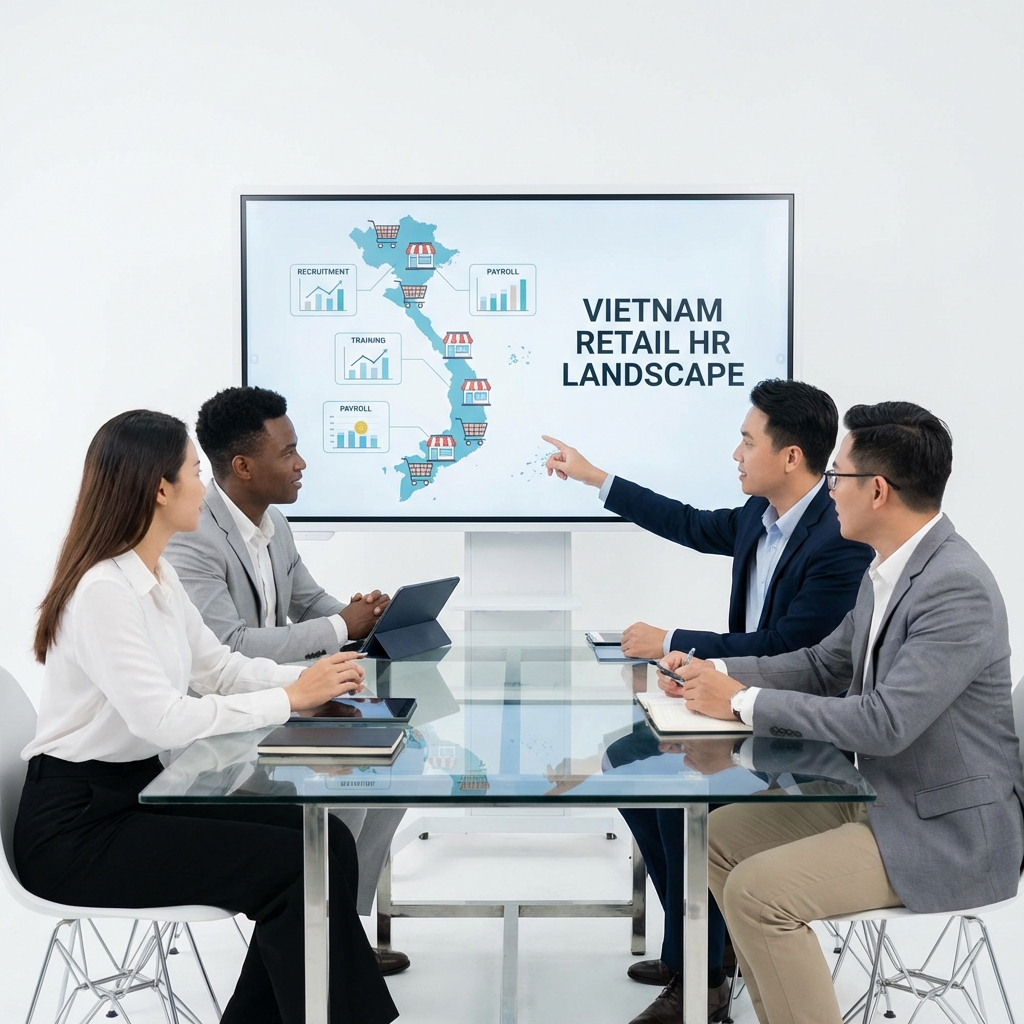
Vietnam’s retail sector is a vibrant and rapidly evolving market, characterized by dynamic growth, increasing consumer sophistication, and intense competition. From bustling traditional markets to gleaming modern shopping malls and a burgeoning e-commerce landscape, the country presents a unique environment for businesses of all scales. At the heart of navigating this complexity and driving sustained success lies Human Resources (HR). HR’s role extends far beyond administrative tasks; it is a strategic imperative that shapes an organization’s ability to attract, develop, and retain the talent crucial for serving customers and achieving business objectives. This section delves into the exciting retail market in Vietnam and the fundamental role of Human Resources, highlighting the distinct operational scales of Small and Medium-sized Enterprises (SMEs) and large Corporates, setting the stage for understanding the Differences between the SMEs’ HR Structure and the Corporates’ HR Structure in retail companies in vietnam.
1. Growth of Vietnam’s Retail Sector
The Vietnamese retail sector has experienced remarkable expansion over the past decade, fueled by a young, increasingly affluent population, rapid urbanization, and growing disposable incomes. The country’s economic stability and integration into global trade have further bolstered consumer confidence and spending power. This growth is evident across various segments, from traditional wet markets and independent shops to international hypermarkets, convenience store chains, and a booming online retail presence. Major international brands continue to enter the market, while domestic players innovate to capture market share. According to a report by Vietnam Briefing, the retail sales of goods and services in Vietnam continue to show strong year-on-year growth, reflecting the robust consumer demand and a positive economic outlook. This rapid expansion creates both immense opportunities and significant challenges, particularly concerning human capital management. The need for skilled retail professionals, from frontline sales associates to experienced store managers and supply chain experts, is constant and growing, placing immense pressure on HR functions.
2. The Pivotal Role of HR in Retail
In the high-stakes, fast-paced world of retail, Human Resources is not merely a support function but a strategic partner critical to business success. Retail HR encompasses a broad spectrum of responsibilities, including talent acquisition, onboarding, training and development, performance management, compensation and benefits, employee relations, and ensuring compliance with labor laws. For retail companies, the ability to attract charismatic and customer-centric sales staff, retain experienced managers, and foster a positive, productive work environment directly translates into customer satisfaction and sales performance. Effective HR strategies ensure that teams are well-trained, motivated, and aligned with the company’s brand values and service standards. Moreover, HR plays a crucial role in adapting to seasonal fluctuations, managing diverse workforces, and implementing technology-driven solutions to enhance efficiency and employee experience. Without robust HR practices, even the most innovative retail concepts can falter due to high employee turnover, skill gaps, or poor employee morale.
3. Defining SMEs and Corporates in the Vietnamese Context
In Vietnam, businesses are generally categorized by size, often based on capital, revenue, or employee count. While specific thresholds can vary slightly across different regulations or industries, Small and Medium-sized Enterprises (SMEs) typically refer to businesses that are relatively small in terms of their workforce and annual revenue. They are often locally owned, have simpler organizational structures, and may operate with fewer resources. In the retail sector, SMEs might include independent boutiques, local grocery stores, single-outlet restaurants, or small regional chains. Corporates, on the other hand, represent larger organizations, often with substantial capital, extensive employee bases, complex multi-branch or multi-store operations, and sophisticated management structures. These can include large domestic retail groups, international hypermarket chains, major e-commerce platforms, or multinational fashion and electronics retailers. The distinction between these two scales is vital because it profoundly impacts every aspect of business operations, especially the design and implementation of HR strategies and structures. The foundational Differences between the SMEs’ HR Structure and the Corporates’ HR Structure in retail companies in vietnam stem directly from these varying scales of operation, resources, and strategic imperatives.
The Lean and Agile: HR Structure in Vietnamese Retail SMEs
Delve into the typical HR setup within Small and Medium-sized Enterprises (SMEs) in Vietnam’s retail sector, focusing on their often centralized, multi-functional, and hands-on approach. The human resources landscape within Vietnamese retail SMEs presents a fascinating study in adaptability and resourcefulness. Unlike their larger corporate counterparts, these businesses operate with a lean, agile, and distinctly hands-on HR structure, shaped by resource constraints, direct ownership involvement, and a pragmatic focus on immediate operational needs. Understanding these nuances is key to appreciating the unique Differences between the SMEs’ HR Structure and the Corporates’ HR Structure in retail companies in vietnam.
1. Centralized Functions & Generalist Roles
In Vietnamese retail SMEs, HR functions are overwhelmingly centralized, often managed by a single individual, a small team, or even outsourced to a third-party service provider for specific tasks like payroll. The prevailing model relies heavily on HR generalists who wear multiple hats, overseeing a broad spectrum of responsibilities that would typically be compartmentalized in larger corporations. These roles encompass everything from recruitment and onboarding for store staff to basic training, performance management, employee relations, and ensuring compliance with local labor laws. This multi-functional approach is a direct consequence of limited budgets and a smaller workforce, making specialized HR departments an unaffordable luxury. While demanding, this setup fosters a deep understanding of the entire employee lifecycle and allows for quick adaptation to business needs. However, it can also lead to a lack of specialized expertise in areas like talent development or sophisticated HR analytics, which are often critical for sustained growth.
2. Founder/Owner-Led HR Decisions
A defining characteristic of HR in Vietnamese retail SMEs is the profound involvement of the founder or business owner in critical HR decisions. Given the inherent entrepreneurial spirit and the typically smaller scale of operations, HR strategy often mirrors the owner’s vision, values, and personal management style. From hiring key personnel to setting compensation structures and resolving employee disputes, the owner’s direct input is invaluable. This hands-on approach ensures that HR policies are closely aligned with the company’s strategic direction and core culture. It allows for swift decision-making and a highly personalized touch in employee relations, fostering a strong sense of family or community within the organization. However, this model also carries potential risks, such as decisions being based more on intuition than professional HR principles, or the lack of standardized processes that might be crucial as the business scales. As PwC’s Human Capital Survey highlighted, navigating talent challenges in Vietnam often requires strategic HR, which can be a growth area for owner-led SMEs.
3. Focus on Core Operational HR
The HR priorities within Vietnamese retail SMEs are predominantly operational, driven by the immediate needs of running a retail business. The primary focus is on ensuring a stable and productive workforce to manage day-to-day store operations. Key areas include efficient recruitment processes to staff stores quickly, accurate payroll management, attendance tracking, and maintaining basic compliance with Vietnam’s labor code. Training efforts often center on product knowledge, customer service skills, and sales techniques – directly impacting revenue and customer satisfaction. Strategic HR functions like elaborate talent management programs, succession planning, extensive organizational development initiatives, or advanced HR technology implementation are typically secondary or non-existent. This practical, boots-on-the-ground approach reflects a clear understanding that in the competitive retail landscape, direct operational efficiency and staff availability are paramount for survival and growth. While this focus ensures immediate needs are met, it underscores a key contrast with larger corporations that invest heavily in long-term human capital development and strategic HR planning, highlighting the distinct HR structure of Vietnamese retail SMEs.
The Comprehensive Approach: HR in Large Retail Corporations
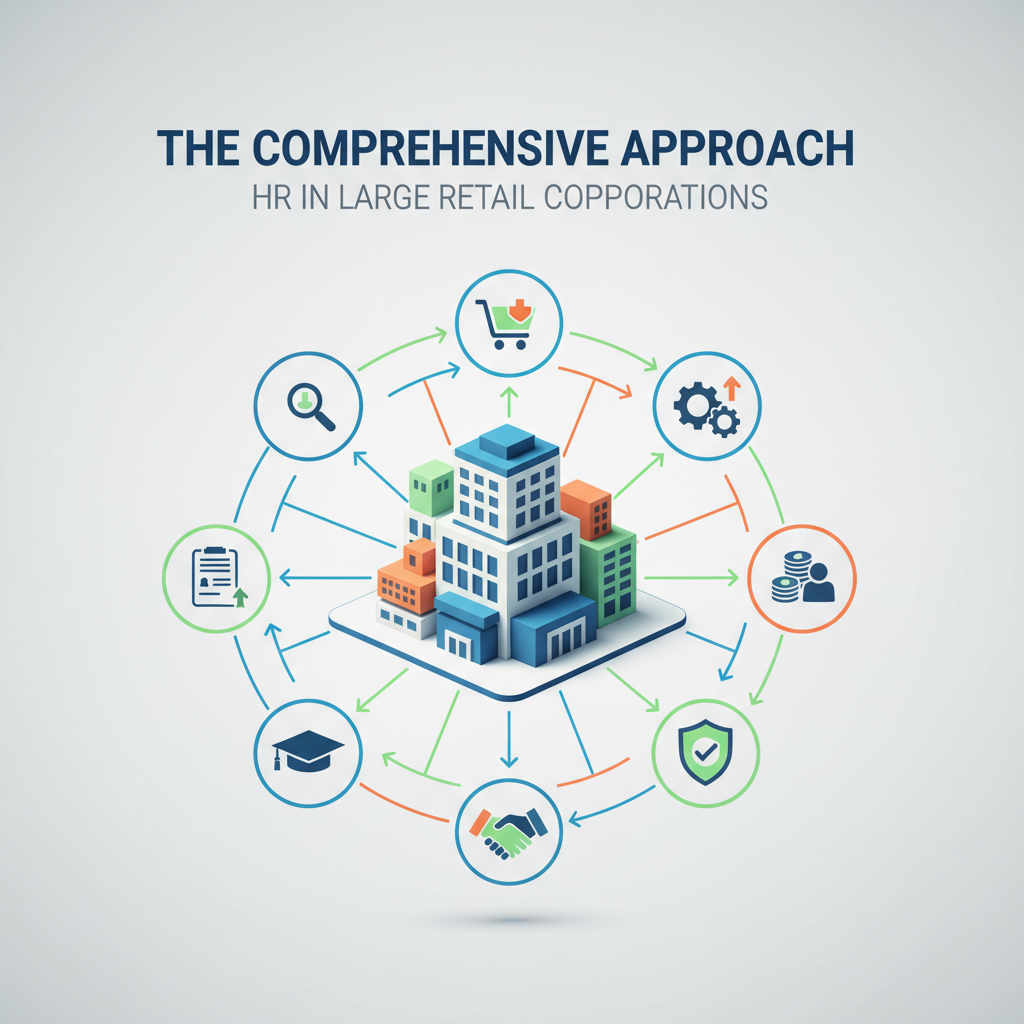
In the dynamic and fiercely competitive landscape of Vietnam’s retail sector, the organizational structure and operational methodologies of Human Resources (HR) systems present a stark contrast between small and medium-sized enterprises (SMEs) and large corporate entities. While SMEs often rely on a lean, generalized HR function, large retail corporations, with their vast employee bases, complex operational networks, and strategic growth objectives, necessitate a far more sophisticated and specialized approach. This “Comprehensive Approach” in corporate retail HR is characterized by departmentalization, strategic foresight, and increasingly, a globalized perspective, which are critical differentiants in navigating the unique challenges and opportunities of the Vietnamese market. The differences between the SMEs’ HR structure and the Corporates’ HR structure in retail companies in Vietnam are pronounced, evolving from administrative support to a strategic business partner.
1. Specialized HR Departments (Recruitment, C&B, L&D, ER)
Unlike the generalist HR roles prevalent in SMEs, large retail corporations in Vietnam establish highly specialized HR departments. Each department is dedicated to a specific HR function, ensuring deep expertise and efficient execution across the organization.
- Recruitment: This department is responsible for talent acquisition, employer branding, and workforce planning across hundreds or thousands of positions, from frontline sales associates to senior management. They employ sophisticated sourcing strategies, competency-based interviewing, and robust onboarding programs to ensure a steady pipeline of qualified candidates for various retail formats (supermarkets, hypermarkets, convenience stores, e-commerce platforms).
- Compensation & Benefits (C&B): This team designs and manages competitive salary structures, incentive programs, health benefits, and welfare initiatives. Their work is crucial for attracting and retaining talent in a high-turnover industry like retail, ensuring compliance with labor laws, and maintaining equity across diverse employee groups. They also manage complex payroll systems and performance-based reward schemes.
- Learning & Development (L&D): Given the rapid changes in consumer behavior and technology, continuous skill development is paramount. The L&D department designs and implements training programs for product knowledge, customer service excellence, leadership development, digital literacy, and compliance. This investment in human capital directly impacts operational efficiency and customer satisfaction.
- Employee Relations (ER): This function focuses on fostering a positive work environment, resolving disputes, managing grievances, and ensuring adherence to company policies and labor regulations. For large workforces, effective ER is vital for maintaining morale, productivity, and mitigating legal risks, contributing to a harmonious and productive workplace culture.
2. Strategic HR Business Partners (HRBPs)
A hallmark of advanced HR frameworks in large retail corporations is the deployment of HR Business Partners (HRBPs). These professionals are embedded within specific business units or geographical regions, acting as strategic advisors to line managers and senior leadership. Instead of merely processing HR transactions, HRBPs align HR initiatives directly with business objectives. For instance, an HRBP supporting the merchandising department would work closely with merchandising leaders to identify talent gaps, develop succession plans for key roles, and implement performance management strategies tailored to their specific needs. They translate business challenges into HR solutions, contributing to workforce planning, organizational design, change management, and talent management, ultimately driving business performance and profitability. Their role transcends administrative duties, focusing on proactive problem-solving and strategic partnership.
3. Data-Driven HR Analytics and Technology
The scale and complexity of large retail operations necessitate the adoption of robust HR technology and analytics. Modern Human Resources Information Systems (HRIS) integrate various HR functions, from recruitment and payroll to performance management and learning. These systems provide a centralized platform for employee data, enabling efficiency and accuracy. Beyond basic data management, large corporations leverage HR analytics to gain actionable insights. They analyze recruitment metrics (time-to-hire, cost-per-hire), turnover rates by department or store, training effectiveness, employee engagement scores, and compensation equity. This data-driven approach allows HR to identify trends, predict future workforce needs, optimize resource allocation, and measure the ROI of HR initiatives. For example, by analyzing turnover data, HR can pinpoint specific stores or departments experiencing high attrition and develop targeted retention strategies. This reliance on data-driven HR strategies empowers informed decision-making, moving HR from a reactive administrative function to a proactive strategic enabler within the organization. The integration of AI and machine learning in areas like talent acquisition and personalized learning pathways further enhances this capability, ensuring that HR decisions are not only efficient but also strategically impactful.
Direct Comparisons: How HR Structures Diverge
In Vietnam’s dynamic retail landscape, the operational heart of any successful enterprise beats through its human resources. However, the Differences between the SMEs’ HR Structure and the Corporates’ HR Structure in retail companies in vietnam are stark, creating distinct impacts on operations, employee experience, and the strategic trajectory of growth. While both aim for efficient workforce management, their approaches are fundamentally shaped by scale, resources, and strategic priorities. Understanding these divergences is crucial for anyone navigating or investing in Vietnam’s competitive retail market.
1. Scale of Operations vs. HR Complexity
The most immediately apparent distinction lies in the sheer scale of operations, which directly dictates the complexity of HR functions. Small and Medium-sized Enterprises (SMEs) in Vietnamese retail typically operate with lean HR teams, often consisting of one generalist HR professional or even having HR duties absorbed by an office manager or the business owner themselves. This setup means HR primarily focuses on immediate, transactional tasks: payroll processing, basic recruitment, and ensuring fundamental labor law compliance. Processes are often informal, relying on direct communication and inherent flexibility. Employee handbooks might be rudimentary, and policies are frequently adapted on a case-by-case basis, fostering a close-knit, family-like atmosphere but potentially lacking standardized fairness.
Conversely, large corporate retail entities in Vietnam, often multinational chains or major domestic players, boast sophisticated, departmentalized HR structures. These typically include specialized teams for talent acquisition, compensation and benefits (C&B), learning and development (L&D), employee relations, and HR business partners (HRBPs) aligned with specific business units. This specialization allows for highly structured, process-driven operations, ensuring robust compliance with complex labor regulations, consistent policy application across numerous branches, and a strategic approach to human capital. The focus shifts from merely administrative tasks to strategic workforce planning, talent management, and cultivating a distinct corporate culture that aligns with global or national business objectives.
2. Budget Allocation and Technology Adoption
Budgetary constraints are a significant differentiator in how HR functions are executed. For SMEs, HR budget allocation is often minimal, prioritized lower than direct operational costs or marketing. This reality often necessitates reliance on manual processes, basic spreadsheet management for employee data, and free or low-cost online tools for recruitment. Investment in advanced HR technology, such as comprehensive Human Resources Information Systems (HRIS) or payroll software, is often seen as an unaffordable luxury. The emphasis is on cost-efficiency and making do with existing resources, which can lead to inefficiencies, data silos, and a lack of analytical capabilities for strategic HR decision-making. The challenges faced by small business HR professionals are often rooted in these limited resources.
In contrast, corporate retail companies allocate substantial budgets to HR, viewing it as a strategic investment. This enables the adoption of cutting-edge HR technology stacks, including integrated HRMS (Human Resource Management Systems), advanced Applicant Tracking Systems (ATS), performance management platforms, and robust learning management systems (LMS). These technological investments streamline operations, automate routine tasks, enhance data accuracy, and provide rich analytics for informed decision-making. Corporations leverage these tools to optimize everything from recruitment pipelines and onboarding experiences to performance appraisals and succession planning, gaining a significant competitive edge in workforce management and operational efficiency.
3. Talent Acquisition & Retention Strategies
The approaches to attracting and retaining talent also significantly diverge. SMEs in Vietnamese retail often rely on word-of-mouth, local job boards, or personal networks for recruitment. Their employer branding might be nascent or non-existent, making it challenging to compete with larger brands for top talent. Compensation and benefits packages tend to be more basic, often limited by financial capacity. Retention strategies frequently depend on fostering strong personal relationships, offering flexibility, and emphasizing a familial work environment. While this can build loyalty, it may struggle to retain ambitious individuals seeking structured career progression or higher earning potential.
Corporate retail giants, however, employ sophisticated talent acquisition strategies. They invest heavily in employer branding, leveraging digital platforms, professional recruitment agencies, and university partnerships to attract a diverse pool of candidates. Their recruitment processes are typically multi-layered, including assessments, interviews, and background checks, ensuring a rigorous selection process. On the retention front, corporations offer competitive salary structures, comprehensive benefits packages (health insurance, bonuses, stock options), and clear career development paths. They implement robust learning and development programs, mentorship schemes, and performance management systems that link directly to growth opportunities, fostering a culture of continuous learning and professional advancement. These structured approaches are designed not just to attract but to systematically nurture and retain talent over the long term, reducing turnover and building a skilled, stable workforce vital for sustained growth in the dynamic Vietnamese retail sector.
Navigating HR Challenges & Opportunities in Vietnam Retail
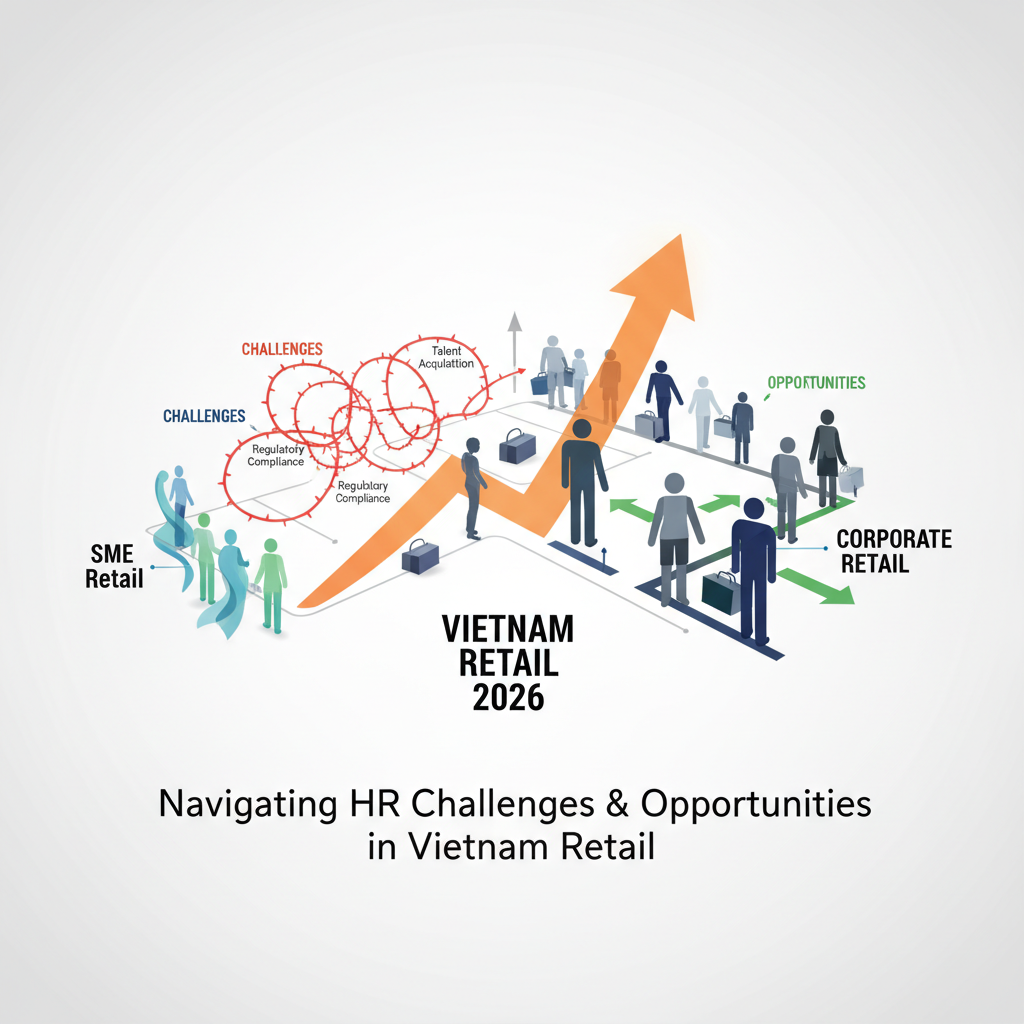
Concluding our comprehensive analysis, this section delves into the strategic implications stemming from the distinct structural differences between the SMEs’ HR Structure and the Corporates’ HR Structure in retail companies in Vietnam. We explore how these varying setups present unique challenges and opportunities, offering insights into best practices and future trends shaping Vietnam’s dynamic retail HR landscape for businesses of all scales.
-
Leveraging Strengths: Agility vs. Resources
The dichotomy between SMEs and Corporates in Vietnam’s retail sector is most evident in their fundamental HR strengths. SMEs, with their lean structures, often thrive on agility and adaptability. Their HR functions, frequently managed by a small, multi-functional team or even the business owner, can make rapid decisions, respond quickly to local market shifts, and foster a close-knit, family-like culture. This agility allows them to pivot strategies, experiment with new initiatives, and build strong interpersonal relationships within their teams. However, this often comes at the cost of formalized processes, specialized expertise, and competitive compensation packages.
In contrast, large Corporates leverage extensive resources, including dedicated HR departments with specialists in recruitment, compensation & benefits, learning & development, and HR operations. They offer structured career paths, robust training programs, and often more attractive remuneration and benefits, positioning them favorably to attract and retain top-tier talent. The challenge for Corporates lies in navigating potential bureaucratic hurdles, ensuring internal processes don’t stifle innovation, and maintaining a sense of community across vast employee bases. Understanding these inherent differences between the SMEs’ HR Structure and the Corporates’ HR Structure in retail companies in Vietnam is crucial for each to strategically play to its strengths and mitigate its weaknesses in talent acquisition and management.
-
Addressing Skill Gaps & Talent Development
A prevalent challenge across the entire Vietnamese retail sector, irrespective of company size, is the pervasive skill gap, particularly in areas like customer service excellence, digital literacy, and leadership. High staff turnover further exacerbates this issue. SMEs often address skill gaps through on-the-job training, informal mentorship programs where senior staff guide newer employees, and cross-training initiatives to build versatile teams. Their focus is typically on developing practical, immediately applicable skills, often constrained by limited budgets for formal learning and development (L&D) programs.
Corporates, conversely, can dedicate significant budgets to L&D. They often implement structured training academies, partner with external institutions for specialized courses, and utilize advanced e-learning platforms. Their focus extends beyond immediate job requirements to long-term career progression and leadership development, aiming to build a sustainable talent pipeline. For both, fostering a continuous learning culture is paramount. Recognizing the unique capabilities and constraints of each structure is key to effective talent development. According to insights into Vietnam’s evolving labor market, investing in human capital development remains critical for sustained economic growth and business competitiveness.
-
Adapting to Digital Transformation in HR
Digital transformation is reshaping HR functions globally, and Vietnam’s retail sector is no exception. This encompasses everything from online recruitment platforms and applicant tracking systems (ATS) to automated payroll, performance management software, and employee self-service portals. The adoption rate and investment capability vary significantly across company sizes. Many SMEs still rely on manual processes for tasks like attendance tracking and payroll, which can be time-consuming and prone to error. The opportunity for them lies in embracing affordable, cloud-based HR solutions that can streamline operations, improve efficiency, and enhance the employee experience without significant upfront investment.
Corporates, with their larger IT budgets and specialized teams, are typically further along in their digital HR journey. They invest in integrated Human Resources Information Systems (HRIS) and leverage data analytics to inform decision-making, optimize workforce planning, and personalize employee experiences. Future trends point towards the integration of Artificial intelligence (AI) in recruitment, personalized learning pathways, and sophisticated employee engagement platforms. While Corporates can lead this charge, SMEs also have the chance to leapfrog traditional methods by adopting agile digital tools, ultimately improving their competitive edge and making their workplaces more appealing to a tech-savvy workforce. Both types of organizations must strategically adapt to this digital imperative to thrive in the evolving retail landscape.
Partner with Shelby Global
You are looking for reliable HR Sevice Suppliers? Contact Shelby Global Now! To connect with verified talents and upgrade your orginization.
—————————————
References
– Vietnam’s Retail Market Performance and Outlook: https://www.vietnam-briefing.com/news/vietnams-retail-market-performance-and-outlook.html
– :
– data-driven HR strategies: https://hbr.org/2023/10/how-to-build-a-data-driven-hr-strategy
– The Challenges of Being a Small Business HR Professional: https://www.shrm.org/resources-and-tools/hr-topics/small-business-hr/pages/challenges-small-business-hr-professional.aspx
– Vietnam’s evolving labor market: https://www.worldbank.org/en/country/vietnam/overview#3