
Scope of Responsibilities and Daily Operations
In the burgeoning landscape of Vietnam’s education sector, Human Resources (HR) professionals play a pivotal role in shaping organizational success, attracting top talent, and fostering a productive work environment. However, the scope of their responsibilities and daily operations varies significantly depending on the organizational structure – specifically, between Small and Medium-sized Enterprises (SMEs) and large corporations. Understanding these distinct Differences between the SMEs’ HR Manager and the Corporates’ HR Director in education companies in Vietnam is crucial for aspiring HR professionals and business leaders alike.
The HR roles in Vietnam education sector are dynamic, demanding adaptability and a keen understanding of local nuances. While both an HR Manager in an SME and an HR Director in a large corporation ultimately contribute to the human capital strategy, their day-to-day tasks, strategic involvement, and functional breadth diverge considerably.

1. Operational vs. Strategic Focus in Daily Duties
For an HR Manager in an SME operating within Vietnam’s education sector, the daily duties are overwhelmingly operational. Their hands-on approach involves a multitude of tasks, from managing recruitment drives for new teachers and administrative staff to overseeing payroll processing and handling basic employee queries. Due to limited resources and often a smaller HR team (sometimes comprising just one person), the HR Manager becomes the go-to person for virtually all HR-related matters. Their focus is inherently reactive and tactical, addressing immediate needs and ensuring smooth daily functioning rather than long-term strategic planning.
Conversely, the HR Director in a large education corporation operates with a far more strategic mandate. While they remain accountable for overall HR performance, their daily responsibilities shift away from individual transactional tasks. Instead, they are deeply involved in developing overarching HR strategy in education, aligning human capital initiatives with the corporation’s broader business objectives, such as expansion into new regions or development of innovative educational programs. This involves workforce planning, succession planning, organizational design, and leadership development. The HR Director typically leads a team of specialized HR professionals, delegating operational tasks and focusing on high-level decision-making that impacts the entire organizational structure and future growth.
2. Administrative Duties & Compliance Oversight
The burden of administrative duties falls heavily on the HR Manager in an SME. They are often solely responsible for meticulous record-keeping, managing employee contracts, administering benefits, and handling leave requests. Critically, they also bear direct and often solitary responsibility for ensuring HR compliance Vietnam education. Navigating the complexities of Vietnamese labor laws, social insurance regulations, and educational licensing requirements can be a significant challenge, especially without dedicated legal support or a robust compliance team. Errors or oversights in this area can lead to severe penalties and reputational damage for the SME.
In larger corporations, while administrative tasks are equally vital, they are distributed among specialized departments or teams. Payroll, benefits administration, and HR data management often reside with dedicated specialists or even outsourced providers. The HR Director’s role in compliance oversight is more supervisory. They are responsible for establishing robust internal policies and procedures that reflect current labor laws and industry best practices. They work closely with legal departments and external consultants to proactively adapt to regulatory changes, ensuring systemic compliance across multiple business units and locations. Their focus is on creating a resilient compliance framework rather than executing every administrative detail.
3. Specialization vs. Generalization of HR Functions
One of the most defining Differences between the SMEs’ HR Manager and the Corporates’ HR Director in education companies in Vietnam lies in the breadth versus depth of their functional expertise. An HR Manager in an SME is, by necessity, a true HR generalist vs specialist. They must wear many hats, competently handling everything from initial candidate screening and interviewing, designing basic training programs, managing employee grievances, to overseeing performance reviews and even offboarding processes. This broad scope requires a versatile skill set and the ability to pivot between different HR disciplines rapidly, albeit often without the opportunity to develop deep expertise in any single area.
Conversely, large education corporations structure their HR departments with a high degree of specialization. The HR Director oversees distinct teams dedicated to specific functions: talent acquisition, learning and development, compensation and benefits, employee relations, and HR business partnering. Each team comprises specialists with deep knowledge in their respective fields. The HR Director’s role involves orchestrating these specialized functions, ensuring they work cohesively to support the overall talent management education sector strategy. This structure allows for greater efficiency, deeper expertise, and the implementation of sophisticated HR programs tailored to the specific needs of a large, complex organization. While the HR Director must have a comprehensive understanding of all HR domains, their daily work is less about executing individual tasks and more about strategic coordination and leadership.
In conclusion, while both roles are indispensable to the success of their respective organizations within Vietnam’s education sector, the distinctions are clear. The SME HR Manager is an agile, hands-on generalist navigating a broad range of operational challenges, often single-handedly. The Corporate HR Director, on the other hand, is a strategic leader, leveraging specialized teams to drive long-term human capital initiatives. Understanding these contrasting demands and opportunities is key to appreciating the diverse and critical HR roles in Vietnam education.
Strategic Impact and Decision-Making Authority
The role of HR leadership within Vietnam’s dynamic education sector varies significantly depending on the size and structure of the company. From nimble Small and Medium-sized Enterprises (SMEs) to expansive corporate giants, the contribution of HR leaders to overall business strategy and their level of influence in decision-making processes presents a fascinating study in contrast, often termed ‘HR strategy SME vs corporate’. Understanding these nuances is crucial for appreciating the Differences between the SMEs’ HR Manager and the Corporates’ HR Director in education companies in vietnam, particularly concerning their strategic impact and authority.
1. Direct Business Partnership in SME Education Companies
In smaller education companies, the HR Manager often operates as a direct business partner, deeply embedded in the day-to-day operations and strategic discussions. Unlike their corporate counterparts, these HR professionals typically wear multiple hats, encompassing recruitment, training, employee relations, and even aspects of operational management. Their influence stems from close proximity to the business owner or CEO, allowing for immediate feedback loops and agile decision-making. The HR strategy in an SME is often inherently intertwined with the owner’s vision and immediate operational needs. For instance, an SME HR Manager might directly advise on curriculum development from a talent perspective, ensuring the availability of qualified educators, or rapidly implement retention strategies based on direct employee feedback. Their decision-making authority is often less formalized but highly impactful, relying on trust and direct communication. This hands-on approach ensures that HR initiatives are directly aligned with the company’s short-term goals and resource realities, making them vital contributors to the overall health and growth of the business.
2. Cross-Functional Collaboration in Corporate Structures
Conversely, in large education corporations, the HR Director or Chief People Officer operates at a more elevated and specialized strategic level. Their role is characterized by extensive cross-functional collaboration, working closely with other C-suite executives – such as the CFO, CMO, and COO – to integrate human capital strategy into the broader corporate agenda. Here, HR leaders are pivotal in driving long-term organizational development, succession planning, and fostering a robust corporate culture across multiple departments and often, geographical locations. For example, a corporate HR Director might lead initiatives to integrate a new HR Information System (HRIS) across all subsidiaries, requiring extensive collaboration with IT and finance, or develop a global talent acquisition strategy aligned with the company’s expansion plans. Decision-making authority is typically more structured, data-driven, and involves securing buy-in from various stakeholders. The focus shifts from immediate operational challenges to macro-level HR planning, organizational effectiveness, and ensuring that the human capital strategy supports the company’s overall competitive advantage and long-term sustainability. This requires a strong grasp of strategic human resource management principles to navigate complex organizational structures.
3. Budgetary Control & Resource Allocation for HR Initiatives
The scope of budgetary control and resource allocation for HR initiatives also sharply delineates the SME HR Manager from the corporate HR Director. In small education companies, HR budgets tend to be modest and are often directly controlled by the business owner, with the HR Manager advocating for and managing resources for essential needs like recruitment campaigns, basic training, and employee welfare programs. Decision-making on resource allocation is usually pragmatic, focused on immediate returns and direct impact on operational efficiency and employee morale. There’s often greater flexibility in shifting funds to address urgent needs, but overall resource availability is limited. For example, the HR Manager might have direct authority over a small training budget to upskill a few key teachers, or allocate funds for immediate team-building events. In contrast, corporate HR Directors manage significantly larger and more complex budgets. Their purview includes multi-year strategic investments in areas such as advanced HR technology platforms, comprehensive leadership development programs, large-scale talent acquisition campaigns, and sophisticated compensation and benefits packages. Resource allocation decisions involve detailed justification, ROI analysis, and approval processes that often span multiple departments and executive committees. Their influence lies in shaping these investments to achieve long-term strategic objectives, demonstrating the value of human capital initiatives through measurable outcomes, and ensuring HR resources are optimally deployed across the entire organization to support sustainable growth and innovation within the education sector.
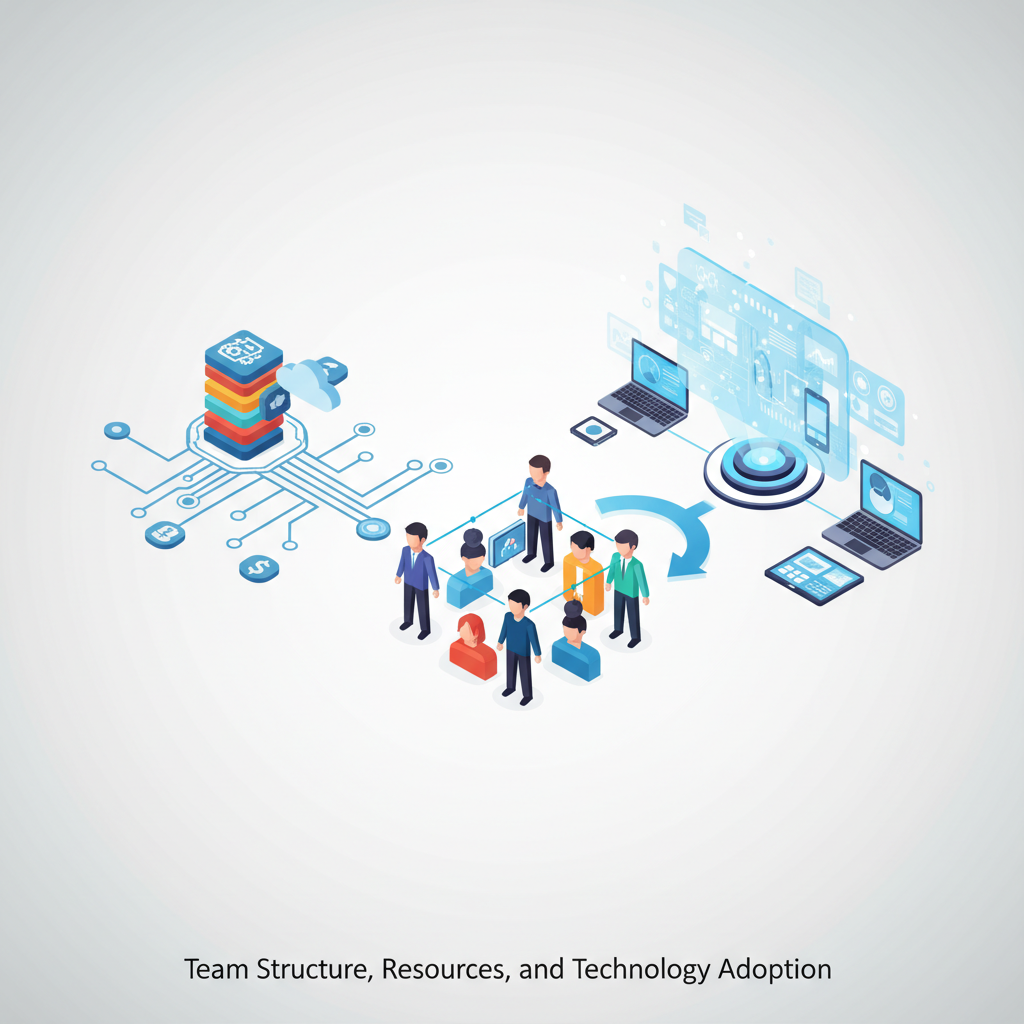
Team Structure, Resources, and Technology Adoption
The operational landscape for Human Resources professionals within Vietnam’s burgeoning education sector presents a stark contrast between Small and Medium-sized Enterprises (SMEs) and large corporate entities. The Differences between the SMEs’ HR Manager and the Corporates’ HR Director in education companies in vietnam are particularly evident in the size of their HR teams, the technological solutions at their disposal, and the overall allocation of resources. This disparity significantly impacts their strategic influence and day-to-day effectiveness, shaping the future of talent management in the sector.
1. Lean HR Teams and Multi-Hat Roles in SMEs
In Vietnam’s education SMEs, the HR team structure Vietnam education often consists of a lean, sometimes solitary, HR Manager. This individual is typically a generalist, wearing multiple hats to cover a vast array of responsibilities. From recruitment and onboarding of teachers and administrative staff to payroll processing, benefits administration, employee relations, and basic training and development, the HR Manager’s role is inherently broad and operational. Limited budget and resources mean that HR technology adoption in these environments is often minimal. They typically rely on basic office software, manual spreadsheets for data tracking, and possibly a rudimentary HR Information System (HRIS) for employee records. Strategic HR initiatives often take a backseat to urgent operational demands, making it challenging for these HR professionals to focus on long-term talent development or organizational design. The emphasis is on keeping operations running smoothly with constrained HR resources SMEs corporates.
2. Specialized HR Departments and Shared Service Models in Corporates
Conversely, HR Directors in large corporate education companies in Vietnam oversee substantially larger and more specialized HR departments. These departments are often segmented into distinct functions such as Talent Acquisition, Compensation & Benefits (C&B), Learning & Development (L&D), Organizational Development (OD), and HR Business Partners (HRBPs). Each function is typically staffed by specialists, allowing for deeper expertise and more sophisticated strategies. Many corporates also employ shared service models, where transactional HR tasks are centralized, freeing up HRBPs to act as strategic advisors to specific business units. This structure provides a strong foundation for comprehensive talent management, strategic workforce planning, and robust employee engagement programs. The availability of more substantial budgets allows for investment in advanced technologies and professional development for the HR team, leading to a more proactive and impactful HR function. The focus shifts from merely operational efficiency to strategic value creation, reflecting a significant shift in HR trends across the region.
3. Leveraging HR Tech & Digital Tools for Efficiency
The difference in HR technology adoption Vietnam is perhaps one of the most defining distinctions. While SMEs might struggle with disparate systems, often relying on email and manual processes for critical functions, corporate education entities embrace integrated Human Capital Management (HCM) suites. Platforms like SAP SuccessFactors, Oracle HCM Cloud, or Workday enable end-to-end HR processes, from advanced applicant tracking systems (ATS) and sophisticated payroll modules to performance management, learning management systems (LMS), and comprehensive analytics dashboards. The implementation of self-service portals empowers employees and managers, reducing HR’s administrative burden and allowing them to focus on strategic initiatives. Furthermore, large corporations are increasingly exploring cutting-edge technologies like Artificial Intelligence (AI) for recruitment, predictive analytics for retention, and gamification for training. This robust technological infrastructure not only streamlines operations but also provides invaluable data insights, allowing HR Directors to make data-driven decisions, enhance employee experience, and significantly contribute to the company’s strategic objectives. The disparity in HR manager roles Vietnam is amplified by these technological capabilities, enabling corporate HR Directors to operate at a much higher strategic level compared to their SME counterparts.
Talent Acquisition and Development Approaches
In Vietnam’s rapidly evolving education sector, effective talent management is paramount for both established corporations and nimble Small and Medium-sized Enterprises (SMEs). While both strive to attract, retain, and develop high-caliber educators and administrative staff, their approaches are fundamentally shaped by their scale, resources, and strategic imperatives. This section explores the distinct strategies employed by SME HR Managers and Corporate HR Directors, highlighting the nuances in talent management education Vietnam, and uncovering the Differences between the SMEs’ HR Manager and the Corporates’ HR Director in education companies in vietnam.
1. Targeted Recruitment Challenges & Solutions
For SME HR Managers in education companies, recruitment often navigates tight budgets and a less established employer brand. Their challenge isn’t just finding talent, but attracting experienced professionals or niche specialists amidst fierce competition. Solutions typically involve leveraging personal networks, referrals, and cost-effective digital channels like local job boards and social media groups. They often emphasize the unique, close-knit culture, direct impact, and potential for rapid career progression within a growing company. Hiring for SMEs also frequently involves multi-tasking HR generalists who handle the entire recruitment lifecycle, from sourcing to onboarding, making efficiency and resourcefulness critical.
Conversely, Corporate HR Directors operate with the advantage of a strong, often internationally recognized brand and significantly larger budgets. Their recruitment challenges revolve around managing high-volume hiring for multiple campuses or programs, ensuring standardized processes, and maintaining a consistent candidate experience across diverse channels. Corporate solutions include dedicated talent acquisition teams, sophisticated Applicant Tracking Systems (ATS), partnerships with national and international recruitment agencies, and robust employer branding campaigns. They invest heavily in a strong online presence, career pages, and professional networking platforms, often engaging in global talent scouting to secure top-tier educators and leadership, building extensive talent pipelines for long-term strategic needs.
2. Customized Learning & Development Initiatives
SME HR Managers typically adopt more agile and less formalized learning and development (L&D) initiatives. Due to limited L&D budgets and dedicated personnel, training often takes the form of on-the-job coaching, mentorship by senior staff, and ad-hoc workshops facilitated by internal experts or external consultants for specific, immediate skill gaps. They might utilize readily available online resources or community-based training programs. The focus is often on practical, immediate skill enhancement directly applicable to day-to-day operations, with a strong emphasis on continuous improvement through direct feedback and peer learning. Measuring ROI can be less structured, relying more on observed performance improvements and anecdotal feedback.
In contrast, Corporate HR Directors oversee comprehensive and structured L&D frameworks. These often include dedicated L&D departments, extensive onboarding programs, continuous professional development pathways, leadership training, and robust e-learning platforms. Corporates in education prioritize long-term career planning and succession management, investing in certifications, advanced degrees, and partnerships with renowned training institutions. They meticulously track training effectiveness through formal assessments, performance reviews, and employee engagement surveys. The goal is not just skill acquisition but fostering a culture of continuous learning, ensuring a steady pipeline of capable leaders and specialists, and aligning individual development with broader organizational objectives and global best practices in talent management, as advocated by organizations like the International Labour Organization (ILO) for sustainable human resource development.
3. Effective Performance Management Systems and Culture
For SME HR Managers, performance management systems tend to be more personal and direct. Feedback is often frequent and informal, delivered directly by managers or even the business owner. Annual or semi-annual reviews may be less rigid, focusing on observable behaviors, immediate deliverables, and the individual’s direct contribution to the team or company growth. The culture often encourages open communication and quick adjustments based on performance observations. While this approach can foster a strong sense of belonging and direct accountability, it may sometimes lack standardized metrics, potentially leading to subjectivity or inconsistency across different teams.
Corporate HR Directors, on the other hand, implement highly formalized and structured performance management systems (PMS). These typically involve clear Key Performance Indicators (KPIs), regular formal review cycles (quarterly, biannual), 360-degree feedback mechanisms, and performance calibration sessions to ensure fairness and objectivity across large departments or multiple campuses. Goal-setting frameworks, such as OKRs (Objectives and Key Results), are often integrated, with performance discussions directly linked to development plans and career progression. The culture emphasizes data-driven decision-making, transparent evaluation processes, and a clear correlation between performance, rewards, and long-term career paths within the organization. While robust, these systems require significant administrative effort and a strong commitment to ensuring they remain agile enough to adapt to the dynamic educational landscape.
Career Trajectories and Future Outlook for HR Professionals
The landscape of Human Resources in Vietnam, particularly within the dynamic education sector, is undergoing a significant transformation. As both local and international education companies, ranging from nimble SMEs to large corporate entities, vie for talent and market share, the role of HR professionals has become increasingly pivotal. Understanding the nuances of Differences between the SMEs’ HR Manager and the Corporates’ HR Director in education companies in vietnam is crucial for charting a successful career path. This section delves into the potential career trajectories, growth opportunities, and the evolving demands on HR professionals in this vibrant and competitive market, highlighting key aspects of HR career development Vietnam.

1. Advancement Paths in SMEs vs. Corporate Environments
The career progression for an HR professional in Vietnam’s education sector varies considerably depending on whether they operate within a Small and Medium-sized Enterprise (SME) or a large corporate structure. In an SME, the HR Manager typically embodies a generalist role, overseeing a broad spectrum of responsibilities from recruitment and onboarding to compensation & benefits, learning & development (L&D), and employee relations. This breadth of experience offers a holistic view of the HR function and the direct impact on business outcomes. Advancement in SMEs often means growing into a more senior, perhaps even strategic, HR advisory role, or transitioning into HR consultancy. The path may not always be vertically structured, but it provides invaluable foundational experience that can lead to leadership positions within growing companies or entrepreneurial ventures. The autonomy and direct influence on company culture are significant advantages for those seeking to make an immediate, tangible impact. This environment fosters a unique blend of operational agility and strategic insight, crucial for HR career development Vietnam.
Conversely, corporate education environments, often characterized by larger scales and more complex organizational structures, typically offer more specialized HR roles. An HR professional might start as a specialist in talent acquisition, compensation & benefits, or employee experience, and progress through defined hierarchies – from HR Business Partner to Senior HR Manager, and ultimately to an HR Director role. These paths often involve managing larger teams, leading strategic HR initiatives across multiple departments or even regions, and collaborating with international stakeholders. Corporate settings provide greater access to resources, advanced HR technologies, and often global best practices, allowing for deeper expertise in specific HR domains. The focus here is frequently on integrating HR strategies with overarching corporate goals, managing large-scale talent pipelines, and ensuring compliance across a complex regulatory landscape. The demand for strategic HR leadership in these larger entities is particularly pronounced, necessitating a blend of operational excellence and forward-thinking vision.
2. Essential Skill Sets for Future HR Leadership Roles
The evolving HR landscape in Vietnam demands a sophisticated set of skills beyond traditional administrative functions. For future HR leaders, particularly those aspiring to strategic HR in Vietnamese education, a robust skill set is paramount. Data analytics proficiency is no longer a niche skill but a fundamental requirement. HR professionals must be adept at interpreting people analytics to make informed decisions regarding talent management, retention strategies, and workforce planning. Digital literacy, encompassing familiarity with HRIS (Human Resources Information Systems), cloud-based platforms, and AI-driven tools, is critical for streamlining operations and enhancing employee experience.
Moreover, change management expertise is essential, especially as education companies rapidly adopt new technologies and business models. HR leaders must be able to guide organizations through periods of transition, ensuring employee buy-in and minimizing disruption. Business acumen, including a deep understanding of the education sector’s market dynamics, financial health, and strategic objectives, allows HR to align talent strategies directly with organizational goals. Emotional intelligence, cross-cultural communication, and conflict resolution skills are indispensable in Vietnam’s diverse and often multinational education workforce. These interpersonal competencies foster a positive work environment, enhance employee engagement, and ensure effective communication across various cultural backgrounds. Developing strong leadership and coaching capabilities is also vital, as HR increasingly takes on the role of developing future leaders and nurturing a culture of continuous learning and high performance.
3. Impact of Industry Trends and EdTech on HR Roles
Industry trends, particularly the rapid advancement of EdTech (Education Technology), are profoundly reshaping HR roles in Vietnam’s education sector. Digital transformation is automating many routine HR tasks, freeing up professionals to focus on more strategic, value-added activities such as talent development, employee engagement, and organizational design. The rise of EdTech specifically impacts HR in several ways. HR professionals are now instrumental in leveraging online learning platforms for continuous professional development, ensuring employees have access to the latest skills and knowledge relevant to the evolving educational landscape. This is crucial for maintaining competitiveness and adapting to new pedagogical approaches.
Furthermore, EdTech tools are revolutionizing talent acquisition and assessment, enabling more efficient and data-driven recruitment processes. HR roles in EdTech Vietnam are increasingly about identifying and implementing these innovative solutions to attract, develop, and retain top talent. The shift towards remote and hybrid work models, accelerated by global events, has also necessitated new HR policies, engagement strategies, and performance management frameworks. HR leaders are tasked with fostering a cohesive culture, ensuring employee well-being, and maintaining productivity across distributed teams. The emphasis is on creating a flexible, supportive, and technologically empowered work environment that prioritizes employee experience and lifelong learning. This transformation underscores the need for HR professionals to be agile, tech-savvy, and strategic partners in navigating the future of education.
Partner with Shelby Global
You are looking for reliable HR Sevice Suppliers? Contact Shelby Global Now! To connect with verified talents and upgrade your orginization.
—————————————
References
– Vietnam’s New Labor Code and Its Impact on Businesses: https://www.vietnam-briefing.com/news/vietnams-new-labor-code-impact-businesses.html/
– strategic human resource management: https://www.shrm.org/resources-and-tools/tools-and-samples/hr-qa/pages/what-is-strategic-hr.aspx
– HR Trends in Vietnam 2023: Key Factors Driving Change: https://www.vietnam-briefing.com/news/hr-trends-in-vietnam-2023.html/
– International Labour Organization (ILO) – Human Resources Development: https://www.ilo.org/global/topics/human-resources-development/lang–en/index.htm
– Deloitte’s Global Human Capital Trends report: https://shelteglobal.com/insights/global-human-capital-trends-deloitte/