
Scope of Responsibilities & Day-to-Day
In Singapore’s vibrant film industry, the human resources function plays a pivotal role in nurturing talent and ensuring operational excellence. However, the scope of responsibilities and the day-to-day tasks for HR professionals vary significantly when comparing an HR Manager in a small to medium-sized enterprise (SME) film production house with an HR Director in a large corporate film or media conglomerate. This section will delve into these stark contrasts, highlighting the shift from generalist to specialist roles and the inherent Differences between the SMEs’ HR Manager and the Corporates’ HR Director in Films field in Singapore.

-
Talent Acquisition & Onboarding Processes
For an SME HR Manager, talent acquisition is often a hands-on, end-to-end process. They might be solely responsible for everything from writing diverse job descriptions for roles like actors, cinematographers, sound designers, and administrative staff, to screening resumes, conducting interviews, and negotiating offers. The focus is on finding adaptable talent quickly, often leveraging personal networks and industry connections to fill critical project-based roles. Onboarding is typically a very personal, hands-on affair, covering paperwork, benefits explanation, and integration into a close-knit team. This generalist approach means the HR Manager needs a broad understanding of various film production roles and an ability to act swiftly.
Conversely, a Corporate HR Director in a large film studio or media group oversees a dedicated talent acquisition team, which may include specialists for creative, technical, or corporate functions. Recruitment leverages sophisticated Applicant Tracking Systems (ATS), global outreach strategies, and structured assessment centers. The director’s role is more strategic: focusing on building a long-term talent pipeline, employer branding, and ensuring the company attracts top-tier talent internationally. Onboarding is a formalized, multi-departmental process, often including extensive training programs, mentorship, and a structured cultural integration process tailored to the larger organizational structure.
-
Employee Relations & Development Initiatives
In an SME, the HR Manager is typically the primary point of contact for all employee relations issues, including grievances, conflicts, and welfare concerns. Due to the smaller team size, this often involves direct mediation and a deep, personal understanding of each employee’s situation and contributions to a project. Development initiatives are usually informal, based on immediate project needs, and might include ad-hoc training sessions, cross-functional learning opportunities, or peer-to-peer mentorship. The HR Manager acts as a versatile generalist, providing direct support for everything from benefits queries to career advice in a highly dynamic environment.
A Corporate HR Director, however, focuses on developing robust policies and frameworks for employee relations, ensuring fair treatment, compliance, and a positive work environment across a larger, more complex workforce. They lead teams responsible for structured conflict resolution, performance management systems, and comprehensive learning and development programs. These programs might include leadership development, technical skills training specific to advanced film technologies, and defined career progression pathways. The HR Director’s role is more about systemic solutions and strategic oversight, ensuring that the organization fosters a culture of growth and compliance, rather than daily, direct intervention in every individual case. For more insights on employee relations best practices, refer to resources like the Singapore Ministry of Manpower’s guidelines on employment practices.
-
HR Administration & Compliance Oversight
The SME HR Manager often juggles a broad spectrum of HR administrative tasks. This includes managing payroll, administering benefits, maintaining employee records (sometimes manually or with basic HR software), and ensuring meticulous compliance with all Singaporean labour laws, such as the Employment Act, Central Provident Fund (CPF) contributions, and workplace safety regulations. The compliance burden is substantial for a small team, requiring the HR Manager to be exceptionally well-versed across all regulatory aspects and directly responsible for accurate and timely submission of all statutory requirements, often with limited technological support.
Conversely, the Corporate HR Director oversees specialized HR operations teams that handle payroll, benefits administration, and sophisticated HR Information Systems (HRIS). Their focus shifts to strategic compliance, comprehensive risk management, and ensuring that internal policies align with complex national and international regulations relevant to a global media company operating across multiple jurisdictions. They are responsible for auditing processes, implementing advanced HR technology solutions, and strategizing on regulatory changes impacting the film industry, particularly concerning intellectual property, international talent mobility, and cross-border employment. The director ensures the organization maintains a strong ethical and legal standing, often collaborating closely with legal counsel and external consultants.
The Differences between the SMEs’ HR Manager and the Corporates’ HR Director in Films field in Singapore are profound, largely dictated by scale and resources. The SME HR Manager is a versatile generalist, a hands-on problem-solver who wears many hats, deeply embedded in the daily fabric of the production house. Conversely, the Corporate HR Director operates at a strategic level, leading specialized teams to build sophisticated HR systems, drive long-term talent strategies, and ensure broad compliance. Both roles are critical to the success of Singapore’s dynamic film sector, but their approaches, challenges, and daily responsibilities are distinctly different, reflecting the unique demands of their respective organizational structures. This comparison offers valuable insights into the evolving landscape of HR in the creative industries, emphasizing the need for adaptable professionals capable of thriving in diverse environments.
Strategic Impact & Decision-Making Authority
The dynamic landscape of the film industry in Singapore, characterized by global collaborations and a growing local talent pool, increasingly positions Human Resources as a critical strategic function. No longer purely administrative, HR roles are now pivotal in shaping organizational success, from talent acquisition to long-term sustainability. This section explores how HR professionals contribute to overall business strategy and their level of influence and autonomy in critical people-related decisions, specifically highlighting the key Differences between the SMEs’ HR Manager and the Corporates’ HR Director in Films field in singapore.
The strategic impact and decision-making authority for an HR Manager in a small-to-medium enterprise (SME) film production house versus an HR Director in a larger corporate studio in Singapore vary significantly. This distinction reflects the scale, resources, and complexity of their respective organizations, underscoring the strategic importance of HR in modern businesses within the unique film industry ecosystem.
1. Business Partnership & Board Involvement
For an HR Manager in a Singaporean film SME, the role is typically operational, focusing on immediate needs like project-based recruitment, payroll, and basic employee relations. Their involvement in strategic business discussions is often limited, primarily reporting to the CEO or owner with tactical decision-making autonomy. The “business partnership” is largely reactive, driven by urgent production requirements rather than long-term strategic planning. This hands-on approach is vital for the agility of SMEs but often restricts deeper strategic influence.
Conversely, a Corporate HR Director in a large film studio functions as a true HR business partner film. They are typically part of the executive committee, directly contributing to board-level discussions and influencing major strategic decisions, including market expansion or significant organizational restructuring, especially concerning talent implications. This proactive role actively shapes company direction, culture, and talent development frameworks, aligning HR strategies with global studio objectives. This direct, high-level engagement marks a significant facet of the Differences between the SMEs’ HR Manager and the Corporates’ HR Director in Films field in singapore.
2. Long-term Workforce Planning & Succession
The approach to workforce planning also highlights this strategic divergence. An HR Manager in an SME film company often adopts a reactive stance, with planning focused on short-term project staffing. Succession planning, if present, is usually informal and limited, concentrating on filling immediate creative and technical gaps for upcoming productions. The emphasis is on current project needs rather than building a sustainable talent pipeline, making long-term workforce planning film less structured and more ad-hoc.
In contrast, a Corporate HR Director engages in sophisticated, long-term film industry HR strategy and forecasting. They develop comprehensive multi-year workforce plans that anticipate future talent needs, considering technological advancements and evolving market trends. This includes robust succession planning for critical roles across creative, production, and executive functions. Their HR strategic role Singapore involves proactive talent pipeline development, leadership programs, and strategic partnerships, ensuring a steady supply of skilled professionals for sustained creative output and operational stability.
3. Policy Development & Implementation
Policy development and implementation further illustrate the distinct strategic impacts. For an HR Manager in an SME, policies are often developed out of necessity, driven by compliance with basic Singaporean labor laws or immediate operational challenges. They might adapt standard templates or create ad-hoc guidelines, focusing on practical implementation for a smaller team. Autonomy in policy creation is typically limited, with strategic foresight often secondary to immediate legal and operational requirements.
Conversely, the Corporate HR Director spearheads comprehensive, industry-specific policies strategically aligned with the organization’s long-term vision. This encompasses intricate policies on intellectual property, residuals, on-set safety protocols, diversity and inclusion, and global mobility for international productions. These policies transcend mere compliance; they are designed to shape organizational culture, mitigate risks, and foster a productive environment. The Corporate HR Director possesses significant HR decision-making autonomy in crafting and implementing these scalable, legally robust policies, directly influencing the studio’s reputation and creative output within the global film industry. Their strategic contribution here is profound, establishing the framework for how thousands of employees operate and thrive.
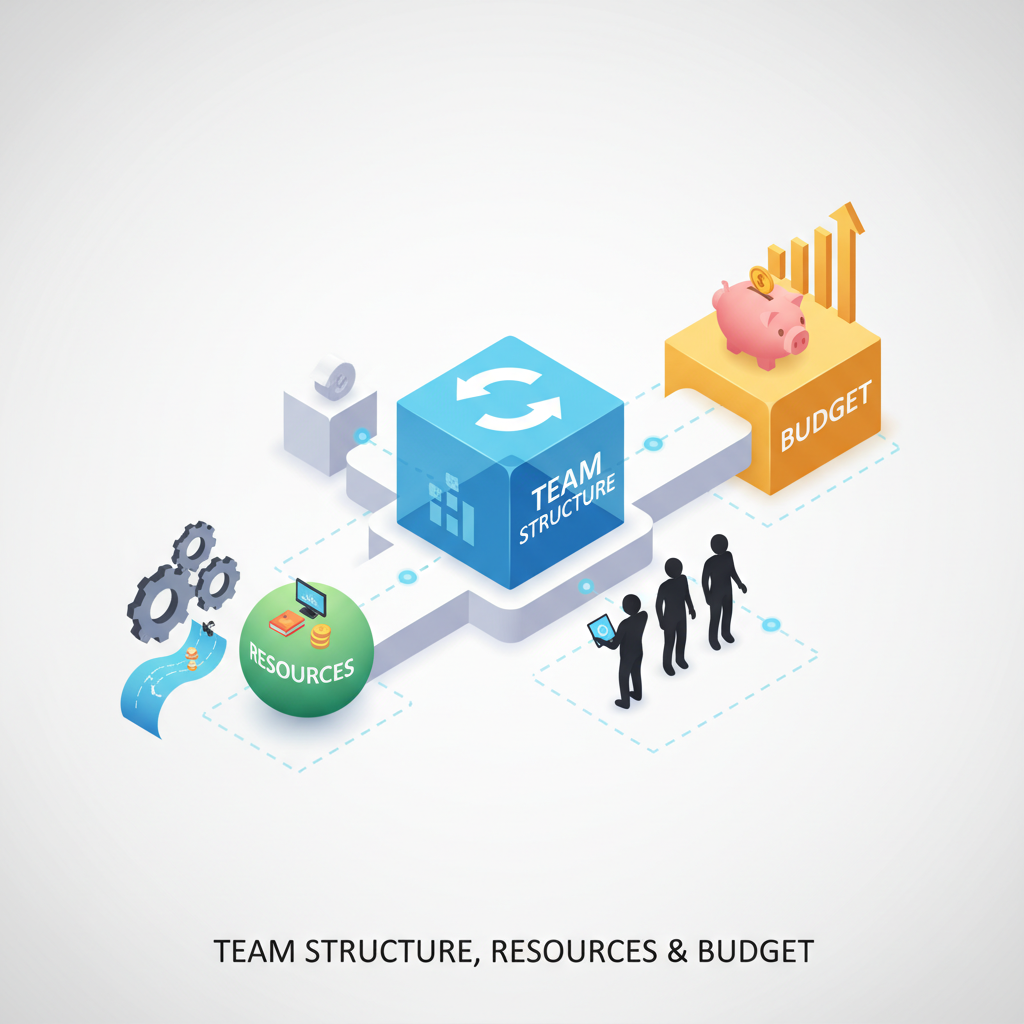
Team Structure, Resources & Budget
In the dynamic and ever-evolving film industry of Singapore, the operational realities for Human Resources professionals diverge significantly between small to medium-sized enterprises (SMEs) and large corporate entities. These differences between the SMEs’ HR Manager and the Corporates’ HR Director in Films field in singapore are not merely superficial; they permeate the very core of team structure, the allocation of resources, and the strategic deployment of budgets, profoundly shaping the HR function’s impact. Understanding these distinctions is crucial for anyone navigating the unique film industry HR Singapore landscape.
1. HR Department Size & Specialization
The fundamental contrast in HR capabilities between SMEs and large corporate film entities in Singapore begins with department size and specialization. In an SME, the HR function is typically lean, often spearheaded by a single HR Manager or a small generalist team. This individual is a veritable jack-of-all-trades, responsible for the entire employee lifecycle—from talent acquisition and onboarding for new production crew members to payroll, benefits administration, employee relations, and basic training initiatives. The focus is predominantly operational, ensuring compliance and day-to-day HR needs are met, often with limited capacity for strategic HR planning. This generalist role demands adaptability and a broad understanding of all HR facets, often leading to HR challenges film SMEs face in scaling up or implementing sophisticated HR strategies.
Conversely, large corporate film entities, such as multinational studios or extensive production houses, boast well-established HR departments. These departments are often structured hierarchically, led by an HR Director who oversees a team of specialists. This team might include dedicated professionals for talent acquisition (recruitment for film projects, cast, and crew), compensation and benefits, learning and development (focused on upskilling cinematographers, editors, and technical staff), HR business partners, and employee relations. This specialization allows for a more strategic, proactive approach to HR, enabling the implementation of comprehensive talent management strategies, robust employee engagement programs, and advanced organizational development initiatives that support the company’s long-term goals. Here, the HR Director often plays a critical role in shaping overall corporate film HR strategy, aligning human capital with business objectives.
2. Technology & Tools Utilized for HR Operations
The technological sophistication of HR operations is another significant differentiator. SMEs in the film sector often operate with minimal HR technology. Their reliance might extend to basic office software like spreadsheets for tracking employee data, simple cloud-based payroll systems, and manual processes for performance reviews or leave requests. The adoption of advanced Human Resource Information Systems (HRIS) or Applicant Tracking Systems (ATS) is often constrained by budget limitations and a perceived lack of immediate necessity for their smaller workforce. While functional, this approach can be time-consuming, prone to manual errors, and limits data analytics capabilities, making it harder to derive actionable insights from HR data.
In stark contrast, large corporate film entities leverage sophisticated HR technology stacks to streamline operations and enhance strategic decision-making. They invest heavily in integrated HRIS platforms that manage everything from core HR functions to talent management, performance analytics, and workforce planning. Dedicated ATS solutions ensure efficient recruitment of diverse talent for complex film productions. Furthermore, these entities often utilize learning management systems (LMS) for continuous professional development, feedback platforms for ongoing performance management, and HR analytics tools to identify trends, forecast staffing needs, and measure the effectiveness of HR programs. This commitment to HR technology insights allows for greater automation, improved data integrity, and the ability to focus HR efforts on more strategic initiatives, embodying best practices in HR technology in media production.
3. Budget Allocation for HR Initiatives & Programs
The financial resources dedicated to HR initiatives and programs present perhaps the most telling disparity. For SMEs in the Singaporean film industry, HR budgets are typically constrained, viewed often as an overhead rather than a strategic investment. This means HR initiatives are often low-cost, grassroots efforts. Employee training might be limited to essential compliance modules or on-the-job learning. Employee engagement activities might be informal team gatherings or simple recognition programs. While these efforts are valuable, their scope is limited, impacting the ability to offer competitive benefits, extensive professional development, or comprehensive wellness programs. The emphasis is on maintaining operational efficiency within tight fiscal boundaries.
Conversely, large corporate film entities allocate substantial budgets to their HR departments, recognizing HR as a strategic partner in achieving business success. These budgets support a wide array of programs: extensive leadership development, specialized technical training for film crews, robust health and wellness initiatives, diversity, equity, and inclusion (DEI) programs, and competitive compensation and benefits packages. They have the financial capacity to invest in external consultants, advanced HR software, and innovative employee engagement strategies that foster a strong organizational culture. The investment reflects a belief that strategic HR initiatives directly contribute to talent retention, productivity, and overall business performance, significantly impacting employee engagement film industry wide. This fundamental difference underscores the strategic advantage enjoyed by larger entities in attracting, developing, and retaining top talent in a competitive industry.
Compensation, Benefits & Career Progression
The vibrant yet often fragmented Singaporean film sector presents a fascinating study in organizational contrasts, particularly when examining human resources functions. While the romantic allure of filmmaking remains constant, the practical realities of remuneration, employee benefits, and opportunities for career progression diverge significantly between nimble Small and Medium-sized Enterprises (SMEs) and larger, more established corporate entities. This section delves into these disparities, specifically highlighting the differences between the SMEs’ HR Manager and the Corporates’ HR Director in Films field in Singapore, illustrating how organizational scale profoundly shapes the professional journey within the industry.
1. Salary Ranges & Incentive Structures
For an HR professional navigating the Singaporean film landscape, the pay package is often the first indicator of organizational structure. In an SME within the film sector, an HR Manager typically juggles a myriad of responsibilities, from recruitment and payroll to employee relations and compliance, often with limited support staff. Consequently, their base salary, while competitive for their level, tends to be situated at the lower-to-mid range compared to their corporate counterparts. Incentive structures in SMEs might be less formal, potentially tied to the company’s overall project success or annual profitability, rather than individual HR performance metrics. Bonuses, if offered, might be discretionary and less predictable, reflecting the inherent volatility and project-based nature of many smaller film operations.
Conversely, a Corporate HR Director in a larger film production house, media conglomerate, or broadcasting network operates within a more stratified environment. Their role is often strategic, overseeing multiple HR functions, developing long-term talent strategies, and ensuring alignment with broader corporate objectives. This expanded scope, coupled with greater financial backing, translates into significantly higher base salaries. Corporate incentive structures are typically robust and well-defined, often including performance-based bonuses tied to achieving specific KPIs (e.g., talent retention rates, successful change management initiatives), and potentially long-term incentives or even restricted stock units for senior leadership, though equity participation is rarer in pure film entities. Understanding the nuanced differences between the SMEs’ HR Manager and the Corporates’ HR Director in the Films field in Singapore is crucial for aspiring professionals, as it dictates both immediate earning potential and future financial growth.
2. Employee Benefits & Perks Offered
Beyond the core salary, the breadth and depth of employee benefits and perks paint another clear picture of organizational disparity. SMEs in the Singaporean film sector, constrained by tighter budgets, typically offer essential benefits mandated by law, such as Central Provident Fund (CPF) contributions and basic medical leave. Additional perks might include a more flexible work environment, a close-knit team culture, or opportunities for direct involvement in diverse projects – intangible benefits that appeal to a certain type of professional. However, comprehensive health insurance, dental coverage, or extensive wellness programs are often not feasible due to cost limitations.
Large corporate film entities, on the other hand, leverage their scale and financial strength to provide a far more extensive suite of benefits. These often include comprehensive group medical and dental insurance plans, generous leave policies (e.g., enhanced maternity/paternity leave, compassionate leave), wellness initiatives (subsidized gym memberships, mental health support), and even perks like professional development allowances, travel insurance for international projects, or employee assistance programs. These offerings are designed not only to comply with labor laws but also to attract and retain top talent in a competitive market. According to recent salary guides and employment outlooks in Singapore, robust benefits packages are increasingly important for employee satisfaction and retention across industries, a trend corporates are better equipped to follow.
3. Pathways for Professional Development & Advancement
Career progression and professional development also vary significantly. For an HR Manager in a film SME, career growth might be less about climbing a traditional ladder and more about broadening skill sets and taking on an increasingly diverse array of responsibilities. Opportunities for formal training might be limited due to budget constraints, but invaluable hands-on experience across all facets of HR, direct mentorship from company founders, and a deeper understanding of the entire business operation are common. Advancement often means becoming a more seasoned generalist or potentially moving into an HR leadership role as the company grows, if it does.
In contrast, a Corporate HR Director in the film industry typically benefits from clearly defined career paths and robust professional development frameworks. Larger organizations often have dedicated learning and development budgets, facilitating access to external certifications (e.g., HR analytics, change management), leadership training programs, and industry conferences. Internal mobility, whether within the HR department, across different business units, or even internationally for global media groups, provides structured avenues for advancement. Mentorship programs, formal performance review cycles linked to development plans, and opportunities to lead large-scale strategic initiatives are standard, offering a predictable trajectory for an HR Director aiming for senior executive roles.
In conclusion, while both SMEs and corporate entities contribute vitally to the Singaporean film sector, the professional landscape for HR roles is distinctly different. Corporates generally offer higher compensation, more comprehensive benefits, and structured career progression. However, SMEs provide unique opportunities for hands-on learning, broad skill development, and a direct impact on a smaller, more agile operation. Professionals must weigh these factors carefully when charting their career path in Singapore’s dynamic film industry.
Industry-Specific Challenges in Singapore Films
The Singaporean film industry, though relatively compact, is a vibrant and evolving landscape, characterized by its unique blend of local narratives and international co-productions. For HR professionals, navigating this dynamic environment presents a distinct set of hurdles and opportunities. The differences between the SMEs’ HR Manager and the Corporates’ HR Director in Films field in singapore are particularly pronounced, with each facing tailored challenges in talent management, regulatory compliance, and workforce development. While SME HR Managers often grapple with limited resources and highly personalized team dynamics, Corporate HR Directors deal with scaling solutions, complex global partnerships, and diverse departmental needs. Understanding these nuances is crucial for fostering a sustainable and thriving film ecosystem in the Lion City.
The film sector’s project-based nature, reliance on highly specialized skills, and intricate funding mechanisms demand agile and strategic HR practices. From attracting and retaining top-tier creative and technical talent to ensuring adherence to local labor laws and leveraging government support, HR plays a pivotal role. The subsequent sections delve into these critical areas, highlighting how both small and large film entities in Singapore navigate the complexities of their human capital management.
-
Managing Project-Based Workforce & Freelancers
The very essence of film production in Singapore, like globally, revolves around projects. This creates a workforce model heavily reliant on freelancers and contract staff, posing significant HR challenges for both SMEs and corporate entities. For the SME HR Manager, managing a project-based workforce often means a rapid cycle of hiring, onboarding, and offboarding for each production. This includes drafting various contractual agreements, ensuring timely payroll for a fluctuating team, and integrating new members into a temporary, yet cohesive, unit. The administrative burden is substantial, often stretching limited HR resources. Additionally, maintaining a roster of reliable freelancers for future projects and understanding their specific skill sets becomes a crucial, albeit informal, aspect of talent management.
Corporate HR Directors, while potentially having more robust systems, face challenges of scale and legal complexity. They must develop sophisticated frameworks for managing a larger pool of contingent workers, ensuring compliance with evolving labor laws concerning independent contractors versus employees. This involves developing standardized contract templates, implementing efficient digital onboarding platforms, and navigating potential legal liabilities related to long-term freelancer engagements. Both roles must grapple with the absence of traditional benefits packages for freelancers, necessitating creative solutions to attract and retain top talent through competitive project rates and fostering a positive work environment. Effective project-based workforce management also requires a keen understanding of production timelines and the ability to rapidly deploy HR support to diverse film sets.
-
Talent Retention & Niche Skills in Film Production
Singapore’s film industry thrives on highly specialized talent, from cinematographers and sound designers to visual effects artists and experienced producers. Attracting and, more critically, retaining these individuals presents a substantial challenge. For SME HR Managers, limited budgets often mean they cannot compete with international rates or larger corporate salaries. Their retention strategies frequently rely on fostering strong team culture, offering unique creative opportunities, and building personal relationships. Identifying and nurturing emerging local talent with niche skills is also vital for their long-term sustainability.
Corporate HR Directors, while possessing more financial leverage, must address talent retention on a larger scale. This involves creating structured career development paths within a project-driven environment, offering continuous training in advanced technologies and techniques, and providing competitive compensation and benefits packages. The competitive landscape for film industry talent acquisition extends beyond Singapore, with professionals often seeking international opportunities. Both HR roles must therefore focus on strategies that make Singapore an attractive hub for film professionals, including promoting work-life balance, showcasing diverse project portfolios, and investing in continuous professional development to keep skills current with global industry standards. The ability to offer varied and challenging projects is often a key differentiator in retaining creative minds.
-
Regulatory Compliance & Funding Landscape
Operating within Singapore’s well-regulated environment requires meticulous attention to compliance, a responsibility that falls squarely on HR. From adhering to labor laws (such as the Employment Act and Workplace Safety and Health Act) to managing intellectual property rights and data protection, the regulatory framework is stringent. For the SME HR Manager, resource constraints can make keeping abreast of all regulatory updates challenging. They often rely on external consultants or industry associations to ensure their practices, particularly around contractor agreements and workplace safety on set, are compliant. Missteps can lead to significant financial penalties or project delays.
Corporate HR Directors navigate an even broader and more complex compliance landscape, especially when dealing with international co-productions and larger film budgets. This includes ensuring adherence to global privacy laws (if engaging international talent or distributing content globally), managing complex insurance requirements, and fulfilling grant conditions from government bodies like the Infocomm Media Development Authority (IMDA). Singapore’s government plays a significant role in funding and developing the media industry, offering various grants and incentives that often come with specific HR-related conditions, such as requirements for local talent development or internship programs. Both HR roles must understand how the funding landscape impacts HR strategy, from budgeting for compliance costs to structuring teams to meet grant criteria. Effective navigation of this landscape is not just about avoiding penalties but also about strategically leveraging available support to grow the local film workforce and enhance production capabilities.

In conclusion, the differences between the SMEs’ HR Manager and the Corporates’ HR Director in Films field in singapore highlight distinct yet interconnected challenges. Both roles are pivotal in managing the unique demands of a project-based workforce, ensuring the retention of highly specialized talent, and navigating a complex regulatory and funding environment. By understanding these industry-specific hurdles, HR professionals can strategically contribute to the growth and resilience of Singapore’s dynamic film industry.
Partner with Shelby Global
You are looking for reliable HR Sevice Suppliers? Contact Shelby Global Now! To connect with verified talents and upgrade your orginization.
—————————————
References
– Singapore Ministry of Manpower’s guidelines on employment practices: https://www.mom.gov.sg/employment-practices/employee-relations
– strategic importance of HR in modern businesses: https://www.shrm.org/resources-and-tools/hr-topics/strategic-hr/pages/default.aspx
– HR Technology Insights: https://www.shrm.org/resources-and-tools/hr-topics/technology/pages/default.aspx
– Robert Walters Singapore Salary Guide and Employment Outlook: https://www.robertwalters.com.sg/salary-survey.html
– The Future of Jobs Report 2023: https://www.weforum.org/reports/the-future-of-jobs-report-2023/