Laying the Foundation: What is HR in a Malaysian Beauty SME?
For a fresh CEO stepping into the vibrant, yet competitive, Malaysian beauty sector, understanding the bedrock of any successful enterprise—its people—is paramount. Human Resources (HR) in a Small to Medium-sized Enterprise (SME) isn’t just a corporate buzzword; it’s the strategic backbone that drives growth, maintains compliance, and cultivates a thriving work environment. In a beauty SME, where client experience and staff expertise are intrinsically linked, effective HR management is not merely an administrative task but a direct contributor to your bottom line. This section aims to provide a clear, Step by Step to understand SMEs HR Structure for the fresh the CEO in beauty field in malaysia, laying a robust foundation for your leadership journey.
Malaysian SMEs, including those in the beauty industry, often operate with lean teams, requiring each employee to wear multiple hats. This context fundamentally shapes HR’s role, demanding adaptability and a keen understanding of both local regulations and industry-specific nuances. While large corporations might have dedicated HR departments, in an SME, the CEO often spearheads HR efforts, making this foundational understanding critical for sustainable success.
1. Beyond Payroll: Core HR Functions in SMEs
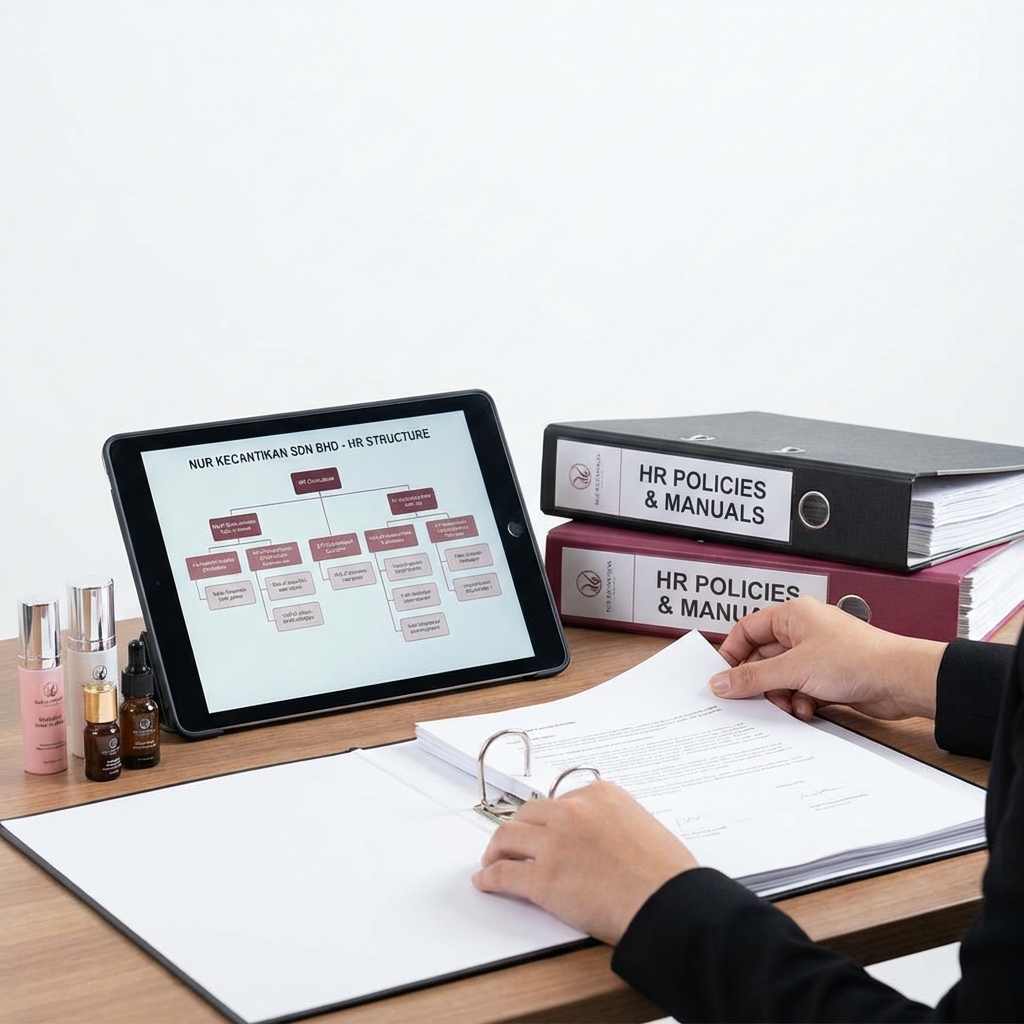
While payroll processing is undoubtedly a crucial HR function, particularly in an SME where cash flow is vital, the scope of HR extends far beyond. In a Malaysian beauty SME, core HR functions encompass a range of activities designed to attract, develop, and retain talent. This includes:
- Recruitment and Onboarding: Sourcing skilled therapists, stylists, and front-desk staff, conducting interviews, and ensuring a smooth integration into your team and company culture.
- Training and Development: Identifying skill gaps and providing ongoing training on new beauty techniques, product knowledge, customer service excellence, and sales strategies. Continuous learning keeps your staff competitive and motivated.
- Performance Management: Setting clear performance expectations, conducting regular appraisals, providing constructive feedback, and implementing reward systems to encourage high achievement. This is crucial for maintaining service quality.
- Employee Relations: Managing workplace communication, resolving conflicts, addressing grievances fairly, and fostering a positive, inclusive work environment. Happy employees lead to happy clients.
- Compensation and Benefits: Designing competitive salary structures, commission models that incentivize performance, and benefits packages that attract top talent while remaining financially viable for the SME.
- HR Compliance: Adhering to Malaysian labour laws, including the Employment Act 1955, EPF, SOCSO, and EIS contributions. Ensuring proper documentation, contracts, and workplace safety is non-negotiable for avoiding legal pitfalls. SME Corp Malaysia offers various programmes and resources to help SMEs navigate these complexities.
2. Unique HR Needs of the Beauty Industry
The beauty industry presents distinct HR challenges that require a tailored approach. Unlike a typical office environment, beauty SMEs deal with:
- Specialised Skill Sets: Employing individuals with specific certifications (e.g., aesthetician licenses, massage therapist diplomas) and creative talents (e.g., hair styling, nail art). HR must verify credentials and ensure continuous skill enhancement.
- Client-Facing Roles: Every employee is a brand ambassador. HR needs to focus on training in soft skills, customer service, and conflict resolution, as client satisfaction is paramount.
- Flexible/Irregular Hours: Beauty salons and spas often operate during evenings, weekends, and public holidays. Managing shifts, overtime, and work-life balance for staff is a constant HR consideration.
- Product Knowledge: Staff must be experts on the products and services offered, requiring regular training from suppliers and internal knowledge-sharing sessions.
- Hygiene and Safety Standards: Ensuring strict adherence to health and safety protocols is critical, not just for compliance but for client trust and employee well-being.
- Commission-Based Structures: Often, a significant portion of employee earnings comes from commissions. HR must design fair, transparent, and motivating commission plans.
3. Distinguishing HR from Operations in SMEs
In smaller enterprises, the lines between HR and operations can easily blur, with the CEO or even an operations manager handling both. However, understanding the distinction is crucial for strategic growth. While operations focus on the day-to-day running of the business – managing appointments, inventory, equipment maintenance, and service delivery – HR concentrates on the ‘people’ aspect.
HR’s domain is the employee lifecycle: from recruitment and talent development to welfare, engagement, and ensuring a fair, compliant workplace. Operations, on the other hand, deals with the efficiency and effectiveness of the business processes and resources used to deliver the beauty services. For example, scheduling a therapist’s appointments is an operational task, but addressing their performance review or a workplace conflict is an HR function. A CEO needs to wear both hats initially but understand that as the business grows, clearly defined HR processes and potentially a dedicated HR role become essential for scalability. Separating these functions, even conceptually, allows for more focused attention on both the business’s output and its most valuable asset: its people.
Navigating Malaysian HR Compliance & Regulations
As a new CEO, particularly within the dynamic and client-facing beauty industry in Malaysia, one of your most critical initial undertakings is to meticulously understand the intricate legal framework governing human resources. This isn’t merely about ticking boxes; it’s about establishing a resilient foundation for your business, ensuring fair treatment of employees, and mitigating significant legal and financial risks. A comprehensive, Step by Step to understand SMEs HR Structure for the fresh the CEO in beauty field in malaysia is paramount to foster a compliant, productive, and harmonious work environment. This guide will walk you through the essential employment laws, specific beauty industry regulations, and best practices for managing your workforce legally and effectively.
1. Key Malaysian Employment Laws (EA 1955, EPF, SOCSO)
At the core of HR compliance in Malaysia lies a suite of fundamental legislation that dictates employer-employee relationships. Foremost among these is the Employment Act 1955 (EA 1955), recently amended and expanded in its scope. This Act is the bedrock, covering crucial aspects like working hours, rest days, annual leave, sick leave, maternity leave, public holidays, minimum wage requirements, and termination procedures. Understanding its provisions is non-negotiable, as non-compliance can lead to hefty penalties and severe reputational damage. It’s important to note that the recent amendments have extended its applicability to all employees regardless of their wages, ensuring broader protection.
Beyond the EA 1955, two other pivotal statutory contributions are the Employees Provident Fund (EPF) and the Social Security Organization (SOCSO). EPF is a mandatory retirement savings scheme, requiring both employers and employees to contribute a stipulated percentage of the employee’s monthly wages. SOCSO, on the other hand, provides social security protection through two schemes: the Employment Injury Scheme and the Invalidity Scheme, safeguarding employees against work-related accidents, occupational diseases, and invalidity. Employers are also obligated to contribute to the Employment Insurance System (EIS), which offers financial assistance to retrenched workers and facilitates their re-employment. Navigating these requirements meticulously forms a significant part of effective SME HR framework management.
2. Essential Permits & Licenses for Beauty Businesses
The beauty industry, with its unique services and client interactions, comes with its own set of specific regulatory hurdles. Before you even open your salon or spa doors, ensuring you possess all necessary permits and licenses is crucial. Firstly, your business must be registered with the Companies Commission of Malaysia (SSM). Following this, local council licenses (Pihak Berkuasa Tempatan – PBT) are indispensable for operating any commercial premise, and these often come with specific zoning and operational requirements tailored for businesses like beauty salons.
Furthermore, given the nature of services offered, such as facials, manicures, pedicures, and waxing, health and hygiene permits are paramount. These are typically governed by the Ministry of Health and local health departments, ensuring sanitation standards, proper waste disposal, and safe handling of chemicals and equipment. Any services involving skin penetration (e.g., certain aesthetic procedures, microneedling) might require additional specific permits or practitioner certifications. For a new CEO, staying abreast of these specific beauty industry regulations is not just about compliance; it’s about safeguarding client well-being and maintaining your business’s reputation.
3. Handling Employee Contracts & Onboarding Legally
Once you’ve grasped the legal landscape and secured your operational permits, the next critical step is legally structuring your workforce. This begins with robust and compliant employee contracts. Every employee, whether full-time, part-time, or on a fixed-term contract, must have a clear, written employment agreement. This contract should explicitly detail their job scope, remuneration structure (basic salary, allowances, commissions relevant to the beauty sector), working hours, benefits (leave, medical), and clauses pertaining to probation, grievance procedures, and termination. Vague or non-compliant contracts are a common source of disputes and legal challenges.
Following contract signing, a structured and legally sound onboarding process is essential. This involves collecting necessary documentation, such as identification, academic qualifications, and bank details, while adhering to the Personal Data Protection Act 2010 (PDPA) regarding sensitive information. Beyond paperwork, effective onboarding should include comprehensive briefings on company policies, codes of conduct, safety procedures (especially important in an environment using chemicals and specialized equipment), and performance expectations. Providing a thorough Step by Step to understand SMEs HR Structure for the fresh the CEO in beauty field in malaysia during onboarding helps new hires integrate seamlessly and understand their rights and responsibilities from day one, fostering loyalty and minimizing future HR issues. Developing a compliance checklist for each new hire can streamline this process, ensuring no critical step is overlooked.
Navigating Malaysian HR compliance might seem daunting initially, but with a structured approach and a commitment to continuous learning, it becomes a strong enabler for your beauty business. Proactive compliance not only protects your enterprise from legal ramifications but also cultivates a professional, ethical, and attractive workplace, positioning your beauty SME for sustainable growth and success.
Building Your HR Structure: From Solo to Team
As your beauty business flourishes in Malaysia, the informal HR practices that worked for a small team quickly become inefficient and a potential compliance risk. Transitioning from a solo operation to a structured HR department is crucial for sustainable growth, employee satisfaction, and legal adherence. This guide offers a Step by Step to understand SMEs HR Structure for the fresh the CEO in beauty field in malaysia, empowering you to build a robust HR foundation.
1. Identifying Your Initial HR Needs & Gaps
The first step in formalizing your HR function is a clear-eyed assessment of your current situation. For a CEO in the vibrant Malaysian beauty industry HR landscape, this means looking beyond day-to-day operations to understand the core people management challenges. Are you struggling with high staff turnover, inconsistent performance reviews, or simply managing leave requests? Conduct an internal audit to pinpoint your most pressing needs. This involves evaluating your current processes for recruitment, onboarding, payroll, benefits administration, employee relations, and compliance with local labor laws, particularly the Employment Act 1955. An effective SME HR audit will highlight where your informal practices are creating inefficiencies or legal vulnerabilities. Understanding these gaps will guide your strategy, whether it’s enhancing your recruitment process to attract top beauty professionals or standardizing your disciplinary procedures.
2. Structuring Roles: HR Generalist vs. Outsourcing
Once you’ve identified your HR needs, the next decision is how to fulfill them. For growing beauty SMEs, two primary paths emerge: hiring an in-house HR Generalist or opting for HR outsourcing. An HR Generalist brings expertise directly into your team, fostering a strong company culture and offering personalized support. They can become deeply familiar with your unique business needs and employees. However, this comes with the cost of a full-time salary, benefits, and the limitation of a single individual’s expertise. Alternatively, HR outsourcing for SMEs allows you to leverage external specialists for specific functions like payroll processing, compliance, or even full-scope HR management. This can be more cost-effective and provides access to a broader range of expertise without the overhead. Many Malaysian businesses find a hybrid model effective, keeping strategic HR functions (like culture building and talent development) in-house, while outsourcing transactional tasks such as payroll or complex compliance matters. Understanding the Benefits of HR Outsourcing for Small Businesses can help you make an informed decision for your salon or spa, ensuring your SME HR roles are filled efficiently.
3. Leveraging Technology for HR Efficiency
In today’s digital age, technology is an indispensable tool for scaling your HR function. Implementing HR technology solutions, such as a Human Resources Information System (HRIS) or Human Capital Management (HCM) system, can transform your HR operations. These cloud-based platforms are designed to automate and streamline various HR tasks, from onboarding and attendance tracking to leave management, performance appraisals, and payroll software Malaysia specific requirements. For a busy CEO, an HRIS frees up valuable time spent on administrative burdens, allowing you to focus on strategic growth initiatives. It also centralizes employee data, improves accuracy, and ensures compliance with data protection regulations. When selecting an HR tech solution, consider scalability, ease of use, and whether it integrates with other business tools you currently use. Even a simple system can make a significant difference in managing your growing workforce effectively and transparently.
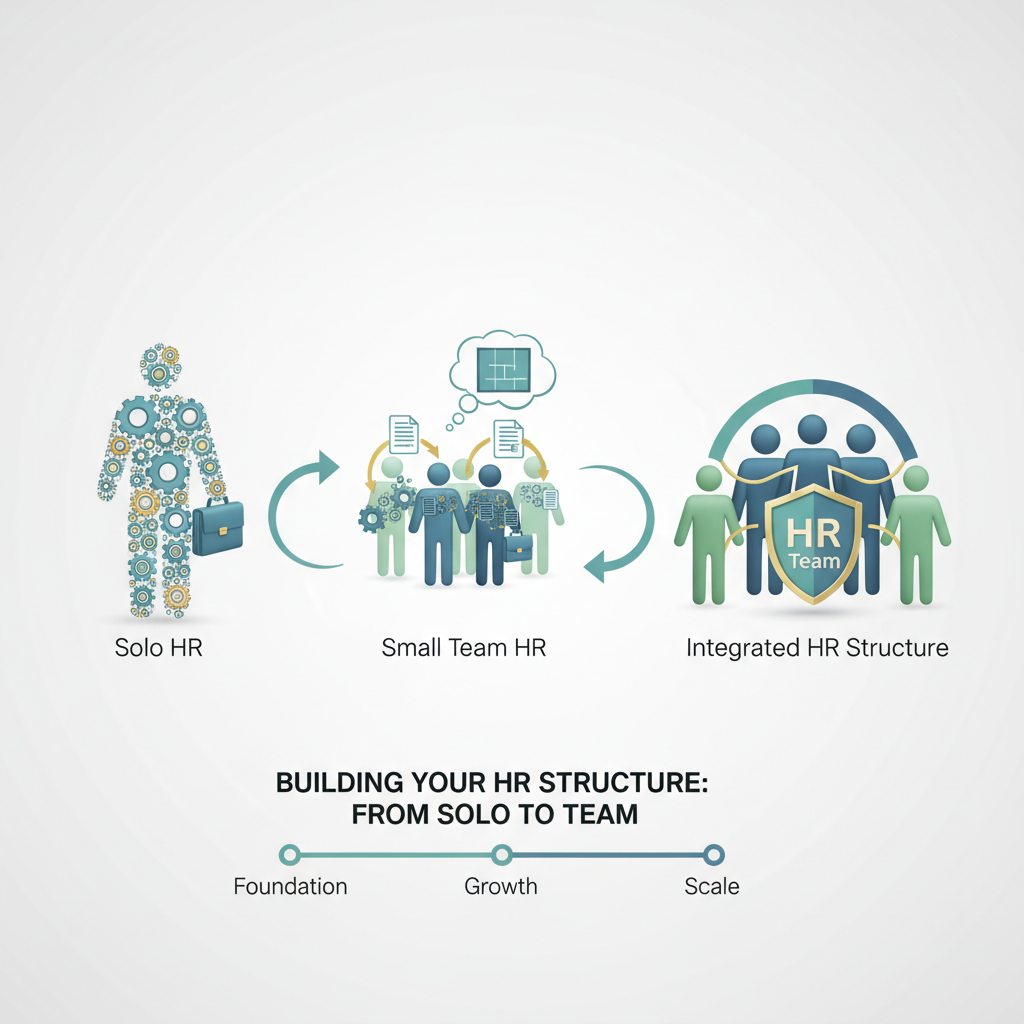
Building a robust HR structure is not merely about compliance; it’s about investing in your most valuable asset: your people. By systematically identifying needs, structuring roles, and leveraging technology, your beauty business can achieve sustained growth with a motivated and well-managed team, ensuring a strong foundation for future success in Malaysia.
Addressing Beauty Industry HR Challenges & Solutions
The Malaysian beauty industry, vibrant and ever-evolving, presents unique opportunities and equally specific HR challenges for salon, spa, and clinic owners. For the fresh CEO in the beauty field in Malaysia, gaining a clear understanding of the HR landscape is a crucial Step by Step to understand SMEs HR Structure for the fresh the CEO in beauty field in malaysia. This section delves into common HR issues specific to the beauty sector, such as talent retention, continuous training, and managing diverse skill sets, offering practical solutions to foster a thriving workforce and business.
1. Recruiting & Retaining Skilled Beauty Professionals
One of the most pressing HR challenges in the Malaysian beauty industry is the recruitment and retention of skilled beauty professionals. The sector demands highly trained aestheticians, hairstylists, therapists, and nail technicians who possess not only technical prowess but also excellent customer service skills. High turnover rates are common, driven by factors such as competitive offers from rival establishments, perceived lack of career progression, or burnout due from demanding schedules. To combat this, businesses must focus on creating an attractive employee value proposition. This includes offering competitive compensation packages, clear career development paths with opportunities for advancement, and comprehensive benefits that go beyond basic statutory requirements. Implementing robust onboarding programs can significantly improve new hires’ integration and long-term commitment. Furthermore, fostering a culture of recognition and appreciation can enhance job satisfaction and encourage valuable staff to remain loyal, thereby improving overall talent retention.
2. Managing Performance & Productivity in Services
In a service-oriented industry like beauty, measuring and managing performance and productivity can be complex. The quality of a haircut, facial, or massage is often subjective, making it challenging to set uniform KPIs (Key Performance Indicators) and ensure consistent service delivery across a team. Managing diverse skill sets, from creative stylists to meticulous therapists, requires a nuanced approach to performance evaluation. Effective solutions include establishing clear, measurable KPIs that blend objective metrics (e.g., client rebooking rates, product sales, service time efficiency) with subjective client feedback mechanisms (e.g., satisfaction surveys, online reviews). Regular, constructive performance reviews, coupled with ongoing coaching and mentorship, are vital. Implementing incentive programs tied to client satisfaction and sales targets can motivate staff to excel. Moreover, leveraging technology for appointment scheduling and client management can optimize staff productivity, minimize downtime, and ensure a seamless operational flow, directly impacting the salon or spa’s bottom line.
3. Fostering a Positive Salon/Spa Culture
The demanding nature of client-facing roles, coupled with the often close-quarters environment of salons and spas, makes fostering a positive and supportive workplace culture paramount. Issues such as workplace stress, interpersonal conflicts, and potential burnout can significantly impact employee morale and, consequently, client experience. A strong, positive culture encourages teamwork, open communication, and mutual respect. Businesses should invest in team-building activities, regular staff meetings for feedback and idea-sharing, and conflict resolution training. Promoting work-life balance through flexible scheduling where possible, and encouraging regular breaks, can mitigate stress. Furthermore, prioritizing continuous training and development is crucial not just for skill enhancement but also for morale. Providing opportunities for staff to upgrade their skills through workshops, advanced courses, and certifications demonstrates an investment in their future. Such continuous professional development not only improves service quality but also empowers employees, making them feel valued and contributing to a healthier, more productive, and positive work environment. Building an ethical leadership model that champions fairness and transparency completes the framework for a thriving beauty business in Malaysia.
Scaling HR for Sustainable SME Growth in Malaysia
For a fresh CEO in Malaysia’s vibrant beauty field, navigating the complexities of business expansion while building a resilient team can be daunting. As Small and Medium-sized Enterprises (SMEs) drive the Malaysian economy, establishing a future-proof HR structure is paramount for sustainable growth. This isn’t merely about managing payroll; it’s about strategically developing your workforce, fostering a culture of high performance, and ensuring your human capital can support ambitious expansion plans. Understanding the nuances of HR strategy is a critical Step by Step to understand SMEs HR Structure for the fresh the CEO in beauty field in malaysia, laying the foundation for long-term success.
1. Developing Talent & Career Paths within Your SME
In the competitive Malaysian market, attracting and retaining top talent is a continuous challenge for SMEs. For your beauty business, this means cultivating skilled estheticians, marketing specialists, and administrative staff who are not only proficient but also dedicated to your brand’s vision. Implementing robust talent development programs is crucial. This involves identifying key skill gaps and offering targeted training, workshops, and mentorship opportunities. Beyond initial training, creating clear career paths and succession planning frameworks ensures that employees see a future with your company. For instance, an entry-level therapist could aspire to become a senior therapist, then a team leader, and eventually a branch manager, with defined milestones and development support along the way. This proactive approach not only boosts employee morale and loyalty but also builds an internal talent pipeline, reducing reliance on external hiring for critical roles as your SME expands.
2. Implementing Performance Management Systems
Effective performance management is the backbone of a high-performing team. For SMEs, it’s about more than just annual reviews; it’s a continuous process that aligns individual contributions with the overall strategic goals of the business. A well-designed performance management system includes setting clear Key Performance Indicators (KPIs) for each role, providing regular feedback, and conducting fair and transparent performance appraisals. For a beauty salon, KPIs might include client retention rates, service upsells, product knowledge, and customer satisfaction scores. Regular check-ins and constructive feedback sessions help employees understand where they stand, identify areas for improvement, and celebrate successes. Linking performance to recognition, rewards, and further development opportunities reinforces a culture of accountability and excellence. This structured approach helps a fresh CEO to clearly evaluate team effectiveness and make informed decisions on development and promotions.
3. Strategic HR Planning for Future Expansion
As your beauty SME in Malaysia looks towards future expansion—whether opening new branches, launching new product lines, or entering different market segments—your HR strategy must evolve proactively. Strategic HR planning involves anticipating future workforce needs, identifying potential skill gaps, and developing strategies to address them. This includes workforce forecasting, which considers demographic changes, industry trends, and technological advancements (e.g., AI in customer service or advanced beauty techniques). Building a strong employer brand is also vital; it positions your company as an attractive workplace, aiding in recruitment efforts. Furthermore, integrating HR technology can streamline processes, from recruitment to performance tracking, allowing HR teams to focus on strategic initiatives rather than administrative tasks. For instance, exploring modern HR tools can significantly enhance efficiency and data-driven decision making. A comprehensive strategic HR plan is essential for any growing SME looking to not just react to growth but proactively drive it. To understand more about future-proofing HR, refer to insights from SHRM on the Future of HR, which emphasizes the need for agility and strategic foresight in human capital management. This holistic approach ensures that HR is not just a support function but a strategic partner in achieving your business’s long-term objectives.
Partner with Shelby Global
You are looking for reliable HR Sevice Suppliers? Contact Shelby Global Now! To connect with verified talents and upgrade your orginization.
—————————————
References
– SME Corp Malaysia Programmes: https://www.smecorp.gov.my/index.php/en/programmes
– Ministry of Human Resources Malaysia – Legislation: https://www.mohr.gov.my/index.php/en/legislation
– Benefits of HR Outsourcing for Small Businesses: https://www.insperity.com/blog/what-is-hr-outsourcing/
– Employee Development Key to Retention: https://www.shrm.org/topics-tools/news-articles/human-resources-magazine/employee-development-key-retention
– Future of HR: Talent Acquisition | SHRM: https://www.shrm.org/resources-and-tools/hr-topics/talent-acquisition/pages/future-of-hr.aspx