
Laying the Foundation: Basics of HR for Singaporean SMEs
Stepping into the role of CEO, especially in a dynamic field like film production within Singapore’s vibrant SME landscape, brings a unique set of challenges and opportunities. While your creative vision and business acumen are paramount, a robust understanding of Human Resources (HR) isn’t just an administrative chore—it’s a strategic imperative. For a fresh CEO, particularly one new to the intricacies of local regulations, grasping the core concepts of HR specific to small and medium-sized enterprises (SMEs) in Singapore is crucial for sustainable growth and talent retention. This section offers a comprehensive, Step by Step to understand SMEs HR Structure for the fresh the CEO in Films field in singapore, highlighting the legal and operational nuances essential for your success.

1. Singaporean Employment Law Basics for SMEs
Navigating Singapore’s employment landscape is the first critical step for any new CEO. As an SME, compliance isn’t just about avoiding penalties; it’s about building a fair and reliable workplace culture, which is especially important in the project-based, often intense environment of the film industry. The bedrock of Singapore HR compliance is the Employment Act Singapore, which governs most aspects of employer-employee relationships, including contracts, working hours, leave entitlements (annual, sick, maternity), and termination procedures. Familiarize yourself with mandatory contributions like the Central Provident Fund (CPF), a comprehensive social security savings scheme for employees and employers.
Beyond the Employment Act, you must be aware of the Work Injury Compensation Act (WICA), ensuring employees are covered for work-related injuries or diseases. Given the project-based nature of film, understanding regulations around fixed-term contracts, freelancers, and independent contractors is also vital to avoid misclassification issues. The Fair Consideration Framework (FCF) guides employers in considering Singaporeans fairly for job opportunities before hiring foreign talent, a principle that underpins responsible workforce planning Singapore. A proactive approach to these legal frameworks forms the bedrock of a sound new CEO HR guide, minimizing risks and fostering a positive work environment.
2. Typical HR Functions & Department Structure in SMEs
Unlike large corporations with dedicated HR departments, SMEs in Singapore often have a leaner approach to HR. For a film production SME, the HR functions might be managed by an administrative manager, a finance professional, or even the CEO directly. Understanding these distributed responsibilities is key to a Step by Step to understand SMEs HR Structure for the fresh the CEO in Films field in singapore. Key HR functions still apply, albeit often in a simplified manner:
- Talent Acquisition: While larger firms have dedicated recruiters, SMEs often rely on networks, referrals, and online platforms. For the film industry, this often extends to scouting specialist crew members, actors, and post-production talent. Effective talent acquisition Singapore within an SME requires agility and strong industry connections.
- Onboarding & Training: Integrating new hires quickly and effectively, especially given project deadlines, is crucial. Training in an SME often leans towards on-the-job learning rather than formal programs, focusing on essential skills for current projects.
- Payroll & Benefits: Often handled by an administrator or outsourced to a payroll service provider. Accurate and timely payroll management SME is fundamental for employee satisfaction and legal compliance.
- Performance Management: Less formal than corporate structures, often involving direct feedback sessions and project-based appraisals. For a film crew, this might involve post-project debriefs.
- Employee Relations: Due to smaller teams, employee relations Singapore in an SME is often more personal and direct. Addressing grievances and fostering a positive work culture becomes a significant leadership responsibility.
Implementing basic HR processes and perhaps leveraging simple HR technology for SMEs (like an online HRIS for leave management) can significantly improve efficiency, even without a full HR department. These are essential SME HR best practices.
3. Key Differences: HR in Large Corporations vs. SMEs
The HR landscape in an SME presents distinct characteristics compared to its corporate counterparts. As a CEO navigating the film industry HR challenges, understanding these differences will shape your strategy:
- Resource Constraints: SMEs operate with limited budgets for HR staff, tools, and training programs. This necessitates creativity and efficiency in managing HR functions.
- Flexibility and Agility: On the flip side, SMEs can often adapt to changes quicker. Policies might be less rigid, allowing for more bespoke solutions for individual employees or project needs.
- Direct Impact: HR decisions in an SME have a more immediate and noticeable impact on the entire team. A single hiring or termination decision can significantly alter team dynamics and productivity.
- CEO’s Direct Involvement: As CEO, you will likely be more directly involved in day-to-day HR matters, from recruitment interviews to mediating disputes. Your leadership in employee relations Singapore is paramount. This hands-on approach requires a deeper understanding of human dynamics and legal compliance.
- Culture & Relationships: The workplace culture in an SME is often more informal and family-like. While this can foster strong camaraderie, it also means that managing conflicts or implementing disciplinary actions requires sensitivity and clear communication to avoid damaging morale. Effective performance management small business often relies on strong interpersonal skills rather than just formal procedures.
In conclusion, mastering the basics of HR in Singapore for your film industry SME isn’t just about ticking boxes; it’s about empowering your team, fostering a compliant and thriving environment, and ultimately, ensuring the successful execution of your creative vision. A pragmatic and informed approach to HR will be a cornerstone of your leadership.
Understanding HR’s Unique Role in a Film Production SME
For a fresh CEO stepping into the vibrant yet demanding world of a film production SME in Singapore, understanding the nuances of Human Resources is paramount. Unlike conventional corporate environments, HR in film production operates within a highly dynamic, project-based framework, requiring a unique strategic approach. This guide offers a Step by Step to understand SMEs HR Structure for the fresh the CEO in Films field in singapore, highlighting how HR functions as a critical backbone, navigating industry-specific challenges and unlocking significant opportunities for growth and creative success.
The film industry thrives on creativity, tight deadlines, and temporary teams, making traditional HR models often ill-suited. Here, HR transforms into a proactive partner, managing a transient workforce, nurturing talent, and ensuring compliance in a sector where every project is a new beginning and an intricate puzzle. From film production HR best practices to addressing specific HR challenges film SMEs face, a strategic HR approach is indispensable for sustaining a competitive edge in the Singapore film industry HR landscape.
1. Managing Project-Based Workforce & Talent Pools
The very essence of film production is its project-based nature. Unlike a fixed corporate team, a film production company often scales its workforce up and down with each new project. This demands exceptional project-based HR management. HR is responsible for identifying, onboarding, and offboarding a diverse array of professionals—from directors and cinematographers to sound engineers, editors, and production assistants—who might only be needed for the duration of a specific film, commercial, or series. This includes developing and maintaining robust talent management film strategies and comprehensive talent pools.
For a CEO, building a resilient talent network is key. HR’s role extends beyond merely hiring; it involves cultivating relationships with skilled freelancers and crew members, tracking their availability, performance, and specializations. This ensures that when a new project arises, the company can quickly assemble a high-performing team, minimizing delays and maintaining quality. Effective communication, efficient contractor management film, and a seamless offboarding process that encourages future collaborations are vital for managing this flexible workforce management model. Furthermore, HR must navigate the complexities of international talent, particularly common in Singapore’s globalized film sector, ensuring all necessary visas and work permits are in place.
2. Talent Acquisition & Retention for Creative Roles
Attracting and retaining top creative talent acquisition is arguably one of the most challenging yet rewarding aspects of HR in film. Creative professionals, such as writers, directors, and artists, are driven by passion, artistic freedom, and the opportunity to work on compelling projects. Traditional recruitment methods often fall short when sourcing individuals whose primary output is intangible and highly subjective. HR must therefore develop specialized strategies for talent acquisition creative roles, focusing on portfolios, demonstrable past work, and cultural fit within the production team.
Retention in this environment isn’t about lengthy tenure but about keeping top talent engaged and eager to work on subsequent projects. This involves more than just competitive compensation; it encompasses offering diverse and challenging projects, fostering a collaborative and supportive creative environment, providing opportunities for skill development, and recognizing artistic contributions. Employee retention film strategies should prioritize professional growth, work-life balance (as much as possible in an intense industry), and a strong sense of community. Building a strong employer brand that resonates with creative values is crucial for an HR for creative industries leader.
3. Contractor vs. Employee Considerations in Film Production
Perhaps one of the most significant legal and operational considerations for a film production SME in Singapore is the classification of its workforce. The vast majority of crew members and specialized talent in film production are engaged as independent contractors or freelancers rather than full-time employees. This offers flexibility but also presents critical compliance challenges. Understanding the clear distinction between a contractor and an employee is not merely administrative; it has profound implications for payroll taxes, statutory benefits (like CPF contributions in Singapore), leave entitlements, and termination rights.
Misclassification can lead to severe penalties, back-payment of taxes, and legal disputes with the Ministry of Manpower (MOM) in Singapore. HR must possess an intricate understanding of Singapore’s employment regulations and the criteria used to differentiate between the two types of engagements. This includes evaluating factors such as control over work, provision of tools, risk of profit/loss, and duration of engagement. Implementing robust contract management, clear statements of work, and ensuring timely, accurate payroll film production for all types of workers are non-negotiable. Effective HR compliance film practices are essential for operational efficiency and legal adherence, safeguarding the company against potential liabilities and ensuring smooth project execution. This careful distinction is central to sound HR compliance film within the industry.
In conclusion, for a fresh CEO, embracing a strategic and specialized HR function is not merely an overhead but a critical investment in the success and sustainability of a film production SME in Singapore. By adeptly managing project-based teams, attracting and retaining creative talent, and meticulously navigating contractor versus employee distinctions, HR empowers the company to focus on its core mission: bringing captivating stories to life on screen. This bespoke HR structure ensures operational fluidity, legal compliance, and a thriving creative ecosystem, making it a truly valuable asset in the dynamic world of film.
Key HR Processes for New Film CEOs to Master
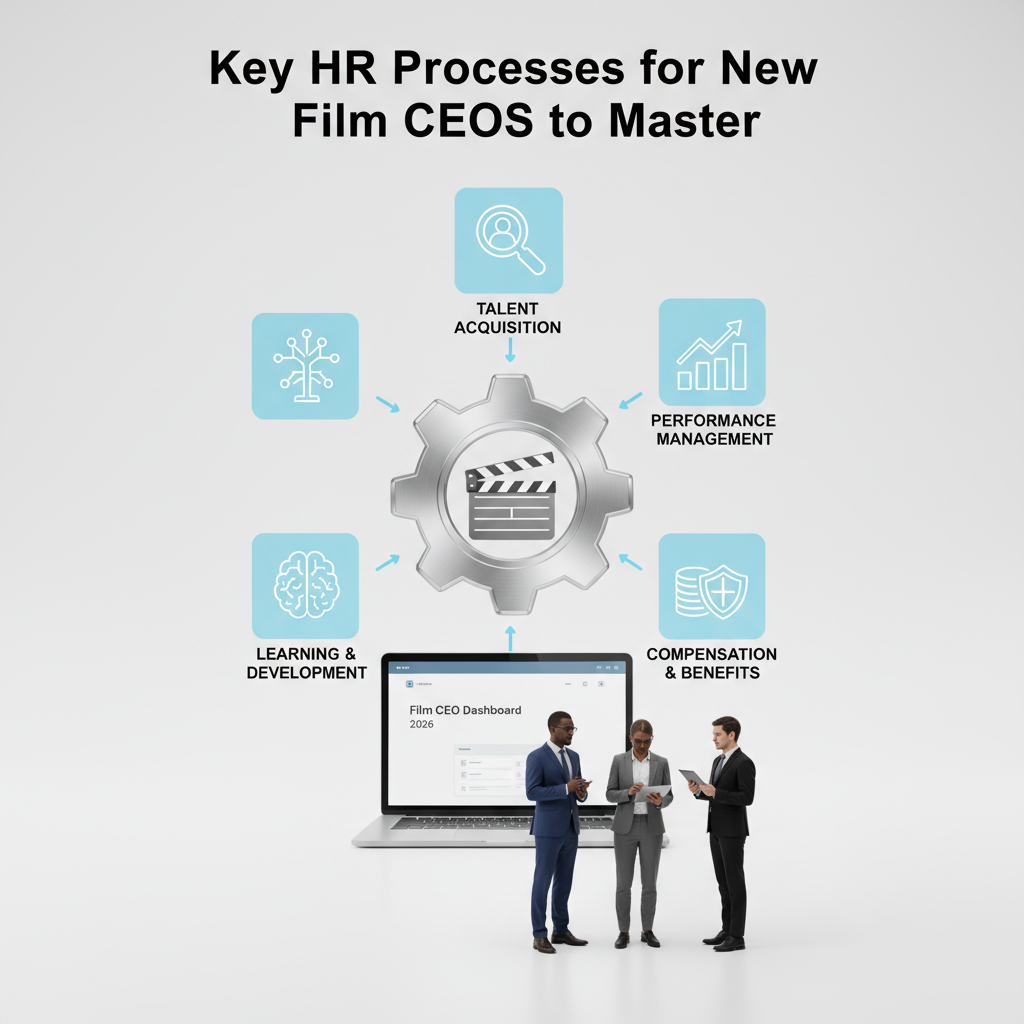
For a fresh CEO stepping into the dynamic world of film production in Singapore, understanding the intricate web of Human Resources (HR) processes is not merely about compliance; it’s about building a resilient, creative, and highly productive team. Mastering these HR fundamentals is a critical Step by Step to understand SMEs HR Structure for the fresh the CEO in Films field in singapore, ensuring that talent acquisition, management, and retention drive your cinematic vision forward. This section outlines essential HR processes that a new CEO must understand and oversee to ensure smooth operations, compliance, and a productive work environment within the unique landscape of the film industry.
1. Efficient Onboarding & Offboarding Procedures
The journey of every employee, from their first day to their last, significantly impacts a company’s reputation and operational efficiency. For a new film CEO, establishing robust onboarding and offboarding procedures is paramount. Effective onboarding goes beyond paperwork; it involves integrating new talent – be it directors, cinematographers, actors, or production crew – into the company culture and specific project workflows. A structured onboarding process ensures that new hires understand their roles, company policies, safety protocols, and the unique demands of film production. It can reduce time-to-productivity, enhance job satisfaction, and foster loyalty in a highly competitive industry. This is particularly crucial for SMEs, where every team member’s immediate contribution is vital.
Conversely, offboarding, while often overlooked, is equally critical. A smooth offboarding process ensures that departing employees leave on good terms, facilitating knowledge transfer, securing company assets, and managing final payroll and benefits accurately. This minimises legal risks, protects proprietary information, and preserves the company’s employer brand, which is essential for attracting future talent. Implementing these procedures effectively ensures that your creative teams transition seamlessly, maintaining productivity and morale.
2. Performance Management & Feedback in Creative Teams
In the creative realm of film, traditional, rigid performance reviews can often stifle innovation rather than encourage it. A new CEO must champion a performance management system tailored to the unique dynamics of creative teams. This involves shifting from annual appraisals to a continuous feedback loop that is constructive, timely, and focused on development. For film projects, performance can be project-based, assessing contributions to specific productions, collaboration effectiveness, and adherence to creative vision and deadlines.
Implementing 360-degree feedback, where peers, supervisors, and even direct reports provide input, can offer a holistic view of an individual’s performance and collaboration skills. Regular check-ins and goal-setting that align with project milestones and artistic objectives are far more effective than generic metrics. Moreover, performance discussions should emphasize growth opportunities, skill development workshops (e.g., new editing software, advanced cinematography techniques), and career progression pathways within the film industry. An effective performance management system, embracing a total of 11 key principles, not only motivates talent but also identifies potential issues early, fostering a culture of continuous improvement and creative excellence.
3. Compensation, Benefits & Payroll for Film Industry Talent
Managing compensation, benefits, and payroll in the film industry presents unique challenges that a new CEO must address head-on. Unlike conventional salaried roles, many film professionals work on a project basis, with complex agreements involving day rates, weekly rates, residuals, and royalties. A CEO needs to ensure competitive compensation structures that attract and retain top-tier talent, while also being financially sustainable for an SME. This requires a deep understanding of industry benchmarks, union agreements (if applicable), and fair market rates for diverse roles from executive producers to gaffers.
Beyond direct compensation, a comprehensive benefits package is a powerful tool for talent attraction. This could include health insurance, retirement plans, production-specific insurance, and even wellness programs tailored to the often demanding schedules of film production. Crucially, the payroll process must be meticulously managed to ensure accuracy and compliance with Singapore’s labor laws, tax regulations, and social security contributions for both local and international hires. Delays or errors in payment can severely impact morale and reputation. Partnering with a reliable payroll provider or investing in robust in-house systems is essential for navigating these complexities and ensuring fair, timely, and compliant remuneration for all valuable team members. Understanding the nuances of global talent movement and associated tax implications is also part of this critical HR function. For further insights into establishing robust talent management best practices, authoritative resources provide valuable guidance.
Navigating HR Challenges & Opportunities in Singapore Films
The vibrant, yet often challenging, landscape of the Singaporean film industry presents a unique set of Human Resources (HR) considerations. For a fresh CEO stepping into this creative realm, comprehending the intricate HR dynamics is not merely an administrative task but a strategic imperative. From navigating regulatory frameworks to fostering a thriving talent ecosystem, HR plays a pivotal role in the sustainability and growth of Small and Medium-sized Enterprises (SMEs) within the film sector. This section offers a comprehensive look at the common hurdles and strategic advantages, providing a essential Step by Step to understand SMEs HR Structure for the fresh the CEO in Films field in singapore, ensuring a solid foundation for creative and commercial success.
1. Best Practices for Managing Freelancers & Gig Workers
The Singapore film industry, like many creative sectors globally, heavily relies on a flexible workforce comprising freelancers and gig workers. From cinematographers and editors to makeup artists and sound engineers, these independent contractors are the lifeblood of project-based productions. However, managing this transient talent pool presents distinct HR challenges and opportunities. For a CEO, establishing clear guidelines is paramount. This includes drafting robust contracts that clearly define deliverables, intellectual property rights, payment schedules, and project timelines. Understanding the legal distinction between an employee and an independent contractor is critical to ensure compliance with Singaporean labour laws, preventing potential disputes regarding employment benefits or statutory contributions. Companies should also establish transparent communication channels and feedback mechanisms to maintain strong professional relationships, fostering a network of reliable talent. Timely and fair compensation is non-negotiable, building trust and encouraging repeat collaborations. Furthermore, staying informed about advisory guidelines for freelancers from authoritative bodies, such as the Ministry of Manpower (MOM) Singapore, is crucial for best practices and legal adherence in this dynamic employment landscape.
2. Leveraging HR Tech Solutions for Small Film Studios
Many small film studios and production houses in Singapore operate with lean teams, often without a dedicated HR department. In such scenarios, HR responsibilities frequently fall on producers, operations managers, or even the CEO themselves, diverting precious time from core creative and business development tasks. This is where Human Resources Technology (HR Tech) solutions can offer a transformative advantage. Implementing cloud-based HR platforms can automate mundane administrative tasks such as payroll processing, leave management, and expense tracking, significantly enhancing efficiency and reducing the likelihood of errors. Applicant Tracking Systems (ATS) can streamline the complex process of crew recruitment and talent scouting, allowing studios to efficiently manage applications for various roles from pre-production to post-production. Performance management tools can facilitate regular feedback, objective setting, and skill assessments, crucial for both project success and individual growth. By leveraging HR tech, small film studios can ensure compliance with local regulations, gain valuable data insights into their workforce, and free up resources to focus on creative excellence and strategic growth, rather than getting bogged down in paperwork. These solutions provide the structure needed for effective talent management without the overhead of a large HR team.
3. Upskilling, Training & Retention in a Niche Industry
The Singaporean film industry is a niche market, characterized by a relatively small but highly specialized talent pool and rapid technological advancements. Retaining skilled individuals and continuously upskilling the workforce are significant HR challenges and critical success factors. The fast-evolving nature of film production, from advancements in virtual production and VFX to new storytelling techniques, demands a proactive approach to learning and development. Studios should invest in continuous training programs, workshops, and masterclasses that address emerging industry trends and technological shifts. Fostering a culture of mentorship, where experienced professionals guide newer talents, can also be highly effective for knowledge transfer and skill development. Beyond formal training, providing diverse and challenging project opportunities is key to retaining creative professionals who often seek professional growth and artistic fulfillment. Creating a supportive and collaborative work environment, acknowledging contributions, and offering pathways for career progression are vital. In an industry where passion often drives talent, competitive compensation combined with a strong sense of community and purpose can significantly enhance employee loyalty and reduce turnover, ensuring that Singapore’s film sector continues to attract and nurture world-class talent.
In conclusion, while the Singaporean film industry presents unique HR challenges, from managing a predominantly freelance workforce to navigating a niche talent market, these can be effectively addressed through strategic HR practices. For the fresh CEO, a comprehensive understanding of these dynamics, coupled with smart technological adoption and a commitment to talent development, is crucial. It’s about building a resilient and adaptable human infrastructure that supports creative vision and ensures sustainable growth in this dynamic sector.
Building a Future-Ready HR Strategy for Your Film SME
For a fresh CEO entering the dynamic and competitive film industry in Singapore, developing a forward-thinking HR strategy is not just an administrative task; it’s a cornerstone for growth, innovation, a positive culture, and long-term sustainability. Understanding the unique landscape of a film SME requires a comprehensive approach to human resources, ensuring your most valuable assets – your people – are nurtured and empowered. This guide offers a step-by-step understanding of SME HR structure for a fresh CEO in the Singapore film field, helping you build an HR framework that supports your company’s vision and ambitions.

1. Scaling HR Capabilities with Company Growth
As your film SME evolves from a nimble startup to a growing enterprise, your HR capabilities must scale in tandem. Initially, HR functions might be handled by an office manager or even yourself. However, sustained growth demands a more sophisticated approach. This involves moving beyond basic payroll and compliance to strategic talent management. Key areas include:
- Strategic Talent Acquisition: Identifying, attracting, and retaining top-tier creative and technical talent specific to the film industry (e.g., directors, cinematographers, editors, producers, marketing specialists). This means understanding industry benchmarks, networking within the Singapore film community, and crafting compelling employer branding.
- Performance Management & Development: Implementing systems that not only evaluate performance but also foster continuous professional growth. For a creative industry, this could involve project-based feedback, peer reviews, and opportunities for skill enhancement through workshops or mentorships.
- Succession Planning: Identifying key roles and potential successors to ensure continuity and mitigate risks associated with talent turnover, especially in critical creative or leadership positions.
- Agile HR Practices: Adopting flexible HR policies and processes that can adapt quickly to project-based demands, seasonal fluctuations, and the gig economy prevalent in film production.
2. Fostering a Creative, Inclusive & Diverse Workplace Culture
The film industry thrives on creativity, and a positive, inclusive, and diverse workplace culture is paramount to unleashing your team’s full potential. For a Singaporean film SME, this means:
- Promoting Psychological Safety: Creating an environment where employees feel safe to share ideas, take creative risks, and voice concerns without fear of reprisal. This is crucial for innovation and problem-solving in a fast-paced production environment.
- Embracing Diversity & Inclusion (D&I): Actively recruiting and nurturing talent from diverse backgrounds – ethnically, culturally, gender-wise, and in terms of experience. Singapore’s multicultural fabric offers a rich talent pool. A diverse team brings varied perspectives that can lead to more innovative storytelling and a broader appeal for your productions.
- Cultivating Collaboration: Designing workflows and physical spaces that encourage cross-departmental collaboration, knowledge sharing, and creative synergy. Regular team-building activities, brainstorms, and open communication channels are vital.
- Work-Life Balance: While film production can be demanding, promoting sustainable work practices and offering flexibility where possible can significantly boost morale and prevent burnout, helping retain valuable talent.
3. Utilizing Government Grants & Support for HR Initiatives (e.g., SkillsFuture)
Singapore’s government actively supports SMEs in enhancing their capabilities, and HR is no exception. A shrewd CEO will leverage these resources to strengthen their HR strategy and employee development:
- SkillsFuture Initiatives: The SkillsFuture Singapore movement offers a wealth of opportunities for employee upskilling and reskilling. Your film SME can tap into various grants and subsidies for training courses, professional certifications, and even leadership development programs for your staff. This ensures your team’s skills remain cutting-edge in a rapidly evolving industry, covering areas from digital filmmaking techniques to new production management software.
- Productivity Solutions Grant (PSG): While often associated with technology adoption, PSG can also support HR-related software solutions, such as HR management systems (HRMS), payroll software, or talent management platforms, streamlining administrative tasks and freeing up HR to focus on strategic initiatives.
- Career Conversion Programmes (CCP): These programmes help mid-career professionals switch industries or roles, which can be invaluable for attracting seasoned talent from other sectors into film, or for reskilling existing employees for new functions within your company.
- Enterprise Development Grant (EDG): The EDG can support projects that aim to upgrade your HR capabilities, including developing new HR frameworks, implementing progressive HR policies, or improving employee engagement strategies.
By strategically integrating these government schemes, your film SME can build a robust, future-ready HR strategy without solely relying on internal budgets, ensuring sustainable growth and a thriving, innovative workforce for years to come.
Partner with Shelby Global
You are looking for reliable HR Sevice Suppliers? Contact Shelby Global Now! To connect with verified talents and upgrade your orginization.
—————————————
References
– Employment Act Singapore: https://www.mom.gov.sg/employment-practices/employment-act
– Ministry of Manpower Singapore – Contract for Service: https://www.mom.gov.sg/employment-practices/employment-standards/contract-for-service
– Talent Management: https://www.shrm.org/resources-and-tools/hr-topics/talent-management/
– Ministry of Manpower (MOM) Singapore advisory for freelancers: https://www.mom.gov.sg/employment-practices/advisories/advisory-for-freelancers-and-companies-that-engage-freelancers
– SkillsFuture Singapore: https://www.skillsfuture.gov.sg/