
Foundations of HR in Malaysian F&B SMEs
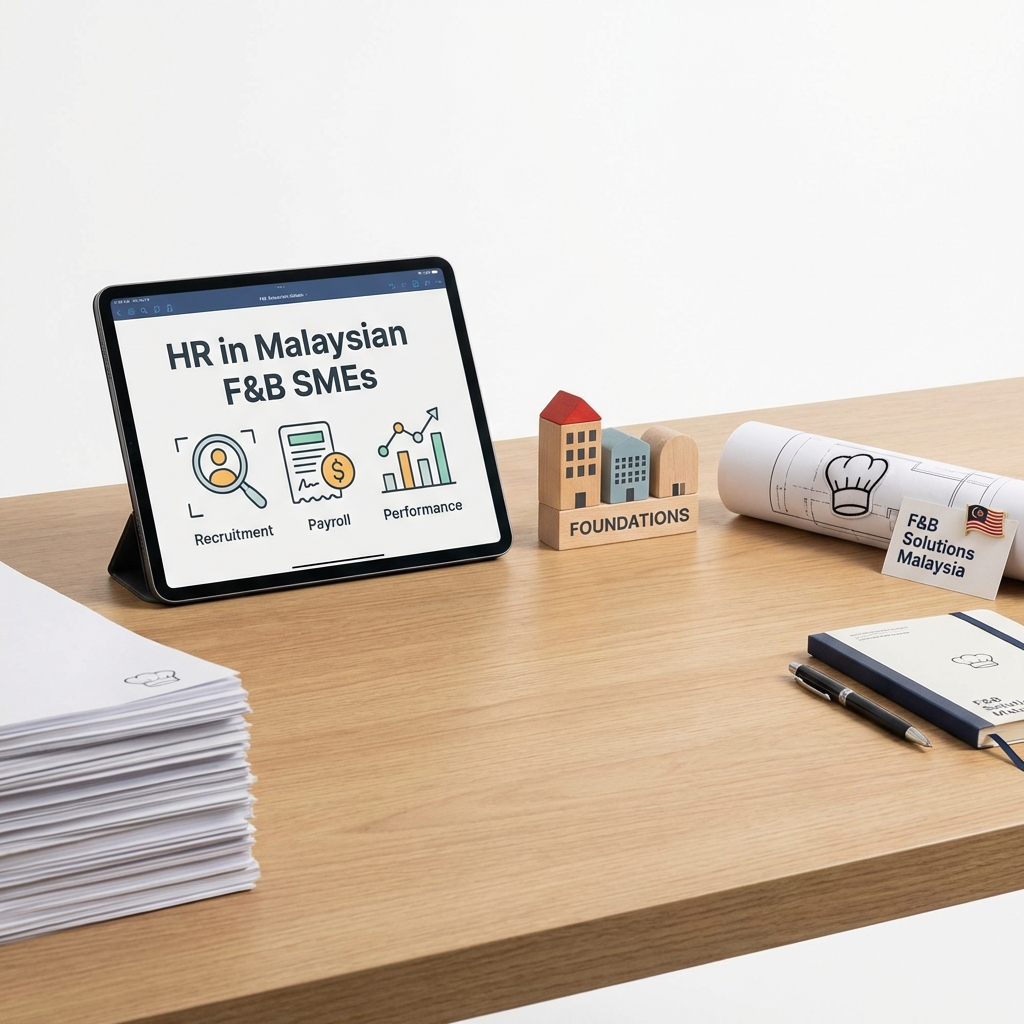
Embarking on a new leadership role as a CEO in Malaysia’s vibrant Food & Beverage (F&B) sector means navigating a unique landscape, especially within Small to Medium-sized Enterprises (SMEs). Unlike the structured, multi-departmental HR functions of large corporations, F&B SMEs in Malaysia often operate with leaner teams and more immediate operational demands. For a fresh CEO, understanding this nuanced HR environment is crucial. It’s about more than just policies; it’s about managing people in a fast-paced, high-turnover industry where every staff member directly impacts customer experience and business success. This section provides a foundational Step by Step to understand SMEs HR Structure for the fresh the CEO in Food & Beverage field in malaysia, highlighting essential initial considerations to build a resilient workforce.
-
Defining SME HR: What’s Unique for F&B Operations?
Human Resources in Malaysian F&B SMEs is a distinct beast. Unlike larger entities, an SME’s HR function is often a multi-hat role, potentially handled by the business owner, a manager, or a single HR executive who juggles everything from recruitment and payroll F&B SMEs to staff retention F&B. The unique pressures of F&B, such as irregular working hours, peak period demands, and a constant need for service excellence, amplify these challenges. HR best practices F&B SMEs must be agile and cost-effective, focusing on immediate operational needs while fostering a positive workplace culture F&B. Resources are typically limited, meaning extensive training programs or sophisticated HR tech might be out of reach, pushing CEOs to seek creative solutions for employee engagement F&B and development. High employee turnover is also a common characteristic, making effective recruitment F&B Malaysia and onboarding critical for sustained operations and quality service. The HR structure, even if informal, needs to support rapid hiring and quick integration of new staff.
-
Key Malaysian Labor Laws & F&B Specifics to Know
Navigating Malaysian labor laws F&B is non-negotiable for any F&B SME CEO. The cornerstone is the Employment Act 1955 (as amended, notably in 2022), which covers aspects like working hours, overtime, leave, and termination procedures. Beyond this, essential compliance includes the Employees Provident Fund (EPF), Social Security Organization (SOCSO), and Employment Insurance System (EIS). The Minimum Wages Order also directly impacts compensation and benefits F&B strategies, ensuring fair remuneration. F&B businesses also face industry-specific regulations, such as hygiene standards enforced by the Ministry of Health, which affect staff training and operational protocols. Managing foreign workers F&B Malaysia, if applicable, introduces additional layers of legal and immigration compliance, requiring meticulous documentation and adherence to quotas. Ensuring HR compliance F&B not only avoids penalties but also builds a reputation as a responsible employer, aiding in staff retention F&B. A thorough understanding of these legal frameworks is essential for sound HR policies F&B development. For a detailed overview of recent changes, refer to this insight on the Employment Act 1955 (Amendment) 2022.
-
Common HR Challenges & Pitfalls in F&B SMEs
F&B SMEs frequently encounter several significant HR challenges F&B Malaysia. High staff turnover is perhaps the most pervasive, driven by competitive wages, demanding work environments, and a perception of limited career progression. This directly impacts recruitment F&B Malaysia efforts and the quality of customer service. Effective training F&B staff, from basic culinary skills to customer service etiquette, is often deprioritized due to time and budget constraints, leading to inconsistent service. Poor performance management F&B systems mean underperforming staff are not adequately addressed, while top talent may feel unappreciated. Another pitfall is the lack of formal HR policies F&B, which can lead to disputes and inconsistent treatment of employees. Many SMEs struggle with adopting HR technology SMEs F&B, relying on manual processes that are prone to errors and inefficiency. CEOs must proactively address these challenges by investing in clear communication, fair compensation and benefits F&B, and opportunities for growth to enhance employee engagement F&B. Building robust SME HR strategies Malaysia that focus on retention, development, and a positive workplace culture F&B is paramount for long-term success.
Essential HR Functions & Departmental Breakdown
Navigating the human resources landscape can be complex, especially for a new CEO entering the dynamic Food & Beverage (F&B) sector in Malaysia. This section provides a clear, step-by-step guide to understanding the HR structure for SMEs, breaking down the core functions typically found or critically needed. Even if your HR department is a single individual, outsourced, or managed by a distributed team, grasping these essentials is vital for operational efficiency and sustainable growth.
1. Recruitment & Onboarding Strategies for F&B Staff
For any Malaysian F&B SME, robust recruitment and onboarding are foundational for success. The industry often faces high turnover, making efficient talent acquisition crucial. Your strategy should focus on attracting not just employees, but dedicated team members who understand the fast-paced nature and customer-centric demands of the F&B sector. Consider leveraging local job portals, industry-specific forums, and even social media campaigns that highlight your company culture and growth opportunities. Beyond basic qualifications, look for soft skills like resilience, adaptability, and excellent communication crucial for front-of-house and back-of-house roles.
Once hired, a structured onboarding process is paramount. It’s not just about paperwork; it’s about integration and immediate productivity. For F&B staff, this must include comprehensive food safety and hygiene training, understanding menu specifics, POS system proficiency, and company service standards. In Malaysia, local health regulations are stringent, so integrating these into initial training is non-negotiable. A well-executed onboarding plan reduces early attrition, improves employee engagement, and ensures new hires are quickly up to speed, contributing positively to your customer experience and operational flow. This proactive approach to talent management is key to navigating the competitive F&B landscape.
2. Compensation, Benefits & Payroll Management Essentials
Effective management of compensation, benefits, and payroll is critical for both attracting and retaining staff, as well as ensuring compliance with Malaysian labor laws. For F&B SMEs, this often involves complex calculations due to varying shift patterns, overtime, and service charges. A clear and competitive compensation structure, including base salary, potential performance-based bonuses, and shift allowances, is vital. It’s important for the new CEO to understand the legal requirements surrounding the Malaysian minimum wage and overtime regulations to avoid costly penalties and ensure fair treatment of employees.
Beyond wages, statutory contributions like EPF (Employees Provident Fund), SOCSO (Social Security Organization), and EIS (Employment Insurance System) are mandatory. Accurate and timely deductions and remittances are non-negotiable aspects of HR compliance. Offering additional employee benefits, even modest ones like staff meals, flexible scheduling where possible, or small health and wellness initiatives, can significantly boost morale and reduce turnover in a high-stress environment like F&B. Implementing a reliable payroll system, whether internal or outsourced, streamlines these processes, minimizes errors, and ensures that your F&B team is paid accurately and on time, which is fundamental to employee satisfaction and trust.
3. Performance Management & Employee Relations Best Practices
Effective performance management and robust employee relations are cornerstones of a productive and harmonious F&B workplace. For SMEs, this means establishing clear expectations and providing regular feedback, rather than just annual reviews. In a customer-facing industry, performance metrics could include customer satisfaction scores, upselling success, adherence to food preparation standards, and teamwork. Implementing a simple yet consistent feedback mechanism—like quick check-ins or peer recognition programs—can significantly motivate staff and identify areas for improvement. Investing in ongoing training, such as advanced culinary techniques or enhanced customer service skills, not only boosts individual performance but also demonstrates a commitment to staff development.
Employee relations are equally crucial. High-pressure F&B environments can sometimes lead to misunderstandings or conflicts. Having clear HR policies for grievance handling, disciplinary procedures, and conflict resolution is vital. These policies should be communicated transparently to all employees and applied consistently. A positive workplace culture, fostered through open communication channels and respectful interactions, can preempt many employee relations issues. Regular engagement, understanding staff concerns, and providing avenues for career growth—even within an SME—will foster loyalty and create a stable, motivated workforce. By mastering these HR functions, you’ll build a resilient team, ready to deliver exceptional service and drive your F&B business forward.
Compliance & Legal Framework for F&B HR in Malaysia
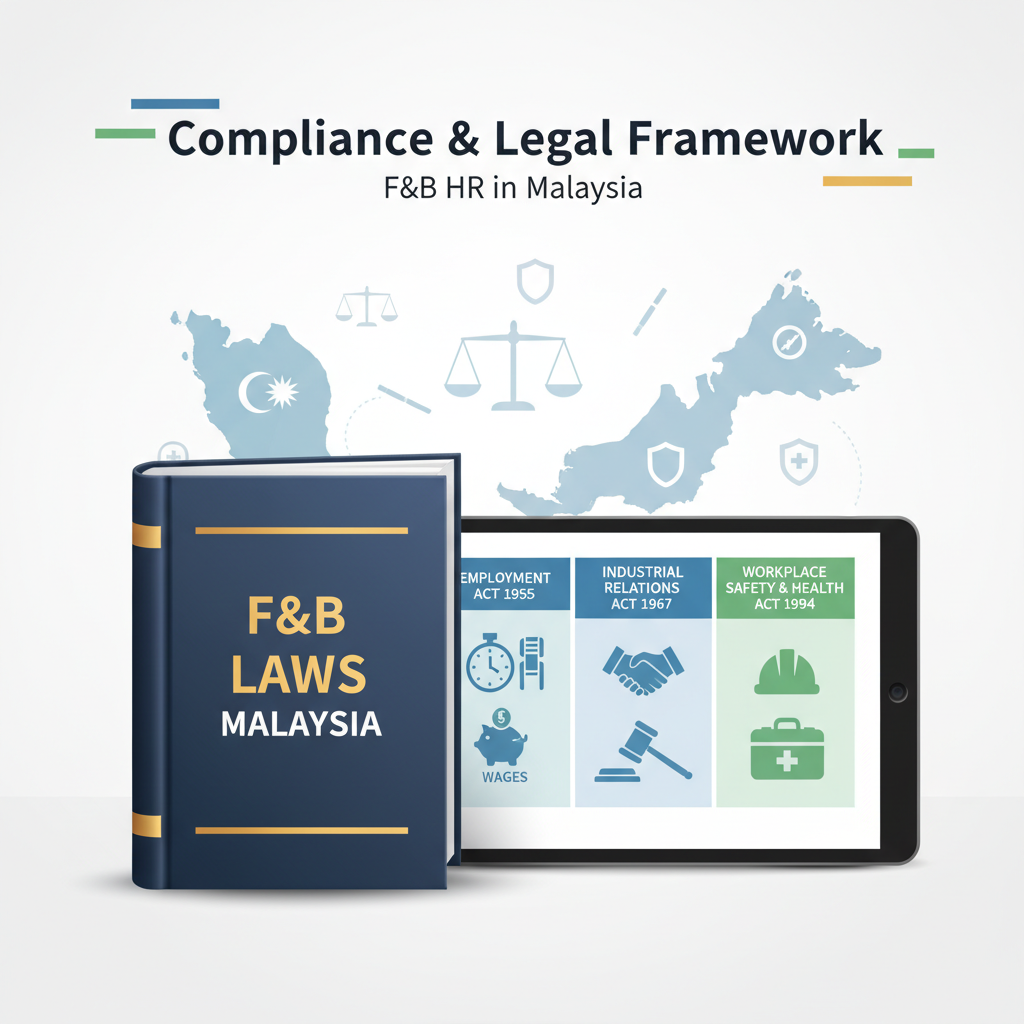
For any fresh CEO entering Malaysia’s Food & Beverage (F&B) industry, mastering HR compliance is a foundational pillar for sustainable success. The industry’s unique demands—managing varied shifts and stringent hygiene—amplify legal complexity. This section offers a critical overview of the Malaysian legal and regulatory landscape your F&B HR practices must navigate. Understanding these frameworks is a crucial Step by Step to understand SMEs HR Structure for the fresh the CEO in Food & Beverage field in malaysia, safeguarding your business from penalties, reputation damage, and fostering a productive environment.
1. Understanding the Employment Act 1955: Key Provisions for F&B
The Employment Act 1955 (EA 1955) is the cornerstone of Malaysian labor law. For F&B businesses, understanding its core provisions is paramount. Key areas for CEOs to focus on include:
- Working Hours & Overtime: The Act stipulates standard working hours (typically 8 hours/day or 45 hours/week). Given F&B’s reliance on shifts, evenings, and weekends, strict adherence to overtime rules, rest days, and breaks is crucial. Mismanagement can lead to fines and grievances.
- Public Holidays & Annual Leave: Employers must grant employees a minimum number of paid public holidays and annual leave days, which increase with years of service. Roster planning must accommodate these provisions to ensure smooth operations and employee rights.
- Sick Leave & Maternity/Paternity Leave: The EA 1955 outlines entitlements for paid sick leave and maternity leave; recent paternity leave provisions are also crucial for modern HR compliance.
- Termination & Dismissal: The Act provides strict guidelines for notice periods, valid termination reasons, and due process. Unfair dismissal claims can be costly and damaging.
Non-compliance with the EA 1955 exposes your F&B business to legal action and fines. Proactive management ensures fair treatment, boosts morale, and builds a stable workforce vital for quality service.
2. SOCSO, EPF, and EIS: Statutory Contributions & Obligations
F&B employers in Malaysia have statutory obligations to contribute to social security schemes designed to protect employees:
- Employees Provident Fund (EPF): A mandatory retirement savings scheme with employer and employee contributions. Timely and accurate EPF contributions are fundamental for employee welfare and a legal requirement, with rates varying by age and salary.
- Social Security Organization (SOCSO): Provides coverage for employment injury (e.g., accidents at work, occupational diseases) and invalidity benefits. For F&B, where kitchen environments pose risks, SOCSO is a vital safety net.
- Employment Insurance System (EIS): Managed by SOCSO, EIS provides financial assistance to retrenched workers. Mandatory employer and employee contributions offer a crucial safety net for job search assistance and temporary income support.
Accurate calculation, deduction, and timely submission are non-negotiable. Regular payroll audits prevent discrepancies and avoid penalties from statutory bodies, including fines or imprisonment for severe non-compliance.
3. Health & Safety Regulations for Food Handling (OSHA Compliance)
The F&B industry inherently involves risks related to food preparation, handling, and serving. Adherence to the Malaysia’s Occupational Safety and Health Act 1994 (OSHA) and related food safety regulations is critical. CEOs must ensure a safe and healthy workplace for employees and consumers. Key areas include:
- Kitchen Safety: Encompasses preventing slips, falls, cuts, burns, and ensuring proper ventilation. Regular equipment maintenance and employee training on safe operation are essential.
- Food Hygiene & Handling: While the Ministry of Health oversees food hygiene, OSHA ensures employees are trained in safe food handling, personal hygiene, and proper storage to prevent foodborne illnesses, including wearing appropriate PPE like gloves and hairnets.
- Emergency Preparedness: F&B establishments must have clear emergency plans, fire safety procedures, and first-aid provisions, with trained employees.
- Chemical Safety: Proper storage, labeling, and handling of cleaning agents and pest control chemicals are vital to prevent accidental exposure or contamination.
OSHA compliance isn’t just about avoiding legal repercussions; it impacts your brand’s reputation and customer trust. A proactive approach ensures a healthy environment for your team and patrons, contributing to business growth and stability.
Building an Effective HR Strategy for Growth & Retention
For the fresh CEO navigating the dynamic Food & Beverage (F&B) industry in Malaysia, it’s crucial to recognize that Human Resources (HR) is far more than just payroll and compliance. To truly thrive, your F&B SME needs a Step by Step to understand SMEs HR Structure for the fresh the CEO in Food & Beverage field in malaysia that actively supports business growth, talent development, and long-term employee retention. Moving beyond basic administrative tasks, a strategic HR function becomes a cornerstone for operational excellence and a competitive edge in the fast-paced food service talent management landscape. This guide will help you strategically develop your HR capabilities, transforming your workforce into your greatest asset.
1. Talent Development & Training Programs for F&B Employees
In the F&B sector, skilled and knowledgeable employees are the heart of your operation. Investing in robust talent development and training programs for F&B employees is paramount for both service quality and employee retention strategies Malaysia. For your SME human resources, this means equipping your team with not only core culinary or service skills but also critical soft skills like effective communication, problem-solving, and conflict resolution. Consider tailored customer service training F&B modules that reflect Malaysian hospitality, alongside essential food safety compliance Malaysia certifications. Regular upskilling can cover new menu items, advanced cooking techniques, or even digital order management systems. Structured workforce development F&B programs not only enhance productivity and reduce errors but also signal to your employees that you are invested in their future, fostering loyalty and reducing costly turnover. These initiatives are vital HR for small businesses F&B, ensuring your team remains agile and competitive.
2. Succession Planning & Career Pathing in Small Teams
Even in small teams, proactive succession planning small business and creating clear career growth F&B industry paths are critical for business continuity and employee motivation. In an SME, losing a key chef or manager can significantly disrupt operations. Strategic HR involves identifying high-potential employees early on and nurturing their capabilities for future leadership development F&B SME roles. This doesn’t require a complex corporate structure; simple career pathing might involve a waiter progressing to a supervisor, or a line cook aspiring to be a head chef. Implement mentorship programs where experienced staff guide newer employees, sharing valuable institutional knowledge and practical skills. Regular performance reviews can include discussions about career aspirations and the steps needed to achieve them, ensuring a pipeline of qualified internal talent. This approach not only provides a roadmap for employee advancement but also reduces reliance on external hiring for crucial roles, which can be time-consuming and expensive.
3. Fostering a Positive Company Culture & Employee Engagement
A vibrant, positive workplace culture F&B is a powerful magnet for attracting and retaining top talent. Employee engagement F&B Malaysia goes beyond perks; it’s about creating an environment where employees feel valued, heard, and motivated. For your Malaysia F&B HR strategy, this means cultivating open communication channels, recognizing achievements, and promoting work-life balance where possible. Simple gestures like celebrating birthdays, implementing an “employee of the month” program, or offering flexible scheduling can significantly boost morale. Conduct regular pulse surveys or informal check-ins to gauge employee satisfaction and identify areas for improvement. Empower your team members by giving them autonomy in their roles and involving them in decision-making processes. A strong culture reduces stress, improves teamwork, and directly impacts customer satisfaction, as happy employees tend to provide better service. Embracing HR best practices F&B for engagement fosters a sense of community and shared purpose, ensuring your team isn’t just working for a paycheck but for a common vision.
By focusing on these strategic HR pillars – talent development, succession planning, and culture building – your F&B SME in Malaysia can move beyond basic compliance to build a resilient, engaged, and highly effective workforce that drives sustained growth and ensures long-term success.
Leveraging Technology & Future Trends in F&B HR
In Malaysia’s dynamic F&B landscape, especially within the vibrant SME sector, human resources management is no longer a purely administrative function. For a fresh CEO in the Food & Beverage field in Malaysia, strategically applying technology and adapting to future trends are paramount for fostering a competitive and future-proof workforce. This section explores how digital solutions can streamline HR operations, offering a clear Step by Step to understand SMEs HR Structure for the fresh the CEO in Food & Beverage field in malaysia, and highlighting critical emerging trends to monitor. The goal is to help SMEs stay competitive in the evolving F&B landscape.

1. HRIS Solutions for SMEs: What to Consider & Implement
For F&B SMEs, a robust Human Resources Information System (HRIS) is essential. Implementing an effective HRIS for F&B operations can significantly reduce manual workload, improve accuracy, and provide crucial insights. CEOs should evaluate solutions that cater to the F&B industry’s nuances, such as intricate shift scheduling, part-time staff management, and rapid onboarding. Key features include integrated payroll, time and attendance tracking, performance management, and applicant tracking systems (ATS) to enhance talent acquisition F&B Malaysia. Many modern systems are cloud HR solutions, offering accessibility vital for multi-outlet F&B businesses. This transition represents a significant step in digital HR transformation, centralizing data from fragmented spreadsheets. It not only aids compliance but also frees HR personnel to focus on strategic initiatives like boosting employee engagement F&B. Mobile HR apps, often integrated with HRIS, empower employees with self-service options, improving efficiency. By embracing HR automation, F&B SMEs ensure smoother operations and better resource allocation. For further insights on HR technology benefits, the Society for Human Resource Management (SHRM) on HR Technology is an invaluable resource.
2. Leveraging Data Analytics for Informed HR Decision-Making
Beyond automating tasks, the true power of an HRIS lies in generating data for strategic decision-making. HR analytics F&B provides CEOs with actionable insights into their workforce. By analyzing data on turnover rates, recruitment sources, performance metrics, and training effectiveness, businesses make more informed choices. For instance, understanding the link between specific training and improved customer service can justify further investment. Predictive HR models, driven by data, help forecast staffing needs, anticipate talent gaps, and inform workforce planning F&B – a crucial proactive approach in an industry known for high turnover. Data analysis also pinpoints factors for effective employee retention strategies F&B, enabling targeted interventions. Furthermore, integrating AI in HR F&B can enhance these analytics, identifying patterns and offering recommendations for recruitment optimization, scheduling, and personalized career paths. For a fresh CEO, this data-driven approach is essential for optimizing costs, improving operational efficiency, and gaining a competitive edge through smarter people-centric decisions, including refining talent acquisition F&B Malaysia strategies.
3. Adapting to the Gig Economy & Workforce Flexibility in F&B
The F&B sector’s reliance on flexible staffing evolves with the gig economy, introducing both complexities and opportunities. Modern F&B SMEs must strategically incorporate gig workers F&B while maintaining quality. This involves re-evaluating traditional employment models and embracing agile workforce structures. Implementing flexible scheduling F&B solutions, often managed through advanced HRIS, becomes critical for optimizing staff coverage during peak hours and managing fluctuating demand. This flexibility appeals to a broader talent pool and enhances job satisfaction. Challenges include ensuring compliance with labor laws for various worker classifications and maintaining a cohesive company culture. Leveraging technology for seamless onboarding and communication with gig workers is paramount. Additionally, innovative training methods like gamification in training can make learning engaging and efficient for all staff, ensuring consistent service standards. By proactively adapting to these trends, F&B businesses build a resilient, adaptable workforce capable of navigating industry unpredictability, all while fostering strong employee engagement F&B across diverse worker types. Understanding these shifts is crucial for any fresh CEO looking to optimize human capital and drive sustainable growth.
Embracing technology and foresight into future trends provides a robust framework for any fresh CEO in the Food & Beverage field in Malaysia to strengthen their HR infrastructure. From adopting comprehensive HRIS for F&B to harnessing data analytics and adapting to evolving work models, these steps are vital for success. Continuously monitoring and integrating innovations like mobile HR apps, predictive HR, and AI in HR F&B will ensure that SMEs remain agile, competitive, and an employer of choice in Malaysia’s vibrant F&B sector.
Partner with Shelby Global
You are looking for reliable HR Sevice Suppliers? Contact Shelby Global Now! To connect with verified talents and upgrade your orginization.
—————————————
References
– Employment Act 1955 (Amendment) 2022: https://www.skrine.com/insights/alerts/september-2022/employment-act-1955-(amendment)-2022-key-amendments-and-what-employers-need-to-know
– Malaysia Ministry of Health – Food Safety: https://www.moh.gov.my/index.php/pages/view/184
– Malaysia’s Occupational Safety and Health Act 1994: https://www.dosh.gov.my/index.php/en/legislation/acts/occupational-safety-and-health-act-1994-act-514
– HR best practices for small businesses from SHRM: https://www.shrm.org/resources-and-tools/hr-topics/small-business-hr/
– SHRM HR Technology: https://www.shrm.org/resources-and-tools/hr-topics/technology/