
Foundations of SME HR in Singapore
For a fresh CEO stepping into the dynamic world of a marketing agency in Singapore, understanding the unique characteristics and regulatory environment shaping Human Resources (HR) in Small and Medium-sized Enterprises (SMEs) is not just beneficial—it’s absolutely crucial. Unlike larger corporations with dedicated HR departments and extensive resources, HR in an SME often requires a more agile, hands-on, and strategic approach. This section offers a foundational Step by Step to understand SMEs HR Structure for the fresh the CEO in marketing agency in singapore, ensuring your agency not only complies with local regulations but also thrives by nurturing its most valuable asset: its people.

1. Defining SME HR: Size vs. Structure
In Singapore, SMEs form the backbone of the economy, typically defined by annual revenue of up to S$100 million or headcount of up to 200 employees. For a marketing agency, this usually means a lean, agile team where individuals often wear multiple hats. SME HR isn’t just a smaller version of corporate HR; it’s fundamentally different in its structure and execution. You might not have a dedicated HR manager, with HR functions often falling under the purview of the CEO, an office manager, or an operations lead. This ‘generalist’ approach demands a CEO with a keen awareness of HR responsibilities, from recruitment and onboarding creative talent to managing payroll and performance reviews.
The HR structure in a marketing SME is typically less formal, relying on direct communication and strong internal relationships. Decision-making is often quicker, but also more prone to oversight if proper systems aren’t established. Understanding this distinction is key to building an effective HR framework that supports your agency’s creative output and rapid growth without over-burdening limited resources.
2. Key HR Regulations & Compliance (Singapore Context)
Navigating Singapore’s HR regulatory landscape is paramount for any SME, particularly for a fresh CEO. Compliance isn’t optional; it’s a legal necessity that protects both the employer and the employee. Here are the core pillars:
- The Employment Act: This is Singapore’s primary labour law, covering basic terms and conditions of employment for most employees, including working hours, leave entitlements (annual, sick, maternity), public holidays, and termination processes. Familiarity with its provisions is non-negotiable to avoid disputes and penalties.
- Central Provident Fund (CPF): As an employer, you are legally obligated to make monthly CPF contributions for your Singaporean and Permanent Resident employees. This national savings scheme covers retirement, housing, and healthcare. Accurate and timely contributions are critical.
- Foreign Manpower Regulations: If your marketing agency employs foreign talent (e.g., for specialized creative roles), you must comply with stringent regulations concerning Employment Passes (EP) and S Passes. This includes understanding quota restrictions, salary thresholds, and the Fair Consideration Framework (FCF), which mandates advertising jobs on MyCareersFuture.sg to give Singaporeans fair consideration before hiring foreign professionals, managers, and executives (PMEs). The Ministry of Manpower (MOM) website is an authoritative resource for these guidelines.
- Workplace Safety and Health (WSH) Act: Even a marketing agency office must ensure a safe and healthy environment for employees. While less industrial, this includes ergonomic considerations, fire safety, and general well-being.
- Tripartite Guidelines: Singapore’s tripartite approach (government, employers, unions) fosters harmonious industrial relations. Key guidelines like the Tripartite Guidelines on Fair Employment Practices (TGFEP) promote fair hiring and workplace practices, discouraging discrimination.
Staying updated with these regulations is crucial. Many SMEs opt for HR software solutions or engage HR consultants to ensure ongoing compliance, especially as the agency grows.
3. Common HR Challenges for Singaporean SMEs
Even with a solid understanding of foundations, a fresh CEO in a marketing agency will inevitably face specific HR challenges:
- Talent Acquisition and Retention: Competing for top creative talent against larger agencies or multinational corporations is tough. SMEs often struggle with offering competitive salaries and benefits. The challenge is to articulate a compelling employer brand, focusing on unique culture, growth opportunities, and impactful work. Retaining talent requires more than just salary; it involves fostering a positive work environment, offering skill development, and recognizing contributions.
- Resource Constraints: Limited budgets mean less dedicated HR staff or robust systems. This often leads to manual processes, increased administrative burden, and a higher risk of non-compliance. Leveraging technology (HRIS for SMEs) or outsourcing specific HR functions can mitigate this.
- Performance Management and Employee Development: Establishing clear performance metrics and professional development pathways can be challenging without formal HR structures. For a marketing agency, tying creative output to measurable goals and providing constructive feedback is vital for growth.
- Employee Engagement and Culture Building: In a fast-paced agency environment, maintaining high employee morale and a cohesive company culture is critical. Without dedicated HR, the CEO and leadership team must actively champion engagement initiatives, ensuring open communication and a supportive atmosphere.
- Keeping Up with Regulatory Changes: Singapore’s labour laws are dynamic. Without a dedicated HR professional, it’s a constant challenge to stay abreast of new policies, subsidies, and compliance requirements, which can change frequently.
Addressing these challenges proactively, rather than reactively, will be a defining factor in your agency’s sustained success and growth in Singapore’s competitive marketing landscape. A strategic approach to HR, even in a lean setup, is an investment in your company’s future.
Decoding the Typical SME HR Structure
For a fresh CEO leading a marketing agency in Singapore, understanding the various HR models prevalent in small to medium-sized enterprises (SMEs) is paramount. A well-structured human resources function is not just about compliance; it’s a strategic pillar for Step by Step to understand SMEs HR Structure for the fresh the CEO in marketing agency in singapore, talent acquisition, and employee engagement. From lean operations to growing teams, HR structures evolve, presenting unique challenges and opportunities. Navigating these common HR models will equip you to make informed decisions for your agency’s growth and operational efficiency.
1. The Solo HR Manager Model Explained
The solo HR manager model is the cornerstone of many small to medium-sized enterprises, particularly those with up to 50 employees. In a marketing agency, this individual often wears multiple hats, acting as a generalist responsible for the entire spectrum of human resources. This includes everything from recruitment and onboarding, payroll processing and benefits administration, to employee relations, performance management, and ensuring HR compliance with Singaporean labour laws. This model thrives on efficiency and direct communication, offering a single point of contact for all HR-related queries.
Pros: This approach is highly cost-effective, eliminating the need for a larger HR department budget. The solo HR manager develops a deep, nuanced understanding of the company culture and employee needs, fostering strong relationships. They can react swiftly to internal issues and implement HR initiatives with agility. This lean HR operation can be incredibly efficient in the right hands, managing essential administrative tasks with precision.
Cons: The primary drawback is the significant workload and potential for burnout. A solo manager might lack specialization in complex areas like advanced HR strategy, intricate compensation and benefits design, or robust HR technology implementation. The inherent compliance burden, especially in a dynamic regulatory environment like Singapore, can be overwhelming. Moreover, the absence of a second opinion or dedicated strategic HR bandwidth can limit the agency’s ability to develop sophisticated talent management and growth strategies as it scales.
2. Hybrid HR Roles (HR + Admin/Finance Integration)
As a marketing agency grows, but perhaps isn’t quite large enough to justify a dedicated HR department, the hybrid HR role emerges as a common and practical solution. This model typically integrates HR functions with other operational areas such as administration, office management, or finance. For instance, an Admin & HR Executive might handle day-to-day office operations alongside recruitment and basic employee relations, while a Finance Manager might oversee payroll and benefits administration, working closely with HR for budget allocation for salaries and perks.
Pros: This model offers excellent resource optimization, leveraging existing staff to cover essential HR tasks without incurring significant additional overheads. It encourages cross-functional collaboration and ensures that HR operations are closely aligned with the company’s financial health and administrative processes. This can be a scalable HR solution for agencies experiencing moderate growth, allowing for flexibility and adaptability in how HR services are delivered. It also provides a practical stepping stone towards a more structured HR department.
Cons: The main challenge lies in the potential for HR tasks to be deprioritized in favour of core administrative or financial responsibilities. Individuals in hybrid roles may lack specialized HR expertise, leading to less effective employee relations, sub-optimal talent acquisition strategies, or errors in complex HR compliance matters. There can also be conflicts of interest, for example, when a finance professional is also responsible for sensitive employee grievance handling. This model requires clear delineation of responsibilities and ongoing training to ensure that critical HR functions are not overlooked.
3. Outsourced HR Functions & Consultancy Benefits
For many marketing agencies in Singapore, leveraging outsourced HR functions or engaging HR consultancies provides a strategic alternative or complement to in-house models. This involves delegating specific HR tasks, or even entire HR management, to external providers. Common outsourced services include payroll processing, recruitment (talent acquisition), legal HR compliance, HR policy development, or the implementation of HR technology solutions.
Pros: The foremost benefit is access to specialized expertise without the commitment of a full-time hire. This is particularly valuable for navigating complex Singapore employment law and ensuring robust HR compliance. Outsourcing offers immense scalability; you can easily ramp up or down services based on business needs, which is ideal for agencies with fluctuating project demands or rapid growth. It reduces the administrative burden on internal staff, allowing the marketing agency to focus on its core business activities. Furthermore, it can be a cost-effective solution in the long run, avoiding the overheads associated with a full-time HR department while gaining access to best practices and advanced HR strategy.
Cons: Potential downsides include less direct control over HR processes and a risk of disconnect between the external provider and the agency’s unique company culture. Data security and confidentiality concerns also need to be carefully managed through robust service level agreements. Ensuring seamless integration with internal operations requires clear communication channels and defined expectations. However, for a fresh CEO seeking a strategic, efficient, and compliant HR structure without the immediate overhead, outsourced HR functions offer a compelling and adaptable solution, providing expert support for everything from employee relations to advanced HR challenges.
Practical Steps for a Marketing Agency CEO
An actionable guide for a new CEO to assess and optimize the existing HR framework within their marketing agency, step-by-step.
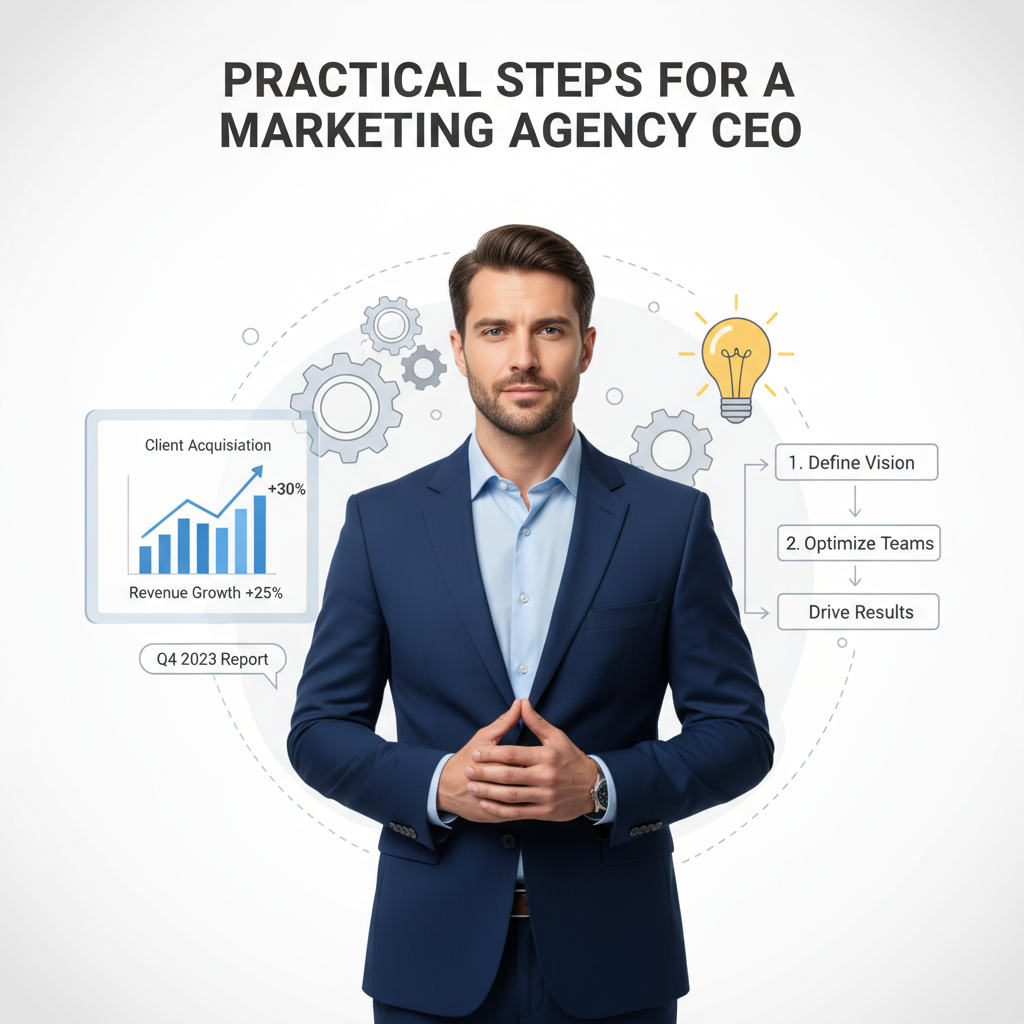
A new CEO stepping into a marketing agency, especially one in a dynamic market like Singapore, faces a myriad of challenges. Beyond client relationships and financial performance, a crucial area demanding immediate attention is the human resources (HR) framework. Understanding and optimizing the existing HR structure is paramount for sustainable growth, talent retention, and fostering a vibrant agency culture. This step-by-step guide to understanding SMEs HR structure is tailored for the fresh CEO looking to build a robust foundation for their marketing agency in Singapore.
1. Assessing Your Current HR Landscape & Practices
Your initial move as CEO should be a comprehensive audit of the current HR landscape. This isn’t just about reviewing documents; it’s about understanding the pulse of your agency’s people operations.
- Policy & Procedure Review: Scrutinize all existing HR policies, from recruitment and onboarding to leave management, performance reviews, and offboarding. Are they up-to-date with Singapore’s labor laws and industry best practices? Look for gaps or ambiguities that could lead to inconsistencies or compliance issues.
- Organizational Structure & Roles: Map out the current organizational chart. Are roles clearly defined with specific responsibilities and reporting lines? Evaluate if the current structure supports efficient workflow and collaboration in a fast-paced marketing environment.
- Talent Management Cycle: Examine the entire employee lifecycle. How effective is your talent acquisition process? What are the onboarding experiences like? Review performance management systems – are they fair, transparent, and driving employee development? Assess employee retention strategies and overall employee engagement.
- HR Technology & Data: What HR systems (HRIS) are currently in place? Are they integrated? Is HR data being collected and analyzed effectively to inform decisions on workforce planning, compensation strategy, and skill development? A robust data infrastructure is critical for proactive HR optimization.
- Employee Feedback & Culture: Conduct confidential surveys and one-on-one meetings. Understand employee sentiment, identify pain points, and gauge the prevailing agency culture. A strong culture is a competitive advantage, and understanding it is the first step towards nurturing it.
2. Identifying Gaps, Inefficiencies, and Opportunities
Once you have a clear picture, the next phase involves pinpointing areas for improvement. This requires a critical eye and a readiness to challenge the status quo.
- Compliance Risks: In Singapore, labor laws are stringent. Are there any potential compliance breaches related to contracts, working hours, benefits, or fair employment practices? Mitigating these risks is non-negotiable.
- Talent Pipeline Weaknesses: Is the agency struggling to fill critical roles, particularly in specialized areas like digital marketing or creative strategy? Identify bottlenecks in your talent acquisition process or gaps in skill development programs. Are you losing valuable employees? This points to potential issues in compensation, career progression, or employee recognition.
- Process Inefficiencies: Many marketing agencies operate with legacy HR processes that are manual, time-consuming, and prone to errors. Look for opportunities to automate routine HR tasks using modern HR tech solutions, freeing up HR personnel for strategic initiatives.
- Lack of Strategic HR Partnership: Is HR seen merely as an administrative function, or is it a strategic partner at the leadership table? An effective HR framework should actively contribute to the agency’s business objectives.
- Underdeveloped Employer Branding: In a competitive market like Singapore, a strong employer brand is crucial for attracting and retaining top talent. Assess if your agency’s brand effectively communicates its values, culture, and unique employee value proposition. For insights into best practices in talent management, consider resources from SHRM, the Society for Human Resource Management.
3. Aligning HR with Agency Growth Goals & Culture
With insights gathered, the final step is to strategically reshape HR to support the agency’s future. This goes beyond fixing problems; it’s about building for the future.
- Strategic Workforce Planning: Based on your agency’s growth projections, develop a workforce plan. This includes identifying future talent needs, succession planning for key leadership positions, and forecasting skill requirements for emerging marketing trends.
- Redefining HR Policies & Practices: Implement revised HR policies that are clear, equitable, and forward-looking. This includes a robust compensation strategy, performance review framework focused on continuous feedback, and comprehensive benefits packages that attract and retain top talent in Singapore.
- Investing in HR Technology: Explore and invest in HR tech solutions that streamline operations, enhance employee experience, and provide actionable data. This could range from applicant tracking systems (ATS) to performance management software and learning management systems (LMS).
- Nurturing Agency Culture & Leadership Development: Actively cultivate a positive, inclusive agency culture that reflects your brand values. Implement leadership development programs to empower managers and foster a coaching mindset. Strong leadership is key to employee engagement and retention.
- Continuous Improvement: HR optimization is not a one-time project. Establish mechanisms for regular feedback, data analysis, and periodic reviews of HR effectiveness. This ensures the HR framework remains agile, adaptable, and continuously supportive of the agency’s evolving needs.
By systematically addressing these areas, a new marketing agency CEO can transform HR from a necessary function into a strategic asset, driving growth, innovation, and a thriving workplace in the dynamic Singapore market.
Key HR Pillars for Marketing Agency Success
In the fiercely competitive landscape of the marketing industry, particularly for agencies in dynamic markets like Singapore, a robust Human Resources (HR) framework isn’t just a support function – it’s a strategic imperative. For a fresh CEO diving into the intricacies of a marketing agency, understanding the critical HR pillars is fundamental to cultivating a thriving, high-performing team. These pillars directly impact an agency’s ability to attract, develop, and retain the creative talent essential for delivering cutting-edge campaigns and sustained client success. Building a strong HR structure ensures operational efficiency, fosters a positive workplace culture, and ultimately drives the agency’s growth and profitability.
-
Talent Acquisition & Onboarding Strategies for Creatives
Attracting top-tier creative talent is arguably the most significant challenge for marketing agencies. Unlike traditional roles, creatives look for environments that foster innovation, offer diverse projects, and value their unique contributions. Effective talent acquisition strategies for a marketing agency must go beyond standard job boards. Agencies should leverage industry-specific platforms, professional networks, and their own employer brand to showcase their culture and portfolio. Developing a compelling employer value proposition that highlights creative freedom, career growth opportunities, and a collaborative atmosphere is crucial for standing out.
Once a candidate is selected, a tailored onboarding process is vital. For creatives, this means more than just paperwork; it involves immersing them quickly into ongoing projects, pairing them with mentors, and integrating them into the team’s creative workflow. A structured onboarding program, designed specifically for the unique needs of a marketing agency, ensures new hires feel valued, understand the company’s vision, and can contribute effectively from day one. For a fresh CEO seeking a comprehensive overview, understanding the Step by Step to understand SMEs HR Structure for the fresh the CEO in marketing agency in singapore provides invaluable insights into building foundational HR systems from the ground up.
-
Performance Management & Employee Engagement Tactics
Effective performance management in a creative environment requires a nuanced approach. Traditional annual reviews often fall short; instead, continuous feedback loops, regular check-ins, and goal-setting aligned with project milestones are more effective. Agencies should implement systems that allow for both quantitative and qualitative assessment, focusing on creative output, collaboration, problem-solving, and client impact. Recognizing achievements, even small ones, through peer recognition programs or internal awards, can significantly boost morale and engagement.
Employee engagement is the lifeblood of a creative agency. Strategies include fostering a culture of psychological safety where ideas are openly shared, encouraging professional development through workshops and industry conferences, and offering opportunities for skill development and cross-functional collaboration. Providing challenging and diverse projects keeps creatives motivated and prevents burnout. Regular pulse surveys and open-door policies ensure leadership is attuned to employee sentiment and can address concerns proactively. As noted by Forbes, employee engagement is more critical than ever, directly impacting productivity and retention in today’s dynamic work environment.
-
Compensation, Benefits & Retention in Creative Industries
Competitive compensation and a robust benefits package are table stakes for retaining top talent in marketing agencies. This includes not only salary but also performance-based bonuses, profit-sharing, and equity options for key personnel. However, retention in creative industries extends far beyond monetary incentives. Benefits packages should be tailored to the lifestyle and values of creative professionals, potentially including flexible work arrangements, remote work options, enhanced wellness programs, and generous professional development budgets for courses or certifications.
Long-term retention hinges on creating an environment where employees feel valued, challenged, and see a clear career path. This involves regular discussions about career progression, mentorship programs, and opportunities to lead projects or specialize in emerging areas like AI-driven marketing or immersive experiences. A positive workplace culture, transparent communication from leadership, and a commitment to work-life balance are powerful retention tools. Agencies that invest in their people’s growth and well-being, providing challenging work and a supportive ecosystem, are far more likely to retain their best creative minds and achieve sustainable success in the fast-paced marketing world.
Future-Proofing Your Agency’s HR Strategy
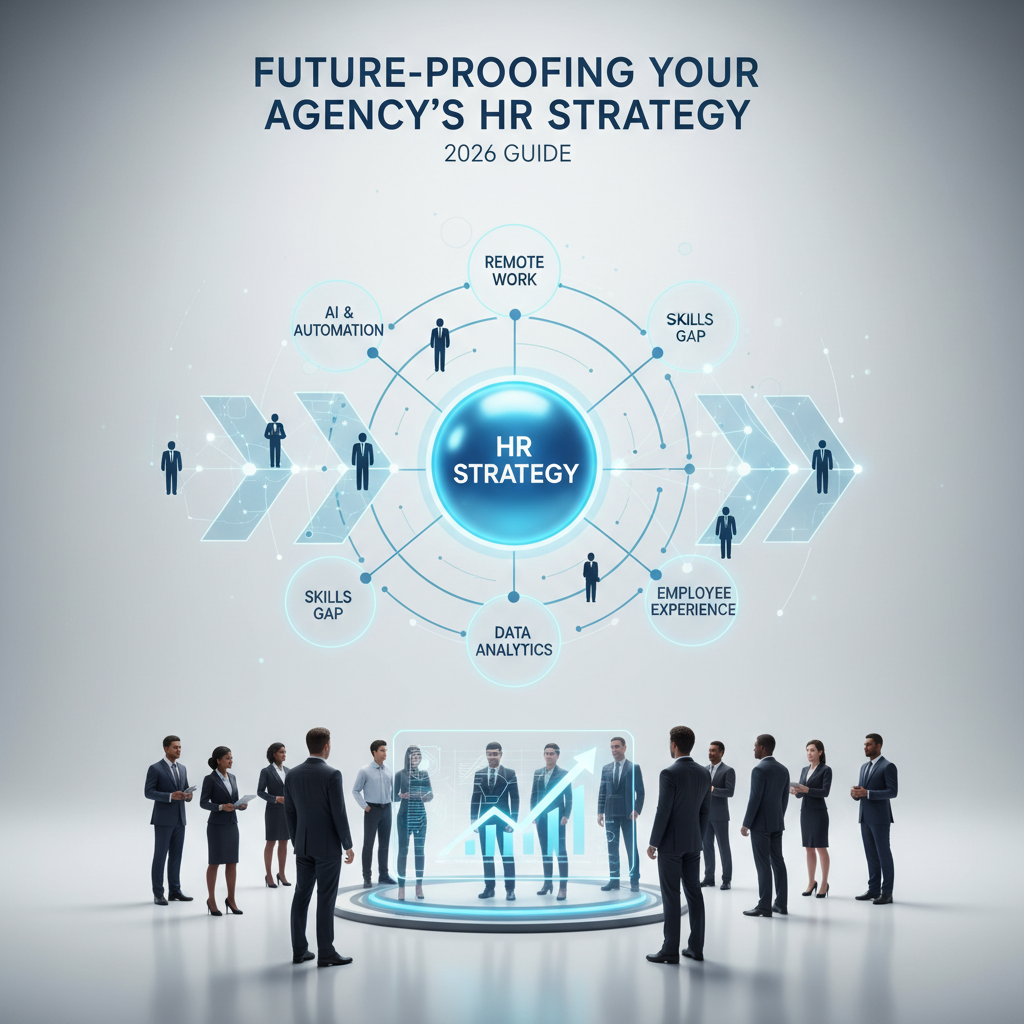
For a fresh CEO stepping into the dynamic world of a marketing agency in Singapore, understanding and building a resilient, scalable HR structure is paramount for sustained growth in 2026 and beyond. This section provides a step-by-step approach to help you, as the new leader of an SME, navigate the evolving HR landscape. By looking ahead at emerging trends and adopting best practices, you can ensure your agency’s talent strategy is not just reactive but proactively designed to thrive amidst change and expansion. The journey to future-proof your HR strategy begins with a clear vision and a commitment to innovation, focusing on three core pillars that will define success in the coming years.
1. Leveraging HR Tech & Digital Tools for Efficiency
The digital transformation isn’t just for marketing campaigns; it’s revolutionizing HR operations. For an SME marketing agency, particularly one led by a fresh CEO, embracing HR technology is not a luxury but a necessity for efficiency, compliance, and talent management. Implementing a robust Human Resources Information System (HRIS) or Human Capital Management (HCM) platform can centralize employee data, streamline payroll, automate onboarding, and simplify benefits administration. Look for cloud-based solutions tailored for SMEs that offer scalability and user-friendliness. Beyond core HR functions, consider applicant tracking systems (ATS) to optimize recruitment, performance management software for continuous feedback and goal setting, and engagement platforms to foster a positive workplace culture. These tools free up valuable HR time, allowing your team to focus on strategic initiatives rather than administrative burdens. By digitizing HR processes, you gain valuable insights through data analytics, enabling more informed decision-making and ensuring your agency remains agile in a competitive talent market. The initial Step by Step to understand SMEs HR Structure for the fresh the CEO in marketing agency in singapore often involves identifying technology gaps and selecting solutions that align with your agency’s unique needs and growth trajectory.
2. Developing a Culture of Continuous Learning & Development
In the fast-paced world of marketing, skills quickly become obsolete. To maintain a competitive edge and retain top talent, your agency must cultivate a strong culture of continuous learning and development. This goes beyond annual training sessions; it’s about embedding learning into the daily fabric of your organization. For a fresh CEO, investing in employee growth signals a commitment to their long-term career aspirations, which is crucial for retention. Implement personalized learning paths that cater to individual roles and career goals, utilizing online learning platforms, workshops, and mentorship programs. Encourage cross-functional training to broaden skill sets and foster collaboration. Regular upskilling and reskilling initiatives are vital, especially in areas like AI, data analytics, content strategy, and new digital marketing channels. Performance reviews should evolve into continuous feedback loops focused on development and growth opportunities. By empowering employees to take ownership of their learning, you build a more adaptable, innovative, and engaged workforce capable of tackling future challenges. A recent report by Harvard Business Review on the future of learning and development emphasizes the strategic importance of this investment for organizational resilience.
3. Scalable HR Solutions for Agency Expansion & Adaptation
As your marketing agency grows, your HR solutions must scale seamlessly alongside it. A fresh CEO needs to anticipate future growth and build an HR framework that can adapt to increasing headcount, potential international expansion, and evolving regulatory landscapes in Singapore and beyond. This involves developing flexible staffing models, such as incorporating freelancers or contractors for project-based work, alongside permanent hires. Establish clear, documented HR policies and procedures that can be easily updated and communicated as the agency expands. Focus on robust talent acquisition strategies that can efficiently source and onboard new employees without compromising quality. This might include building strong employer branding, leveraging professional networks, and optimizing your interview processes. Furthermore, consider the importance of diversity, equity, and inclusion (DEI) initiatives from the outset, ensuring your growth is inclusive and reflective of a broad talent pool. Finally, building an agile HR team, whether internal or outsourced, capable of navigating change management and supporting organizational restructuring, is critical. Proactive planning for compliance with labor laws and evolving workforce regulations in Singapore is also non-negotiable for sustained growth. By laying these scalable foundations, your agency will be well-equipped to manage growth spurts and pivot effectively in response to market shifts, ensuring that HR remains a strategic partner rather than a bottleneck.
Partner with Shelby Global
You are looking for reliable HR Sevice Suppliers? Contact Shelby Global Now! To connect with verified talents and upgrade your orginization.
—————————————
References
– MOM Fair Consideration Framework: https://www.mom.gov.sg/employment-practices/fair-consideration-framework
– Singapore Ministry of Manpower – Key Employment Terms: https://www.mom.gov.sg/employment-practices/employment-act/key-employment-terms-ket
– SHRM, the Society for Human Resource Management: https://www.shrm.org/resourcesandtools/tools-and-samples/hr-qa/pages/bestpracticesinemployeeretention.aspx
– Why Employee Engagement Is So Important Right Now: https://www.forbes.com/sites/forbeshumanresourcescouncil/2021/08/17/why-employee-engagement-is-so-important-right-now/
– Harvard Business Review on the Future of L&D: https://hbr.org/2023/10/the-future-of-learning-and-development