Laying the Foundation: Basics of SME HR in Malaysia
The dynamic landscape of Malaysia’s IT sector presents unique opportunities and challenges for Small and Medium Enterprises (SMEs). For a new CEO, understanding Human Resources (HR) is a strategic imperative. This section offers a practical guide to grasp the essential HR structure within Malaysian IT SMEs. From talent acquisition to compliance, effective HR management underpins sustainable growth. Without a robust framework, even innovative tech companies can struggle with retention, legal issues, and inefficiencies. This guide equips fresh CEOs with insights to cultivate a thriving workforce.
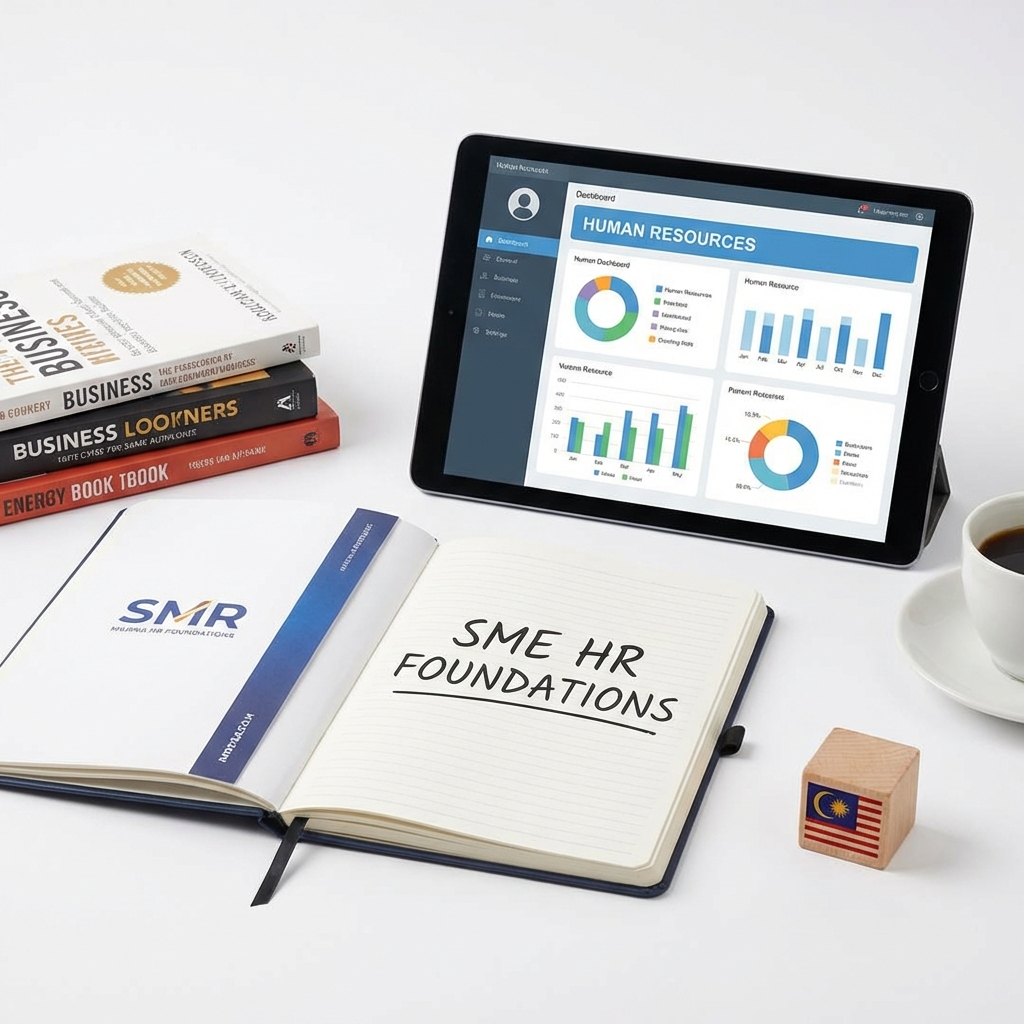
This comprehensive overview helps new leaders navigate the complexities of people management in a competitive and rapidly evolving industry.
-
Defining SME HR: Size and Scope in Malaysian IT
-
Why HR Structure Matters for a New CEO
-
Common Misconceptions about SME HR in IT
In Malaysia, SMEs are officially defined by the SME Corporation Malaysia based on annual sales turnover or full-time employees. For the services sector, including IT, an SME typically means a company with annual sales turnover not exceeding RM20 million OR with not more than 75 full-time employees. This definition is crucial because it significantly shapes the HR function. Unlike large corporations with dedicated HR departments, HR in Malaysian IT SMEs often involves a leaner team, or even falls under the CEO or a multi-tasking manager.
The IT sector adds complexity: rapid tech advancements, constant demand for specialized skills (e.g., AI developers, cybersecurity experts), and a competitive talent market. SME HR in IT must be agile, proactive, and focused on strategic talent management. It covers innovative recruitment, fostering continuous learning, managing performance in a project-driven environment, and ensuring competitive compensation to retain valuable tech professionals. The scope is broad, demanding an integrated approach aligned with business objectives and the unique needs of a tech-driven workforce.
For a fresh CEO, establishing a clear HR structure is non-negotiable. Firstly, it ensures legal compliance. Malaysia has stringent labor laws, including the Employment Act 1955, EPF Act 1991, and Social Security Act 1969. A well-defined HR structure ensures these regulations are met, mitigating risks of penalties, lawsuits, and reputational damage. Ignoring these can be costly, diverting resources from core business.
Secondly, it’s fundamental for talent attraction and retention. In the cut-throat IT talent war, companies with clear policies, fair compensation, and defined career paths are more appealing. It provides clarity for employees on roles, responsibilities, performance, and development, directly impacting satisfaction and reducing turnover – critical in IT. Thirdly, it supports organizational growth. As an IT SME scales, an adaptable HR structure facilitates efficient onboarding, smooth team integration, and effective management of evolving workforce needs. It underpins productivity, fosters a positive environment, and contributes to the bottom line. Understanding and implementing a clear step by step to understand SMEs HR structure for the fresh the CEO in IT field in malaysia is thus a strategic necessity.
New CEOs often harbor misconceptions about HR in smaller, tech-focused companies. One prevalent myth: “We’re too small for formal HR; we can handle it informally.” This overlooks consistency, fairness, and legal adherence, leading to inconsistent decisions, potential claims, and lack of processes.
Another misconception views HR solely as an administrative function. While essential, modern HR in IT SMEs is strategic. It involves workforce planning, talent development, performance management, fostering innovation, and shaping company culture – all impacting an IT firm’s competitive edge. A third error is believing “IT professionals are only interested in tech; ‘soft HR’ doesn’t apply.” This is false. Tech employees value a supportive environment, growth opportunities, clear communication, and fair treatment. Engagement, well-being programs, and career development are crucial for retaining high-performing IT talent. Effective HR ensures a positive working environment and legal compliance, vital for any Malaysian business. Understanding the nuances of the Employment Act 1955 amendment is crucial for all employers, including IT SMEs, to avoid legal pitfalls and ensure fair labor practices.
By dispelling these myths and embracing HR as a strategic partner, new CEOs can build resilient, high-performing IT teams capable of navigating the dynamic Malaysian market. Laying this strong HR foundation early on is key to long-term success, ensuring the business not only complies with regulations but also thrives through its most valuable asset: its people.
Core Components of a Malaysian IT SME HR Structure
For a fresh CEO navigating Malaysia’s dynamic IT sector, establishing a robust Human Resources (HR) structure is paramount for sustainable growth. Beyond administrative tasks, an effective HR framework attracts, develops, and retains top-tier talent—a critical success factor in the fast-paced technology industry. This section offers a Step by Step to understand SMEs HR Structure for the fresh the CEO in IT field in malaysia, detailing core components for an efficient, compliant HR department tailored for Malaysian IT SMEs. From robust policies to streamlined processes like talent acquisition and payroll, a strategic HR approach will empower your SME to thrive.
-
1. Recruitment & Talent Acquisition Strategies
In the highly competitive Malaysian IT market, effective talent acquisition IT Malaysia is crucial for an SME’s growth. This involves strategically identifying, attracting, and securing individuals with technical skills who also align with company culture. For IT SMEs, building a strong employer brand is essential, showcasing culture, career development, and innovative projects via professional networks, local tech communities, and university partnerships.
A streamlined recruitment process is vital. This includes defining clear job roles, leveraging online job portals and specialized IT recruitment agencies, and implementing rigorous interviews that assess both technical proficiency and soft skills. Practical coding challenges are invaluable for evaluating technical capabilities. Furthermore, a well-structured onboarding program integrates new hires smoothly, providing tools and understanding of roles, which significantly improves retention and productivity from day one, fostering a positive employee experience within the IT SME environment.
-
2. Compensation & Benefits Packages
Attracting and retaining high-calibre IT professionals in Malaysia necessitates a competitive compensation and benefits strategy. This holistic package motivates and rewards employees. For an IT SME, benchmarking salaries against industry standards ensures attractiveness. Consider performance-based bonuses, annual increments, and potential equity options for key technical roles, aligning employee incentives with company success.
Beyond monetary remuneration, comprehensive employee benefits Malaysia IT are vital. This includes mandatory statutory contributions such as EPF, SOCSO, and EIS, as stipulated by Malaysian employment law. Additionally, offering medical insurance, paid leave, flexible working arrangements, and professional development allowances significantly enhances an SME’s appeal. Efficient payroll processing Malaysia SME is another cornerstone. Implementing a reliable HR Information System (HRIS) automates payroll calculations, ensures compliance with local tax regulations, and provides clear payslips, reducing administrative burden and errors. This transparency contributes to employee satisfaction and trust.
-
3. Performance Management & Employee Development
A robust performance management system is critical for nurturing talent and driving productivity within a Malaysian IT SME. This is a continuous cycle of goal setting, regular feedback, performance appraisals, and professional development. For “Performance management IT SME“, it should be tailored to the agile and project-based nature of IT work. Setting clear, measurable goals (OKRs or KPIs) aligned with company objectives empowers employees. Regular one-on-one meetings facilitate ongoing feedback, identifying areas for improvement and recognizing achievements.
Employee development is equally paramount in the rapidly evolving tech sector. Investing in training, workshops, and certifications helps IT professionals stay current with new technologies, enhancing their skills and career trajectories. This commitment to continuous learning boosts individual capabilities and strengthens the overall technical prowess of the SME. Implementing clear career progression paths and succession planning ensures employees see a future within the company, fostering loyalty and reducing attrition. Acknowledging and rewarding strong performance reinforces a culture of excellence and motivates the team.
Implementing these core HR components provides a foundational Step by Step to understand SMEs HR Structure for the fresh the CEO in IT field in malaysia. By prioritizing strategic recruitment, competitive compensation, and continuous performance development, Malaysian IT SMEs can build a resilient, high-performing workforce that propels them towards innovation and market leadership. A well-structured HR department is not an overhead, but a strategic asset critical for long-term success in the dynamic IT industry.
Navigating HR Challenges & Legal Compliance in Malaysia
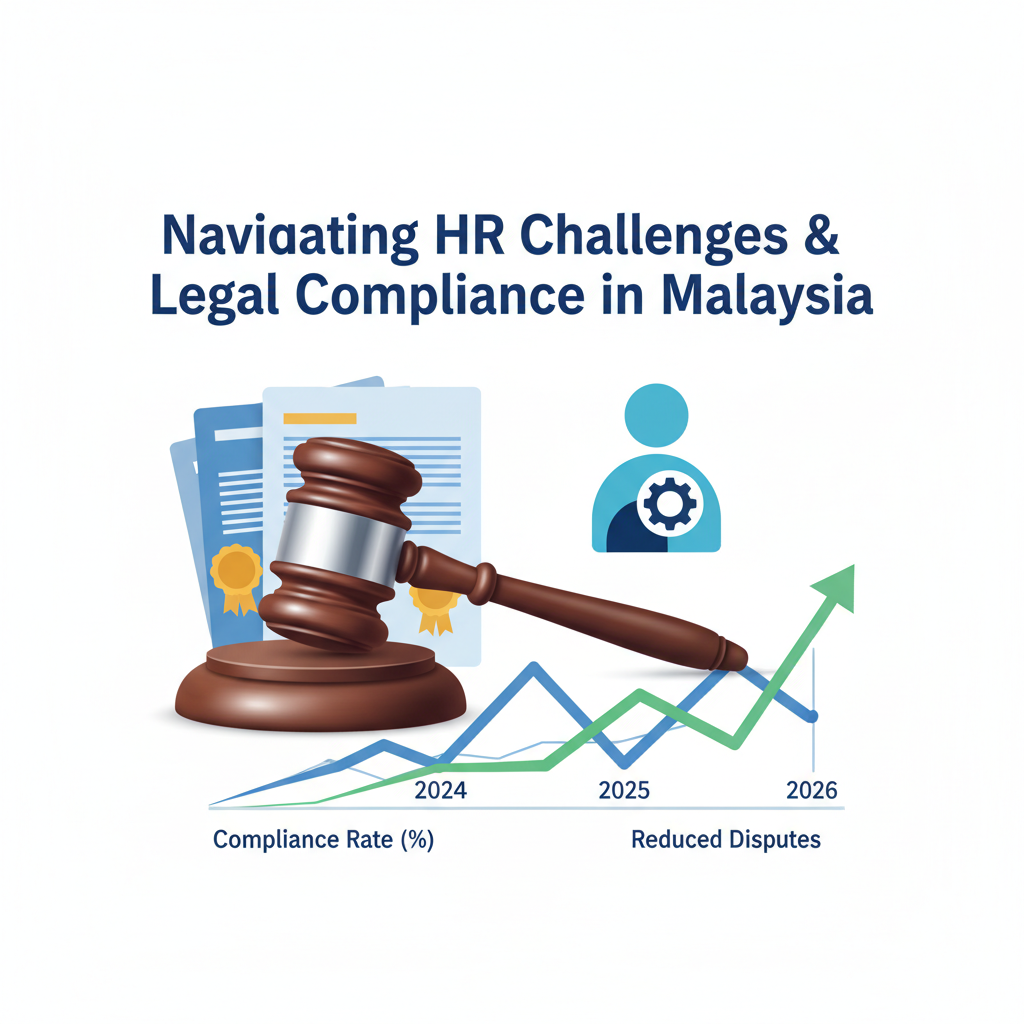
For fresh IT CEOs steering Small and Medium Enterprises (SMEs) in Malaysia, understanding Human Resources (HR) isn’t just administration—it’s strategic. This section offers a step by step to understand SMEs HR Structure for the fresh the CEO in IT field in malaysia, addressing crucial legal frameworks and common hurdles to ensure compliant, ethical, and effective HR operations within your Malaysian IT SME.
1. Key Malaysian Labor Laws & Regulations (Malaysia HR regulations SME)
The cornerstone of Malaysian HR compliance is the Employment Act 1955 (EA 1955), significantly amended effective January 1, 2023. Now applicable to virtually all employees, regardless of salary, new IT CEOs must understand its provisions:
- Working Hours & Overtime: Capped at 45 hours/week; strict overtime rules apply.
- Leave Entitlements: Includes annual, sick, public holidays, expanded 98-day maternity leave, and 7-day paid paternity leave.
- Termination: Rigorous procedures for termination, notice periods, and unfair dismissal claims.
- Sexual Harassment: Enhanced protections and clear handling procedures.
- Flexible Working Arrangements (FWA): Employees can request FWAs; employers must consider.
Further compliance extends to mandatory contributions:
- Employees Provident Fund (EPF): Retirement savings.
- Social Security Organisation (SOCSO): Injury and invalidity schemes.
- Employment Insurance System (EIS): Financial aid for retrenched workers.
- Minimum Wages Order 2022: Mandates RM1,500/month minimum wage.
- Personal Data Protection Act (PDPA) 2010: Governs employee data processing.
Staying updated with these Malaysia HR regulations SME is crucial to avoid penalties and maintain good governance.
2. Overcoming Common IT SME HR Challenges (IT SME HR challenges)
IT SMEs face unique HR challenges in Malaysia’s competitive tech landscape. Attracting and retaining top talent often proves difficult against larger competitors. Here’s how to address common hurdles:
- Talent Acquisition & Retention: IT professionals are in high demand.
- Strategy: Build a strong employer brand, offer unique perks (e.g., flexible/remote work, professional development), and foster a dynamic work culture. Highlight growth opportunities often more accessible in an SME.
- Competitive Compensation & Benefits: Matching big tech salaries is tough.
- Strategy: Offer competitive health insurance, above-minimum EPF, and performance bonuses. Focus on non-monetary benefits like skill development and clear career paths.
- Limited HR Resources: Many SMEs lack dedicated HR departments.
- Strategy: Leverage HR software (HRIS), outsource payroll or niche recruitment, or train existing administrative staff for HR functions.
- Performance Management: Evaluating tech roles needs specific metrics.
- Strategy: Implement clear, measurable KPIs tailored to IT. Foster continuous feedback, regular one-on-ones, and structured reviews focused on project milestones and skill growth.
Proactively addressing these IT SME HR challenges builds a robust and sustainable workforce.
3. Ensuring Fair HR Policies & Practices (HR policies for startups Malaysia)
Well-defined HR policies establish a fair, transparent, and productive work environment. New IT CEOs should prioritize an Employee Handbook outlining key policies and procedures, ensuring consistency and clarity. Essential areas include:
- Code of Conduct & Ethics: Define expected behavior, professional standards, and ethical guidelines, especially crucial for intellectual property and data security in tech.
- Anti-Harassment & Discrimination: Foster a zero-tolerance environment with clear reporting mechanisms.
- Data Privacy (PDPA Compliance): Detail how employee personal data is collected, stored, and protected, strictly adhering to Malaysia’s PDPA.
- Performance Appraisal System: Outline objective processes for reviews, goal setting, and career development.
- Grievance & Disciplinary Procedures: Establish clear, confidential, and impartial processes for complaints and misconduct, ensuring due process.
- Remote/Hybrid Work Policies: Formalize expectations for flexible working, communication, equipment, and cybersecurity.
Developing comprehensive and fair HR policies for startups Malaysia lays a strong foundation for ethical governance, mitigates risks, and fosters employee trust. This proactive approach to HR operations significantly contributes to your IT SME’s long-term success in Malaysia.
Strategic HR: Planning for Growth & Employee Engagement
Moving beyond basic compliance, this section explores how to leverage HR as a strategic asset for sustained growth, effective workforce planning, employee retention, and fostering a positive work environment. For a fresh CEO in the dynamic Malaysian IT sector, understanding the nuances of strategic HR is not just beneficial, but critical for long-term success. This guide offers a Step by Step to understand SMEs HR Structure for the fresh the CEO in IT field in malaysia, transforming HR from a cost center into a powerful engine for innovation and stability.
-
Workforce Planning & Succession Strategies
-
Driving Employee Engagement & Retention
-
Leveraging HR Technology for Efficiency
In the rapidly evolving Malaysian IT landscape, proactive workforce planning Malaysia IT is paramount. For SMEs, this involves more than just filling immediate vacancies; it’s about anticipating future skill requirements, identifying potential talent gaps, and building a robust pipeline of skilled professionals. A fresh CEO must evaluate current team capabilities, project growth trajectories, and understand emerging technological trends to forecast future talent needs. This strategic foresight allows for targeted talent acquisition IT Malaysia efforts and crucial skills development IT Malaysia programs. Implementing effective succession planning SME Malaysia ensures business continuity and mitigates risks associated with key personnel departures. It involves identifying high-potential employees, providing them with mentorship and growth opportunities, and preparing them for critical roles. This not only safeguards leadership continuity but also enhances internal motivation and career progression within the company, forming a core part of your HR strategy for IT SMEs.
A highly engaged workforce is the backbone of any successful IT company, especially for SMEs where every individual’s contribution is deeply felt. Employee engagement IT Malaysia extends beyond mere job satisfaction; it encompasses employees’ emotional commitment to their work, team, and company goals. For a fresh CEO, fostering a positive work environment IT Malaysia through transparent communication, fair compensation, and meaningful recognition programs is essential. Effective retention strategies IT Malaysia are equally vital, given the competitive talent market. This includes offering competitive salaries and benefits, providing clear career development paths, implementing robust performance management IT Malaysia systems, and promoting a healthy work-life balance. Investing in employee well-being and creating a culture of continuous learning and growth significantly reduces turnover, strengthens team cohesion, and boosts overall productivity and innovation, which are critical for talent management IT Malaysia in the IT sector.
The digital transformation isn’t just for external operations; it’s revolutionizing internal HR functions too. For SMEs in Malaysia, adopting HR tech for SMEs Malaysia can be a game-changer. Human Resources Information Systems (HRIS) can automate routine administrative tasks like payroll processing, leave management, and record-keeping, freeing up HR personnel to focus on strategic initiatives. Applicant Tracking Systems (ATS) streamline recruitment, while performance management software facilitates goal setting, feedback, and appraisals. These digital HR solutions Malaysia not only enhance operational efficiency but also provide valuable data analytics, offering insights into workforce trends, engagement levels, and talent gaps. For a fresh CEO, leveraging these tools means better decision-making, improved employee experience, and a more agile HR function capable of supporting rapid business growth.
By integrating these strategic HR pillars – proactive workforce planning, dedicated employee engagement, and smart technological adoption – a fresh CEO in Malaysia’s IT sector can build a resilient, high-performing organization poised for sustained success and innovation. This comprehensive approach elevates HR from a supportive function to a strategic partner in achieving business objectives.
Building & Optimizing Your HR Function: Next Steps for the IT CEO
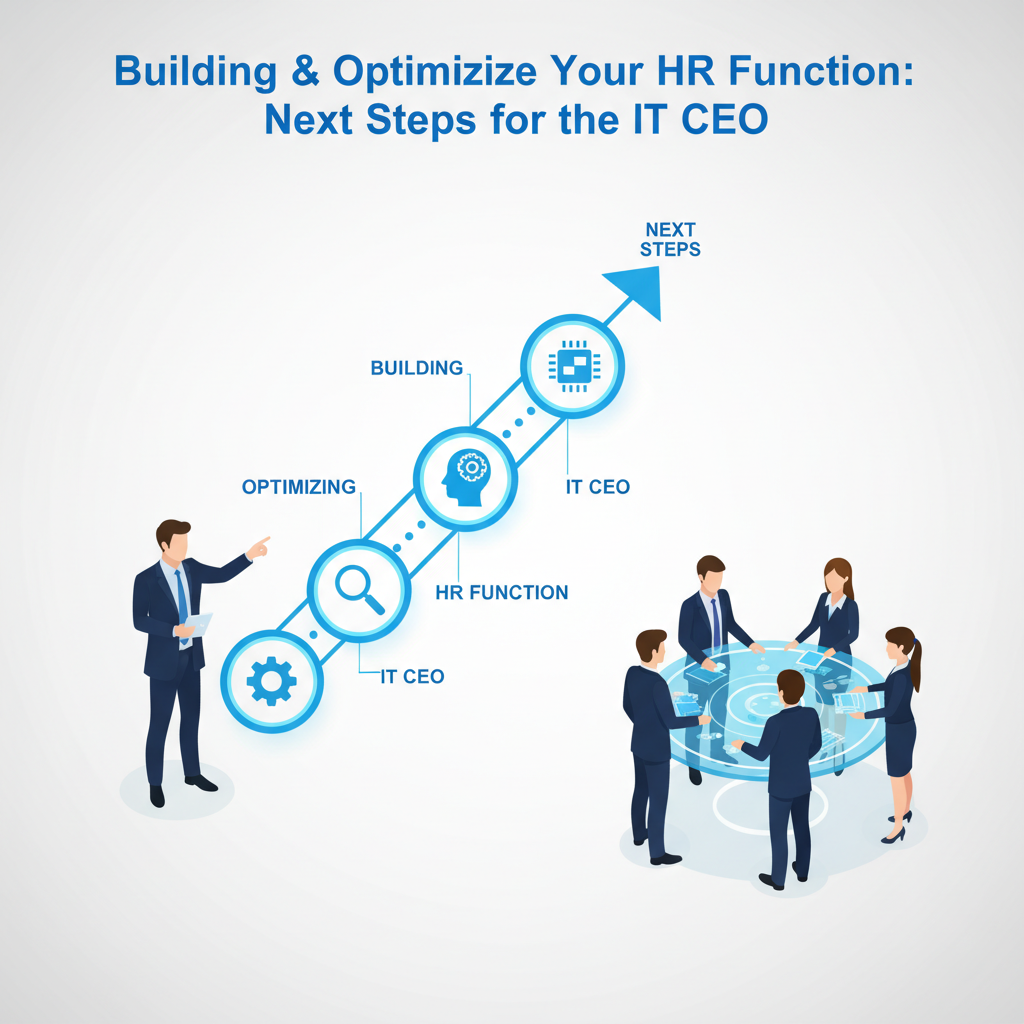
As a fresh IT CEO leading an SME in Malaysia, your focus is likely on innovation, product development, and market expansion. However, the backbone of any successful tech company isn’t just its code or algorithms; it’s its people. A robust, efficient Human Resources (HR) function is critical for attracting top talent, fostering a productive work environment, and navigating the complexities of Malaysian labor laws. This guide offers practical, actionable advice on how you can assess, build, or refine your SME’s HR structure, including considerations for outsourcing and developing a future-proof HR roadmap. It’s a vital Step by Step to understand SMEs HR Structure for the fresh the CEO in IT field in malaysia, ensuring your human capital strategy aligns with your business goals.
1. Assessing Your Current HR Capabilities
The first crucial step is to conduct a thorough HR assessment of your existing setup. Even if you don’t have a dedicated HR department, HR functions are still being performed, perhaps by your operations manager, finance team, or even yourself. Begin by evaluating key areas:
- Recruitment & Onboarding: How effective are your processes for attracting and integrating new hires? Are you competitive in talent acquisition Malaysia for the IT sector?
- Performance Management: Do you have clear performance management systems in place, or is it ad-hoc? How are goals set, reviewed, and feedback provided?
- Compensation & Benefits: Is your current compensation & benefits planning competitive and fair? Do you understand the market rates for IT professionals in Malaysia?
- Employee Relations & Engagement: What are your strategies for fostering positive morale and communication? How do you measure employee engagement strategies?
- Compliance: Are you fully compliant with Malaysian labor laws, EPF, SOCSO, EIS, and other statutory requirements? Navigating HR compliance Malaysia is non-negotiable for avoiding penalties.
- HR Technology: What tools are you currently using for payroll, leave management, or employee data? Could HR technology solutions streamline these processes?
Identifying pain points and inefficiencies in these areas will provide a clear picture of where your HR function needs the most attention.
2. Deciding Between In-house HR vs. Outsourcing (HR outsourcing Malaysia IT)
Once you understand your current capabilities and gaps, the next big decision is how to fill them. For an IT SME, this often boils down to building an in-house HR team or opting for HR outsourcing Malaysia IT.
- In-house HR: This option offers greater control over company culture, direct employee interaction, and deep institutional knowledge. However, it comes with significant overhead costs (salary, benefits, office space) and requires finding HR professionals with specialized expertise in areas like Malaysian labor law and tech industry talent.
- HR Outsourcing: Engaging an external HR service provider can be highly cost-effective for SMEs. You gain access to a team of HR experts without the full-time commitment. Outsourced services can range from payroll processing and statutory compliance to comprehensive HR services, including recruitment and `performance management systems` design. This allows your internal team to focus on core IT business activities while ensuring HR best practices are maintained. Consider providers with specific experience supporting IT companies in Malaysia to leverage their industry insights for areas like `employee retention IT` strategies.
Many SMEs adopt a hybrid model, keeping some core functions (like culture building) in-house while outsourcing administrative tasks (e.g., payroll, benefits administration) to specialists. For more insights on developing talent and workforce planning in Malaysia, resources from organizations like TalentCorp Malaysia can be invaluable for strategic HR planning.
3. Developing an HR Roadmap for the Future
Beyond immediate needs, a truly effective HR function requires a long-term vision. As an IT CEO, you need to develop a strategic HR planning roadmap that supports your company’s growth and innovation objectives. This roadmap should consider:
- Technology Adoption: How will you leverage HR technology solutions to automate routine tasks, enhance data analytics, and improve employee experience? This could include HRIS (Human Resources Information Systems) for managing employee data, applicant tracking systems (ATS), and learning management systems (LMS).
- Talent Development & Retention: How will you invest in your employees’ growth to ensure `employee retention IT` talent? This includes training programs, career pathing, and fostering a positive work environment. A strong culture and clear growth opportunities are key to preventing turnover in a competitive market.
- Scalability: Your HR structure must be able to scale as your company grows. This involves anticipating future hiring needs, ensuring your policies can adapt, and considering how your HR team (in-house or outsourced) will expand its capabilities. This proactive approach leads to a truly future-proof HR strategy.
- HR Transformation: View HR not just as an administrative burden but as a strategic partner in driving business outcomes. Embrace HR transformation by aligning HR initiatives with your overall business strategy, fostering a data-driven approach, and promoting a culture of continuous improvement.
By taking these steps, you can move from a reactive approach to a proactive, strategic HR function that propels your IT SME forward. For a more detailed guide on a Step by Step to understand SMEs HR Structure for the fresh the CEO in IT field in malaysia, exploring deeper into each aspect, you can find further resources on this topic.
Partner with Shelby Global
You are looking for reliable HR Sevice Suppliers? Contact Shelby Global Now! To connect with verified talents and upgrade your orginization.
—————————————
References
– Employment Act 1955 amendment: https://www.mohr.gov.my/index.php/en/about-us/employment-act-1955-amendment
– Malaysian employment law: https://www.mohr.gov.my/index.php/en/legislation/employment-act-1955
– Employment Act 1955: Key Amendments and Implications: https://www.skrine.com/insights/alerts/september-2022/employment-act-2022-key-amendments-and-implications
– Forbes Advisor: What Is Employee Engagement?: https://www.forbes.com/advisor/business/what-is-employee-engagement/
– TalentCorp Malaysia: https://www.talentcorp.com.my/