
The Unique Landscape of SME HR in Singapore eCommerce
For a new CEO stepping into a Small and Medium-sized Enterprise (SME) in Singapore’s vibrant eCommerce sector, understanding the nuances of Human Resources (HR) is paramount. Unlike large corporations with dedicated HR departments and extensive resources, HR within an SME, particularly in the fast-paced digital commerce arena, presents a distinct set of challenges and opportunities. This section aims to provide a foundational understanding of the specific HR environment you will navigate, highlighting its distinct characteristics and offering a Step by Step to understand SMEs HR Structure for the fresh the CEO in Ecommerce field in singapore. Mastering these elements is crucial for building a resilient and high-performing team in a highly competitive market.

1. Defining SME HR: Beyond the Basics
In an SME setting, HR functions often transcend traditional administrative roles, becoming deeply intertwined with business strategy and operational efficiency. Unlike larger enterprises where HR might be a siloed department, in a Singaporean eCommerce SME, HR responsibilities are frequently shared among a lean team, or even directly managed by the CEO or a senior manager wearing multiple hats. This means the HR professional, or the person performing HR duties, must be exceptionally agile, adaptable, and possess a comprehensive understanding of all business facets. Their role extends beyond recruitment and payroll to include talent development, performance management, employee engagement, and ensuring a positive workplace culture – all with limited dedicated resources. The direct impact of every HR decision on the company’s bottom line and growth trajectory is significantly more pronounced. Effective SME HR isn’t just about compliance; it’s about strategically leveraging human capital to drive innovation, customer satisfaction, and market share, making it a critical strategic function often overlooked in smaller setups.
2. eCommerce Specific HR Demands & Challenges
The eCommerce industry itself introduces a unique layer of complexity to HR management. The sector demands a workforce that is not only tech-savvy but also agile, customer-centric, and capable of adapting to rapid market shifts. Key demands include recruiting individuals skilled in digital marketing, data analytics, supply chain logistics, web development, and customer experience – skills that are highly sought after and competitive in Singapore. The challenge lies in attracting and retaining this specialized talent against larger, often better-resourced competitors. Furthermore, the nature of eCommerce often involves fluctuating demands, especially during peak seasons like 11.11 or Black Friday, necessitating flexible staffing solutions and effective workload management. Managing remote or hybrid teams, common in the digital space, also adds another dimension, requiring robust communication strategies and performance monitoring systems. For a fresh CEO, understanding these specific talent needs and developing strategies for acquisition and retention is paramount. A comprehensive approach to a Step by Step to understand SMEs HR Structure for the fresh the CEO in Ecommerce field in singapore will necessarily address these sector-specific pressures, ensuring the HR framework supports the dynamic operational requirements of an online business.
3. Singapore’s Regulatory Environment Impact on SMEs
Navigating Singapore’s robust and dynamic regulatory landscape is a critical HR function for any SME. The nation is known for its clear yet comprehensive labor laws, designed to protect employee welfare while fostering a pro-business environment. For SMEs, compliance with regulations set by the Ministry of Manpower (MOM) is non-negotiable and impacts everything from employment contracts and working hours to leave entitlements, foreign worker quotas, and CPF (Central Provident Fund) contributions. Fair employment practices, guided by the Tripartite Guidelines on Fair Employment Practices (TGFEP), are particularly important, emphasizing merit-based hiring and non-discrimination. SMEs often lack in-house legal expertise, making it essential to stay updated on policy changes and leverage resources like government advisories or HR consultancies. Fortunately, the Singaporean government also offers various grants and support schemes to help SMEs manage HR costs, enhance capabilities, and adopt best practices. A new CEO must prioritize understanding these regulations to mitigate legal risks, foster a fair workplace, and strategically utilize available government support to grow their eCommerce venture sustainably.
Navigating Singapore’s Essential HR Compliance for SMEs
For a fresh CEO stepping into the dynamic e-commerce landscape of Singapore, understanding and adhering to human resource compliance is paramount. This comprehensive guide offers a Step by Step to understand SMEs HR Structure for the fresh the CEO in Ecommerce field in singapore, detailing the mandatory legal and regulatory frameworks governing HR. Ensuring your small and medium-sized enterprise (SME) remains compliant is not just about avoiding penalties; it’s about fostering a fair, secure, and productive work environment, crucial for sustained growth in a competitive digital market.
1. Employment Act & CPF Contributions Explained
The bedrock of employment law in Singapore is the Employment Act (EA). Covering a vast majority of employees, it sets minimum standards for working conditions, including hours of work, overtime pay, public holidays, annual leave, sick leave, and termination procedures. As a CEO of an e-commerce SME, understanding the EA is critical for drafting compliant employment contracts and establishing fair HR practices. Non-compliance, even inadvertent, can lead to significant fines and reputational damage. Key provisions to watch out for include proper documentation of employment terms, adherence to stipulated rest days, and fair dismissal processes.
Equally vital are Central Provident Fund (CPF) contributions. This mandatory social security savings scheme requires both employers and employees to contribute a portion of the employee’s monthly wages. These contributions are allocated to different accounts (Ordinary, Special, MediSave) for retirement, housing, healthcare, and education. Contribution rates vary based on age and salary, with specific caps and thresholds. For your e-commerce SME, timely and accurate CPF contributions are a legal obligation and a key part of employee benefits. Failing to contribute correctly can result in severe penalties, including interest charges and fines. Regular review of your payroll system ensures accuracy in CPF calculations and submission.
2. Foreign Talent Quotas & Work Pass Regulations (EP, S Pass, WP)
Singapore’s vibrant e-commerce sector often necessitates specialized skills that may not always be readily available locally. Hiring foreign talent is a common practice, but it’s heavily regulated. The Ministry of Manpower (MOM) oversees a strict framework of work passes and quotas designed to manage the foreign workforce. As an SME CEO, you’ll primarily encounter three main types: the Employment Pass (EP) for professionals, managers, and executives; the S Pass for mid-skilled technical staff; and the Work Permit (WP) for semi-skilled foreign workers, typically in specific sectors.
Navigating these regulations involves understanding criteria such as salary thresholds, educational qualifications, and the employer’s Dependency Ratio Ceiling (DRC) and foreign worker levies. The DRC dictates the maximum proportion of foreign employees an SME can hire, ensuring a balance between local and foreign workers. Levies are monthly fees payable for each S Pass or Work Permit holder. For an e-commerce SME, strategic workforce planning is essential. This includes assessing the need for foreign expertise, understanding the costs associated with employing them, and diligently preparing all necessary documentation for work pass applications and renewals. Any misstep in this area can lead to delays in hiring, fines, or even debarment from applying for future work passes.
3. Data Protection (PDPA) & Employee Privacy Considerations
In the digital age, data is currency, and for an e-commerce SME, managing employee personal data responsibly is critical. Singapore’s Personal Data Protection Act (PDPA) governs the collection, use, and disclosure of personal data, extending significantly to HR functions. This means that every piece of employee information, from resumes and NRIC numbers to performance reviews and payroll details, must be handled with utmost care. As a CEO, you must ensure your HR processes comply with the nine obligations under the PDPA, including consent, purpose limitation, accuracy, protection, retention, and transfer limitation.
For an e-commerce company, where digital records are the norm, robust data security measures are non-negotiable. This involves implementing secure IT systems, establishing clear data access policies, conducting regular data protection training for staff, and having a documented data breach response plan. Employees have rights concerning their data, including access and correction, and these must be respected. Developing transparent privacy policies that inform employees about how their data is collected and used is crucial for building trust. Adhering to the PDPA protects both the company from legal repercussions and employees from potential misuse of their personal information, reinforcing your SME’s commitment to ethical practices.
Talent Acquisition & Retention Strategies for eCommerce SMEs
For any eCommerce SME, particularly for a fresh CEO in Singapore navigating a competitive digital landscape, building and retaining a high-performing team is not merely a task—it’s a cornerstone of sustainable growth. The unique demands of eCommerce, from digital marketing to logistics and customer experience, require specialized skills. Attracting and keeping this talent amidst larger competitors demands strategic, agile, and human-centric approaches. This section provides a practical, step-by-step guide to developing robust talent acquisition and retention strategies essential for your eCommerce success.
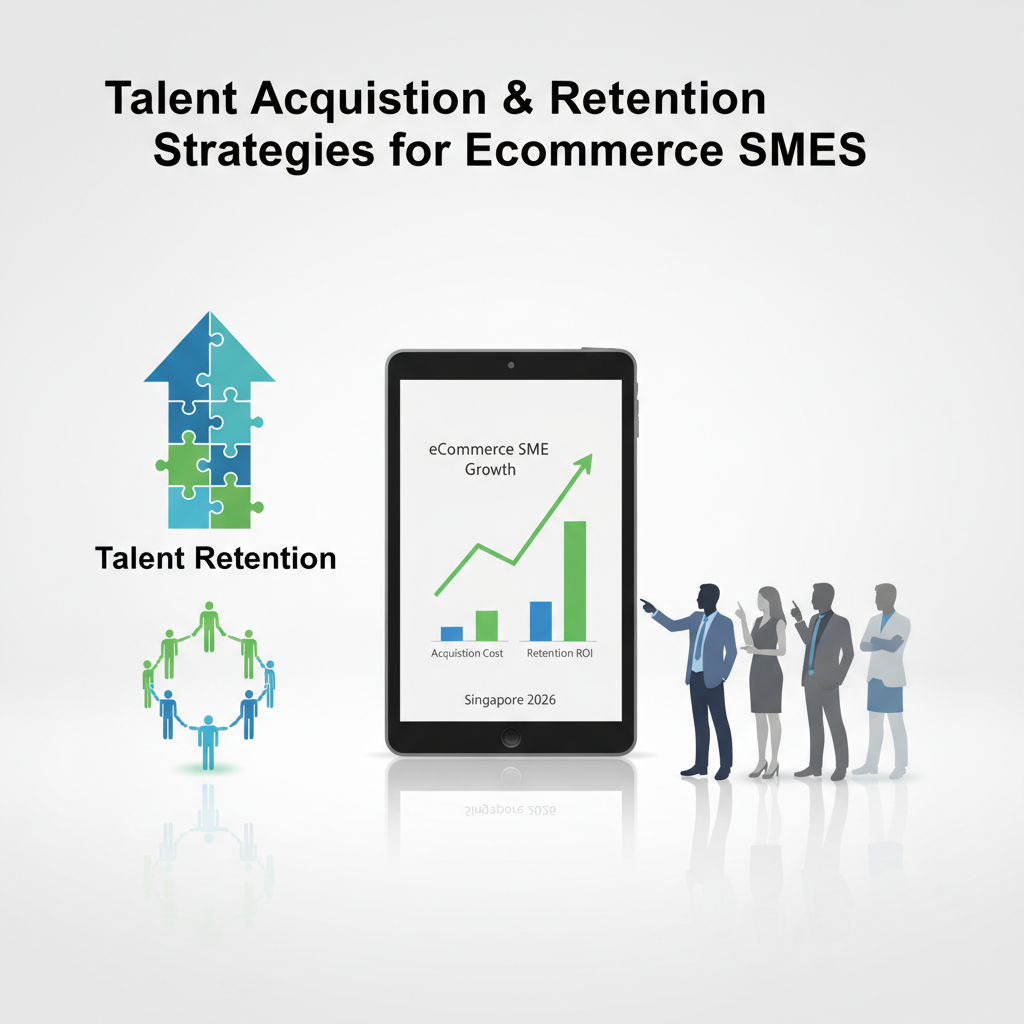
Before diving into specific strategies, a fresh CEO needs a clear understanding of the foundational HR structure. A Step by Step to understand SMEs HR Structure for the fresh the CEO in Ecommerce field in singapore is crucial. This initial insight allows for the effective implementation of the strategies outlined below, ensuring that every effort in talent acquisition and retention is aligned with the company’s operational capabilities and long-term vision.
1. Crafting Attractive Job Descriptions & Employer Branding
Generic job descriptions are a pitfall for eCommerce SMEs. To attract top talent, particularly in Singapore’s dynamic market, your job descriptions must be precise, compelling, and reflective of your company’s unique value proposition. Move beyond a list of duties; articulate the impact a role will have, the growth opportunities within a lean team, and the exciting challenges of building an eCommerce brand. Highlight specific eCommerce skills needed, such as proficiency in SEO, SEM, conversion rate optimization, data analytics, or logistics management systems.
More critically, cultivate a strong employer brand. This isn’t just for large corporations; it’s vital for SMEs to stand out. Showcase your company culture, mission, values, and the work environment on your career page, social media, and during interviews. Emphasize flexibility, autonomy, opportunities for rapid learning, and direct impact on business outcomes—qualities often more accessible in an SME than a large corporation. A strong employer brand communicates why a candidate should choose your eCommerce SME over others, turning job seekers into enthusiastic applicants. Building a robust employer brand is particularly crucial for small businesses to attract and retain high-caliber individuals.
2. Effective Recruitment Channels: Online Platforms & Networks
Diversifying your recruitment channels is key to reaching a wider, yet targeted, talent pool. For eCommerce roles, LinkedIn remains a powerful platform for professional networking and direct sourcing. However, don’t overlook specialized job boards for tech or digital marketing roles, local Singaporean job portals like JobStreet or MyCareersFuture, and even niche Facebook groups dedicated to eCommerce or specific digital skills. Leveraging your existing network through employee referral programs can also yield high-quality candidates who are a good cultural fit, as current employees often recommend individuals with similar work ethics and values.
Consider also the power of industry associations and local eCommerce meetups in Singapore. Attending these events, even virtually, allows you to network with potential candidates who are passionate about the industry and already possess relevant experience. For more junior roles or internships, partnerships with local polytechnics and universities can be an excellent source of fresh talent eager to dive into the fast-paced world of eCommerce. Each channel should be strategically chosen based on the role, required skills, and the demographic of your ideal candidate.
3. Onboarding Best Practices & Performance Management
The journey of talent retention begins long before an employee’s first day. A structured and engaging onboarding process is critical. Beyond mere paperwork, effective onboarding should immerse new hires in your company culture, clarify expectations, introduce them to key team members, and provide early opportunities for success. Assigning a mentor or buddy can significantly improve a new employee’s integration and sense of belonging, especially within a smaller SME environment where every team member’s contribution is highly visible.
Once onboarded, consistent and fair performance management is vital for retention. Establish clear Key Performance Indicators (KPIs) relevant to eCommerce—such as conversion rates, customer satisfaction scores, average order value, or website traffic—and provide regular, constructive feedback. Implement quarterly or bi-annual performance reviews that focus on both achievements and areas for development. Create opportunities for skill development and career progression, even if it involves cross-training within a lean team. Recognising and rewarding contributions, fostering a supportive work environment, and demonstrating a commitment to employee growth are powerful drivers of loyalty and significantly reduce turnover, ensuring your eCommerce SME retains its valuable talent.
Developing an Agile HR Structure & Strategy for Growth
For a new CEO navigating the dynamic Singaporean eCommerce landscape, establishing a robust yet flexible Human Resources framework is paramount for sustainable growth. This guide offers a comprehensive, Step by Step to understand SMEs HR Structure for the fresh the CEO in Ecommerce field in singapore, ensuring your SME’s HR processes and policies are not only scalable but also adaptable to the competitive market’s rapid shifts. An agile HR strategy will empower your team, attract top talent, and foster an environment conducive to innovation and market leadership.
1. Implementing Scalable HR Processes & Policies
As your eCommerce SME expands, your HR processes must evolve from reactive fixes to proactive, strategic frameworks. This begins with streamlining core HR functions. Start by documenting clear job descriptions for all roles, especially critical positions in marketing, logistics, and technology, which are often in high demand. Develop a standardized, efficient recruitment process that can handle increased hiring volumes without compromising quality. This involves leveraging Applicant Tracking Systems (ATS) suitable for SMEs, setting up structured interview guides, and establishing a consistent onboarding program that not only introduces new hires to the company culture but also quickly integrates them into their roles.
Performance management systems should be outcome-oriented and agile, moving beyond annual reviews to incorporate continuous feedback loops, regular check-ins, and goal setting aligned with business objectives. This approach fosters a culture of accountability and continuous improvement, essential for navigating the fast-paced eCommerce world. Furthermore, establishing clear HR policies covering everything from employee conduct to data privacy and remote work guidelines provides a stable foundation, minimizing risks and ensuring compliance with Singapore’s labor laws. These policies should be regularly reviewed and updated to remain relevant as the company grows and market conditions change, ensuring they support an adaptable and productive workforce.
2. Compensation & Benefits Benchmarking in eCommerce
Attracting and retaining high-caliber talent in Singapore’s competitive eCommerce sector requires a sophisticated understanding of market compensation and benefits. Your strategy must extend beyond base salaries to include a holistic package that truly stands out. Begin by conducting thorough compensation & benefits benchmarking against industry peers and relevant roles within the Singaporean market. Focus on data specific to eCommerce, where skills in digital marketing, data analytics, supply chain management, and user experience design command premium rates.
Consider implementing performance-based incentives, such as sales commissions, profit-sharing schemes, or equity options, which directly link employee contributions to company success. Beyond financial remuneration, explore non-monetary benefits that enhance employee well-being and engagement. This could include flexible work arrangements (crucial in eCommerce for managing peak seasons), comprehensive health and wellness programs, opportunities for professional development, and a positive company culture that values work-life balance. Regularly review your compensation and benefits packages to ensure they remain competitive and aligned with both market trends and employee expectations, helping your SME not just to attract but to retain its most valuable assets.
3. Training, Development & Succession Planning for Key Roles
In a rapidly evolving sector like eCommerce, continuous learning and robust succession planning are vital for long-term organizational health. Identify the critical roles within your SME – those that are indispensable for operations, strategic direction, or innovation. For each key role, develop a targeted training and development plan. This could involve upskilling existing employees in new technologies (e.g., AI in customer service, advanced analytics), providing leadership training for emerging managers, or sponsoring certifications relevant to industry best practices.
Embrace a culture of continuous learning by offering access to online courses, workshops, and industry conferences. This not only boosts individual capabilities but also contributes to a more skilled and adaptable workforce. Simultaneously, establish a clear succession planning framework for these critical positions. This involves identifying high-potential employees, assessing their readiness for advancement, and providing them with tailored development paths and mentorship opportunities. Proactive succession planning mitigates the risks associated with unexpected departures, ensures business continuity, and creates internal growth opportunities, which in turn boosts morale and reduces recruitment costs. By investing in your people’s growth, you secure the future leadership and expertise necessary for your SME to thrive in the competitive eCommerce landscape.
Leveraging HR Tech & Future-Proofing Your SME HR
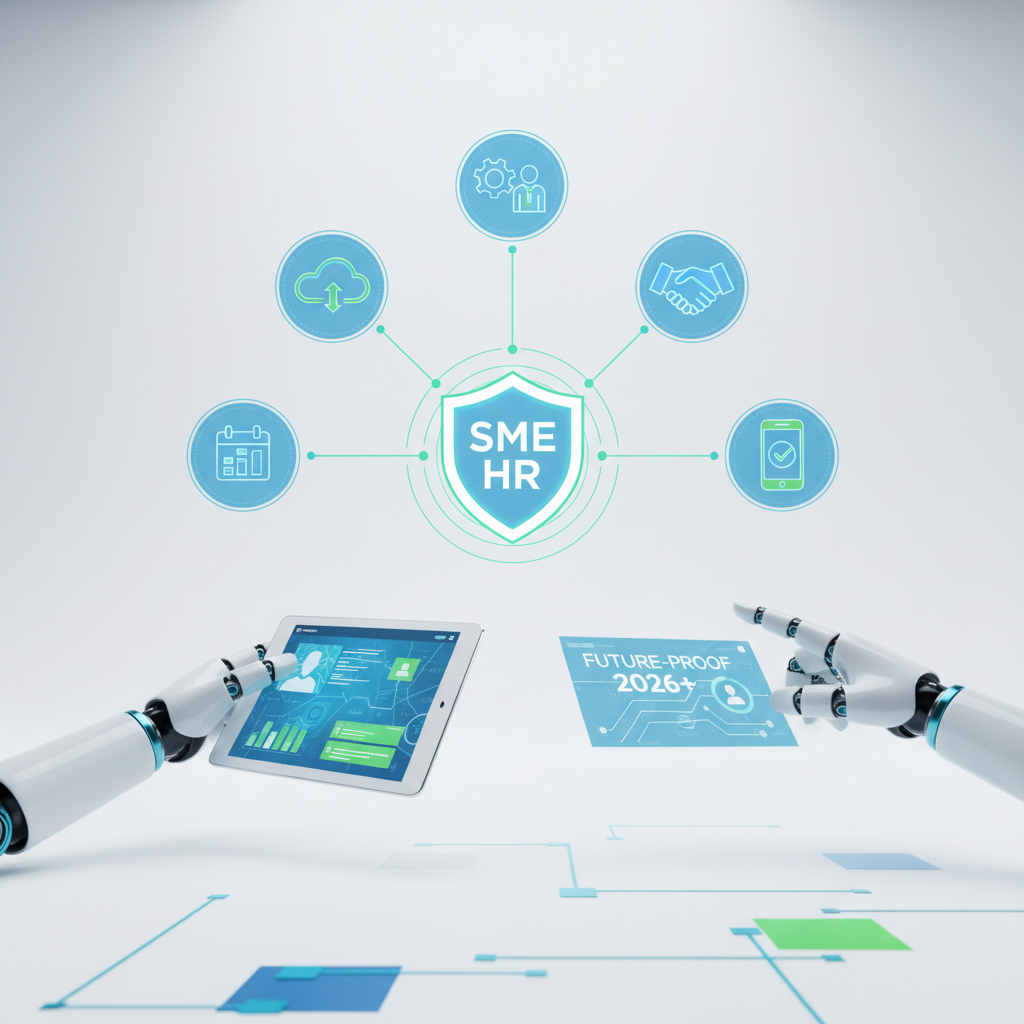
This final section explores how technology can optimize HR operations and prepare the SME’s HR function for future challenges and opportunities, particularly for a fresh CEO in the e-commerce field in Singapore.
In today’s fast-evolving business landscape, especially within the dynamic e-commerce sector in Singapore, the role of Human Resources in Small and Medium-sized Enterprises (SMEs) has transcended traditional administrative functions. For a fresh CEO navigating the complexities of an e-commerce venture, understanding and optimizing HR structure is paramount. This section provides a strategic outlook on how adopting appropriate HR technology can not only streamline operations but also future-proof your HR capabilities, ensuring your business remains competitive and agile. It’s a critical component in building a robust foundation, complementing a Step by Step guide to understanding SMEs HR Structure for the fresh CEO in Ecommerce field in Singapore, by providing the tools to execute that structure effectively.
1. Choosing HRIS/HRM Systems Tailored for SMEs
The first step in modernizing your HR function involves selecting the right Human Resources Information System (HRIS) or Human Resource Management (HRM) system. For SMEs, the key is to avoid over-engineering with enterprise-level solutions that are often costly and complex. Instead, focus on cloud-based, scalable systems designed specifically for smaller businesses. These systems can automate core HR processes such as payroll, benefits administration, time and attendance tracking, and employee data management. Implementing an intuitive HRIS frees up your HR team from manual, repetitive tasks, allowing them to focus on strategic initiatives like talent development and employee engagement. When making your selection, consider factors like user-friendliness, integration capabilities with existing systems (e.g., accounting software), vendor support, and, importantly, compliance with local labor laws in Singapore. A well-chosen system acts as the backbone for efficient HR operations, laying a solid groundwork for growth in your e-commerce venture.
2. Data Analytics for Informed HR Decision-Making
Beyond automation, modern HR tech empowers SMEs with robust data analytics capabilities. HR analytics transforms raw HR data into actionable insights, enabling informed decision-making across various facets of your business. Imagine being able to predict employee turnover rates, identify high-performing teams, or understand the return on investment of your training programs. With an effective HRIS, you can collect and analyze data on everything from recruitment sources and time-to-hire to employee engagement scores and performance metrics. This data-driven approach is crucial for optimizing your workforce strategy, enhancing employee experience, and ensuring your talent management efforts are aligned with business objectives. For e-commerce SMEs, understanding these patterns can directly impact productivity and customer satisfaction. Leveraging these insights helps in crafting targeted retention strategies and optimizing recruitment funnels, ultimately contributing to a more efficient and effective HR structure. According to research from reputable sources like Harvard Business Review, data-driven HR leads to better hiring decisions and overall organizational performance, a principle equally vital for ambitious e-commerce startups.
3. Building a Resilient & Adaptive HR Culture
The ultimate goal of leveraging HR tech is to foster a resilient and adaptive HR culture that can withstand future challenges and capitalize on emerging opportunities. This involves more than just implementing software; it’s about shifting mindsets and processes. HR technology facilitates agility by providing accessible information and streamlined communication, essential for navigating rapid changes common in the e-commerce landscape. Future-proofing your HR means embracing continuous learning, both for the HR team and the wider workforce, leveraging digital platforms for training and development. Furthermore, it involves prioritizing employee well-being and flexibility, supporting diverse work models like remote or hybrid arrangements, and utilizing technology to maintain connection and engagement across distributed teams. An adaptive HR culture, powered by insightful tech, ensures your SME can quickly pivot strategies, manage talent effectively during growth or contraction, and foster an environment where employees feel valued and supported. This proactive approach to HR development is critical for any fresh CEO in e-commerce, ensuring long-term success and sustainability in Singapore’s competitive market.
By strategically integrating HR technology, from robust HRIS systems to advanced analytics tools, SMEs can transform their HR function from an administrative cost center into a strategic business partner. This digital transformation not only optimizes daily operations but also builds a strong, adaptable HR foundation, essential for any e-commerce business aiming for sustainable growth and success in Singapore. Investing in HR tech is not merely an expense; it’s an investment in your company’s future, empowering you to navigate the complexities of talent management with confidence and foresight.
Partner with Shelby Global
You are looking for reliable HR Sevice Suppliers? Contact Shelby Global Now! To connect with verified talents and upgrade your orginization.
—————————————
References
– Tripartite Guidelines on Fair Employment Practices (TGFEP): https://www.mom.gov.sg/employment-practices/fair-employment-practices/tripartite-guidelines-on-fair-employment-practices
– Employment Act: https://www.mom.gov.sg/employment-practices/employment-act
– Why Employer Branding is Crucial for Small Businesses: https://www.forbes.com/sites/forbeshumanresourcescouncil/2023/07/20/why-employer-branding-is-crucial-for-small-businesses/
– Mercer’s Insights on Compensation & Benefits: https://www.mercer.com/our-thinking/career/compensation-and-benefits.html
– Harvard Business Review: https://hbr.org/2018/10/how-to-hire-for-analytics-when-youre-not-a-tech-company