
Scope of Responsibilities and Influence
The rapidly evolving e-commerce landscape in Singapore presents a dynamic environment for Human Resources professionals, where roles and responsibilities can vary dramatically based on organizational scale. This section meticulously examines the stark differences between the SMEs’ HR Manager and the Corporates’ HR Director in the E-commerce field in Singapore, highlighting how company size, resource availability, and strategic imperatives shape their day-to-day functions and long-term impact within the digital economy.

-
Day-to-day HR Operations vs. Strategic HR Planning
In Singapore’s vibrant e-commerce SMEs, the HR Manager typically acts as a versatile generalist, directly managing a wide spectrum of operational tasks. Their daily responsibilities span the entire employee lifecycle, from recruitment and onboarding to payroll, benefits administration, employee relations, and ensuring compliance with local labor laws. This role is predominantly hands-on and reactive, addressing immediate business needs such as urgent hiring for peak sales periods or resolving workplace issues promptly. With limited resources, they often innovate with basic HR tools and manual processes, their influence primarily focused on ensuring operational efficiency and maintaining a healthy work environment.
In contrast, an HR Director within a large e-commerce corporate entity in Singapore assumes a far more strategic role. Moving beyond operational execution, they serve as a crucial member of the senior leadership team, aligning human capital initiatives with overarching business objectives. Their focus is on developing sophisticated talent management frameworks, designing scalable organizational structures, leading significant change management projects (e.g., M&A integration), and implementing advanced HR technology solutions. They oversee specialist HR teams, delegating tactical tasks while concentrating on governance, policy development, and strategic partnerships that shape the future workforce and organizational culture across potentially multiple markets. Their input is integral to board-level decisions, influencing long-term growth and sustainability.
-
Talent Acquisition & Retention in Fast-Paced E-commerce SMEs
For HR Managers in fast-paced e-commerce SMEs, talent acquisition is an intense, direct involvement. They personally source, interview, and onboard candidates, facing stiff competition for skilled professionals in digital marketing, data analytics, and logistics. Challenges include limited employer branding budgets and less competitive compensation packages compared to larger firms. Retention often hinges on fostering a strong, agile company culture, offering rapid growth opportunities, and direct engagement with leadership. Agile recruitment and onboarding processes are paramount to quickly staff up and adapt to fluctuating e-commerce demands, with continuous efforts to build loyalty and engagement amidst potential high turnover.
Conversely, a Corporate HR Director in a large e-commerce firm orchestrates talent acquisition and retention on a grander, more sophisticated scale. They develop global talent strategies, overseeing dedicated teams specializing in executive search, campus recruitment, and talent pipelining. Significant investments are made in sophisticated employer branding, advanced Applicant Tracking Systems (ATS), and AI-driven recruitment tools to manage vast candidate pools and promote diverse hiring. Retention strategies are multi-faceted, encompassing comprehensive career development programs, global mobility, competitive global remuneration benchmarks, and a culture of continuous learning. They are deeply involved in succession planning and leadership development, building a sustainable talent ecosystem supported by data-driven HR analytics to proactively mitigate talent risks and support expansive international growth ambitions. For insights into broader HR trends, a report from the Society for Human Resource Management (SHRM) offers valuable context on the evolving role of HR technology in talent acquisition.
-
Global HR Initiatives vs. Localized E-commerce Needs in Singapore
The HR Manager in a Singaporean e-commerce SME primarily focuses on mastering local market intricacies. This involves an in-depth understanding of Singapore’s specific labor laws (e.g., Employment Act, CPF contributions, foreign worker quotas), navigating local cultural nuances in employee relations, and aligning HR practices with domestic business objectives. Their initiatives are highly localized, tailored to serve the immediate needs of their Singapore-centric customer base and workforce. Building a strong local team that comprehends the unique preferences and logistical challenges of the Singaporean e-commerce consumer is paramount, with a primary emphasis on local compliance and community engagement.
In stark contrast, a Corporate HR Director in a large e-commerce entity balances implementing overarching global HR mandates with the specific requirements of the Singapore market. They are tasked with ensuring consistency across different geographic operations while allowing for necessary local adaptation. This includes navigating complex international compliance frameworks, managing cross-border talent mobility, and harmonizing diverse compensation structures across multiple countries. For e-commerce, this translates to adapting global customer service training programs to Singapore’s service expectations or localizing global marketing strategies for specific digital consumption patterns. Their challenge is to create a unified global employee experience while respecting and leveraging local diversity, acting as a crucial bridge between headquarters’ directives and the ground realities of the Singaporean team, ensuring the company remains compliant, competitive, and culturally relevant.
Team Structure and Resources
The operational landscape for Human Resources (HR) in Singapore’s burgeoning e-commerce sector presents a stark contrast when comparing Small and Medium-sized Enterprises (SMEs) and large corporations. These differences between the SMEs’ HR Manager and the Corporates’ HR Director in Ecommerce field in singapore are particularly pronounced in team structure, budgetary allocations, and the sophistication of technological resources. While both aim to attract, retain, and develop talent crucial for e-commerce success, their approaches are fundamentally shaped by their scale and available resources, influencing everything from daily operations to long-term strategic planning.
1. Lean HR Teams vs. Specialized HR Departments
For SMEs in Singapore’s e-commerce space, HR functions are typically managed by a lean team, often comprising a single HR manager or a small generalist department. This individual or small team is responsible for the entire spectrum of HR tasks, from recruitment and onboarding to payroll processing, employee relations, performance management, and even aspects of training and development. The nature of this role demands a ‘jack-of-all-trades’ approach, requiring adaptability and a broad understanding of various HR domains. While this fosters a close relationship with employees and a deep understanding of the company’s culture, it also means that specialized expertise in areas like advanced talent acquisition strategies, compensation and benefits analysis, or complex HR legal compliance might be limited. The focus often remains on essential, day-to-day operational HR needs, with strategic HR initiatives taking a backseat due to time and resource constraints.
In contrast, large corporations supporting e-commerce operations boast highly specialized HR departments. These departments are structured with dedicated teams for different functions: Talent Acquisition Specialists focus solely on sourcing and recruiting top e-commerce talent; HR Business Partners provide strategic advice to specific business units; Compensation & Benefits Analysts design competitive remuneration packages; and Learning & Development Managers craft comprehensive training programs. This specialization allows for deeper expertise in each area, leading to more sophisticated strategies, better compliance, and a more robust employee experience. The sheer volume of employees and complexity of operations necessitate this departmentalization, enabling the company to tackle intricate HR challenges with dedicated resources and expertise, often overseen by an HR Director who strategizes at a higher level.
2. Budgetary Constraints and Resource Allocation
Budgetary differences represent one of the most significant distinguishing factors. SMEs typically operate with tighter budgets, which directly impacts their capacity to invest in HR. Resource allocation in SMEs is often prioritized towards core business operations – marketing, logistics, product development – with HR receiving a more modest share. This means that HR departments in SMEs must be highly resourceful, seeking cost-effective solutions for recruitment (e.g., free job boards, internal referrals), training (e.g., online courses, mentorship), and employee engagement (e.g., low-cost team building activities). Advanced HR analytics tools or premium employer branding campaigns are often out of reach, necessitating creative and budget-friendly alternatives. The emphasis is on maximizing value from limited spending, often relying on the HR manager’s personal network and ingenuity.
Corporations, with their substantial financial backing, allocate significantly larger budgets to their HR functions. This enables investment in premium recruitment platforms, comprehensive training curricula delivered by external vendors, robust employee wellness programs, and cutting-edge HR technology. These budgets allow corporate HR departments to not only meet basic operational needs but also to proactively invest in strategic initiatives that enhance employer brand, foster innovation, and cultivate a high-performance culture. The ability to offer competitive salaries, generous benefits, and extensive professional development opportunities further strengthens their position in the highly competitive e-commerce talent market, often giving them a distinct advantage in attracting and retaining top-tier professionals.
3. HR Tech Adoption: Basic Tools vs. Enterprise Solutions
The disparity in technological resources is equally pronounced. SMEs in e-commerce often rely on basic, often disparate, HR tools. This might include simple cloud-based payroll software, spreadsheets for tracking leave and attendance, and free or low-cost Applicant Tracking Systems (ATS) for recruitment. While these tools fulfill essential functions, they often lack integration, leading to manual data entry, potential errors, and a fragmented view of employee data. The focus is on functionality and affordability, with robust analytics and advanced automation being secondary considerations. Many SMEs’ HR Managers spend considerable time on administrative tasks due to these basic systems.
Conversely, large corporations invest heavily in integrated, enterprise-level Human Resources Information Systems (HRIS) or Human Capital Management (HCM) suites. Platforms like Workday, SAP SuccessFactors, or Oracle HCM Cloud offer comprehensive modules covering everything from recruitment and onboarding to performance management, compensation, learning and development, and advanced HR analytics. These systems provide a single source of truth for all employee data, automate complex workflows, generate in-depth reports, and offer predictive insights, significantly boosting efficiency and strategic decision-making. The adoption of such sophisticated HR tech is a key differentiator, allowing corporate HR to operate with greater agility, data-driven insights, and a focus on strategic value creation rather than mere administration. This trend towards advanced digital HR is increasingly critical, as highlighted by various industry reports on Human Capital Trends in Southeast Asia, emphasizing the move towards cloud-based and integrated solutions for enhanced HR capabilities.
Strategic Alignment and Business Impact
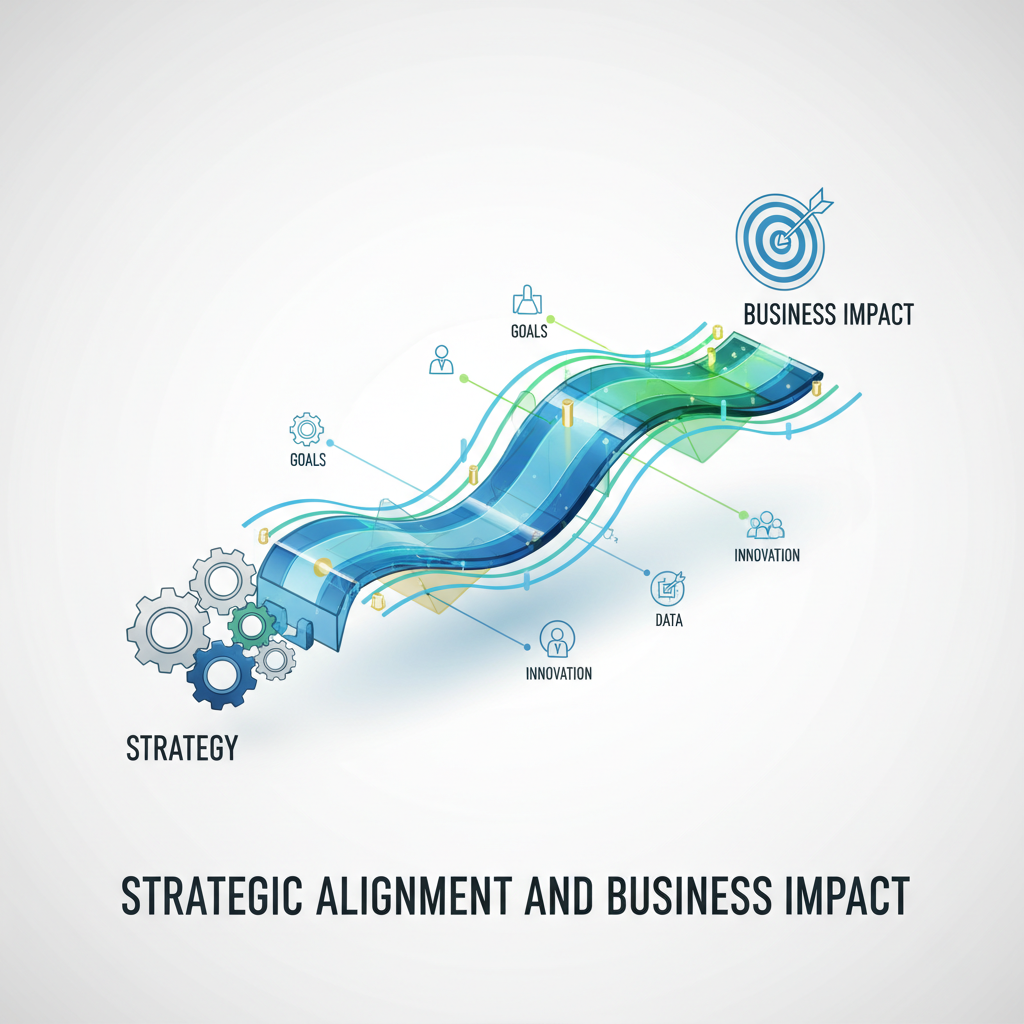
The burgeoning e-commerce landscape in Singapore presents a dynamic environment for HR professionals, where their strategic alignment and business impact are critical, yet profoundly different, depending on the organizational scale. From the agility required in high-growth startups to the robust infrastructure of market-dominant corporations, the expectations of HR leaders shift dramatically. This section explores the nuanced differences between the SMEs’ HR Manager and the Corporates’ HR Director in Ecommerce field in Singapore, highlighting how they contribute to overarching business goals, navigate growth phases, and ultimately shape success.
1. Direct Business Partnership vs. Advisory Role
In Singapore’s vibrant e-commerce startup ecosystem, the HR Manager in an SME often acts as a direct business partner, deeply embedded in operational strategies. They frequently wear multiple hats, directly influencing immediate growth objectives by attracting, onboarding, and retaining key talent crucial for survival and rapid scaling. Their involvement extends to day-to-day decision-making, from competitive compensation structuring to fostering a vibrant startup culture that attracts top talent despite limited resources. Their impact is immediate and tangible, directly linked to team productivity, rapid hiring cycles, and employee retention rates.
Conversely, the HR Director in a large e-commerce corporate entity operates more as a strategic advisor. While still integral to business goals, their role transcends daily operational HR. They focus on long-term talent strategy, succession planning, large-scale organizational development, compliance across diverse markets, and M&A integration. Their influence is felt through broad policy formulation, strategic workforce planning, and the cultivation of a robust organizational culture that spans multiple departments or even global regions. They might lead discussions on adapting global HR policies to Singaporean contexts or developing innovative talent pipelines to maintain market dominance, rather than direct involvement in individual hires.
2. Measuring HR ROI in Different E-commerce Setups
The return on investment (ROI) for HR initiatives is measured through distinct lenses for SMEs and corporates in Singaporean e-commerce. For SMEs, HR ROI is often tied to concrete, short-term outcomes critical for survival and rapid growth. This includes the speed and cost-efficiency of successful hires, the direct impact of reduced attrition on small, agile teams, and the productivity gains from targeted training programs. A new HR tech implementation might be justified by its immediate contribution to streamlining recruitment or payroll, directly freeing up bandwidth for growth activities.
In larger e-commerce corporations, HR ROI is assessed through more complex, long-term metrics reflecting their broader strategic objectives. This encompasses the strength and diversity of the talent pipeline, the impact of learning and development programs on innovation and leadership capabilities, employee engagement scores across larger employee bases, and the successful mitigation of compliance risks across different jurisdictions. Furthermore, HR’s contribution to business outcomes in corporates can also involve strategic workforce planning that aligns talent availability with future market shifts and technological advancements, positioning the company for sustained market dominance.
3. Driving Culture and Engagement for Scalability
Culture and engagement are pivotal in both environments, but the approach to driving them for scalability varies significantly. An SME’s HR Manager is instrumental in directly shaping a nascent culture, fostering a strong sense of community, purpose, and agility from the ground up. In the fast-paced e-commerce startup world, they are often the primary custodians of the company’s values, ensuring new hires are a cultural fit and that early employees remain highly engaged through direct communication, recognition, and tailored development opportunities. This high-touch approach is essential for building a resilient team capable of rapid iteration and growth.
For the Corporate HR Director, driving culture and engagement involves architecting an inclusive and cohesive environment across a larger, potentially more diverse and geographically dispersed organization. This means designing systemic programs, policies, and communication strategies that reinforce core values while allowing for local nuances. Their challenge is to maintain a consistent brand identity and employee experience as the company expands, often through mergers or entry into new markets. They implement sophisticated employee engagement surveys, leadership development programs, and diversity & inclusion initiatives to ensure a scalable culture that supports continuous innovation and employee well-being, crucial for maintaining market leadership and attracting a broad talent pool globally.
Challenges and Opportunities in Singapore’s E-commerce HR
Singapore’s e-commerce sector is a crucible of innovation and growth, driven by a digitally savvy population and strategic regional connectivity. However, this dynamism presents a unique set of challenges and opportunities for HR professionals, particularly when examining the distinct roles of HR Managers in Small and Medium-sized Enterprises (SMEs) versus HR Directors in larger corporate entities. While both are critical to nurturing talent and driving organizational success, their approaches, resources, and strategic focuses diverge significantly within this fast-paced environment.
The core differences between the SMEs’ HR Manager and the Corporates’ HR Director in the e-commerce field in Singapore are stark. An SME HR Manager often operates as a generalist, wearing multiple hats from recruitment and onboarding to payroll, employee relations, and policy development. Their role is hands-on, deeply integrated into daily operations, and often directly reports to the founder or CEO. Resource constraints mean creativity and agility are paramount in attracting and retaining talent, fostering culture, and managing operational HR needs with limited budgets and smaller teams. They are often the sole HR representative, making them a direct point of contact for all employee matters and requiring a broad, adaptable skillset.
Conversely, the Corporate HR Director in a large e-commerce firm typically oversees a more specialized department with dedicated teams for talent acquisition, compensation & benefits, HR business partnering, learning & development, and organizational design. Their focus is inherently more strategic, aligning HR initiatives with broader business objectives, navigating complex compliance landscapes, and managing talent across multiple geographies or business units. With larger budgets and more robust infrastructure, they concentrate on developing scalable HR strategies, fostering long-term talent pipelines, and driving cultural transformation across a larger, more complex organization. The differences between the SMEs’ HR Manager and the Corporates’ HR Director in Ecommerce field in Singapore therefore underscore not just scale, but also strategic depth and operational scope in their respective mandates.
1. Talent Scarcity and Competition in Tech & E-commerce
Singapore’s ambition to be a digital hub has fueled an intense demand for specialized tech and e-commerce talent, from data scientists and software engineers to digital marketers and supply chain experts. This creates a fiercely competitive talent landscape. For SME HR Managers, competing with the attractive compensation packages and extensive career development opportunities offered by multinational corporations is a constant uphill battle. They must leverage their company culture, unique growth opportunities, and close-knit teams to differentiate themselves, often focusing on intrinsic motivators and a sense of belonging. Strategies include offering flexible work arrangements, emphasizing skill development through mentorship, and providing direct impact on business outcomes.
Corporate HR Directors, while having deeper pockets, face the challenge of attracting and retaining top-tier talent amidst global competition. They must develop sophisticated employer branding, comprehensive benefits packages, and clear career progression frameworks. Their strategies often involve global recruitment drives, partnerships with educational institutions, and investing heavily in leadership development programs. Both roles, however, share the imperative of continuous upskilling and reskilling the existing workforce to remain relevant in a rapidly evolving tech stack and market demands.
2. Adapting to Rapid Market Changes and Innovation
The e-commerce sector is synonymous with disruption. New technologies, evolving consumer behaviors, and geopolitical shifts can pivot market trends overnight. HR professionals in Singapore’s e-commerce must build highly agile workforces capable of adapting quickly. For an SME HR Manager, this means fostering a culture of continuous learning and experimentation, often with limited formal training budgets. They might implement peer-to-peer learning, encourage self-directed online courses, and ensure job roles remain fluid to accommodate emerging needs. Their direct involvement often allows for quicker implementation of new policies or practices.
Corporate HR Directors face the challenge of instilling agility across a larger, potentially more bureaucratic structure. They must drive large-scale organizational change initiatives, invest in robust Learning & Development (L&D) platforms, and implement competency frameworks that future-proof the workforce. This involves anticipating future skill gaps, designing targeted training programs, and fostering an innovation-driven culture from the top down. Both roles require a proactive stance, constantly scanning the horizon for technological advancements and market shifts that could impact talent strategy and organizational design.
3. Employee Well-being and Remote Work Challenges
The shift towards hybrid and remote work models, accelerated by the pandemic, has introduced new complexities for HR. Ensuring employee well-being, maintaining engagement, and fostering a cohesive culture across distributed teams are now paramount. For SME HR Managers, the challenge lies in providing adequate support and resources for mental health and well-being with often constrained budgets. They often rely on a personal touch, regular check-ins, and building strong team bonds through virtual or hybrid social activities. Maintaining a strong sense of community and direct communication is crucial to prevent isolation and burnout in smaller teams.
Corporate HR Directors must design scalable well-being programs, implement technology solutions for engagement, and ensure compliance with various remote work policies across different jurisdictions. The task of fostering a unified culture and ensuring equitable treatment for both in-office and remote employees across a large workforce demands sophisticated strategies and robust communication channels. According to a Straits Times report on hybrid work in Singapore, flexibility is a key differentiator for employees, making adaptable HR policies essential. Both HR roles are tasked with creating supportive environments that balance productivity with employee health and work-life integration in an always-on digital economy.
Career Trajectories and Skill Sets Required
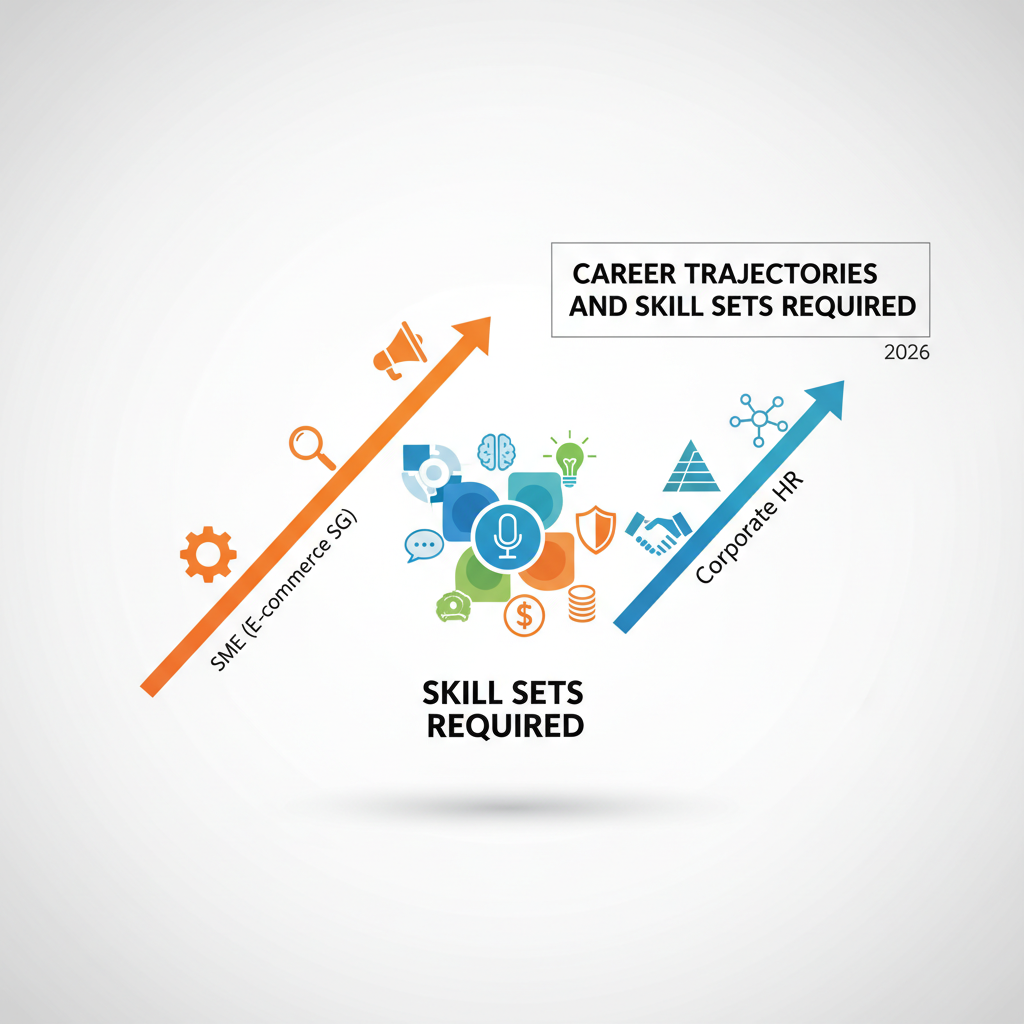
The burgeoning e-commerce landscape in Singapore presents a dynamic environment for HR professionals, offering distinct career trajectories and demanding varied skill sets whether one navigates the nimble operations of a Small and Medium-sized Enterprise (SME) or the structured complexities of a large corporate entity. Understanding these differences between the SMEs’ HR Manager and the Corporates’ HR Director in Ecommerce field in Singapore is crucial for aspiring and current HR practitioners looking to carve a successful path in this exciting sector. The roles, while both pivotal to organizational success, diverge significantly in their scope, required competencies, and opportunities for growth.
In an e-commerce SME, an HR Manager typically wears many hats, often being the sole HR professional responsible for the entire employee lifecycle. Their role is deeply operational, hands-on, and directly impactful on the daily running of the business. Conversely, a Corporate HR Director in a large e-commerce firm operates at a strategic level, overseeing specialized teams and influencing organizational policy across multiple departments or even regional offices. This foundational difference underpins the unique demands and rewards of each path.
1. Generalist vs. Specialist Skill Development
For an HR Manager in an e-commerce SME, a generalist skill set is paramount. They are expected to manage everything from recruitment and onboarding for diverse roles (developers, marketers, logistics staff) to payroll processing, employee relations, performance management, and ensuring compliance with Singaporean labour laws. Adaptability is key, as the HR Manager must quickly pivot between strategic planning and operational execution, often without extensive support. They need a robust understanding of business operations and a keen ability to implement HR solutions that directly support rapid growth and evolving business needs. The focus is on breadth of knowledge and the ability to autonomously handle a wide range of HR functions effectively.
In contrast, a Corporate HR Director in a large e-commerce firm will typically possess a more specialized, strategic skill set. While a foundational understanding of all HR domains is necessary, their role revolves around leading teams of HR specialists (e.g., Talent Acquisition, Compensation & Benefits, Learning & Development, HR Business Partners). Their expertise leans towards organizational design, strategic workforce planning, change management, HR analytics, and fostering a robust corporate culture across potentially complex, multi-layered structures. They focus on developing scalable HR strategies that align with global business objectives, leveraging data to drive decisions, and navigating intricate stakeholder relationships. The ability to lead, delegate, and innovate at a high level is critical, often integrating HR technology solutions to enhance efficiency and employee experience.
2. Leadership Styles and Influence
The leadership style of an HR Manager in an e-commerce SME is often more direct, hands-on, and entrepreneurial. They lead by doing, actively participating in day-to-day HR operations and directly coaching or mentoring employees. Influence is built through close personal relationships, immediate problem-solving, and being a visible, accessible resource for all staff. Their ability to quickly understand and respond to the unique needs of a smaller, fast-paced team is crucial for maintaining morale and productivity. They often act as a critical business partner, directly advising founders or senior leadership on people-related matters, and must be adept at building trust and demonstrating immediate value.
A Corporate HR Director, conversely, exerts influence through strategic direction, policy formulation, and organizational leadership. Their leadership style is more about vision setting, empowering their teams of specialists, and navigating complex corporate politics. They influence through robust data-driven proposals, aligning HR initiatives with overarching business strategies, and fostering collaboration across large departmental silos. Success hinges on their ability to articulate a compelling HR vision, build consensus among diverse stakeholders, and lead transformational change initiatives. They operate in a matrixed environment, where influencing without direct authority and managing upwards and across the organization are vital strategic HR leadership competencies.
3. Networking and Professional Growth Opportunities
For an SME HR Manager in e-commerce, professional growth often comes from expanding their breadth of responsibilities within the company, becoming an indispensable strategic partner to the business owner. Networking typically occurs within local business communities, industry-specific e-commerce groups, and peer-to-peer HR forums focused on small business challenges. Growth opportunities might involve taking on more complex projects, automating HR processes, or building out new HR functions from scratch. Continuous learning in areas like HR tech, local compliance updates, and emerging e-commerce talent trends is essential to stay relevant and effective.
A Corporate HR Director’s career trajectory usually involves significant upward mobility within large organizations, potentially leading to regional or global HR leadership roles. Their networking extends to professional HR associations like the Institute for Human Resource Professionals (IHRP) in Singapore, global HR conferences, and executive leadership programs. Growth is achieved through leading large-scale strategic initiatives, overseeing multi-country HR operations, and contributing to global talent strategies. They often engage in formal executive education, mentorship from senior leaders, and participate in cross-functional leadership development programs. Their continuous learning focuses on advanced HR analytics, digital transformation, organizational psychology, and global talent management trends, reflecting the wider scope and higher stakes of their role.
In conclusion, while both roles are vital for the thriving e-commerce sector in Singapore, the journey from an SME HR Manager to a Corporate HR Director involves a significant shift from a hands-on generalist to a strategic specialist, each demanding a unique blend of skills, leadership prowess, and growth orientation. Understanding these nuances allows HR professionals to strategically plan their career trajectories in Singapore’s dynamic e-commerce market.
Partner with Shelby Global
You are looking for reliable HR Sevice Suppliers? Contact Shelby Global Now! To connect with verified talents and upgrade your orginization.
—————————————
References
– Society for Human Resource Management (SHRM) report on HR technology trends: https://www.shrm.org/resources-and-tools/hr-topics/talent-acquisition/pages/hr-tech-trends.aspx
– Deloitte’s Human Capital Trends for Southeast Asia: https://www2.deloitte.com/sg/en/pages/human-capital/articles/human-capital-trends-sea.html
– :
– Straits Times: Workers in Singapore want hybrid model to stay, and will prioritise flexibility over pay, survey finds: https://www.straitstimes.com/singapore/workers-in-singapore-want-hybrid-model-to-stay-and-will-prioritise-flexibility-over-pay-survey-finds
– The Future of HR: How HR leaders must evolve to meet new demands – Korn Ferry: https://www.kornferry.com/insights/articles/future-of-hr-how-hr-leaders-must-evolve