
Scope of Work: Execution vs. Strategic Leadership
In the rapidly evolving landscape of the Vietnamese ecommerce sector, the distinction between HR management roles is profound. As businesses scale from agile startups to enterprise-level market leaders, the expectations placed on human resource professionals undergo a fundamental shift. Understanding the Differences between the SMEs’ HR Manager and the Corporates’ HR Director in Ecommerce field in vietnam is essential for talent looking to chart a career path within this booming digital economy. While the SME HR Manager acts as a versatile generalist wearing multiple hats, the Corporate HR Director operates as a high-level architect of organizational culture and long-term business strategy.

1. Hands-on Recruitment in SMEs
In the ecommerce landscape of Vietnam, small-to-medium enterprises (SMEs) often operate with lean budgets and fast-paced operational needs. An HR Manager in this setting is rarely confined to a desk. Instead, they are deeply embedded in the daily grind of recruitment. Because SMEs frequently lack the luxury of dedicated talent acquisition teams, the HR Manager personally sources candidates, manages job postings on platforms like LinkedIn or local job boards, and conducts initial screenings. This hands-on approach ensures that they can quickly fill critical gaps, such as logistics coordinators, customer support staff, or digital marketing specialists, who are vital for daily revenue generation.
This role demands a high level of agility. The HR Manager must be able to pivot quickly if a marketing campaign suddenly requires ten additional customer service agents. According to SHRM, the ability to manage multifaceted recruitment processes in resource-constrained environments is a hallmark of effective SME leadership. They are not just hiring for skills; they are often hiring for “culture fit” and long-term adaptability, as they know exactly how the company culture translates into bottom-line results.
2. Strategic Talent Acquisition in Corporates
Conversely, in the corporate world of Vietnamese ecommerce, where multinational corporations or large domestic players dominate, the HR Director has little involvement in the transactional aspects of daily hiring. Instead, their scope is focused on Strategic Talent Acquisition. Here, the focus shifts to employer branding, building robust talent pipelines, and integrating sophisticated human capital management systems. The HR Director creates policies that govern the entire employee lifecycle, ensuring that the company attracts high-level talent that fits the long-term vision of the organization, whether that involves AI-driven logistics or international expansion.
The Corporate HR Director leverages data analytics to predict workforce needs years in advance, rather than responding to immediate vacancies. They work closely with the C-suite to align HR initiatives with the company’s quarterly and annual financial goals. By developing comprehensive talent development programs, they ensure the organization maintains a competitive edge in a talent-scarce market, moving beyond merely filling seats to building a sustainable human capital engine that drives organizational performance.
3. Delegation and HR Team Structures
The structure of the HR function provides the clearest evidence of the diverging scopes of these roles. In the SME environment, delegation is often limited because the HR Manager is often the sole practitioner or leads a very small team. They are responsible for everything from payroll compliance and local labor law adherence in Vietnam to resolving interpersonal conflicts. The operational load is high, and the HR Manager must possess a vast breadth of knowledge, balancing administrative tasks with employee engagement initiatives.
In contrast, the Corporate HR Director acts as a master delegator. They oversee a specialized team—including Compensation & Benefits managers, Learning & Development (L&D) experts, and HR Business Partners (HRBPs). The Director’s primary responsibility is to define the strategy and oversee the team that executes it. This high-level oversight allows them to remain detached from daily administrative bottlenecks, providing them with the bandwidth to analyze organizational design and culture. By fostering a structure of functional specialization, the Corporate HR Director ensures that complex organizational challenges—such as digital transformation and large-scale performance management—are handled with precision and depth, a stark contrast to the generalized, immediate intervention expected of the SME HR Manager.
Budget Management and HR Technology Allocation
In the rapidly evolving ecommerce landscape of Vietnam, the financial stewardship of human capital differs significantly based on organizational scale. Understanding the Differences between the SMEs’ HR Manager and the Corporates’ HR Director in Ecommerce field in vietnam requires a deep dive into how resources are allocated, how technology is procured, and how value is measured. While the HR Manager in an SME acts as a multifaceted generalist working with constrained liquidity, the HR Director in a corporate entity operates within structured budgetary frameworks, often leveraging advanced data to justify high-value investments.
1. Cost-Effective HR Tools for SMEs
For SMEs in the Vietnamese ecommerce sector, budget management is a balancing act. These organizations often operate on thin margins, requiring the HR Manager to prioritize agility and immediate ROI. Procurement is rarely a top-down mandate; instead, it is driven by urgent operational needs, such as managing a high volume of warehouse or customer service staff. Consequently, the HR Manager frequently opts for modular, subscription-based SaaS solutions that offer low barrier-to-entry costs and rapid deployment. These tools might include simplified attendance tracking, basic payroll automation, or integrated recruitment platforms designed for rapid, high-turnover hiring typical of online retail. The focus here is on reducing administrative overhead without committing to long-term, capital-intensive contracts.
2. Enterprise HRIS and Predictive Analytics
Conversely, the HR Director within a large-scale Vietnamese ecommerce corporation manages a sophisticated financial ecosystem. They do not merely manage costs; they optimize talent investment. These leaders oversee the implementation of comprehensive, integrated enterprise HRIS platforms that centralize data across multiple regional hubs. Unlike their SME counterparts, HR Directors have the budget and the mandate to leverage predictive analytics to forecast workforce trends, optimize talent acquisition spend, and model the impact of retention initiatives on bottom-line performance. These investments are scrutinized through rigorous procurement processes, emphasizing long-term scalability, data security, and seamless integration with other corporate ERP systems, ensuring that human capital strategy aligns perfectly with the company’s aggressive growth targets.
3. Managing Ecommerce Tech Budgets Effectively
Effective management of tech budgets in ecommerce hinges on the strategic alignment of tools with specific growth phases. Whether operating as an SME or a corporation, the principle remains constant: technology should reduce friction in the talent lifecycle. While the SME HR Manager might focus on streamlining recruitment to handle seasonal spikes, the corporate HR Director is concerned with long-term talent development and culture management. For those looking to further understand the nuances of these roles, the Differences between the SMEs’ HR Manager and the Corporates’ HR Director in Ecommerce field in vietnam analysis offers a comprehensive breakdown of how these distinct approaches impact organizational success. Ultimately, both roles must justify their technology expenditures not just by feature sets, but by their direct contribution to efficiency, compliance, and employee productivity within the fiercely competitive Vietnamese digital economy.
Employee Retention Strategies in Vietnam’s Market
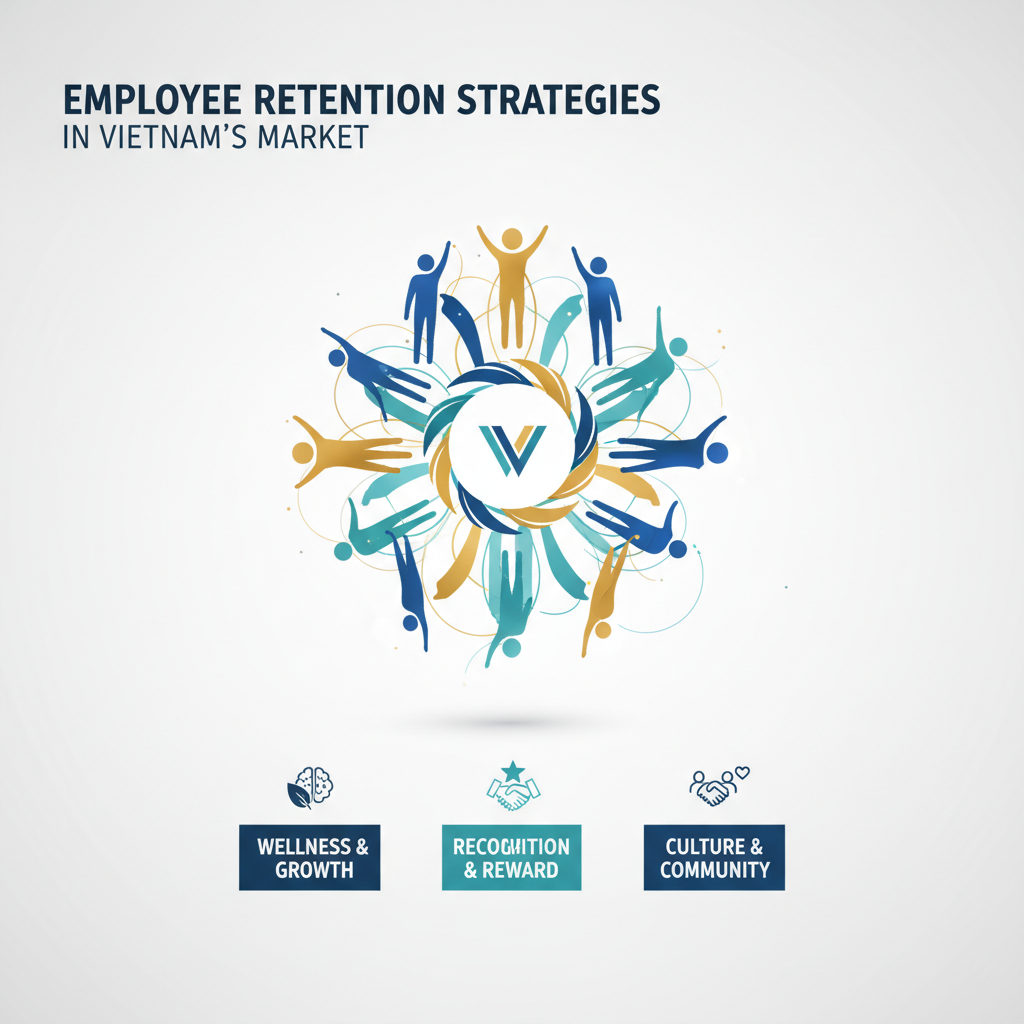
In Vietnam’s hyper-competitive digital and e-commerce sector, talent attrition remains a significant hurdle for businesses. As the market matures, the strategic approach to human resources varies drastically between organizational scales. The Differences between the SMEs’ HR Manager and the Corporates’ HR Director in Ecommerce field in vietnam serve as a benchmark for how companies navigate this landscape. While HR Managers in SMEs often act as cultural architects, HR Directors in large corporations function as institutional strategists, each deploying unique retention levers to secure their workforce.
1. SME Agility and Culture Perks
In the vibrant Vietnamese e-commerce startup ecosystem, SME HR Managers face the challenge of competing with giants on limited budgets. To compensate, they prioritize agility and a distinctive, personalized culture. Unlike their corporate counterparts, these managers often foster an environment where employees feel their impact directly. By leveraging flat hierarchies and rapid decision-making, SMEs empower staff to take ownership of projects, which is a major driver of engagement among Gen Z and Millennial digital nomads in cities like Ho Chi Minh and Hanoi. Culture perks in these firms often involve flexible working arrangements, casual dress codes, and a sense of community that large firms struggle to replicate.
2. Corporate Compensation and Benefits Packages
Conversely, Corporate HR Directors in large-scale e-commerce platforms focus on structural stability and comprehensive total rewards. According to McKinsey & Company, employee engagement is foundational to retention, and major corporations capitalize on this by offering competitive base salaries, performance-based bonuses, and extensive insurance coverage. In Vietnam, where the cost of living in urban hubs is rising, corporate benefits serve as a vital security blanket. HR Directors here utilize data-driven salary benchmarking and sophisticated HRIS systems to ensure their compensation remains in the top percentile of the market, effectively insulating their high-performing teams from poaching attempts by smaller competitors.
3. Structured Career Progression Pathways
Retention strategies are incomplete without a vision for the future. While the Differences between the SMEs’ HR Manager and the Corporates’ HR Director in Ecommerce field in vietnam are most evident in how they scale talent, the implementation of progression pathways is where the corporate model truly shines. HR Directors in large e-commerce firms implement global management training programs, internal mobility opportunities across different regional markets, and clearly defined promotion cycles. This long-term career planning provides employees with a roadmap, reducing the ambiguity that often causes digital professionals to switch jobs. While SME HR Managers might offer faster exposure to diverse tasks, the stability and upward mobility provided by corporate structures remain the gold standard for retaining mid-to-senior level leaders in Vietnam’s rapidly evolving e-commerce sector.
Navigating Compliance and Labor Laws in Vietnam
Operating an ecommerce business in Vietnam requires a sophisticated understanding of the local regulatory landscape, which is governed primarily by the 2019 Labor Code. For companies entering this dynamic market, legal compliance is not merely a bureaucratic hurdle but the foundation of sustainable growth. The role of HR leadership varies drastically depending on the scale of the organization, highlighting the critical Differences between the SMEs’ HR Manager and the Corporates’ HR Director in Ecommerce field in vietnam. Understanding these distinctions is essential for business owners to align their operational strategy with Vietnamese law.
1. Basic Regulatory Compliance for SMEs
For Small and Medium Enterprises (SMEs) in the Vietnamese ecommerce sector, the HR Manager often functions as a generalist. They are responsible for everything from payroll processing to contract drafting and mandatory social insurance contributions. In this environment, compliance is frequently managed on a reactive basis. The SME HR Manager must ensure that all employment contracts strictly adhere to the International Labour Organization (ILO) standards incorporated into local law, covering essential aspects like working hours, overtime compensation—a frequent issue in high-pressure ecommerce seasons—and severance packages.
SMEs often lack the internal legal depth of larger firms, meaning HR Managers must rely heavily on outsourcing administrative tasks or utilizing simplified compliance checklists. Key focus areas include maintaining accurate records for mandatory social, health, and unemployment insurance (SHUI) and ensuring that digital employment records are filed correctly with local departments of Labor, Invalids and Social Affairs (DOLISA).
2. Dedicated Legal HR Teams in Corporates
In contrast, the Corporate HR Director oversees a complex, hierarchical structure where compliance is proactive and strategic. Unlike the SME manager who might balance legal tasks with talent acquisition, a Corporate HR Director leads a specialized department, often working in tandem with in-house legal counsel. This distinction is vital; while the SME manager focuses on survival and basic compliance, the Corporate HR Director manages risk, labor litigation, and the harmonization of internal labor regulations (ILRs) with collective bargaining agreements.
In large ecommerce corporations, the HR Director must navigate complex labor unions and intricate performance-based contract structures that comply with Vietnamese law while remaining competitive. They oversee standardized compliance protocols across multiple regional hubs, ensuring that the company is insulated against regulatory audits or labor disputes that could lead to significant financial or reputational damage.
3. Scaling Ecommerce Operations Legally
As an ecommerce business grows, its approach to labor compliance must evolve. Scaling operations in Vietnam introduces risks related to gig economy workers, third-party logistics (3PL) integration, and cross-border digital workforce management. The transition from an SME model to a corporate structure requires a shift in mindset: moving from simple task execution to robust policy design.
Scaling requires the implementation of an HR Information System (HRIS) that automates compliance reporting. It also necessitates a clear understanding of the ‘probation period’ regulations and the specific thresholds for hiring foreign workers—a common necessity for large-scale international ecommerce firms operating in Vietnam. As the business expands, the legal risk profile shifts from individual contract disputes to systemic compliance issues, such as collective labor disputes or large-scale tax and insurance audits. Ensuring that every expansion phase is documented, legally vetted, and aligned with local circulars remains the highest priority for HR leadership at the corporate level.
Future Outlook: Scaling HR for Ecommerce Growth
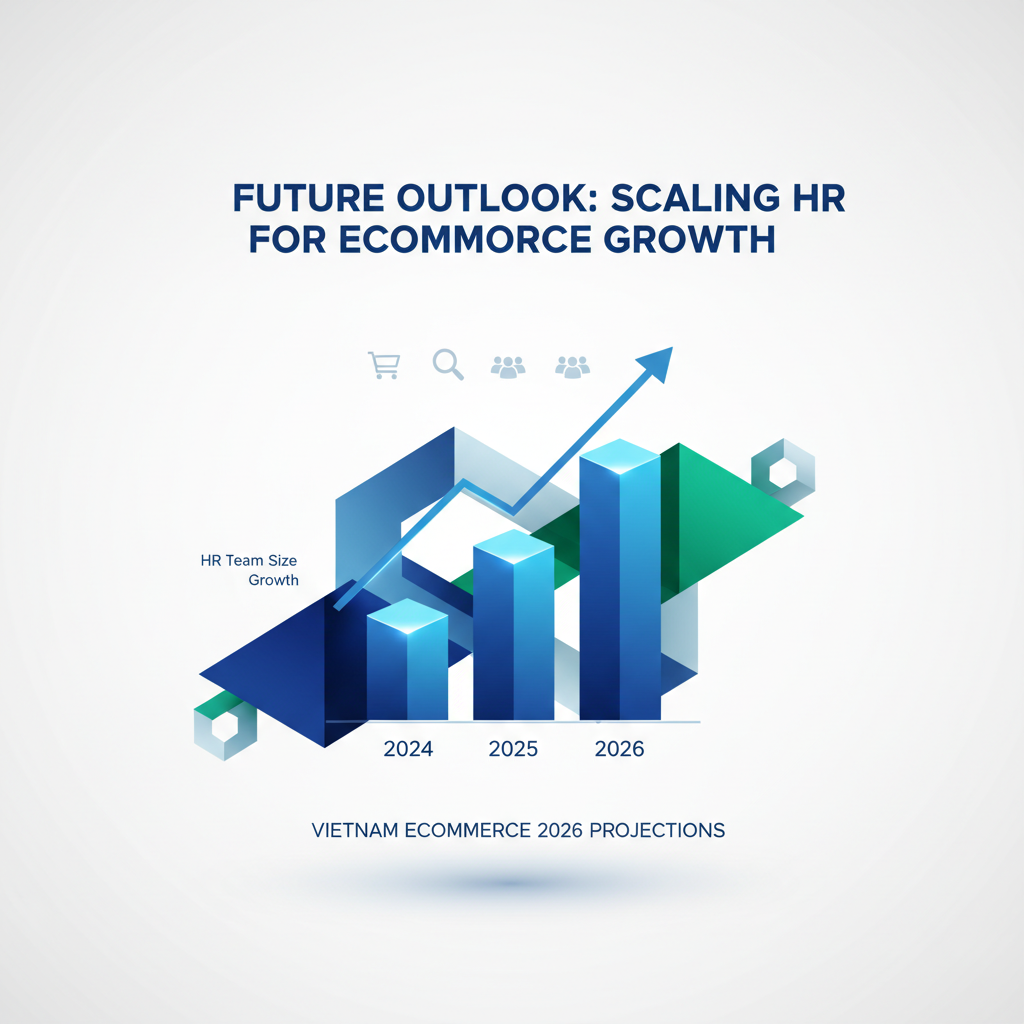
As Vietnam’s digital economy is projected to reach unprecedented heights, the human resources landscape within the ecommerce sector is undergoing a profound transformation. The requirements for leadership in this space are diverging based on organizational maturity, leading to distinct Differences between the SMEs’ HR Manager and the Corporates’ HR Director in the Ecommerce field in Vietnam. While the SME HR Manager acts as a versatile generalist wearing multiple hats, the Corporate HR Director evolves into a strategic architect focused on systemic efficiency and scalable organizational culture.
1. Transitioning from SME to Corporate Frameworks
For many local ecommerce startups, the early stages are defined by agility and rapid experimentation. The HR Manager in an SME is often the primary executor of culture, hiring, and payroll. However, as these firms mature and scale, the transition to corporate frameworks becomes inevitable. According to McKinsey & Company, the future of HR lies in shifting from administrative support to value-added strategic partnership. Corporate HR Directors must oversee global payroll compliance, complex organizational design, and sophisticated talent management systems that span multiple provinces and international markets, far exceeding the localized, ad-hoc processes of smaller ecommerce shops.
2. Adapting to AI in HR Management
Artificial Intelligence is no longer an optional tool; it is the backbone of future-ready HR departments. In the ecommerce sector, where high-volume hiring and attrition management are constant, AI-driven recruitment platforms are transforming how candidates are screened and onboarded. The Corporate HR Director must integrate AI to perform predictive analytics on workforce retention, while the SME HR Manager will leverage SaaS-based AI tools to automate basic administrative tasks. This technological shift allows HR professionals to refocus their energy on high-touch employee engagement and employer branding, which remain critical in a competitive Vietnamese labor market.
3. Future-Proofing E-commerce Talent Strategies
As the competition for digital-savvy talent in Vietnam intensifies, both HR managers and directors must pivot their strategies toward long-term talent acquisition and continuous learning. SMEs will likely prioritize upskilling current staff to manage multi-channel sales platforms, while Corporates will invest in deep-tech talent pipelines, data science teams, and logistics experts. Future-proofing requires a move away from reactive hiring toward a proactive talent ecosystem that emphasizes cultural fit, data literacy, and agility. By formalizing talent development pathways, Vietnamese ecommerce companies can build the resilience needed to survive the next phase of digital expansion, ensuring that the HR function remains a central driver of sustainable growth.
Partner with Shelby Global
You are looking for reliable HR Sevice Suppliers? Contact Shelby Global Now! To connect with verified talents and upgrade your orginization.
—————————————
References
– Society for Human Resource Management: https://www.shrm.org
– Gartner HR Technology Trends: https://www.gartner.com/en/human-resources/trends/hr-technology-trends
– McKinsey & Company Employee Engagement Insight: https://www.mckinsey.com/featured-insights/mckinsey-explainers/what-is-employee-engagement
– International Labour Organization: https://www.ilo.org/global/lang–en/index.htm
– The future of HR in the age of AI: https://www.mckinsey.com/capabilities/people-and-organizational-performance/our-insights/the-future-of-hr-in-the-age-of-ai