Foundational HR Structures & Scope of Roles
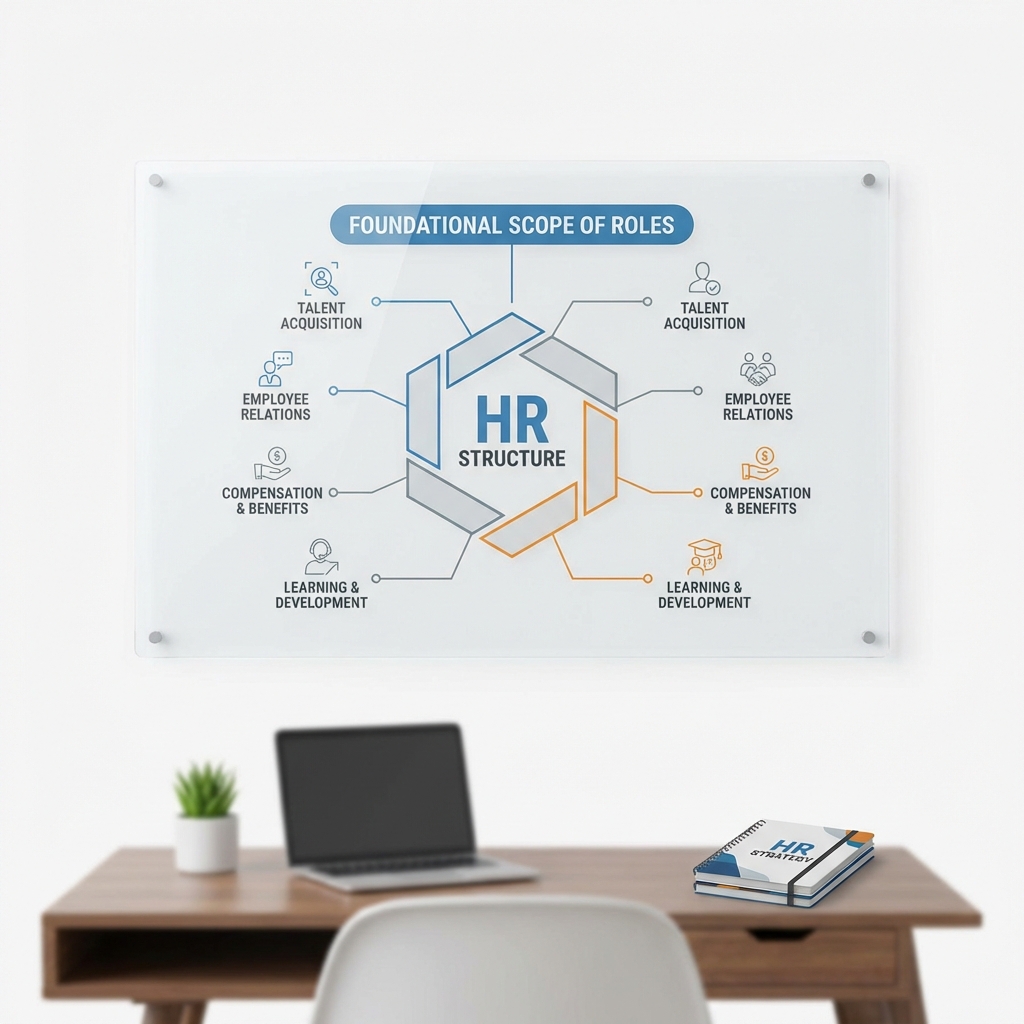
In the vibrant and competitive sphere of Malaysian marketing agencies, the approach to Human Resources (HR) varies significantly based on organizational size. The profound Differences between the SMEs’ HR Structure and the Corporates’ HR Structure in marketing agency in malaysia are primarily driven by resources, complexity, and strategic focus. While smaller agencies (SMEs) often rely on multi-functional HR roles, larger corporations establish highly specialized HR departments. Understanding these fundamental disparities is crucial for anyone involved in HR within this dynamic industry, as it shapes talent management, operational efficiency, and strategic influence. This section delineates these varying setups, highlighting the scope of roles and distinct strategic priorities.
-
HR roles in SMEs: The Generalist Approach
In Malaysian marketing SMEs, the HR professional typically embodies a generalist approach. Often, one individual, or even administrative staff, manages the entire spectrum of human capital needs. Their scope is extensive, encompassing talent acquisition for new marketing executives, payroll processing, benefits administration, and day-to-day employee relations. These multi-functional roles demand high adaptability and a comprehensive understanding of various HR disciplines. For instance, the same HR manager might draft a creative director’s job description one day, resolve an employee grievance the next, and ensure compliance with Malaysian labor laws the day after.
The generalist in an SME marketing agency must be a versatile professional, directly involved in operational HR tasks due to limited resources and a leaner structure. This hands-on involvement fosters deep, personal relationships with employees, making them a crucial touchpoint for all HR-related queries. While promoting agility and direct impact, this approach often means less depth in any single HR specialization, with strategic HR planning sometimes yielding to immediate, pressing operational demands. They are pivotal in advocating for HR best practices, constantly balancing business needs with employee welfare and regulatory adherence.
-
HR department in corporates: Specialized Functions
Conversely, large marketing corporations in Malaysia feature a far more intricate and specialized HR department structure. Here, the “HR person” is replaced by dedicated teams, each focusing on specific HR functions. You’ll find specialists in talent acquisition solely dedicated to sourcing and recruiting top marketing talent, compensation & benefits experts designing competitive remuneration packages, and learning & development professionals curating training programs. Other roles might include HR business partners who align HR strategies with specific departmental goals, industrial relations specialists handling complex labor law issues, and HR operations teams ensuring smooth administrative processes.
This specialization fosters greater expertise and efficiency within each HR domain. A talent acquisition specialist, for example, will possess in-depth knowledge of recruitment marketing, employer branding, and candidate experience, far beyond what a generalist typically manages. This departmentalization facilitates more sophisticated HR strategies, enabling the corporation to address complex challenges like large-scale organizational development, succession planning for leadership, and advanced data analytics for HR decision-making. The specialized HR structure supports the corporation’s ability to scale operations, manage a larger workforce, and maintain a competitive edge through targeted human capital investments.
-
Strategic HR Planning vs. Operational Focus
The fundamental structural differences naturally lead to distinct approaches in HR planning. In SMEs, the focus often remains largely operational. HR functions are typically reactive, addressing immediate needs such as filling urgent vacancies, processing payroll, and managing daily employee queries. While there’s an inherent understanding of business needs, formal strategic HR planning might be less developed, often integrated informally into the owner’s or general manager’s overall business strategy. The HR generalist’s role is critical in maintaining stability and compliance, ensuring the marketing agency operates smoothly. Long-term talent development or complex organizational design initiatives are often limited by resources.
Conversely, HR in large corporations is deeply integrated into strategic business planning. Dedicated HR strategists and HR business partners collaborate with executive leadership to align human capital strategies with overarching corporate objectives. This involves proactive measures like workforce planning, designing comprehensive talent pipelines, developing robust succession plans, and fostering a culture of innovation. For instance, if a marketing corporation aims to expand into a new digital marketing niche, HR proactively develops strategies to acquire or upskill talent for that area, ensuring future success. This strategic orientation emphasizes data-driven decision-making, long-term organizational health, and direct contribution to competitive advantage. For more insights into the strategic value of different HR roles, exploring the HR Generalist vs. Specialist debate offers valuable perspective on how these roles contribute to organizational goals. Understanding these varying HR approaches is vital for comprehending the broader organizational dynamics within the sector, particularly when considering the key distinctions in HR frameworks that shape talent management and operational efficiency across different agency sizes.
Talent Lifecycle: Acquisition, Retention & Development
The success of any marketing agency, regardless of its size, hinges critically on its ability to effectively manage its talent lifecycle. From attracting the brightest minds to nurturing their growth and ensuring their long-term commitment, the strategies employed in talent acquisition, employee retention, and career development programs exhibit significant variations between small and medium-sized enterprises (SMEs) and larger corporate marketing agencies in Malaysia. Understanding these differences between the SMEs’ HR structure and the corporates’ HR structure in marketing agency in Malaysia is crucial for both agencies and prospective employees navigating the dynamic Malaysian marketing landscape.
1. Talent Acquisition Strategies: Sourcing & Hiring
For Malaysian marketing SMEs, talent acquisition often operates on a more agile, less formalized structure. Without dedicated HR departments, owners or senior managers typically spearhead the recruitment process. Sourcing talent frequently relies on word-of-mouth referrals, personal networks, direct outreach via professional platforms like LinkedIn, and local job boards specific to the marketing industry in Malaysia. The emphasis is often on finding versatile individuals who can wear multiple hats and quickly integrate into a close-knit team culture. Budget constraints mean that recruitment costs are minimized, making efficient, low-cost hiring practices paramount. Screening processes might be less structured, focusing heavily on practical skills demonstrated through portfolio work and personality fit during interviews. The speed of hiring can be a significant advantage, allowing SMEs to onboard talent quickly.
Conversely, corporate marketing agencies in Malaysia leverage a much more robust and systematic approach to talent acquisition. These larger entities typically boast dedicated HR and recruitment teams, often utilizing sophisticated Applicant Tracking Systems (ATS) to manage high volumes of applications. Their sourcing strategies extend to professional recruiters, university partnerships, career fairs, and extensive use of global and national job portals. Corporates often have larger recruitment budgets, enabling them to invest in employer branding initiatives, targeted advertising, and even headhunting for niche roles. The hiring process is usually multi-staged, involving psychometric assessments, multiple interview rounds, and comprehensive background checks, all designed to ensure a strategic fit and long-term potential. While this process can be slower, it aims to reduce hiring risks and ensure alignment with broader organizational goals and values. Navigating the competitive talent landscape, especially for specialized digital marketing skills, requires these structured approaches.
2. Employee Retention and Engagement Initiatives
Retaining talent in Malaysian marketing SMEs often leans on intrinsic motivators and a strong sense of community. Employees frequently benefit from direct access to leadership, a clear understanding of their impact on the business’s success, and a more familial work environment. Flexibility in work arrangements, while sometimes informal, can be a key retention factor. Challenges arise, however, in offering extensive benefits packages or highly structured career progression paths that larger corporates can provide. Engagement is often fostered through informal team-building activities, open communication, and celebrating individual contributions directly. The personal relationships forged within an SME often become a powerful anchor for employee loyalty, combating the allure of higher salaries or more comprehensive benefits offered elsewhere.
Corporate marketing agencies, on the other hand, employ a wide array of formal retention and engagement strategies. These include competitive compensation packages, comprehensive health and wellness benefits, provident fund contributions, and structured performance management systems with regular reviews and feedback. Employee engagement initiatives are often data-driven, utilizing surveys and feedback mechanisms to identify areas for improvement. Large agencies invest in creating diverse and inclusive workplaces, corporate social responsibility (CSR) programs, and formal recognition schemes to boost morale and loyalty. Career progression frameworks are clearly defined, offering employees visible pathways for growth within the organization, often supported by internal mobility programs. The scale of operation allows for a broader range of perks and programs designed to foster a sense of belonging and provide long-term career security. According to Gallup’s State of the Global Workplace reports, employee engagement is a critical driver of retention and productivity, a principle widely embraced and systematically addressed by larger organizations.
3. Career Development Programs & Training
Career development in Malaysian marketing SMEs is typically more organic and hands-on. Training often occurs through on-the-job learning, direct mentorship from senior colleagues, and exposure to a diverse range of projects. Employees in SMEs often gain broad experience across various marketing disciplines due to smaller team sizes. While formal training budgets may be limited, many SMEs support external workshops, industry seminars, or online courses when directly relevant to immediate business needs. Growth paths may not be as rigidly defined, but ambitious employees can often carve out unique roles for themselves and take on increased responsibilities quickly. The focus is on practical skill development and immediate applicability to client work, fostering a culture of continuous learning through doing.
For corporate marketing agencies, career development and training are integral components of their HR strategy. They invest heavily in structured training programs, leadership development initiatives, and specialized certifications relevant to evolving marketing technologies and trends. Many corporates have internal academies or partnerships with external training providers to offer a continuous learning environment. Mentorship programs are often formalized, connecting junior staff with seasoned professionals. Employees benefit from clear career ladders, opportunities for cross-functional or even international secondments, and generous tuition reimbursement policies for further education. These extensive programs are designed not only to upskill employees but also to build a pipeline of future leaders, ensuring the agency remains at the forefront of the competitive marketing industry. The robust investment in professional development serves as a powerful magnet for talent seeking long-term growth and specialization in a dynamic field.
Compensation, Performance & Employee Well-being
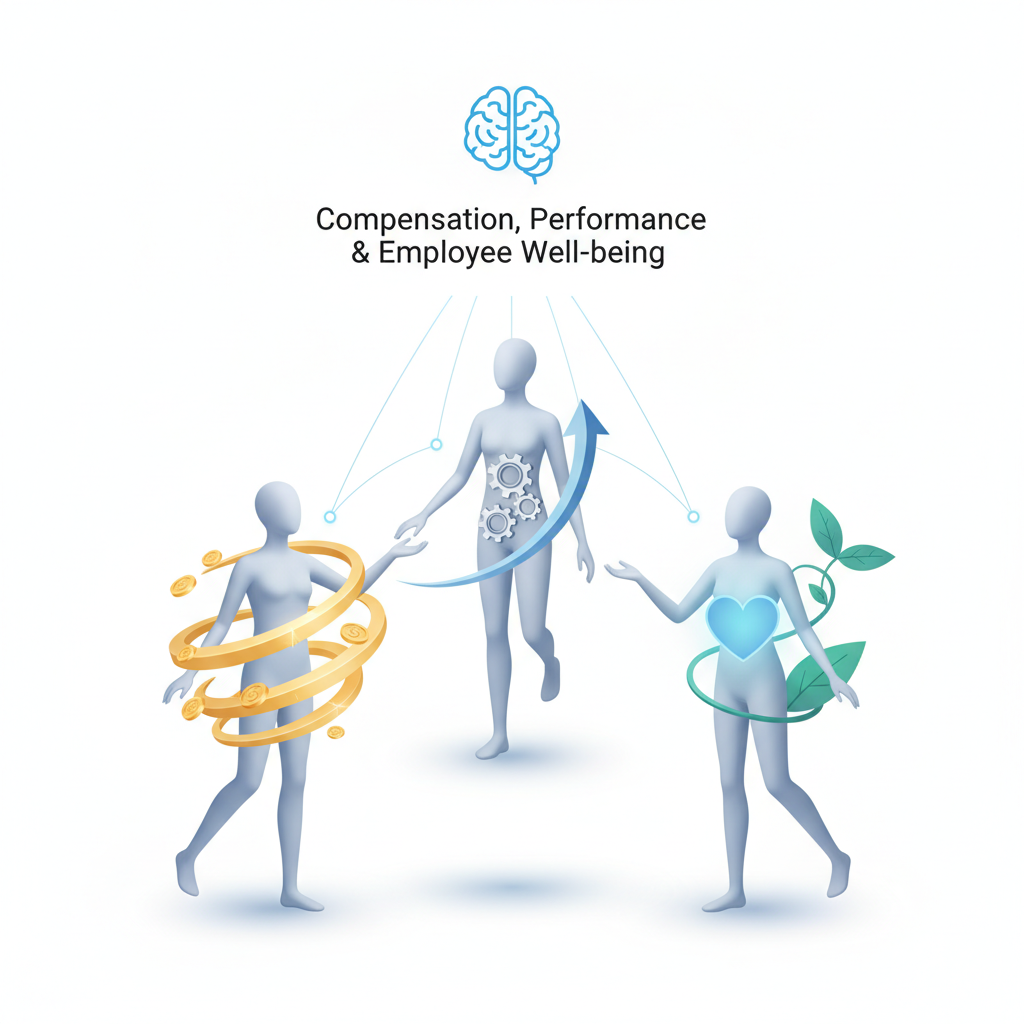
Examining the distinct approaches to compensation and benefits in Malaysia, performance management, and overall employee well-being in both SME and corporate settings reveals significant operational and philosophical differences. The marketing agency landscape in Malaysia, specifically, offers a microcosm where the differences between the SMEs’ HR structure and the corporates’ HR structure in a marketing agency in Malaysia are particularly pronounced, impacting how talent is attracted, retained, and motivated. Understanding these variances is crucial for both employees seeking the right fit and businesses aiming to optimize their human capital strategies.
1. Compensation and Benefits Malaysia: Structure & Packages
In the Malaysian marketing agency sector, compensation and benefits packages vary widely between small and medium-sized enterprises (SMEs) and large corporations. SMEs, often characterized by leaner teams and tighter budgets, typically offer more personalized, yet sometimes less formalized, compensation structures. Base salaries might be competitive, but benefit packages could be more modest, focusing on statutory requirements (EPF, SOCSO, EIS) and perhaps basic medical insurance. Non-monetary perks, such as flexible working hours, opportunities for direct impact, and a close-knit culture, often serve as significant attractors. The differences between the SMEs’ HR structure and the corporates’ HR structure in a marketing agency in Malaysia are evident here; SMEs might offer performance bonuses based on individual or company success but lack the multi-tiered bonus schemes or stock options common in larger entities.
Conversely, corporate marketing agencies in Malaysia tend to have sophisticated, structured compensation frameworks. These typically include competitive base salaries, comprehensive medical and dental coverage, life insurance, retirement plans (beyond statutory requirements), and various performance-based bonuses. Employee share schemes or long-term incentive plans might also be part of the package. Their larger scale allows for greater standardization and more extensive offerings, providing a sense of security and stability that appeals to many professionals. However, these structures can sometimes be less flexible, operating within rigid guidelines set by global or regional HR policies.
2. Performance Management Systems & Appraisal
Performance management is another area where the differences between the SMEs’ HR structure and the corporates’ HR structure in a marketing agency in Malaysia become stark. SMEs often adopt informal or semi-formal performance appraisal methods. Reviews might be conducted annually or bi-annually, often directly by the founder or a senior manager, with a focus on project-based outcomes and overall contribution to the small team. Feedback tends to be more immediate and personal, though it might lack the structured development plans or clear career progression paths found in larger organizations. Goal setting can be agile, adapting quickly to market changes and client demands.
Corporate marketing agencies, on the other hand, usually implement highly structured and often complex performance management systems. These typically involve regular goal setting (e.g., OKRs or KPIs), mid-year and annual performance reviews, 360-degree feedback, and robust employee development plans. Performance metrics are usually clearly defined, aligned with company objectives, and tied directly to compensation adjustments, promotions, and training opportunities. While these systems offer clarity and fairness, they can sometimes be perceived as bureaucratic or time-consuming. Effective performance management, regardless of company size, is vital for driving employee engagement and productivity, a principle highlighted by resources such as SHRM’s guide to effective employee performance management.
3. Employee Well-being & Workplace Culture
Employee well-being and workplace culture are increasingly critical factors in talent retention across all sectors, and marketing agencies in Malaysia are no exception. SMEs often cultivate a familial, close-knit culture where everyone knows each other, fostering a strong sense of belonging and camaraderie. Communication channels are typically open, and employees might have greater autonomy and direct influence on company direction. Well-being initiatives in SMEs might be less formalized, perhaps manifesting as team outings, casual Fridays, or direct support from leadership during personal challenges. However, the pressure of limited resources and tight deadlines can sometimes lead to burnout if not managed effectively.
Corporates, with their larger workforces, tend to have more formalized well-being programs. These can include comprehensive Employee Assistance Programs (EAPs), mental health support services, wellness challenges, ergonomic office setups, and structured work-life balance policies like flexible work arrangements or remote work options. Their culture might be more hierarchical and process-driven, offering clear career paths and professional development opportunities. While the sense of community might be less intimate than in an SME, corporate cultures often emphasize diversity, inclusion, and structured opportunities for growth. Both settings strive to create environments where employees can thrive, but their approaches to achieving this vary significantly, reflecting the fundamental differences between the SMEs’ HR structure and the corporates’ HR structure in a marketing agency in Malaysia and their respective operational philosophies.
HR Compliance, Policy & Risk Management
Navigating the complex landscape of HR compliance, policy development, and risk mitigation is critical for any business, but the approach significantly varies between Small and Medium-sized Enterprises (SMEs) and large corporates within the Malaysian marketing agency sector. This section details the varying emphasis and resources dedicated to Malaysian labor law compliance, developing robust HR policies, and effectively mitigating risks, highlighting the stark Differences between the SMEs’ HR Structure and the Corporates’ HR Structure in marketing agency in malaysia.
1. Malaysian Labor Law Compliance: Adherence Levels
Adherence to Malaysian labor laws, primarily the Employment Act 1955 (and its 2022 amendments), EPF, SOCSO, and EIS Acts, presents distinct challenges for marketing agencies of different sizes.
For SME marketing agencies, compliance often operates on a reactive or informal basis. Budget constraints and a lack of dedicated HR specialists mean founders juggle multiple roles. This can lead to a less comprehensive understanding of regulations, resulting in misclassification of employees, inconsistent application of working hours or overtime, or overlooking mandatory contributions. Compliance efforts are often triggered only by employee complaints or regulatory audits, with focus primarily on core business functions over proactive HR compliance, leading to potential legal vulnerabilities.
In contrast, corporate marketing agencies boast a highly structured and proactive approach. Dedicated HR departments, sometimes with compliance officers or legal counsel, ensure strict adherence to all legislation. They conduct regular internal audits, stay abreast of legal amendments, and implement robust systems for payroll, benefits, and working conditions. Training on compliance is standard, and risks are addressed preemptively. This proactive stance not only avoids fines but also safeguards brand reputation and fosters a legally sound work environment essential for attracting top talent.
2. HR Policies and Procedures: Creation & Enforcement
The development and enforcement of HR policies further underscore the structural disparities between SME and corporate marketing agencies.
SME marketing agencies often operate with minimal formalized HR policies. Rules might be unwritten, communicated verbally, or handled ad-hoc, reflecting a more flexible management style. This creates inconsistencies and ambiguity; employee handbooks might be basic or non-existent. Procedures for performance management, disciplinary actions, or grievance resolution often lack clear guidelines. Policies are frequently created reactively in response to specific incidents. Enforcement can be subjective, relying heavily on owner discretion, which can lead to perceptions of unfairness, impacting morale and potentially leading to disputes.
Corporate marketing agencies, conversely, are characterized by comprehensive, well-documented, and rigorously enforced HR policies. These include detailed employee handbooks, codes of conduct, performance management frameworks, anti-harassment policies, and robust disciplinary procedures. Policies are developed in consultation with legal experts and HR specialists, ensuring compliance with Malaysian law and alignment with organizational values. Regular reviews and updates reflect changes in legislation or business needs. Enforcement is consistent and transparent, often involving multi-stage processes and clear documentation, which reduces disputes and provides a clear framework for both employees and management. This structured approach helps maintain a professional work environment and protects the company from legal challenges.
3. Risk Mitigation & Legal Implications
The capacity for risk mitigation and subsequent legal implications are perhaps the most significant areas differentiating SMEs and corporates in the Malaysian marketing agency landscape.
SME marketing agencies, due to informal HR practices and limited compliance resources, face higher exposure to legal and operational risks. Without clear policies and robust compliance, they are more susceptible to employee claims for unfair dismissal, unpaid wages, or discrimination. Penalties from labor authorities for non-compliance with EPF, SOCSO, EIS, or minimum wage laws can be financially crippling. Disputes can divert valuable time and resources, damaging the agency’s reputation. Risk management in SMEs tends to be reactive, focusing on crisis management once an issue has already arisen.
For corporate marketing agencies, risk mitigation is an integral part of their HR strategy. They proactively identify potential legal risks through regular audits, legal counsel engagement, and a deep understanding of evolving labor laws. Robust grievance mechanisms, fair disciplinary processes, and comprehensive contracts minimize disputes and provide clear resolution frameworks. In the event of a legal challenge, corporates often have dedicated legal teams or retain external counsel, leveraging strong documentation and compliant policies as defense. The emphasis is on prevention, reputation protection, and ensuring business continuity, significantly reducing their overall risk profile.
Technology, Budget & The Future of HR (2026 Outlook)
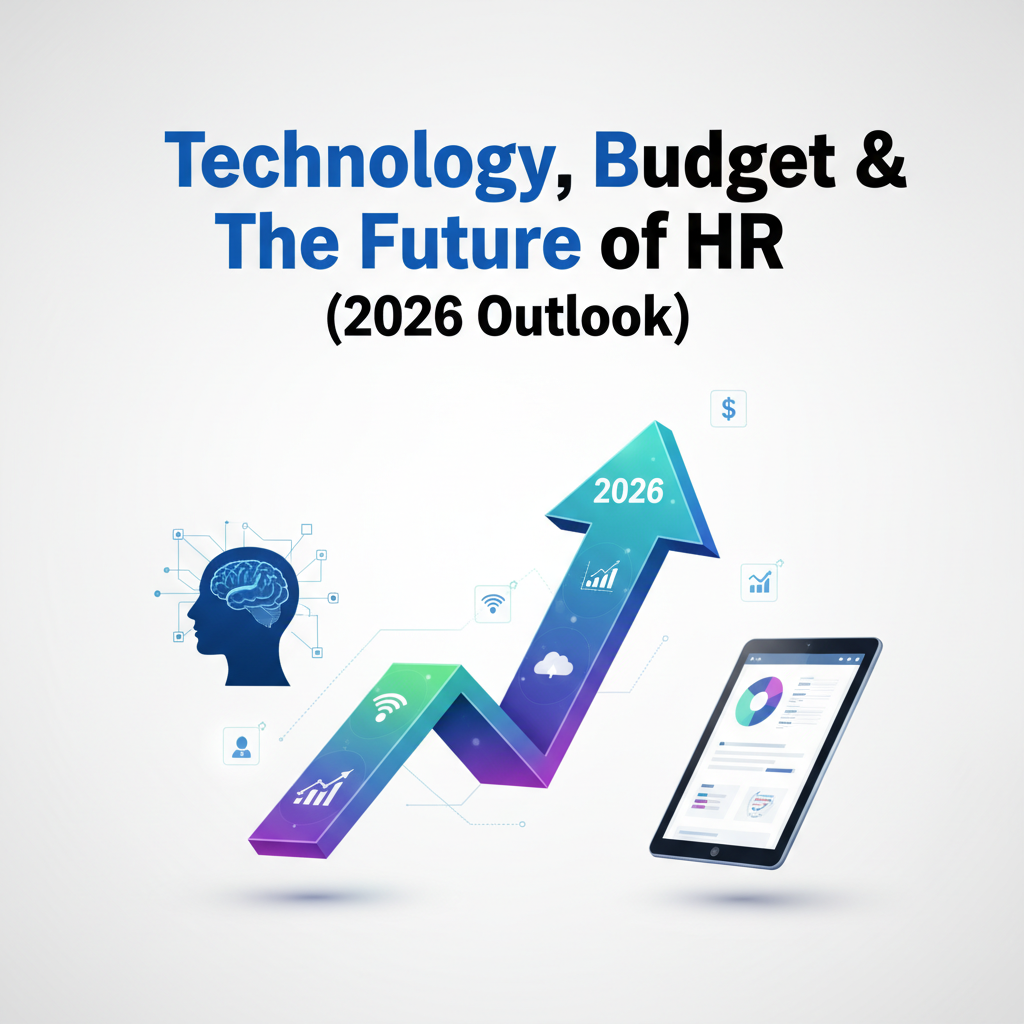
The landscape of Human Resources is undergoing a seismic shift, driven by technological advancements, evolving budgetary considerations, and a forward-looking perspective towards 2026. For marketing agencies in Malaysia, understanding the impact of these factors is crucial, especially when examining the profound differences between the SMEs’ HR Structure and the Corporates’ HR Structure. While large corporations possess the financial muscle to invest in cutting-edge HR solutions and dedicated specialist teams, Small and Medium-sized Enterprises (SMEs) often navigate a path defined by resource constraints and creative problem-solving. This section delves into how HR budget allocation, the adoption of HR technology solutions, HR analytics, and future HR trends – including the rise of outsourcing – are shaping these structural disparities and what the future holds for HR in Malaysia.
1. HR Technology Solutions & Systems Adoption
The adoption of HR technology solutions marks one of the most significant differentiating factors between SMEs and large corporates in Malaysian marketing agencies. Corporates typically leverage sophisticated, integrated Human Resource Information Systems (HRIS) that encompass payroll, time and attendance, performance management, talent acquisition, and learning and development modules. These comprehensive systems automate routine tasks, provide robust data analytics, and ensure compliance, freeing up HR professionals to focus on strategic initiatives. The investment in such platforms reflects a commitment to operational efficiency and a data-driven approach to human capital management.
Conversely, SMEs often operate with a more fragmented approach. Budgetary limitations frequently restrict their ability to invest in costly enterprise-grade solutions. Many SMEs might rely on basic spreadsheets for record-keeping, standalone payroll software, or freemium cloud-based HR tools that offer limited functionalities. While agile and cost-effective, this fragmented ecosystem can lead to data silos, manual data entry errors, and a lack of integrated insights, significantly impacting their ability to scale and adapt quickly. However, the emergence of affordable, scalable cloud-based HR platforms is gradually bridging this gap, offering SMEs access to advanced features without the heavy upfront investment, enabling better tracking of employee data and more streamlined HR processes, which are critical for navigating the competitive marketing landscape.
2. HR Budget Allocation & Resource Constraints
HR budget allocation is intrinsically linked to technology adoption and the overall strategic capacity of an HR department. For large corporates, HR is often viewed as a strategic partner, warranting substantial investment in both technology and human capital. Their budgets accommodate dedicated HR analytics teams, advanced HRIS, and continuous professional development for their HR personnel. This robust financial backing allows them to implement best practices, conduct comprehensive employee engagement surveys, and invest in sophisticated talent management programs.
SMEs, however, grapple with tighter budget constraints. HR functions often fall under the purview of a single generalist, an administrative staff member, or even the business owner themselves, often with limited formal HR training. The budget allocated to HR is frequently minimal, prioritizing essential functions like payroll and basic compliance over strategic investments in technology or specialized training. This resource scarcity means that “doing more with less” becomes the mantra, often resulting in manual processes, reactive problem-solving, and a struggle to keep pace with evolving HR trends. The implications extend beyond technology; it limits their capacity for robust employee development, comprehensive benefits packages, and sophisticated recruitment strategies, which can hinder their ability to attract and retain top talent. According to Deloitte’s Global Human Capital Trends reports, organizations globally are increasingly focused on adapting their HR strategies to economic pressures, a challenge felt acutely by SMEs in Malaysia.
3. Future HR Trends Malaysia: Adapting for 2026
Looking towards 2026, several HR trends are set to redefine human resource management in Malaysia, impacting both SMEs and corporates in distinct ways. The accelerating integration of Artificial Intelligence (AI) and Machine Learning (ML) in HR, particularly in recruitment, employee experience (EX) platforms, and predictive analytics, will become more prevalent. While corporates will likely lead the charge in adopting sophisticated AI-driven tools for workforce planning and hyper-personalized employee experiences, SMEs will need to identify accessible, modular AI solutions to remain competitive.
Another significant trend is the continued evolution of flexible work arrangements and the hybrid work model, a necessity for many marketing agencies. HR departments will need to adapt policies and technologies to support distributed teams, ensuring equity, productivity, and strong company culture regardless of location. Furthermore, the focus on employee well-being, mental health support, and diversity, equity, and inclusion (DEI) initiatives will intensify, moving beyond mere compliance to become integral components of talent strategy.
Outsourcing of non-core HR functions, such as payroll processing, benefits administration, or even entire recruitment processes, is also projected to grow, particularly benefiting SMEs. This allows them to access specialized expertise and advanced technology without the burden of in-house investment and overhead, thereby leveling the playing field with larger entities. For marketing agencies in Malaysia, adapting to these trends will be crucial for sustainable growth. Corporates will refine their advanced strategies, while agile SMEs will need to strategically embrace scalable technologies and partnerships to ensure their HR structure is not just compliant but also competitive and future-ready.
Partner with Shelby Global
You are looking for reliable HR Sevice Suppliers? Contact Shelby Global Now! To connect with verified talents and upgrade your orginization.
—————————————
References
– HR Generalist vs. Specialist: Which Path Is Right for You?: https://www.shrm.org/resources-and-tools/hr-topics/human-resource-disciplines/hr-generalist-specialist-roles
– :
– SHRM Guide to Employee Performance Management: https://www.shrm.org/resources-and-tools/tools-and-samples/how-to-guides/how-to-manage-employee-performance/
– Malaysian Labour Law Acts: https://jtk.mohr.gov.my/en/acts-related
– Deloitte’s Global Human Capital Trends reports: https://www2.deloitte.com/us/en/pages/human-capital/articles/human-capital-trends.html