
Scope and Scale of HR Functions
The human resources landscape within Malaysia’s vibrant technology sector presents a fascinating study in contrasts. While the core objective of HR – managing human capital – remains universal, the Differences between the SMEs’ HR Structure and the Corporates’ HR Structure in technology field in malaysia are profound, particularly concerning the scope and scale of their HR functions. Smaller tech companies, often characterized by agile operations and close-knit teams, approach HR with a distinctly different philosophy and resource allocation compared to their large corporate counterparts, which typically possess established frameworks, specialized departments, and extensive strategic planning.
1. Generalist vs. Specialist Roles in Tech HR
One of the most immediate distinctions in the Differences between the SMEs’ HR Structure and the Corporates’ HR Structure in technology field in malaysia lies in the nature of HR roles. In smaller Malaysian tech startups and SMEs, HR professionals predominantly operate as generalists. These individuals are often responsible for the entire gamut of HR activities, from recruitment and onboarding to payroll administration, employee relations, performance management, and even basic training initiatives. This generalist approach demands versatility and adaptability, as HR personnel must wear multiple hats, responding swiftly to diverse operational needs with limited resources. They are typically embedded within the company culture, providing a more personalized and hands-on approach to employee concerns. For those interested in delving into the specifics of HR structures, understanding this fundamental difference is crucial.
Conversely, large corporations in the Malaysian tech space boast highly specialized HR departments. Here, the HR function is compartmentalized into distinct areas of expertise. You’ll find dedicated teams for talent acquisition, compensation and benefits, learning and development, HR information systems (HRIS), employee relations, and even HR business partners who align closely with specific business units. This specialization allows for deeper expertise, more sophisticated processes, and a higher degree of efficiency in each respective area. While it may sometimes lead to a more formalized and less personal employee interaction, it ensures comprehensive coverage and professional management across complex organizational structures.
2. Strategic HR Planning & Implementation Differences
The approach to strategic HR planning and its implementation also starkly highlights the Differences between the SMEs’ HR Structure and the Corporates’ HR Structure in technology field in malaysia. For SMEs, strategic HR is often an emergent process, tightly interwoven with the vision of the founders and senior leadership. Planning tends to be more agile, reactive, and short-term focused, primarily addressing immediate talent gaps and operational challenges. Workforce planning might be informal, based on current project needs rather than extensive forecasting. The emphasis is on survival, rapid growth, and maintaining a lean operation, meaning HR strategies are often less documented and more fluid.
In contrast, large tech corporations employ robust, proactive, and data-driven strategic HR planning. HR strategies are meticulously integrated into the overall business strategy, focusing on long-term workforce planning, succession planning, talent pipeline development, and fostering a strong employer brand. These organizations invest heavily in HR analytics to inform decision-making, identify future talent needs, and predict market trends. Implementation involves detailed project plans, significant budget allocations, and cross-departmental collaboration, ensuring that HR initiatives are not just responsive but also foundational to the company’s sustained growth and competitive advantage in the Malaysian market.
3. Impact of Company Size on HR Policy Development
The development and enforcement of HR policies are another critical area where the Differences between the SMEs’ HR Structure and the Corporates’ HR Structure in technology field in malaysia are evident. In smaller tech companies, policies might be fewer, less formalized, and occasionally unwritten. Decisions often rely on direct manager discretion or case-by-case judgments, fostering a flexible and adaptable work environment. While this can promote a sense of trust and autonomy, it also carries the risk of inconsistency and potential legal vulnerabilities if not managed carefully. Compliance with labor laws is essential, but the documentation and internal processes are typically less elaborate.
Large corporations, due to their scale, complexity, and higher exposure to legal and reputational risks, necessitate extensive and highly formalized HR policies. These encompass everything from detailed codes of conduct, employment contracts, leave policies, and benefits frameworks to data privacy regulations and anti-harassment guidelines. Policy development in these entities is a meticulous process, often involving legal counsel to ensure strict compliance with local labor laws, industry regulations, and international standards. Adhering to best practices for creating effective employee policies is paramount to maintain fairness, transparency, and legal defensibility. The implementation involves comprehensive communication strategies, regular training, and strict enforcement mechanisms, creating a structured and regulated working environment.
In conclusion, whether a tech company in Malaysia is a nimble startup or a multinational giant, HR remains central to its success. However, the operational models, strategic priorities, and structural complexities dictate vastly different approaches to HR functions, underscoring the dynamic and evolving nature of human resource management in the digital age.
Talent Acquisition and Retention Strategies
Malaysia’s technology landscape is a vibrant, competitive arena where the quest for top talent is relentless. Both Small and Medium-sized Enterprises (SMEs) and large corporates face the ongoing challenge of attracting, hiring, and keeping skilled tech professionals. However, their approaches, heavily influenced by the Differences between the SMEs’ HR Structure and the Corporates’ HR Structure in technology field in malaysia, vary significantly, impacting their effectiveness in this dynamic environment. Understanding these nuances is crucial for navigating the market, from crafting compelling employer branding to implementing effective retention programs for tech talent acquisition Malaysia.
1. Recruitment Channels and Branding for Tech Talent
The initial point of divergence lies in how these entities reach out to potential candidates. Tech SMEs in Malaysia, often characterized by leaner HR teams or even HR functions managed by operational staff, tend to leverage more agile and cost-effective recruitment channels. They frequently rely on strong word-of-mouth referrals, industry networking events, and niche job boards focusing on specific tech stacks. Their employer branding efforts are often organic, built on their unique culture, direct impact roles, and the promise of rapid career growth within a close-knit team. This organic approach forms a core part of their SME HR practices tech Malaysia.
In contrast, larger corporates typically boast dedicated HR departments with specialist recruiters, significant budgets, and established global footprints. They utilize a broader spectrum of tech recruitment channels Malaysia, including major job portals, professional networking sites like LinkedIn, university partnerships, and even global headhunting firms. Their employer branding is meticulously crafted through multi-channel marketing campaigns, showcasing comprehensive benefits, structured career paths, and the prestige associated with a well-known brand. These elaborate efforts are hallmarks of corporate HR strategies Malaysia. According to a LinkedIn report on global talent trends, companies with strong employer branding significantly reduce their cost-per-hire and time-to-hire.
2. Onboarding and Employee Experience in Tech
Once a tech professional is hired, the onboarding process and subsequent employee experience further highlight the structural disparities. For tech SMEs, onboarding tends to be a more personalized, hands-on affair. New hires often dive into projects almost immediately, gaining practical experience and making tangible contributions from day one. While formal processes might be less rigid, the focus is on rapid integration into the team culture and direct mentorship. This direct involvement can be highly engaging, fostering a sense of belonging and immediate purpose, vital for the overall employee experience in tech.
Corporates, with their extensive resources, typically implement highly structured and comprehensive onboarding programs. These can span several weeks, including formal training sessions, departmental rotations, and introductions to various internal systems and policies. While this ensures a thorough understanding of the company’s ecosystem, it can sometimes feel less personal. However, large corporates often excel in providing a wealth of resources, from learning platforms to wellness programs, contributing to a robust overall employee experience designed to support onboarding tech professionals. The long-term goal for both, however, remains similar: to ensure the new hire feels valued, supported, and productive as quickly as possible.
3. Unique Retention Programs (e.g., career development, benefits)
Retaining top tech talent in Malaysia demands more than just competitive salaries; it requires thoughtful, tailored programs. SMEs, often unable to match the extensive financial packages of corporates, focus on unique value propositions. They frequently offer accelerated career development tech Malaysia opportunities, cross-functional training that broadens skill sets, and a direct line to leadership for mentorship. Equity or stock options, performance-based bonuses, and highly flexible work arrangements are also common in SMEs, alongside a strong emphasis on a collaborative, impact-driven work culture. These factors are crucial for their employer branding tech SMEs.
Corporates, conversely, leverage their scale and financial strength to offer a wide array of competitive benefits tech jobs. This includes robust health and wellness packages, provident fund contributions, extensive paid leave, and structured professional development programs, often through internal academies or sponsorships for certifications and higher education. They provide clear, multi-tiered career progression paths, opportunities for international assignments, and access to cutting-edge technologies and large-scale projects. While both aim for high employee retention tech corporates, the strategies reflect their inherent structural strengths and limitations. Understanding these fundamental Differences between the SMEs’ HR Structure and the Corporates’ HR Structure in technology field in malaysia is paramount for any organization seeking to thrive in Malaysia’s tech talent war.
In conclusion, while both tech SMEs and corporates in Malaysia are vying for the same limited pool of skilled professionals, their HR structures dictate markedly different approaches to talent acquisition and retention. SMEs thrive on agility, personalized experiences, and the promise of direct impact, while corporates excel with structured programs, extensive resources, and comprehensive benefits. Recognizing these distinctions is the first step towards building a sustainable and successful workforce in Malaysia’s dynamic tech sector.
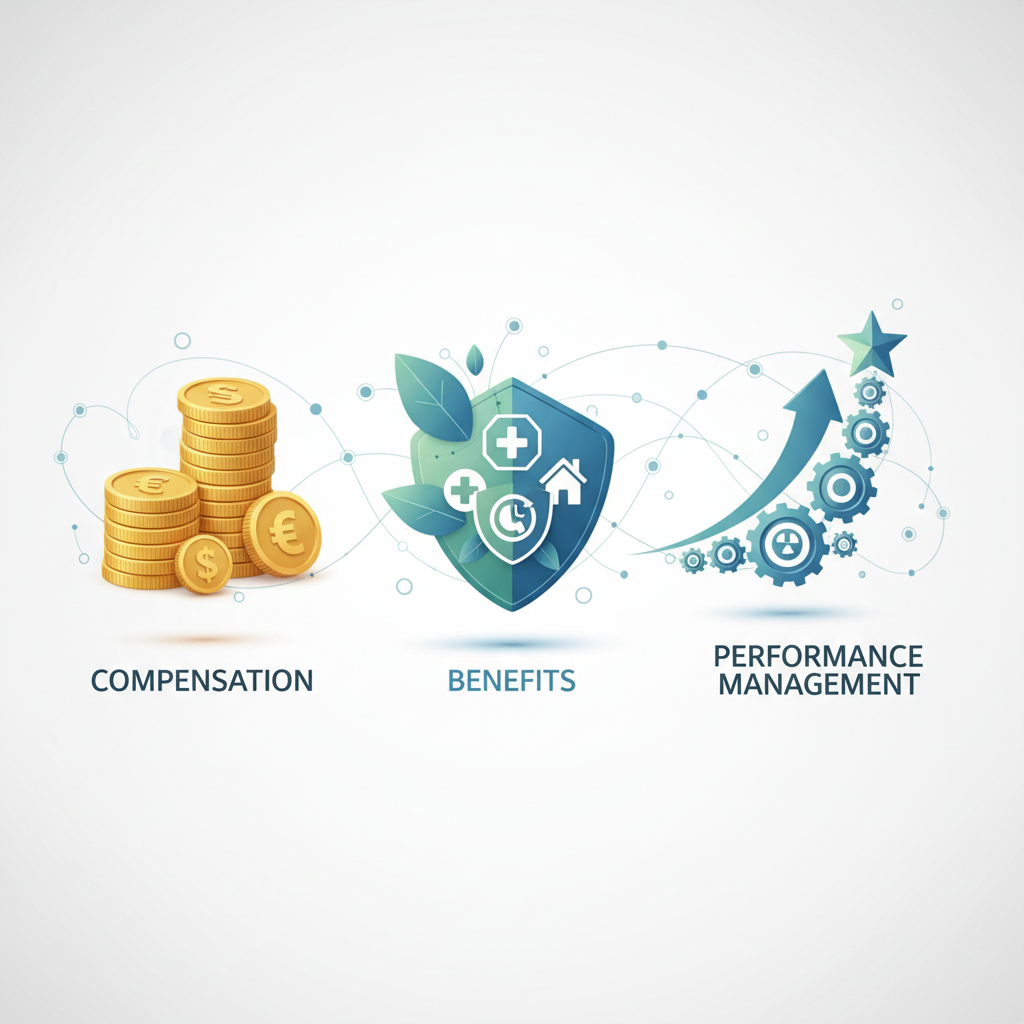
Compensation, Benefits, and Performance Management
Delving into the disparities in how salaries, employee benefits, and performance evaluation systems are structured and managed across the two types of tech organizations.
In Malaysia’s vibrant technology sector, the approach to compensation, employee benefits, and performance management presents a stark contrast between Small and Medium-sized Enterprises (SMEs) and larger corporate entities. These differences between the SMEs’ HR Structure and the Corporates’ HR Structure in technology field in Malaysia are not merely administrative nuances; they significantly impact talent attraction, retention, and overall organizational culture. Understanding these disparities is crucial for both employers navigating the competitive landscape and professionals seeking the right fit for their career aspirations.
1. Salary Benchmarking and Package Structures
One of the most apparent salary disparities Malaysia tech professionals encounter lies in how compensation is determined and structured. Large corporates in Malaysia often leverage sophisticated, data-driven salary benchmarking tools and extensive market research. This allows them to align their pay scales with global or regional standards, offering competitive fixed salaries, robust variable pay components (bonuses, commissions), and comprehensive allowances. Their established compensation frameworks often directly link these variable components to individual and company performance, providing clear paths for earning potential.
Conversely, tech SMEs, particularly startups, face inherent HR budget constraints SMEs. While they strive to offer competitive salaries, their benchmarking capabilities might be less formalized, often relying on anecdotal evidence or urgent market demands for niche skills. Their package structures can be more fluid, sometimes offering a lower base salary supplemented by higher potential performance bonuses or, more significantly, equity compensation tech startups. This strategy aims to incentivize long-term commitment and allow employees to partake in the company’s success, a common offering for talent acquisition tech Malaysia for high-growth potential. The flexibility in salary negotiations in SMEs can be a double-edged sword, offering tailored packages but potentially leading to greater internal pay gaps without clear guidelines.
2. Employee Benefits (Wellness, Flexi-work, Equity)
The array and depth of employee benefits also highlight significant differences. Large corporates typically provide extensive corporate tech benefits packages. These often include premium health insurance coverage for employees and their families, generous annual leave entitlements, comprehensive provident fund contributions, and structured wellness programs covering mental health support, fitness subscriptions, and ergonomic office setups. Furthermore, many offer stock options or Restricted Stock Units (RSUs) as part of their long-term incentives, attracting top-tier talent and fostering loyalty.
Tech SMEs, while facing budget limitations, often excel in creativity and agility when it comes to employee benefits tech SMEs. They might not match the breadth of corporate offerings but focus on highly valued aspects like exceptional flexible work arrangements, including remote work options, flexible hours, and unlimited leave policies (with caveats). Work-life balance initiatives in SMEs can be more personalized, ranging from team outings and hackathons to informal wellness challenges. As mentioned, equity compensation tech startups is a strong draw, offering a sense of ownership and direct impact on the company’s future, compensating for potentially less extensive traditional benefits. The focus here is often on building a strong, inclusive culture that acts as a benefit in itself.
3. Performance Review Systems & Goal Setting
The methodologies for performance review and goal setting tech companies vary considerably. Large corporates typically employ highly structured, often annual or bi-annual, performance management systems. These involve extensive key performance indicators (KPIs), regular check-ins, 360-degree feedback, and a formalized review process that directly influences promotions and salary increments. The emphasis is on standardized metrics, consistent evaluation, and clear career progression frameworks to support talent retention strategies.
SMEs, conversely, often favor more agile, frequent, and less formal performance reviews. Quarterly or even monthly check-ins are common, focusing on immediate project outcomes, skill development, and alignment with rapidly evolving business objectives. Goal setting methodologies in SMEs tend to be more adaptive, with OKRs (Objectives and Key Results) being a popular framework that allows for flexibility and iterative adjustments. While these systems may lack the bureaucratic rigor of corporate frameworks, they foster a culture of continuous feedback, rapid learning, and direct impact, which can be highly motivating for individuals who thrive in dynamic environments. The absence of a rigid structure can also mean quicker recognition for achievements and more direct lines of communication regarding performance.
HR Technology and Digital Transformation
The landscape of Human Resources (HR) is undergoing a rapid digital transformation, driven by the imperative for greater efficiency, strategic insight, and enhanced employee experiences. Across Malaysia, businesses are increasingly adopting and utilizing sophisticated HR software and digital tools to streamline operations and empower their workforce. However, the approach to and impact of this technology adoption varies significantly when examining the Differences between the SMEs’ HR Structure and the Corporates’ HR Structure in technology field in malaysia. While SMEs often seek cost-effective solutions to automate basic functions, corporates leverage advanced platforms for strategic workforce planning and deep data analytics. This section explores how HR technology enables distinct efficiencies and strategies for these different organizational scales.
The push for digital HR transformation Malaysia is a national priority, with initiatives aimed at boosting productivity and global competitiveness. Both SMEs and large corporations recognize the value of HR technology adoption Malaysia, albeit with varying resources, complexities, and strategic objectives. This disparity dictates the type of HR software Malaysia businesses choose, ranging from integrated enterprise HR platforms for corporates to agile cloud HR systems for SMEs.
1. HRIS and Payroll System Implementation
The foundational element of modern HR technology is the Human Resources Information System (HRIS) coupled with payroll functionality. For Small and Medium-sized Enterprises (SMEs) in Malaysia, HRIS and payroll system implementation often focuses on transitioning from manual, paper-based processes or basic spreadsheets to more integrated, cloud-based solutions. These SME HR software Malaysia platforms typically offer essential modules like employee data management, attendance tracking, leave management, and automated payroll processing, which significantly reduce administrative burden. The emphasis for SMEs is on ease of use, affordability, and rapid deployment, often opting for subscription-based services that require minimal IT infrastructure. They prioritize systems that can handle compliance with local labor laws and tax regulations efficiently, freeing up HR personnel to focus on recruitment and basic employee relations.
In stark contrast, large corporations approach HRIS and payroll system implementation with an eye towards extensive integration, scalability, and global capabilities. Their enterprise HR platforms are often part of a broader Enterprise Resource Planning (ERP) system, linking HR data with finance, operations, and other business functions. These corporate HR tech solutions typically involve complex customizations, global payroll functionalities, multi-currency support, and robust security features to manage a diverse, often international, workforce. The implementation process is usually longer, involves dedicated project teams, and aims to create a unified data source for all HR-related information, supporting advanced reporting and strategic decision-making. The investment is substantially higher, reflecting the need for comprehensive functionality and deep integration across the organization.
2. Data Analytics for HR Decision-Making
The ability to harness HR data for informed decision-making is a critical differentiator between SMEs and corporates in Malaysia. For many SMEs, data analytics for HR decision-making remains in its nascent stages. While their HR systems can generate basic reports on headcount, turnover, and attendance, deep analytical capabilities are often limited. Analysis is frequently manual, based on simple dashboards, and primarily used for operational insights, such as identifying absenteeism trends or calculating payroll costs. The focus for SMEs is on leveraging basic HR analytics benefits Malaysia to address immediate operational issues and ensure compliance, rather than predictive modeling or strategic workforce planning.
Corporates, on the other hand, are at the forefront of leveraging sophisticated HR analytics. Their advanced HR technology stacks include dedicated HR analytics platforms and business intelligence tools capable of processing vast amounts of data from various sources. These systems enable predictive analytics for talent acquisition, turnover risk assessment, workforce optimization, and strategic HR tech corporates planning. By integrating HR data with business performance metrics, corporates can gain actionable insights into employee engagement, productivity drivers, and the return on investment (ROI) of HR initiatives. This empowers HR leaders to act as strategic partners, influencing business outcomes through data-driven decisions. Leading firms, as highlighted in reports such as Deloitte’s Global Human Capital Trends, increasingly prioritize advanced analytics to gain a competitive edge in talent management and organizational effectiveness.
3. Automation of HR Processes (e.g., leave, claims)
Automation of HR processes like leave management, claims processing, and performance reviews is a key driver for efficiency across all organizational sizes. For SMEs, automation of HR processes SMEs typically involves moving away from paper forms and email approvals to digitized workflows within their cloud HR systems for SMEs. This shift significantly reduces manual effort, improves accuracy, and provides employees with self-service portals to submit requests and track approvals. The primary goal is to minimize administrative overhead, ensure adherence to company policies, and enhance the employee experience by making routine transactions smoother and faster.
Corporates take automation to a much more advanced and integrated level. Beyond basic self-service portals, their automated HR processes are often embedded within complex workflow engines that integrate with other enterprise systems. This means that a leave request might automatically trigger updates in project schedules, or a claims submission could directly feed into the finance department’s expense management system. Furthermore, corporates are exploring and implementing AI-driven automation for tasks like candidate screening, chatbot support for common HR queries, and even predictive scheduling. The scope extends to complex performance management cycles, benefits enrollment, and sophisticated onboarding workflows that span multiple departments and global locations. The strategic intent is to not only boost efficiency but also to enhance global consistency, compliance, and employee engagement through seamless, intelligent automation.
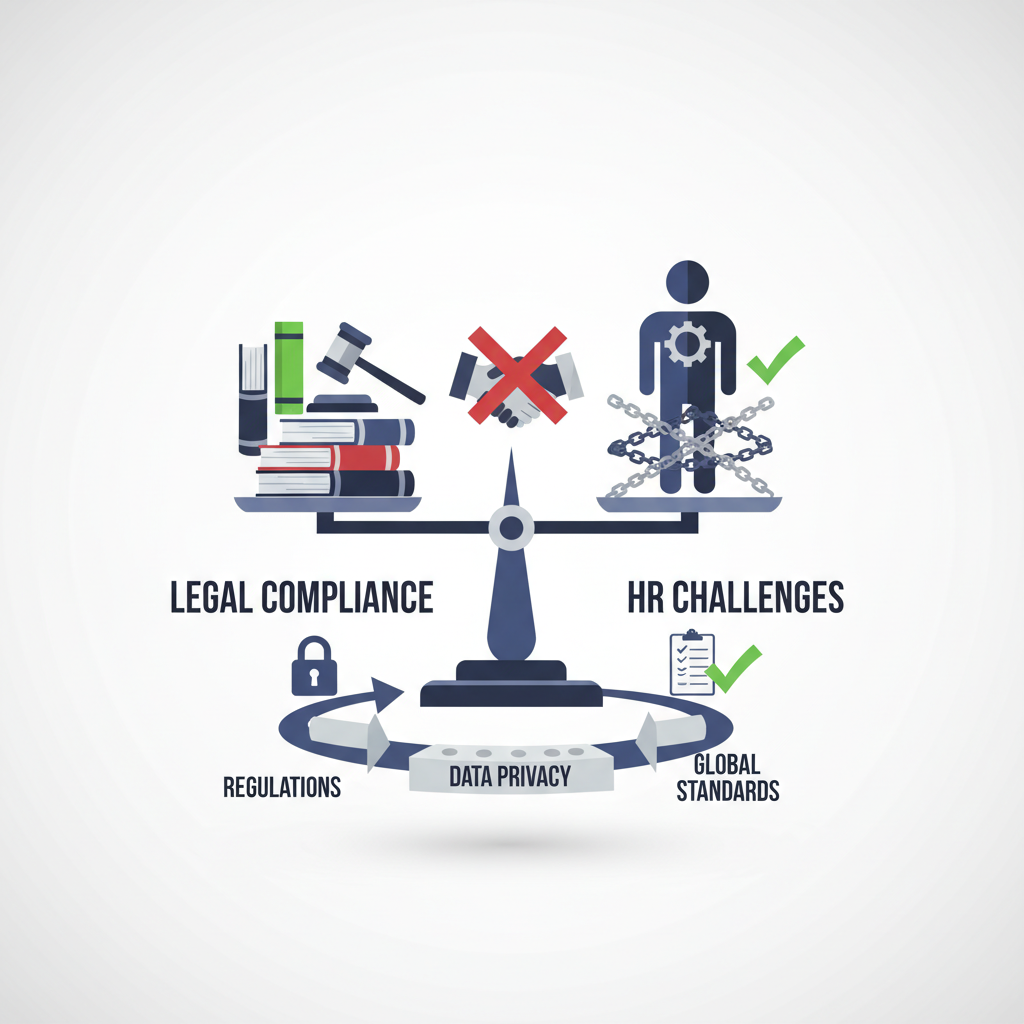
Legal Compliance and HR Challenges
Malaysia’s dynamic technology sector presents a unique regulatory environment and significant HR hurdles for both tech SMEs and corporations in Malaysia. Navigating legal compliance complexities and growth-related issues demands vastly different approaches based on organizational size. Understanding the Differences between the SMEs’ HR Structure and the Corporates’ HR Structure in technology field in malaysia is crucial for effective human resource management.
1. Employment Law Adherence and Best Practices
Adhering to Malaysian employment laws is foundational for HR, yet it poses distinct challenges for tech SMEs versus larger corporations. The Employment Act 1955, along with the Industrial Relations Act 1967 and others, dictates critical areas like wages, working hours, leave, termination, and non-discrimination. For tech SMEs, often operating with lean HR teams or administrative staff, keeping abreast of these intricate and evolving regulations can be daunting. A lack of specialized knowledge often leads to unintentional non-compliance, exposing them to legal risks. Best practices for SMEs include leveraging accessible resources, engaging HR consultants, and implementing standardized policies from the outset.
In contrast, large corporations in Malaysia typically boast dedicated legal and HR departments specializing in employment law. They proactively implement robust compliance frameworks, conduct internal audits, and swiftly adapt to legislative changes. This structured approach allows them to not only meet statutory requirements but also to integrate best practices that enhance employee welfare and mitigate legal exposures. Continuous training for HR personnel and managers on legal updates ensures consistent Employment Law Adherence across all organizational levels.
2. Managing HR Risks and Disputes
The management of HR risks and disputes highlights another area where the Differences between the SMEs’ HR Structure and the Corporates’ HR Structure become evident. Common HR risks in tech include wrongful dismissal claims, discrimination lawsuits, intellectual property theft, and data privacy breaches under the Personal Data Protection Act (PDPA) 2010. SMEs often lack formal structures, comprehensive policies, and specialized expertise to effectively prevent or address these issues. A single wrongful termination can significantly strain an SME’s limited financial and operational resources. Their dispute resolution tends to be more informal, potentially leading to inconsistent outcomes or further legal entanglements if not handled professionally.
Conversely, corporations in Malaysia are typically equipped with extensive frameworks for Managing HR Risks and Disputes. This includes detailed disciplinary procedures, grievance handling mechanisms, internal investigation protocols, and access to in-house legal counsel. Robust employee handbooks, clear codes of conduct, and regular compliance training minimize risks. When disputes arise, corporations leverage established processes and resources to conduct thorough investigations, ensure due process, and pursue appropriate resolution, whether through internal mediation or official channels. This proactive and structured risk management significantly reduces their vulnerability to costly legal challenges and reputational damage.
3. Scaling HR for Growth in the Tech Sector
Rapid growth in the technology sector presents unique growth-related issues for HR, particularly concerning effective scaling. For tech SMEs experiencing fast expansion, the challenge lies in building scalable HR systems from scratch. This involves developing robust talent acquisition strategies, implementing effective performance management, designing competitive compensation, and fostering a strong company culture. The pressure to scale quickly often means HR functions are reactive, leading to inconsistencies, burnout, and difficulties in retaining key talent. The inability to strategically plan for HR infrastructure can stifle growth and impact overall organizational efficiency, a significant factor in the Differences between the SMEs’ HR Structure and the Corporates’ HR Structure in technology field in malaysia.
Large corporations in Malaysia, while also facing growth challenges, benefit from existing, well-defined HR structures designed to be scalable. They leverage established talent pipelines, sophisticated HRIS, and dedicated teams for talent acquisition, learning & development, and compensation. Their ability to invest in advanced HR technologies and strategic partnerships allows for seamless integration of new hires, efficient employee development, and robust succession planning. This proactive approach to Scaling HR for Growth in the Tech Sector enables them to sustain rapid expansion without compromising operational stability or employee engagement, providing a significant competitive advantage.
Partner with Shelby Global
You are looking for reliable HR Sevice Suppliers? Contact Shelby Global Now! To connect with verified talents and upgrade your orginization.
—————————————
References
– Creating Effective Employee Policies – SHRM: https://www.shrm.org/resources-and-tools/hr-topics/employee-relations/pages/creating-effective-employee-policies.aspx
– LinkedIn report on global talent trends: https://business.linkedin.com/talent-solutions/blog/employer-branding/2019/why-employer-brand-is-more-important-than-ever
– Malaysia Salary Benchmark Guide: https://www.michaelpage.com.my/salary-guide/malaysia-salary-benchmark-guide
– Deloitte Global Human Capital Trends: https://www2.deloitte.com/us/en/insights/topics/talent/global-human-capital-trends.html
– Ministry of Human Resources Malaysia – Legislation: https://www.mohr.gov.my/index.php/en/legislation