
Understanding the Unique Landscape of Medical Management in Vietnam
The medical sector in Vietnam presents a complex and evolving environment for managerial professionals. Navigating this landscape requires a deep understanding of its distinct cultural, regulatory, and market dynamics. For organizations seeking top-tier talent, developing a robust Test structure to assess Manager Level CVs in medicine field in vietnam is paramount, as traditional assessment methods may not fully capture the nuanced skills needed for success in this unique context. This section delves into the key factors that shape managerial roles within Vietnam’s burgeoning healthcare industry, highlighting the specific challenges and opportunities that define effective leadership here.

1. Regulatory Frameworks and Compliance Specifics
Vietnam’s healthcare sector is governed by a dynamic set of regulations designed to ensure public health safety, control drug prices, and manage the expansion of both public and private medical facilities. Managerial roles often involve rigorous adherence to decrees issued by the Ministry of Health (MoH), covering aspects from drug registration and medical device licensing to hospital operational standards and professional conduct. For instance, recent shifts towards universal health coverage and reforms in pharmaceutical procurement necessitate managers who are not only aware of existing laws but can also anticipate and adapt to upcoming policy changes. Compliance is not merely a legal obligation but a strategic imperative, directly impacting operational efficiency, market access, and reputation. A successful manager in Vietnam must possess a keen understanding of these intricate legal nuances, being able to translate complex regulations into actionable strategies for their teams. This often involves continuous learning and proactive engagement with regulatory updates, such as those impacting the pharmaceutical industry and medical devices, which are crucial for any entity operating within the country’s health ecosystem.
2. Vietnamese Healthcare Market Dynamics and Trends
The Vietnamese healthcare market is characterized by rapid growth, increasing private sector participation, and a growing demand for high-quality medical services, driven by an expanding middle class and an aging population. This creates both immense opportunities and significant competitive pressures. Key trends include the rise of medical tourism, increased foreign direct investment in healthcare infrastructure, and the widespread adoption of digital health technologies. Managers in this environment must be adept at strategic planning, market analysis, and innovation, identifying niche markets while navigating intense competition. The dual public-private system often means managing diverse stakeholder expectations and resource allocation. Furthermore, the push for localization in drug manufacturing and medical equipment procurement requires a manager with strong supply chain knowledge and an ability to foster local partnerships. Understanding these dynamics is critical for developing a comprehensive Test structure to assess Manager Level CVs in medicine field in vietnam, ensuring that candidates possess the foresight and adaptability to thrive in a rapidly evolving market. This comprehensive assessment should look beyond mere technical expertise, seeking evidence of strategic acumen and an understanding of the intricate market forces at play.
3. Cultural Expectations in Local Medical Leadership Roles
Beyond regulatory and market complexities, cultural nuances play a profound role in defining effective medical leadership in Vietnam. Traditional Vietnamese values, such as respect for hierarchy, emphasis on collective harmony, and indirect communication styles, significantly influence workplace dynamics and decision-making processes. Managers are expected to lead by example, demonstrate strong interpersonal skills, and build consensus rather than dictating. Relationship-building (known as quan hệ) is paramount, not just with team members but also with external stakeholders, including government officials, suppliers, and community leaders. Trust and personal connections often facilitate business transactions and operational efficiencies. A successful medical manager in Vietnam must therefore possess high emotional intelligence, cultural sensitivity, and an ability to navigate social protocols with grace. They must be adept at motivating teams through a blend of clear guidance and supportive mentorship, fostering an environment where individual contributions align with collective goals. These cultural competencies are often as critical as, if not more important than, purely technical skills when assessing candidates for managerial positions within Vietnam’s medical sector.
In conclusion, the landscape of medical management in Vietnam is a rich tapestry woven from stringent regulatory threads, dynamic market forces, and deep-seated cultural norms. For organizations aiming to recruit and retain high-caliber leaders, a nuanced approach to talent assessment is indispensable. Developing an effective Test structure to assess Manager Level CVs in medicine field in vietnam that accounts for these unique dimensions will be the key to identifying managers capable of driving success and innovation in this promising, yet challenging, healthcare environment. Such a structure must evaluate not only professional qualifications but also adaptability, cultural intelligence, and strategic foresight.
Core Components of an Effective CV Assessment Test Structure
Designing a comprehensive, objective, and fair CV evaluation framework is paramount for identifying top-tier manager-level talent, especially within the specialized medical field in Vietnam. An effective test structure to assess Manager Level CVs in medicine field in Vietnam must transcend basic qualification checks, delving into leadership potential, strategic acumen, and cultural fit. This section outlines the essential elements and methodologies for creating such a robust framework.
1. Defining Key Performance Indicators (KPIs) for Manager Roles
The foundation of any effective CV assessment lies in a clear understanding of what constitutes success in the target role. For manager-level positions in the medical sector, this involves defining precise Key Performance Indicators (KPIs) that reflect the strategic, operational, and leadership demands of the role. These KPIs should go beyond generic management skills and be tailored to the specific context of the Vietnamese medical landscape, which may involve unique regulatory environments, patient demographics, and healthcare delivery systems.
For instance, KPIs for a medical manager might include:
- Project Management Success Rate: Ability to oversee and deliver complex healthcare projects (e.g., clinic expansion, new service line launch) on time and within budget.
- Team Leadership & Development: Demonstrated capability to motivate, develop, and retain medical professionals, evidenced by team productivity metrics or employee satisfaction scores.
- Budget Management & Cost Efficiency: Proven experience in managing departmental or facility budgets, identifying cost-saving opportunities without compromising patient care quality.
- Regulatory Compliance: Expertise in navigating and ensuring adherence to Vietnamese healthcare regulations and international standards.
- Clinical Outcome Improvement: Direct or indirect contributions to enhancing patient care quality, safety, and efficiency.
Defining these KPIs provides a concrete benchmark against which candidates’ CVs can be objectively measured. It shifts the focus from merely listing duties to evaluating quantifiable achievements. For further guidance on establishing clear performance expectations, resources like SHRM provide valuable insights on developing a comprehensive performance management system.
2. Developing Standardized Scoring Rubrics for CVs
Once KPIs are established, the next critical step is to translate them into a standardized scoring rubric for CV assessment. A well-designed rubric ensures consistency, reduces unconscious bias, and provides a clear framework for evaluating diverse applicant profiles. For manager-level roles in the medical field, the rubric should include weighted criteria reflecting the importance of each KPI.
Components of an effective scoring rubric should include:
- Experience Relevance & Depth: Assessing the quality and direct applicability of previous managerial roles in healthcare, including the scale of teams managed and projects overseen.
- Educational Background: Evaluating qualifications (e.g., MD, MBA, MPH) and relevant certifications, especially those pertinent to medical management or specific therapeutic areas.
- Achievements & Impact: Quantifying past successes (e.g., "Increased departmental efficiency by 15%" or "Successfully launched two new medical service lines").
- Leadership & Soft Skills: Looking for evidence of strategic thinking, problem-solving, communication, and team-building, often inferred from role descriptions and project involvement.
- Cultural Fit & Local Market Understanding: Assessing familiarity with the Vietnamese healthcare system, local customs, and patient needs, which can be subtly indicated through previous roles or stated interests.
Each criterion within the rubric should have defined scoring levels (e.g., 1-5 scale), with clear descriptions of what warrants each score. This objectivity ensures that multiple reviewers can arrive at similar conclusions for the same CV, enhancing the fairness and reliability of the assessment process.
3. Leveraging Applicant Tracking Systems (ATS) for Initial Screening
In the digital age, leveraging Applicant Tracking Systems (ATS) is indispensable for efficiently managing and conducting the initial screening of manager-level CVs, particularly when dealing with a high volume of applications. An ATS acts as a powerful filter, allowing recruiters to quickly identify candidates who meet the predefined minimum qualifications and keyword requirements, thereby streamlining the recruitment funnel.
For a robust Test structure to assess Manager Level CVs in medicine field in Vietnam, an ATS can be configured to screen for:
- Specific Keywords: "Hospital management," "clinical operations," "medical director," "regulatory affairs Vietnam," "P&L responsibility healthcare."
- Years of Experience: Filtering candidates with a minimum number of years in managerial roles within the medical or related fields.
- Educational Attainment: Automatically identifying candidates holding specific degrees or certifications relevant to the role.
- Geographic Preferences: Ensuring candidates are willing or able to work in specific regions of Vietnam.
While an ATS performs a vital role in efficiency and consistency, it’s crucial to optimize job descriptions and encourage candidates to tailor their CVs to pass these initial digital gatekeepers. This initial screening process, when combined with well-defined KPIs and standardized rubrics, forms a powerful, multi-layered approach to assessing manager-level CVs, ensuring that only the most qualified and relevant candidates progress to further stages of evaluation.
Tailoring Assessment Criteria for Managerial Competencies
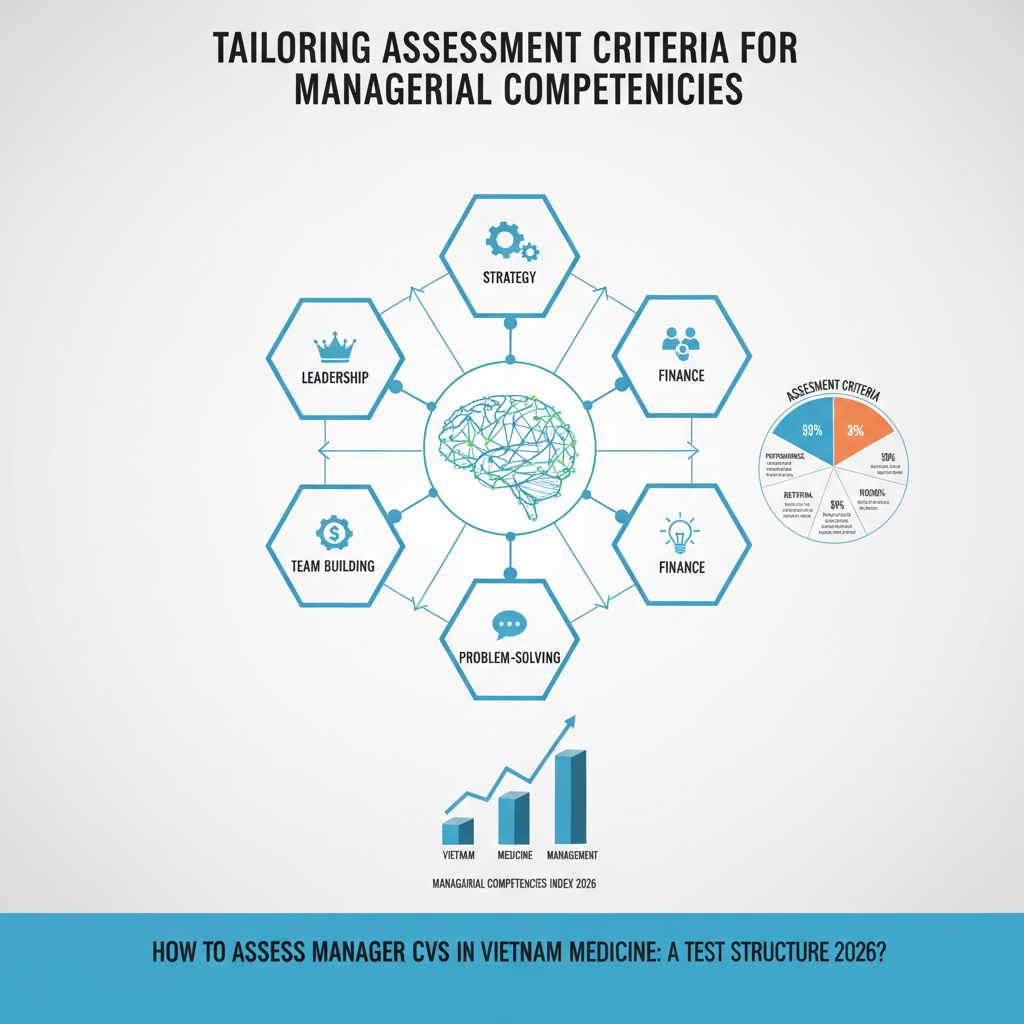
In the dynamic and highly specialized medical field in Vietnam, identifying and recruiting managers who possess exceptional leadership qualities, acute strategic thinking, and robust team management skills is paramount. This section details how to adapt the assessment structure to specifically identify these crucial attributes, ensuring that candidates are not only clinically proficient but also adept at navigating the complexities of medical administration. A refined test structure to assess Manager Level CVs in medicine field in vietnam is essential for pinpointing individuals who can drive innovation, foster collaboration, and enhance operational efficiency within healthcare organizations.
1. Evaluating Leadership & Strategic Planning Acumen
For medical management roles, the ability to lead and strategize effectively is non-negotiable. Assessments must delve beyond past achievements to uncover how candidates envision the future and inspire their teams. To evaluate leadership, interview processes should incorporate behavioral questions that prompt candidates to describe situations where they’ve led initiatives, resolved conflicts, or mentored team members. For instance, questions like “Describe a time you had to implement a significant change within your department. What was your strategy, and what was the outcome?” can reveal a candidate’s approach to change management and their capacity for influence.
Strategic planning acumen can be assessed through tailored case studies relevant to the Vietnamese healthcare context. These might involve scenarios such as expanding a clinic’s services into a new demographic, optimizing resource allocation for a hospital department, or responding to new government healthcare policies. Candidates should be asked to outline their strategic approach, identify potential challenges, and propose solutions, demonstrating their ability to think long-term, analyze market trends, and make informed decisions. Furthermore, evaluating their understanding of the local regulatory landscape and competitive environment is critical for effective strategic execution.
2. Assessing Team Management & Communication Skills
Effective team management and impeccable communication are the bedrock of successful medical leadership. A manager in the medical field must be able to foster a collaborative environment, manage diverse personalities, and ensure clear, concise communication across all levels—from clinical staff to administrative personnel and external stakeholders. To assess team management, consider group exercises or simulations where candidates work together to solve a medical administrative problem. Observers can gauge their ability to delegate, mediate, motivate, and contribute constructively.
Communication skills can be evaluated through various channels. Presentation exercises, where candidates explain a complex medical or operational plan to a hypothetical board or staff meeting, can reveal clarity, persuasive ability, and confidence. Role-playing scenarios, such as managing a difficult conversation with a subordinate or addressing a patient complaint, offer insights into empathy, active listening, and conflict resolution. Moreover, a critical part of the test structure to assess Manager Level CVs in medicine field in vietnam involves reviewing CVs for examples of successful team projects, inter-departmental collaborations, and leadership roles in cross-functional teams, providing tangible evidence of these vital competencies.
3. Identifying Problem-Solving & Decision-Making Abilities
Medical managers frequently encounter complex, high-stakes problems requiring swift and sound decisions. The assessment structure must therefore effectively unearth a candidate’s problem-solving and decision-making capabilities. This involves evaluating their analytical skills, ability to synthesize information under pressure, and their capacity for sound judgment. Situational judgment tests (SJTs) are highly effective here, presenting candidates with realistic workplace dilemmas and asking them to choose the most appropriate course of action from a set of options, or to describe their own approach. This method can highlight their ethical compass and practical wisdom.
Complex case studies, specifically designed to reflect challenges unique to the Vietnamese medical landscape—such as navigating supply chain disruptions for critical medicines, managing a sudden public health crisis, or implementing new digital health technologies—can provide deep insights. Candidates should articulate their problem decomposition, data analysis, risk assessment, and decision rationale. Furthermore, structured interviews should include questions designed to explore past experiences where candidates faced significant problems, detailing the steps they took, the resources they utilized, and the ultimate outcomes. Understanding the cognitive biases that can affect decision-making and how candidates mitigate them is also a valuable area of exploration for a robust assessment. According to Harvard Business Review, effective decision-making is a cornerstone of strong leadership, underscoring its importance in the medical management context.
Implementing and Validating the Test Structure for Accuracy
Provides steps for deploying the assessment framework and ensuring its effectiveness, fairness, and reliability through rigorous validation processes.
1. Pilot Testing and Feedback Loops for Refinement
The successful deployment of a robust test structure to assess Manager Level CVs in medicine field in Vietnam hinges critically on thorough pilot testing. Before full-scale implementation, this phase involves applying the developed assessment framework to a representative sample of CVs. The primary objective is to evaluate the structure’s clarity, practicality, and consistency in real-world scenarios. A carefully selected pilot group, comprising a diverse range of anonymized CVs (both successful and less successful profiles), should be assessed by a small team of trained evaluators. This initial application allows for the identification of potential ambiguities in scoring rubrics, inconsistencies in interpretation, or unforeseen challenges in the assessment process itself.
Crucially, robust feedback loops must be established. Following the pilot assessment, detailed feedback should be solicited from all participating evaluators. Questions should focus on the ease of use of the framework, the clarity of criteria, the time required for assessment, and any subjective difficulties encountered. Quantitative data, such as inter-rater reliability scores (to measure agreement among assessors), should also be collected and analyzed. This data-driven and qualitative feedback is then used for iterative refinement. The test structure and its accompanying guidelines can then be adjusted, clarified, and optimized to enhance its accuracy, fairness, and efficiency, ensuring it is well-suited for the specific demands of evaluating medical manager CVs in the Vietnamese context.
2. Strategies for Mitigating Bias in CV Assessment
Even with a well-designed test structure to assess Manager Level CVs in medicine field in Vietnam, human biases can inadvertently compromise the fairness and accuracy of the assessment process. Unconscious biases, such as the halo effect, affinity bias, confirmation bias, or recency bias, can lead assessors to favor certain candidates over others based on irrelevant criteria or initial impressions. Mitigating these biases is paramount to ensuring equitable and objective evaluation.
Effective strategies begin with comprehensive training for all assessors involved. This training should raise awareness of common biases and provide practical techniques for conscious mitigation during CV review. Implementing a standardized, detailed scoring rubric is fundamental, as it forces evaluators to focus on predefined, objective criteria rather than subjective feelings. Furthermore, blind review processes, where personal identifying information (names, photos, dates of birth, potentially university names if they carry strong regional biases) is redacted from CVs, can significantly reduce bias associated with demographics or background. Utilizing multiple independent assessors for each CV, followed by a consensus meeting or averaging of scores, also helps to dilute individual biases. Regularly auditing the assessment outcomes against diversity metrics and performance indicators post-hire can identify persistent biases that require further intervention. Understanding and actively addressing unconscious bias is critical for a truly fair and effective hiring process.
3. Continuous Improvement and Adaptation of the Framework
The validation of any assessment framework, including the test structure to assess Manager Level CVs in medicine field in Vietnam, is not a one-time event but an ongoing process. The dynamic nature of the medical sector in Vietnam, evolving job requirements for manager-level roles, and changes in recruitment best practices necessitate continuous monitoring and adaptation of the assessment framework. Regular reviews are essential to ensure its sustained relevance, predictive validity, and fairness.
This continuous improvement cycle involves several key activities. Firstly, tracking the performance of candidates hired using the framework is crucial. Data on job performance, retention rates, and career progression can provide invaluable insights into the predictive accuracy of the CV assessment. Discrepancies between high assessment scores and poor job performance, or vice-versa, would signal areas where the framework might need adjustment. Secondly, periodic re-evaluation of the criteria and rubrics against current industry standards and the specific strategic goals of medical organizations in Vietnam is vital. As the landscape shifts, so too must the assessment’s focus. Finally, gathering ongoing feedback from both hiring managers and candidates about their experience with the assessment process can highlight practical issues and foster trust. Embracing this adaptive mindset ensures that the test structure remains a reliable, effective, and compliant tool for identifying top-tier manager talent in the Vietnamese medical field, contributing to long-term organizational success.
Future-Proofing Your Hiring: Trends for 2026 and Beyond
The landscape of medical management and talent acquisition is undergoing a transformative shift. As we look towards 2026 and beyond, emerging technologies and evolving candidate expectations will profoundly influence how organizations identify, assess, and secure top talent, particularly for critical manager-level roles. This section explores these pivotal trends, offering insights into how to refine your CV assessment and recruitment strategies to remain competitive in Vietnam’s dynamic medical sector.

1. Role of AI & Machine Learning in Recruitment
Artificial Intelligence (AI) and Machine Learning (ML) are rapidly transitioning from buzzwords to indispensable tools in the recruitment arena. By 2026, their influence will be pervasive, particularly in initial CV screening and candidate matching. AI algorithms can swiftly analyze vast quantities of CV data, identifying keywords, experience alignment, and educational qualifications that perfectly match job descriptions for medical management positions. This automation drastically reduces the manual workload, allowing recruiters to focus on more strategic aspects of talent acquisition.
Beyond initial screening, AI-powered tools will assist in predicting candidate success by analyzing historical data of high-performing managers. They can flag potential biases in traditional screening methods, promoting more equitable hiring practices. For instance, AI can help in evaluating a candidate’s career progression patterns and achievements against industry benchmarks, offering a data-driven perspective on their potential fit for a leadership role in a Vietnamese healthcare setting. The challenge, however, will be to ensure these systems are trained on diverse and relevant datasets to avoid perpetuating existing biases. Future recruitment platforms will integrate advanced analytics to not only identify skills but also assess cultural fit and leadership potential, moving beyond simple keyword matching to a holistic candidate profile evaluation. According to a report by PwC, 72% of companies believe AI will be the business advantage of the future, highlighting its inevitable integration into core HR functions, including recruitment.
2. Growing Focus on Soft Skills and Emotional Intelligence
While technical proficiency remains crucial for medical managers, the demand for soft skills and emotional intelligence (EQ) is skyrocketing. In complex healthcare environments, effective leadership hinges on abilities such as communication, collaboration, adaptability, problem-solving, and empathy. For manager-level CVs in the medicine field in Vietnam, the emphasis will shift from merely listing achievements to demonstrating how those achievements were accomplished through strong interpersonal and leadership qualities.
Recruiters will increasingly look for evidence of successful team leadership, conflict resolution, and change management experiences. Techniques for assessing these less tangible skills will evolve, moving beyond traditional interviews to include behavioral assessments, situational judgment tests, and even AI-powered analysis of communication styles in video interviews. Organizations will seek candidates who can inspire and motivate diverse teams, navigate challenging ethical dilemmas, and foster a positive work environment—all hallmarks of high emotional intelligence. Developing a robust Test structure to assess Manager Level CVs in medicine field in Vietnam that effectively uncovers these critical soft skills will be paramount for identifying true leaders who can drive innovation and maintain high standards of patient care.
3. Anticipating Healthcare Sector Evolution in Vietnam
Vietnam’s healthcare sector is undergoing rapid transformation, driven by factors such as an aging population, rising non-communicable diseases, increased private investment, and a growing demand for specialized medical services. These changes will significantly impact the skill sets required for medical managers. Future leaders will need a deep understanding of digital health technologies (telemedicine, EMR systems), health economics, international quality standards, and patient-centric care models.
Recruitment strategies must anticipate these shifts. CVs for manager roles will be scrutinized for experience in digital transformation initiatives, quality improvement projects, or working within international healthcare frameworks. Expertise in navigating regulatory changes and understanding the specific nuances of the Vietnamese healthcare policy landscape will also be highly valued. For organizations aiming to future-proof their hiring, it’s essential to proactively research and understand the evolving needs of the sector, ensuring that the Test structure to assess Manager Level CVs in medicine field in Vietnam is continuously updated to reflect these emerging requirements. Identifying candidates who demonstrate foresight, adaptability, and a commitment to continuous learning will be key to building resilient leadership teams capable of steering medical organizations through future challenges and opportunities in Vietnam.
Partner with Shelby Global
You are looking for reliable HR Sevice Suppliers? Contact Shelby Global Now! To connect with verified talents and upgrade your orginization.
—————————————
References
– Vietnam’s Pharmaceutical Industry: Latest Policies and Regulations: https://www.aseanbriefing.com/news/vietnams-pharmaceutical-industry-latest-policies-regulations/
– developing a comprehensive performance management system: https://www.shrm.org/resources-and-tools/tools-and-samples/how-to-guides/how-to-develop-a-performance-management-system/
– Harvard Business Review on Decision Making: https://hbr.org/topic/decision-making
– :
– PwC: The Global AI Study: https://www.pwc.com/gx/en/issues/analytics/future-of-ai.html