
Understanding Singapore’s Current Beauty Risk Landscape
Singapore’s beauty sector is a thriving, dynamic industry, continually evolving with new technologies, trends, and consumer demands. From aesthetic treatments to daily skincare, the market offers a vast array of options. However, beneath this vibrant surface lies a complex landscape of risks that both consumers and businesses must navigate. A comprehensive understanding of these challenges is crucial for fostering a safer environment and ensuring sustainable growth. This trend report of the risk of beauty field in singapore highlights the critical areas where vigilance and regulation are paramount. The pursuit of beauty often comes with the implicit trust in practitioners and products, yet this trust can be misplaced, leading to adverse outcomes ranging from minor irritations to severe medical complications. Addressing these risks requires a multi-faceted approach involving robust regulation, consumer education, and industry best practices.
1. Prevalence of Unauthorized Procedures and Products
One of the most significant threats in Singapore’s beauty landscape stems from the proliferation of unauthorized procedures and unregulated products. Consumers, often lured by lower prices or promises of quick, dramatic results, may unknowingly engage with unlicensed practitioners operating outside established safety and hygiene protocols. These individuals frequently lack the necessary medical qualifications, training, and equipment to perform intricate aesthetic procedures safely, such as dermal fillers, botulinum toxin injections, or advanced laser treatments. The use of non-medical grade or counterfeit products further exacerbates this danger, as their composition and sterility are often questionable, leading to unpredictable and potentially harmful reactions. The Ministry of Health (MOH) and the Health Sciences Authority (HSA) regularly issue warnings and take enforcement actions against such illicit activities, emphasizing the serious health consequences, including infections, scarring, disfigurement, and even systemic health issues. For instance, the Health Sciences Authority (HSA) frequently seizes illegal health products, underscoring the ongoing battle against these dangerous goods. This pervasive issue creates a significant blind spot for consumers, making it challenging to differentiate between legitimate and illegitimate services without proper research and awareness.
2. Common Adverse Reactions and Complications
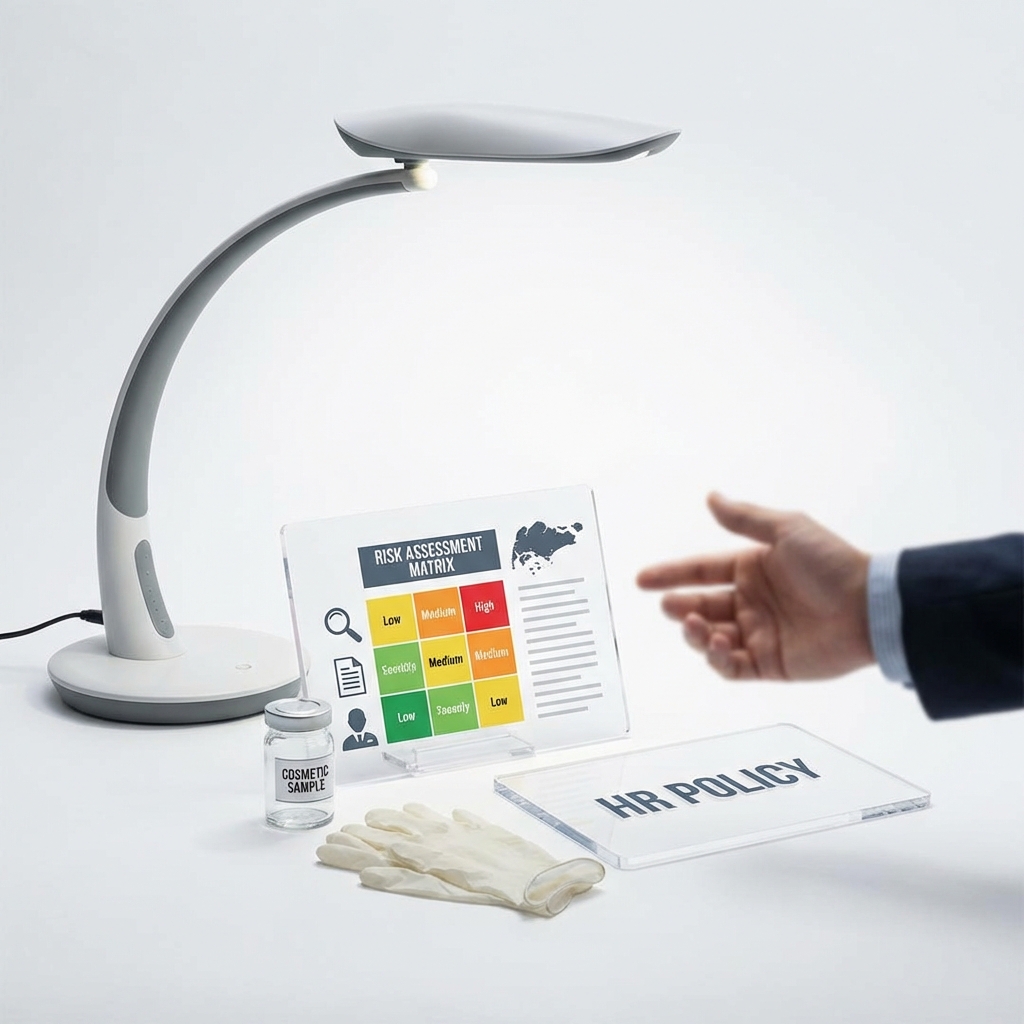
The consequence of engaging in risky beauty practices or using unsafe products manifests in a range of adverse reactions and complications. These can vary significantly in severity, from mild and temporary discomfort to chronic, life-altering conditions. Common reactions include skin irritations, allergic reactions, rashes, swelling, and bruising, particularly from improperly administered topical treatments or untested ingredients. More severe complications arising from unauthorized invasive procedures can include infections at injection sites, granulomas, necrosis (tissue death), nerve damage, and severe allergic shock. In extreme cases, vision impairment or even blindness has been reported following incorrectly administered facial fillers. These complications often necessitate extensive medical intervention, including reconstructive surgery or prolonged dermatological treatments, imposing significant financial and emotional burdens on affected individuals. The lack of proper aftercare advice or the inability to seek redress from unlicensed operators further compounds the distress, highlighting the critical need for consumers to prioritize safety and verify credentials before undergoing any beauty procedure. Understanding the potential for these complications is a key aspect of assessing the risk of beauty field in Singapore.
3. Impact of Social Media on Risk Perception
Social media platforms have undeniably transformed the beauty industry, offering unprecedented access to trends, products, and aesthetic ideals. However, this omnipresence also carries significant risks, particularly in shaping consumer perceptions and behaviors. Influencers and content creators, often without professional qualifications, frequently promote various beauty procedures and products, sometimes without fully disclosing potential risks or sponsored affiliations. This can create unrealistic expectations about outcomes and downplay the potential dangers, leading followers to seek out similar treatments without adequate research. The viral nature of certain beauty “hacks” or DIY remedies, shared extensively online, can be particularly hazardous if they involve unverified techniques or harmful ingredients. While social media also serves as a critical platform for raising awareness and sharing cautionary tales, the sheer volume of information, coupled with the difficulty of discerning credible sources, means that navigating this digital landscape requires a high degree of media literacy and critical thinking from consumers to effectively mitigate risks in the ever-evolving the trend report of the risk of beauty field in Singapore.
Emerging Trends & Technologies: New Frontiers of Risk
The dynamic landscape of Singapore’s beauty industry is continually reshaped by groundbreaking innovations, from sophisticated AI applications to advanced aesthetic treatments and accessible home-use devices. While these advancements promise unprecedented personalization and convenience, they simultaneously unveil a complex array of novel risks. For consumers, businesses, and regulators alike, understanding these evolving threats is crucial. This section provides a forward-looking perspective essential for any comprehensive trend report of the risk of beauty field in Singapore, examining how technological integration and shifting consumer habits introduce unforeseen challenges.
-
AI-driven Personalization and Data Privacy Concerns
Artificial intelligence (AI) is rapidly transforming beauty, offering bespoke experiences from AI-powered skin analysis to virtual try-ons. This hyper-personalization, however, hinges on intensive data collection, including facial scans, biometric information, and personal preferences. While attractive, this practice raises significant data privacy concerns for Singaporean consumers.
The collection, storage, and processing of such sensitive information create critical questions about data security and ethical use. The risk of cyber breaches, identity theft, or unauthorized sale of personal biometric profiles is a growing concern. Furthermore, algorithms might inadvertently perpetuate biases. Adapting existing data protection frameworks, like Singapore’s Personal Data Protection Act (PDPA), to address AI’s nuances in beauty is an ongoing challenge. Companies must prioritize transparent data policies, robust cybersecurity, and explicit user consent, ensuring personalization doesn’t compromise trust or privacy. A detailed trend report of the risk of beauty field in Singapore must highlight these digital vulnerabilities.
-
Non-Invasive Aesthetic Device Safety
Singapore has seen an explosion in non-invasive aesthetic treatments like HIFU, RF skin tightening, and laser therapies. These procedures promise dramatic results without surgery downtime, appealing to a broad demographic. However, their perceived simplicity often masks significant risks, particularly when conducted improperly or with unregulated devices.
Dangers stem from unqualified practitioners, counterfeit or substandard devices, and insufficient regulatory oversight. Burns, scarring, infections, and allergic reactions are not uncommon if operators lack training or adhere to poor hygiene. While Singapore’s Health Sciences Authority (HSA) regulates medical devices, the line between cosmetic and medical-grade devices can blur. Ensuring only qualified professionals operate certified, safe equipment is paramount. Singapore’s commitment to consumer safety dictates continuous review of regulatory frameworks. Businesses must adhere strictly to established guidelines. For more on device regulations, refer to the Health Sciences Authority’s Medical Device Regulations. This is critical for any comprehensive trend report of the risk of beauty field in Singapore.
-
Rise of DIY and Home-Use Beauty Tools
The pandemic accelerated the trend of at-home beauty, fostering a robust market for DIY tools like LED masks, micro-needling rollers, and home laser hair removal. These promise professional-grade results at home, often at a lower cost. However, this accessibility comes with substantial risks.
The primary challenge is the user’s lack of professional training, understanding of proper usage, sanitation, and contraindications. Improper application can lead to irritation, infection, scarring, or even damage. The market is flooded with products, some poorly manufactured or lacking safety certifications. Without expert guidance, consumers might inadvertently harm their skin, exacerbate conditions, or use ineffective devices. Regulators face the challenge of monitoring this burgeoning home-use market where traditional oversight is harder. Education on safe usage and purchasing reputable brands is vital. A comprehensive understanding of these emerging risks is crucial for a complete trend report of the risk of beauty field in Singapore, emphasizing consumer education and product safety.
Regulatory Frameworks & Enforcement in Singapore
Singapore, renowned for its stringent regulatory environment, extends its meticulous oversight to the beauty field, safeguarding consumer health and fair trade practices. With a burgeoning market for cosmetics, aesthetic treatments, and wellness products, effective regulatory frameworks are paramount in managing and mitigating potential risks. This deep dive explores the crucial role of government bodies and existing regulations in ensuring the safety, efficacy, and ethical marketing of beauty products and services within the city-state. For a broader understanding of market dynamics, consider reading more on the trend report of the risk of beauty field in singapore. The emphasis on cosmetic product safety and consumer protection in beauty is a cornerstone of Singapore’s approach, reflecting a proactive stance against potential hazards and misinformation in this rapidly evolving industry.
1. Health Sciences Authority (HSA) Guidelines and Oversight
At the forefront of regulatory compliance for beauty businesses in Singapore is the Health Sciences Authority (HSA). Operating under the Ministry of Health, the HSA is the primary regulatory body responsible for ensuring the safety and quality of health products, including cosmetics. Unlike pharmaceutical products which require pre-market approval, cosmetics generally operate under a notification scheme. Manufacturers and importers are required to notify the HSA before placing cosmetic products on the market. This notification process ensures that products comply with the ASEAN Cosmetic Directive (ACD), which Singapore is a signatory to. The ACD harmonizes cosmetic regulations across Southeast Asia, outlining ingredients that are prohibited, restricted, or allowed, and setting standards for labeling and good manufacturing practices.
The HSA’s oversight extends beyond mere notification. It actively conducts post-market surveillance, carrying out inspections, sampling products, and testing them for harmful or prohibited substances. In cases of non-compliance, the HSA has the power to issue product recalls, seize illegal products, and prosecute offenders. This robust enforcement mechanism is crucial in addressing risks like contaminated products, undeclared potent ingredients, or those containing banned substances that could pose serious health threats. Furthermore, the HSA maintains a system for reporting adverse events, encouraging both consumers and businesses to flag any untoward reactions or issues related to cosmetic use, which directly contributes to enhanced cosmetic product safety and allows for prompt product recalls and adverse events management. For more detailed information on HSA’s regulatory frameworks, visit their official website on cosmetic product regulations.
2. Advertising Standards and Misleading Claims
In a competitive beauty market, the allure of exaggerated claims can be tempting for businesses. However, Singapore has clear guidelines to prevent misleading advertising and protect consumers from false promises. The HSA, in conjunction with the Advertising Standards Authority of Singapore (ASAS), plays a pivotal role in monitoring and regulating claims made about beauty products and services. Advertisements must be truthful, accurate, and not misleading, especially concerning product efficacy, safety, or origin. Claims that suggest therapeutic effects (e.g., treating medical conditions) for cosmetic products are strictly prohibited, as cosmetics are defined to primarily cleanse, beautify, promote attractiveness, or alter appearance, not to treat or prevent disease.
ASAS, an independent advisory council, handles consumer complaints about misleading advertisements across various sectors, including beauty. While it does not have legal enforcement powers, its recommendations are widely respected, and non-compliance can lead to media bans and reputational damage. Beyond general advertising principles, specific regulations under the Medicines Act and Poisons Act also govern claims made about certain ingredients or products that straddle the line between cosmetics and health products. The rise of online beauty product risks and social media marketing has presented new challenges, requiring constant vigilance to ensure that influencers and brands adhere to ethical advertising practices. This multi-pronged approach reinforces consumer protection in beauty by empowering consumers with accurate information and holding advertisers accountable.
3. Challenges in Cross-Border Product Regulation
The globalized nature of the beauty industry, particularly the rise of e-commerce, presents significant challenges to effective regulation in Singapore. Consumers often purchase beauty products from international online retailers, independent sellers on social media, or through parallel imports. These products may not have undergone the same rigorous checks as those officially imported and notified to the HSA. The origin of ingredients, manufacturing standards, and labeling compliance can be difficult to verify, leading to potential risks from counterfeit products, unapproved substances, or incorrect usage instructions.
The HSA actively monitors online beauty product risks and issues public advisories on dangerous or unapproved products, particularly those marketed online. However, the sheer volume of cross-border transactions makes comprehensive enforcement a formidable task. Collaboration with international regulatory bodies and e-commerce platforms is essential to stem the flow of illicit or substandard products. Furthermore, educating consumers about the dangers of buying from unverified sources and encouraging them to look for products notified to the HSA is a critical aspect of mitigating these risks. The challenges in tracking and regulating products once they cross borders necessitate a continuous evolution of regulatory strategies, alongside public awareness campaigns about potential health hazards and the importance of ensuring products have undergone proper regulatory compliance for beauty businesses. The issue of product recalls and adverse events originating from such unregulated channels remains a constant concern, highlighting the need for vigilance from both regulators and consumers.
Consumer Awareness & Empowerment in Risk Mitigation
In an era where the beauty industry in Singapore thrives on innovation and diverse offerings, the onus of ensuring safety increasingly shifts towards informed consumer choices. Understanding the landscape of potential hazards is crucial for personal well-being and for fostering a responsible market. This section delves into the consumer’s pivotal role in proactively identifying and circumventing risks within the beauty field, alongside detailing the resources available for robust protection and effective redress. The insights presented here align with and complement the trend report of the risk of beauty field in singapore, underscoring the necessity for heightened vigilance and empowerment among individuals navigating this dynamic sector.
1. Educating Consumers on Product Ingredient Safety
The first line of defense against adverse reactions and ineffective products lies in a consumer’s ability to scrutinize what they apply to their skin or hair. With a global market flooding Singapore with countless beauty products, understanding ingredient lists has never been more critical. Consumers must move beyond marketing hype and cultivate an awareness of common allergens, irritants, and potentially harmful substances like certain parabens, phthalates, and synthetic fragrances. Prioritizing ingredient transparency beauty is key, often facilitated by resources from authoritative bodies like the Health Sciences Authority (HSA) in Singapore which provide guidelines and information on restricted or prohibited ingredients, empowering consumers to make safer choices. Engaging with reliable consumer review platforms and seeking out products with clear, comprehensive ingredient disclosures contributes significantly to Singapore beauty product safety. Furthermore, understanding the difference between ‘natural’ and ‘safe’ is paramount, as even natural ingredients can cause adverse reactions. This proactive approach to ingredient knowledge is a cornerstone of responsible consumption in the beauty industry.
2. Identifying Red Flags in Beauty Services and Clinics
Beyond products, the rapidly expanding sector of beauty services—ranging from aesthetic treatments to nail salons and spas—presents its own set of unique risks. Consumers seeking treatments in Singapore should be acutely aware of “red flags” that indicate potential dangers or substandard practices. These can include practitioners who lack proper certifications or training, unhygienic environments, non-sterile equipment, or facilities that appear unprofessional or poorly maintained. Unrealistic promises, aggressive sales tactics for expensive packages, or a lack of clear communication regarding potential side effects are also serious indicators to heed. Before committing to any service, it’s vital to research the clinic or salon’s reputation, check for verifiable credentials of the service providers, and ensure they adhere to Singapore’s health and safety regulations. Prioritizing reputable establishments that operate with transparency and professionalism significantly mitigates beauty service risks Singapore. A well-informed consumer actively seeks proof of expertise and ensures the service provider is licensed where applicable, contributing to their own consumer protection beauty Singapore journey.
3. Channels for Reporting Adverse Events and Complaints
Despite best efforts, consumers may still encounter issues, whether it’s an adverse reaction to a product or dissatisfaction with a beauty service. Recognizing the available avenues for reporting is essential for both personal redress and for contributing to broader market safety. In Singapore, several key channels exist. For adverse events related to beauty products (e.g., severe allergic reactions, burns), consumers should promptly report to the Health Sciences Authority (HSA). HSA investigates such incidents to ensure product compliance and public safety. For complaints concerning beauty services, pricing disputes, or misleading claims, the Consumers Association of Singapore (CASE) is a primary recourse. CASE provides mediation services and advice to help consumers resolve disputes with businesses. Documenting all relevant information, such as product details, receipts, communication with the service provider, and photographic evidence, is crucial before initiating a report. This proactive approach to reporting beauty complaints Singapore not only assists the individual but also helps regulatory bodies identify emerging trends and take necessary enforcement actions, ultimately enhancing overall consumer trust and safety in the beauty sector. The collective action of reporting plays a vital role in shaping a safer and more transparent industry.
Strategic Outlook: Navigating the Future of Beauty Safety by 2026
As Singapore’s vibrant beauty industry continues its rapid growth, ensuring consumer safety remains paramount. Proactive measures are essential to mitigate emerging risks and foster an environment of trust and well-being. This strategic outlook provides projections and recommendations for stakeholders – including regulators, businesses, and consumers – to proactively address future challenges and cultivate a safer beauty landscape by 2026. Understanding the trend report of the risk of beauty field in Singapore is crucial for this forward-looking approach, preparing all parties for the evolving complexities of cosmetic and aesthetic services.
The next few years will see a confluence of factors, from rapid technological advancements to shifting consumer expectations, all impacting beauty safety in Singapore. Stakeholders must adopt a multi-faceted strategy that blends stringent oversight with innovative solutions and collaborative action to stay ahead of potential hazards and safeguard public health.
1. Anticipated Regulatory Changes and Industry Standards
By 2026, Singapore’s regulatory framework for beauty products and services is expected to evolve, becoming more agile and responsive to global trends and local needs. We anticipate a greater emphasis on pre-market assessment for certain high-risk beauty treatments and devices, moving beyond the current post-market surveillance model for some categories. The Health Sciences Authority (HSA) will likely enhance its guidelines for novel ingredients and aesthetic procedures, particularly those involving advanced technologies like nanotechnology or genetic material, to ensure their safety and efficacy are rigorously proven before widespread adoption. Furthermore, there will be a push for greater transparency in ingredient listing and product claims, empowering consumers with more accurate information. Industry standards will also tighten, with professional bodies setting stricter benchmarks for practitioner training, facility hygiene, and equipment maintenance. Businesses should prepare for these shifts by investing in robust compliance frameworks, regular staff training, and continuous monitoring of international best practices. Adherence to new standards, potentially mirroring or adapting elements from major global regulatory bodies, will not only ensure compliance but also build stronger consumer confidence in Singapore’s beauty sector. For instance, understanding the comprehensive regulations set by bodies like the European Union for cosmetic products offers a benchmark for high safety standards, influencing EU cosmetic product safety assessments that could inform future Singaporean policy.
2. Technological Solutions for Enhanced Safety
Technology will play a pivotal role in elevating beauty safety in Singapore. By 2026, we foresee wider adoption of advanced diagnostic tools that can assess skin conditions more accurately, reducing risks associated with unsuitable treatments. Artificial intelligence (AI) and machine learning (ML) applications are poised to revolutionize risk assessment, enabling predictive analytics to identify potential adverse reactions from cosmetic formulations even before they hit the market. These technologies can process vast datasets of ingredient interactions and consumer feedback, flagging potential allergens or irritants with unprecedented speed and precision. Blockchain technology may also emerge as a solution for supply chain transparency, allowing consumers and regulators to trace ingredients from source to shelf, thereby combating counterfeit products and ensuring authenticity. Furthermore, remote monitoring devices and telemedicine platforms could enhance post-treatment care, allowing practitioners to observe patient recovery and intervene promptly if complications arise. The integration of these digital tools will not only minimize human error but also provide a new layer of data-driven insights into product safety and efficacy, fortifying consumer protection across the beauty field in Singapore.
3. Collaborative Approaches for Industry-Wide Risk Reduction
Achieving a truly safer beauty environment by 2026 requires robust collaboration among all stakeholders. Regulators, industry associations, beauty businesses, and educational institutions must work synergistically. We anticipate the formation of more public-private partnerships aimed at developing unified guidelines, sharing best practices, and conducting joint research into beauty safety risks. For example, joint task forces could focus on specific areas like the safe application of advanced aesthetic technologies or the monitoring of emerging consumer trends that pose new safety challenges. Educational institutions will be key in professionalizing the beauty workforce, offering specialized training programs that incorporate the latest safety protocols and technological advancements. Consumer advocacy groups will also play a crucial role, providing feedback, raising awareness about potential risks, and promoting responsible consumption habits. Moreover, fostering an open culture of reporting adverse events will be critical; a centralized, accessible database for incident reporting, anonymized where appropriate, can provide invaluable data for trend analysis and rapid response. This collective intelligence, supported by proactive engagement and a shared commitment to excellence, will be instrumental in identifying and mitigating risks across the beauty field in Singapore, ensuring a safer and more trustworthy future for everyone.
Partner with Shelby Global
You are looking for reliable HR Sevice Suppliers? Contact Shelby Global Now! To connect with verified talents and upgrade your orginization.
—————————————
References
– Health Sciences Authority (HSA) frequently seizes illegal health products: https://www.hsa.gov.sg/news-events/press-releases/2023/counterfeit-and-unauthorised-health-products
– Health Sciences Authority’s Medical Device Regulations: https://www.hsa.gov.sg/medical-devices/for-manufacturers-importers-distributors/registration-and-licensing
– cosmetic product regulations: https://www.hsa.gov.sg/consumer-info/cosmetics/regulatory-framework
– Health Sciences Authority (HSA) Singapore – Consumer Safety on Cosmetics: https://www.hsa.gov.sg/consumer-safety/cosmetics
– EU cosmetic product safety assessments: https://health.ec.europa.eu/scientific-committees/scientific-committee-consumer-safety-sccs_en



































































































