
Introduction to Vietnam’s Retail Landscape
Vietnam’s retail landscape is undergoing a profound transformation, characterized by dynamic growth and an increasingly sophisticated consumer base. This vibrant market, driven by a young population, rising disposable incomes, and rapid urbanization, presents immense opportunities alongside unique challenges. As businesses look to capitalize on this burgeoning sector, understanding its intricate dynamics is paramount. This introductory section sets the stage for a comprehensive analysis of the risks within Vietnam’s retail field, offering essential context by outlining the current state, key growth drivers, and influential factors shaping this crucial economic pillar. For those keen to understand the evolving challenges, a detailed look into the future of this sector can be found in the trend report of the risk of Retail field in vietnam.
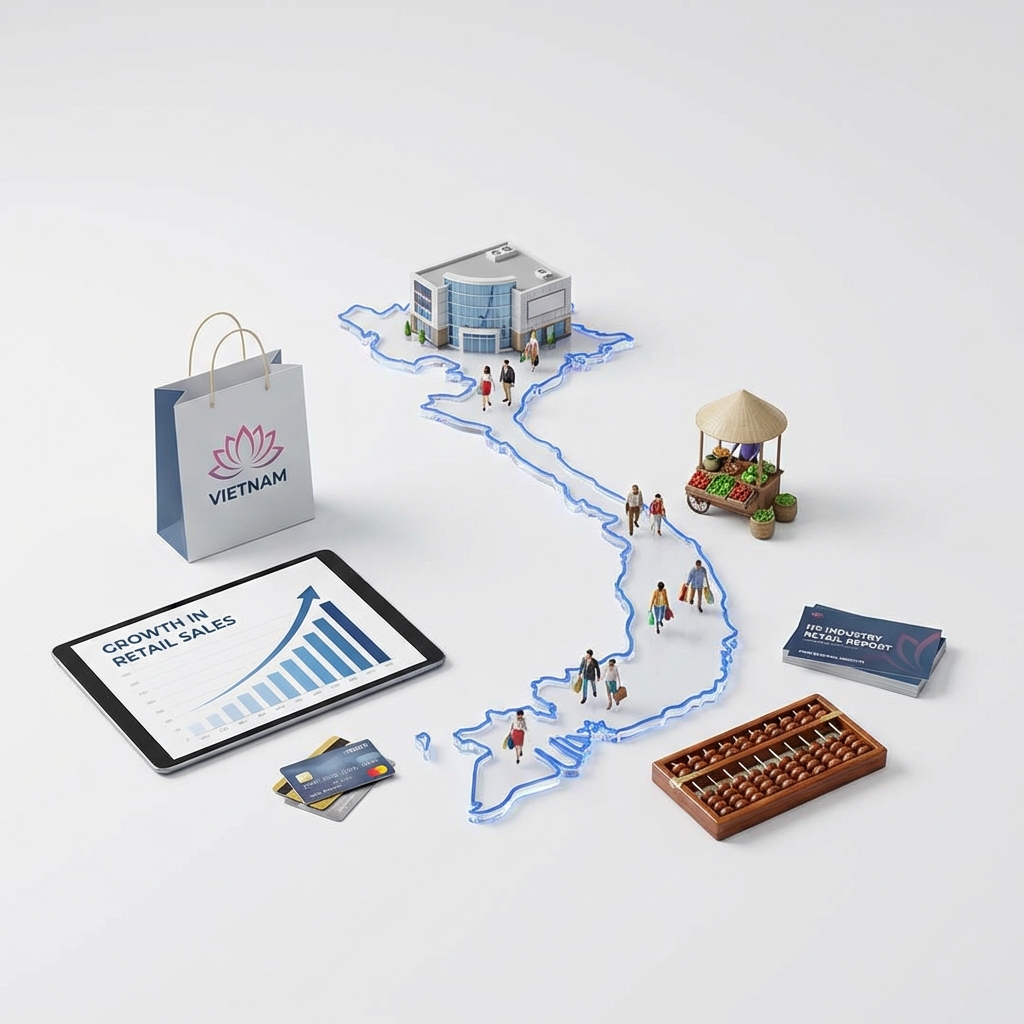
1. Vietnam Retail Market: Current State & Growth Drivers
The Vietnamese retail market stands as one of Southeast Asia’s most promising, consistently exhibiting impressive growth rates. Propelled by a large and youthful population of nearly 100 million, a growing middle class, and strong consumer spending, the sector has shown remarkable resilience. According to various economic reports, Vietnam’s GDP growth remains robust, supporting increased purchasing power. Key drivers include sustained economic stability, rapid urbanization trends, which concentrate consumers and facilitate retail development, and significant foreign direct investment (FDI) flowing into various sectors, including retail infrastructure and brands. The government’s continued focus on improving the business environment further fuels this expansion. This growth is not merely quantitative but also qualitative, with consumers increasingly demanding quality, convenience, and a diverse range of products, pushing retailers to innovate and adapt. The burgeoning e-commerce penetration further exemplifies the market’s dynamism, reshaping traditional retail models and offering new avenues for growth, albeit with their own set of risks.
2. Key Retail Segments: Modern vs. Traditional Channels
Vietnam’s retail landscape is characterized by a fascinating duality: the coexistence and evolution of both modern and traditional trade channels. Traditional retail, comprising wet markets, independent groceries, and mom-and-pop stores, still holds a significant share, particularly in rural areas and for daily necessities, often leveraging strong community ties. However, modern trade expansion is rapidly accelerating, driven by urbanization and changing consumer habits. This segment includes supermarkets, hypermarkets, convenience stores, shopping malls, and increasingly, specialized retail chains. The rapid expansion of modern trade is supported by significant investment from both domestic and international players, aiming to capture the growing urban consumer base. E-commerce platforms, representing the forefront of digital transformation, are blurring the lines between these segments, offering unparalleled reach and convenience. While modern trade offers structured environments and diversified product ranges, it also faces intense competition and the challenge of establishing efficient supply chain efficiency across a diverse geography. Understanding the interplay between these segments is crucial for any business navigating the Vietnamese competitive market.
3. Influential Regulatory & Economic Factors
The trajectory of Vietnam’s retail sector is heavily influenced by a confluence of regulatory and broader economic factors. The government’s pro-business policies, aimed at attracting foreign investment and stimulating domestic consumption, play a pivotal role. A stable regulatory framework, pertaining to foreign ownership, import duties, food safety standards, and intellectual property rights, directly impacts retail operations and market entry strategies. For instance, the ongoing efforts to streamline administrative procedures and enhance transparency contribute to a more predictable operating environment. Economically, factors such as sustained GDP growth, manageable inflation, and rising disposable income directly translate into increased purchasing power and higher consumer confidence. Global economic shifts and regional trade agreements also have ripple effects on supply chains and pricing strategies. Furthermore, Vietnam’s commitment to digital transformation, evidenced by initiatives supporting cashless payments and e-government services, underpins the rapid development of online retail. Navigating this complex regulatory framework and understanding the macroeconomic currents is essential for mitigating risks and capitalizing on the significant potential of Vietnam’s dynamic retail field.
Identifying Key Risks & Challenges in Retail
The Vietnamese retail sector, while boasting significant growth potential driven by a young population and rising disposable incomes, is not without its formidable obstacles. A comprehensive understanding of these challenges is crucial for businesses aiming to thrive in this dynamic market. This section delves into the primary threats and fundamental issues currently faced by retailers, offering insights gleaned from the trend report of the risk of Retail field in vietnam, categorizing them for clear understanding and strategic planning. Key among these are factors impacting consumer behavior, market dynamics, and operational efficiency, necessitating robust strategies for adaptation and resilience in a rapidly evolving landscape.
-
Economic Fluctuations & Consumer Spending Trends
Vietnam’s impressive economic growth over the past decades has propelled its retail landscape forward. However, the sector remains highly susceptible to global and domestic economic fluctuations. Inflationary pressures, for instance, directly erode consumer purchasing power, forcing a shift towards more value-oriented shopping and impacting non-essential retail categories. Changes in disposable income levels, driven by wage growth or economic downturns, dictate consumer spending patterns. A recent overview of Vietnam’s economic outlook highlights both opportunities and potential headwinds for the retail field. Retailers must meticulously monitor these macro-economic indicators, adjusting their pricing strategies, product assortments, and promotional activities accordingly. Furthermore, evolving consumer behavior, marked by a growing preference for experiential shopping, convenience, and digitally-enabled transactions, adds another layer of complexity. Brands that fail to adapt to these shifting consumer trends risk losing market share, making agility in responding to economic volatility and changing preferences paramount for sustained growth and ensuring brand loyalty.
-
Competitive Pressures & Market Fragmentation
The allure of the Vietnamese market has attracted a diverse array of players, from established international giants to agile local startups, intensifying competitive pressures across all retail segments. This influx contributes to significant market fragmentation, where traditional wet markets coexist with modern shopping malls, convenience stores, and rapidly expanding e-commerce platforms. Retailers face an uphill battle in differentiating their offerings amidst price wars and aggressive marketing campaigns. The rise of e-commerce growth, while opening new avenues, also introduces formidable e-commerce competition from online-only retailers and cross-border shopping, challenging brick-and-mortar stores to innovate. Building brand loyalty in such a crowded market requires not only competitive pricing but also superior customer service, unique product curation, and seamless omnichannel experiences. Companies must continually analyze the competitive landscape, identifying niches, leveraging technology for competitive advantage, and fostering strong brand identities to cut through the noise and capture consumer attention.
-
Supply Chain Vulnerabilities & Logistics Obstacles
Efficient supply chain management and robust logistics infrastructure are the backbone of a successful retail operation, yet they present significant challenges in Vietnam. Global events, such as pandemics or geopolitical tensions, have exposed the fragility of international supply chain vulnerabilities, leading to stockouts, delayed shipments, and increased operational costs. Domestically, while improving, Vietnam’s logistics network still faces obstacles, particularly concerning last-mile delivery in urban centers and reaching remote regions. Issues like traffic congestion, varied road quality, and complex customs procedures can inflate operational costs and impact delivery times. Furthermore, effective inventory management becomes critical to balance avoiding overstocking (leading to carrying costs and obsolescence) and understocking (resulting in lost sales and customer dissatisfaction). Retailers must invest in technology for supply chain visibility, explore diversified sourcing strategies, and forge strong partnerships with reliable logistics providers to mitigate these vulnerabilities. Enhancing supply chain resilience is not just about efficiency but also about ensuring consistent product availability and maintaining customer trust in an increasingly demanding market.
Emerging Trends Amplifying Retail Risks
Vietnam’s retail landscape is undergoing a dynamic transformation, fueled by rapid technological adoption and evolving consumer behaviors. While these shifts unlock unprecedented growth opportunities, they simultaneously introduce fresh layers of complexity and risk for Vietnamese retailers. Understanding these emerging challenges is crucial for developing resilient strategies and ensuring sustainable success. This section delves into critical trends that are not merely reshaping the market but actively amplifying the risk profile within the retail sector, necessitating a proactive and adaptive approach from businesses across the country. For a comprehensive overview, understanding the trend report of the risk of Retail field in vietnam is more important than ever.
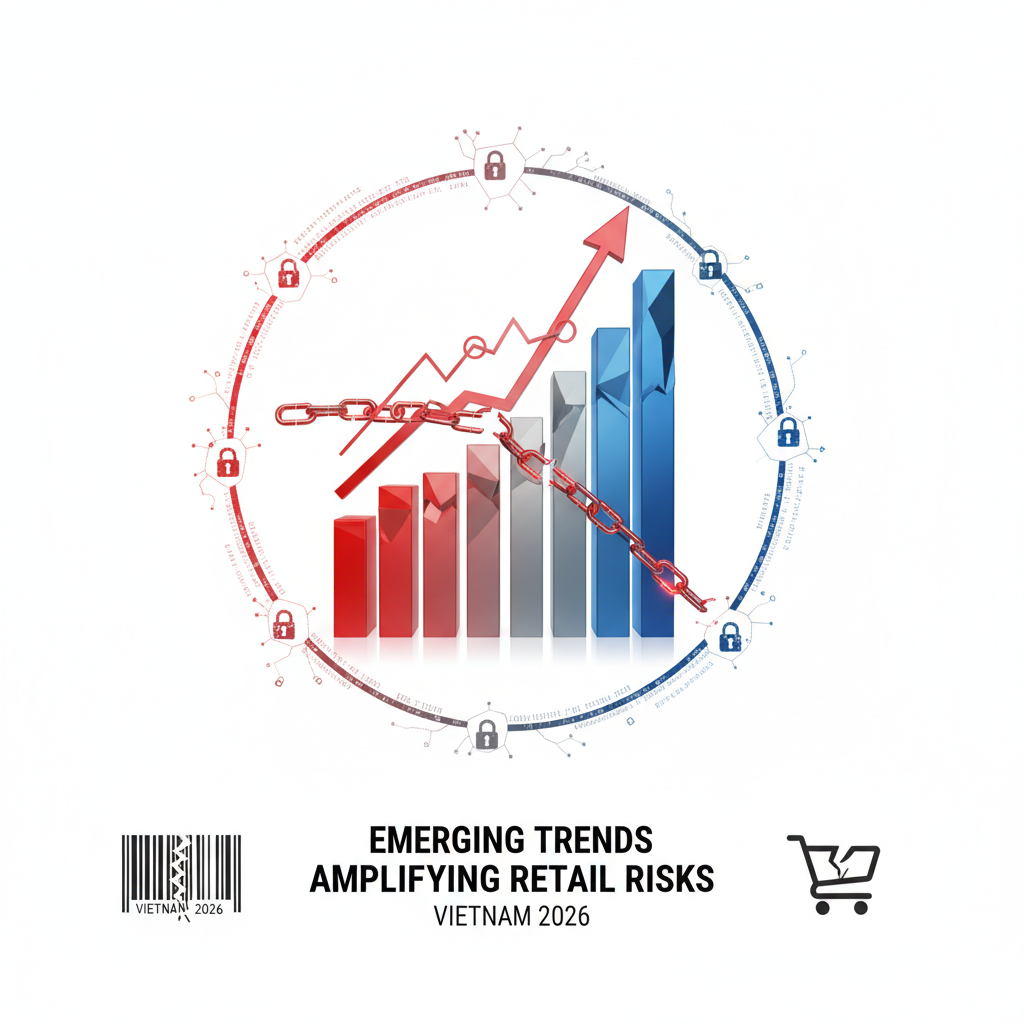
1. Digitalization Imperatives & Cybersecurity Concerns
The accelerated pace of digitalization has become non-negotiable for Vietnamese retailers aiming to stay competitive. From e-commerce platforms and mobile payment solutions to data analytics and AI-driven personalization, technology is now embedded in every facet of retail operations, as highlighted by the significant growth documented in the annual e-Conomy SEA 2023 report. However, this increased reliance on digital infrastructure inherently expands the attack surface for cyber threats. Retailers collect vast amounts of sensitive customer data, making them prime targets for data breaches, ransomware attacks, and phishing scams. A single security lapse can lead to significant financial losses, reputational damage, and a severe erosion of customer trust. Furthermore, many small and medium-sized retailers often lack the sophisticated cybersecurity infrastructure and skilled personnel to adequately defend against these evolving threats, making them particularly vulnerable. The imperative is clear: embrace digital transformation but with a robust and continuously updated cybersecurity framework.
2. Shifting Consumer Preferences & Brand Loyalty Dynamics
Modern Vietnamese consumers, particularly the younger demographic, exhibit increasingly sophisticated and fluid preferences. They demand seamless omnichannel experiences, personalized offerings, and brands that align with their values, such as sustainability and social responsibility. This shift directly impacts brand loyalty, which is becoming increasingly fragile. Consumers are more willing to switch brands if their expectations are not met, whether it’s due to poor online experience, slow delivery, or a lack of ethical practices. Social media platforms amplify both positive and negative experiences, meaning a single misstep can quickly go viral and damage a brand’s reputation. Retailers face the continuous challenge of understanding these evolving desires, adapting their product assortments, marketing strategies, and customer service models, all while striving to build authentic connections that foster lasting loyalty in a highly competitive market.
3. Workforce Challenges & Talent Acquisition
The rapid evolution of the retail sector also brings significant workforce challenges. As technology integrates deeper into operations, there’s a growing demand for new skill sets, including data analytics, digital marketing, e-commerce management, and cybersecurity expertise. Traditional retail roles are also transforming, requiring employees to be tech-savvy and customer-centric. Vietnamese retailers are grappling with a dual challenge: upskilling their existing workforce to meet these new demands and attracting new talent in a highly competitive job market. The scarcity of specialized skills, particularly in digital and data-related fields, makes talent acquisition costly and time-consuming. High employee turnover, especially in frontline positions, further exacerbates operational inefficiencies and impacts customer service quality. Addressing these workforce challenges through strategic training, competitive compensation, and attractive work environments is vital for retailers to mitigate operational risks and maintain service excellence. This focus on human capital is a critical component for any business navigating the modern retail landscape.
The Vietnamese retail sector stands at a crossroads, poised for continued growth yet simultaneously confronted by multifaceted risks stemming from digitalization, evolving consumer behaviors, and workforce dynamics. Successfully navigating these challenges requires not just reactive measures but proactive investment in technology, robust cybersecurity, deep consumer insights, and strategic human resource development. Retailers who embrace innovation, prioritize risk management, and foster adaptability will be best positioned to thrive amidst these emerging trends, transforming potential threats into opportunities for sustained market leadership in Vietnam’s vibrant economy.
Mitigating Risks & Unlocking Opportunities
The dynamic retail landscape in Vietnam presents both significant challenges and unparalleled growth prospects. To thrive, retailers must move beyond simply identifying risks outlined in the trend report of the risk of Retail field in vietnam and proactively implement actionable strategies to navigate these complexities. This section delves into innovative approaches to effectively manage identified risks, from supply chain vulnerabilities to evolving consumer behaviors, while simultaneously capitalizing on emerging market opportunities to secure long-term success.
1. Strategic Digital Transformation & Omnichannel Development
In a market characterized by a rapid e-commerce boom Vietnam, strategic digital transformation is no longer optional but essential. Retailers must invest in robust digital infrastructure to support seamless omnichannel experiences, integrating online and offline touchpoints. This involves leveraging advanced data analytics to understand changing consumer preferences, enabling the creation of personalized customer journeys that foster deeper engagement. Addressing concerns around digital payment security and data privacy concerns is paramount to building trust in this evolving digital ecosystem. Furthermore, exploring opportunities in cross-border e-commerce can unlock new revenue streams, expanding reach beyond domestic borders. By embracing mobile commerce and adopting AI-powered tools, businesses can optimize operations, enhance customer service, and stay competitive amidst fierce market competition Vietnam.
2. Building Resilient Supply Chains & Sourcing Diversification
The retail sector in Vietnam remains susceptible to supply chain disruptions, from global events to localized logistics infrastructure challenges. To mitigate these risks, retailers must prioritize building truly resilient supply chains. This involves diversifying sourcing channels, both domestically and internationally, reducing dependence on single suppliers or regions. Adopting advanced inventory management systems and real-time tracking can enhance visibility and responsiveness. Furthermore, local sourcing initiatives not only strengthen domestic economies but also reduce lead times and shipping costs, helping to combat the impact of inflationary pressures. Integrating sustainable practices into the supply chain, focusing on ethical sourcing and eco-friendly logistics, also contributes to sustainability in retail Vietnam, resonating with environmentally conscious consumers and bolstering brand reputation.
3. Enhancing Customer Engagement & Brand Trust
In a crowded market, fostering strong customer engagement and cultivating unwavering brand trust are critical differentiators. This goes beyond transactional interactions, focusing on creating meaningful relationships. Retailers must proactively respond to changing consumer preferences, offering relevant products and services, and delivering exceptional post-purchase support. Implementing effective brand loyalty strategies, such as personalized rewards programs and exclusive community access, can significantly reduce churn and encourage repeat business. Transparency in business practices, ethical sourcing, and clear communication on product origins and values are vital for building trust. Furthermore, investing in employee training and development is crucial for addressing talent acquisition retail challenges, ensuring that frontline staff are equipped to deliver outstanding service that reinforces the brand’s commitment to its customers. By consistently delivering on promises and engaging authentically, retailers can transform customers into loyal advocates.
Ultimately, navigating the complexities of Vietnam’s retail environment requires a proactive, multi-faceted strategy. By embracing digital transformation, fortifying supply chains, and prioritizing genuine customer engagement, retailers can not only mitigate inherent risks but also unlock a wealth of opportunities for sustainable growth and market leadership, as highlighted in comprehensive analyses like the aforementioned trend report of the risk of Retail field in Vietnam.
The Future of Vietnam Retail: Outlook to 2026
Vietnam’s retail sector is a dynamic powerhouse, poised for remarkable growth and transformation up to 2026. This forward-looking perspective offers a comprehensive forecast of the evolving retail landscape, identifying key trends, opportunities, and potential challenges. Understanding these shifts is crucial for developing strategic recommendations for sustainable growth and resilience in a market increasingly shaped by digital innovation, evolving consumer preferences, and a supportive economic climate. Navigating this exciting yet complex environment requires a keen eye on emerging patterns and a proactive approach to risk, making a trend report of the risk of Retail field in Vietnam an indispensable tool for stakeholders.
1. Projected Market Trajectories & Segment Growth
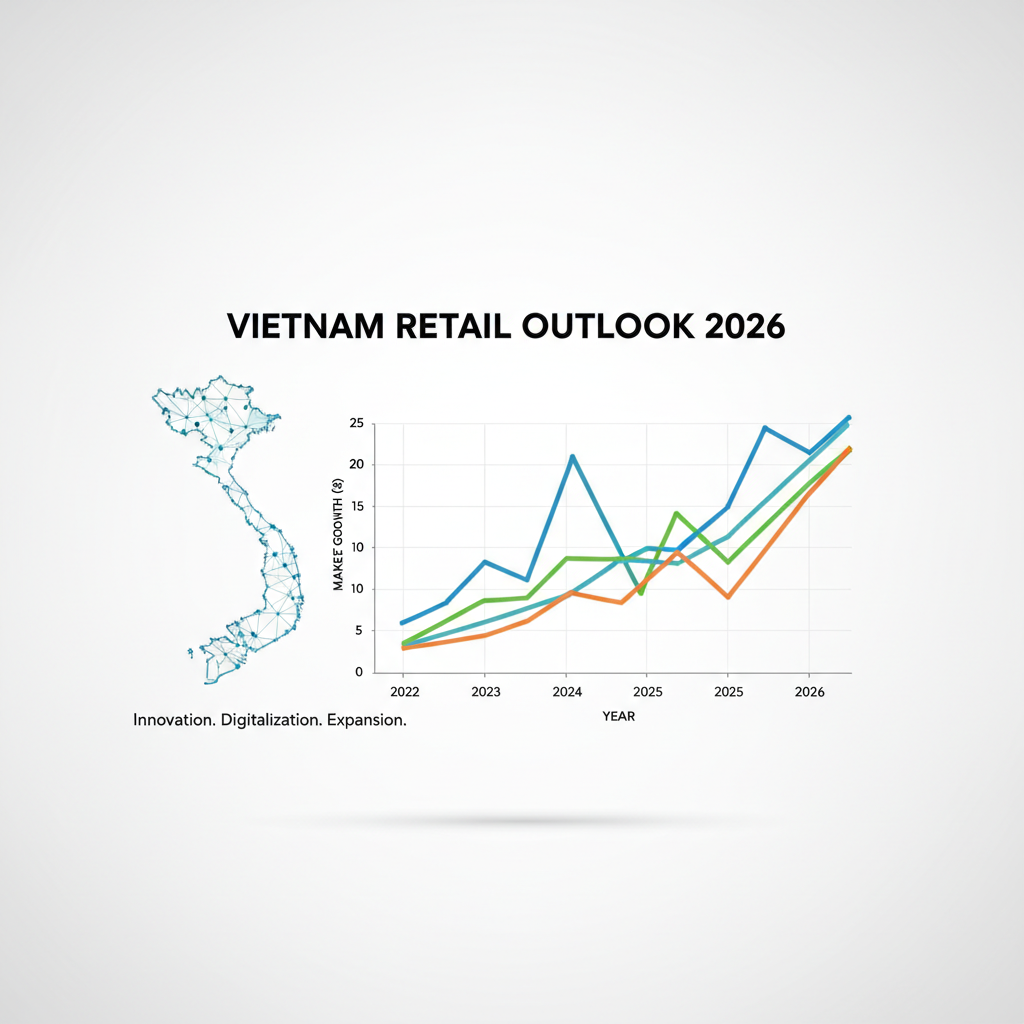
The Vietnamese retail market is expected to continue its robust expansion, driven primarily by a rapidly growing middle class, increasing disposable incomes, and accelerated urbanization. By 2026, Vietnam’s youthful population, coupled with high internet and smartphone penetration, will solidify its position as one of Southeast Asia’s most attractive retail destinations. E-commerce is projected to be a primary growth engine, with continued double-digit expansion fueled by improved logistics infrastructure, secure payment gateways, and the proliferation of social commerce platforms. This digital shift isn’t limited to online purchases; it’s also influencing offline retail, pushing traditional stores towards omnichannel models.
Key segments poised for significant growth include modern trade formats (supermarkets, hypermarkets, convenience stores), which are rapidly expanding beyond major cities into secondary and tertiary urban areas. Premium and imported goods are also experiencing surging demand as consumer aspirations rise, particularly in categories like fashion, electronics, and specialty foods. Furthermore, health and wellness products, sustainable goods, and personalized services will capture increasing market share as consumers become more discerning and health-conscious. The convergence of physical and digital retail, along with the rise of experiential shopping, will redefine consumer journeys.
2. Critical Recommendations for Retailer Success
To thrive in Vietnam’s competitive retail future, businesses must adopt multifaceted strategies. Firstly, **omnichannel integration** is no longer optional; it’s a necessity. Retailers must seamlessly blend online and offline experiences, allowing customers to research online, purchase in-store, or vice versa, with consistent branding and service across all touchpoints. Secondly, **data analytics and personalization** are paramount. Leveraging customer data to understand purchasing habits, preferences, and feedback will enable targeted marketing, customized product offerings, and enhanced customer loyalty programs. This data-driven approach will be key to unlocking granular insights into consumer behavior.
Thirdly, **supply chain resilience and agility** must be prioritized. Global disruptions have highlighted the vulnerabilities in traditional supply chains. Investing in localized sourcing, diversified supplier networks, and advanced inventory management systems will mitigate risks and ensure product availability. Fourthly, **sustainability and ethical practices** are gaining traction among Vietnamese consumers, particularly the younger demographic. Retailers who integrate eco-friendly products, sustainable packaging, and transparent supply chains into their operations will build stronger brand trust and appeal. Finally, continuous investment in **talent development** – particularly in digital skills, customer service, and logistics – will be crucial for maintaining a competitive edge. Staying abreast of market shifts through a comprehensive trend report of the risk of Retail field in Vietnam will empower retailers to adapt swiftly and strategically.
3. Government Policies & Investment Climate Impact
The Vietnamese government continues to play a pivotal role in shaping the retail sector’s future through supportive policies and an increasingly favorable investment climate. Initiatives aimed at digital transformation, such as encouraging cashless payments and developing e-commerce infrastructure, directly benefit retailers. Furthermore, ongoing efforts to streamline administrative procedures, enhance business transparency, and attract foreign direct investment (FDI) are creating a more conducive environment for both domestic and international players. Vietnam’s retail market outlook is buoyed by its consistent economic growth, which instills investor confidence.
Investments in infrastructure, including upgrades to roads, ports, and logistics hubs, are reducing operational costs and improving supply chain efficiency for retailers. While the market offers immense potential, retailers should also be mindful of evolving regulatory frameworks, increasing competition, and the need for compliance with local standards. Overall, the government’s commitment to fostering a stable and growth-oriented economy, coupled with its openness to foreign investment, positions Vietnam’s retail sector for sustained prosperity through 2026 and beyond. Strategic planning that considers these governmental and economic factors will be crucial for long-term success.
Partner with Shelby Global
You are looking for reliable HR Sevice Suppliers? Contact Shelby Global Now! To connect with verified talents and upgrade your orginization.
—————————————
References
– World Bank Report on Vietnam’s Economic Resilience: https://www.worldbank.org/en/news/press-release/2023/07/20/vietnam-economic-update-from-recovery-to-resilience
– overview of Vietnam’s economic outlook: https://www.worldbank.org/en/country/vietnam/overview
– e-Conomy SEA 2023 report by Google, Temasek, and Bain & Company: https://www.bain.com/insights/e-conomy-sea-2023-report/
– Vietnam E-commerce Market Outlook: https://www.statista.com/outlook/dmo/ecommerce/vietnam
– Vietnam’s Retail Market Outlook: Opportunities and Challenges: https://www.vietnam-briefing.com/news/vietnams-retail-market-outlook-opportunities-and-challenges.html/