Overview: Vietnam’s Transportation Sector Landscape
This section introduces the critical role and current state of Vietnam’s transportation field, setting the context for understanding future risks and trends.
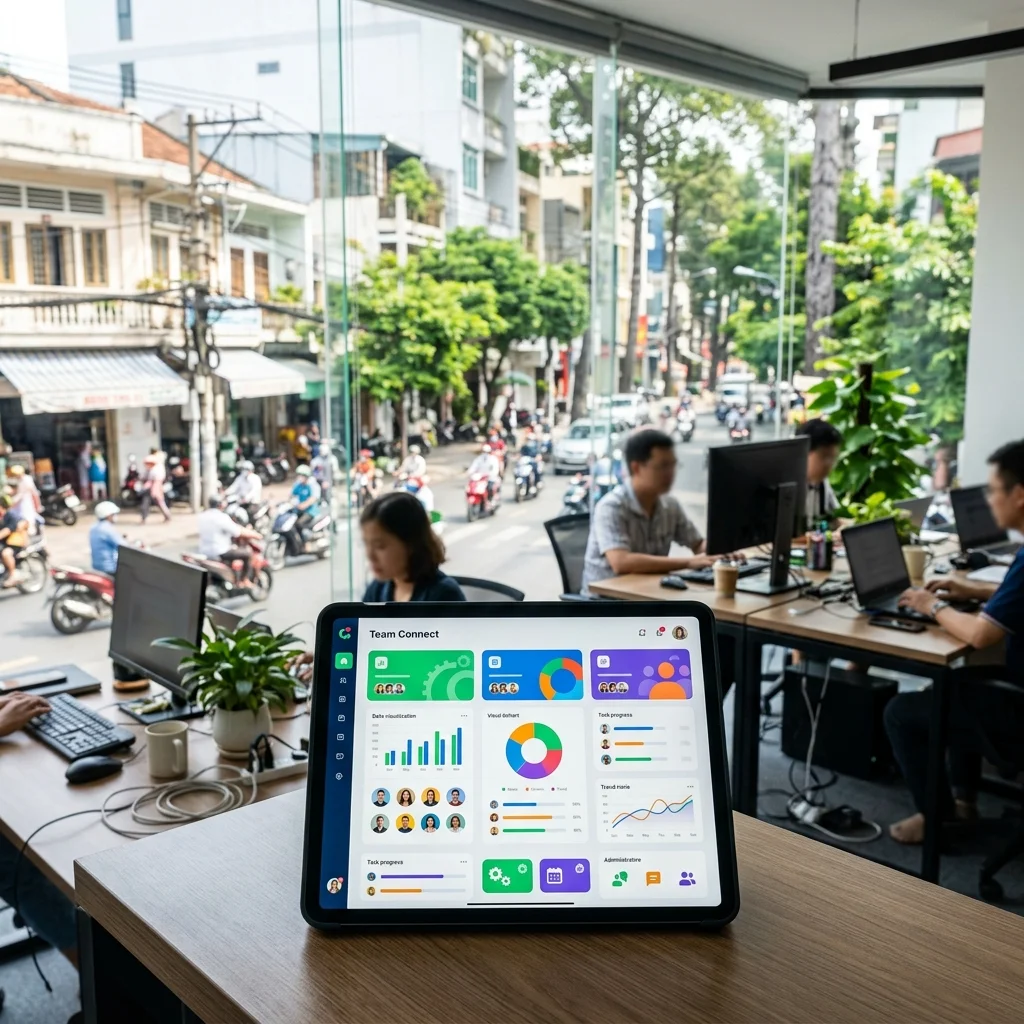
Vietnam’s rapid economic ascent over the past few decades has been inextricably linked to the robust development and strategic expansion of its transportation infrastructure. As a burgeoning manufacturing hub and a significant player in global trade, the efficiency and resilience of its logistics networks are paramount. This overview provides the foundational context for understanding the complex dynamics that shape the transportation field in Vietnam, paving the way for a deeper dive into the risks and opportunities outlined in the trend report of the risk of transportation field in vietnam for 2026.
1. The Economic Lifeline: Importance of Vietnam’s Transport Network
The transportation network in Vietnam serves as the backbone of its economic development. From bustling seaports facilitating international trade to an expanding road network connecting agricultural heartlands with urban markets, efficient transport is vital for maintaining competitive supply chains and attracting foreign direct investment. The logistics sector Vietnam, supported by robust infrastructure development Vietnam, directly impacts the cost and speed of goods movement, influencing export competitiveness and domestic market integration. This intricate web of roads, railways, airports, and maritime routes not only ensures the smooth flow of goods but also underpins tourism, facilitates regional connectivity, and enhances the overall quality of life for its citizens. Its importance as an economic lifeline cannot be overstated, making any disruptions or inefficiencies a significant concern for the nation’s sustained growth trajectory and economic development Vietnam.

2. Current Growth Trajectories and Infrastructure Development
Vietnam’s transportation sector has witnessed impressive growth, driven by sustained government investment and international partnerships. Major transport infrastructure projects are continually underway, reflecting the nation’s ambition to modernize and expand its capabilities. The road network Vietnam has seen significant upgrades with new expressways reducing travel times and improving connectivity between key economic zones. Simultaneously, maritime transport Vietnam, leveraging the country’s extensive coastline, continues to expand with investments in deep-water ports like Cai Mep-Thi Vai, positioning Vietnam as a crucial transshipment hub in Southeast Asia. Air travel Vietnam growth is also remarkable, with expansions planned for major international airports such to meet rising demand from tourism and business. While the railway network Vietnam is still developing, there are strategic plans for its modernization and expansion to enhance cargo and passenger capacity. However, this rapid expansion also presents challenges, particularly in addressing urban transport challenges Vietnam, managing environmental impacts, and ensuring the long-term sustainability and supply chain resilience Vietnam of these vital systems.
3. Methodology and Scope of the 2026 Risk Trend Report
Understanding the current landscape sets the stage for a proactive approach to risk management. The 2026 Risk Trend Report on Vietnam’s Transportation Field aims to provide a comprehensive analysis of emerging risks and trends that could impact the sector over the coming years. Our methodology involves a multi-faceted approach, combining quantitative data analysis, qualitative expert interviews, and scenario planning. The report will cover a broad scope, examining risks across various transport modes—road, rail, air, and maritime—and their interconnectedness. Key areas of focus include geopolitical shifts, technological disruptions, climate change impacts, infrastructure financing challenges, and regulatory changes. By identifying potential vulnerabilities and opportunities, this report serves as a critical resource for policymakers, investors, and industry stakeholders to navigate the complex future of the transportation field in Vietnam. It is designed to offer actionable insights and strategic recommendations to bolster the resilience and efficiency of the nation’s transport networks, ensuring continued economic prosperity and stability in a dynamic global environment.
Emerging Risks in Road & Rail Transport by 2026
Vietnam’s rapid economic growth and urbanization are profoundly transforming its transportation landscape. As the nation expands road networks and develops emerging rail systems, a distinct set of emerging risks in the transportation field demands urgent attention. By 2026, these challenges—critical safety concerns, escalating environmental impacts, and persistent congestion—are projected to intensify. This analysis explores specific evolving risks across Vietnam’s land transport sector, highlighting areas defining future mobility and logistics. Understanding these factors is crucial for policymakers and stakeholders, contributing to a comprehensive trend report of the risk of transportation field in Vietnam.
-
Infrastructure Strain: Congestion and Maintenance Challenges
Vietnam’s rapid development has fueled an explosion in vehicle ownership and urban populations, severely straining existing infrastructure. By 2026, traffic congestion in Vietnam, especially in megacities, is expected to worsen significantly. The current road network, despite its breadth, often lacks capacity for increasing vehicle volumes, leading to prolonged travel times, higher fuel consumption, and increased operational costs. Maintenance of an aging, heavily utilized road network is a major hurdle. Budgetary constraints and network scale delay crucial repairs, contributing to poorer road conditions, exacerbated congestion, and increased safety hazards. While efforts to modernize rail infrastructure in Vietnam are ongoing, including high-speed projects, development often lags demand. The existing rail system’s limited coverage cannot fully alleviate road pressure. These infrastructure deficits directly impact logistics challenges in Vietnam, hindering efficient goods movement. Addressing these issues demands substantial investment in expansion and intelligent maintenance, coupled with urban planning to enhance overall urban mobility in Vietnam.
-
Traffic Accident Trends and Human Factor Risks
Despite ongoing efforts, Vietnam road safety remains a critical concern, with traffic accidents posing a significant threat to public health and economic productivity. By 2026, while incremental safety improvements may occur, underlying human factor risks will likely persist, shaping future traffic accidents in Vietnam. Predominant causes stem from driver behavior: speeding, reckless overtaking, driving under the influence, and poor adherence to traffic laws. The sheer volume of motorbikes and mixed traffic flows complicate enforcement and create hazardous conditions. Inadequate driver training and a prevailing culture of risk-taking further compound these issues. Beyond individual behavior, vehicle maintenance standards and design flaws in certain road segments also contribute. Lack of proper signage, lighting, and pedestrian infrastructure heightens user vulnerability. Addressing these human factor accidents in Vietnam requires rigorous enforcement, comprehensive driver education, public awareness campaigns, and continuous road infrastructure improvement. Technology, via advanced vehicle safety features and intelligent traffic management systems, offers potential for reducing transportation risks in Vietnam. However, the cultural shift towards prioritizing safety remains a long-term endeavor.
-
Environmental Impact and Regulatory Pressures on Land Transport
The environmental footprint of Vietnam’s burgeoning land transport sector is an escalating concern. By 2026, the environmental impact of transport in Vietnam, particularly from road vehicles, is expected to become more pronounced. Air pollution from vehicle emissions significantly contributes to poor urban air quality and public health issues, alongside pervasive noise pollution. With increasing global pressure, Vietnam faces growing regulatory demands to mitigate these impacts. The government promotes sustainable transport in Vietnam, encouraging electric vehicle (EV) adoption and public transport development. However, this transition faces hurdles: high EV costs, limited charging infrastructure, and grid upgrade needs. The vast number of internal combustion engine vehicles makes a rapid shift challenging. Policies for green logistics, fuel efficiency standards, and urban planning reducing commutes are increasingly vital components of transport policy in Vietnam. Pressure to reduce carbon emissions and improve air quality will likely lead to stricter regulations on vehicle emissions and fuel quality, necessitating significant investment in cleaner technologies, infrastructure, and behavioral changes. The balance between economic growth and environmental stewardship will define Vietnam’s land transport sector challenges.
In conclusion, Vietnam’s road and rail transport sectors are at a critical juncture, facing a confluence of escalating risks by 2026. Intertwined challenges of infrastructure strain, persistent traffic accidents, and growing environmental pressures demand a holistic and integrated approach. Effective risk mitigation requires significant investment in smart infrastructure, advanced safety technologies, comprehensive public education, and stringent regulatory frameworks fostering sustainable practices. Addressing these emerging risks ensures the long-term sustainability, safety, and liveability of Vietnam’s urban centers and the connectivity of its vital economic corridors. A forward-looking strategy, informed by a detailed trend report of the risk of transportation field in Vietnam, will be essential to navigate complexities and build a resilient transport future.
Navigating Maritime & Aviation Risks in Vietnam
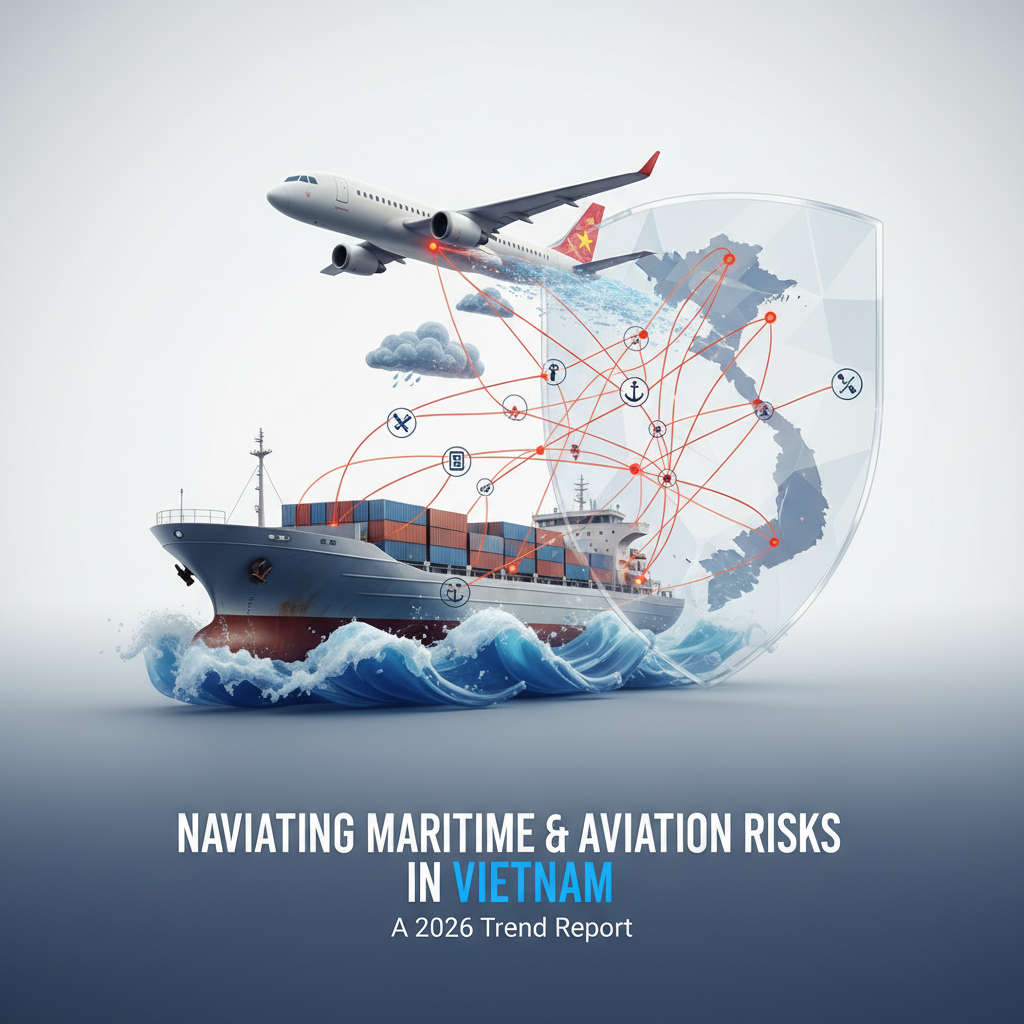
Vietnam’s strategic location at the crossroads of major international trade routes, coupled with its booming manufacturing and export-oriented economy, has elevated both its maritime and aviation sectors to critical importance. However, this rapid growth is not without its intricate challenges and vulnerabilities. Understanding these risks is paramount for stakeholders seeking to ensure operational continuity, supply chain resilience, and long-term economic stability in the region. This section delves into the unique landscape of transportation risks in Vietnam, providing insights crucial for mitigating potential disruptions and fostering sustainable development. For a comprehensive overview, interested parties can refer to the trend report of the risk of transportation field in vietnam, which highlights 10 key challenges facing the nation’s logistics and transport infrastructure.
1. Port Congestion and Maritime Supply Chain Disruptions
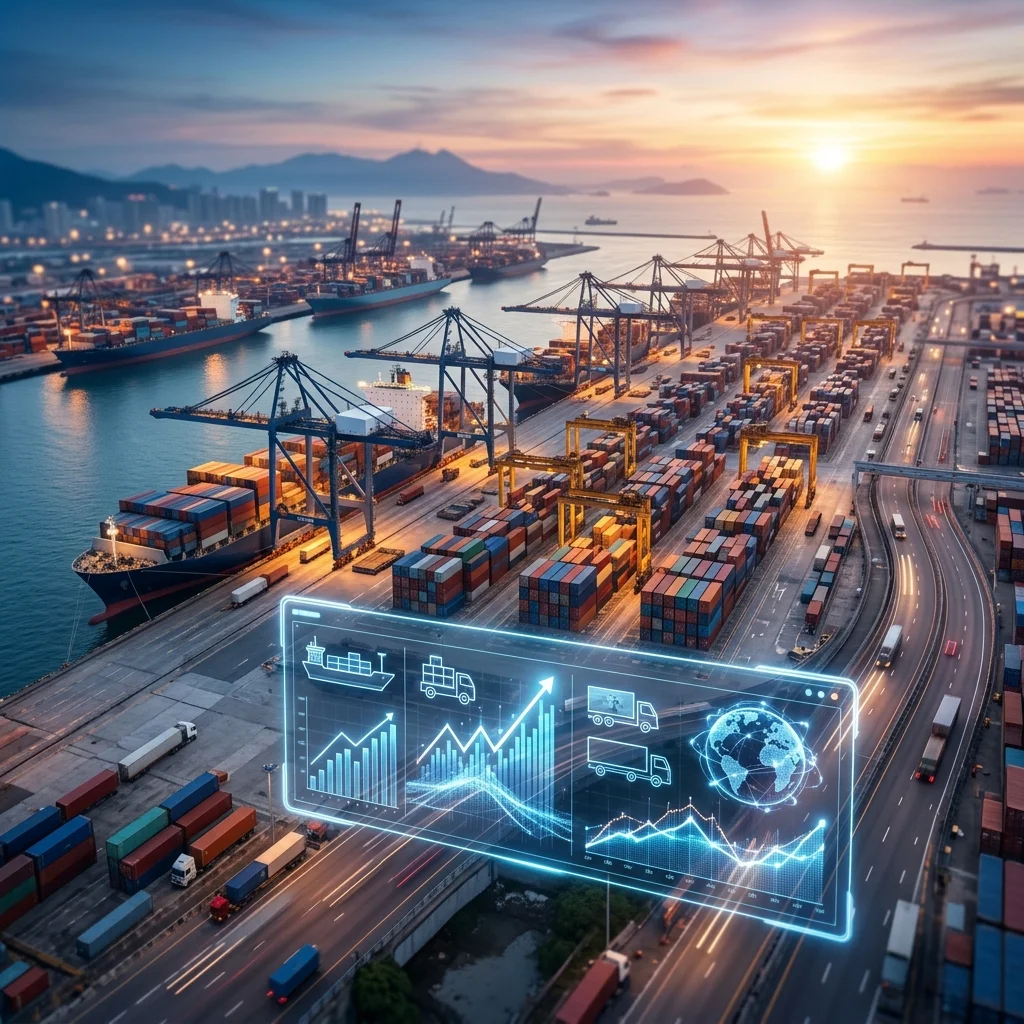
Vietnam’s reliance on maritime trade as the backbone of its import and export activities exposes it significantly to port congestion and subsequent supply chain disruptions. Major ports like Cat Lai, Cai Mep-Thi Vai, and Hai Phong have experienced unprecedented surges in cargo volume, often outpacing infrastructure development and operational efficiencies. Factors contributing to this include a global increase in demand, bottlenecks at transshipment hubs, labor shortages, and unexpected weather events. The ripple effect extends beyond delayed shipments, impacting manufacturing schedules, increasing demurrage and detention charges, and ultimately driving up operational costs for businesses. Furthermore, the limited deep-water port capacity and challenges in intermodal connectivity exacerbate these issues, making the resilience of Vietnam’s maritime supply chain a critical area for investment and strategic planning. Businesses must develop robust contingency plans, leverage real-time tracking, and collaborate closely with logistics partners to navigate these complex waters and maintain global supply chain resilience amidst these challenges.
2. Aviation Safety Standards and Air Traffic Management Demands
As Vietnam’s middle class expands and tourism flourishes, the aviation sector is experiencing explosive growth. New airports are being built, and existing ones are undergoing expansion, leading to a significant increase in air traffic. While this growth signifies economic progress, it also brings heightened demands on aviation safety standards and air traffic management (ATM) capabilities. Ensuring that safety protocols keep pace with rapid expansion is a formidable task. This includes maintaining stringent aircraft maintenance, continuous pilot and crew training, and upgrading air traffic control systems. The challenge lies in integrating advanced technologies for ATM, managing increasingly crowded airspaces, and attracting and retaining skilled personnel. Regulatory oversight must remain proactive, adapting to new operational complexities and international best practices to prevent incidents. A lapse in any of these areas could have severe repercussions, not only for human safety but also for Vietnam’s reputation as a reliable destination for trade and tourism. Strategic investment in infrastructure, technology, and human capital development is therefore indispensable for sustaining safe and efficient air travel.
3. Geopolitical Tensions and Their Impact on Trade Routes
Vietnam’s proximity to geopolitical flashpoints, particularly in the South China Sea, introduces a layer of risk that directly impacts its maritime and aviation trade routes. Tensions in these crucial waterways can lead to increased security concerns, higher insurance premiums for shipping, potential rerouting of vessels, and disruptions to established transit times. While direct military conflict remains a distant threat, even diplomatic spats or increased naval presence can cause uncertainty and operational delays. For the aviation sector, restrictions on airspace use or changes in flight paths due to regional sensitivities can lead to longer travel times and increased fuel costs. Businesses involved in international trade through Vietnam must closely monitor these geopolitical developments, incorporating them into their risk assessments and supply chain strategies. Diversifying shipping routes, maintaining strong diplomatic ties, and advocating for peaceful resolutions are essential for safeguarding the free flow of goods and services that underpin Vietnam’s economic prosperity. Proactive engagement with international bodies and regional partners is key to mitigating the broader implications of geopolitical instability on transportation networks.
Cross-Cutting Threats: Technology, Climate & Cybersecurity
The transportation sector in Vietnam, a rapidly developing nation, stands at a critical juncture, facing a complex interplay of emerging and escalating risks. While modernization efforts promise greater efficiency and connectivity, they also usher in significant vulnerabilities. This section delves into the pervasive risks stemming from rapid technological adoption, the undeniable impacts of climate change, and the increasing threat of sophisticated cyber attacks. Understanding these cross-cutting threats is paramount for developing robust, resilient, and future-proof transportation infrastructure and services, as highlighted in the trend report of the risk of transportation field in Vietnam. These interconnected challenges demand an integrated approach to risk management, moving beyond siloed responses to comprehensive strategies that account for their compounding effects on Vietnam’s vital transport networks.
-
Cybersecurity Vulnerabilities in Smart Transport Systems
Vietnam’s push towards smart cities and intelligent transportation systems (ITS) – encompassing automated tolling, advanced logistics, and connected vehicles – brings immense operational benefits but simultaneously introduces a vast attack surface for cyber threats. These systems, heavily reliant on interconnected devices (IoT), data analytics, and cloud infrastructure, are susceptible to a range of malicious activities. Cyber attacks can range from data breaches compromising sensitive passenger information to operational disruptions crippling essential services like traffic control. Critical infrastructure, including ports, airports, and railway networks, becomes a prime target for ransomware, denial-of-service, or even sabotage, potentially leading to widespread economic disruption and public safety hazards. The proliferation of IoT devices, often with weak default security settings, creates numerous entry points. As Vietnam integrates AI into traffic management, the potential for algorithmic manipulation or AI-driven system failures also emerges, requiring proactive and robust cybersecurity frameworks, continuous threat intelligence, and a skilled workforce to defend against evolving digital adversaries.
-
Climate Change Impacts: Flooding, Storms, and Infrastructure Resilience
Vietnam is recognized as one of the countries most vulnerable to the impacts of climate change, with its extensive coastline and reliance on coastal industries. The transportation sector bears the brunt of these environmental shifts. Increased frequency and intensity of extreme weather events – particularly typhoons, tropical storms, and associated heavy rainfall – lead to severe flooding, landslides, and coastal erosion directly threatening roads, bridges, railways, and port facilities. Low-lying areas are especially susceptible to rising sea levels and storm surges, which can inundate critical transport arteries, disrupt supply chains, and isolate communities. The degradation of existing infrastructure due to prolonged exposure to harsh conditions, such as saline intrusion or heat stress, exacerbates these vulnerabilities. Building resilience into transportation infrastructure is an urgent necessity. This involves adopting climate-resilient design standards, investing in protective measures, and developing robust disaster response and recovery plans. The World Bank’s reports on Vietnam’s climate resilience emphasize the need for integrated planning to safeguard the nation’s transportation assets.
-
Disruptive Technologies: IoT, AI, and Autonomous Vehicle Risks
Beyond their cybersecurity implications, disruptive technologies like the Internet of Things (IoT), Artificial Intelligence (AI), and autonomous vehicles (AVs) introduce a distinct set of operational, ethical, and regulatory risks for Vietnam’s transportation landscape. The vast network of IoT sensors collecting real-time data presents challenges related to data privacy and integrity. While AI promises optimized traffic flow, its deployment in critical decision-making processes raises questions about accountability, bias in algorithms, and potential system failures with cascading effects. Autonomous vehicles, though nascent, necessitate entirely new regulatory frameworks for accident liability, cybersecurity for vehicle-to-everything (V2X) communication, and robust testing. Furthermore, socio-economic impacts, such as job displacement for traditional drivers, require careful planning and reskilling initiatives. For Vietnam, balancing the innovation potential of these technologies with comprehensive risk mitigation strategies is crucial to harness their benefits while safeguarding public trust and operational safety.
The convergence of technological advancement, environmental pressures, and an evolving cyber threat landscape presents a formidable challenge to the sustainability and efficiency of Vietnam’s transportation sector. Addressing these cross-cutting threats demands a holistic and forward-thinking strategy that integrates robust cybersecurity measures, climate-resilient infrastructure planning, and a cautious yet adaptive approach to disruptive technologies. Proactive investment in research, development, and human capital, coupled with strong regulatory frameworks and international collaboration, will be essential for Vietnam to navigate these complex risks and build a transportation system that is secure, resilient, and poised for future growth.
Future Outlook, Mitigation & Policy Recommendations to 2026
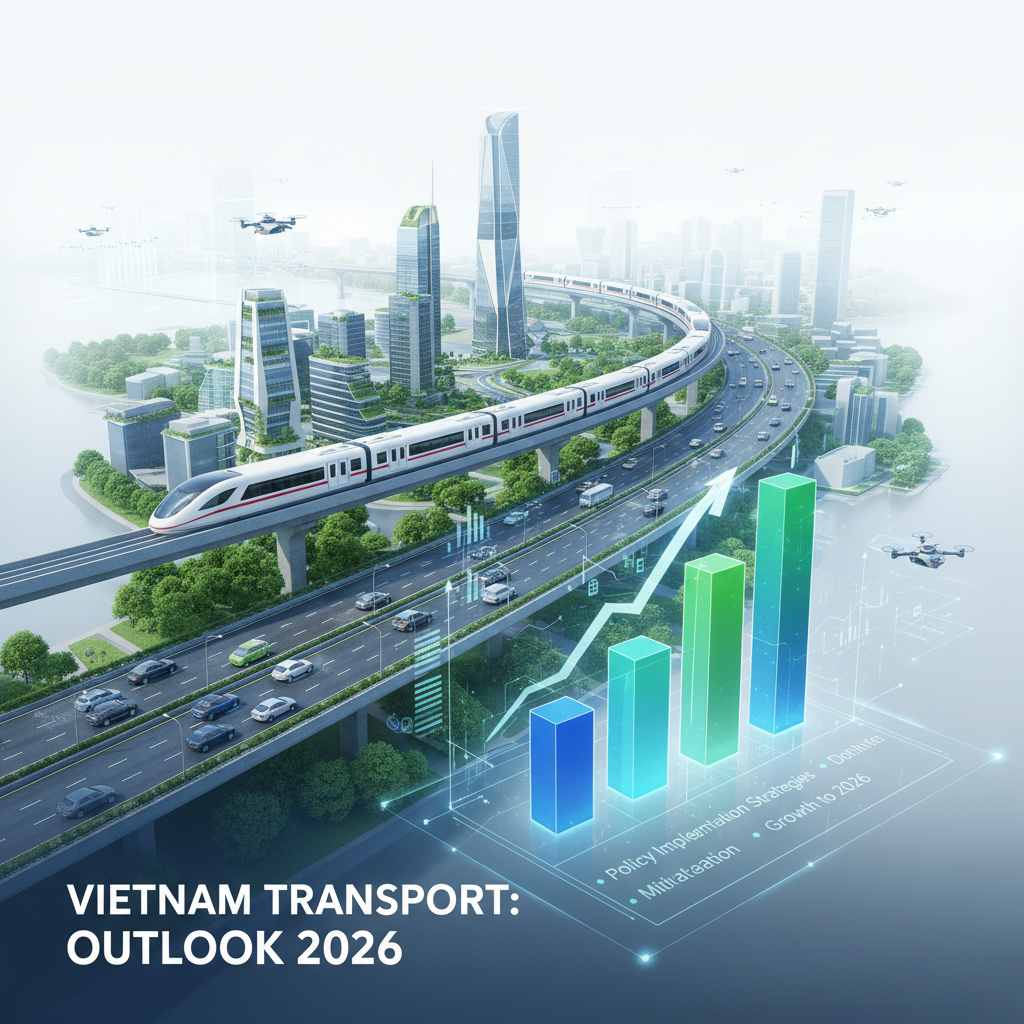
As the trend report of the risk of transportation field in Vietnam concludes, the nation stands at a critical juncture, poised between rapid economic expansion and the escalating complexities of an evolving risk landscape. The period leading up to 2026 demands a proactive and integrated approach to safeguarding Vietnam’s transportation infrastructure and services. This forward-looking perspective outlines potential future scenarios, focusing on strategic mitigation measures and robust policy recommendations designed to enhance national resilience against a spectrum of threats, from environmental challenges to technological vulnerabilities and economic shifts. By prioritizing strategic investments, strengthening regulatory frameworks, and fostering collaborative innovation, Vietnam can not only mitigate existing risks but also build a more robust and sustainable transportation future.
1. Strategic Investments in Resilient Transport Infrastructure
A cornerstone of future risk mitigation lies in channeling significant and judicious investments into building resilient transport infrastructure. Vietnam’s extensive road network, growing port facilities, and expanding airports require upgrades that factor in long-term challenges. Foremost among these is enhancing climate change resilience. Future projects must incorporate advanced engineering solutions to withstand extreme weather events, such as elevated roads in flood-prone areas, reinforced bridges against strong currents, and climate-adaptive port designs. Furthermore, leveraging digital transformation is crucial. This involves integrating smart technologies for infrastructure monitoring, predictive maintenance, and real-time incident response systems. Investments should also target diversifying transportation modes and routes to reduce dependency on single points of failure, thereby minimizing the impact of potential supply chain disruptions. Prioritizing investments in sustainable transport options, including electrified public transport and rail expansion, will not only reduce environmental impact but also contribute to long-term operational resilience and efficiency, addressing issues like urban congestion proactively.
2. Enhancing Regulatory Frameworks and Safety Protocols
Robust regulatory frameworks are indispensable for fostering a secure and efficient transportation ecosystem. To 2026, Vietnam must prioritize the review and enhancement of existing safety protocols across all transport sectors. This includes strengthening legislation and enforcement for road safety, a persistent challenge in the country. Initiatives should focus on stricter vehicle inspection standards, improved driver training and licensing, and the widespread adoption of intelligent traffic management systems. For maritime transport, bolstering maritime security protocols, particularly concerning navigation safety, vessel tracking, and environmental protection in coastal waters, is vital. Similarly, in the aviation sector, continuous updates to aviation risks assessments and security procedures are paramount, aligning with international best practices. The regulatory environment should also encourage the adoption of new technologies while ensuring their safe and responsible implementation. Furthermore, establishing clear guidelines for emergency response and disaster recovery, coupled with mandatory drills and training for transport operators and agencies, will significantly improve preparedness and coordination during crises.
3. Collaborative Approaches for Sustainable Risk Management and Innovation
Effective risk management in the transportation field demands a multi-stakeholder approach. Fostering public-private partnerships (PPPs) can unlock significant capital, expertise, and innovation for infrastructure development and maintenance. These partnerships can drive the adoption of cutting-edge technologies and best practices from the private sector, accelerating progress in areas like intelligent transport systems and logistics optimization. Emphasizing data analytics is critical; collecting, analyzing, and sharing transportation data among government agencies, private operators, and research institutions will provide invaluable insights for proactive risk identification, predictive modeling, and evidence-based policy formulation. Promoting research and development in sustainable transport solutions, including alternative fuels, autonomous vehicles, and advanced materials, will position Vietnam at the forefront of transportation innovation. International collaboration, through knowledge sharing and joint projects with regional and global partners, will further enhance Vietnam’s capacity to address complex and emerging risks, ensuring its transportation sector remains dynamic, resilient, and globally competitive.
Partner with Shelby Global
You are looking for reliable HR Sevice Suppliers? Contact Shelby Global Now! To connect with verified talents and upgrade your orginization.
—————————————
References
– World Bank: Vietnam Transport Infrastructure Success: https://www.worldbank.org/en/news/feature/2022/07/08/vietnam-building-on-the-success-of-its-transport-infrastructure
– World Bank Supports Vietnam’s Sustainable Development with New Project on Urban Transport: https://www.worldbank.org/en/news/press-release/2021/04/09/world-bank-supports-vietnam-s-sustainable-development-with-new-project-on-urban-transport
– UNCTAD Review of Maritime Transport 2023: https://unctad.org/publication/review-maritime-transport-2023
– Vietnam Country Climate and Development Report: https://www.worldbank.org/en/country/vietnam/publication/vietnam-country-climate-and-development-report
– ADB’s work on resilient infrastructure in Vietnam: https://www.adb.org/countries/viet-nam/main#sector-economic-infrastructure