
Understanding Vietnam’s Evolving Tech Landscape and Risk Context
Vietnam stands at the forefront of Southeast Asia’s digital revolution, rapidly transforming into a dynamic tech hub. Its burgeoning economy, coupled with a youthful, digitally native population, has fueled an unprecedented surge in technology adoption and innovation. From e-commerce and fintech to AI and IoT, the nation’s digital landscape is evolving at a breakneck pace, attracting significant domestic and foreign investment. This rapid evolution, while promising immense opportunities for economic growth and societal advancement, inherently introduces a complex array of technological risks. Understanding these evolving risks is not merely an academic exercise; it is a critical imperative for Vietnam’s sustained progress, economic stability, and future prosperity. As the nation navigates this exciting yet challenging frontier, a comprehensive grasp of potential technological pitfalls becomes indispensable for policymakers, businesses, and individuals alike.
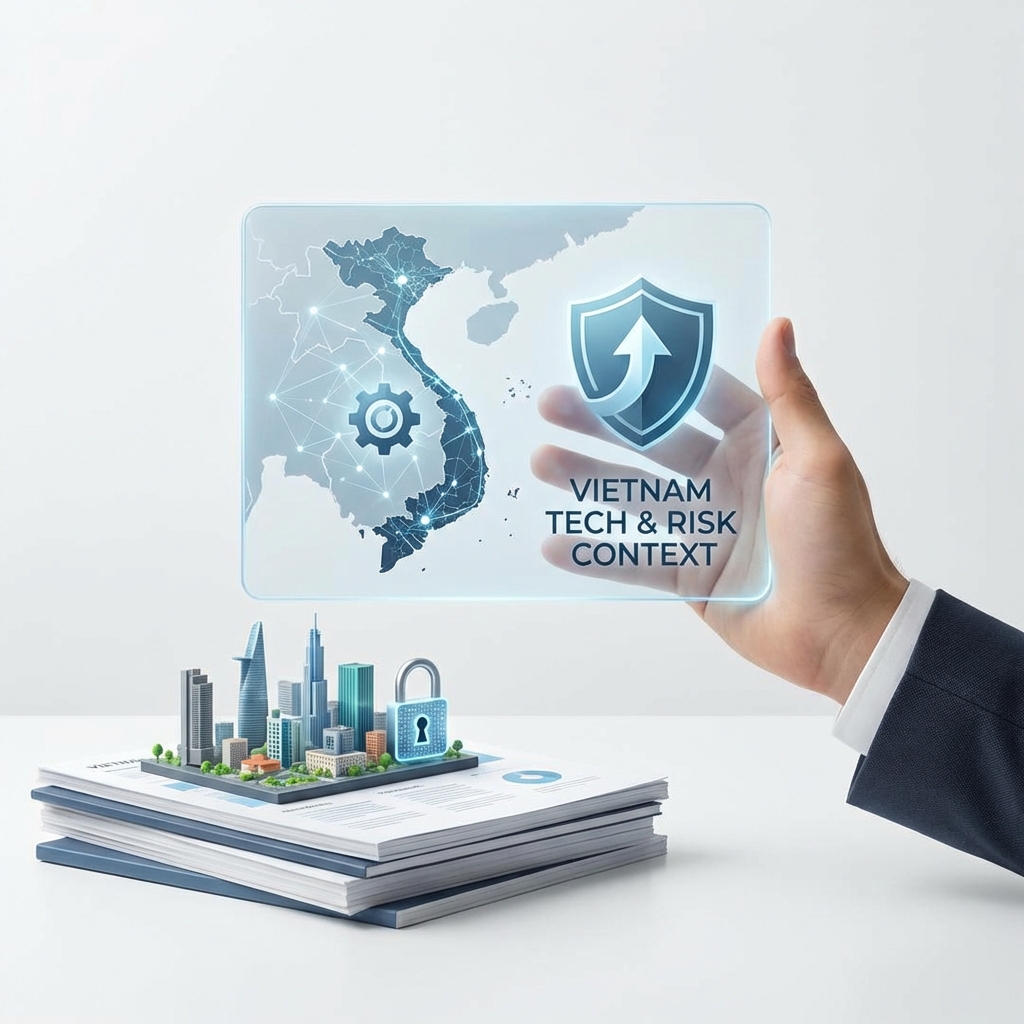
1. Rapid Digital Transformation and Innovation in Vietnam
Vietnam’s journey towards digital maturity has been spectacular. Government initiatives like the National Digital Transformation Program to 2025, with a vision to 2030, underscore a strategic commitment to fostering a digital society and economy, as highlighted by insights into Vietnam’s digital future. This commitment is reflected across sectors: a booming e-commerce market, robust fintech innovations catering to a largely unbanked population, and a rapidly expanding startup ecosystem. Vietnamese tech companies are increasingly making their mark regionally and globally, driven by a highly skilled and adaptable workforce. The widespread adoption of smartphones and high internet penetration rates have created fertile ground for digital services to flourish, revolutionizing everything from daily commutes to educational delivery. This swift embrace of technology, however, creates new vulnerabilities. While innovation is celebrated, underlying infrastructure and regulatory frameworks often struggle to keep pace, laying groundwork for potential disruptions and threats that a forward-looking analysis like the trend report of the risk of technology field in vietnam aims to identify and address.
2. Defining Key Risk Categories in the Technology Field
To effectively manage the challenges posed by digital transformation, defining the various categories of technological risks Vietnam faces is crucial. Firstly, cybersecurity threats remain paramount. As more critical infrastructure and personal data move online, the country becomes an increasingly attractive target for sophisticated cybercriminals and state-sponsored attacks, risking data breaches, operational disruptions, and financial losses. Secondly, data privacy and governance risks are escalating. With the rapid accumulation and processing of vast amounts of personal and corporate data, ensuring compliance with evolving global data protection standards and building public trust is vital. Thirdly, regulatory and compliance risks present a moving target; the speed of technological change often outpaces legislative responses, creating ambiguities and potential for non-compliance. Fourthly, talent and skill gap risks persist. The demand for highly specialized tech talent in areas like AI, cloud security, and data science often exceeds supply, potentially slowing innovation and increasing reliance on external expertise. Finally, ethical and societal risks, particularly concerning the deployment of Artificial Intelligence, require careful consideration to prevent bias, job displacement, and misuse. Understanding these multi-faceted risks is the first step towards building resilience in Vietnam’s tech landscape.
3. Why a 2026 Trend Report is Crucial for Stakeholders
Given the dynamic nature of Vietnam’s tech scene and the multifaceted risks involved, a dedicated 2026 trend report on the risk of technology field in Vietnam is not just beneficial but essential. For businesses, such a report provides strategic foresight, enabling proactive risk mitigation strategies, optimizing investment decisions, and safeguarding intellectual property and customer trust. It helps companies identify emerging threats before they become critical, informing their cybersecurity posture, data governance policies, and technology adoption roadmaps. For government agencies and policymakers, the report offers invaluable data-driven insights to refine regulatory frameworks, bolster national cybersecurity defenses, and develop targeted initiatives to nurture a resilient digital economy. It can highlight areas requiring urgent policy intervention, from data protection laws to critical infrastructure security. Investors, both domestic and foreign, can leverage the report to make informed decisions, assessing the risk-adjusted returns of potential ventures and understanding the long-term sustainability of the Vietnamese tech market. Furthermore, for the academic community and general public, it fosters greater awareness and promotes a national dialogue on responsible technology development. In an era where digital transformation defines national competitiveness, a comprehensive trend report of the risk of technology field in Vietnam serves as a navigational compass, guiding stakeholders through the complex currents of technological progress while safeguarding against potential pitfalls. The insights gleaned will be critical in shaping a secure, innovative, and prosperous digital future for Vietnam.
Emerging Cybersecurity Threats and Data Privacy Challenges
As Vietnam continues its rapid digital transformation, fueled by burgeoning e-commerce, smart city initiatives, and an increasingly connected populace, the nation’s technological landscape also becomes a more attractive target for sophisticated cyber adversaries. Understanding the trend report of the risk of technology field in vietnam is crucial for businesses and individuals alike. This section delves into the most pressing digital security risks, including sophisticated cyberattacks and the complexities of data protection within Vietnam’s dynamic tech ecosystem, highlighting the critical need for proactive defense strategies and stringent compliance.
1. Rise of Advanced Persistent Threats (APTs) and Ransomware
The threat landscape in Vietnam is increasingly dominated by Advanced Persistent Threats (APTs) and ransomware campaigns, each evolving in sophistication and impact. APTs, often state-sponsored or highly organized criminal groups, target Vietnam’s critical infrastructure, government agencies, and key industries for long-term espionage, intellectual property theft, and strategic disruption. These adversaries employ highly covert tactics, custom malware, and zero-day exploits to maintain undetected access for extended periods, making their detection and eradication a significant challenge. Their goal is not just data theft but often strategic advantage or sabotage, posing a grave risk to national security and economic stability.
Simultaneously, ransomware continues to be a pervasive and destructive force. Modern ransomware attacks have moved beyond simple data encryption to ‘double extortion,’ where threat actors not only encrypt data but also exfiltrate it, threatening public release if the ransom is not paid. This adds immense pressure on victim organizations, increasing financial and reputational damage. Vietnamese enterprises, from small businesses to large corporations, have faced significant operational downtime and substantial recovery costs. The average cost of a data breach globally, as highlighted by reports like the IBM Security X-Force Cost of a Data Breach Report, underscores the severe financial implications of these incidents, pushing organizations to invest more in robust security measures and incident response plans.
2. Navigating Vietnam’s Evolving Data Protection Regulations
The complexities of data protection within Vietnam’s tech ecosystem have intensified with the implementation of new regulations. Most notably, Decree 13/2023/ND-CP on Personal Data Protection (PDPD), effective July 1, 2023, represents a significant shift towards a more comprehensive data privacy framework, aligning Vietnam closer to international standards like the GDPR. This decree mandates stringent requirements for collecting, processing, storing, and transferring personal data, introducing concepts such as data subject consent, data protection impact assessments (DPIAs), and the appointment of Data Protection Officers (DPOs).
For businesses operating in Vietnam, navigating these evolving regulations presents both opportunities and challenges. While it fosters greater trust and security for consumers, compliance demands significant investment in legal, technical, and organizational measures. Key challenges include interpreting ambiguous clauses, implementing data localization requirements (especially for sensitive data), ensuring lawful cross-border data transfers, and establishing robust mechanisms for data subject rights. Non-compliance can lead to substantial fines, reputational damage, and operational disruptions. Therefore, understanding the trend report of the risk of technology field in vietnam regarding regulatory shifts is critical for maintaining market access and ensuring sustainable growth in the digital economy.
3. Vulnerabilities in AI, IoT, and Cloud Infrastructure
The rapid adoption of cutting-edge technologies like Artificial Intelligence (AI), Internet of Things (IoT), and cloud computing, while driving innovation, also introduces new and complex attack vectors. In Vietnam, where smart city projects and industrial automation are gaining traction, the security implications of these technologies are profound.
AI systems are susceptible to adversarial attacks, where subtle manipulations of input data can trick models into making incorrect predictions or classifications. Data poisoning, model evasion, and model inversion attacks threaten the integrity and confidentiality of AI-driven applications, from facial recognition to automated decision-making. The ethical dimensions of AI, including bias and transparency, also present emerging challenges that require careful consideration.
IoT devices, with their vast numbers and often limited security features, create an expansive attack surface. Weak default passwords, unpatched vulnerabilities, and insecure communication protocols make them prime targets for botnets, data exfiltration, and physical intrusion. As Vietnam integrates more IoT devices into critical infrastructure and consumer products, securing this interconnected ecosystem becomes paramount to prevent large-scale disruptions and privacy breaches.
Cloud infrastructure, while offering scalability and efficiency, introduces shared responsibility models that can lead to misconfigurations and data breaches if not managed correctly. Public and private cloud environments host vast amounts of sensitive data, making them attractive targets for cybercriminals. Ensuring proper access controls, encryption, continuous monitoring, and adherence to security best practices are essential to mitigate risks associated with cloud adoption. As Vietnam’s businesses increasingly migrate to the cloud, understanding and mitigating these vulnerabilities is a continuous and evolving imperative to protect digital assets and maintain operational resilience.
Operational and Regulatory Risks Impacting Tech Companies
Beyond the pervasive specter of cyber threats, the burgeoning technology landscape in Vietnam presents a complex tapestry of operational and regulatory challenges that demand proactive navigation from tech companies. While the market offers immense growth opportunities, understanding these multifaceted risks is crucial for sustainable development. This section delves into the internal and external operational challenges, including the ever-evolving compliance requirements, the resilience of critical infrastructure, and the intricacies of human capital management, all of which significantly influence the stability and trajectory of tech firms. Analyzing the trend report of the risk of technology field in Vietnam reveals that these non-cyber risks are increasingly prominent, requiring strategic foresight and robust mitigation strategies.
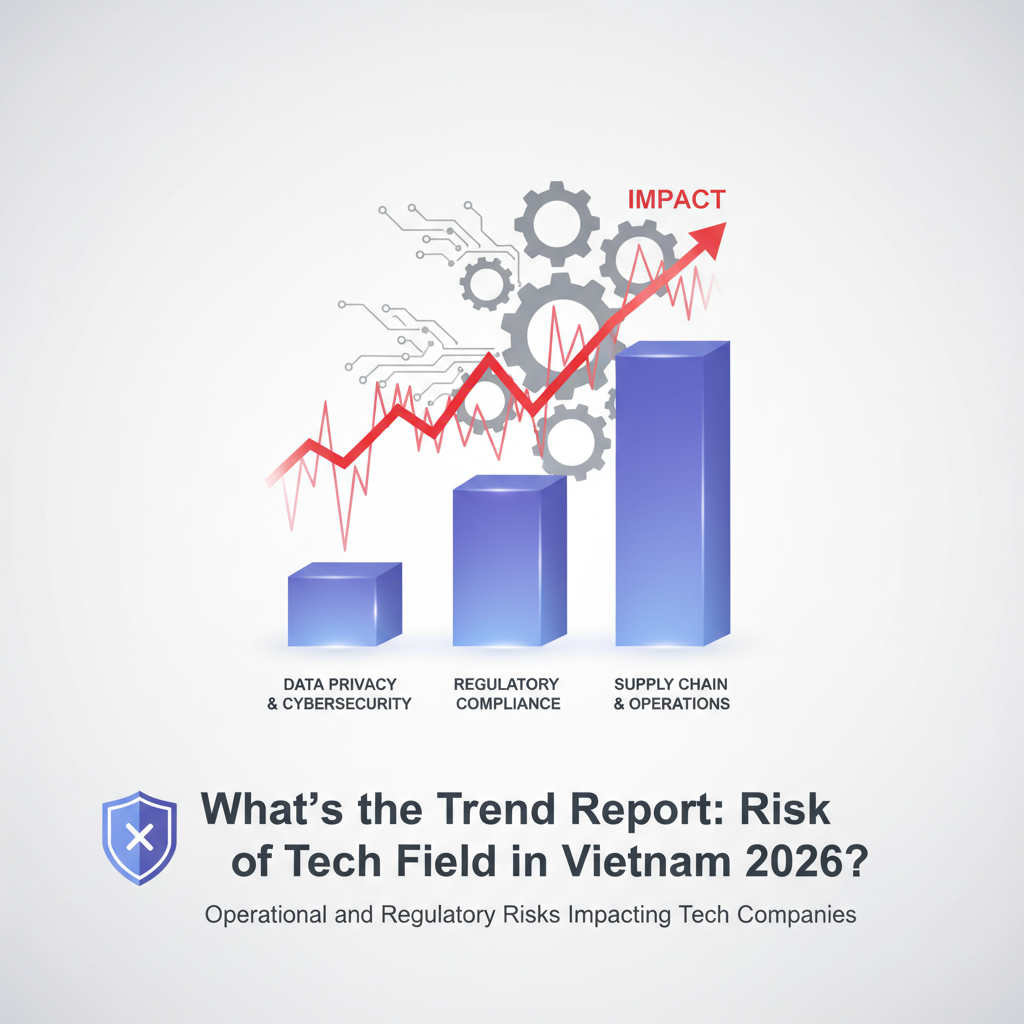
1. Adapting to Dynamic Tech-Specific Legal Frameworks and Policies
The regulatory environment for technology companies in Vietnam is characterized by rapid evolution, driven by the government’s dual objectives of fostering innovation and ensuring national security. Tech firms face considerable compliance burdens, particularly concerning data privacy, cybersecurity laws, intellectual property rights, and cross-border data transfer regulations. Recent legislative developments, such as new decrees on personal data protection, illustrate the tightening grip on how tech companies collect, process, and store user information. Non-compliance can lead to hefty fines, operational disruptions, and severe reputational damage. Keeping abreast of these changes requires dedicated legal and compliance teams, often necessitating external expert advice. For instance, Vietnam has been tightening its data protection regulations, requiring businesses to re-evaluate their data handling practices. The complexity lies in the nuanced interpretation and implementation of these laws, which often lack detailed guidance initially, posing significant regulatory risks for both domestic startups and international corporations. Proactive engagement with policy-makers can help shape future regulations and provide early insights.
2. Infrastructure Resilience and Supply Chain Dependencies
The operational backbone of any tech company relies heavily on robust and resilient infrastructure. In Vietnam, while digital infrastructure has seen significant investment, vulnerabilities persist. Power outages, natural disasters, and the reliability of telecommunication networks can directly impact service delivery and data accessibility. Tech firms must invest in redundancy, disaster recovery plans, and business continuity strategies to mitigate these physical risks. Furthermore, the globalized nature of technology means that tech companies in Vietnam are deeply embedded in complex international supply chains. Dependencies on foreign hardware, software licenses, and cloud service providers introduce external risks. Geopolitical tensions, trade disputes, or a single point of failure can lead to significant disruptions, increased costs, and delays. Assessing the risk of technology field in Vietnam from this perspective highlights the need for diversified supplier networks, localized alternatives where possible, and robust due diligence to ensure the stability and reliability of critical operational inputs. Strategic sourcing and inventory management become paramount in mitigating these often-unpredictable supply chain challenges.
3. Talent Shortages, Skill Gaps, and Ethical AI Concerns
Human capital remains a critical, yet challenging, resource for tech companies in Vietnam. Despite a young and digitally-savvy population, the rapid pace of technological advancement often outstrips the supply of highly skilled professionals, leading to significant talent shortages and persistent skill gaps in specialized areas like AI, data science, and cybersecurity. This scarcity drives up recruitment costs, increases employee turnover, and can hinder innovation. Companies must invest heavily in upskilling and reskilling programs, partner with educational institutions, and cultivate an attractive work environment to retain top talent. Beyond traditional human resource challenges, the accelerating adoption of Artificial Intelligence (AI) introduces novel ethical considerations. Tech firms deploying AI solutions face pressure to ensure fairness, transparency, and accountability, mitigating risks such as algorithmic bias and privacy violations. Developing ethical AI guidelines and governance frameworks is not just a regulatory imperative but also a social responsibility that impacts public trust and brand reputation. Addressing these multifaceted human capital risks and ethical dilemmas is essential for sustainable growth and maintaining a competitive edge in Vietnam’s dynamic tech sector, as explored in detail in the trend report of the risk of technology field in Vietnam.
Navigating the operational and regulatory complexities in Vietnam’s tech sector requires a comprehensive understanding of risks extending beyond mere cyber threats. From adapting to an ever-evolving legal landscape and bolstering infrastructure resilience against supply chain vulnerabilities to addressing critical talent gaps and new ethical AI challenges, tech companies face a multitude of factors that can impact their growth and stability. Proactive risk management, continuous adaptation, and strategic investment in compliance, infrastructure, and human capital are paramount for thriving in this vibrant yet challenging market.
Market Volatility, Geopolitical Factors, and Investment Risks
Vietnam’s burgeoning technology sector, once a darling of emerging markets, finds itself at a critical juncture, increasingly susceptible to the broader currents of global economic volatility and complex geopolitical dynamics. While the nation has cultivated a vibrant ecosystem of innovative startups and attracted significant foreign investment, this growth is not immune to external shocks. Understanding these multifaceted challenges is crucial for stakeholders and investors navigating the landscape, especially when considering the trend report of the risk of technology field in vietnam. These external pressures collectively dampen investment confidence and introduce substantial risks that could impede the sector’s long-term prosperity.
1. Impact of Global Economic Downturns on Tech Funding and Startups
The ebb and flow of the global economy have a direct and profound impact on the availability of capital for technology ventures, particularly in emerging markets like Vietnam. When major economies experience downturns or recessions, a ripple effect is felt across the investment landscape. Venture Capital (VC) firms and angel investors often become more risk-averse, tightening their purse strings and prioritizing profitability over aggressive growth. This shift in investor sentiment translates directly into reduced funding rounds, stricter due diligence, and increased pressure on startups to achieve profitability sooner.
For Vietnamese tech startups, this can be particularly challenging. Many early-stage companies rely heavily on external funding to scale operations, develop new products, and penetrate markets. A decrease in accessible capital means slower growth, potential layoffs, and, in some cases, outright failure for promising ventures that cannot secure subsequent funding rounds. The global slowdowns, driven by factors such as inflation, interest rate hikes, or supply chain disruptions, diminish investor liquidity and increase the cost of capital, making it harder for Vietnamese startups to compete for scarce resources. This global trend in venture funding has been well-documented, with Crunchbase reporting significant drops in global venture capital funding in recent quarters, underscoring the severity of this impact on tech ecosystems worldwide. Investors, therefore, must meticulously assess the financial viability and resilience of Vietnamese tech companies against a backdrop of potentially prolonged global economic uncertainty.
2. Geopolitical Tensions and Their Effect on Tech Trade and Collaboration
Beyond economic fluctuations, the escalating complexity of geopolitical relations poses a significant and evolving risk to Vietnam’s technology sector. Trade disputes, sanctions, and ideological rivalries between major global powers can disrupt critical supply chains, particularly for hardware-intensive tech companies. Vietnam, a growing hub for manufacturing and increasingly for tech innovation, is deeply integrated into global supply networks. Any disruption in the supply of crucial components, from semiconductors to specialized machinery, can halt production, increase costs, and delay market entry for Vietnamese tech products.
Furthermore, geopolitical tensions can curtail international collaboration and talent exchange. Cross-border partnerships, essential for sharing knowledge, technology transfer, and market access, may become politically sensitive or subject to regulatory hurdles. Restrictions on data flows or technology exports can limit Vietnamese companies’ ability to expand into certain markets or integrate with global platforms. For instance, the ongoing technological rivalry between the U.S. and China has forced many companies to re-evaluate their supply chains and market strategies, inadvertently impacting countries like Vietnam that seek to benefit from both sides. This creates an environment of uncertainty, where long-term strategic planning is complicated by unpredictable political shifts, potentially deterring foreign direct investment (FDI) into the sector and hindering the development of an internationally competitive tech workforce.
3. Market Saturation and Fierce Competition within Specific Tech Verticals
As Vietnam’s tech sector matures, certain verticals have experienced rapid growth, leading to increased market saturation and intense competition. Segments like e-commerce, fintech, ride-hailing, and food delivery, which once offered fertile ground for new entrants, are now dominated by a few established players with substantial war chests and extensive user bases. This environment presents considerable challenges for new startups and smaller companies seeking to carve out a niche.
The consequences of market saturation are manifold. Customer acquisition costs escalate significantly as companies vie for the same consumer base. Pressure on pricing and margins intensifies, making it difficult for businesses to achieve sustainable profitability. Innovation, while always crucial, becomes a matter of survival, requiring companies to constantly differentiate their offerings and provide superior value to retain market share. For investors, this translates into higher risk profiles for new ventures in crowded spaces, as the path to profitability becomes longer and more precarious. While opportunities still exist in emerging areas like AI, blockchain, or deep tech, even these segments are quickly attracting attention, potentially leading to similar saturation in the future. A comprehensive understanding of this internal dynamic, alongside the external economic and geopolitical factors, is essential for any prudent assessment of investment risks within Vietnam’s dynamic technology field.
Strategies for Risk Mitigation and Building Resilience by 2026
As Vietnam continues its rapid ascent as a digital economy powerhouse, the imperative to proactively address and mitigate technology-related risks becomes paramount. This concluding section offers forward-looking strategies and best practices for businesses and policymakers to identify, assess, and mitigate technology-related risks in Vietnam, ensuring a secure and sustainable digital future. Drawing insights from recent analyses and the trend report of the risk of technology field in Vietnam, it is clear that a multi-faceted approach encompassing governance, ethical considerations, and robust infrastructure development is essential to build lasting resilience by 2026 and beyond.
1. Strengthening National Cybersecurity Frameworks and Public-Private Partnerships
A robust national cybersecurity framework forms the bedrock of digital resilience. Vietnam has made commendable strides, but continuous refinement is critical. This involves regularly updating legal statutes and regulations to keep pace with evolving cyber threats, ensuring clear lines of responsibility, and establishing effective enforcement mechanisms. Furthermore, fostering dynamic public-private partnerships (PPPs) is indispensable. Government agencies, critical infrastructure operators, and private tech companies must collaborate on threat intelligence sharing, joint incident response protocols, and capacity building initiatives. Such partnerships can leverage the private sector’s agility and innovation, while the public sector provides regulatory oversight and strategic direction. Initiatives like the World Bank’s support for Vietnam’s digital transformation highlight the importance of coordinated efforts in building a secure digital ecosystem. For instance, the World Bank’s engagement in Vietnam often includes components aimed at strengthening digital infrastructure and governance, underscoring the global recognition of this need.
2. Fostering a Culture of Compliance and Ethical Tech Development
Beyond technical safeguards, cultivating a pervasive culture of compliance and ethical technology development is crucial for long-term risk mitigation. This means integrating data privacy, intellectual property rights, and responsible AI principles into the core operations of every organization. Businesses must invest in comprehensive training programs to ensure all employees understand their role in cybersecurity and data protection. Policymakers should introduce incentives for ethical tech practices and stringent penalties for non-compliance, thereby encouraging a proactive stance. Emphasizing transparency in data handling and algorithmic decision-making can build trust among users and mitigate reputational risks. Furthermore, educational institutions play a vital role in instilling ethical considerations in the next generation of tech professionals, ensuring that future innovations are designed with societal well-being and security in mind.
3. Investing in Talent Development and Future-Proofing Tech Infrastructure
The human element and foundational infrastructure are intertwined pillars of resilience. To counter the escalating sophistication of cyber threats, Vietnam must significantly invest in developing a highly skilled cybersecurity workforce. This includes bolstering university programs, establishing specialized vocational training, and promoting continuous professional development in areas like cloud security, AI security, and blockchain forensics. Attracting and retaining top talent through competitive salaries and engaging career pathways is equally important. Concurrently, future-proofing Vietnam’s tech infrastructure necessitates a strategic shift towards modern, resilient systems. This involves accelerating the adoption of secure cloud technologies, implementing robust data backup and recovery strategies, and deploying advanced threat detection systems. Regular audits, penetration testing, and vulnerability assessments of critical infrastructure are non-negotiable to identify and rectify weaknesses before they are exploited. The digital transformation journey in Vietnam, as highlighted in various reports, relies heavily on this dual investment in human capital and infrastructure. Prioritizing these areas will significantly enhance the nation’s ability to withstand and recover from cyber incidents, securing its digital future.
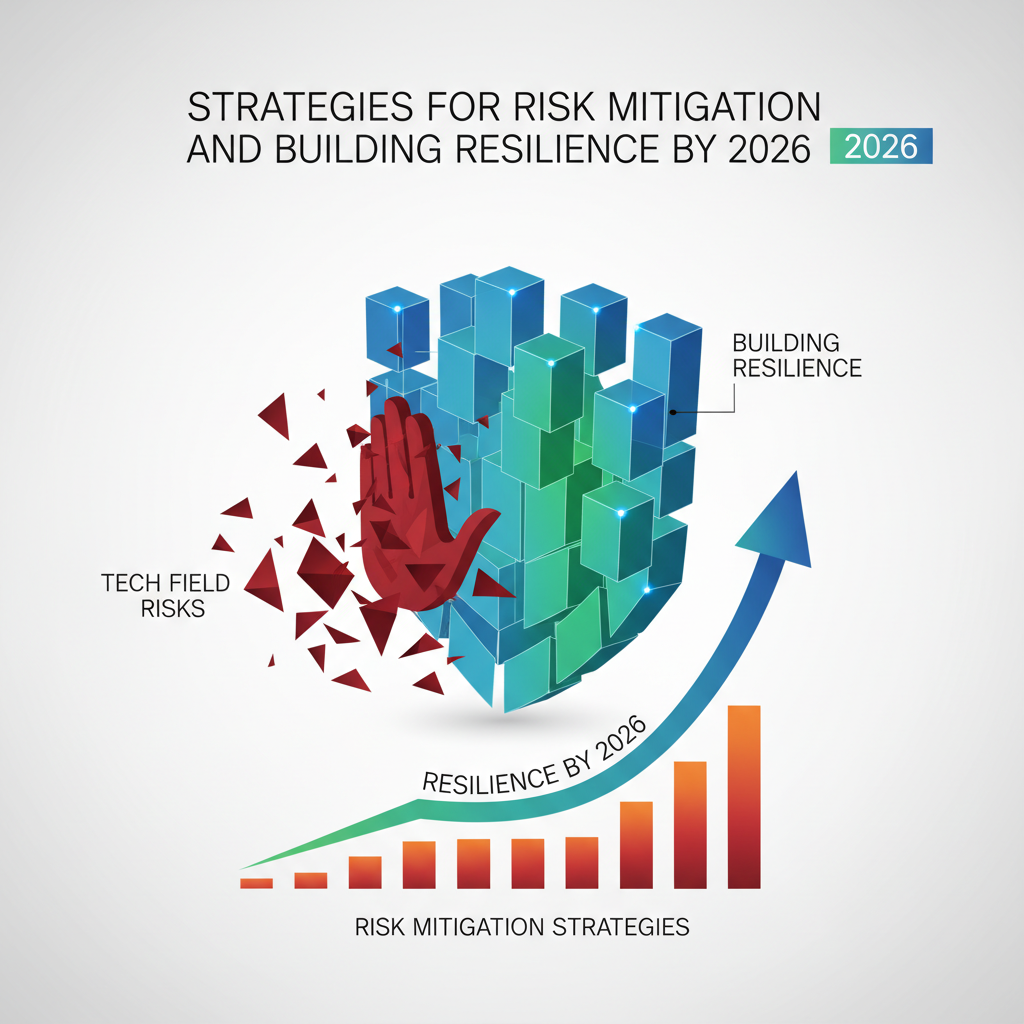
By synergizing robust national frameworks with strong public-private collaborations, embedding a culture of ethical compliance, and making strategic investments in talent and infrastructure, Vietnam can effectively navigate the complex landscape of technology risks. These forward-looking strategies are not merely reactive measures but proactive steps towards building an indomitable digital resilience by 2026, ensuring that the nation’s digital growth is both secure and sustainable.
Partner with Shelby Global
You are looking for reliable HR Sevice Suppliers? Contact Shelby Global Now! To connect with verified talents and upgrade your orginization.
—————————————
References
– The digital future of Vietnam: Accelerating the digital economy and society – World Bank Blogs: https://blogs.worldbank.org/eastasiapacific/digital-future-vietnam-accelerating-digital-economy-and-society
– IBM Security X-Force Cost of a Data Breach Report: https://www.ibm.com/reports/data-breach
– Vietnam tightens data protection regulations: https://www.lexology.com/library/detail.aspx?g=e58e378c-0f9c-4876-b605-2b47833076e
– Crunchbase News: Global Venture Funding Continues To Drop In Q1 2024: https://news.crunchbase.com/venture/global-vc-funding-decline-q1-2024/
– World Bank’s engagement in Vietnam: https://www.worldbank.org/en/country/vietnam/overview#3