
The Unique Landscape of HR for Vietnam’s Travel SMEs
For new CEOs stepping into Vietnam’s vibrant travel sector, understanding the intricate human resources landscape within small and medium-sized enterprises (SMEs) is paramount. This section will introduce new CEOs to the specific challenges and opportunities that define human resources within small and medium-sized travel enterprises in Vietnam, offering a Step by Step to understand SMEs HR Structure for the fresh the CEO in Travels field in vietnam. Effective HR management is not just about compliance; it’s about building a resilient, skilled, and motivated workforce capable of navigating the dynamic demands of the travel industry.

1. Defining SMEs in the Vietnamese Travel Sector
In Vietnam, SMEs are typically defined by criteria such as capital, number of employees, and revenue, varying slightly across different sectors. For the travel industry, this often translates to businesses with fewer than 200-300 employees and specific revenue thresholds. These businesses can range from boutique tour operators and local hospitality providers to specialized travel agencies and transport services. Unlike large corporations with dedicated HR departments and extensive resources, travel SMEs often operate with lean teams, where HR functions might be managed by a general manager or even the CEO themselves. This structure presents unique challenges for talent acquisition, employee retention, and implementing robust skill development programs tailored to the sector’s specific needs, such as multi-lingual capabilities and exceptional customer service training.
2. Common HR Challenges Faced by Travel SMEs
Travel SMEs in Vietnam encounter a distinct set of HR hurdles. One significant challenge is intense competition for skilled labor, particularly staff proficient in foreign languages and possessing strong digital skills required for online marketing and booking platforms. Recruitment strategies must be agile and creative to attract top talent amidst often limited budgets for compensation and benefits compared to larger competitors. Moreover, the seasonal nature of tourism leads to fluctuating staffing needs, making workforce planning and flexible employment arrangements critical. Ensuring consistent quality of service also necessitates ongoing performance management and continuous training, often stretching already thin resources. Many SMEs also struggle with establishing a clear organizational culture and implementing modern HR technology to streamline processes, relying instead on manual systems that can be inefficient. The focus often remains on immediate operational needs, sometimes at the expense of long-term strategic HR planning.
3. The Impact of Vietnamese Labor Laws on Small Businesses
Navigating Vietnam’s labor laws is crucial for any SME, and especially for those in the travel sector. The Vietnamese Labor Code sets out comprehensive regulations regarding employment contracts, working hours, wages, social insurance, and termination procedures. For small businesses, understanding and adhering to these regulations can be complex without dedicated legal or HR expertise. Compliance issues, such as ensuring proper social insurance contributions or correctly handling overtime pay and holidays, can lead to significant penalties if overlooked. For example, the Vietnamese Labor Code 2019 introduced several updates that businesses, including travel SMEs, must diligently follow to maintain legal standing and foster a fair working environment. This often requires fresh CEOs to prioritize labor compliance and seek expert advice to avoid potential legal disputes and ensure ethical treatment of their employees, contributing to better employee engagement and overall business stability in a rapidly evolving travel industry trends environment.
Building Your Foundational HR Structure: A Step-by-Step Guide
For a fresh CEO, establishing a clear HR framework is paramount. This section outlines the essential components of an effective HR structure, from basic roles to initial policies.
As a fresh CEO steering a travel SME in Vietnam, a robust operational backbone is crucial. Nowhere is this more evident than in Human Resources. A well-defined HR structure isn’t just a compliance checklist; it’s the engine driving employee satisfaction, productivity, and your business’s growth in a competitive market. This step by step guide to understanding SME HR structure is tailored to help new travel CEOs navigate initial HR development, ensuring your team is engaged, compliant, and ready to deliver exceptional experiences.
-
Assessing Your Current Workforce and Needs
Before building, understand what you have and what you need. For a travel SME in Vietnam, this initial assessment is vital due to the industry’s unique demands. Start by inventorying existing employees: their roles, specific skills (e.g., language proficiency, local knowledge for tours, customer service expertise, operational experience). Identify critical skill gaps that might hinder strategic goals like expanding into new market segments or launching specialized tour packages.
Consider your business’s strategic direction. Rapid expansion, niche luxury travel, or optimizing budget tours – each dictates different HR needs, from recruitment priorities to training. Engaging your team offers insights into morale and processes. Understanding the nuances of the Vietnamese labor market, including local customs and expectations, is also crucial. This foundational step provides data for informed decisions about hiring, training, and policy development, ensuring your human capital aligns with business objectives.
-
Defining Key HR Roles and Responsibilities
Even in a small travel SME, HR functions are present, whether formalized or not. For a fresh CEO, clearly defining these roles is a critical next step. Initially, you, or an office manager, might handle HR. However, as you grow, identifying distinct HR functions becomes essential. Core responsibilities include:
- Recruitment and Onboarding: Attracting and integrating new talent, crucial for seasonal peaks or specialized roles like multilingual tour guides.
- Compensation and Benefits: Managing payroll, ensuring fair wages, and understanding local regulations.
- Performance Management: Setting expectations, conducting reviews, and fostering employee development.
- Employee Relations: Addressing workplace issues, managing conflicts, and promoting a positive environment.
- Compliance: Adhering to Vietnamese labor laws, safety regulations, and industry-specific standards.
- Training and Development: Investing in skill enhancement, particularly in customer service, destination knowledge, or new technology.
Consider assigning these responsibilities, even if shared, to specific individuals. For instance, the operations manager might oversee tour guide training, while administrative staff handle attendance and payroll data. As your SME grows, a dedicated HR professional might be considered, but understanding foundational roles first allows for smoother transition. Clearly defined responsibilities prevent overlap, ensure accountability, and streamline operations, contributing to a more efficient and harmonious workplace.
-
Developing Core HR Policies (e.g., Attendance, Leave)
With an understanding of your workforce and defined responsibilities, establishing core HR policies is the next crucial step. These are the backbone of a fair, transparent, and compliant workplace. For a travel SME, well-articulated policies provide clarity, minimize disputes, and ensure adherence to local labor laws, which can be complex.
Start with fundamental policies impacting daily operations and employee well-being:
- Attendance and Punctuality: Given the nature of travel services (e.g., tour departures), punctuality is paramount. A clear policy outlines expectations for work hours, clock-in/out procedures, and consequences for tardiness or absenteeism. This is vital for roles like drivers, guides, and front-desk staff.
- Leave Policies (Annual Leave, Sick Leave, Public Holidays): Clearly define entitlements, application procedures, and potential blackout periods (e.g., peak travel seasons). This aligns with Vietnamese labor regulations and prevents confusion.
- Code of Conduct: Establish standards for professional behavior, client interaction, dress code (especially for customer-facing roles), and ethical practices. This reinforces company culture and reputation.
- Performance Review Process: Outline how performance will be assessed, providing a structured approach for feedback and development.
- Disciplinary Procedures: A clear framework for addressing misconduct ensures fairness and consistency, protecting both employee and company.
When developing these policies, ensure they are written in clear, accessible language and comply with Vietnamese labor law. Consulting resources like the International Labour Organization (ILO) Vietnam office or local legal experts can provide invaluable guidance. Implement a process for communicating these policies effectively to all employees, perhaps through an employee handbook or regular training. These foundational policies create a stable, predictable work environment, fostering trust and enabling your team to focus on delivering outstanding travel experiences.
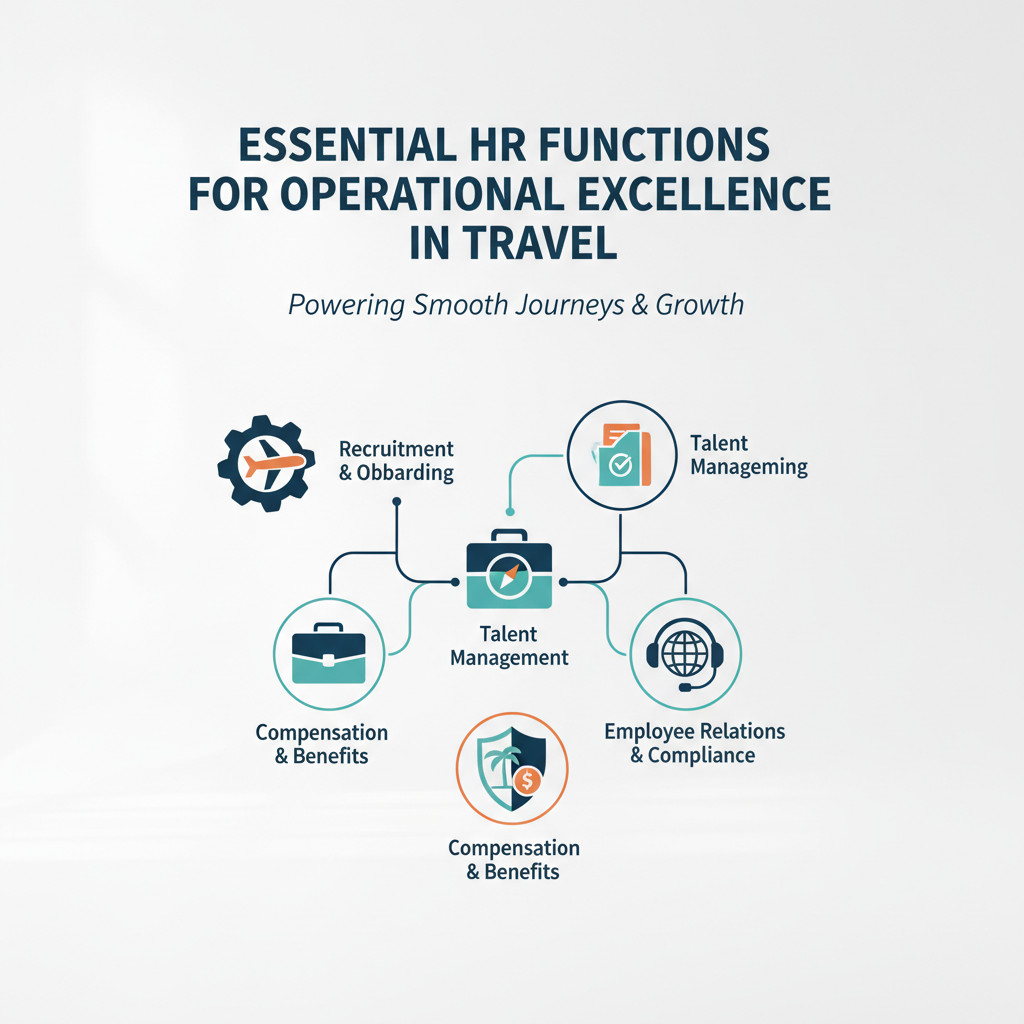
Essential HR Functions for Operational Excellence in Travel
For a travel Small and Medium-sized Enterprise (SME) in Vietnam, achieving operational excellence isn’t solely about attractive packages or competitive pricing; it’s profoundly rooted in robust human resource management. This section delves into the day-to-day HR operations crucial for any travel SME, covering talent acquisition, performance management, and employee development, all tailored specifically for the dynamic and service-oriented travel industry. A well-structured HR framework ensures that your team is not only equipped to handle the demands of the sector but also motivated to deliver unparalleled experiences to your clients, ultimately driving business success.
-
Recruitment and Onboarding Strategies for Travel Professionals
In the travel industry, securing the right talent is paramount. This goes beyond just technical skills; it encompasses customer service aptitude, cultural sensitivity, and a passion for exploration. Recruitment for travel SMEs should focus on diverse sourcing channels, from specialized job boards and industry networks to vocational schools and university partnerships. Developing clear job descriptions for roles like travel consultants, tour guides, and customer service representatives, emphasizing both hard skills (e.g., GDS proficiency, destination knowledge) and soft skills (e.g., problem-solving, empathy), is critical. Implementing a streamlined applicant tracking system (ATS), even a simple one, can significantly improve efficiency.
Once hired, effective onboarding is essential. For travel professionals, this means not just company policies but also deep dives into product knowledge, familiarization trips (if applicable), customer service standards unique to your brand, and cultural training relevant to your target markets. A structured 30-60-90 day plan can help new hires quickly integrate, understand their role’s impact on customer satisfaction, and begin contributing meaningfully to the team.
-
Effective Performance Management and Feedback Systems
Performance management in the travel sector needs to be continuous and constructive, moving beyond annual reviews to foster ongoing development. Establishing clear, measurable Key Performance Indicators (KPIs) relevant to roles – such as booking conversion rates for sales agents, customer satisfaction scores for guides, or issue resolution times for support staff – provides a objective basis for evaluation. Regular one-on-one meetings between managers and employees are vital for providing timely feedback, setting achievable goals, and addressing challenges proactively. Encouraging a culture of open communication helps employees feel valued and heard.
Furthermore, incorporating peer feedback and customer reviews into the performance evaluation process can offer a holistic view of an employee’s contribution. Recognizing achievements and providing specific feedback for improvement are key motivators. Utilizing performance management effectively can significantly boost employee engagement and retention. For further insights on how to engage employees through robust systems, explore resources such as Engaging Employees Through Performance Management from SHRM.
-
Compensation, Benefits, and Incentive Programs
Attracting and retaining top talent in the competitive travel industry requires a thoughtful approach to compensation and benefits. Beyond a competitive base salary, travel SMEs can differentiate themselves by offering industry-specific perks. These might include discounted travel packages, opportunities for familiarization trips to new destinations, flexible working arrangements to accommodate peak travel seasons, or even health and wellness programs tailored to reduce stress common in customer-facing roles. Clearly communicating the total rewards package, including non-monetary benefits, can significantly enhance employee perception of their compensation.
Incentive programs are particularly effective in a sales-driven environment like travel. Commission structures based on bookings, bonuses for achieving specific targets (e.g., customer retention, upselling, cross-selling), or profit-sharing initiatives can directly link employee effort to business success. Tying incentives to team performance can also foster collaboration, essential for delivering seamless travel experiences. Understanding the HR structure for SMEs in the travel field in Vietnam, especially for a fresh CEO, requires a Step by Step to understand SMEs HR Structure for the fresh the CEO in Travels field in vietnam, ensuring that compensation and benefits align with strategic goals and local market conditions.
Implementing these essential HR functions is not merely about compliance; it’s about strategically investing in your most valuable asset: your people. For travel SMEs, a well-managed HR department ensures a motivated, skilled workforce ready to deliver exceptional service, adapt to market changes, and ultimately drive sustainable growth and operational excellence in the vibrant Vietnamese travel landscape.
Navigating Vietnam’s HR Compliance and Workplace Culture
For a CEO venturing into Vietnam’s dynamic travel sector, mastering HR isn’t just about managing people; it’s about unlocking sustainable growth. This comprehensive section guides fresh CEOs through the intricacies of Vietnamese HR compliance and the unique nuances of its workplace culture. By adopting a Step by Step to understand SMEs HR Structure for the fresh the CEO in Travels field in vietnam, you can ensure legal adherence, mitigate risks, and cultivate a productive, culturally sensitive work environment crucial for your travel enterprise.
1. Key Vietnamese Labor Laws and Regulations (e.g., Contracts, Social Insurance)
Navigating Vietnam’s legal framework for employment is the cornerstone of HR compliance. The Labor Code is the primary legislation, requiring continuous updates. For CEOs in the travel field, particular attention must be paid to:
- Employment Contracts: Vietnamese law mandates written contracts outlining terms. Key types include indefinite-term, definite-term (up to 36 months, renewable once), and seasonal/task-based (under 12 months). Probation periods are capped at 60 days (highly skilled), 30 days (mid-level), and 6 days (other roles). Clearly define job roles, compensation, working hours, and termination clauses to prevent disputes, especially given the dynamic nature of the travel industry.
- Social, Health, and Unemployment Insurance: Employers and employees must contribute to these compulsory schemes. Social Insurance covers pension, sickness, maternity, and work accident/occupational disease. Health Insurance and Unemployment Insurance are also mandatory. These contributions are a significant part of labor costs, requiring accurate calculation and timely payment to avoid penalties and ensure employee benefits.
- Working Hours, Overtime, and Leave: The standard working week is 48 hours (8 hours/day). Overtime is permitted but capped at 300 hours per year with specific compensation. Employees receive at least 12 days of paid annual leave (more for long service/hazardous work) and 11 paid public holidays. Understanding these is critical for managing staff schedules in a fast-paced travel sector and maintaining employee welfare.
2. Ensuring Workplace Health, Safety, and Grievance Procedures
A responsible CEO prioritizes workforce well-being, fostering trust and enhancing productivity.
- Occupational Health and Safety (OHS): Employers are legally obligated to provide a safe and healthy working environment. This involves risk assessment, providing appropriate personal protective equipment (PPE), implementing clear safety protocols, and offering mandatory safety training. For the travel industry, OHS extends to field staff, drivers, and guides, ensuring their safety during tours and transportation. Robust emergency response plans and fire safety compliance are also crucial.
- Grievance Procedures: Establish accessible, confidential, and fair mechanisms for employees to raise concerns without fear of retaliation. A well-documented process, from informal resolution to formal investigation, demonstrates commitment to fairness. This includes clear policies against harassment, discrimination, and bullying, aligning with Vietnamese labor principles that advocate for worker protection. Transparent grievance handling prevents minor issues from escalating.
Staying updated with the latest OHS guidelines and labor law interpretations is vital for maintaining compliance. Authoritative resources, such as those provided by the Ministry of Labor, Invalids and Social Affairs (MOLISA), offer official insights into Vietnam’s labor laws and worker protection frameworks. Consulting these resources regularly is a proactive measure for any CEO.
3. Understanding Vietnamese Workplace Etiquette and Values
Beyond legal frameworks, cultural nuances profoundly shape business and team interactions.
- Hierarchy and Respect: Vietnamese culture strongly emphasizes hierarchy and respect for elders and superiors. Decisions flow top-down, and direct challenges to authority in public are generally avoided. Addressing individuals formally (e.g., Mr., Ms., title) shows respect. As a CEO, demonstrating respect for your team earns significant goodwill.
- Indirect Communication and “Saving Face”: Direct confrontation is often avoided to maintain harmony and allow individuals to “save face.” Feedback is usually delivered discreetly. Understanding this nuance is crucial for effective performance management and conflict resolution.
- Building Relationships (Quan Hệ and Tình Cảm): Strong personal relationships are highly valued. Building rapport and trust often precedes successful business dealings. Engaging in social activities, celebrating local holidays, and showing genuine interest in employees’ lives can significantly strengthen professional bonds and foster loyalty.
- Collectivism and Team Harmony: The emphasis is often on the group rather than the individual. Team harmony (hòa đồng) is highly prized, and individual achievements are framed within collective success. Fostering a collaborative environment is more effective than solely rewarding individualistic pursuits.
- Practical Cultural Tips: Learning basic Vietnamese greetings, being patient, avoiding public anger, and building trust gradually are key. Gifts, especially during Tet, are meaningful gestures of appreciation.
Conclusion
Successfully navigating Vietnam’s HR landscape requires a dual focus: unwavering adherence to labor laws and a deep appreciation for its rich workplace culture. By proactively addressing legal compliance, prioritizing employee well-being through robust safety and grievance procedures, and thoughtfully integrating cultural understanding into your HR strategies, fresh CEOs in the travel field can build a high-performing, loyal, and resilient team. This strategic approach will not only ensure operational stability but also serve as a powerful catalyst for your company’s long-term success in the dynamic Vietnamese market.
Strategic HR for Growth and Future-Proofing Your Travel SME
For a new CEO stepping into the dynamic and often complex world of a Travel SME in Vietnam, the Human Resources department might initially seem like a purely administrative function. However, to truly drive growth, foster resilience, and future-proof your business, HR must transform into a strategic partner. This section outlines how you can leverage HR beyond daily operations, focusing on long-term planning, talent retention, and crucial adaptation to industry changes. Understanding the nuanced step-by-step to understanding SMEs HR structure is paramount for fresh CEOs in the travel field in Vietnam, ensuring a solid foundation for sustainable success.
The travel industry, particularly in Vietnam, is subject to rapid shifts – from evolving customer preferences and technological advancements to global health crises and economic fluctuations. Your HR strategy must be agile, proactive, and deeply integrated with your overall business objectives to navigate these challenges and seize opportunities. Let’s explore three critical areas where strategic HR can empower your SME to thrive.
1. Succession Planning and Leadership Development
One of the most significant vulnerabilities for any SME is an over-reliance on a few key individuals. Strategic HR mitigates this risk through robust succession planning and continuous leadership development. For a travel SME, this means identifying high-potential employees across various departments – tour operations, sales, marketing, and customer service – and preparing them for future leadership roles. This isn’t just about replacing executives; it’s about building a strong talent pipeline at all levels, ensuring business continuity and fostering internal growth opportunities.
Implementing a structured program involves identifying core competencies required for future roles, providing targeted training (e.g., project management, advanced language skills, digital marketing for tourism), mentorship from existing leaders, and giving employees challenging assignments. This proactive approach ensures that when a critical role becomes vacant, you have qualified internal candidates ready to step up, reducing recruitment costs, preserving institutional knowledge, and boosting overall employee morale. Furthermore, investing in leadership development cultivates a culture of continuous learning, which is vital for adaptability in a fast-changing industry.
2. Leveraging HR Technology for Efficiency and Data
In today’s digital age, HR technology is no longer a luxury but a necessity, especially for SMEs looking to optimize resources. As a new CEO, embracing HR tech can dramatically enhance operational efficiency and provide invaluable data for strategic decision-making. Cloud-based HR Information Systems (HRIS) or Human Capital Management (HCM) platforms can automate mundane tasks like payroll processing, attendance tracking, and benefits administration, freeing up your HR team to focus on strategic initiatives.
Beyond automation, HR technology provides powerful analytics. Imagine having instant access to data on employee turnover rates, recruitment effectiveness, training ROI, or employee satisfaction metrics. This data allows you to identify trends, predict future talent needs, and make data-driven decisions about everything from compensation structures to talent acquisition strategies. Leveraging these insights is critical for understanding the evolving landscape of human capital and staying competitive. For example, by analyzing performance data, you can pinpoint areas where additional training is needed, directly impacting service quality and customer satisfaction in your travel offerings.
3. Strategies for Employee Retention and Engagement
In the competitive travel industry, attracting talent is only half the battle; retaining your best employees is paramount. High employee turnover can be costly, disrupt operations, and negatively impact customer experience. Strategic HR develops comprehensive strategies to foster a positive work environment and keep employees engaged and motivated.
This starts with creating a compelling employee value proposition that goes beyond just salary. Consider competitive compensation and benefits packages, but also focus on non-monetary factors: opportunities for career advancement, flexible work arrangements (where feasible for the travel industry), a supportive company culture, and meaningful recognition programs. Regular performance feedback, open communication channels, and opportunities for skill development are also crucial. Employees who feel valued, heard, and see a clear path for growth are far more likely to stay and contribute their best. Implementing employee engagement surveys and acting on feedback can identify pain points and areas for improvement, creating a more committed and productive workforce that is passionate about delivering exceptional travel experiences.
By strategically integrating HR into your core business strategy, you, as a new CEO, can build a resilient, agile, and high-performing travel SME. This approach not only future-proofs your business against unforeseen challenges but also positions it for sustainable growth and market leadership in the dynamic Vietnamese travel sector.
Partner with Shelby Global
You are looking for reliable HR Sevice Suppliers? Contact Shelby Global Now! To connect with verified talents and upgrade your orginization.
—————————————
References
– Vietnamese Labor Code 2019: https://www.ilo.org/dyn/natlex/natlex4.detail?p_lang=en&p_isn=109214&p_country=VNM&p_count=165
– International Labour Organization (ILO) Vietnam office: https://www.ilo.org/hanoi/lang–en/index.htm
– :
– Ministry of Labor, Invalids and Social Affairs (MOLISA): https://english.molisa.gov.vn/
– Deloitte’s Global Human Capital Trends: https://www2.deloitte.com/us/en/insights/focus/human-capital-trends.html