
The Evolving Landscape of Vietnam’s Beauty Industry
Vietnam’s beauty industry is undergoing a remarkable transformation, rapidly emerging as one of Southeast Asia’s most dynamic and promising markets. Once dominated by a few international players, the sector has blossomed into a vibrant ecosystem characterized by exponential growth, diverse product offerings, and an increasingly sophisticated consumer base. This rapid expansion is not merely a cosmetic change; it reflects significant economic shifts, including a growing middle class with increased disposable income, heightened urbanization, and a strong digital penetration that fuels new consumption patterns. The industry’s economic significance is undeniable, contributing substantially to retail growth and offering myriad opportunities for both established brands and innovative newcomers. Consumers, particularly the youth demographic, are more beauty-conscious than ever, driven by global trends, social media influence, and a desire for self-expression and personal well-being. This overview will delve into the remarkable journey of the Vietnamese beauty sector, highlighting its swift evolution and the expanding horizons for stakeholders.
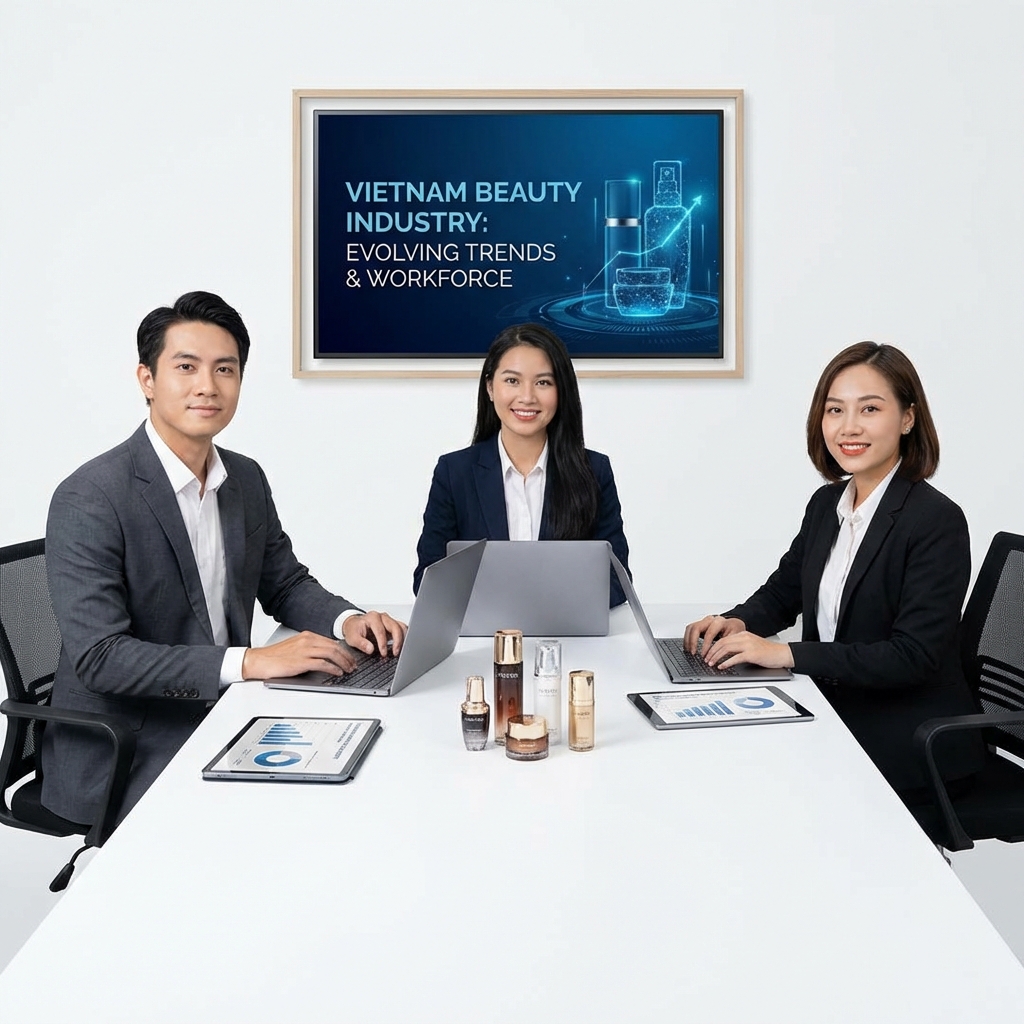
1. Market Growth & Emerging Opportunities
The Vietnamese beauty market has witnessed explosive growth over the past decade, consistently outperforming regional averages. Valued at over $2.3 billion in 2023 and projected to reach even higher figures in the coming years, this upward trajectory is fueled by several interconnected factors. Rising disposable incomes mean consumers are increasingly willing to invest in personal care and beauty products. Urbanization brings greater exposure to international brands and beauty standards, while a tech-savvy population readily adopts e-commerce platforms and engages with beauty content online. This fertile ground creates significant emerging opportunities. For international brands, Vietnam represents an attractive market for expansion, with a growing appetite for premium and specialized products. Simultaneously, local Vietnamese brands are experiencing a renaissance, leveraging authentic ingredients, cultural insights, and agile marketing strategies to carve out their niche. The blend of traditional remedies with modern formulations, often promoted through local influencers, resonates strongly with consumers seeking both effectiveness and cultural relevance. Understanding these beauty industry trends Vietnam is crucial for any player looking to capitalize on this vibrant landscape.
2. Key Segments: Skincare, Makeup, & Aesthetic Services
Vietnam’s beauty sector is segmented into distinct yet interconnected categories, each exhibiting unique growth patterns and consumer demands. Skincare remains the dominant segment, accounting for the largest share of the cosmetic market Vietnam. Consumers are increasingly prioritizing comprehensive skincare routines, with a strong demand for products addressing concerns like hydration, sun protection, anti-aging, and brightening. Natural and organic ingredients, along with dermocosmetics, are particularly favored. The makeup segment, while smaller, is experiencing rapid growth. Influenced heavily by K-beauty and Western trends, Vietnamese consumers are embracing makeup as a form of self-expression, driving demand for innovative foundations, vibrant lip products, and eye makeup. Tutorials and social media play a pivotal role in shaping makeup preferences and techniques. Perhaps the most dynamic growth area is aesthetic services Vietnam. The proliferation of beauty clinics, spas, and medi-spas offering non-invasive treatments such as laser therapy, injectables, and advanced facials reflects a growing desire for professional solutions to beauty concerns. This segment caters to a demographic increasingly willing to invest in clinical treatments for long-term beauty and wellness.
3. Drivers of Industry Expansion & Innovation
The sustained expansion and innovation within Vietnam’s beauty industry are propelled by several powerful drivers. Digitalization stands as a primary catalyst; e-commerce platforms, social media marketing, and influencer collaborations have revolutionized how brands reach consumers and how consumers discover new products. Personalization is another key trend, with consumers seeking products tailored to their specific needs and concerns. Ethical considerations, such as sustainability, cruelty-free practices, and transparent ingredient lists, are also gaining traction, particularly among younger, more educated buyers. The competitive landscape is intensely dynamic, with both global giants and agile local brands vying for market share. International brands often bring established reputations and advanced R&D, while local brands excel at understanding indigenous needs and leveraging local ingredients. Regulatory developments, though sometimes posing challenges, also push for higher product quality and safety standards, fostering a more trustworthy market environment. As the industry continues to mature, understanding a comprehensive trend report of the risks and opportunities within the beauty field in Vietnam becomes paramount for navigating its complexities and capitalizing on its immense potential. This evolving landscape promises continued innovation and growth, solidifying Vietnam’s position as a regional beauty powerhouse.
Identifying Key Risks & Vulnerabilities
In the vibrant and rapidly expanding beauty sector of Vietnam, innovation and consumer demand often outpace regulatory oversight and ethical business practices. This section, integral to the trend report of the risk of beauty field in vietnam, delves into a detailed examination of the primary risks consumers and businesses encounter. From critical issues related to product safety to concerns surrounding service quality, we highlight the prevalent issues that challenge the integrity and sustainability of the industry. Understanding these vulnerabilities is crucial for safeguarding consumer welfare, ensuring fair competition, and fostering a trustworthy market environment, particularly concerning areas like product safety, service quality, and overall consumer protection in the face of rising trends in beauty consumption.
The burgeoning market, while offering immense opportunities, simultaneously presents a complex landscape fraught with potential hazards. Consumers, eager for the latest beauty enhancements and products, are often exposed to significant risks, some with severe health implications. Businesses, in their quest for market share, sometimes fall prey to unethical practices or lack the necessary infrastructure to ensure high standards. This analysis aims to shed light on these critical areas, providing insights for stakeholders to navigate and mitigate these challenges effectively.
1. Prevalence of Counterfeit & Unapproved Products
One of the most insidious threats within the Vietnamese beauty landscape is the widespread availability and proliferation of counterfeit beauty products and those that have not received official regulatory approval. These fake or unauthorized items, ranging from skincare and makeup to hair care products, often mimic popular brands, making it difficult for consumers to distinguish them from genuine articles. The core danger lies in their unknown composition; these products frequently contain substandard, hazardous, or even toxic ingredients, such as lead, mercury, arsenic, or unapproved chemicals. Use of such counterfeit beauty products can lead to severe adverse reactions, including allergic reactions, skin irritations, infections, permanent scarring, and in some cases, long-term health complications. Beyond the immediate physical risks, the rampant sale of unapproved products erodes consumer trust in legitimate brands and the entire market, impacting genuine businesses through unfair competition and damage to brand reputation. Regulatory bodies face an uphill battle in monitoring and curbing this illicit trade, highlighting a critical need for enhanced enforcement, stricter import controls, and greater public awareness campaigns regarding product safety and the dangers of unregulated goods.
2. Misleading Marketing & False Product Claims
The digital age has amplified the reach of marketing, but it has also created fertile ground for misleading advertising and false product claims within Vietnam’s beauty sector. Consumers are constantly bombarded with exaggerated promises of instant and dramatic transformations, often supported by heavily edited images or paid testimonials that lack genuine scientific backing. These deceptive practices can manifest in various forms, including claims of “miracle cures” for skin conditions, unrealistic anti-aging effects, or baseless assurances of organic and natural purity for products that contain synthetic ingredients. Such misleading marketing not only capitalizes on consumer aspirations but also encourages the purchase of ineffective or potentially harmful products. The psychological impact can be significant, leading to disappointment, distrust, and a sense of betrayal when products fail to deliver on their grand promises. Moreover, false claims can discourage consumers from seeking legitimate medical or professional advice for their concerns, opting instead for quick-fix solutions that offer no real benefit. Addressing this vulnerability requires greater transparency from brands, stricter advertising regulations, and proactive consumer education to empower individuals to critically evaluate marketing messages and demand verifiable proof of product efficacy and safety.
3. Inadequate Professional Training & Service Standards
The rapidly growing demand for beauty services in Vietnam, encompassing everything from advanced aesthetic treatments to basic salon services, has unfortunately outpaced the availability of adequately trained professionals and established service standards. This disparity presents a significant risk to consumers, particularly when undergoing procedures that require specialized skills and strict hygiene protocols. Instances of unqualified practitioners performing complex treatments, such as injectables, laser therapies, or even intricate skincare procedures, are not uncommon. The consequences of inadequate training can range from poor aesthetic outcomes and dissatisfaction to severe complications like infections, burns, permanent damage, or allergic reactions due to improper product application or unsanitary conditions. Furthermore, a lack of standardized operational procedures across beauty establishments contributes to inconsistent service quality, where hygiene practices might be compromised, equipment inadequately sterilized, or client consultations superficial. This vulnerability extends beyond advanced medical aesthetics to everyday salon services, where basic training in sanitation and safe product use is paramount. To mitigate these risks and elevate overall service quality, there is an urgent need for comprehensive national standards for professional training, mandatory certification for practitioners, and regular inspections of beauty establishments. Investing in continuous education and promoting a culture of professional excellence are vital steps towards ensuring consumer safety and building trust in Vietnam’s beauty service industry.
Regulatory Framework & Enforcement Challenges
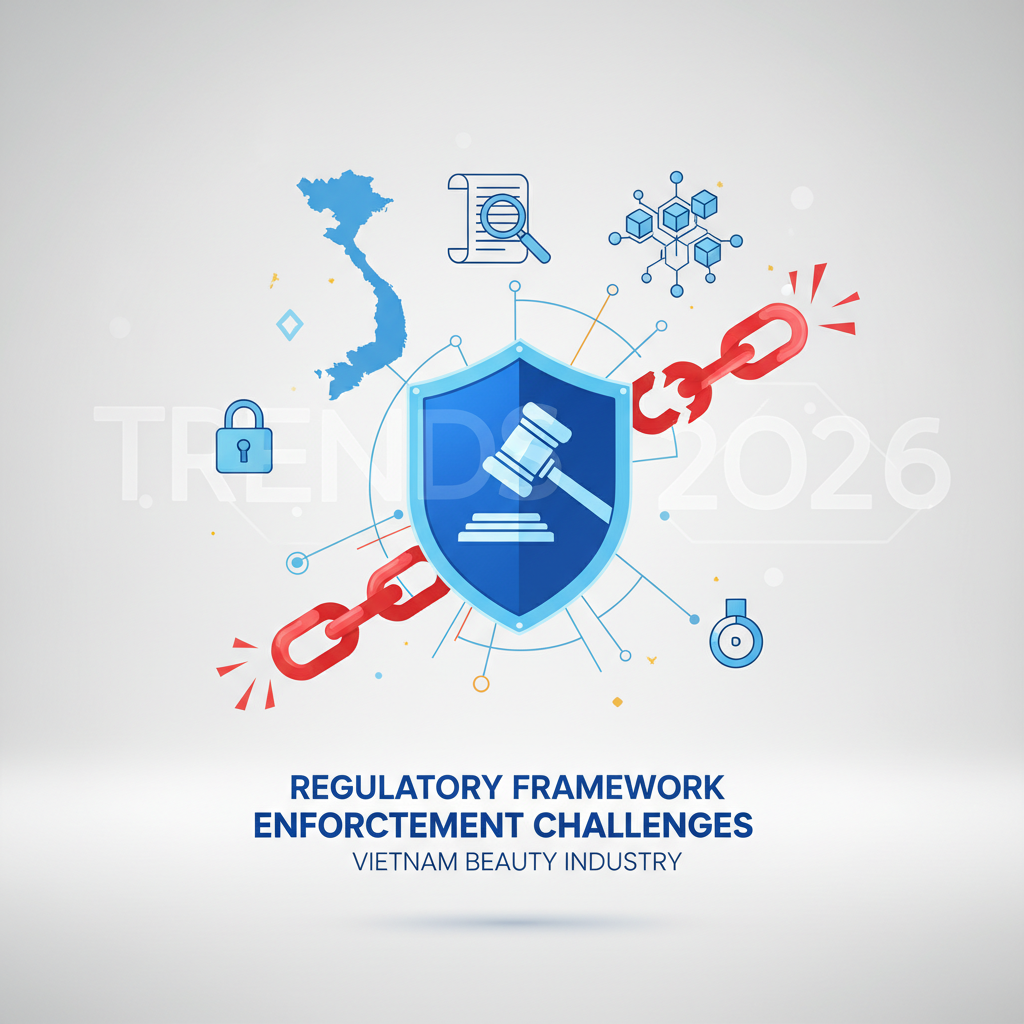
The burgeoning beauty industry in Vietnam, while experiencing rapid growth and innovation, operates within a complex and often challenging regulatory landscape. Understanding this framework is crucial for businesses and consumers alike, especially given the rising risks associated with product safety and service quality. This section provides an in-depth analysis of the existing legal and regulatory environment governing the beauty field in Vietnam, along with the significant challenges in ensuring effective enforcement and compliance.
1. Current Regulations & Identified Gaps
Vietnam’s regulatory framework for the beauty industry is primarily governed by the Ministry of Health (MoH), which oversees the registration, manufacturing, import, and distribution of cosmetic products. Key legislation includes various decrees and circulars, notably Circular No. 06/2011/TT-BYT on cosmetic management, which aligns with the ASEAN Cosmetic Directive. This directive aims to harmonize cosmetic regulations across Southeast Asia, covering aspects like product ingredients, labeling, and good manufacturing practices (GMP). Beyond cosmetics, beauty services, particularly those involving invasive procedures, fall under the purview of medical examination and treatment laws, requiring facilities to obtain specific licenses and practitioners to hold relevant qualifications. Advertising of beauty products and services is also regulated, aiming to prevent misleading claims.
Despite these foundational regulations, significant gaps persist. The rapid evolution of the beauty sector, particularly with the advent of advanced aesthetic technologies (e.g., high-intensity focused ultrasound, intense pulsed light) and new business models (e.g., direct selling, e-commerce, social media influencers), often outpaces legislative updates. There’s a notable lack of specific regulations for certain non-invasive beauty treatments that straddle the line between cosmetic and medical procedures. Furthermore, the burgeoning market for “natural” or “organic” beauty products often lacks clear, standardized definitions and certification processes, leading to consumer confusion and potential misrepresentation. The rise of unregistered online sellers and cross-border e-commerce also presents a substantial challenge to the existing regulatory oversight, making it difficult to control the influx of potentially unsafe or counterfeit products.
2. Enforcement Loopholes & Compliance Issues
Even where regulations exist, their effective enforcement remains a critical challenge in Vietnam. Several factors contribute to enforcement loopholes and widespread compliance issues. Firstly, understaffing and a lack of specialized technical expertise within regulatory bodies can hinder thorough inspections and market surveillance, especially given the sheer volume and diversity of beauty products and services. Secondly, the informal sector, encompassing numerous small, unregistered beauty salons and individual practitioners, largely operates outside the regulatory net, posing significant health risks to consumers due to untrained personnel and unhygienic practices. The decentralized nature of online sales makes it incredibly difficult for authorities to monitor and sanction non-compliant advertisements or the sale of illegal products.
Compliance issues are also prevalent among registered businesses. Some manufacturers and distributors may cut corners on GMP standards, while retailers might engage in the sale of unregistered or illicit imports. Misleading advertising, particularly on social media, remains a persistent problem, with influencers often promoting products without adequate disclosure or scientific backing. Furthermore, penalties for non-compliance are sometimes perceived as insufficient to deter illicit activities, leading to a cycle of violations. The complexity of the regulatory landscape itself can also be a barrier, with small and medium-sized enterprises (SMEs) struggling to navigate the requirements, sometimes unintentionally falling out of compliance.
3. Impact of International Standards on Local Practices
The Vietnamese beauty sector is increasingly influenced by international standards and best practices, primarily through its adherence to the ASEAN Cosmetic Directive. This regional harmonization effort encourages a unified approach to cosmetic product regulation, facilitating trade while aiming to ensure product safety. Beyond ASEAN, global trends in consumer safety, ingredient transparency, and sustainable practices, often driven by regulations in markets like the European Union and the United States, are gradually shaping local expectations and industry norms. Vietnamese manufacturers and brands aspiring to enter international markets or attract discerning domestic consumers are compelled to adopt higher standards, including ISO certifications (e.g., ISO 22716 for Cosmetics – Good Manufacturing Practices) and rigorous testing protocols.
This influence, while beneficial for raising overall product quality and safety, also presents challenges. Adapting to stringent international standards requires significant investment in infrastructure, technology, and training, which can be particularly burdensome for smaller local businesses. There’s also the ongoing challenge of bridging the gap between officially adopted international guidelines and their practical, consistent application across the diverse local industry, especially within the informal sector. However, the increasing awareness among consumers about global safety benchmarks, partly fueled by access to information and a growing desire for high-quality, trustworthy products, is a powerful driver for the entire Vietnamese beauty industry to enhance its compliance with both local and international regulatory demands, ultimately mitigating the trend report of the risk of beauty field in vietnam.
Consumer Awareness & Protection in the Digital Age
Exploring how increased consumer awareness, amplified by digital platforms, influences market trends and demands for safer beauty practices.
The beauty landscape in Vietnam is undergoing a significant transformation, driven largely by an increasingly informed and proactive consumer base. In an era where information is just a click away, digital platforms have become powerful conduits, amplifying consumer awareness regarding product safety, ingredient transparency, and ethical practices. This heightened scrutiny is not just a passing trend; it’s a fundamental shift that is reshaping market dynamics, pushing brands to prioritize health and safety, and fostering a new era of consumer protection in the digital age. Understanding these shifts is crucial for any stakeholder looking at the evolving Vietnamese beauty industry.
1. Rising Health & Safety Concerns Among Consumers
The rapid expansion of Vietnam’s beauty market has brought with it an influx of both legitimate and unregulated products and services. As consumers gain access to global information and local discourse, a palpable rise in health and safety concerns has emerged. Consumers are increasingly wary of potentially harmful ingredients, misleading claims, and the prevalence of counterfeit products. This apprehension is particularly strong concerning products promising rapid results, which often carry inherent Vietnamese beauty industry risks. There’s a growing demand for transparency in ingredient lists, clear labeling, and certifications that guarantee product safety. Consumers are moving beyond superficial aesthetics, digging deeper into what they apply to their skin and hair, and understanding the long-term implications. This trend is compelling brands to invest in rigorous testing, sustainable practices, and clear communication about their product formulations, directly influencing market trends towards safer, more natural, and scientifically backed beauty solutions. The conversation around beauty product safety Vietnam is no longer niche; it’s a mainstream concern driving purchasing decisions.
2. Influence of Social Media & Online Reviews
Social media platforms and online review sites have become indispensable tools in shaping consumer perceptions and influencing purchasing behaviors within the beauty sector. Platforms like Facebook, Instagram, TikTok, and local e-commerce review sections empower consumers to share their experiences, both positive and negative, on an unprecedented scale. User-generated content, ranging from unboxing videos to detailed product reviews and efficacy tests, provides authentic insights that often hold more sway than traditional advertising. Influencers, micro-influencers, and beauty communities play a pivotal role in disseminating information, highlighting new products, and critically evaluating existing ones. This collective intelligence acts as a powerful feedback loop, enabling consumers to quickly identify problematic products or brands and conversely, champion those that meet high standards of safety and efficacy. The sheer volume and accessibility of online beauty reviews Vietnam have created a more transparent market where brands are held accountable by a vast, interconnected network of users. This digital word-of-mouth directly impacts brand reputation and sales, making it imperative for companies to monitor and actively engage with online feedback. For a comprehensive look at the challenges, readers can delve into the trend report of the risk of beauty field in vietnam.
3. Consumer Education Initiatives & Empowerment
Recognizing the need for a more informed populace, various stakeholders—including government bodies, consumer protection organizations, and even forward-thinking beauty brands—are actively investing in consumer education initiatives. These efforts aim to empower consumers with the knowledge and tools needed to make safe and effective choices. Programs might include workshops on understanding ingredient labels, identifying common allergens or irritants, distinguishing between genuine and counterfeit products, and recognizing red flags in marketing claims. Online resources, informational campaigns, and public service announcements are also playing a crucial role in spreading awareness about digital consumer protection Vietnam. By fostering a deeper understanding of product formulations and regulatory standards, consumers are better equipped to advocate for themselves and demand higher quality from the market. This empowerment extends beyond individual purchasing decisions, as educated consumers are more likely to report unsafe products or unethical practices, contributing to a more robust regulatory environment. Understanding ingredients is a key aspect of this education, as highlighted by resources like the FDA’s guidance on understanding cosmetic ingredients. These initiatives are not just about preventing harm; they are about fostering a culture of informed consumption that ultimately elevates the entire beauty industry in Vietnam.
In conclusion, the digital age has irrevocably changed consumer awareness and protection within Vietnam’s beauty sector. From heightened safety concerns to the pervasive influence of social media and robust education initiatives, consumers are more empowered than ever before. This evolving landscape demands greater transparency, accountability, and a genuine commitment to consumer well-being from all market players. Those who adapt to these new expectations will undoubtedly thrive in the dynamic and increasingly consumer-centric beauty market of Vietnam.
Mitigating Risks & Future Outlook for 2026
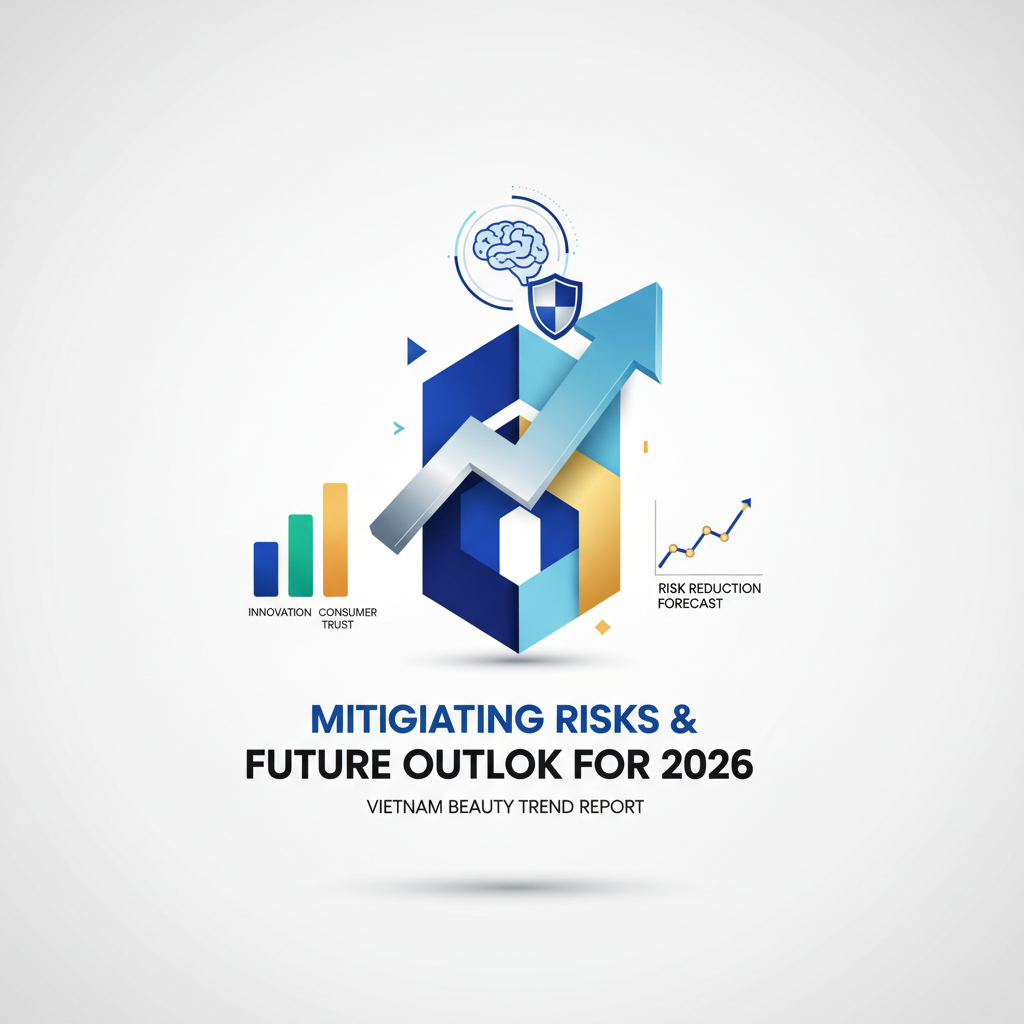
The dynamic beauty landscape in Vietnam presents both immense opportunities and significant challenges. As highlighted in the trend report of the risk of beauty field in Vietnam, addressing current and anticipated risks is paramount for ensuring sustainable growth and robust consumer safety. This section outlines strategic recommendations for stakeholders, focusing on proactive measures and collaborative efforts to navigate potential pitfalls and foster a thriving, trustworthy beauty ecosystem by 2026. Proactive risk mitigation is crucial for maintaining consumer trust and safeguarding public health, especially given the rapid expansion of the market and the increasing complexity of product offerings.
-
Industry Best Practices & Self-Regulation
For the Vietnamese beauty industry, embracing robust self-regulation and adhering to international best practices are fundamental steps toward mitigating risks. Brands must prioritize transparent ingredient sourcing, rigorous product testing, and clear labeling, extending beyond mere compliance to foster a culture of safety and accountability. Implementing comprehensive quality management systems (QMS) that cover the entire product lifecycle, from research and development to post-market surveillance, is essential. This includes adopting Good Manufacturing Practices (GMP) universally, not just for export-oriented businesses, to ensure consistent quality and safety standards. Furthermore, industry associations can play a pivotal role in developing voluntary codes of conduct, promoting ethical marketing practices, and establishing mechanisms for dispute resolution. Educational campaigns for both businesses and consumers on product safety and responsible usage are vital. This approach not only builds consumer confidence but also strengthens the industry’s collective reputation, making it more resilient against potential challenges. For instance, promoting the use of certified ingredients and transparent supply chains helps address concerns related to product authenticity and potential contaminants, which are frequently identified risks in the cosmetic safety Vietnam context.
-
Government Policy Recommendations & Reforms
Effective governance and adaptive regulatory frameworks are indispensable for safeguarding consumers and fostering sustainable industry growth. The Vietnamese government can enhance its oversight by streamlining regulatory processes, increasing the frequency and stringency of inspections, and imposing stricter penalties for non-compliance. A key recommendation is to establish a centralized digital database for cosmetic product registration, making it easier for both businesses to comply and for consumers to verify product legitimacy. Investing in advanced laboratory testing capabilities and training regulatory personnel to identify emerging risks, such as novel ingredients or illicit products, is also critical. Collaborating with international regulatory bodies and adopting global standards, where appropriate, can further bolster beauty industry regulations in Vietnam. Policy reforms should also consider the rapid evolution of e-commerce, implementing specific guidelines for online sales, influencer marketing, and direct-to-consumer models to prevent the proliferation of counterfeit or unverified products. Such measures will not only protect consumer protection beauty interests but also level the playing field for legitimate businesses, encouraging fair competition and innovation. Enhanced enforcement will be critical to tackling the shadow market of unregistered or illegally imported products. The World Health Organization (WHO) provides guidance on cosmetic product safety and regulation. Adopting similar stringent guidelines can significantly improve the safety landscape.
-
Technology’s Role in Enhancing Safety & Transparency
Technology offers powerful tools to revolutionize cosmetic safety Vietnam and transparency. Blockchain technology, for example, can provide an immutable record of a product’s journey from raw material to consumer, ensuring traceability and authenticity. QR codes on product packaging can link consumers directly to detailed ingredient lists, manufacturing information, and certification documents, empowering them with informed choices. Artificial intelligence (AI) and machine learning can be deployed to analyze vast datasets for early detection of adverse reactions, identify fraudulent products, and predict emerging safety risks based on consumer feedback and market trends. Digital platforms can also facilitate real-time communication between consumers, brands, and regulators, enabling swift reporting of issues and dissemination of safety alerts. Implementing digital transformation beauty solutions is not just about efficiency; it’s about building an intelligent, responsive, and trustworthy beauty ecosystem. Furthermore, leveraging big data analytics can help identify patterns in product efficacy and safety, leading to continuous improvement and innovation within the sector. These technological advancements, when integrated effectively, can significantly reduce the risks associated with product quality and consumer misinformation, making the Vietnamese beauty market a safer and more reliable space for all.
This comprehensive approach, combining industry-led initiatives, government reforms, and technological innovation, will be vital in shaping the future of Vietnam’s beauty field. By proactively addressing the risks identified in the trend report of the risk of beauty field in Vietnam, stakeholders can ensure sustainable growth, enhance consumer confidence, and solidify Vietnam’s position as a hub for safe and innovative beauty products in the coming years.
Partner with Shelby Global
You are looking for reliable HR Sevice Suppliers? Contact Shelby Global Now! To connect with verified talents and upgrade your orginization.
—————————————
References
– Statista Report on Vietnam Beauty and Personal Care Market Value: https://www.statista.com/statistics/1231665/vietnam-beauty-and-personal-care-market-value/
– Vietnam Strengthens Fight Against Fake and Smuggled Cosmetics: https://www.moh.gov.vn/en/web/moh/news-detail/-/asset_publisher/we3fD9smWfE2/content/vietnam-strengthens-fight-against-fake-and-smuggled-cosmetics
– ASEAN Cosmetic Directive: https://asean.org/wp-content/uploads/2012/05/ASEAN-Cosmetic-Directive-Edition-2016-with-Product-Claims-Guidelines-2.pdf
– Understanding Cosmetic Ingredients: https://www.fda.gov/cosmetics/labeling-essentials-cosmetics/understanding-cosmetic-ingredients
– The World Health Organization (WHO) provides guidance on cosmetic product safety and regulation: https://www.who.int/health-topics/cosmetic-products