Current Landscape & Growth Drivers in Vietnam’s Ecommerce
Vietnam’s e-commerce sector is a vibrant and rapidly expanding market, distinguishing itself as one of Southeast Asia’s most dynamic digital economies. This section will thoroughly examine the current state of Vietnam’s e-commerce market, its overall size, and delve into the primary factors fueling its remarkable expansion and burgeoning market demand. Understanding these underlying drivers is crucial for any business looking to capitalize on the robust growth trajectory that defines the market demand trend report of Ecommerce field in vietnam.

1. Overview of Vietnam’s digital economy and Ecommerce market size
Vietnam’s digital economy is experiencing an unprecedented boom, with e-commerce standing out as a star performer. The nation has consistently recorded double-digit growth rates, positioning it as a key player in the regional digital landscape. According to the e-Conomy SEA 2023 report by Google, Temasek, and Bain & Company, Vietnam’s digital economy is projected to reach a Gross Merchandise Value (GMV) of USD 45 billion by 2025, with e-commerce being the largest contributing sector. This explosive growth is driven by increasing digital literacy and a readiness among consumers to embrace online shopping. The market’s size is not just impressive in volume but also in its continuous upward trend, reflecting a strong and sustained market demand trend report of Ecommerce field in vietnam. Both domestic and international players are vying for market share, indicating a healthy competitive environment that ultimately benefits consumers through wider product selections and competitive pricing. The sheer scale and speed of this expansion underscore the vast opportunities available across various product categories, from fashion and electronics to groceries and health products, all contributing to a rich and diverse e-commerce ecosystem.
2. Key demographics, rising disposable income, and evolving consumer behavior
Central to Vietnam’s e-commerce success is its unique demographic profile. The country boasts a youthful population, with a significant proportion under 35 years old – a demographic inherently tech-savvy and open to digital consumption. This young populace is entering the workforce, leading to a steadily rising disposable income, particularly within the burgeoning middle class. As incomes increase, so does consumer spending power, with a growing appetite for both essential goods and discretionary purchases made online. Simultaneously, consumer behavior is rapidly evolving. Vietnamese shoppers are increasingly valuing convenience, variety, and competitive pricing – all hallmarks of the e-commerce experience. The prevalence of social commerce, where purchases are influenced by and made within social media platforms, is another distinct characteristic. Furthermore, a growing trust in online payment methods and logistics infrastructure is breaking down traditional barriers to digital adoption. These combined demographic shifts and behavioral changes create a fertile ground for e-commerce, ensuring a robust and expanding user base that fuels the overall market demand trend report of Ecommerce field in vietnam.
3. Impact of increasing internet penetration and smartphone adoption
The foundational pillars supporting Vietnam’s e-commerce boom are its impressive internet penetration and widespread smartphone adoption. With over 70% of the population having internet access and an even higher percentage owning smartphones, a vast majority of Vietnamese consumers are constantly connected. This ubiquitous connectivity transforms smartphones into primary shopping devices, enabling seamless access to online marketplaces, social commerce platforms, and digital payment solutions. Mobile-first strategies are not just a preference but a necessity for e-commerce businesses operating in Vietnam, as consumers use their devices for everything from product discovery and price comparison to order placement and tracking. The ease of access provided by smartphones has democratized online shopping, extending its reach beyond urban centers into more rural areas, thereby expanding the total addressable market. This pervasive digital access significantly reduces friction in the customer journey and is a critical enabler of the ongoing digital transformation. Businesses that understand and leverage these trends are well-positioned to meet the growing market demand trend report of Ecommerce field in vietnam, effectively reaching and converting a digitally-empowered consumer base ready for online transactions.
Emerging Trends in Consumer Demand & Preferences
The Vietnamese e-commerce landscape is undergoing rapid transformation, driven by an increasingly tech-savvy and discerning consumer base. A comprehensive market demand trend report of Ecommerce field in vietnam reveals significant shifts in what consumers are looking for, influencing everything from product categories to desired shopping experiences and service expectations. Businesses that adapt to these evolving preferences are best positioned for growth in this dynamic market.
1. Rise of Social Commerce, Live Streaming, and Influencer Marketing
Social media platforms have cemented their role not just as communication channels but as powerful engines of commerce in Vietnam. Platforms like Facebook, TikTok, and Zalo are no longer just for brand awareness; they are primary points of sale. Social commerce, the integration of e-commerce within social media, is booming, allowing consumers to discover, research, and purchase products without leaving their favorite apps. Live streaming, in particular, has emerged as a dominant trend, captivating audiences with real-time product demonstrations, Q&A sessions, and exclusive flash sales. This interactive format fosters a sense of urgency and community, significantly boosting conversion rates, especially among younger demographics eager for engaging shopping experiences.
Complementing this trend is the undeniable influence of local and international personalities. Influencer marketing is critical, with consumers trusting recommendations from KOLs (Key Opinion Leaders) and KOCs (Key Opinion Consumers) who are perceived as authentic and relatable. From fashion and beauty to electronics and food, influencers dictate trends and drive purchasing decisions, making strategic collaborations essential for brands. The desire for more authentic, interactive, and community-driven shopping experiences continues to fuel this social commerce revolution, reflecting a broader shift away from traditional, passive browsing towards active, personalized engagement.
2. Increasing Demand for Personalized Products, Services, and Experiences
Vietnamese consumers are increasingly moving away from generic, mass-produced items, showing a strong preference for products, services, and experiences tailored to their individual tastes and needs. This demand for personalization spans various sectors, from custom-designed apparel and accessories to bespoke travel packages and health plans. E-commerce platforms are leveraging data analytics and AI to offer highly relevant product recommendations, personalized marketing messages, and customized user interfaces, enhancing the shopping journey.
Beyond products, the emphasis on personalized service is also growing. Consumers expect brands to understand their purchase history, preferences, and even anticipate their future needs. This translates into tailored customer support, proactive problem-solving, and unique loyalty programs that make individuals feel valued. For instance, many online fashion retailers now offer virtual try-on features, while food delivery services provide curated meal suggestions based on past orders and dietary restrictions. This trend underscores a desire for uniqueness and a more intimate connection with brands, driving businesses to invest in technologies and strategies that deliver highly individualized interactions and offerings.
3. Growth in Sustainable Products, Local Brands, and Ethical Consumption
A growing consciousness around environmental sustainability and social responsibility is reshaping consumer preferences in Vietnam. There is an increasing demand for sustainable products – those made with eco-friendly materials, produced through ethical labor practices, and packaged with minimal environmental impact. Younger generations, in particular, are showing a willingness to pay a premium for brands that demonstrate a commitment to green initiatives and transparent supply chains.
Parallel to this, the ‘Buy Vietnamese’ movement continues to gain momentum. Consumers are actively seeking out and supporting local brands, driven by a sense of national pride, trust in local quality, and a desire to contribute to the domestic economy. These local brands often resonate deeply with cultural values and offer products specifically tailored to Vietnamese tastes and needs. Ethical consumption extends beyond environmental concerns to include fair trade practices, support for local communities, and transparency in business operations. Brands that authentically integrate these values into their core identity and communicate them effectively are building stronger trust and loyalty among the modern Vietnamese consumer, as highlighted by various market insights, including recent findings on e-commerce market trends in Vietnam, which often reflect these evolving preferences.
Technological Innovations Driving Ecommerce Transformation
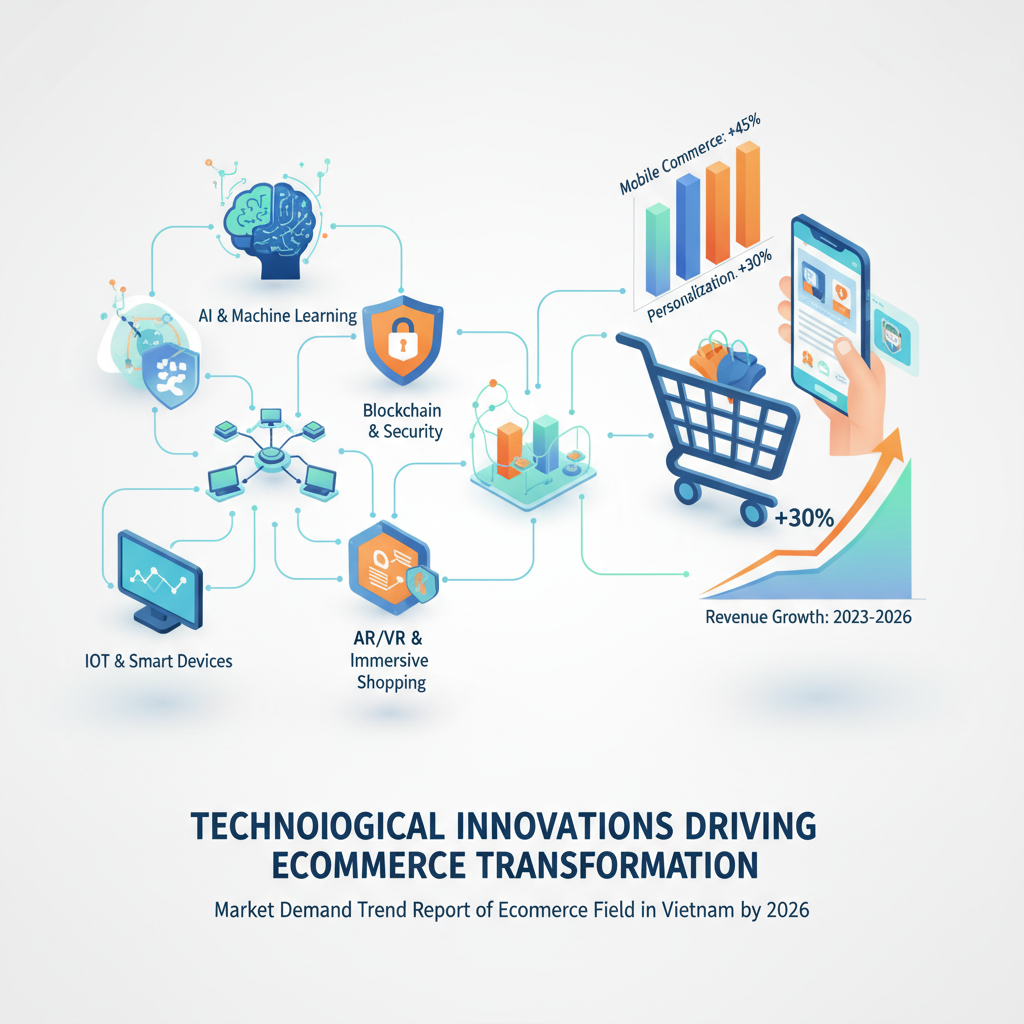
The global e-commerce landscape is undergoing a profound transformation, propelled by a relentless wave of technological innovations. These advancements are not merely incremental improvements; they are fundamentally reshaping how consumers discover, evaluate, and purchase products online, simultaneously enhancing the user experience and forging entirely new market demands and opportunities. From personalized shopping journeys to immersive virtual experiences and seamless payment solutions, technology is the engine behind e-commerce’s dynamic evolution, especially in burgeoning markets like Vietnam. Understanding these shifts is crucial for businesses aiming to thrive in this competitive digital arena, necessitating a deep dive into the market demand trend report of Ecommerce field in vietnam to strategize effectively.
1. Role of AI and Machine Learning in Personalization and Predictive Analytics
Artificial Intelligence (AI) and Machine Learning (ML) stand at the forefront of e-commerce innovation, revolutionizing how businesses interact with their customers. These technologies enable unprecedented levels of personalization, allowing online retailers to deliver highly relevant product recommendations, tailored marketing messages, and customized content based on individual browsing history, purchase patterns, and demographic data. This hyper-personalization significantly enhances the customer journey, making shopping feel more intuitive and engaging. Beyond personalizing the front-end experience, AI and ML power sophisticated predictive analytics. Retailers leverage these capabilities for optimized inventory management, forecasting demand with greater accuracy, and identifying potential customer churn risks. AI-driven chatbots and virtual assistants provide instant customer support, answer queries, and even guide shoppers through the purchase process, drastically improving response times and customer satisfaction. The integration of AI tools is becoming a cornerstone for businesses looking to gain a competitive edge and respond proactively to evolving consumer behaviors, as detailed in various AI in commerce trends reports.
2. Adoption of AR/VR for Immersive Shopping Experiences
Augmented Reality (AR) and Virtual Reality (VR) are no longer confined to gaming; they are rapidly transforming the e-commerce experience by bridging the gap between the physical and digital worlds. AR allows customers to visualize products in their own environment before making a purchase – imagine virtually trying on clothes, placing furniture in your living room, or testing makeup shades using just a smartphone camera. This immersive visualization reduces uncertainty, boosts buyer confidence, and significantly lowers return rates. VR, on the other hand, offers fully immersive virtual showrooms and stores, creating a highly engaging and interactive shopping journey that mimics the in-store experience from the comfort of one’s home. These technologies provide a powerful differentiator for brands, offering unique experiences that captivate consumers and foster deeper engagement. As connectivity improves and devices become more accessible, the adoption of AR/VR will continue to grow, setting new standards for experiential e-commerce.
3. Advancements in Payment Gateways, E-wallets, and Cashless Transactions
The evolution of payment technologies has been pivotal in streamlining the online checkout process, making transactions faster, more secure, and incredibly convenient. Modern payment gateways now support a wide array of options, including credit/debit cards, e-wallets (such as Apple Pay, Google Pay, and regional favorites like Momo in Vietnam), bank transfers, and even buy-now-pay-later (BNPL) schemes. The rise of cashless transactions, propelled by mobile banking and QR code payments, has significantly reduced friction at the point of purchase, leading to higher conversion rates and improved customer satisfaction. Security enhancements, including biometric authentication, tokenization, and advanced fraud detection systems, instill greater trust in online financial interactions. Furthermore, the increasing acceptance of cryptocurrencies and blockchain-backed payment solutions points towards a future of even more diverse and decentralized payment ecosystems. These advancements not only simplify cross-border trade but also cater to a broader demographic, accelerating e-commerce growth across all sectors, making it essential for businesses to stay updated with the latest market demand trend report of Ecommerce field in vietnam to understand consumer payment preferences.
In conclusion, technological innovations are not just driving the e-commerce sector forward; they are fundamentally redefining its potential. From hyper-personalized interactions fueled by AI to captivating AR/VR shopping experiences and ultra-convenient payment solutions, these advancements are creating a more engaging, efficient, and accessible digital marketplace. For businesses operating in dynamic environments like Vietnam, embracing these technologies is not merely an option but a strategic imperative to meet evolving customer expectations and unlock new growth opportunities. Staying informed through a comprehensive analysis like the market demand trend report of Ecommerce field in vietnam will be key to navigating this exciting, technologically-driven future.
Competitive Landscape & Key Market Players Analysis
Vietnam’s E-commerce sector is a vibrant and intensely competitive arena, characterized by rapid growth and evolving consumer preferences. The dynamic landscape presents both immense opportunities and significant challenges for players vying for market dominance. A comprehensive market demand trend report of Ecommerce field in vietnam reveals a market driven by increasing internet penetration, a young tech-savvy population, and substantial investments in digital infrastructure. Understanding the competitive dynamics is crucial for businesses looking to thrive in this burgeoning digital economy, monitoring the continuous E-commerce growth Vietnam.
1. Strategies of leading Ecommerce platforms (Shopee, Lazada, Tiki, Sendo)
The Vietnamese E-commerce market is largely dominated by a few major players, each employing distinct strategies to capture and retain market share. Shopee, a regional powerhouse, has successfully leveraged aggressive marketing campaigns, extensive gamification, and free shipping subsidies to foster high user engagement and frequent purchases. Its strong focus on a consumer-to-consumer (C2C) model, coupled with robust seller ecosystem support and a vast product catalog, has solidified its position. Shopee’s approach particularly resonates with price-sensitive consumers, making it a prominent player in current online shopping trends.
Lazada, backed by Alibaba, counters with a strong emphasis on advanced logistics infrastructure and cross-border E-commerce capabilities. It primarily operates on a business-to-consumer (B2C) model, focusing on official brand stores and a seamless shopping experience. Lazada’s investment in technology integration and supply chain efficiency aims to provide reliable delivery and a premium customer journey, often targeting urban consumers. Its sophisticated payment solutions further enhance the user experience, contributing to the overall digital economy Vietnam.
Locally founded platforms, Tiki and Sendo, represent the homegrown competitive spirit. Tiki initially specialized in books and electronics, then expanded broadly. Its core strategy revolves around providing authentic products, premium services, and fast delivery, earning it a reputation for reliability and high customer retention. Tiki’s commitment to quality control and a curated product selection appeals to discerning Vietnamese consumers. Meanwhile, Sendo, with its strong emphasis on local sellers and affordable products, has carved a significant niche in tier-2 cities and rural areas. It caters to a broader demographic, focusing on accessibility and competitive pricing, thereby addressing different segments of consumer behavior Vietnam. The fierce marketplace competition among these giants continues to shape the future of Vietnam’s digital retail, as highlighted in a recent Statista report on the Vietnamese e-commerce market.
2. Emergence of specialized vertical marketplaces and direct-to-consumer (DTC) brands
Beyond generalist platforms, the Vietnamese E-commerce landscape is witnessing the rise of specialized vertical marketplaces and a growing number of DTC brands Vietnam. These niche players capitalize on specific consumer needs and product categories not fully served by larger platforms. Examples include dedicated sites for fashion, beauty products, fresh groceries, and home goods. These vertical marketplaces offer a curated selection, deeper product information, and a more tailored shopping experience for specific demographics, contributing to the diversity of E-commerce growth Vietnam. They often build strong communities around their product categories, enhancing customer engagement and brand loyalty, directly impacting evolving online shopping trends.
DTC brands are gaining traction by bypassing traditional retail and selling directly to consumers through their own websites and social media. This offers several advantages: full control over branding, pricing, and customer experience; direct access to valuable customer data; and often higher profit margins. Vietnamese DTC brands leverage engaging content, personalized marketing, and efficient last-mile delivery to build strong customer relationships. This shift signifies a growing market maturity, where brands increasingly seek to own the entire customer journey and adapt to changing consumer behavior Vietnam.
3. Impact of O2O (Online-to-Offline) integration and omnichannel strategies
The distinction between online and offline commerce is increasingly blurring, driven by the adoption of O2O (Online-to-Offline) integration and comprehensive omnichannel retail strategies. E-commerce players in Vietnam recognize that a seamless customer journey often involves both digital and physical touchpoints. An Online-to-offline strategy, such as browsing products online and picking them up in-store, or experiencing products offline and purchasing digitally via QR codes, is becoming more prevalent. This enhances convenience and trust, especially for items where customers prefer to see or feel the product. It also leverages existing physical retail networks, strengthening the overall digital economy Vietnam.
Omnichannel strategies take this further, aiming to provide a consistent and integrated customer experience across all channels – online stores, mobile apps, social media, physical outlets, and customer service. Major platforms and DTC brands invest in technology to synchronize inventory, customer data, and marketing efforts across these touchpoints. This ensures that a customer’s journey, whether starting online or offline, is fluid and personalized. Benefits include improved customer satisfaction, increased sales conversions, and deeper insights into consumer behavior Vietnam. For instance, platforms might partner with local stores for faster delivery or introduce in-app features that guide users to nearby physical outlets. This holistic approach is crucial for future success, enhancing customer retention and setting new standards for the retail experience in Vietnam’s competitive E-commerce landscape.
Future Projections & Strategic Recommendations for 2026
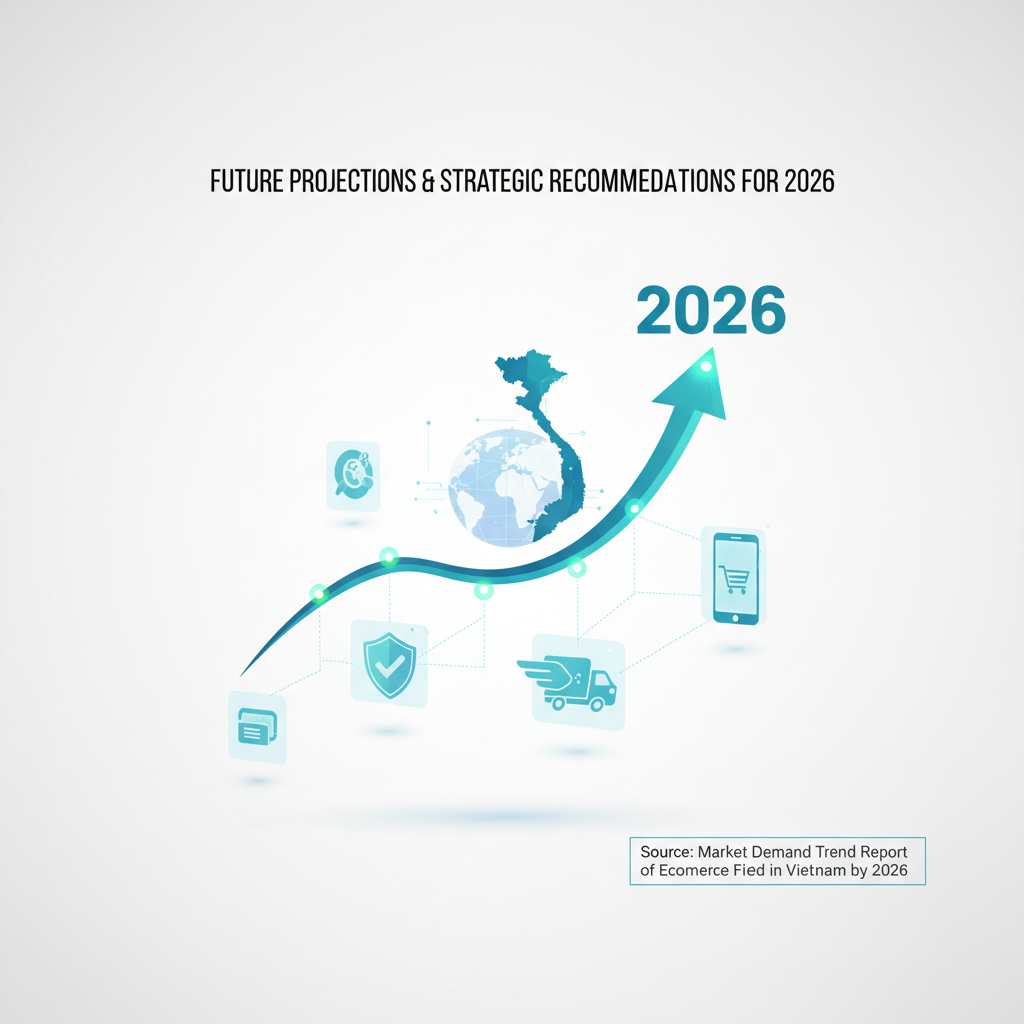
As Vietnam solidifies its position as a dynamic hub in Southeast Asia’s digital economy, understanding the evolving market demand trend report of Ecommerce field in vietnam is paramount for businesses aiming for sustainable growth. By 2026, the nation’s e-commerce landscape is poised for unprecedented expansion, driven by increasing digital literacy, burgeoning smartphone penetration, and a youthful, tech-savvy population. This section delves into informed predictions on market demand, identifies high-growth segments, and outlines actionable strategies for businesses to effectively capitalize on these evolving trends, ensuring they are well-positioned for the opportunities ahead.
1. Projected market size, growth rates, and key segment expansion by 2026
The Vietnamese e-commerce market is on a steep upward trajectory, projected to become a multi-billion dollar industry by 2026. Current estimates place its value already significantly high, with forecasts indicating a compound annual growth rate (CAGR) well into double digits. This expansion is fueled by several factors, including rising disposable incomes, aggressive government digital transformation initiatives, and the rapid adoption of cashless payment solutions. Key growth segments will likely include cross-border e-commerce, driven by consumers seeking diverse product offerings and competitive pricing, and social commerce, where platforms like TikTok Shop and Facebook continue to blur the lines between social interaction and purchasing. Additionally, the B2B e-commerce sector is expected to mature significantly, as businesses increasingly leverage online channels for procurement and sales, streamlining supply chains and enhancing efficiency. Essential product categories like electronics, fashion, health and beauty, and especially groceries (e-grocery), will continue to dominate transaction volumes, propelled by convenience and a growing preference for online shopping experiences.
2. Opportunities in untapped markets (e.g., rural Ecommerce, specific product niches)
While urban centers have long been the focal point of e-commerce activity, 2026 will see substantial opportunities emerge in Vietnam’s currently underserved rural areas. The digital divide is narrowing, with improved internet infrastructure and greater smartphone accessibility reaching provincial regions. Businesses can unlock this potential by developing localized marketing strategies, offering simplified user interfaces in regional dialects, and establishing community-based agent networks for order placement and support. Logistics in these areas will require innovative solutions, possibly involving local partnerships or expanded postal services. Beyond geographical expansion, niche product categories present significant avenues for growth. The demand for sustainable and ethically sourced products is on the rise, appealing to a conscious consumer base. Personalized goods, artisanal crafts, and specialized digital services (e.g., online learning for specific skills, remote healthcare consultations) also offer lucrative potential. Furthermore, catering to specific demographic segments, such as the evolving preferences of Gen Z and Gen Alpha, who prioritize authentic experiences and digital-native purchasing journeys, will be crucial. Refurbished electronics and second-hand fashion, driven by both economic and environmental considerations, represent another segment ripe for targeted e-commerce platforms.
3. Optimizing logistics, last-mile delivery, and warehousing solutions
The backbone of a thriving e-commerce ecosystem is robust and efficient logistics. By 2026, the competitive edge will increasingly depend on the seamless integration and optimization of supply chain components in Vietnam. Businesses must invest in smart warehousing solutions, incorporating automation, AI-driven inventory management, and predictive analytics to enhance stock visibility and reduce operational costs. The efficiency of last-mile delivery, especially in densely populated urban areas and geographically challenging rural zones, remains a critical determinant of customer satisfaction. Innovations such as expanded networks of pick-up points, self-service lockers, and continued reliance on agile motorbike delivery fleets will be essential. Exploring future technologies like drone delivery for remote areas or high-value items could also become a differentiator. Furthermore, strategic partnerships with third-party logistics (3PL) providers will be vital for scalability, allowing businesses to leverage existing infrastructure and expertise. The development of cold chain logistics will be particularly important for the burgeoning e-grocery and pharmaceutical segments, ensuring product integrity and safety. As highlighted by a report on Southeast Asia’s digital economy, investment in logistics and infrastructure is crucial for enabling the next wave of growth. Statista’s insights underscore the need for continuous innovation in this sector to meet escalating market demands. Focusing on these optimizations will not only improve delivery times and reduce costs but also significantly enhance the overall customer experience, fostering loyalty in a competitive market.
Partner with Shelby Global
You are looking for reliable HR Sevice Suppliers? Contact Shelby Global Now! To connect with verified talents and upgrade your orginization.
—————————————
References
– :
– e-commerce market trends in Vietnam: https://www.statista.com/outlook/dmo/ecommerce/vietnam
– AI in commerce trends reports: https://www.salesforce.com/news/stories/ai-commerce-trends-predictions/
– Statista report on the Vietnamese e-commerce market: https://www.statista.com/outlook/dmo/ecommerce/vietnam
– Statista Report on Vietnam E-commerce Market Value: https://www.statista.com/statistics/1231613/vietnam-e-commerce-market-value/