
Demystifying HR in Vietnamese Entertainment SMEs
For a new CEO stepping into the vibrant, yet often unpredictable, world of Vietnamese entertainment Small and Medium-sized Enterprises (SMEs), understanding Human Resources (HR) isn’t just about compliance; it’s about competitive advantage. The Vietnamese entertainment sector, characterized by its rapid growth, dynamic talent pool, and evolving cultural landscape, presents a unique set of challenges and opportunities for HR. Unlike large corporations with established departments, HR within these SMEs is often lean, multifaceted, and deeply intertwined with the company’s creative output and financial health. This section aims to provide a clear, step-by-step guide to understanding SMEs HR structure for the fresh CEO in the entertainment field in Vietnam, equipping them with the insights needed to leverage HR as a strategic partner, not merely an administrative function.

1. Defining HR’s Core Role in a Vietnamese SME
In a Vietnamese entertainment SME, HR’s role extends far beyond traditional payroll and record-keeping. It is fundamentally about cultivating the human capital that drives creativity and innovation – the lifeblood of the industry. This means HR is a strategic partner involved in:
- Talent Acquisition and Management: Identifying, attracting, and retaining specialized talent, from artists and performers to technicians, content creators, and marketing specialists, often in a highly competitive market.
- Culture Building: Fostering a dynamic, collaborative, and inclusive work environment that nurtures creativity and aligns with Vietnamese cultural nuances and values. This includes addressing work-life balance for demanding entertainment schedules.
- Performance Management & Development: Implementing systems to evaluate performance, provide constructive feedback, and offer continuous learning and development opportunities tailored to the unique skill sets required in entertainment.
- Compliance and Risk Management: Navigating the complexities of Vietnam’s labor laws, ensuring fair contracts, intellectual property protection for creative works, and managing employee relations to mitigate legal and reputational risks. Adherence to HR best practices and legal frameworks in Vietnam is paramount for sustainable growth.
- Employee Engagement and Well-being: Developing initiatives to keep employees motivated, addressing their unique challenges (e.g., irregular hours, public scrutiny for artists), and promoting mental and physical well-being.
For a new CEO, recognizing HR as a strategic pillar for talent and culture, rather than just an operational necessity, is the first crucial step.
2. Why HR is Crucial for Entertainment Business Success
The success of an entertainment SME hinges almost entirely on its people. HR, therefore, directly impacts key business outcomes:
- Creative Output & Innovation: A strong HR function ensures the right creative minds are onboard and empowered, leading to higher quality content, innovative projects, and a stronger market presence. Effective HR practices reduce turnover among key talent, preserving institutional knowledge and creative synergy.
- Brand Reputation & Trust: How an entertainment company treats its employees, especially its public-facing talent, directly reflects on its brand. Ethical HR practices, transparent communication, and fair treatment build trust internally and externally, crucial for attracting future talent and audience loyalty.
- Operational Efficiency & Cost Control: Effective HR reduces costs associated with high turnover, poor performance, and legal disputes. Streamlined recruitment, efficient onboarding, and proactive conflict resolution contribute to a smoother, more productive operation.
- Adaptability & Growth: The entertainment industry is constantly evolving. A robust HR department helps the SME adapt to new trends, technologies, and market demands by identifying skill gaps, facilitating training, and fostering a culture of continuous learning. It enables the company to scale operations effectively as opportunities arise.
Neglecting HR in this dynamic environment is akin to neglecting the engine of a high-performance vehicle; it inevitably leads to breakdowns.
3. Common Misconceptions About SME HR Functions
New CEOs, particularly those from creative backgrounds, often harbor misconceptions about HR in SMEs that can hinder growth:
- “HR is Just Paperwork and Payroll”: This pervasive myth reduces HR to administrative tasks. In reality, modern HR is strategic, focusing on human capital development, organizational design, and employee advocacy. Delegating these critical functions to an overwhelmed admin assistant is a common pitfall.
- “We’re Too Small for Dedicated HR”: Many SMEs believe they lack the resources or need for a dedicated HR professional, often assigning HR duties to founders or finance teams. This leads to reactive problem-solving, compliance gaps, and a lack of strategic talent development. Even a fractional or outsourced HR specialist can provide immense value.
- “Artists Don’t Need Traditional HR Management”: The belief that creative talent thrives on absolute freedom, eschewing structure, is dangerous. While flexibility is vital, artists, like all employees, benefit from clear expectations, fair compensation, conflict resolution mechanisms, and career development support. Without these, burnout and dissatisfaction are inevitable.
- “Culture Will Just Happen Naturally”: A positive company culture is not accidental; it’s cultivated. Without intentional HR efforts in communication, values reinforcement, and engagement initiatives, a toxic culture can easily fester, particularly in high-stress creative environments.
By dispelling these misconceptions, new CEOs can proactively build an HR framework that supports their vision, nurtures their talent, and propels their Vietnamese entertainment SME toward sustained success.
Core Components of an Entertainment SME HR Structure
Understanding the essential elements that typically form the HR department in a Vietnamese entertainment SME, from recruitment to talent management and payroll, is crucial for any fresh CEO navigating this dynamic industry. The unique demands of the creative sector, coupled with Vietnam’s regulatory environment, necessitate a thoughtful and strategic approach to human resources. This guide provides a Step by Step to understand SMEs HR Structure for the fresh the CEO in Entertainment field in Vietnam, highlighting foundational pillars for effective talent management and addressing common SME HR challenges.
1. Essential HR Functions: Recruitment, Onboarding, Payroll
For any entertainment SME in Vietnam, a robust HR structure Vietnam begins with fundamental functions tailored to the industry’s peculiarities.
Recruitment in Entertainment SMEs
Recruiting talent in entertainment goes beyond standard hiring. It involves identifying and attracting diverse professionals, from artists, content creators, and technical crew to marketing and administrative staff. For an entertainment SME HR department, this means developing specialized sourcing strategies – scouting talent at academies, industry events, or through dedicated creative platforms. The focus is on skills, personality, adaptability, and creative potential. Understanding local market trends and compensation is vital for competitive recruitment entertainment, especially within the creative industry HR landscape.
Seamless Onboarding Experience
Once talent is acquired, effective onboarding is critical, particularly for creative roles where cultural fit and team synergy are paramount. Beyond administrative paperwork, onboarding in a Vietnamese entertainment SME should integrate new hires into the company’s creative vision and work culture. This includes introductions to key projects, team members, and an understanding of operational flows. A well-structured program enhances retention and accelerates productivity in artist management HR and other creative teams.
Payroll and Compliance
Payroll management for entertainment SMEs in Vietnam involves more than just issuing salaries. It encompasses adherence to complex Vietnamese labor laws regarding social insurance, health insurance, unemployment insurance, and personal income tax. Given the often project-based or performance-linked nature of compensation, accurate tracking of work hours, royalties, bonuses, and incentives is essential. Staying compliant with local regulations is a strategic necessity to avoid penalties and foster employee trust. For reliable information on payroll compliance Vietnam, employers can refer to official government resources like the Vietnamese Ministry of Labour, Invalids and Social Affairs (MOLISA), which outlines labor laws and social insurance policies.
2. Key HR Roles and Responsibilities in SMEs
In smaller entertainment businesses, HR roles are often multi-faceted. Understanding these core responsibilities helps define an ideal HR strategy Vietnam for talent management Vietnam.
- HR Manager/Generalist: The linchpin overseeing all HR functions, from strategic planning and policy development to employee relations, performance management, and legal compliance. In an SME, they often handle initial screening during recruitment entertainment to exit interviews.
- Recruitment/Talent Acquisition Specialist: Primarily focuses on sourcing, interviewing, and hiring talent specific to the entertainment industry, requiring deep understanding of the creative landscape and networking. Often integrated into the Generalist role.
- Payroll and Benefits Administrator: Ensures accurate and timely processing of salaries, taxes, and social insurance contributions, demanding precision due to complex Vietnamese regulations. This role is often outsourced or part-time.
- Training and Development Coordinator: Critical for continuous improvement. Identifies training needs, organizes workshops, and facilitates skill enhancement programs relevant to the creative industry HR.
While larger corporations have dedicated staff, an entertainment SME often combines these functions, emphasizing the need for an adaptable and knowledgeable HR team.
3. In-house vs. Outsourced HR Considerations
Deciding whether to build an in-house HR department or leverage external expertise is a critical strategic choice for Vietnamese entertainment SMEs.
In-house HR
An in-house team offers greater control, a deeper understanding of company culture, and immediate accessibility. This benefits fostering a strong creative environment and direct talent management Vietnam. However, it incurs higher fixed costs (salaries, benefits, infrastructure) and requires internal expertise across all HR domains, which can be challenging for a small team. Specialized areas like artist contracts or intellectual property considerations might need additional internal training.
Outsourced HR
Outsourcing specific HR functions can be cost-effective, providing access to specialized expertise without the overhead. Many Vietnamese SMEs outsource payroll due to its complexity and compliance requirements. Legal compliance, particularly regarding labor laws and contracts in the entertainment sector, is another common area for HR outsourcing Vietnam. Benefits include reduced administrative burden, access to up-to-date legal knowledge, and scalability. The downside can be a perceived lack of cultural integration and less immediate responsiveness. A hybrid model, where core HR functions (employee relations, cultural development) remain in-house while administrative tasks (payroll, legal compliance) are outsourced, often proves most efficient for entertainment SMEs.
Ultimately, a fresh CEO in the Vietnamese entertainment field must weigh these considerations based on company size, budget, and talent management needs, ensuring the chosen HR structure Vietnam supports both creative goals and operational efficiency.
Navigating Vietnam’s Labor Laws and Entertainment Nuances
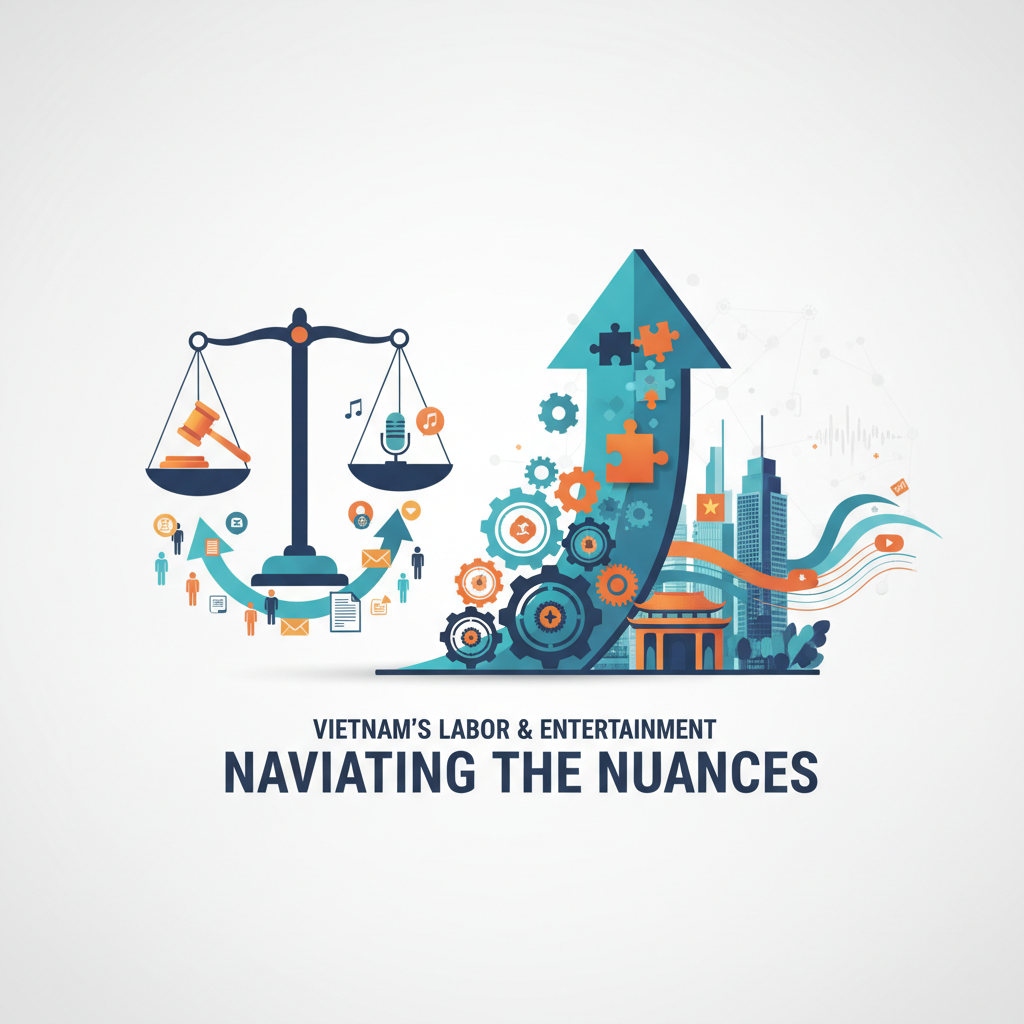
For fresh CEOs entering Vietnam’s vibrant entertainment sector, understanding the intricate legal and cultural landscape is paramount for effective HR management. This section addresses the specific regulatory framework and cultural sensitivities impacting HR practices in Vietnam, with a particular focus on regulations pertinent to the dynamic entertainment sector, ensuring compliance and fostering a thriving work environment. Mastering these aspects is a crucial step towards building a resilient and compliant human resources structure for your SME.
1. Key Vietnamese Labor Laws for SME Compliance
Vietnam’s labor legal framework, primarily governed by the Labor Code (most recently amended in 2019), sets the fundamental rules for employment relationships. For SMEs in the entertainment sector, understanding these regulations is non-negotiable. Key aspects include employment contracts (definite vs. indefinite term), working hours, overtime pay, minimum wage, social insurance contributions, and termination procedures. The Labor Code mandates written contracts, specifies conditions for probation periods, and outlines employee rights regarding benefits, health, and safety. Employers must register their labor use with local authorities and adhere to strict rules concerning layoffs and dismissals, which are generally employee-friendly. Navigating these requirements demands a proactive approach to compliance, often necessitating local legal counsel to interpret nuances and ensure all HR practices align with statutory obligations. Ignoring these foundational laws can lead to significant penalties, reputational damage, and operational disruptions. It’s an essential part of a Step by Step to understand SMEs HR Structure for the fresh the CEO in Entertainment field in vietnam, laying the groundwork for sustainable growth. For a comprehensive understanding of these regulations, refer to authoritative sources such as the Vietnam Labor Code itself or detailed legal guides.
2. Managing Contracts for Freelancers and Artists
The entertainment industry heavily relies on a flexible workforce, including freelancers, independent contractors, and artists who may not fit the traditional employee mold. In Vietnam, the distinction between an “employee” and an “independent contractor” is critical and carries significant legal implications regarding social insurance, personal income tax, and labor rights. Misclassification can lead to severe back-pay liabilities, penalties, and administrative burdens. When engaging artists, musicians, actors, or content creators on a project basis, CEOs must ensure contracts clearly define the scope of work, deliverables, payment terms, intellectual property ownership, and the independent nature of the relationship. These agreements should explicitly state that no employer-employee relationship exists, thus avoiding unintended obligations under the Labor Code. Furthermore, cultural considerations often influence contract negotiations; building relationships and trust can be as crucial as the legal specifics. Effective HR for entertainment SMEs involves robust template contracts, clear communication, and an understanding of the local market’s preferred engagement models while strictly adhering to legal classifications to protect the business.
3. Intellectual Property and Talent Agreements
Intellectual Property (IP) is the lifeblood of the entertainment sector. For a fresh CEO, safeguarding IP is paramount, especially when working with creative talent. Talent agreements must explicitly address IP ownership, usage rights, royalties, and confidentiality. In Vietnam, IP laws generally protect copyrights, trademarks, and related rights, but enforcement can be complex. Agreements with artists, writers, producers, and other creative professionals should clearly delineate who owns the copyright to the work produced (e.g., songs, scripts, performances, visual content). Often, works “made in the course of employment” or “under contract” have specific default ownership rules, which can be overridden by clear contractual terms. For freelancers and independent artists, ensuring a robust assignment or licensing agreement for their creations is crucial to prevent future disputes over rights and revenue. It’s also vital to include non-disclosure clauses to protect sensitive information and commercial strategies. A well-structured talent agreement not only protects the company’s assets but also provides clarity and fairness to the talent, fostering long-term, mutually beneficial relationships essential for success in Vietnam’s competitive entertainment landscape. Proactive management of IP rights and talent agreements forms a cornerstone of a successful HR structure for entertainment SMEs.
Talent Management & Retention for Creative Teams
The Vietnamese entertainment industry is a dynamic, rapidly expanding landscape, presenting unique challenges and opportunities for businesses. For fresh CEOs in entertainment, understanding effective strategies for attracting, developing, and retaining creative talent – from dazzling artists to indispensable technical crews – is paramount. This guide provides a step-by-step approach to navigating the competitive waters of talent management, ensuring your enterprise thrives by cultivating a strong, engaged, and innovative workforce.
1. Recruiting Top Creative Talent in Entertainment
Attracting exceptional creative talent in Vietnam’s bustling entertainment sector requires a multi-faceted approach and keen understanding of current talent acquisition strategies. Unlike traditional corporate hiring, the focus shifts to portfolios, auditions, demonstrable skills, and creative potential. For a fresh CEO in entertainment, effective recruitment begins with clearly defining the roles, whether it’s a charismatic performer, a visionary director, a meticulous sound engineer, or a cutting-edge graphic designer. Leveraging specialized recruitment agencies that understand the nuances of the entertainment industry is crucial. Online platforms, targeted social media campaigns reaching creative communities, and direct outreach to educational institutions are also vital components of a robust HR planning strategy. Networking events and industry showcases provide invaluable opportunities for talent scouting. It’s essential to not only assess technical skills but also evaluate a candidate’s collaborative spirit, adaptability, and passion for the industry. Developing strong employee branding through showcasing successful projects and a positive work environment can significantly enhance your appeal in a competitive market. This forms a critical part of a comprehensive workforce management plan, ensuring you attract the best while staying ahead of industry trends. A robust onboarding process is equally vital, making new hires feel valued and integrated from day one, setting the stage for long-term engagement and reducing early turnover risks.
2. Performance Management in a Creative Environment
Performance management for creative teams demands a nuanced approach that fosters innovation rather than stifling it with rigid metrics. For any fresh CEO aiming to build a resilient SMEs HR structure in entertainment, instead of solely focusing on quantitative output, emphasize qualitative assessments, peer reviews, and project-based feedback. Establish clear project goals and timelines while providing creative autonomy within those boundaries. Regular, constructive feedback sessions – not just annual reviews – are essential for growth and employee development. Implement a system for continuous learning and skill enhancement, offering workshops, mentorship programs, and access to new technologies through robust training programs. Recognizing and rewarding creative contributions, potentially through competitive compensation & benefits packages, celebrates successes both big and small. This approach acknowledges the unique ebb and flow of creative work, helping teams refine their craft and stay motivated. It’s about cultivating a growth mindset, encouraging experimentation, and learning from ‘failures’ as much as from triumphs. Effective performance evaluation in this context focuses on individual contribution to team success and project outcomes, ensuring every member feels their efforts are seen and valued. Managing employee relations with transparency and empathy is also vital here.
3. Building a Positive Company Culture & Employee Engagement
A vibrant, supportive company culture is the bedrock of creative excellence and talent retention. For any fresh CEO navigating the unique demands of the entertainment industry in Vietnam, fostering an environment where artists and technicians feel safe, valued, and inspired is critical. Promote psychological safety, encouraging open communication, risk-taking, and learning from mistakes without fear of punitive consequences. Facilitate cross-functional collaboration, breaking down silos between departments to foster a shared vision and mutual respect. This contributes to robust organizational development. Invest in well-being initiatives, recognizing the often-demanding nature of creative work and promoting work-life balance. Regular team-building activities, recognition programs, and opportunities for professional growth contribute significantly to employee engagement. Furthermore, clear career development paths, supported by a strong overall HR strategy, can significantly boost long-term retention. A culture that celebrates diversity, promotes inclusivity, and provides pathways for employees to voice their ideas not only increases satisfaction but also drives innovation. Ensuring adherence to local labor laws and regulations (compliance) while offering competitive employee benefits further solidifies trust and commitment. By prioritizing these aspects, you build a loyal and productive workforce, essential for long-term success in the competitive Vietnamese entertainment landscape.
Future-Proofing Your HR: Technology & Growth for CEOs
For fresh CEOs stepping into the vibrant, rapidly evolving entertainment sector in Vietnam, mastering Human Resources (HR) isn’t just about compliance; it’s a strategic imperative for sustainable growth. As your entertainment SME scales, the demands on your HR function will multiply. Future-proofing your HR structure means leveraging the right technology and strategic foresight from day one. This guide provides a Step by Step to understand SMEs HR Structure for the fresh the CEO in Entertainment field in vietnam, focusing on how technology and a forward-thinking mindset can build a resilient HR foundation for your company.
-
Leveraging HR Tech Solutions for SMEs (HRIS, Payroll)
In the fast-paced entertainment industry, efficiency is key. For a fresh CEO in Vietnam, adopting HR technology is no longer a luxury but a necessity to streamline operations and ensure compliance. Implementing robust HRIS solutions (Human Resources Information Systems) and specialized payroll systems can revolutionize your HR structure. An effective HRIS centralizes employee data, automates administrative tasks like leave management and attendance tracking, and provides valuable analytics for decision-making. For entertainment SMEs, where talent often works on project-basis with varying contracts and pay structures, precise payroll management is critical. Modern HR tech minimizes errors, ensures timely payments, and keeps your company compliant with Vietnamese labor laws. This technological leap allows your HR team to shift focus from mundane tasks to more strategic initiatives like talent development and employee engagement. Integrating modern HR technology solutions from the outset sets a strong foundation for future expansion.

-
Scaling HR Processes with Business Expansion
As your entertainment SME experiences growth, your HR structure must evolve to support it. Scaling HR effectively means designing processes that can adapt to an increasing workforce and expanding operations. This includes refining your talent acquisition Vietnam strategies to attract top-tier creative and technical professionals, developing efficient onboarding programs that integrate new hires swiftly into your unique company culture, and implementing robust performance management systems that foster continuous improvement. For fresh CEOs, understanding that HR isn’t static is crucial. Instead of reactive hiring, proactive HR growth strategies should anticipate future needs, ensuring you have the right talent pipeline for upcoming projects. This involves investing in training and development programs to upskill your current employees, preparing them for new roles and challenges as the business expands across diverse entertainment segments, from film production to digital content creation.
-
Developing an HR Strategic Roadmap (2026 & Beyond)
Beyond immediate operational needs, a forward-thinking fresh CEO must develop a comprehensive HR strategic planning Vietnam roadmap. This isn’t just a document; it’s a living plan that aligns your HR structure with your overarching business objectives for 2026 and beyond. Start by forecasting your talent needs: what skills will be critical for your entertainment projects in three, five, or even ten years? How will you attract and retain these highly sought-after individuals in a competitive market? Your roadmap should address talent retention strategies, succession planning for key roles, and initiatives to cultivate a vibrant, inclusive company culture that resonates with creative professionals. Prioritize employee engagement through innovative programs and ensure transparent communication. This strategic approach to HR transforms it from a cost center into a powerful enabler of business success, ensuring your entertainment SME is resilient and agile enough to capitalize on future opportunities in Vietnam’s dynamic market, making it truly future-proof.
By integrating advanced HR technology, proactively scaling HR processes, and committing to a long-term HR strategic roadmap, fresh CEOs in Vietnam’s entertainment SME landscape can build a formidable and adaptable HR structure. This proactive stance is not just about managing people; it’s about empowering your organization to innovate, grow, and thrive in an increasingly competitive environment.
Partner with Shelby Global
You are looking for reliable HR Sevice Suppliers? Contact Shelby Global Now! To connect with verified talents and upgrade your orginization.
—————————————
References
– PwC Vietnam HR Consulting Services: https://www.pwc.com/vn/en/hr-consulting.html
– Vietnamese Ministry of Labour, Invalids and Social Affairs (MOLISA): https://www.molisa.gov.vn/en/Pages/home.aspx
– Vietnam Labor Code: https://vietnamlawmagazine.vn/vietnams-labor-code-a-comprehensive-overview-55038.html
– talent acquisition strategies: https://www.shrm.org/resourcesandtools/hr-topics/talent-acquisition/pages/default.aspx
– :