
Overview of Vietnam’s Logistics Landscape & Emerging Risks
Vietnam’s logistics sector is a dynamic and pivotal component of its burgeoning economy, underpinning its rapid industrialization and integration into global supply chains. Contributing significantly to the nation’s GDP, the sector has witnessed unprecedented growth over the past decade, driven by robust foreign direct investment (FDI), a booming manufacturing base, and an expanding e-commerce market. This growth trajectory, while indicative of economic success, also brings inherent vulnerabilities. As Vietnam solidifies its position as a manufacturing and export hub, understanding the complex interplay of its evolving logistics landscape and the myriad emerging risks becomes crucial for stakeholders. This section provides a foundational understanding of these dynamics, highlighting both the opportunities and the critical challenges that shape the trend report of the risk of logistics field in vietnam.
1. Rapid Growth & Infrastructure Strain
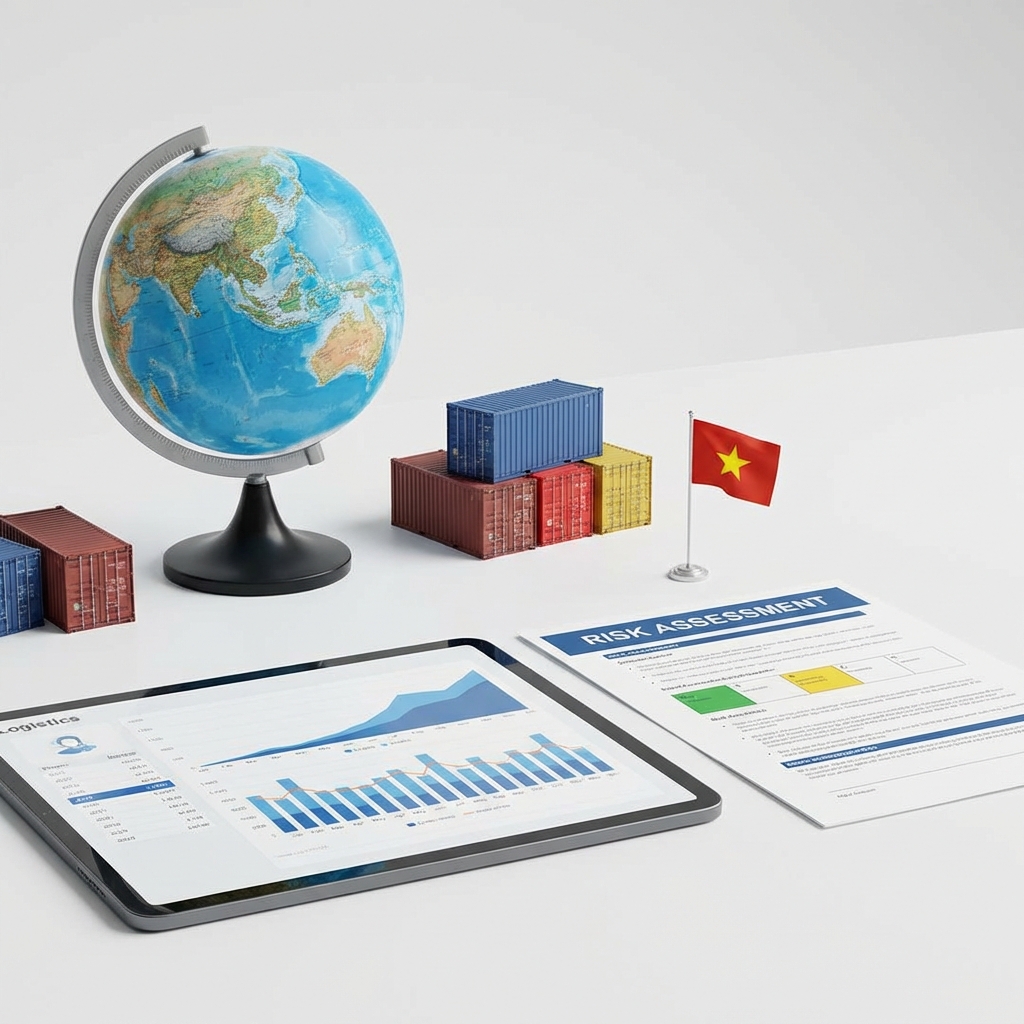
The impressive expansion of Vietnam’s economy, coupled with its strategic location, has fueled a dramatic surge in demand for logistics services. The “China+1” strategy, attracting global manufacturers to diversify their supply chains, has made Vietnam a preferred destination. This influx, however, has placed considerable strain on the country’s existing logistics infrastructure. While significant investments have been made in port expansion, road networks, and new industrial zones, the pace of development often lags behind the escalating requirements. Port congestion, particularly in key hubs like Ho Chi Minh City and Hai Phong, remains a persistent issue, leading to delays and increased operational costs. Inadequate road connectivity between industrial parks and major distribution centers, along with a fragmented warehousing network, further compromises overall supply chain efficiency. Companies operating in Vietnam frequently encounter bottlenecks that affect lead times and increase inventory holding costs, highlighting a critical need for integrated infrastructure planning and digital solutions to optimize current assets. For a deeper dive into these challenges and more, explore our comprehensive analysis of the trend report of the risk of logistics field in vietnam.
2. Geopolitical & Trade Policy Shifts
Vietnam’s deep integration into the global economy through numerous Free Trade Agreements (FTAs) such as the CPTPP, EVFTA, and RCEP, positions it at the nexus of international trade. While these agreements open new markets and reduce trade barriers, they also expose the logistics sector to broader geopolitical volatilities and shifts in global trade policies. The ongoing trade tensions between major economic powers, for instance, can trigger changes in trade routes, tariffs, and sourcing strategies, directly impacting Vietnam’s export-oriented manufacturing. Furthermore, regional disputes and evolving geopolitical landscapes necessitate increased vigilance regarding supply chain resilience. Businesses must navigate a complex web of compliance requirements and potential disruptions stemming from international sanctions or protectionist measures. Understanding these macro-level dynamics is crucial for strategic planning, as highlighted by expert analyses such as the World Bank’s insights on East Asia and Pacific economic updates, which often feature Vietnam’s trade outlook and resilience against global headwinds. The World Bank provides regular updates on Vietnam’s economic trajectory, including its integration into global supply chains and resilience to external shocks.
3. Regulatory Environment & Compliance Challenges
Navigating Vietnam’s evolving regulatory landscape presents a distinct set of challenges for logistics providers and their clients. While the government is committed to improving the business environment, the pace of regulatory reform can be uneven. Issues such as complex customs procedures, varying interpretations of laws across different provinces, and the need for multiple licenses and permits can create significant bureaucratic hurdles. Ensuring compliance with environmental regulations, labor laws, and industry-specific standards requires constant monitoring and adaptation. The lack of uniform digital platforms for customs declarations and trade facilitation across all agencies can also lead to inefficiencies and increased processing times. For international companies, understanding and adhering to these regulations is paramount to avoiding costly penalties, delays, and reputational damage. Continuous engagement with local partners and legal experts is often necessary to stay abreast of regulatory changes and ensure smooth, compliant operations within Vietnam’s dynamic logistics ecosystem.
Economic & Market Volatility Risks
The dynamic landscape of Vietnam’s economy, deeply interconnected with global markets, exposes its logistics sector to a myriad of financial and market volatility risks. Understanding these challenges is crucial for developing robust risk mitigation strategies and ensuring the long-term viability and financial stability of logistics operations across the country. As highlighted in an insightful internal publication, understanding the trend report of the risk of logistics field in Vietnam provides critical foresight for businesses navigating these choppy waters. Both local factors and overarching global factors contribute to a complex environment where economic uncertainties can swiftly erode profitability margins and disrupt the delicate balance of supply chain resilience.
1. Inflation & Fuel Price Fluctuations
Inflationary pressures, whether stemming from domestic economic policies or global commodity price surges, directly impact the operational costs of logistics providers in Vietnam. The most prominent and immediate concern is the fluctuation of fuel prices. Fuel represents a significant portion of total transportation costs for road, air, and sea freight. Sudden spikes can dramatically increase operational expenses, compressing margins for logistics companies that often operate on thin profit margins with fixed-price contracts. This volatility makes accurate budgeting and long-term financial planning incredibly challenging.
Beyond fuel, broader inflation affects labor costs, warehousing rents, and the price of equipment maintenance and spare parts. Rising costs of living can lead to demands for higher wages, further escalating expenses. If these increased costs cannot be passed on to customers due to competitive pressures or pre-existing contracts, the profitability margins of logistics providers are directly threatened, potentially impacting their investment capacity in infrastructure and technology. Businesses must constantly monitor these economic indicators to adapt pricing strategies and explore fuel-efficient solutions.
2. Global Supply Chain Disruptions & Demand Shifts
The interconnected nature of modern trade means that events far from Vietnam can profoundly impact its logistics sector. Global supply chain disruptions, stemming from geopolitical conflicts, natural disasters, pandemics, or even major accidents (like canal blockages), can lead to port congestion, shipping delays, and increased freight rates. These disruptions not only cause delays in goods movement but also create uncertainty in inventory management, forcing businesses to carry higher buffer stocks or risk stockouts.
Furthermore, shifts in global or regional demand can have a significant ripple effect. A sudden surge in e-commerce demand, for example, can overwhelm existing delivery networks, while an economic downturn in key export markets can lead to reduced freight volumes. These demand fluctuations require extreme agility in capacity planning and resource allocation. For logistics firms in Vietnam, maintaining supply chain resilience amidst these unpredictable global shifts is paramount. According to a recent analysis by the World Bank, global supply chain disruptions have become a persistent feature of the economic landscape, necessitating robust adaptive strategies. Failure to adapt can result in inefficient asset utilization or lost business opportunities, directly impacting the stability and growth trajectory of logistics companies.
3. Foreign Exchange Rate Volatility
For a country deeply involved in international trade like Vietnam, foreign exchange rate volatility poses a substantial risk to logistics operations. Fluctuations in the Vietnamese Dong (VND) against major currencies, particularly the US Dollar (USD), impact various aspects of the business. For companies importing logistics equipment, spare parts, or technology, a weakening VND makes these purchases more expensive. Conversely, for logistics providers earning revenue in foreign currencies but incurring costs in VND, a weakening VND might initially seem beneficial, but it can complicate long-term financial planning and hedging strategies.
The impact is also significant on international freight charges, which are often denominated in USD. A depreciating VND increases the cost of international shipping for Vietnamese importers and exporters, potentially making Vietnamese goods less competitive on the global market or increasing the cost of imported raw materials. This market volatility introduces considerable uncertainty into pricing models and contract negotiations, requiring sophisticated financial management and risk mitigation strategies to safeguard profitability margins and ensure the sustainability of logistics providers operating within and beyond Vietnam’s borders.
Operational & Technological Challenges
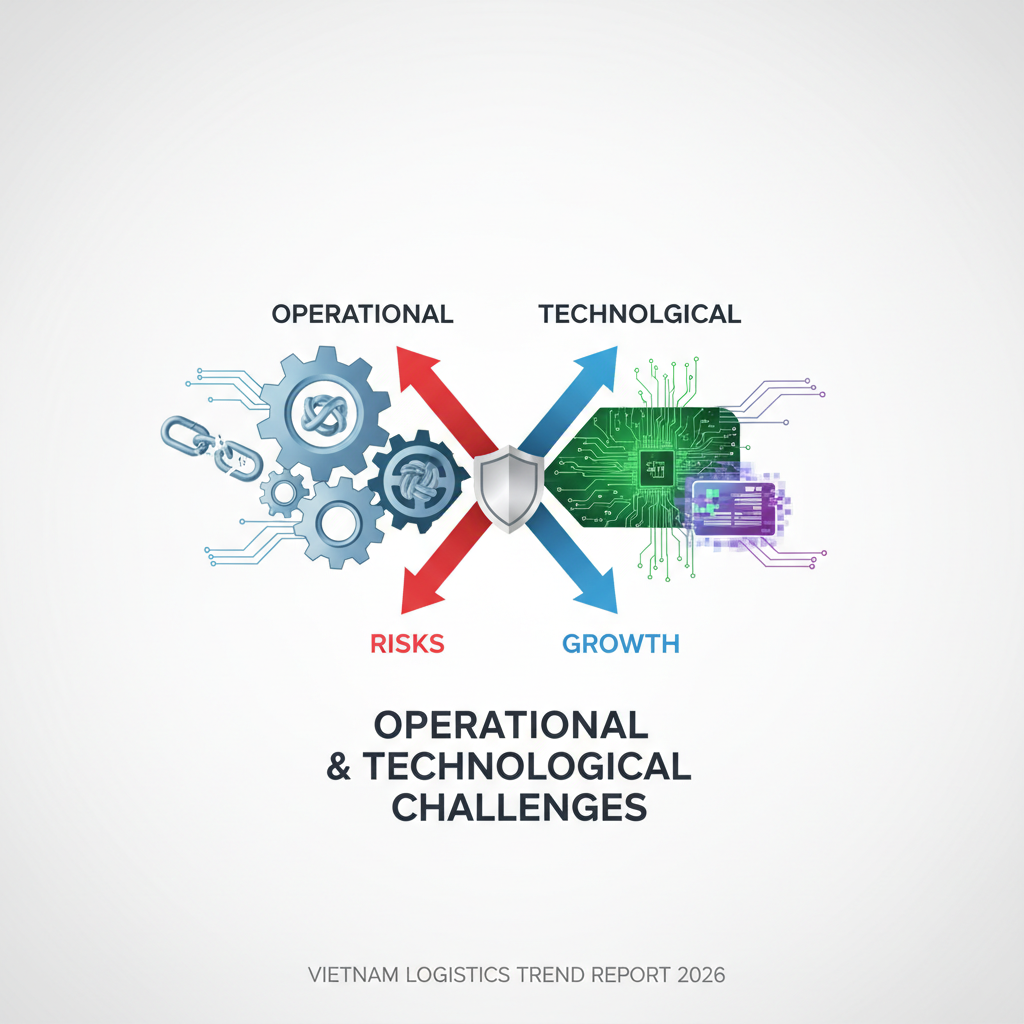
Vietnam’s logistics sector, a pivotal engine for the nation’s economic growth and burgeoning trade, navigates a complex landscape of daily operational hurdles and evolving technological threats. From the critical issue of workforce sustainability to the rapidly escalating concern of digital security, these challenges demand strategic foresight and robust adaptation. A comprehensive the trend report of the risk of logistics field in vietnam must delve deep into these operational and technological complexities to provide actionable insights for businesses striving for resilience and competitive advantage.
-
Labor Shortages & Skill Gaps
The rapid expansion of Vietnam’s manufacturing base and the booming e-commerce market have placed immense pressure on the logistics workforce, leading to acute labor shortages and significant skill gaps. The demand for qualified personnel—from truck drivers and warehouse operators to supply chain planners and last-mile delivery specialists—far outstrips the current supply. This deficit is exacerbated by several factors: an aging workforce in traditional roles, the physically demanding nature of many logistics jobs, and a lack of specialized training programs that align with modern logistics technologies and practices. Many existing workers may lack the digital literacy and technical skills required to operate automated systems, data analytics tools, or advanced inventory management software.
This talent crunch translates directly into operational inefficiencies, increased labor costs, and a reduced capacity for service expansion. Companies often face higher recruitment and training expenses, elevated staff turnover, and, critically, a potential compromise on service quality and delivery timelines. Addressing these shortages requires a multi-pronged approach, including investing in vocational training, collaborating with educational institutions to develop relevant curricula, and implementing attractive retention strategies to build a skilled, long-term workforce capable of supporting the industry’s growth trajectory.
-
Cybersecurity Threats & Data Breaches
As logistics operations increasingly rely on digital platforms, IoT devices, and interconnected supply chains, they become prime targets for sophisticated cybersecurity threats. The risk of data breaches, ransomware attacks, and phishing scams is a growing concern that can cripple operations, compromise sensitive information, and erode trust. Logistics companies handle a vast array of critical data, including client financial details, shipment tracking information, inventory levels, and proprietary operational strategies. A successful cyberattack can lead to widespread operational disruption, significant financial losses from ransoms or recovery efforts, and severe reputational damage.
In Vietnam, as digitalization accelerates, many businesses, particularly Small and Medium-sized Enterprises (SMEs), may lack the robust IT infrastructure and dedicated cybersecurity expertise to defend against advanced persistent threats. The interconnected nature of modern supply chains also means that a vulnerability in one partner’s system can create an entry point for attackers to infiltrate an entire network. Protecting against these threats requires continuous investment in cutting-edge security technologies, regular employee training on cyber hygiene, and the development of comprehensive incident response plans. According to Kaspersky’s analysis of the digital threat landscape in Southeast Asia, the region continues to face a complex and evolving array of cyber risks, underscoring the urgent need for enhanced security measures across all sectors, including logistics.
-
Inefficient Digitalization & Legacy Systems
While the benefits of digital transformation are widely recognized, many logistics companies in Vietnam struggle with inefficient digitalization and the burden of legacy systems. The ambition to leverage technologies like AI, blockchain, and big data analytics often collides with outdated IT infrastructure that is difficult to integrate, costly to maintain, and lacks the scalability for modern demands. Many firms still rely on manual processes or disparate software solutions that operate in silos, preventing real-time data visibility and hindering efficient decision-making.
The challenges extend beyond mere technological upgrades. They encompass a lack of clear digital strategy, insufficient investment capital, and resistance to change within organizations. Integrating new systems with existing ones can be complex and disruptive, requiring specialized expertise that is often scarce. This results in fragmented data, redundant tasks, and an inability to optimize routes, manage inventory effectively, or provide seamless customer experiences. Overcoming this hurdle necessitates a phased approach to digitalization, focusing on interoperability, investing in cloud-based solutions, and fostering a culture that embraces technological innovation. Effectively addressing these foundational issues is paramount for the Vietnamese logistics sector to unlock its full potential and effectively navigate the dynamic global supply chain environment, as highlighted in any comprehensive the trend report of the risk of logistics field in vietnam.
Environmental, Social & Governance (ESG) Risks
In an era defined by increasing global interconnectedness and heightened awareness, Environmental, Social, and Governance (ESG) factors have rapidly ascended to the forefront of strategic considerations for businesses worldwide. For the logistics sector, particularly in dynamic emerging markets like Vietnam, ESG is no longer merely a corporate social responsibility initiative but a critical framework for identifying and mitigating profound operational, financial, and reputational risks. The shift towards sustainability and ethical considerations presents a complex new layer of challenges that fundamentally reshape the landscape of the trend report of the risk of logistics field in vietnam. Addressing these challenges is paramount for ensuring long-term value creation and maintaining a competitive edge amidst evolving global standards and local expectations.
The imperative to integrate ESG principles into logistics operations stems from a confluence of factors: stricter environmental regulations, growing consumer demand for ethical supply chains, investor scrutiny, and the undeniable physical impacts of climate change. Ignoring these dimensions can lead to significant logistics challenges Vietnam, impacting everything from operational costs and supply chain resilience to market access and stakeholder engagement. Companies must proactively adapt to these pressures, not only to comply with evolving governance standards but also to foster a more resilient, ethical, and ultimately, profitable enterprise.
1. Climate Change & Extreme Weather Events
The most immediate and tangible environmental risk confronting the logistics sector is the escalating impact of climate change and the resulting increase in extreme weather events. Vietnam, with its extensive coastline and critical river systems, is particularly vulnerable to phenomena such as rising sea levels, severe typhoons, prolonged droughts, and flash floods. These events directly threaten critical logistics infrastructure, including ports, warehouses, roads, and bridges, leading to widespread supply chain disruptions. The consequences are far-reaching: damaged assets, delayed shipments, increased operational costs, and higher insurance premiums.
For logistics providers, this necessitates a fundamental rethink of their operational planning and infrastructure investment. Building supply chain resilience requires proactive climate adaptation strategies, such as investing in climate-resilient infrastructure, diversifying transport routes, implementing advanced forecasting systems, and developing robust contingency plans. A recent World Bank report on Vietnam’s Climate and Development underscores the urgent need for such measures, highlighting how climate risks could impede economic growth and stability. Failing to address these physical risks directly impacts a company’s ability to guarantee delivery, manage expenses, and maintain customer trust, thus becoming a pivotal factor in the overall risk assessment for the logistics field in Vietnam.
2. Sustainable Practices & Green Logistics Pressures
Beyond direct climate impacts, the logistics sector faces immense pressure to adopt sustainable practices and transition towards green logistics. This push comes from stringent environmental regulations Vietnam, international accords, evolving consumer preferences, and investor expectations for reduced environmental footprint. The demand for carbon footprint reduction has spurred innovation in areas like fuel efficiency, the adoption of electric and alternative-fuel vehicles for sustainable transportation, and the integration of renewable energy sources in warehouse operations. Additionally, waste management, circular economy principles, and sustainable packaging solutions are becoming integral components of a comprehensive green supply chain strategy.
Companies that embrace these shifts can unlock significant competitive advantages, including lower operational costs through efficiency gains, enhanced brand reputation, and better access to capital from ESG-focused investors. Conversely, those that lag risk regulatory fines, loss of market share to greener competitors, and negative public perception. The transition towards sustainable logistics is not just an environmental mandate; it’s a strategic imperative for businesses seeking to build long-term value and ensure their relevance in a progressively eco-conscious global economy. It reflects a fundamental shift in how profitability and operational excellence are measured.
3. Social Compliance & Labor Standards
The ‘Social’ component of ESG focuses on a company’s relationship with its employees, customers, and the communities in which it operates. For the labor-intensive logistics sector in Vietnam, adherence to social compliance and robust labor standards is paramount. This includes ensuring fair wages, safe working conditions, prohibiting forced or child labor, upholding labor rights, and fostering diversity and inclusion. The increasing scrutiny on global supply chains means that logistics providers are not only responsible for their own practices but also for ensuring ethical sourcing and labor conditions throughout their entire network.
Risks associated with poor social performance are substantial and can include reputational damage, consumer boycotts, legal penalties, and significant operational disruptions due to labor unrest. Furthermore, negative social impact can undermine community relations and make it difficult to attract and retain talent. Implementing strong governance standards and fostering genuine stakeholder engagement are crucial for mitigating these risks. By upholding high social standards, logistics companies can enhance their brand, build trust, and contribute positively to local development, thereby securing their license to operate and strengthening their position within the broader risk landscape of the logistics field in Vietnam. Proactive management of social factors is integral to a truly resilient and responsible supply chain.
Mitigating Strategies & Future Outlook
This concluding section offers actionable solutions and a forward-looking perspective on how logistics businesses and policymakers in Vietnam can proactively address identified risks and foster a resilient supply chain.
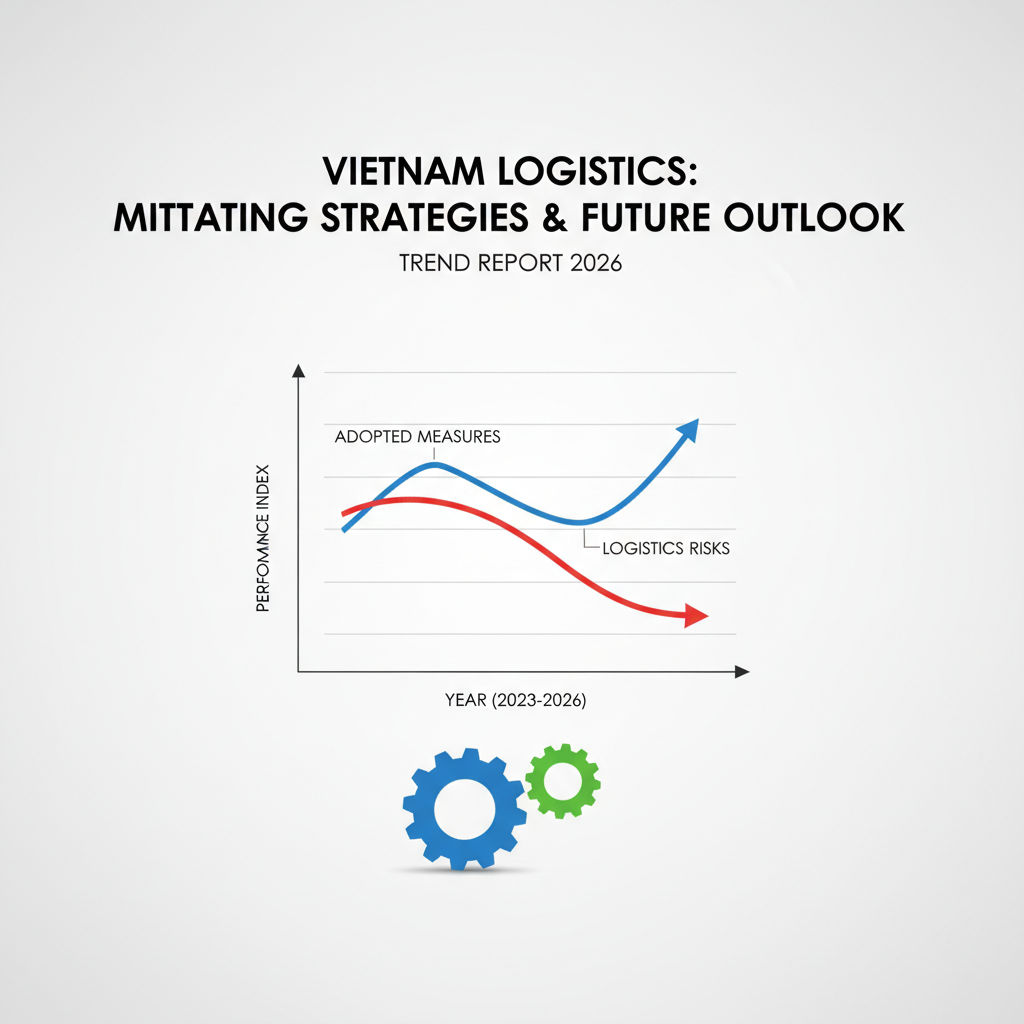
The dynamic landscape of global trade, coupled with inherent domestic challenges, necessitates a proactive approach to managing logistics risks in Vietnam. While the trend report of the risk of logistics field in vietnam has highlighted several critical vulnerabilities, the path forward involves strategic investments, diversified partnerships, and robust policy frameworks. By embracing these mitigating strategies, Vietnam can not only fortify its supply chain against future disruptions but also cement its position as a vital hub in regional and global trade networks. This section outlines key actionable solutions, ensuring a robust and future-proof logistics ecosystem.
1. Investing in Resilient Infrastructure & Technology
The backbone of a strong logistics sector is its infrastructure. For Vietnam, this means a concerted effort to upgrade and expand physical assets while simultaneously embracing digital transformation. Investment in modern port facilities, integrated logistics centers, and an improved road and rail network is paramount. Enhancing last-mile delivery capabilities, particularly in rural and remote areas, will also reduce operational bottlenecks.
Technologically, the adoption of advanced solutions such as the Internet of Things (IoT) for real-time tracking, Artificial Intelligence (AI) for predictive analytics, and blockchain for secure and transparent transactions can significantly enhance supply chain visibility and efficiency. These technologies enable businesses to anticipate disruptions, optimize routes, manage inventory more effectively, and reduce the impact of unforeseen events. For instance, IoT sensors can monitor cargo conditions, preventing spoilage, while AI can predict demand fluctuations, helping avoid stockouts or oversupply. Investing in green logistics technologies, such as electric vehicles and energy-efficient warehouses, also contributes to sustainability, aligning with global environmental goals and reducing long-term operational costs. This dual focus on physical and digital infrastructure creates a robust foundation capable of withstanding the 13 diverse risks outlined in recent analyses.
2. Diversifying Supply Chains & Partnerships
Over-reliance on single sources or routes is a significant vulnerability. Vietnamese logistics businesses must actively pursue diversification strategies, both geographically and in terms of supplier bases. This involves exploring new sourcing markets beyond traditional hubs and fostering relationships with a wider array of local and international suppliers. Developing a robust network of domestic suppliers can reduce dependence on imports, shorten lead times, and enhance resilience against international trade shocks.
Furthermore, strategic partnerships with third-party logistics (3PL) providers, freight forwarders, and technology firms can offer increased flexibility and specialized expertise. Collaborating with multiple logistics partners helps distribute risk and provides alternative options during disruptions. Exploring nearshoring or friend-shoring opportunities, where production is moved closer to home or to politically aligned countries, can further de-risk supply chains. This strategy not only mitigates geopolitical and trade policy risks but also strengthens regional economic integration. Building robust, diversified partnerships is a critical step in building a resilient logistics sector, as emphasized in the trend report of the risk of logistics field in vietnam.
3. Policy Recommendations & Collaborative Frameworks
Government and regulatory bodies play a pivotal role in shaping a resilient logistics environment. Policymakers in Vietnam should focus on creating a supportive and predictable regulatory framework that encourages investment and innovation. Key recommendations include:
- Trade Facilitation: Streamlining customs procedures, reducing bureaucratic hurdles, and implementing digital platforms for trade documentation can significantly improve efficiency and reduce transit times.
- Incentives for Investment: Offering tax breaks, subsidies, or preferential loans for businesses investing in resilient infrastructure, green technologies, and supply chain diversification initiatives.
- Public-Private Partnerships (PPPs): Fostering PPPs for large-scale infrastructure projects, such as ports, airports, and logistics parks, can leverage private sector efficiency and capital while addressing public needs.
- Human Capital Development: Investing in education and training programs to develop a skilled workforce capable of operating advanced logistics technologies and managing complex supply chains.
- Regional and International Cooperation: Actively participating in regional trade blocs (like ASEAN) and international agreements to harmonize standards, share best practices, and facilitate cross-border logistics. This collaborative approach enhances collective resilience against systemic shocks, as noted by organizations like the World Bank, which continually advocates for robust trade policies and logistics development in emerging economies.
By implementing these comprehensive strategies, Vietnam can proactively address the multifaceted risks identified in the trend report of the risk of logistics field in vietnam. A synergistic effort from businesses, government, and international partners will pave the way for a more robust, efficient, and sustainable logistics future for Vietnam.
Partner with Shelby Global
You are looking for reliable HR Sevice Suppliers? Contact Shelby Global Now! To connect with verified talents and upgrade your orginization.
—————————————
References
– The World Bank provides regular updates on Vietnam’s economic trajectory: https://www.worldbank.org/en/country/vietnam/overview
– the World Bank, global supply chain disruptions: https://www.worldbank.org/en/topic/supply-chain-disruptions
– Kaspersky’s analysis of the digital threat landscape in Southeast Asia: https://www.kaspersky.com/about/press-releases/2023_kaspersky-southeast-asias-digital-threat-landscape-remains-complex
– Vietnam: Country Climate and Development Report: https://www.worldbank.org/en/country/vietnam/publication/vietnam-country-climate-and-development-report
– World Bank: https://www.worldbank.org/en/topic/trade