
Introduction to Vietnam’s Pharmaceutical Landscape
Vietnam’s pharmaceutical market is a vibrant and rapidly expanding sector within Southeast Asia, characterized by robust growth driven by a confluence of demographic, economic, and policy factors. With a population exceeding 100 million and a burgeoning middle class, healthcare expenditure is steadily climbing, translating directly into increased demand for both essential and specialized medicines. This growth is further propelled by an aging population, a rising prevalence of non-communicable diseases, and enhanced health insurance coverage. The market, estimated to be worth several billion USD and projected for continued strong growth, is a lucrative arena for both domestic manufacturers and international pharmaceutical giants. While historically reliant on imported drugs, there’s a concerted effort to boost local production capabilities, focusing on generic drugs, over-the-counter (OTC) medications, and active pharmaceutical ingredients (APIs). Understanding the dynamics of this market, including the main players and consumer trends, is crucial for anyone looking into its future trajectory and potential. This segment explores the foundational elements driving this expansion, setting the stage for a deeper dive into its regulatory and risk dimensions.

1. Overview of Vietnam’s Growing Pharmaceutical Market
The Vietnamese pharmaceutical market is experiencing an impressive growth trajectory, consistently outperforming many regional counterparts. Key drivers include a significant increase in per capita healthcare spending, propelled by rising disposable incomes and greater health awareness among the populace. The government’s strategic focus on improving healthcare access and infrastructure, coupled with the expansion of universal health insurance coverage, has further stimulated demand. The market is diverse, with strong segments in ethical drugs (prescription medicines), over-the-counter (OTC) products, and traditional medicines. While domestic manufacturers play a crucial role in generic drug production, multinational corporations (MNCs) largely dominate the branded and specialized pharmaceutical segments, introducing advanced treatments and fostering innovation. This dual structure creates a dynamic and competitive environment, where local firms are increasingly striving for higher quality standards and greater market share, often through strategic partnerships and technology transfers. The sustained growth underscores Vietnam’s position as a key emerging market in the global pharmaceutical industry.
2. Key Stakeholders and Regulatory Bodies
Navigating Vietnam’s pharmaceutical landscape requires a clear understanding of its intricate web of key stakeholders and regulatory frameworks. At the apex is the Ministry of Health (MOH), responsible for overarching health policies, strategies, and the national health system. Directly beneath the MOH, the Drug Administration of Vietnam (DAV) serves as the primary regulatory body for pharmaceuticals, overseeing drug registration, licensing, quality control, pricing, and distribution. The DAV ensures compliance with Good Manufacturing Practice (GMP), Good Storage Practice (GSP), and Good Distribution Practice (GDP) standards, aligning with international norms where possible. Other significant stakeholders include domestic pharmaceutical manufacturers, who are increasingly investing in modern facilities and R&D; multinational corporations (MNCs) that dominate the branded and specialized drug segments; and a network of distributors and pharmacies. Professional associations, such as the Vietnam Pharmaceutical Association, also play a crucial role in advocating for industry interests and promoting best practices. The regulatory environment, while evolving, aims to balance market growth with patient safety and access to affordable medicines. For a comprehensive look at regional pharmaceutical market trends and regulatory developments, a recent Southeast Asian Pharmaceutical Market Report offers valuable insights into the broader context within which Vietnam operates.
3. Current Challenges and Opportunities
Despite its promising growth trajectory, Vietnam’s pharmaceutical market is not without its challenges. Issues such as complex and sometimes opaque regulatory processes, intellectual property rights enforcement, intense competition, and a reliance on imported raw materials for drug production continue to pose hurdles. Quality control, particularly concerning the authenticity and efficacy of medicines in a market susceptible to counterfeits, remains a paramount concern. Furthermore, the rising cost of healthcare and pharmaceuticals, coupled with the need for better distribution infrastructure, presents ongoing difficulties. Stakeholders must also contend with the inherent risks associated with medicine quality and supply chain integrity. For those seeking a deeper dive into these critical areas and strategies for mitigation, the trend report of the risk of medicine field in Vietnam offers detailed analyses.
However, these challenges are met with a wealth of opportunities. The burgeoning digital transformation in healthcare, including telehealth and e-pharmacies, offers new avenues for market penetration and efficiency. Growing demand for high-value, specialized drugs (e.g., for cancer, diabetes, cardiovascular diseases) and innovative biologics creates niches for advanced pharmaceutical products. Increased government investment in healthcare infrastructure, coupled with an emphasis on preventive care and public-private partnerships, also fosters a conducive environment for growth. As Vietnam integrates further into global trade agreements, opportunities for technology transfer, foreign direct investment, and access to new markets are also expanding, positioning the country as an increasingly significant player in the global pharmaceutical arena. Addressing the challenges head-on while strategically leveraging these opportunities will be key to sustainable growth and ensuring a robust, reliable pharmaceutical supply for the Vietnamese population.
Emerging Risk Trends in Medicine Distribution and Supply
Vietnam’s healthcare sector is undergoing rapid transformation, driven by increasing demand, evolving patient needs, and technological advancements. However, this growth also brings forth a new array of complexities and risks, particularly in how medicines are distributed and supplied across the nation. Understanding the trend report of the risk of medicine field in Vietnam is crucial for stakeholders to ensure patient safety, maintain public trust, and build a resilient pharmaceutical ecosystem. The country faces unique challenges, from its diverse geography to varying levels of infrastructure development, all of which contribute to evolving risk landscapes that demand proactive identification and mitigation strategies. This section delves into the most pressing emerging risk trends, highlighting the need for vigilance and innovation in pharmaceutical supply chain management.
1. Counterfeit Drugs and Illicit Trade
The proliferation of counterfeit drugs and illicit trade remains a formidable challenge, posing significant threats to public health and economic stability in Vietnam. These fake medicines, often indistinguishable from genuine products, can contain incorrect dosages, harmful ingredients, or no active pharmaceutical ingredients at all, leading to treatment failures, adverse reactions, and even death. The rise of e-commerce platforms and cross-border trade has exacerbated this issue, creating new avenues for illicit distributors to reach consumers, often bypassing legitimate regulatory checkpoints. Tackling this trend requires a multi-pronged approach involving enhanced customs controls, stringent online marketplace monitoring, public awareness campaigns, and robust legal frameworks with severe penalties for offenders. Collaboration between pharmaceutical manufacturers, distributors, regulatory bodies, and international organizations is essential to trace and intercept these dangerous products before they harm patients.
2. Supply Chain Vulnerabilities and Disruptions
Modern pharmaceutical supply chains are inherently global and complex, making them susceptible to a myriad of vulnerabilities and disruptions. Vietnam’s reliance on imported active pharmaceutical ingredients (APIs) and finished drug products from a limited number of countries exposes it to significant risks. Geopolitical tensions, natural disasters (such as floods and typhoons common in Southeast Asia), global pandemics (like COVID-19), and even cyberattacks can severely disrupt manufacturing, logistics, and distribution networks. Such disruptions can lead to critical medicine shortages, price volatility, and compromised access to essential treatments. Building resilience within the supply chain is paramount. This involves diversifying sourcing strategies, investing in local manufacturing capabilities, developing robust inventory management systems, and implementing advanced predictive analytics to foresee and respond to potential disruptions. Furthermore, enhancing infrastructure for cold chain logistics and last-mile delivery, especially to remote areas, is vital to ensure continuous and equitable access to medicines.
3. Quality Control and Storage Compliance Issues
Ensuring the quality and efficacy of medicines from manufacturing to the point of patient consumption is a non-negotiable imperative. Vietnam’s tropical climate, characterized by high temperatures and humidity, presents unique challenges for the storage and transportation of temperature-sensitive pharmaceutical products. Non-compliance with Good Storage Practice (GSP) and Good Distribution Practice (GDP) guidelines can severely compromise drug stability, potency, and safety. Issues range from inadequate temperature-controlled warehouses and transport vehicles to improper handling procedures during loading and unloading. The lack of consistent monitoring and enforcement across all levels of the distribution chain, particularly in smaller pharmacies or informal outlets, can further exacerbate these problems. To mitigate these risks, there is a critical need for rigorous training programs for all personnel involved in medicine handling, investment in state-of-the-art storage facilities and cold chain infrastructure, and the implementation of real-time temperature monitoring systems. Furthermore, regulatory bodies must strengthen their oversight mechanisms, conduct frequent inspections, and enforce compliance strictly to uphold the highest standards of quality and safety throughout the entire medicine supply chain. The World Health Organization (WHO) emphasizes the critical importance of robust regulatory systems and quality assurance mechanisms to protect public health and ensure access to safe, effective, quality, and affordable medical products.
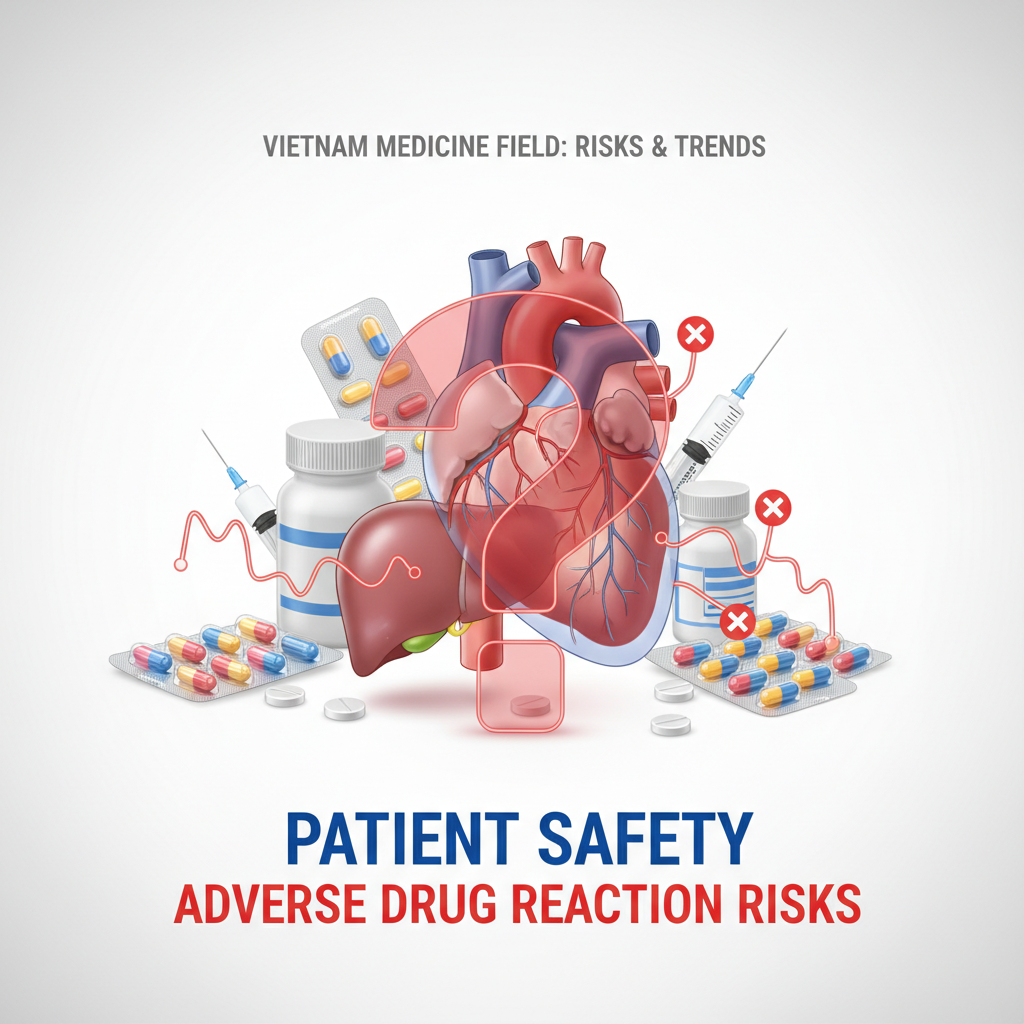
Patient Safety and Adverse Drug Reaction Risks
Ensuring patient safety is paramount within any healthcare system, and the pharmaceutical landscape of Vietnam presents unique challenges and opportunities in this regard. This section addresses critical risks directly impacting patients, focusing on issues related to drug safety, misuse, and the crucial reporting of adverse effects. Understanding the trend report of the risk of medicine field in vietnam reveals significant areas requiring focused intervention to safeguard public health.
1. Under-reporting of Adverse Drug Reactions (ADRs)
Adverse Drug Reactions (ADRs) represent a significant threat to patient safety, ranging from mild discomforts to life-threatening events. Effective pharmacovigilance, the science and activities relating to the detection, assessment, understanding, and prevention of adverse effects or any other drug-related problems, relies heavily on the diligent reporting of these reactions. In Vietnam, as in many developing nations, the under-reporting of ADRs remains a pervasive issue. This problem stems from various factors, including a lack of awareness among healthcare professionals regarding the importance and process of reporting, time constraints in busy clinical settings, and sometimes a fear of litigation or blame. Patients themselves may not recognize symptoms as drug-related or know how to report them. The consequences of under-reporting are severe: potential safety signals are missed, dangerous drugs may remain on the market longer than they should, and healthcare providers lack crucial data to make informed prescribing decisions. Strengthening national pharmacovigilance systems and promoting a culture of reporting among both healthcare providers and patients is essential to mitigate these risks and contribute to global patient safety efforts.
2. Misuse, Over-prescription, and Antimicrobial Resistance
The misuse and over-prescription of medicines pose substantial risks to patient safety and public health, particularly exacerbating the global crisis of Antimicrobial Resistance (AMR). In Vietnam, factors such as readily available antibiotics without prescription, patient demand for quick fixes, and sometimes insufficient diagnostic practices contribute to a culture of excessive and inappropriate medication use. Misuse can range from taking incorrect dosages, sharing medications, or using expired drugs, all of which can lead to therapeutic failure, increased ADRs, and prolonged illness. Over-prescription, especially of antibiotics, is a primary driver of AMR, where bacteria, viruses, fungi, and parasites no longer respond to medicines, making infections harder to treat and increasing the risk of disease spread, severe illness, and death. The development of new antibiotics has slowed considerably, meaning AMR threatens to revert medicine to a pre-antibiotic era. Addressing this requires robust regulatory frameworks, enhanced public awareness campaigns on responsible antibiotic use, and improved clinical guidelines for prescribing, along with continuous education for healthcare professionals on antimicrobial stewardship. Without concerted efforts, the long-term implications for healthcare in Vietnam and globally are dire.
3. Patient Education and Medication Adherence Challenges
Effective patient education and medication adherence are cornerstones of safe and successful pharmacotherapy. However, challenges in these areas frequently compromise patient safety. Many patients, especially in diverse cultural and educational settings like Vietnam, struggle with understanding complex medication instructions, dosage regimens, potential side effects, and the importance of completing a full course of treatment. Language barriers, low health literacy, and socioeconomic factors can further impede comprehension and adherence. Poor medication adherence—not taking medicines as prescribed—can lead to sub-optimal treatment outcomes, increased disease progression, preventable hospitalizations, and a higher incidence of ADRs. For instance, inconsistent use of chronic disease medications can destabilize conditions, while prematurely stopping antibiotics can contribute to AMR. To overcome these hurdles, healthcare providers must adopt patient-centered communication strategies, using clear, simple language and visual aids. Pharmacists play a vital role in counseling, providing detailed information, and addressing patient concerns. Developing culturally sensitive educational materials and leveraging community health workers can significantly improve patient understanding and adherence, thereby enhancing the overall safety and effectiveness of medication use.
Regulatory and Compliance Challenges for the Future
Examining the complexities of enforcing regulations and maintaining compliance within Vietnam’s rapidly evolving medicine field is critical for all stakeholders. The dynamic landscape of the Vietnamese pharmaceutical sector presents unique hurdles, from navigating intricate legal frameworks to ensuring ethical market conduct. As the industry grows and integrates further into the global market, understanding and mitigating these risks becomes paramount, especially when considering the trend report of the risk of medicine field in vietnam.
1. Evolving Regulatory Frameworks and Enforcement
The Vietnamese medicine field is characterized by a regulatory environment in constant flux. The Ministry of Health (MoH) frequently updates decrees, circulars, and national technical regulations pertaining to drug registration, pricing, clinical trials, manufacturing practices (GMP), and distribution. While these updates aim to align Vietnam’s standards with international best practices and ensure public health safety, they simultaneously create significant compliance burdens for pharmaceutical companies. Businesses, both domestic and international, must dedicate substantial resources to continuously monitor these changes, interpret new guidelines, and adapt their operations accordingly. Failure to do so can result in hefty fines, product recalls, or even loss of operating licenses.
Beyond the sheer volume of changes, enforcement presents its own set of challenges. Regulatory bodies, though increasingly sophisticated, can sometimes face capacity constraints or varying interpretations of new regulations across different provinces or departments. This can lead to inconsistencies in enforcement, creating uncertainty for businesses striving for uniform compliance. Ensuring transparent, predictable, and consistently applied enforcement mechanisms is crucial for fostering a stable and trustworthy pharmaceutical market. For a deeper understanding of the complexities of the legal framework, insights into Vietnam’s healthcare and pharma regulatory updates are essential for industry players.
2. Data Security and Patient Privacy Concerns
The digitization of healthcare records and pharmaceutical data in Vietnam is accelerating, bringing with it immense benefits but also significant risks related to data security and patient privacy. As more patient information, clinical trial data, and prescription details are stored and transmitted electronically, the potential for cybersecurity breaches, unauthorized access, and data misuse grows. While Vietnam has general data protection laws, specific and robust regulations tailored to the sensitive nature of health information are still developing or require more stringent enforcement within the medical sector. Companies handling such data must not only comply with existing national frameworks but also adhere to international best practices, especially if they operate globally or handle data from international patients or clinical trials.
Ensuring the confidentiality, integrity, and availability of patient data is paramount. This requires substantial investment in secure IT infrastructure, robust data encryption, regular security audits, and comprehensive staff training on data protection protocols. The consequences of a data breach extend beyond financial penalties; they can severely erode public trust, harm a company’s reputation, and compromise patient safety. The industry must proactively develop and implement stringent data governance policies to safeguard sensitive health information against evolving cyber threats.
3. Ethical Marketing and Promotion Practices
Maintaining ethical standards in the marketing and promotion of medicinal products is another critical area of compliance and risk management in Vietnam. The competitive nature of the pharmaceutical market can sometimes create pressures that test ethical boundaries. Issues such as misleading advertising claims, off-label promotion, and inappropriate interactions with healthcare professionals (HCPs) – including gifts, incentives, or sponsorship practices that could be perceived as inducements – pose significant challenges. These practices not only violate national regulations but also undermine the integrity of the healthcare system and public trust in medicines.
Vietnamese regulations, alongside industry codes of conduct, aim to ensure that promotion is evidence-based, transparent, and solely focused on the safe and effective use of medicines. Companies must implement strict internal compliance programs, conduct regular training for their marketing and sales teams, and establish clear policies regarding interactions with HCPs. This includes ensuring that all promotional materials are accurately reviewed and approved, and that any sponsorships or collaborations are conducted with full transparency and without creating conflicts of interest. Proactive adherence to these ethical guidelines is not just a regulatory requirement but a fundamental commitment to patient well-being and maintaining a reputable standing in the Vietnamese medicine field.
In conclusion, the Vietnamese medicine field, while promising, demands vigilant attention to its regulatory and compliance challenges. From navigating dynamic legal frameworks and safeguarding patient data to upholding ethical marketing standards, a proactive and robust compliance strategy is indispensable for sustainable growth and ensuring public health outcomes. Continuous monitoring, investment in compliance infrastructure, and fostering a culture of integrity are key to overcoming these hurdles and building a resilient pharmaceutical future in Vietnam.
Strategies for Mitigating Risks and Future Outlook 2026
As we delve deeper into the trend report of the risk of medicine field in Vietnam, it becomes unequivocally clear that proactive and multifaceted strategies are essential to safeguard public health and build a resilient pharmaceutical ecosystem by 2026. The identified challenges, ranging from counterfeit drugs and supply chain vulnerabilities to inadequate adverse event reporting, demand a concerted effort from all stakeholders. This section outlines actionable strategies designed to mitigate existing risks and foster a forward-looking environment where patient safety is paramount, driving a safer medicine landscape across the nation.

1. Enhancing Digital Traceability and Supply Chain Security
One of the most critical areas for intervention is strengthening the medicine supply chain through advanced digital traceability. The pervasive threat of counterfeit and substandard medicines not only erodes public trust but poses direct health hazards. By 2026, Vietnam must adopt robust serialization and track-and-trace systems, leveraging technologies such as blockchain and unique device identification (UDI) codes. These systems enable end-to-end visibility of pharmaceutical products, from manufacturing to dispensing, ensuring authenticity and preventing diversion. Implementing such digital frameworks allows for real-time monitoring, rapid identification of illegitimate products, and efficient recall processes. This enhanced transparency is crucial for protecting consumers and ensuring that every medicine reaching a patient is genuine and safe. Investment in training healthcare professionals and pharmacists on these new digital tools will also be vital for successful adoption and sustained efficacy. The goal is to create a supply chain that is not just efficient, but impenetrable to illicit activities, fostering confidence in the integrity of pharmaceutical products.
2. Strengthening Pharmacovigilance Systems
Effective pharmacovigilance is the cornerstone of post-market drug safety. While Vietnam has made strides, current systems require significant enhancement to capture, assess, understand, and prevent adverse drug reactions (ADRs) and other medicine-related problems more effectively. By 2026, the aim is to transition towards a more proactive and integrated pharmacovigilance network. This involves leveraging artificial intelligence (AI) and machine learning (ML) for real-time monitoring of adverse events reported through diverse channels, including electronic health records, social media, and patient self-reporting platforms. Establishing a centralized national database for ADRs, accessible to healthcare providers and regulators, will facilitate comprehensive data analysis and trend identification. Furthermore, public awareness campaigns encouraging patients and healthcare professionals to report adverse events are essential. Strengthening the capacity of regional pharmacovigilance centers and integrating them into a unified national system will ensure timely data collection and rapid dissemination of safety alerts. This proactive approach to monitoring drug safety is paramount for identifying emerging risks and ensuring that patients receive the safest possible treatments. The World Health Organization (WHO) continuously advocates for robust pharmacovigilance systems to protect global public health, a principle Vietnam must fully embrace.
3. International Collaboration and Policy Harmonization
Given the globalized nature of pharmaceutical trade and the transnational flow of illicit medicines, international collaboration and policy harmonization are indispensable. By 2026, Vietnam should actively engage in bilateral and multilateral agreements with neighboring countries and international regulatory bodies to share intelligence, best practices, and enforcement strategies. Harmonizing regulatory standards with regional blocs like ASEAN and global entities will streamline drug approval processes, facilitate legitimate trade, and create a unified front against pharmaceutical crime. This includes aligning on Good Manufacturing Practices (GMP), Good Distribution Practices (GDP), and pharmacovigilance guidelines. Collaborative efforts can also extend to joint training programs, research initiatives, and intelligence sharing on emerging threats such as new forms of counterfeiting or drug resistance patterns. Strengthening relationships with organizations like the WHO and the International Council for Harmonisation of Technical Requirements for Pharmaceuticals for Human Use (ICH) will provide access to global expertise and resources, enhancing Vietnam’s capacity to regulate and monitor its medicine field effectively. This integrated global perspective is crucial for building a secure and trustworthy medicine environment that transcends national borders.
The journey towards a safer medicine environment by 2026 requires unwavering commitment, innovation, and collaboration. By focusing on digital traceability, robust pharmacovigilance, and strategic international partnerships, Vietnam can significantly mitigate the risks identified in the pharmaceutical sector, ensuring that its citizens have access to safe, effective, and quality medicines. This proactive stance not only protects public health but also enhances the nation’s standing in the global pharmaceutical landscape.
Partner with Shelby Global
You are looking for reliable HR Sevice Suppliers? Contact Shelby Global Now! To connect with verified talents and upgrade your orginization.
—————————————
References
– Southeast Asian Pharmaceutical Market Report: https://www.iqvia.com/locations/asia-pacific/vietnam/pharmaceutical-market-insights
– WHO on Pharmaceuticals in Vietnam: https://www.who.int/vietnam/health-topics/pharmaceuticals
– WHO Patient Safety Fact Sheet: https://www.who.int/news-room/fact-sheets/detail/patient-safety
– Vietnam healthcare and pharma: the latest regulatory updates: https://www.freshfields.com/en-gb/our-thinking/campaigns/vietnam-insights/vietnam-healthcare-and-pharma-the-latest-regulatory-updates/
– pharmacovigilance systems to protect global public health: https://www.who.int/teams/regulation-and-prequalification/regulation-of-medicines/pharmacovigilance