Laying the Foundation: Why HR Matters for New CEOs
Stepping into the role of CEO, especially in Vietnam’s dynamic production Small and Medium-sized Enterprises (SMEs), is a monumental task. The challenges are multi-faceted, from navigating competitive markets to optimizing supply chains and ensuring product quality. Amidst these high-level responsibilities, Human Resources (HR) might sometimes be perceived as a purely administrative function, relegated to the back office. However, for a fresh CEO in the production field, a profound understanding of HR is not just beneficial—it is absolutely critical for strategic leadership and operational success. Recognizing HR as a strategic partner from day one is the first step towards building a resilient, productive, and innovative enterprise. It means looking beyond hiring and firing to see how people drive every aspect of your business.

1. Impact of HR on operational efficiency and productivity
In a production SME, every minute counts, and every process step affects the bottom line. This is where HR’s direct impact on operational efficiency and productivity becomes undeniable. Effective HR practices ensure that the right people with the right skills are in the right roles. This begins with robust recruitment processes that attract competent workers, reducing the time and cost associated with vacancies and poor hires. Once on board, ongoing training and development, facilitated by HR, empower employees to operate machinery safely and efficiently, adhere to quality standards, and embrace new technologies. Performance management systems, another HR core function, provide clear expectations, constructive feedback, and recognition, motivating staff to meet and exceed production targets. Furthermore, HR plays a pivotal role in fostering a positive work environment, which directly influences employee morale and retention. High turnover disrupts production lines, increases training costs, and leads to a loss of institutional knowledge. By implementing strong retention strategies and promoting a culture of engagement, HR significantly contributes to stable, high-performing operational teams, ultimately enhancing overall productivity and product quality. Embracing best practices in human resource management is therefore crucial for any production facility aiming for peak efficiency.
2. Strategic role of HR in business growth and innovation
Beyond daily operations, HR is an indispensable strategic partner in driving business growth and fostering innovation. For a new CEO, understanding this strategic dimension is paramount. HR contributes to growth by identifying future talent needs, developing robust talent pipelines, and implementing succession planning to ensure leadership continuity. As SMEs in Vietnam look to expand into new markets or diversify their product lines, HR is instrumental in assessing the skills gaps, designing training programs, and even managing mergers or acquisitions from a people perspective. Innovation, a key differentiator in competitive markets, is also heavily influenced by HR. By cultivating a culture that encourages creativity, collaboration, and continuous learning, HR empowers employees to suggest improvements, experiment with new ideas, and adapt to change. This includes developing incentive programs that reward innovation and creating platforms for knowledge sharing. Without a strategic HR function that aligns human capital with business objectives, an SME’s growth trajectory can be severely limited. To truly understand this deeper role, a new CEO must grasp the fundamentals of the Step by Step to understand SMEs HR Structure for the fresh the CEO in production field in vietnam.
3. Unique HR challenges in Vietnamese production SMEs
The Vietnamese context presents distinct HR challenges that new CEOs in production SMEs must be acutely aware of. Firstly, navigating Vietnam’s complex and evolving labor laws requires constant vigilance to ensure compliance, from contracts and wages to working conditions and termination policies. Missteps can lead to costly disputes and reputational damage. Secondly, the production sector often faces a persistent skill gap. While there is a large labor pool, finding and retaining workers with specialized technical skills, especially for advanced manufacturing processes, can be difficult. This necessitates targeted training initiatives and competitive compensation packages. Thirdly, wage pressures and labor market competition, particularly in industrial hubs, mean that retaining talent often requires more than just salary; it demands effective employee engagement, career development opportunities, and a strong company culture. Cultural nuances also play a significant role in motivation and management, requiring a leadership approach that balances local traditions with modern HR practices. Lastly, many SMEs operate with limited resources, making it challenging to invest in sophisticated HR systems or dedicated HR professionals. A new CEO must therefore be resourceful, prioritizing HR initiatives that deliver the greatest impact while building a scalable HR framework to support future growth.
Deciphering the Standard SME HR Structure in Vietnam
For a fresh CEO in the production field in Vietnam, understanding the nuances of Human Resources (HR) within Small and Medium-sized Enterprises (SMEs) is not just beneficial; it’s critical for operational stability, compliance, and growth. Navigating the unique landscape of Vietnamese labor laws, cultural expectations, and talent market dynamics requires a clear grasp of typical HR setups. This guide provides a step-by-step to understand SMEs HR structure for the fresh the CEO in production field in Vietnam, offering insights into common configurations and crucial functions that impact daily production activities and long-term business strategy.
1. Common HR department configurations and reporting lines
The structure of an HR department in Vietnamese SMEs varies significantly based on size, industry, and the company’s growth stage. As a CEO, recognizing these common configurations helps you allocate resources effectively and understand where accountability lies.
-
Micro to Small SMEs (Typically <50 employees): In the smallest production outfits, a dedicated HR department is a luxury. HR functions are often consolidated under an administrative manager, a finance manager, or even directly handled by the CEO or business owner. Tasks include basic payroll, attendance tracking, and initial recruitment screening. Compliance with fundamental Vietnamese labor laws is usually the primary focus, often outsourced to a legal or accounting firm for complex matters like social insurance registration. This model is lean but can become a bottleneck as the company grows, highlighting early International Labour Organization (ILO) guidance on labor standards and compliance needs.
-
Medium-sized SMEs (50-200 employees): As an SME expands, a dedicated HR professional or a small HR team becomes essential. This often starts with an HR Generalist or HR Manager who reports directly to the CEO or General Manager. Their responsibilities expand to include end-to-end recruitment, payroll processing, basic employee relations, and ensuring broader labor law compliance. This stage marks a transition from purely administrative tasks to a more structured approach, addressing HR roles Vietnam SME specifically in managing a growing workforce. Effective HR best practices Vietnam here involve creating internal policies and processes to standardize HR operations.
-
Larger SMEs (200+ employees): In larger SMEs, you might find a more departmentalized HR structure. This could include an HR Manager overseeing a small team of HR Officers, perhaps one focused on recruitment and training, and another on payroll and benefits. Reporting lines typically remain to the CEO or GM, but the team’s capacity allows for more proactive initiatives in performance management, talent development, and employee engagement. Understanding these reporting lines is crucial for a CEO to effectively communicate strategic goals and gather insights on human capital.
2. Key HR functions: recruitment, payroll, training, employee relations
Regardless of the structural complexity, certain core HR functions are indispensable for any Vietnamese production SME. Neglecting these can lead to significant operational disruptions and legal liabilities.
-
Recruitment and Onboarding: In the Vietnamese production sector, attracting and retaining skilled labor can be a significant challenge. HR is responsible for sourcing candidates, conducting interviews, ensuring cultural fit, and navigating the complexities of local labor market dynamics. Effective onboarding is crucial to integrate new hires, especially in a production environment where safety and operational protocols are paramount. This addresses initial SME HR challenges Vietnam in talent acquisition.
-
Payroll and Benefits Administration: This is a highly sensitive and critical function, demanding precision and up-to-date knowledge of the Vietnamese Labor Code and social insurance regulations. HR manages salary calculations, social security contributions (health, unemployment, social insurance), personal income tax declarations, and other mandatory benefits. Errors here can lead to significant fines and employee dissatisfaction, making HR compliance Vietnam a top priority.
-
Training and Development: Especially in production, continuous skill development is vital for productivity and quality. HR identifies training needs, organizes internal or external workshops, and manages career development paths. While often seen as a cost, investing in employee training significantly boosts morale and reduces turnover, directly impacting production efficiency.
-
Employee Relations and Compliance: This function involves managing workplace grievances, disciplinary actions, performance reviews, and ensuring the company’s policies align with the stringent Vietnamese Labor Code. Proactive employee relations can prevent disputes and foster a positive working environment, which is crucial for maintaining a stable workforce in manufacturing.
3. Differences between local vs. international SME HR approaches
For a CEO, understanding the distinction between local and international HR approaches can inform strategic decisions and help benchmark practices.
-
Local Vietnamese SMEs: Often characterized by a strong emphasis on relationships (quan hệ), a family-like corporate culture, and decision-making that can be highly centralized and owner-driven. HR practices tend to be very pragmatic, cost-conscious, and focused heavily on direct compliance with the latest regulations, sometimes reacting to rather than proactively planning for changes. Structured performance management or extensive career development programs might be less formalized compared to their international counterparts.
-
International SMEs (Operating in Vietnam): These companies typically bring global HR policies, structured frameworks for performance management, and more formalized employee engagement strategies. There’s often a greater emphasis on talent management, succession planning, and a blend of local compliance with international best practices. Communication often follows more formal channels, and there might be more resources allocated to employee well-being and development. However, they must still deeply understand and adapt to local cultural norms and specific labor laws to succeed. This duality shapes how HR best practices Vietnam are applied within these contexts.
As a fresh CEO, it’s essential to first establish a robust foundation of local HR compliance and effective operational functions. Once these are solid, selectively integrating elements from international best practices, tailored to your SME’s specific context and culture, can drive further efficiency and talent retention. Understanding these structures and functions is your first step towards building a productive and compliant workforce in the vibrant Vietnamese production landscape.
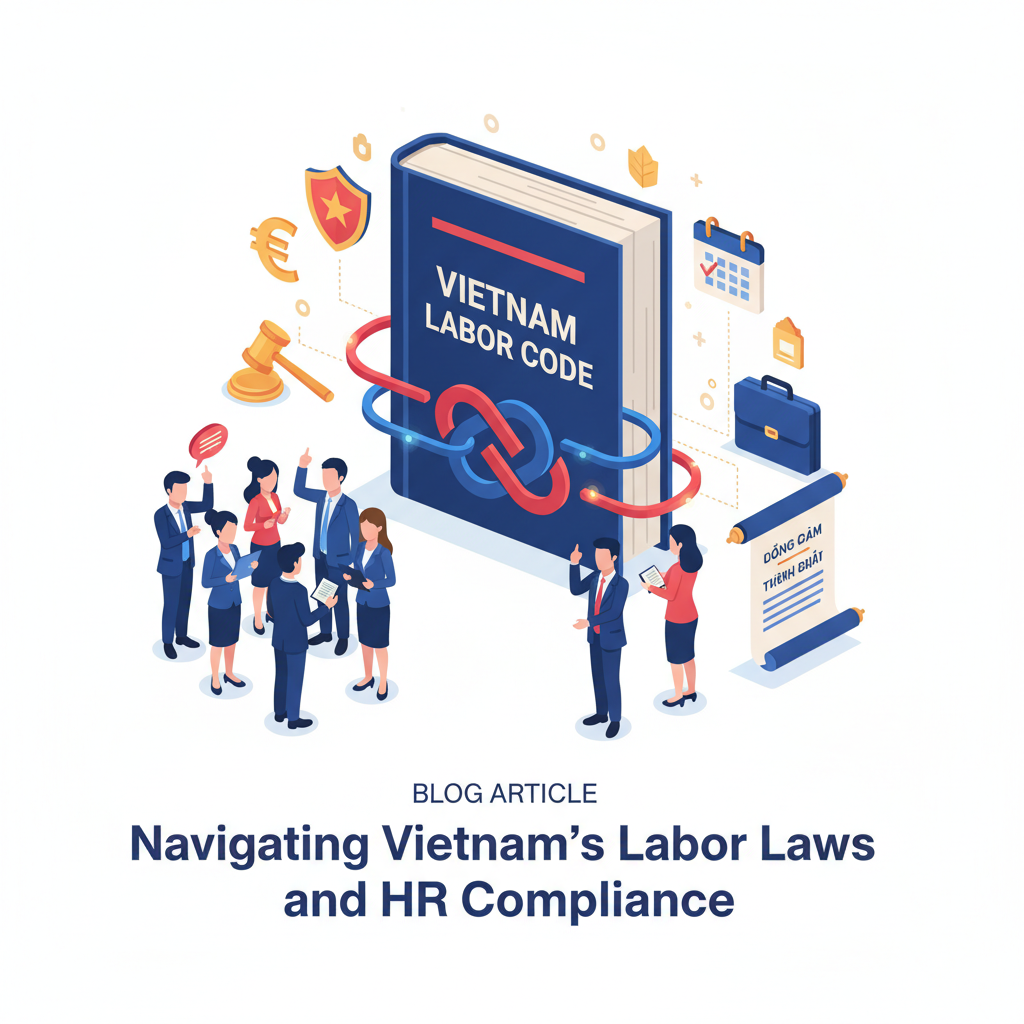
Navigating Vietnam’s Labor Laws and HR Compliance
For a fresh CEO stepping into Vietnam’s dynamic production sector, mastering the intricacies of local labor laws and HR compliance isn’t just about adherence—it’s foundational to sustainable growth and operational stability. Vietnam’s regulatory landscape is robust, designed to protect employee rights while fostering economic development. Understanding these frameworks is crucial for any SME to build a strong, compliant, and ethical workforce, especially when looking for a Step by Step to understand SMEs HR Structure for the fresh the CEO in production field in vietnam.
-
Key labor codes and regulations affecting SMEs (e.g., contracts, working hours)
The cornerstone of Vietnam’s labor framework is the Labor Code 2019, effective from January 1, 2021. This comprehensive legislation governs employer-employee relations, setting clear guidelines for contract types, working conditions, and dispute resolution. For CEOs in the production sector, understanding employment contracts is paramount. Vietnam primarily recognizes two types: definite-term contracts (12-36 months) and indefinite-term contracts. Correctly classifying and managing these contracts from the outset prevents future disputes, particularly concerning termination rights and severance. It is vital for a fresh CEO to meticulously draft and review employment contracts to ensure full compliance and clarity for both parties.
Working hours are strictly regulated. The standard workweek is 48 hours for most industries, though some sectors, including certain production roles, may allow up to 44 hours. Overtime is permitted but capped, with specific premium rates applicable for work on weekdays, weekends, and public holidays. It’s critical for production facilities, often operating on shifts, to meticulously track working hours and ensure proper compensation for overtime, night shifts, and rest periods. Failure to comply can lead to significant fines and employee grievances. Additionally, CEOs must be aware of the regional minimum wage decrees, which vary across different geographical zones and are periodically updated. Compliance with these basic tenets of the Labor Code is the very first step in establishing a robust HR structure for your SME.
-
Payroll, social insurance, health insurance, and union compliance
Beyond basic contracts and working hours, managing payroll and mandatory contributions is a complex but non-negotiable aspect of HR compliance. Employers in Vietnam are legally obligated to contribute to three primary insurance schemes for their employees: Social Insurance (SI), Health Insurance (HI), and Unemployment Insurance (UI). These contributions, paid by both employer and employee, fund pensions, sickness benefits, maternity leave, and healthcare services. Accurate calculation and timely payment are vital, as non-compliance incurs penalties and can disrupt employee access to essential benefits, reflecting poorly on your SME HR structure.
Personal Income Tax (PIT) withholding is another critical payroll responsibility. Employers must correctly calculate and deduct PIT from employee salaries based on a progressive tax rate, remitting it to the tax authorities. Furthermore, the role of trade unions in Vietnam is significant. While not all SMEs are mandated to have a trade union, depending on employee count, it’s prudent for a fresh CEO to understand their function. Trade unions represent employee interests, negotiate collective labor agreements, and ensure fair working conditions. Engaging with trade union representatives proactively can foster a cooperative work environment and streamline communication on HR policies. Establishing a robust system for payroll, tax, and insurance management is a key part of your overall HR framework in the production field.
-
Common HR legal risks and strategies for mitigation
New CEOs, especially in the fast-paced production sector, often face several common HR legal risks. **Wrongful termination** is a significant concern, often stemming from inadequate grounds for dismissal, procedural errors, or insufficient documentation. To mitigate this, ensure all termination processes strictly follow the Labor Code’s stipulations, including proper notice periods, severance payments, and meticulous documentation of performance issues or disciplinary actions. Clear and well-communicated internal labor rules are indispensable for preventing such disputes.
Another prevalent risk involves **non-compliance with social insurance and tax obligations**. This can lead to heavy financial penalties, retrospective payments, and severe reputational damage. Regular internal audits, coupled with the engagement of expert HR or payroll service providers, can identify and rectify discrepancies proactively. For production facilities, **occupational health and safety (OHS) violations** pose a severe risk, not only legally but also to employee well-being and productivity. Implementing robust OHS protocols, conducting regular safety training, providing appropriate Personal Protective Equipment (PPE), and ensuring all machinery meets safety standards are paramount for any responsible CEO.
Finally, **inadequate employment contracts or internal labor regulations** can leave an SME vulnerable to disputes and legal challenges. Regularly reviewing and updating these documents to reflect current laws and company policies is essential. Seeking legal counsel for complex HR matters and investing in continuous training for HR personnel are proactive strategies that strengthen an SME’s legal footing, guiding a fresh CEO through the complexities of building an effective HR structure for their production field operations in Vietnam.
Talent Acquisition, Development, and Retention Strategies
For new CEOs leading production SMEs in Vietnam, navigating the dynamic talent landscape is paramount. The ability to attract, develop, and retain skilled talent directly impacts operational efficiency, product quality, and ultimately, sustained growth and competitive advantage. A robust human resources framework, tailored to the unique challenges and opportunities of the Vietnamese manufacturing sector, is not just an administrative function but a strategic imperative. This section provides actionable strategies to build a resilient and high-performing workforce, laying a solid foundation for future success. To fully grasp the broader HR context, understanding the Step by Step to understand SMEs HR Structure for the fresh the CEO in production field in vietnam is crucial.
1. Effective recruitment channels for production and technical roles
Recruiting the right talent in Vietnam’s competitive manufacturing landscape requires a multi-faceted approach. For production and technical roles, traditional methods often prove most effective, complemented by modern digital outreach. Begin by cultivating strong relationships with local vocational schools, technical colleges, and universities. These institutions are primary pipelines for entry-level and skilled technicians, offering programs directly relevant to your industry. Participating in their career fairs, offering internships, and providing guest lectures can establish your SME as an employer of choice. Additionally, leverage local job centers and industry-specific online forums or groups popular among the Vietnamese workforce. Employee referral programs, incentivizing your current staff to recommend suitable candidates, are invaluable; they often yield highly committed individuals who already understand your company culture. Don’t overlook the power of a clear and attractive employer brand that highlights the benefits of working for your SME, especially when trying to attract Vietnam manufacturing talent. A strategic approach to these channels is vital for successful talent acquisition.
2. Employee training and skill development programs for a dynamic workforce
In a rapidly evolving production environment, continuous learning is non-negotiable. New CEOs must prioritize comprehensive training and skill development programs to keep their workforce agile and competitive. Start with robust onboarding programs that not only introduce new hires to company policies but also provide hands-on training for specific machinery and safety protocols. Implement ongoing on-the-job training, pairing less experienced workers with seasoned veterans to facilitate knowledge transfer. Develop structured upskilling programs that focus on emerging technologies relevant to your production line, such as automation, lean manufacturing principles, or quality control methodologies. Consider external certifications or workshops that enhance specialized skills. Offering opportunities for career progression, clearly outlining paths for advancement from operator to team leader or supervisor, significantly boosts motivation and demonstrates a commitment to production workforce development. Investing in your employees’ growth ensures your SME remains equipped with the necessary expertise.
3. Building a motivated and stable workforce culture in SMEs
Beyond competitive salaries, creating a positive and supportive workplace culture is key to both motivation and employee retention manufacturing SMEs. New CEOs should focus on fostering an environment where employees feel valued, heard, and empowered. Implement transparent communication channels, ensuring employees understand company goals, performance, and their contribution to success. Develop fair and consistent performance management systems that include regular feedback and recognition for achievements. Create a safe, clean, and comfortable working environment, addressing any concerns promptly. Beyond monetary incentives, consider non-monetary recognition programs, such as employee of the month, team awards, or public praise, which can significantly boost morale. Offer opportunities for professional development and career advancement, as discussed previously, to show a clear path forward. Promoting a healthy work-life balance, where feasible, can also contribute to job satisfaction. Building strong SME HR strategies Vietnam that prioritize employee engagement is crucial. Engaged employees are not only more productive but also more likely to stay with your company, reducing turnover and fostering a stable, experienced workforce.
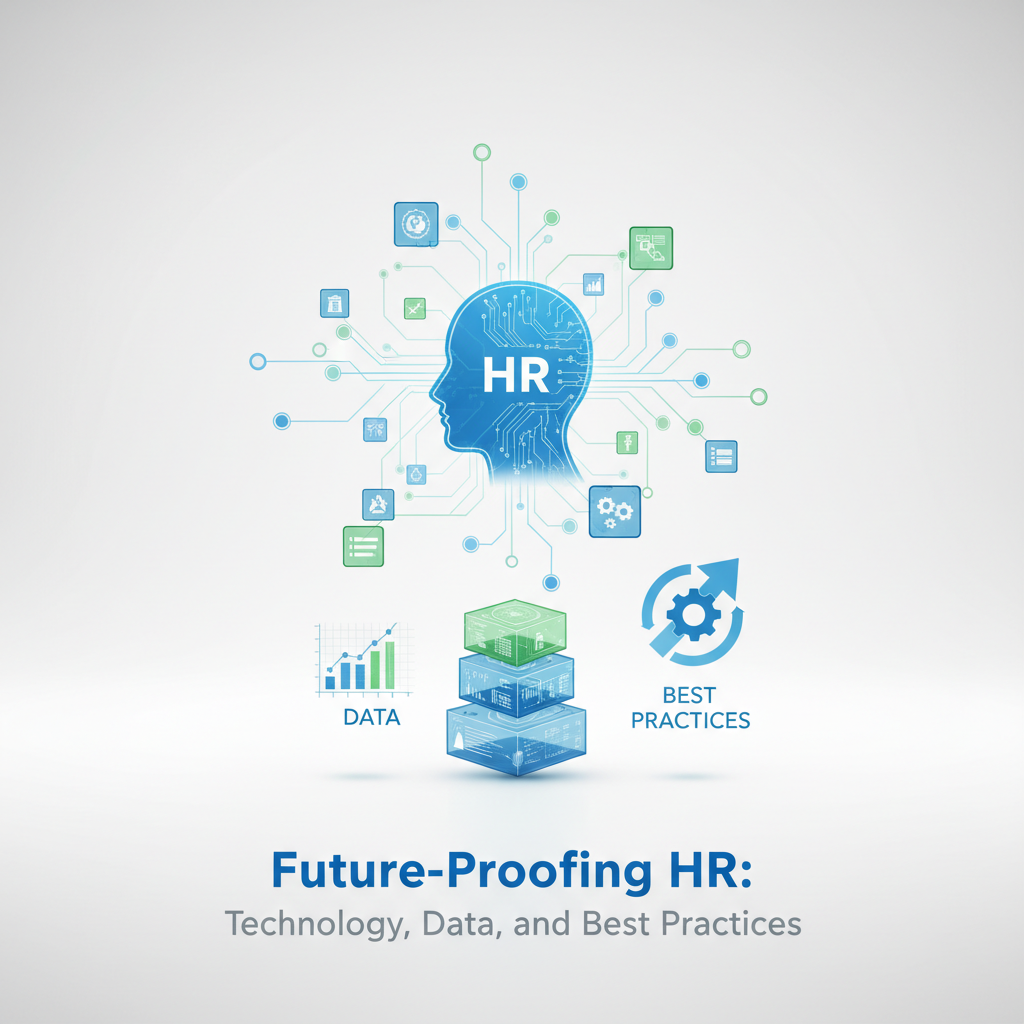
Future-Proofing HR: Technology, Data, and Best Practices
For a fresh CEO entering the dynamic production field in Vietnam, comprehending the intricacies of an SME’s HR structure is paramount. The Vietnamese market, characterized by rapid growth and an evolving workforce, presents both unique opportunities and significant challenges. To thrive, SMEs must move beyond traditional administrative HR, embracing a future-proof strategy that integrates advanced technology, insightful data analytics, and globally recognized best practices tailored for the local context. This proactive approach not only optimizes current HR operations but also prepares the organization for future talent demands, regulatory shifts, and competitive pressures. Mastering the Step by Step to understand SMEs HR Structure for the fresh the CEO in production field in vietnam is crucial for sustainable growth and operational excellence.
1. Implementing HR Information Systems (HRIS) for efficiency
The foundation of modern HR efficiency in any SME, particularly for a CEO overseeing production, lies in a robust HR Information System (HRIS). An HRIS centralizes and automates numerous HR functions, transforming tedious manual processes into streamlined digital workflows. For Vietnamese SMEs, this means automating payroll processing, managing employee records, tracking attendance and leave, and simplifying onboarding procedures. By reducing the administrative burden, HR teams can dedicate more time to strategic initiatives, directly supporting the CEO’s objectives to enhance productivity and employee well-being. Furthermore, a well-implemented HRIS ensures compliance with local labor laws and regulations, a critical aspect in the Vietnamese operational landscape. It provides a single source of truth for all employee data, improving data accuracy and accessibility, which is invaluable for a production leader needing quick insights into their workforce. This technological leap allows the SME to operate with greater agility and cost-effectiveness, paving the way for sustained growth.
2. Using HR data analytics for strategic decision-making and forecasting
Beyond efficiency, the true power of modern HR is unlocked through data analytics. For a fresh CEO in production, transforming raw HR data into actionable insights is essential for strategic decision-making and accurate forecasting. HR data analytics moves beyond mere reporting; it involves analyzing trends related to employee turnover, performance metrics, recruitment effectiveness, training ROI, and employee engagement. By understanding patterns in areas like staff absenteeism in production lines or the impact of specific training programs on productivity, CEOs can make data-backed decisions. For instance, analytics can identify root causes of high attrition, allowing for targeted retention strategies, or predict future staffing needs based on production forecasts. Leveraging tools that provide the strategic value of HR data analytics enables leaders to proactively address potential challenges, optimize human capital investments, and foster a more engaged and productive workforce. This foresight is invaluable in a competitive market like Vietnam, allowing SMEs to anticipate labor market shifts and adapt their talent strategies accordingly.
3. Adopting global HR best practices adapted for the Vietnamese context
While technology and data provide the tools, the strategic framework for future-proofing HR is built upon adopting global HR best practices, meticulously adapted for the Vietnamese cultural and regulatory environment. Practices such as performance management systems, robust talent development programs, effective employee engagement initiatives, and clear succession planning are globally recognized for building resilient organizations. However, their successful implementation in Vietnam requires a nuanced understanding of local communication styles, cultural values, and specific labor laws. For instance, performance reviews might need to be framed with a greater emphasis on collective achievement or growth opportunities, aligning with Vietnamese cultural preferences. Similarly, employee welfare programs should resonate with local expectations and family values. Integrating global standards with local insights fosters a more inclusive and productive workplace, enhancing talent attraction and retention. This ensures that the SME not only complies with local regulations but also cultivates a thriving environment where employees feel valued and motivated, directly impacting production efficiency and overall business success.
In conclusion, future-proofing HR in Vietnamese SMEs demands a holistic approach. By systematically implementing efficient HRIS, leveraging insightful HR data analytics, and thoughtfully adapting global best practices to the local context, a fresh CEO in the production field can establish a resilient, high-performing workforce. This strategic investment in HR is not merely about managing people; it’s about building a sustainable competitive advantage in the dynamic Vietnamese market.
Partner with Shelby Global
You are looking for reliable HR Sevice Suppliers? Contact Shelby Global Now! To connect with verified talents and upgrade your orginization.
—————————————
References
– HR Best Practices for Operational Excellence: https://www.shrm.org/resourcesandtools/tools-and-samples/hr-qa/pages/hrbestpractices.aspx
– International Labour Organization (ILO) Vietnam Office: https://www.ilo.org/hanoi/lang–en/index.htm
– Labor Code 2019: https://www.vilaf.com/insights/vietnams-new-labor-code-comes-into-effect-january-1-2021/
– Why Employee Engagement Matters: https://www.gallup.com/workplace/238072/why-employee-engagement-matters.aspx
– The Value of HR Data Analytics – SHRM: https://www.shrm.org/resources-and-tools/hr-topics/talent-acquisition/pages/the-value-of-hr-data-analytics.aspx