Understanding Vietnam’s Travel Sector Labor Landscape
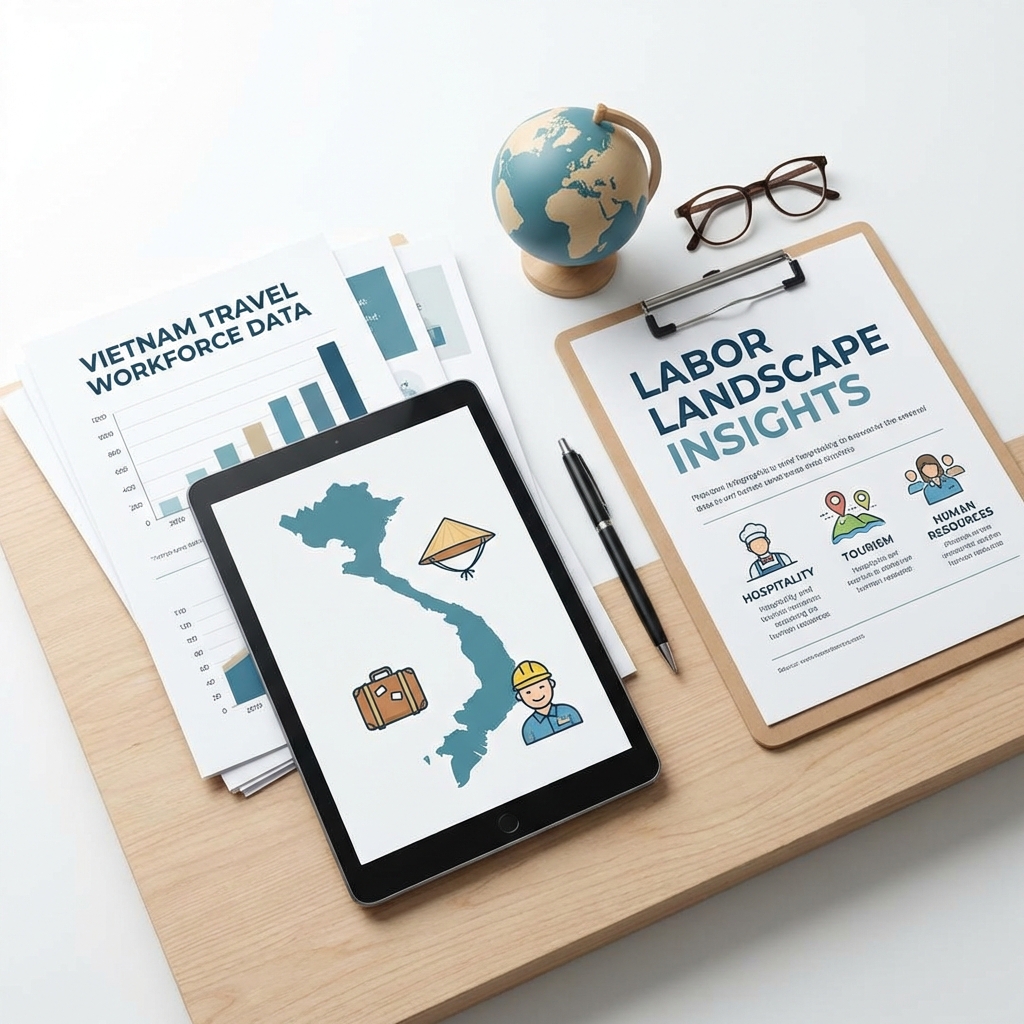
For CEOs navigating Vietnam’s vibrant and rapidly expanding travel industry, a granular understanding of the labor landscape is not just advantageous – it’s imperative for sustainable growth and profitability. Optimizing salary budgets transcends mere cost-cutting; it involves a strategic alignment with prevailing economic conditions, labor market dynamics, and competitive compensation benchmarks. This section delves into the specific economic and labor market conditions currently impacting salary budgets for travel companies in Vietnam, laying the groundwork for effective talent management and financial stewardship.
1. Economic Forecast & Travel Industry Growth in Vietnam
Vietnam’s economy has demonstrated remarkable resilience and growth, consistently ranking among the fastest-growing in Southeast Asia. This robust economic expansion directly fuels the travel sector in several ways. Rising disposable incomes among the domestic population contribute to a burgeoning internal tourism market, while government initiatives and strategic investments in infrastructure (such as new airports and upgraded road networks) continue to attract a growing influx of international visitors. The post-pandemic rebound has been particularly strong, with Vietnam re-establishing itself as a top global travel destination. This rapid growth, while positive, creates significant pressure on labor markets. As travel companies expand to meet increasing demand, the competition for skilled employees intensifies. This heightened competition inherently drives up salary expectations and necessitates a more strategic approach to compensation to attract and retain the best talent. Understanding these macro-economic tailwinds and their specific impact on the travel industry’s growth trajectory is the first step in formulating a realistic and competitive salary budget.
2. Current Labor Supply, Demand, and Skill Gaps in Tourism
The swift recovery of Vietnam’s travel sector has brought to light distinct challenges within its labor market. While there’s an overall increase in demand for tourism-related jobs, the supply of adequately skilled professionals often lags. Key areas experiencing shortages include multilingual tour guides, experienced hospitality managers, digital marketing specialists proficient in global platforms, and staff trained in international service standards and sustainable tourism practices. The pandemic led to a significant exodus of talent from the industry, and enticing these professionals back, or training new ones, requires substantial investment. According to the World Travel & Tourism Council (WTTC) Economic Impact Research, the sector is a major employer, but persistent skill mismatches can hinder its full potential. Travel companies in Vietnam often face a dilemma: either invest heavily in upskilling existing staff or offer higher salaries to poach talent from competitors. Recognizing these specific supply-demand imbalances and critical skill gaps is crucial for CEOs to allocate salary budgets effectively, prioritizing roles that are most difficult to fill and most impactful to business operations.
3. Benchmarking Compensation Against Competitors
In a dynamic and competitive market like Vietnam’s travel sector, merely paying minimum wage or offering slightly above is rarely sufficient to secure top talent. CEOs must engage in rigorous benchmarking of compensation packages against direct and indirect competitors. This involves more than just comparing base salaries; it encompasses a holistic view of benefits, incentives, performance bonuses, and professional development opportunities. Failing to offer competitive remuneration can lead to high employee turnover, increased recruitment costs, and a decline in service quality, ultimately eroding customer loyalty and profitability. Strategies for effective salary budget optimizing manners for the CEO of Travels field in vietnam include participating in industry-specific salary surveys, analyzing competitor job postings, and understanding regional variations in cost of living and salary expectations. By continuously monitoring the market and adjusting compensation strategies, travel companies can ensure they remain attractive employers, capable of drawing and retaining the skilled workforce necessary to thrive amidst intense competition and evolving customer demands.
Strategic Salary Structure and Performance Alignment
Learn to design salary structures that incentivize performance, align with business objectives, and ensure fair compensation while optimizing the overall budget.
1.
Implementing Performance-Based Pay Models
For a CEO navigating the dynamic travel landscape in Vietnam, implementing robust performance-based pay models is paramount to achieving optimal salary budget optimizing manners for the CEO of Travels field in vietnam. This approach moves beyond traditional fixed salaries, directly linking employee compensation to measurable outcomes that contribute to the organization’s success. In the Vietnamese travel sector, key performance indicators (KPIs) might include booking volume growth, customer satisfaction scores (CSAT), online review ratings, market share expansion in specific segments (e.g., luxury travel, eco-tourism), and profitability per unique travel package. By clearly defining these metrics and tying them to bonuses, commissions, or equity incentives, companies can motivate employees to go above and beyond, fostering a culture of high achievement.
The effectiveness of performance-based pay hinges on transparency, fairness, and clear communication. Employees must understand how their efforts directly translate into their earnings. For instance, front-line travel consultants could have incentives tied to sales targets and positive customer feedback, while marketing teams might be rewarded for successful campaign ROI and website traffic. Senior management, including the CEO, would have incentives aligned with overarching strategic goals such as revenue growth, cost efficiency, and market penetration. Such models ensure that every dollar spent on compensation generates a tangible return, making them a cornerstone of effective compensation strategy.
Furthermore, these models offer flexibility, allowing travel companies to adjust compensation expenses in line with business cycles—a critical advantage in an industry often subject to external shocks. During peak seasons, higher performance leads to higher payouts, but during quieter periods, variable costs naturally decrease, helping to stabilize the overall salary budget. This adaptability is key for a CEO aiming for sustainable growth and financial prudence in a competitive market like Vietnam.
2.
Optimizing Fixed vs. Variable Compensation Ratios
A crucial element in salary budget optimizing manners for the CEO of Travels field in vietnam involves meticulously balancing fixed (base salary) and variable (bonuses, commissions, incentives) compensation. The optimal ratio is not universal; it depends heavily on the specific role, market conditions, company’s risk appetite, and strategic objectives. For roles with direct revenue-generating responsibilities, such as sales executives or tour package developers, a higher variable component is often appropriate. This motivates them to aggressively pursue sales and innovation, directly impacting the company’s top line.
Conversely, for roles where direct revenue generation is less clear, like back-office support, HR, or administrative staff, a higher fixed component provides stability and ensures focus on operational efficiency and compliance. Even for these roles, a smaller variable component tied to overall company performance or departmental efficiency can still be beneficial. The CEO must analyze each position’s impact on business outcomes and align the compensation mix accordingly. In the Vietnamese travel industry, where market dynamics can shift rapidly, adjusting this ratio allows for greater agility. For instance, during periods of aggressive market expansion, increasing the variable component for key growth drivers can supercharge efforts.
Strategic adjustment of these ratios directly influences budget predictability and control. A higher variable component provides a built-in mechanism for cost control during leaner times, as payouts decrease with performance. However, an overly aggressive variable structure can also introduce instability for employees, potentially affecting morale and retention. The goal is to find a sweet spot that attracts and retains top talent while ensuring the compensation structure remains fiscally responsible and aligned with the company’s P&L. This thoughtful approach ensures that every Dong spent on salaries contributes effectively to the business’s bottom line.
3.
Strategic Investment in Critical Talent Roles
True salary budget optimizing manners for the CEO of Travels field in vietnam is not solely about cost reduction but also about strategic investment. Identifying and strategically investing in critical talent roles—those positions that disproportionately drive value, innovation, or competitive advantage—is essential. In the Vietnamese travel sector, these might include highly skilled digital marketing specialists adept at navigating local platforms and consumer behaviors, innovative product development managers creating unique travel experiences, data analysts who can unearth market trends, or seasoned leaders with deep local and international network connections.
While it might seem counterintuitive to “overpay” for certain roles when optimizing a budget, the long-term return on investment often far outweighs the initial expense. Attracting and retaining top-tier talent in these critical areas can lead to significant gains in market share, service quality, customer loyalty, and operational efficiency, ultimately reducing overall costs associated with inefficiencies, high turnover in key positions, or missed market opportunities. For instance, a world-class digital marketer can optimize ad spend and reach, driving more bookings at a lower customer acquisition cost, thereby making the entire marketing budget more efficient.
The strategic investment also extends beyond base salary to include robust benefits packages, professional development opportunities, and clear career progression paths. These non-monetary incentives are often just as crucial in retaining high-value employees, especially in a competitive labor market. By focusing resources on these pivotal roles, the CEO ensures that the travel company not only attracts the best but also keeps them engaged and productive, delivering outsized returns and solidifying the company’s market position. This targeted approach to compensation ensures that the salary budget is not just managed but leveraged as a strategic asset for growth and sustained success.
Boosting Value Through Non-Monetary Rewards
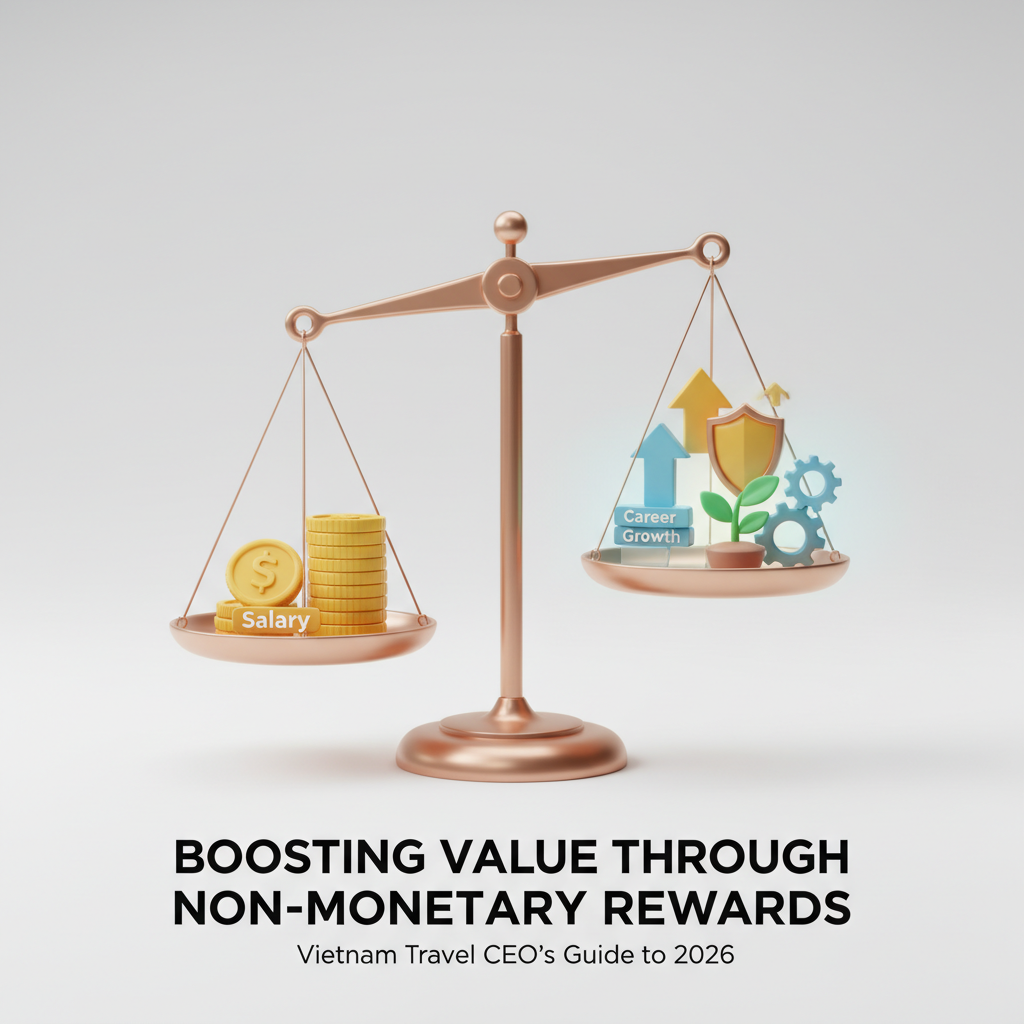
In Vietnam’s vibrant and competitive travel industry, attracting and retaining top talent is a constant challenge for CEOs. While competitive salaries are always a factor, a CEO looking for salary budget optimizing manners for the CEO of Travels field in vietnam must look beyond monetary compensation. Non-monetary rewards and a robust company culture can significantly boost employee satisfaction, loyalty, and productivity, creating a powerful employer brand that attracts the best without solely relying on escalating paychecks. By strategically implementing these practices, travel companies can foster an environment where employees feel valued, grow professionally, and contribute wholeheartedly to the organization’s success.
 1.
1.
Enhancing Employee Well-being and Work-Life Balance
A healthy and balanced workforce is a productive one. For travel industry leaders in Vietnam, understanding that employee well-being directly impacts performance and retention is crucial. Implementing flexible working arrangements, such as staggered hours or remote work options for roles not requiring physical presence (e.g., booking agents, marketing teams), can greatly alleviate stress, especially in a dynamic sector often characterized by peak seasons and varied schedules. Furthermore, providing comprehensive health and wellness programs, including access to mental health support, gym memberships, or even in-office wellness activities, demonstrates a commitment to employees’ holistic health. Generous leave policies, beyond statutory requirements, for personal development, family needs, or extended travel opportunities (perhaps even subsidized travel for employees to explore destinations they sell) can significantly enhance job satisfaction. These initiatives are effective salary budget optimizing manners for the CEO of Travels field in vietnam as they reduce burnout, decrease absenteeism, and foster a more engaged and loyal workforce, ultimately reducing recruitment costs associated with high turnover.
2.
Offering Professional Development & Career Progression
Ambitious employees, particularly in a service-oriented industry like travel, seek opportunities for growth. Investing in professional development and clear career progression paths is a powerful non-monetary motivator. This includes providing access to specialized training programs – be it language proficiency for international guests, advanced customer service skills, destination expert certifications, or leadership development courses for aspiring managers. Mentorship programs, where experienced team members guide newer staff, not only foster skill development but also build a sense of community and loyalty. Regular performance reviews coupled with clear roadmaps for advancement demonstrate a company’s investment in its people’s futures. For a CEO in the travel sector, these development opportunities are vital. They not only equip staff with the skills needed to deliver exceptional customer experiences but also signal a long-term commitment, significantly boosting retention. A study by Harvard Business Review emphasizes that employees value growth opportunities, and companies that provide them see higher engagement and lower turnover. This proactive approach to talent development is a smart way for the CEO of a travel company in Vietnam to ensure a skilled workforce and optimize their salary budget by nurturing internal talent.
3.
Building a Strong Recognition Culture and Employer Brand
Beyond tangible benefits, a culture that genuinely appreciates and recognizes its employees is invaluable. Implementing structured recognition programs, from simple peer-to-peer shout-outs to quarterly awards for outstanding service or innovation, can significantly boost morale and reinforce desired behaviors. Celebrating team successes, personal milestones, and longevity within the company creates a positive and supportive work environment. Transparent communication from leadership about company goals, achievements, and challenges also builds trust and makes employees feel like integral parts of the journey. For travel businesses in Vietnam, fostering a unique and positive employer brand is crucial in a competitive talent market. This brand extends beyond external marketing; it’s about the employee experience. When employees feel valued and heard, they become powerful advocates for the company, attracting new talent through word-of-mouth and enhancing the company’s reputation. This positive employer brand, cultivated through genuine appreciation and a supportive culture, directly contributes to optimizing the salary budget by reducing recruitment costs and increasing employee loyalty, creating a virtuous cycle of engagement and performance.
Technology Integration for HR & Payroll Efficiency
In today’s fast-evolving business landscape, particularly within the dynamic travel sector in Vietnam, the strategic integration of technology into Human Resources (HR) and payroll operations is no longer a luxury but a necessity. Leveraging modern HR technologies can dramatically streamline operations, significantly reduce administrative overhead, and, crucially, provide invaluable data-driven insights essential for robust budget optimization. For a CEO in the travel field, understanding and implementing effective salary budget optimizing manners is paramount to maintaining competitiveness and profitability in a market characterized by fluctuating demand and intense competition.
By moving beyond outdated, manual processes, companies can unlock efficiencies that directly impact the bottom line. This section will explore how advanced HR tech solutions contribute to this optimization, focusing on automation, intelligent workforce management, and data-driven decision-making for compensation.
1. Automating Payroll and HR Information Systems (HRIS)
The foundation of efficient HR and payroll lies in automation. Manual payroll processing is notorious for its time-consuming nature, susceptibility to errors, and potential for compliance pitfalls. An integrated HR Information System (HRIS) automates core HR functions, from onboarding and employee data management to time and attendance tracking, benefits administration, and, most critically, payroll processing. For a travel company with diverse employee types—from tour guides and reservation agents to administrative staff—automating these processes ensures accuracy, consistency, and compliance with local labor laws and tax regulations.
Automated payroll systems reduce the likelihood of costly errors, such as incorrect salary calculations, missed deductions, or late payments, which can lead to fines or employee dissatisfaction. Furthermore, HRIS platforms often include self-service portals, empowering employees to update personal information, view pay stubs, and request leave independently. This dramatically reduces the administrative burden on HR staff, allowing them to focus on more strategic initiatives rather than routine inquiries. The saved time and reduced error rates directly translate into lower operational costs and enhanced efficiency, freeing up resources that can be reallocated more effectively within the overall salary budget.
2. Using AI/ML for Workforce Planning and Scheduling
In the travel industry, demand fluctuates significantly with seasons, holidays, and external events. Optimizing staffing levels to match these changes without overspending on salaries or compromising service quality is a constant challenge. This is where Artificial Intelligence (AI) and Machine Learning (ML) become transformative tools. AI/ML algorithms can analyze historical data—such as booking trends, peak travel times, employee availability, and even weather patterns—to predict future staffing needs with remarkable accuracy.
These technologies enable advanced workforce planning and intelligent scheduling systems. Instead of relying on guesswork or static rotas, AI can dynamically suggest optimal staffing levels for different departments and roles, ensuring that the right number of employees with the right skills are available precisely when needed. This prevents both costly overstaffing during low seasons and disruptive understaffing during peak times. For example, AI can optimize guide assignments based on language proficiency and tour demand or suggest flexible staffing models for customer service centers. Implementing strategic workforce planning powered by AI helps CEOs of travel companies ensure that every dollar spent on salaries is maximized for productivity and customer satisfaction.
3. Data Analytics for Informed Compensation Decisions
Beyond automation and predictive scheduling, the true power of integrated HR technology lies in its ability to generate actionable insights through data analytics. HR and payroll systems collect a wealth of data on employee performance, tenure, market compensation rates, benefits utilization, and attrition. Analyzing this data allows CEOs to make informed, strategic decisions about compensation and rewards, which is critical for salary budget optimizing manners for the CEO of Travels field in vietnam.
By analyzing compensation benchmarks against internal pay structures, companies can identify areas of overpayment or underpayment, ensuring competitive yet cost-effective salary offerings. Performance data, when integrated, can help tie compensation to productivity and results, rewarding high-performers appropriately and motivating the workforce without excessive expenditure. Furthermore, analytics can reveal patterns in employee turnover, helping identify root causes related to compensation or benefits and allowing for targeted interventions. For instance, if data shows high attrition in a specific role due to uncompetitive salaries, the company can strategically adjust compensation for that role rather than implementing broad, expensive raises across the board. This data-driven approach to compensation ensures that salary budgets are allocated efficiently, attracting and retaining talent vital for a travel company’s success while maintaining fiscal responsibility.
Navigating Legal & Ethical Compensation Frameworks
Ensure your salary budget strategies comply with Vietnamese labor laws and ethical standards, minimizing risks and fostering a fair working environment.
For CEOs in Vietnam’s dynamic travel sector, mastering the art of salary budget optimizing manners for the CEO of Travels field in vietnam is paramount. It extends beyond mere cost control; it’s about embedding legal compliance and ethical principles into every facet of remuneration. A well-structured compensation framework not only mitigates legal risks but also cultivates a motivated, loyal, and productive workforce—a critical asset in the competitive travel industry. By meticulously aligning your salary strategies with Vietnamese labor laws and international ethical standards, you build a robust foundation for sustainable growth and a reputation as a responsible employer.

-
Adhering to Vietnamese Labor Code and Minimum Wage
The bedrock of any effective salary budget optimizing manners for the CEO of Travels field in vietnam lies in stringent adherence to the Vietnamese Labor Code, specifically Law No. 45/2019/QH14. This comprehensive legal framework governs employment relationships, working conditions, and, critically, compensation. CEOs must understand the nuances of national and regional minimum wage requirements. Vietnam’s minimum wage is determined by region, with different rates applying to urban centers (Region I) like Hanoi and Ho Chi Minh City compared to rural areas. Failure to comply with these statutory minimums can result in significant fines, reputational damage, and labor disputes.
Beyond basic wages, the Labor Code mandates several other employer contributions, including compulsory social insurance, health insurance, and unemployment insurance. Overtime pay, severance allowances, and annual leave provisions are also strictly regulated. For a travel company, which often has varying work hours and seasonal demands, accurately factoring these components into the salary budget is crucial. Regular payroll audits and staying updated on amendments to labor laws are indispensable for maintaining compliance and preventing unforeseen liabilities. A proactive approach to legal adherence ensures your compensation structure is not only compliant but also sustainable.
-
Ensuring Fair Pay and Diversity & Inclusion Practices
Beyond legal minimums, ethical salary budget optimizing manners for the CEO of Travels field in vietnam necessitates a commitment to fair pay and robust diversity & inclusion (D&I) practices. While the Vietnamese Labor Code prohibits discrimination, actively promoting fair pay goes further. It involves ensuring that employees performing similar work with comparable skills and experience receive equal remuneration, irrespective of gender, age, or ethnicity. The travel industry, often characterized by a diverse workforce, particularly benefits from such an approach.
Implementing transparent salary bands, conducting regular pay equity audits, and establishing clear criteria for promotions and bonuses are essential steps. Fair pay practices are intrinsically linked to D&I initiatives. A company known for equitable compensation will naturally attract a broader and more diverse talent pool, reflecting the diverse clientele of the travel sector. This not only enhances employer branding but also fosters an inclusive culture where every employee feels valued and respected. This commitment leads to higher employee engagement, reduced turnover, and a more innovative and resilient organization, ultimately contributing to a more effective salary budget optimizing manners for the CEO of Travels field in vietnam by reducing costs associated with recruitment and training new staff.
-
Promoting Transparency in Compensation Policies
In today’s workforce, transparency in compensation is increasingly seen as a cornerstone of ethical employment practices. For a CEO focused on salary budget optimizing manners for the CEO of Travels field in vietnam, promoting transparency in compensation policies can yield significant dividends. While complete salary disclosure might not be feasible or desirable for every organization, a degree of openness about how compensation is determined can significantly boost employee trust and morale.
Transparency can manifest in various ways: clearly communicating salary ranges for positions, explaining the components of total compensation (base salary, bonuses, benefits), and outlining the criteria for salary increases and promotions. When employees understand the rationale behind their pay, they are less likely to perceive unfairness and more likely to be motivated by clear performance metrics. This clarity also helps in minimizing potential legal challenges related to pay discrimination, as the process for remuneration is clearly defined and communicated. Openness fosters a sense of equity and psychological safety, empowering employees to understand their career progression and compensation potential within the company. It’s a strategic move that aligns ethical leadership with smart financial management, ensuring your travel business thrives on the trust and commitment of its people.
For CEOs in the Vietnamese travel sector, navigating legal and ethical compensation frameworks is more than a compliance checklist; it’s a strategic imperative. By rigorously adhering to the Vietnamese Labor Code, championing fair pay and diversity, and fostering transparency, leaders can optimize their salary budget optimizing manners for the CEO of Travels field in vietnam. These practices not only mitigate risks and build a resilient workforce but also enhance the company’s reputation, attracting top talent and driving sustainable success in a dynamic and competitive market.
Partner with Shelby Global
You are looking for reliable HR Sevice Suppliers? Contact Shelby Global Now! To connect with verified talents and upgrade your orginization.
—————————————
References
– World Travel & Tourism Council (WTTC) Economic Impact Research: https://wttc.org/research/economic-impact
– WorldatWork – Performance-Based Pay: https://www.worldatwork.org/resources/compensation-topics/performance-based-pay
– Harvard Business Review: https://hbr.org/2019/02/why-companies-struggle-to-help-employees-grow
– What Is Workforce Planning?: https://www.shrm.org/resources-and-tools/tools-and-samples/hr-qa/what-is-workforce-planning
– Vietnamese Labor Code: https://www.bakermckenzie.com/en/insight/publications/2020/01/vietnams-new-labor-code