The Vital Role of HR Reports in Singapore’s Marketing Agencies
In Singapore’s highly competitive and fast-paced marketing sector, where talent is the ultimate differentiator and market trends shift rapidly, the strategic importance of comprehensive HR data cannot be overstated. Marketing agencies, often characterized by their agile structures and reliance on creative human capital, must move beyond rudimentary personnel management. Investing in detailed HR reports and analytics is no longer a luxury but a fundamental necessity for strategic decision-making, operational efficiency, and sustaining a significant competitive advantage. These reports provide invaluable insights into an agency’s most critical asset: its people, allowing leaders to navigate challenges and capitalize on opportunities effectively.

1. Understanding Agency-Specific Challenges
Marketing agencies in Singapore face a unique set of challenges that HR reports are perfectly positioned to address. High employee turnover, skill gaps driven by evolving digital landscapes (AI, data analytics, programmatic advertising), and the constant pressure to attract and retain top creative talent are persistent concerns. A robust HR report of marketing agency in singapore can illuminate specific pain points. For instance, data on exit interviews might reveal recurring issues related to workload, compensation, or career development opportunities. Performance analytics can pinpoint teams or individuals struggling with specific types of projects, indicating a need for targeted training or skill development. By understanding patterns in absenteeism, sick leave, or even overtime hours, agencies can identify potential burnout risks and implement wellness initiatives proactively. Such granular insights prevent minor issues from escalating into major operational hurdles, ensuring the agency maintains its creative output and client satisfaction levels.
2. Driving Data-Backed Decisions
Gone are the days when HR decisions in marketing agencies were based purely on gut feeling or anecdotal evidence. Modern, forward-thinking agencies leverage HR reports to drive data-backed strategic decisions across various facets of their operations. For example, workforce planning benefits immensely from predictive analytics derived from HR data. By analyzing historical recruitment trends, projected client growth, and skill requirements, agencies can forecast future staffing needs more accurately, minimizing last-minute hiring scrambles and reducing recruitment costs. Compensation and benefits strategies can be optimized by benchmarking against industry standards (gleaned from reliable HR reports) and understanding internal equity, ensuring competitive packages that attract and retain high-caliber talent without overspending. Furthermore, Diversity, Equity, and Inclusion (DEI) initiatives gain significant traction when supported by clear metrics on representation, promotion rates, and employee sentiment. This strategic approach ensures that every HR dollar spent and every policy implemented is justified by tangible data, contributing directly to the agency’s bottom line and long-term success. Understanding the detailed HR report of marketing agency in singapore is key for such informed decision-making.
3. Gaining a Competitive Edge in Talent
In Singapore’s fiercely competitive marketing landscape, an agency’s true strength lies in its human capital. The ability to attract, develop, and retain the best creative minds, strategists, and technologists is paramount. HR reports serve as powerful tools in this talent war. By meticulously tracking employee engagement scores, agencies can identify factors that contribute to job satisfaction and implement targeted strategies to boost morale and loyalty. Performance management data, when analyzed effectively, allows for the identification of high-potential employees, enabling agencies to invest in their growth through tailored development programs and succession planning. This proactive approach not only fosters a culture of continuous learning but also ensures a strong leadership pipeline. Furthermore, transparent reporting on employee well-being and growth opportunities enhances an agency’s employer brand, making it a more attractive prospect for top talent. Staying competitive requires understanding not just market trends but also the internal health and potential of your workforce. Organizations that prioritize comprehensive HR data, like those highlighted by SHRM in their global HR trends analysis, are better positioned to navigate future talent challenges. For more insights into how detailed reporting can transform your talent strategy, consider exploring resources on the HR report of marketing agency in singapore.
Key Metrics to Include in Your HR Report
To effectively assess workforce health and optimize performance, marketing agencies, particularly those operating in dynamic markets like Singapore, must track essential quantitative and qualitative data points. A robust HR report of marketing agency in Singapore serves as a critical compass, guiding strategic decisions and ensuring the agency remains competitive in attracting, retaining, and developing top talent. Understanding these key metrics provides actionable insights into employee satisfaction, talent acquisition efficacy, and overall operational efficiency, transforming raw data into strategic intelligence for sustained growth.
-
Talent Acquisition & Turnover Rates
For a marketing agency, securing the right talent is paramount. This section of your HR report should meticulously detail the effectiveness of your recruitment efforts and the stability of your workforce. Key metrics include Time to Hire, which measures the duration from job posting to offer acceptance, providing insight into recruitment efficiency. Cost per Hire helps evaluate the financial investment in bringing new talent onboard, covering advertising, background checks, and recruiter fees. Analyzing Source of Hire data reveals which channels (e.g., job boards, referrals, LinkedIn) yield the best candidates, enabling optimized recruitment spending.
Crucially, monitoring New Hire Retention Rate, particularly within the first 90 days or one year, indicates the success of your onboarding process and the initial fit of new employees. However, a significant part of workforce health tracking involves understanding turnover. Distinguish between Voluntary Turnover (employees choosing to leave) and Involuntary Turnover (agency-initiated departures). High voluntary turnover often signals underlying issues related to compensation, management, or work environment. Furthermore, dissecting Departmental Turnover Rates can pinpoint specific areas—be it creative, account management, or digital strategy—experiencing higher churn, prompting targeted interventions. Collecting and analyzing Reasons for Leaving through exit interviews provides invaluable qualitative data, offering direct feedback on areas for improvement in your talent management strategies.
-
Compensation & Benefits Analysis
Compensation and benefits are not merely costs; they are powerful tools for attraction and retention, especially in a competitive market like Singapore. Your HR report should provide a comprehensive analysis of how your agency’s offerings stack up. Begin by assessing Salary Competitiveness against industry benchmarks in Singapore and the broader Southeast Asian region. Are your entry-level designers, account executives, or strategists paid competitively? This metric helps ensure you’re not losing talent due to underpayment.
Beyond base salaries, evaluate Benefits Utilization Rates. Are employees actually using the health insurance, wellness programs, or professional development allowances provided? Low utilization might suggest that benefits aren’t valued or adequately communicated. Track Total Compensation Cost Per Employee to understand the full financial investment, including salary, bonuses, benefits, and payroll taxes. Analyzing Pay Equity Ratios across similar roles and demographics is vital for fostering fairness and compliance, preventing potential disparities. Additionally, for project-based marketing agencies, monitoring Overtime Hours and Costs can reveal workload imbalances or understaffing issues that impact employee well-being and profitability. This detailed HR data analysis in Singapore helps ensure your rewards strategy supports both business objectives and employee satisfaction.
-
Employee Engagement & Satisfaction Scores
A highly engaged workforce is a productive one. Measuring employee engagement and satisfaction provides crucial qualitative data on the pulse of your agency’s culture and employee sentiment. A key quantitative metric here is the Employee Net Promoter Score (eNPS), which gauges how likely employees are to recommend your agency as a place to work. Regular Pulse Survey Results, covering areas like work-life balance, management effectiveness, and growth opportunities, offer timely insights into evolving employee needs and concerns.
High Absenteeism Rates can be an early indicator of disengagement or burnout, while low rates suggest a healthy and motivated workforce. Tracking Training Completion Rates and participation in professional development programs highlights the agency’s commitment to employee growth and employees’ willingness to invest in their own skills—a critical aspect of employee performance analytics. Furthermore, analyzing Performance Review Scores and Distribution can reveal trends in individual and team performance, identifying top performers and areas needing support. Lastly, monitoring Internal Mobility Rate, which measures the percentage of employees who move into new roles or departments within the agency, speaks volumes about career growth opportunities and talent development pathways. For a deeper dive into crafting an effective HR report of marketing agency in Singapore, consider exploring comprehensive strategies that integrate these metrics for a holistic view of your workforce health tracking. Understanding these engagement metrics is fundamental for fostering a thriving and sustainable work environment.
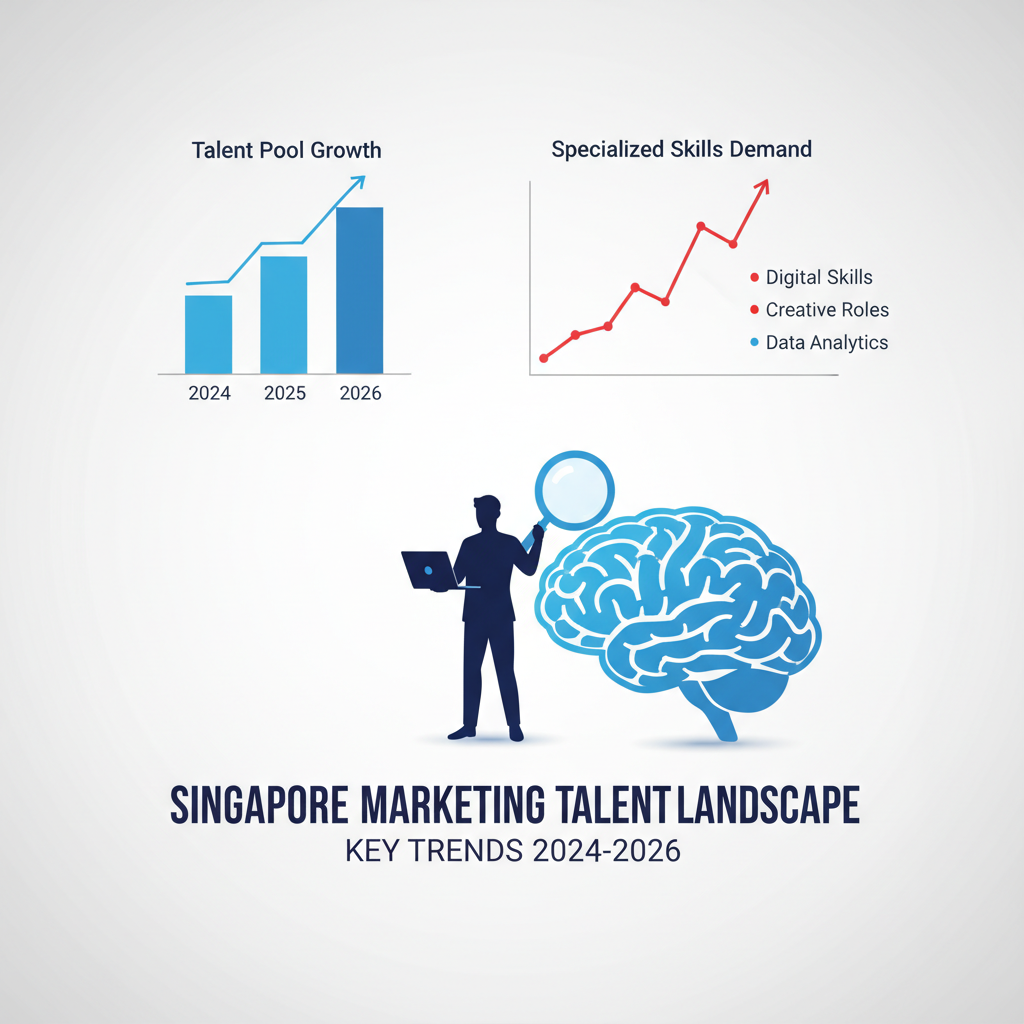
Analyzing Trends in Singapore’s Marketing Talent Landscape
Singapore’s marketing industry continues to evolve at an unprecedented pace, driven by technological advancements, shifting consumer behaviors, and global economic dynamics. For marketing agencies operating in this vibrant hub, understanding the nuances of talent attraction, retention, and development is paramount. An insightful HR report of marketing agency in Singapore provides a critical lens through which to interpret emerging patterns and strategize for future success. This section delves into key trends shaping the marketing talent landscape, offering a comprehensive look at the challenges and opportunities for organizations striving to maintain a competitive edge and secure top-tier talent in the Lion City.
-
Post-Pandemic Talent Shifts & Market Demands
The aftermath of the global pandemic profoundly reshaped professional priorities and market demands within Singapore’s marketing sector. Initially, agencies grappled with uncertainties, leading to talent freezes and restructuring. However, as the economy rebounded, a surge in demand for innovative and agile marketing solutions emerged. This created a highly competitive environment for marketing talent Singapore. Employees, having experienced new ways of working and a re-evaluation of work-life balance, now seek greater flexibility, purposeful work, and robust career development opportunities. Agencies must adapt their value propositions beyond just remuneration, focusing on fostering a supportive culture, offering meaningful projects, and ensuring clear growth pathways to attract and retain high-calibre professionals. The shift has necessitated a more empathetic and employee-centric approach to HR, recognizing that talent is no longer solely driven by traditional incentives.
-
Demand for Specialized Digital Skills
Perhaps the most significant trend observed across the Singaporean marketing landscape is the escalating demand for specialized digital skills. The rapid adoption of digital transformation initiatives by businesses across all sectors has created a substantial digital marketing skills gap. Agencies are intensely seeking professionals proficient in data analytics, artificial intelligence (AI) and machine learning (ML) applications in marketing, advanced SEO and SEM strategies, content marketing, social media management, programmatic advertising, and customer experience (CX) design. This specialization extends beyond mere technical proficiency; it requires strategic thinking and an ability to integrate diverse digital tools for holistic campaign success. The fierce competition for these niche skills means that agencies must invest heavily in upskilling their existing workforce and strategically target external recruits. According to a report by LinkedIn Learning, skills like data analysis and digital advertising continue to be critical, reflecting a global trend that is acutely felt in tech-forward Singapore. This continuous evolution of required competencies makes marketing recruitment trends highly dynamic, pushing agencies to be proactive in talent scouting and development.
-
Impact of Remote/Hybrid Work Models
The widespread adoption of remote and hybrid work models has dramatically reshaped the operational fabric and talent pool available to marketing agencies in Singapore. While offering increased flexibility and potentially improving employee well-being, these models present unique challenges and opportunities for talent retention strategies. On one hand, hybrid work widens the talent pool, allowing agencies to consider candidates beyond geographical constraints, potentially tapping into a broader range of expertise. On the other hand, maintaining a cohesive company culture, fostering effective collaboration, and ensuring robust mentorship in a distributed environment requires intentional effort. Agencies are investing in digital collaboration tools, developing new communication protocols, and redesigning physical office spaces to serve as hubs for connection and innovation rather than mere workstations. This shift necessitates a reimagining of HR policies, performance management, and employee engagement initiatives. The future of marketing jobs in Singapore is undeniably leaning towards models that blend flexibility with structured in-person collaboration, impacting everything from onboarding to long-term career progression and creating a truly agile environment for teams.
In conclusion, Singapore’s marketing talent landscape is characterized by constant evolution, driven by technological shifts, changing employee expectations, and new work paradigms. Agencies that proactively address these trends through strategic talent acquisition, continuous upskilling, and adaptive HR policies will be best positioned to thrive. Understanding these dynamics is crucial for any marketing agency aiming to build a resilient and high-performing team in this competitive market.
Strategies for Improving Talent Retention & Performance
An HR report of a marketing agency in Singapore highlighted critical areas impacting employee satisfaction and turnover. Based on these findings, implementing targeted strategies is crucial to enhance employee satisfaction, reduce turnover, and significantly boost overall agency performance. This section outlines actionable approaches to cultivate a thriving work environment, ensuring the agency not only attracts top talent but also retains it, driving sustained success in a competitive market.
1. Developing Robust Compensation & Benefits Packages
One of the primary drivers of employee satisfaction and talent retention, especially within dynamic sectors like marketing, is a competitive and fair compensation and benefits structure. The HR report indicated that perceived inequities or below-market remuneration were significant contributors to turnover intentions. To address this, agencies must:
- Conduct Regular Market Benchmarking: Periodically review salary scales against industry standards in Singapore, utilizing resources like the Michael Page Singapore Salary Guide 2024 to ensure salaries are competitive for various roles. This proactive approach helps in attracting high-calibre candidates and preventing existing employees from seeking opportunities elsewhere due to pay disparities.
- Offer Performance-Based Incentives: Implement transparent bonus structures and incentive programs tied directly to individual and team performance. This motivates employees to excel and fosters a sense of ownership, directly contributing to boosting overall agency performance.
- Expand Beyond Base Salary: Introduce comprehensive benefits packages that go beyond basic health insurance. Consider offering wellness programs, mental health support, flexible work arrangements, professional development budgets, and robust retirement plans. These non-monetary perks significantly enhance the perceived value of employment and contribute positively to employee engagement and work-life balance.
- Ensure Transparency and Equity: Clearly communicate the compensation philosophy and ensure internal equity. Employees are more likely to be satisfied when they understand how their pay is determined and perceive it as fair relative to their peers and contributions.
2. Fostering a Positive Agency Culture & Wellbeing
Beyond monetary compensation, a vibrant and supportive agency culture is pivotal for employee satisfaction and retention. The HR report underscored the impact of work environment on morale and productivity. Cultivating a positive culture involves:
- Promoting Open Communication: Establish channels for regular, honest feedback between management and employees. Encourage open dialogues, anonymous suggestion boxes, and regular town hall meetings to ensure every voice is heard. This builds trust and makes employees feel valued, which is critical for talent retention.
- Prioritizing Employee Wellbeing: Implement initiatives that support the holistic wellbeing of employees. This can include flexible working hours, remote work options, stress management workshops, and even dedicated quiet spaces. A focus on work-life balance demonstrates genuine care for employees, reducing burnout and improving job satisfaction.
- Investing in Leadership Training: Equip managers with the skills to lead empathetically, provide constructive feedback, and inspire their teams. Effective leadership is a cornerstone of a positive culture and plays a significant role in mitigating friction and enhancing team cohesion.
- Recognizing and Celebrating Successes: Create a culture of appreciation where individual and team achievements are regularly acknowledged and celebrated. Public recognition, awards, or even simple thank-you notes can significantly boost morale and reinforce positive behaviors.
- Building a Sense of Community: Organize team-building activities, social events, and corporate social responsibility initiatives. These activities foster camaraderie, strengthen relationships, and create a strong sense of belonging, which is crucial for employee engagement and loyalty.
3. Implementing Effective Performance Management Systems
A well-structured performance management system is not merely about evaluation; it’s a continuous cycle of goal setting, feedback, development, and recognition designed to nurture talent and ensure sustained growth. The findings from the HR report indicated a need for more structured approaches to performance. Key strategies include:
- Setting Clear, Achievable Goals: Collaborate with employees to establish SMART (Specific, Measurable, Achievable, Relevant, Time-bound) goals that align with agency objectives. Clearly defined expectations reduce ambiguity and empower employees to focus their efforts effectively.
- Providing Regular, Constructive Feedback: Move beyond annual reviews to embrace ongoing feedback loops. Regular one-on-one meetings, project debriefs, and informal check-ins help employees understand their strengths, areas for improvement, and how their work contributes to the bigger picture. This continuous dialogue is vital for career development and skill enhancement.
- Focusing on Development and Growth: Link performance management to professional development plans. Identify training needs, provide access to learning resources, and offer mentorship opportunities. Investing in employee growth demonstrates a commitment to their long-term career path within the agency, significantly enhancing talent retention.
- Utilizing Technology for Streamlined Processes: Implement HR software solutions that facilitate goal tracking, feedback collection, and performance review processes. This streamlines administrative tasks, makes data more accessible, and allows managers to focus more on coaching and developing their teams.
- Connecting Performance to Career Progression: Clearly outline how strong performance translates into opportunities for advancement, increased responsibilities, or salary adjustments. A transparent career path motivates employees to strive for excellence and provides a clear vision for their future within the marketing agency, further boosting overall agency performance and reducing turnover.
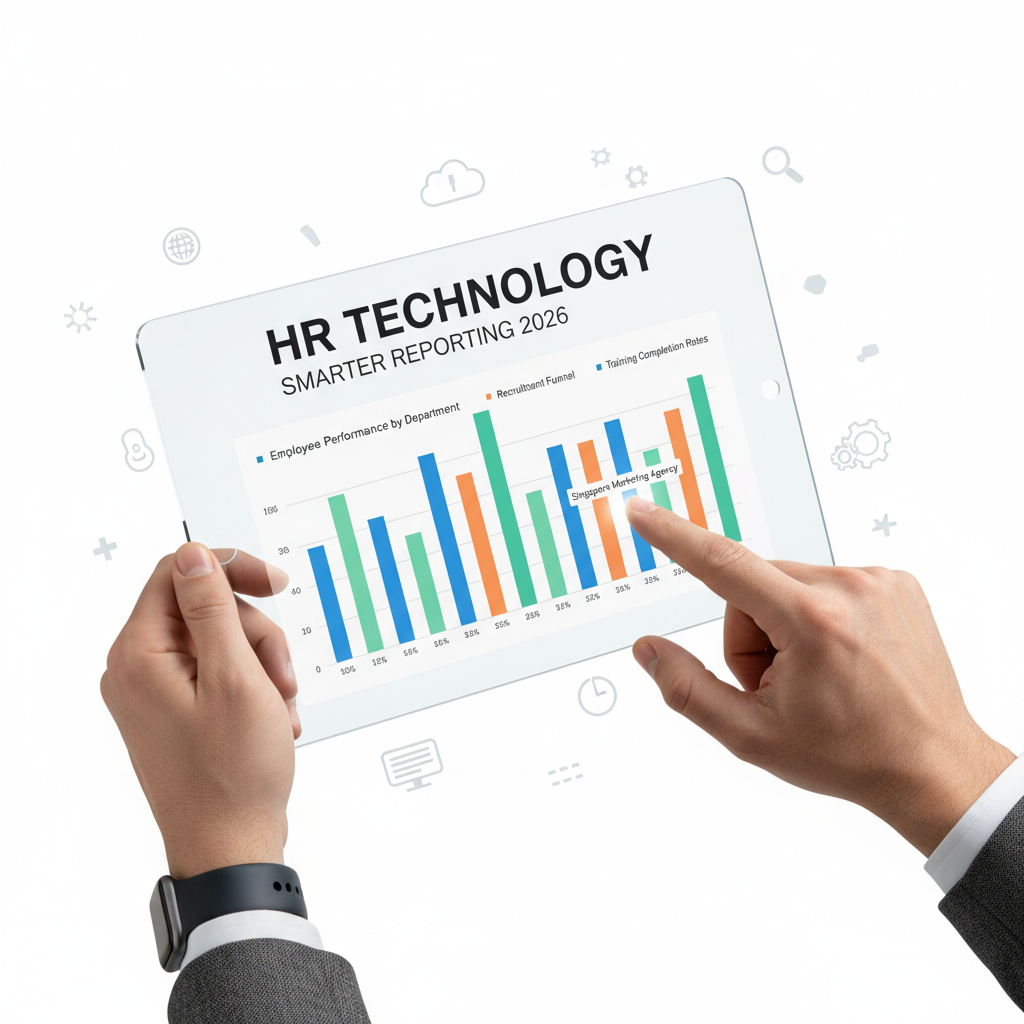
Leveraging HR Technology for Smarter Reporting in 2026
In the dynamic business landscape of 2026, particularly for vibrant sectors like the marketing agencies in Singapore, the ability to generate insightful HR reports is no longer a luxury but a strategic imperative. Leveraging HR technology for smarter reporting transforms raw data into actionable intelligence, enabling organizations to anticipate trends, optimize talent strategies, and drive business growth. Modern HR tech solutions streamline data collection, analysis, and reporting, moving beyond simple metrics to offer predictive insights crucial for future HR strategies. This shift empowers HR departments to become proactive strategic partners, equipped with comprehensive data to inform critical decisions.
1. HRIS and ATS Implementation & Optimization
The foundation of any robust HR reporting system lies in the effective implementation and optimization of core HR technologies like Human Resources Information Systems (HRIS) and Applicant Tracking Systems (ATS). For a marketing agency in Singapore, an optimized HRIS centralizes employee data – from demographics and compensation to performance reviews and training records – ensuring a single source of truth. An integrated ATS, on the other hand, captures critical talent acquisition metrics, providing insights into candidate pipelines, time-to-hire, and recruitment costs. Proper configuration and regular updates of these systems are paramount to ensuring data accuracy and consistency, which are vital for generating reliable HR reports. By automating routine data entry and standardizing processes, HR teams can significantly reduce manual effort and errors, freeing up valuable time for more strategic analysis. This foundational step ensures that the data driving your HR report of marketing agency in singapore is clean, complete, and ready for sophisticated analysis.
2. Analytics & Predictive HR Tools
Moving beyond basic data aggregation, 2026 sees HR technology fully embracing advanced analytics and predictive capabilities. Modern analytics platforms integrate data from various HR systems, allowing for a holistic view of the workforce. For marketing agencies, this means gaining deep insights into employee engagement, identifying potential turnover risks, and understanding the impact of HR initiatives on business outcomes. Tools offering predictive HR insights can forecast future talent needs, model the effects of different compensation structures, or even predict employee flight risk, enabling proactive retention strategies. By analyzing patterns and trends, these sophisticated platforms empower HR to move from reactive problem-solving to proactive strategic planning, underscoring the true strategic value of human capital data, as highlighted by resources like SHRM on the Power of HR Data. Imagine understanding the likelihood of a key creative director leaving based on specific employee experience (EX) platforms, allowing for timely intervention. This level of insight transforms the conventional HR report into a powerful strategic document, guiding talent management and organizational development efforts. Investing in these tools is crucial for any forward-thinking marketing agency aiming to excel in Singapore’s competitive talent market, enriching their HR data analytics capabilities.
3. Ensuring Data Security & Compliance
As HR technology becomes more sophisticated, so too does the responsibility to protect sensitive employee data. For any marketing agency in Singapore, ensuring robust data security and compliance with local and international regulations (such as PDPA in Singapore, and potentially GDPR if dealing with European data) is non-negotiable. Modern HR platforms must incorporate advanced encryption, access controls, and regular security audits to safeguard personal information. Beyond security, HR compliance solutions within HR tech help automate the tracking and reporting of regulatory requirements, reducing the risk of penalties and reputational damage. This includes features for managing data retention policies, consent management, and audit trails. A secure and compliant HR tech ecosystem builds trust with employees and stakeholders, proving the organization’s commitment to ethical data handling. Neglecting this aspect can undermine all the benefits gained from smarter reporting. Therefore, when evaluating HR solutions, robust security features and proven compliance capabilities are as critical as their analytical prowess, ensuring the integrity of every HR report.
In conclusion, for a marketing agency in Singapore looking to thrive in 2026, embracing advanced HR technology is the cornerstone of smarter reporting. From foundational HRIS and ATS optimization to cutting-edge analytics and predictive tools, and critically, robust data security and compliance, each component contributes to a more strategic and data-driven HR function. These technologies empower HR to deliver comprehensive HR data analytics, offering not just a snapshot of the present but a roadmap for the future. By proactively leveraging these innovations, organizations can attract, retain, and develop top talent, ultimately fostering a more agile, productive, and successful workforce.
Partner with Shelby Global
You are looking for reliable HR Sevice Suppliers? Contact Shelby Global Now! To connect with verified talents and upgrade your orginization.
—————————————
References
– SHRM global HR trends analysis: https://www.shrm.org/resourcesandtools/hr-topics/talent-acquisition/pages/value-of-hr-data-analytics.aspx
– Employee Engagement Statistics: https://www.shrm.org/topics-tools/news/hr-magazine/employee-engagement-statistics-what-you-need-know
– LinkedIn Learning Report on In-Demand Marketing Skills: https://www.linkedin.com/business/talent/blog/talent-intelligence/most-in-demand-skills-for-marketing-in-2023
– Michael Page Singapore Salary Guide 2024: https://www.michaelpage.com.sg/advice/salary-and-recruitment-trends/salary-guide
– SHRM on the Power of HR Data: https://www.shrm.org/resources-and-tools/hr-topics/technology/pages/the-power-of-hr-data.aspx











































































































![TOP 4 recruitment agency in vietnam 2026 [highlight Shelby Global]](https://shelbyglobal.com.vn/wp-content/uploads/2026/04/TOP-4-recruitment-agency-in-vietnam-2026-highlight-Shelby-Global-1.webp "TOP 4 recruitment agency in vietnam 2026 111")