Understanding the Malaysian Production Landscape & Salary Trends
In the dynamic Malaysian economic landscape, production CEOs face the intricate challenge of balancing operational efficiency with competitive compensation. This section dives into the current economic climate, critical labor market dynamics, and typical salary benchmarks that profoundly influence production CEOs’ budget decisions. Mastering these elements is crucial for effective strategic salary budget optimizing manners, ensuring both profitability and sustained growth in Malaysia’s vibrant industrial sector.

Navigating the complexities of resource allocation requires a keen understanding of both macro-economic trends and micro-level labor nuances. For production leaders, this involves meticulous compensation planning, robust cost control initiatives, and forward-looking economic forecasting to maintain a competitive edge and ensure talent retention strategies are effective.
1. Current Economic Overview & Industry Growth in Malaysia
Malaysia’s economy continues to demonstrate resilience and growth, driven by strong domestic demand and robust exports, particularly in the manufacturing and services sectors. The nation benefits from strategic geographical positioning and a government keen on attracting foreign direct investment (FDI), which consistently boosts industrial output and technological adoption. Key sectors like electronics and electrical (E&E), chemicals, and machinery are witnessing significant expansion, necessitating a skilled workforce and efficient production processes.
The latest Bank Negara Malaysia Annual Report 2023 highlights Malaysia’s robust economic performance, with steady GDP growth projected despite global uncertainties. This positive economic outlook, however, comes with inflationary pressures and a tightening labor market dynamics, impacting the overall cost of operations. Production CEOs must factor in these elements for effective salary budget optimizing manners for the CEO of production field in Malaysia, ensuring budgets reflect the economic reality while fostering sustainable growth and productivity enhancement.
2. Average Salary Benchmarks for Production Roles
Understanding average salary benchmarks is paramount for production CEOs aiming for optimal compensation planning and talent retention strategies. Salaries in the Malaysian production sector vary significantly based on industry, company size, location (e.g., Klang Valley versus regional states), and the specific role’s skill requirements and experience. Entry-level production operators might earn between RM1,800 to RM2,500 monthly, while skilled technicians with specialized certifications can command RM3,000 to RM5,000.
For mid-level roles like production supervisors and engineers, salaries typically range from RM4,000 to RM8,000, depending on expertise and responsibility. Senior management positions, such as Production Managers or Plant Directors, often see remuneration packages upwards of RM10,000 to RM25,000, sometimes including performance-based bonuses and other benefits. These benchmarks are critical for developing effective salary budget optimizing manners for the CEO of production field in Malaysia, ensuring competitive offers to attract and retain top talent amidst a competitive labor market.
3. Impact of Minimum Wage & Labor Laws on Budgeting
Malaysia’s progressive labor laws and minimum wage policies significantly influence the salary budget optimizing manners for the CEO of production field in Malaysia. The current national minimum wage of RM1,500 per month (as of 2022) directly impacts the labor costs for entry-level positions across all sectors. Beyond the minimum wage, employers must also account for mandatory contributions such as the Employees Provident Fund (EPF), Social Security Organization (SOCSO), and Employment Insurance System (EIS).
These statutory contributions, alongside regulations concerning overtime pay, annual leave, sick leave, and termination benefits, collectively add a substantial overhead to the overall compensation package. Production CEOs must diligently incorporate these legal requirements into their cost control initiatives and economic forecasting. Non-compliance not only leads to penalties but also damages employer reputation, making it vital to integrate these legislative aspects into strategic budgeting to ensure fairness, compliance, and sustained operational profitability.
In conclusion, successful salary budget optimizing manners for the CEO of production field in Malaysia hinges on a comprehensive understanding of the nation’s economic pulse, competitive salary benchmarks, and the evolving landscape of labor laws. Strategic financial planning, coupled with proactive talent management and a commitment to operational excellence, will empower production CEOs to navigate challenges and capitalize on growth opportunities in Malaysia’s vibrant industrial ecosystem.
Strategic Approaches to Salary Budget Optimization
For a CEO in Malaysia’s dynamic production sector, mastering salary budget optimizing manners is critical not just for financial health but for sustainable growth and competitive advantage. Beyond merely cutting costs, strategic compensation planning ensures fair remuneration, boosts employee morale, and ultimately maximizes overall budget efficiency. This section explores innovative methods that enable production companies to attract and retain top talent while maintaining fiscal responsibility in the Malaysian market. It’s about crafting cost-effective reward systems that drive productivity, support talent acquisition and retention, and align with the company’s long-term strategic objectives.
1. Implementing Performance-Based Compensation Models
Shifting from traditional fixed salary structures to performance-based models is a cornerstone of strategic compensation planning, particularly vital for a CEO in the Malaysian production field. These models directly link employee pay to their individual, team, or organizational achievements, ensuring that salary outlays are directly correlated with tangible results. For instance, in a manufacturing plant, bonuses could be tied to production quotas, quality control metrics, or efficiency improvements. This approach not only motivates employees to excel but also optimizes the salary budget by ensuring that higher pay is justified by higher output and value creation. Key to success is establishing clear, measurable KPIs (Key Performance Indicators) that are transparently communicated and perceived as fair by the workforce. Regularly reviewing and adjusting these KPIs, in line with company goals and market benchmarks, ensures the model remains relevant and impactful. Such a system can significantly enhance employee productivity incentives, reducing unproductive expenditures and reinforcing a culture of high performance.
2. Leveraging Variable Pay and Incentives
Another powerful tool in the arsenal of a production sector CEO seeking salary budget optimization is the strategic use of variable pay and incentives. Unlike fixed salaries, variable pay components—such as annual bonuses, profit-sharing schemes, or project-based incentives—offer flexibility. They allow companies to adjust compensation expenses based on financial performance, making them an excellent mechanism for cost-effective reward systems during fluctuating market conditions. In the Malaysian industrial sector, where operational costs can be significant, tying a portion of compensation to company profitability or specific production milestones can foster a shared sense of ownership among employees. Beyond monetary rewards, non-monetary incentives like professional development opportunities, flexible work arrangements (where feasible in a production setting), or recognition programs can also be highly effective. These incentives contribute to talent retention budget efficiency by improving job satisfaction and loyalty without directly increasing fixed salary overheads. A well-designed variable pay structure encourages employees to contribute directly to the company’s success, aligning individual effort with overall business objectives and boosting the CEO’s financial efficiency.
3. Utilizing Compensation Software and Analytics
In today’s data-driven world, modern compensation software and advanced analytics are indispensable for a CEO focused on data-driven salary decisions and salary budget optimizing manners. These tools provide comprehensive insights into current salary structures, market benchmarks, and compensation trends, empowering leaders to make informed, strategic choices. For a production company in Malaysia, compensation software can help identify pay gaps, analyze the cost-effectiveness of various compensation models, and forecast future budget requirements with greater accuracy. Capabilities include modeling different salary scenarios, assessing the impact of proposed pay increases, and ensuring compliance with local labor laws. By leveraging sophisticated analytics, a CEO can gain a granular understanding of where compensation dollars are being spent, identify areas of inefficiency, and optimize allocations to maximize return on investment. This technology supports evidence-based decision-making, allowing for dynamic adjustments to compensation strategies that are responsive to both internal performance metrics and external market pressures, ultimately strengthening talent acquisition and retention efforts while maintaining fiscal discipline.
Talent Management and Retention Strategies for CEOs
In Malaysia’s vibrant and competitive production sector, the strategic allocation of resources is paramount. For CEOs, optimizing salary budgets isn’t merely about cutting costs; it’s a sophisticated art designed to attract and retain the crème de la crème of talent. This approach is crucial for sustaining high levels of productivity, fostering innovation, and ensuring long-term success. A well-executed strategy for salary budget optimizing manners for the CEO of production field in malaysia extends beyond monetary compensation, encompassing a holistic view of employee value and growth.
The Malaysian production landscape, characterized by its dynamism and demand for specialized skills, faces the ongoing challenge of talent attraction and retention. Losing experienced employees can result in significant costs, including recruitment expenses, training new hires, and the intangible loss of institutional knowledge and productivity. Therefore, CEOs must adopt proactive talent management and retention strategies that not only respect budgetary constraints but also cultivate a high-performing and loyal workforce.
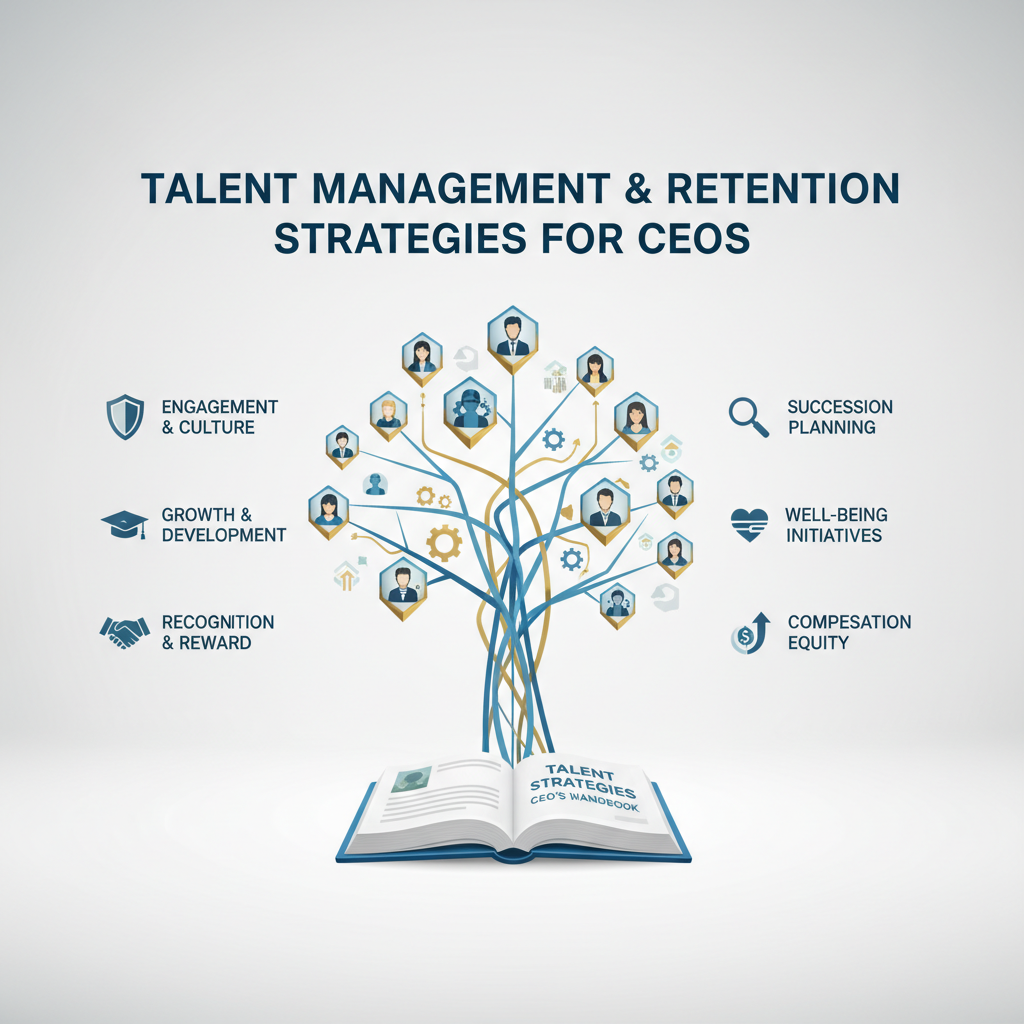
1. Non-Monetary Benefits and Employee Value Proposition
While competitive salaries are foundational, smart salary budget optimizing manners for the CEO of production field in malaysia involves a strong emphasis on non-monetary benefits. These perks significantly enhance an employee’s overall value proposition, often at a lower direct cost than a substantial pay raise, while delivering immense returns in terms of job satisfaction and loyalty. In the Malaysian context, where work-life balance and family values are highly regarded, offering flexible working arrangements, remote work options (where feasible in production roles), comprehensive health and wellness programs, and generous leave policies can be powerful differentiators. Recognition programs, performance bonuses tied to company success, and a positive, inclusive company culture also play a vital role. By understanding what truly motivates their workforce beyond the paycheck, CEOs can craft a compelling employee experience that makes their organization a desirable employer, effectively reducing turnover and attracting top talent even with optimized monetary packages. According to a Hays report on compensation and benefits in Malaysia, non-monetary perks are increasingly important for attracting and retaining skilled professionals, highlighting a shift in employee priorities.
2. Career Development and Upskilling Opportunities
Ambitious employees, particularly in the production field, are driven by opportunities for growth and skill enhancement. Strategic talent retention goes hand-in-hand with robust career development and upskilling programs. CEOs in the Malaysian production sector can optimize their talent budget by investing in continuous learning initiatives, technical training relevant to industry advancements (e.g., Industry 4.0 skills, automation, lean manufacturing), and mentorship programs. Providing clear career paths and opportunities for internal promotion demonstrates a commitment to employee growth. This not only equips the workforce with critical skills necessary for future production demands but also boosts employee engagement and reduces the likelihood of them seeking opportunities elsewhere. By fostering a culture of continuous learning, companies can ensure their talent remains cutting-edge, contributing directly to improved efficiency and innovation on the production floor. This proactive approach to skill development is a highly effective manner for salary budget optimizing manners for the CEO of production field in malaysia by reducing reliance on external recruitment for specialized roles and fostering internal expertise.
3. Succession Planning and Leadership Development
A forward-thinking CEO understands that talent management is incomplete without robust succession planning and leadership development. This involves identifying high-potential employees early, providing them with targeted training, and assigning them challenging projects to prepare them for future leadership roles. In the production field, this could mean grooming supervisors for management positions or developing engineers into team leads. This strategy not only ensures business continuity and mitigates the risk of critical leadership gaps but also serves as a powerful retention tool. Employees are more likely to stay with an organization that invests in their long-term career trajectory and offers clear pathways to advancement. By building a strong internal talent pipeline, CEOs can significantly reduce the costs associated with external executive recruitment and onboarding. Furthermore, it reinforces a culture of internal growth and meritocracy, making the organization an attractive place for individuals seeking long-term career security and impact. This thoughtful investment in future leaders is a cornerstone of effective talent management, allowing for strategic salary budget optimizing manners for the CEO of production field in malaysia while building a resilient and capable workforce.
In conclusion, for CEOs navigating the Malaysian production landscape, optimizing salary budgets is a multi-faceted challenge that requires a holistic approach. By strategically leveraging non-monetary benefits, investing in comprehensive career development, and implementing robust succession planning, leaders can create an environment that not only attracts top talent but also ensures their long-term retention. These integrated strategies are crucial for maintaining a competitive edge, fostering innovation, and ultimately driving the sustained success of the production enterprise in Malaysia.
Data-Driven Decision Making in Salary Budgeting
For a CEO in Malaysia’s dynamic production field, optimizing salary budgets isn’t merely about managing expenses; it’s a strategic imperative for sustainable growth, talent retention, and operational efficiency. Leveraging advanced analytics and precise market intelligence allows leaders to craft robust compensation strategy that align with company performance and maintain critical market competitiveness. This approach moves beyond traditional budgeting, empowering informed choices that directly impact profitability and employee engagement. Effective salary budget optimizing manners for the CEO of production field in malaysia ensure that every ringgit spent on compensation delivers maximum value, supports strategic objectives, and addresses the evolving demands of the talent landscape.
1. Conducting Comprehensive Market Salary Surveys
Understanding the external compensation landscape is fundamental to establishing a competitive and fair salary structure. Comprehensive market salary surveys gather data on pay rates, benefits, and compensation practices from comparable companies within Malaysia’s production sector and beyond. This process involves identifying key competitors, analyzing industry benchmarks, and segmenting data by job role, experience level, and geographical location. Such surveys provide invaluable insights into prevailing market rates, helping CEOs to identify potential pay gaps or areas where their compensation strategy might be falling short or overshooting market expectations. By continuously monitoring these external benchmarks, organizations can ensure their salary offerings remain attractive to top talent, prevent unwanted attrition, and support effective talent retention. This proactive approach to data collection forms the bedrock of a robust compensation strategy, enabling precise adjustments that reflect real-time market dynamics and support the organization’s overarching business goals. Ignoring these external signals risks misalignment, potentially leading to recruitment difficulties or unnecessary cost overruns while impacting cost control.
2. Analyzing Internal Equity and Pay Gaps
While external competitiveness is crucial, internal equity is equally vital for employee morale, productivity, and legal compliance. Analyzing internal equity involves evaluating pay rates across different roles and departments within the organization to ensure fairness and consistency. This means assessing whether employees with similar skills, experience, and responsibilities are compensated equitably, regardless of their demographic characteristics. Identifying and addressing pay gaps requires a thorough review of job descriptions, performance evaluations, and compensation histories. Tools for this analysis often include statistical modeling to pinpoint discrepancies and their underlying causes. Unaddressed pay gaps can lead to decreased employee engagement, higher turnover rates, and potential legal challenges, particularly concerning issues of gender or racial discrimination. By proactively analyzing and rectifying internal pay inequities, CEOs can foster a positive work environment, enhance employee trust, and bolster their organization’s reputation as a fair employer. This commitment to internal fairness is a cornerstone of effective compensation strategy, ensuring resources are allocated efficiently and ethically, which also aids in talent retention and overall performance alignment.
3. Forecasting Future Salary Needs and Budget Adjustments
Effective salary budgeting extends beyond current requirements, necessitating a forward-looking approach to anticipate future needs and potential adjustments. This involves employing predictive analytics to model various scenarios, taking into account factors such as projected company growth, inflation rates, changes in the minimum wage, industry-specific talent shortages, and anticipated employee turnover. CEOs must consider the impact of potential economic shifts and regulatory changes on their overall compensation structure. Developing a dynamic budget allows for agility, enabling organizations to make timely adjustments to salary scales, bonus structures, and benefits packages. This proactive forecasting facilitates better financial planning and ensures that adequate resources are allocated to compensation without compromising other strategic investments. It also helps in planning for performance alignment with compensation, ensuring that salary increases and incentives are tied to achieving business objectives. By integrating these future forecasts into the budget cycle, leaders can strategically manage payroll costs, maintain market competitiveness, and ensure long-term financial stability, making informed decisions that support both business objectives and the well-being of their workforce, thereby optimizing cost control.
Navigating Regulatory Compliance & Ethical Considerations
For a CEO in the production field in Malaysia, effectively managing and optimizing the salary budget goes beyond mere financial calculations; it deeply intertwines with robust regulatory compliance and stringent ethical considerations. Adhering to Malaysian labor laws and fostering transparent, ethical compensation practices are not just good business sense—they are critical to avoiding severe legal pitfalls, safeguarding your company’s reputation, and maintaining invaluable employee trust. This section delves into the essential salary budget optimizing manners for the CEO of production field in malaysia, emphasizing the importance of a compliant and fair approach to remuneration.

1. Adherence to Malaysian Employment Act and Regulations
Ensuring absolute regulatory compliance with Malaysian labor laws is the cornerstone of any ethical and sustainable compensation strategy. The primary legislation governing employment in Malaysia is the Employment Act 1955 (Act 265), along with its subsequent amendments and various subsidiary regulations. This Act outlines fundamental employee rights, including minimum wages, working hours, overtime pay, annual leave, sick leave, maternity protection, and termination procedures. Production companies must be meticulously aware of these provisions to avoid costly fines, penalties, and potential legal disputes that can severely impact the bottom line and public image. Regularly reviewing internal policies against the latest legislative updates, such as the recent amendments increasing the minimum wage and extending maternity leave, is crucial. This proactive approach minimizes legal pitfalls and demonstrates a commitment to fair employment practices. Beyond the Employment Act, CEOs must also consider other relevant legislations like the Employees Provident Fund Act 1991, Social Security Organization Act 1969, and Income Tax Act 1967, ensuring all statutory contributions and deductions are handled correctly. Neglecting these obligations not only invites legal action but also erodes employee morale and contributes to high turnover.
2. Ensuring Transparency and Fairness in Compensation
Beyond legal minimums, fostering an environment of ethical compensation practices is paramount for building and maintaining strong employee trust. This involves ensuring compensation transparency and fair pay practices across all levels within the production field. Pay equity, for instance, means ensuring that employees performing similar roles with comparable qualifications and experience receive similar remuneration, irrespective of gender, race, or other protected characteristics. Companies should conduct regular pay audits to identify and rectify any discrepancies, addressing potential biases in salary structures. Transparent pay scales, clear communication on how salary increments and bonuses are determined, and defined performance metrics linked to compensation contribute significantly to perceived fairness. While full salary disclosure might not always be practical or desirable for every company culture, providing clarity on the compensation philosophy, benefits package, and opportunities for growth creates a sense of openness. Such practices not only boost employee satisfaction and retention but also enhance the company’s reputation as a responsible employer, attracting top talent in a competitive market. When employees understand the logic behind their pay, they are more likely to feel valued and engaged, directly impacting productivity and overall workplace harmony.
3. Communicating Budget Decisions to Employees Effectively
Even the most meticulously optimized salary budget optimizing manners for the CEO of production field in malaysia can falter if not communicated effectively to the workforce. When making decisions related to salary adjustments, benefits changes, or even the rationale behind a static budget, clear, empathetic, and timely communication is vital. Employees appreciate understanding the ‘why’ behind decisions that directly impact their livelihoods. CEOs should develop a communication strategy that explains the company’s financial health, market conditions, and how these factors influence compensation policies. This might involve town hall meetings, departmental briefings, or written communications that are easy to understand and provide channels for feedback. For example, if budget constraints necessitate smaller increments, explaining the broader economic context or company investments aimed at long-term stability can help manage expectations and mitigate disappointment. Conversely, when favorable adjustments are made, articulating the company’s success and appreciation for employee contributions reinforces positive morale. Honest and open dialogue about compensation practices fosters a culture of mutual respect and trust, preventing speculation and misunderstanding. It shows employees that their leadership is committed to their well-being and is transparent in its decision-making, even when the news isn’t always what they hoped for.
Partner with Shelby Global
You are looking for reliable HR Sevice Suppliers? Contact Shelby Global Now! To connect with verified talents and upgrade your orginization.
—————————————
References
– Bank Negara Malaysia Annual Report 2023: https://www.bnm.gov.my/documents/20124/9243008/AR2023_FullReport.pdf
– Deloitte’s Total Rewards Strategy: https://www2.deloitte.com/us/en/pages/human-capital/articles/total-rewards-strategy-compensation-benefits-human-capital.html
– Hays report on compensation and benefits: https://www.hays.com.my/talent-intelligence/compensation-benefits
– 2024 Global Talent and Compensation Trends: https://www.wtwco.com/en-US/Insights/2023/12/2024-global-talent-and-compensation-trends
– Employment Act 1955 (Act 265) from the Attorney General’s Chambers of Malaysia: https://www.agc.gov.my/agcportal/uploads/files/Publication/LOM/EN/Act%20265%20(Reprint%202022).pdf













































































































![TOP 4 recruitment agency in vietnam 2026 [highlight Shelby Global]](https://shelbyglobal.com.vn/wp-content/uploads/2026/04/TOP-4-recruitment-agency-in-vietnam-2026-highlight-Shelby-Global-1.webp "TOP 4 recruitment agency in vietnam 2026 111")