Scope of Responsibilities and Daily Operations
The landscape of Human Resources leadership in Malaysia, particularly within the dynamic sales field, presents a stark contrast when comparing the role of an HR Manager in a Small and Medium-sized Enterprise (SME) to that of an HR Director in a larger corporation. The understanding the critical distinctions in sales HR leadership is vital for career progression and organizational effectiveness. These differences between the SMEs’ HR Manager and the Corporates’ HR Director in sale field in malaysia are not merely about company size; they delve into the very nature of operational engagement, strategic foresight, and the breadth of responsibility.

1. Operational vs. Strategic Focus in Sales HR
In an SME, an HR Manager overseeing the sales team often wears multiple hats. Their focus is overwhelmingly operational, dealing directly with the day-to-day HR needs of the sales force. This includes everything from initiating the talent acquisition for sales personnel, managing offer letters, onboarding new sales representatives, to addressing immediate employee relations issues such as commission disputes or performance concerns. The HR Manager is often deeply involved in the nitty-gritty of sales performance management HR support, working closely with sales managers on individual performance improvement plans. Their role is characterized by reactive problem-solving and ensuring fundamental HR processes are in place and adhered to.
Conversely, an HR Director in a large corporation operates at a much higher, strategic altitude. Their involvement in sales HR is less about daily transactions and more about shaping long-term vision. They delegate operational tasks to HR Business Partners (HRBPs) or HR Generalists dedicated to specific business units, including sales. The Director’s purview extends to developing overarching HR strategies that align with the corporation’s sales goals, such as designing competitive compensation and benefits for sales teams across multiple regions, forecasting future sales talent needs, and implementing scalable HR technology adoption in sales. They are instrumental in fostering a high-performance sales culture and ensuring legal compliance for sales staff across complex regulatory environments in Malaysia and potentially beyond.
2. Hands-on vs. Delegated HR Tasks for Sales Teams
The HR Manager in an SME is, by necessity, incredibly hands-on. They are directly responsible for executing nearly all HR functions for the sales department. This means they might personally conduct interviews for sales roles, manage payroll adjustments for sales commissions, administer benefits, and even organize training and development for sales force improvement initiatives. Their day is a blend of administrative duties and direct employee interaction, often serving as the first point of contact for all sales team HR queries. Their capacity to influence the sales team’s morale and productivity is directly tied to their immediate responsiveness and hands-on problem-solving skills, including navigating complex employee relations in a sales environment.
For an HR Director in a large corporation, direct execution of these tasks is rare. Instead, their role is to oversee, guide, and ensure the effectiveness of the HR functions performed by their team. They establish the frameworks for HR policy development and implementation, ensuring consistency across various sales units. While they might occasionally engage in high-level talent reviews or critical executive-level sales hirings, the day-to-day management of sales personnel HR is delegated. Their focus is on building robust HR systems, fostering leadership capabilities within their HR team, and ensuring that strategic initiatives like culture building within sales teams are successfully rolled out through their delegated network of HR professionals.
3. Direct Engagement with Sales Personnel
The proximity between an HR Manager and the sales team in an SME is typically very close. They often share office space, participate in sales meetings, and are intimately familiar with the individual aspirations, challenges, and successes of each sales professional. This direct engagement allows for immediate feedback loops, personalized HR support, and a deep understanding of the sales environment’s specific pressures and motivations. The HR Manager becomes a trusted confidante and an integral part of the sales team’s operational rhythm, playing a crucial role in maintaining morale and addressing immediate concerns related to legal compliance for sales staff (Malaysia specific), albeit often with limited dedicated legal resources.
An HR Director in a large corporation, while ultimately responsible for the well-being and strategic enablement of the sales force, has a more indirect relationship with individual sales personnel. Their engagement is typically through sales leadership and their HR team members. They engage with sales executives on strategic workforce planning, succession planning for key sales leadership roles, and the broader HR implications of sales strategy shifts. While they may occasionally visit sales offices or participate in company-wide sales kick-offs, their interaction is generally at a higher level, focusing on systemic improvements rather than individual case management. This delegation allows them to concentrate on developing innovative HR strategies, leveraging HR technology adoption in sales for efficiency, and ensuring the overall HR framework supports the expansive and diverse needs of a large corporate sales division in Malaysia and globally.
In essence, the differences between the SMEs’ HR Manager and the Corporates’ HR Director in sale field in malaysia boil down to scale, scope, and strategic depth. The SME HR Manager is a versatile, hands-on operator, while the Corporate HR Director is a strategic architect, building and overseeing the vast HR infrastructure that supports a larger, more complex sales organization.
Strategic Impact and Decision-Making Authority
Understanding the distinct roles of Human Resources professionals within different organizational structures is critical, particularly when comparing the differences between the SMEs’ HR Manager and the Corporates’ HR Director in the sale field in Malaysia. This section delves into their varying levels of influence on overall business and sales strategy, their involvement in high-level decision-making processes, and their autonomy in policy formulation for the sales force. The contrasting environments of Small and Medium Enterprises (SMEs) and large corporates inherently shape the strategic impact and decision-making authority of these HR roles, reflecting distinct organizational priorities and resource availability.
1. Influence on Overall Business Strategy
The SMEs’ HR Manager in Malaysia typically operates with a more operational focus. While deeply embedded in the day-to-day welfare and immediate needs of the sales force in Malaysia, their direct influence on overarching business strategy is often indirect. They provide critical feedback from the ground, informing management about talent gaps, performance issues, and employee morale, which can implicitly affect strategic pivots. However, formal inclusion in C-suite strategic planning sessions, where major market entry or product development decisions are made, is less common. Their strategic impact is more about ensuring the sales team is functional and motivated to execute the existing strategy, rather than shaping it.
Conversely, the Corporates’ HR Director is frequently a senior executive, holding a seat at the leadership table. This position grants them significant decision-making authority in strategic discussions, particularly concerning human capital’s alignment with business objectives. Their input on talent availability, organizational structure, and cultural implications is crucial for the successful formulation of any new sales strategy or overall corporate direction. They contribute to defining how the entire organization, including the vast sales division, will support corporate growth, market penetration, and competitive advantage. Their role involves proactive contribution to high-level decision-making processes, translating business goals into actionable HR initiatives.
2. Role in Sales Force Planning and Development
For the SMEs’ HR Manager, planning and development for the sales force are often hands-on and resource-constrained. They are directly involved in the recruitment, onboarding, and basic training of sales personnel. Performance management tends to be more informal, often managed in close collaboration with the sales manager or owner. While they strive for effective talent development initiatives, these might be limited to on-the-job coaching, basic product training, or external workshops due to budget and scale. Their primary focus is usually on filling immediate vacancies and ensuring the sales team meets current targets, making their involvement in long-term strategic sales force planning less pronounced.
In a large corporate, the Corporates’ HR Director oversees sophisticated and extensive sales force planning and development programs. This includes robust workforce planning, succession planning for sales leadership, and the design and implementation of comprehensive training academies. They are responsible for crafting global or regional talent development initiatives that ensure a strong pipeline of skilled sales professionals capable of executing complex sales strategy across diverse markets. Their decision-making authority extends to significant investments in technology-driven learning platforms, leadership development programs, and performance analytics systems. They ensure that the sales talent strategy is aligned with the company’s long-term growth ambitions and market dynamics, significantly impacting the future capabilities of the sales division.
3. Autonomy in HR Policy Formulation for Sales
The SMEs’ HR Manager typically operates within a framework heavily influenced by the SME owner or a small management team. While they may propose and help implement HR policies, their autonomy in policy formulation for the sales force is often limited. Policies are usually pragmatic, reactive to immediate needs or compliance requirements, and might lack extensive formal documentation. Sales compensation, incentives, and operational guidelines are frequently decided by the owner or sales head with the HR manager providing administrative support and ensuring adherence to basic labor laws in Malaysia. Their role is more about advising on the practical application of policies rather than independently creating them from scratch.
The Corporates’ HR Director, in contrast, possesses substantial autonomy in policy formulation for sales. They design, develop, and implement complex HR policies that cover everything from sales compensation structures, performance management frameworks, ethical guidelines, and career progression paths specifically tailored for the sales division. These policies are crafted to support the company’s global or regional sales strategy, ensure fairness, compliance with international and local regulations, and drive desired sales behaviors. Their decision-making authority in this domain has a wide-ranging strategic impact, standardizing practices across potentially thousands of sales employees and ensuring consistency in how the organization manages its sales talent. They are instrumental in shaping the culture and operational framework that defines the success of the entire sales operation.
Team Structure, Resources, and Budget Management
In the dynamic and competitive sales landscape of Malaysia, the effectiveness of a sales team is intrinsically linked to the strength of its Human Resources support. A critical analysis reveals significant differences between the SMEs’ HR Manager and the Corporates’ HR Director in sale field in malaysia. These disparities are particularly pronounced in team structure, the availability of technological and human resources, and the financial budgets allocated to HR initiatives specifically for the sales department. Understanding these distinctions is paramount for appreciating the unique challenges and opportunities faced by each environment when it comes to attracting, developing, and retaining top sales talent. From strategic talent management sales Malaysia to sales compensation HR Malaysia, the approach varies drastically.

1. Size and Structure of the HR Team Supporting Sales
The HR team size sales Malaysia in Small and Medium-sized Enterprises (SMEs) often presents a stark contrast to that in large corporate environments. In many Malaysian SMEs, the responsibility for sales HR functions typically falls upon a single, often overworked, HR generalist or an HR manager who juggles multiple departmental needs. This individual might be solely responsible for everything from recruitment sales professional Malaysia and onboarding to performance management and policy enforcement across the entire organization, including the sales force. Their capacity for dedicated, in-depth sales force HR support Malaysia is inherently limited, leading to a reactive rather than proactive approach.
Conversely, large corporations in Malaysia typically boast a much more elaborate HR structure. They often employ dedicated HR Business Partners (HRBPs) or even specialized teams whose sole focus is supporting specific business units, including sales. These teams are equipped to handle the unique demands of a sales department, such as designing intricate sales compensation HR Malaysia plans, implementing targeted talent management sales Malaysia strategies, and providing specialized training. The presence of such dedicated resources allows for a strategic partnership between HR and sales leadership, fostering a more effective and responsive support system tailored to the specific needs of sales professionals. This structural difference profoundly impacts the quality and depth of HR services provided.
2. Availability of HR Technology and Tools for Sales HR
The technological toolkit available to HR professionals supporting sales also highlights a significant divide. In SMEs, the investment in advanced HR technology sales SME is often constrained by budget limitations. Many smaller companies still rely on basic spreadsheets, manual record-keeping, or general-purpose HR software that lacks sales-specific functionalities. This manual approach can lead to inefficiencies in data management, slower processes for recruitment sales professional Malaysia, and difficulties in tracking HR analytics sales performance, which is crucial for optimizing sales strategies and individual performance. The absence of sophisticated tools can hinder an SME’s ability to provide robust sales force HR support Malaysia, making it challenging to implement data-driven decisions for their sales team.
In stark contrast, large corporate environments commonly leverage state-of-the-art Human Resource Information Systems (HRIS), Applicant Tracking Systems (ATS), and specialized performance management platforms. Many even integrate HR systems directly with Customer Relationship Management (CRM) software, allowing for seamless data flow and advanced HR analytics sales performance. These sophisticated tools enable HR Directors to efficiently manage talent pipelines, automate recruitment for sales professionals, track sales quotas and commissions, and analyze performance trends with greater precision. This technological advantage empowers corporate HR teams to implement more effective talent management sales Malaysia strategies, optimize sales compensation HR Malaysia structures, and provide superior support to their sales force, ultimately contributing to higher productivity and retention rates.
3. Budget Allocation for Sales-Specific HR Initiatives
Perhaps the most significant differentiator lies in the HR budget sales corporate versus SME environments. SMEs in Malaysia typically operate with tighter financial constraints, meaning the budget allocated to sales-specific HR initiatives is often minimal. This limited funding restricts their ability to invest in specialized sales training programs, robust incentive schemes, advanced recruitment campaigns, or comprehensive employee engagement activities tailored for their sales teams. The focus often shifts to basic operational HR functions, leaving little room for strategic investments that could elevate sales performance and retention. This also impacts their overall HR strategy sales SME vs corporate, making it harder to compete for top talent.
Conversely, large corporations typically allocate substantial budgets to their sales HR initiatives. These budgets facilitate extensive professional development programs, including advanced sales methodologies training and leadership development. They also allow for competitive sales compensation HR Malaysia packages, elaborate recognition programs, and sophisticated recruitment strategies designed to attract and retain the best sales professionals in Malaysia. Such generous investment underscores a strategic understanding that a well-supported and highly skilled sales force is a direct driver of corporate revenue and market share. This financial disparity not only influences the resources available but also dictates the strategic capabilities and long-term success of the sales department in each organizational setting, highlighting the profound differences between the SMEs’ HR Manager and the Corporates’ HR Director in sale field in malaysia. Furthermore, investing in talent management and employee experience has a proven ROI, as detailed by authoritative sources on human resource management best practices.
Recruitment, Performance, and Compensation Challenges
Examining the Differences between the SMEs’ HR Manager and the Corporates’ HR Director in sale field in malaysia reveals a distinct set of challenges in attracting, onboarding, managing performance, and rewarding sales talent. These disparities are often driven by resource availability, brand recognition, and organizational structure, significantly impacting how each entity navigates the competitive sales landscape in Malaysia. From talent acquisition to designing competitive compensation packages, the strategic approaches diverge considerably, demanding tailored solutions for success.
-
Attracting Top Sales Talent: SME vs. Corporate Approaches
Attracting high-calibre sales talent is a universal challenge, but the strategies employed by SMEs and corporates in Malaysia vary significantly. SMEs, often with limited brand recognition and smaller budgets, typically rely on agile recruitment tactics. Their HR Managers, who often juggle multiple responsibilities beyond traditional HR functions, might leverage personal networks, local job portals, and more direct outreach methods. The appeal for sales professionals in an SME often lies in the potential for greater autonomy, a more direct impact on business growth, and a less bureaucratic environment. However, the perceived lack of career progression paths or robust benefits can be a deterrent.
In contrast, large corporations possess strong brand equity, substantial recruitment budgets, and dedicated talent acquisition teams often overseen by an HR Director with a strategic focus on the sales field. They can offer structured career development programs, comprehensive benefits, and the prestige associated with a global or well-established local brand. Their recruitment processes are often more formalized, utilizing advanced Applicant Tracking Systems (ATS) and engaging in employer branding initiatives. While corporates might attract a larger pool of applicants, they face the challenge of distinguishing themselves beyond basic benefits and ensuring cultural fit within their more complex structures. The HR Director’s role here is to ensure alignment with global talent strategies while adapting to local Malaysian market demands for sales professionals.
-
Tailoring Performance Management Systems for Sales
Effective performance management is crucial for motivating and retaining sales teams, yet its implementation differs notably between SMEs and corporates in Malaysia. For SMEs, performance management systems tend to be more informal and relationship-driven. The HR Manager, often working closely with sales managers, might implement straightforward targets and provide frequent, direct feedback. This close-knit environment allows for flexibility and quick adjustments to market conditions or individual salespersons’ needs. The focus is heavily on results, with less emphasis on complex metrics or formalized development plans. The challenge lies in maintaining objectivity and consistency without robust systems.
Corporates, guided by the HR Director, typically employ highly structured and sophisticated performance management frameworks. These often involve detailed Key Performance Indicators (KPIs), regular formal reviews, 360-degree feedback, and integration with Customer Relationship Management (CRM) systems to track sales activities and outcomes meticulously. These systems are designed for scalability, accountability, and alignment with overarching corporate goals, offering clear career progression paths linked to performance. While providing clarity and structure, these systems can sometimes be perceived as rigid or overly bureaucratic by sales teams, potentially hindering the agile decision-making often required in dynamic sales environments. The HR Director’s challenge is to balance corporate standardization with the need for flexibility specific to sales roles in Malaysia, ensuring systems genuinely drive performance and not just compliance.
-
Designing Competitive Sales Compensation & Benefits
Designing an attractive and competitive compensation package is perhaps one of the most significant challenges, with striking Differences between the SMEs’ HR Manager and the Corporates’ HR Director in sale field in malaysia. SMEs often operate with tighter budgets, meaning their compensation structures typically feature a smaller base salary supplemented by a commission-heavy model. This structure incentivizes performance directly but can create income instability for sales professionals, especially during market downturns. Benefits might be more basic, focusing on statutory requirements like EPF and SOCSO, with limited additional perks. The HR Manager’s role is to craft creative, performance-linked incentives that motivate without overstretching the budget, often requiring direct negotiation with candidates.
Corporates, conversely, have the resources to offer highly competitive and comprehensive compensation and benefits packages. These usually include a robust base salary, multi-tiered commission structures with accelerators, performance bonuses, and long-term incentives such as stock options. Beyond monetary compensation, corporates provide extensive benefits, including premium health insurance, car allowances, professional development funds, and provident funds, all benchmarked against industry standards to attract top talent. According to the Hays Malaysia Salary Guide, such comprehensive packages are critical for attracting and retaining high-performing sales professionals. The HR Director plays a crucial strategic role here, ensuring compensation structures are competitive, comply with local labor laws, align with global reward philosophies, and are tailored to the specific demands of the Malaysian sales market, while also managing the costs associated with these extensive benefits.
Legal Compliance, Career Development, and Future Outlook
Navigating human resources within Malaysia’s dynamic sales sector presents unique challenges and opportunities. The profound differences between the SMEs’ HR Manager and the Corporates’ HR Director in sale field in Malaysia extend beyond job titles to encompass varying scopes of legal compliance, approaches to sales force development, and their own career trajectories. This section illuminates these disparities, offering insights into strategic HR functions crucial for competitive advantage in the Malaysian market.
1. Ensuring HR Legal Compliance for Sales Operations
For an HR Manager in SME sales Malaysia, legal compliance demands a hands-on, generalist approach. They navigate a broad spectrum of Malaysian labor laws, including the Employment Act 1955, industrial relations, and occupational safety, often with limited legal support. Their challenge is staying current with legislative updates while managing daily HR for a smaller sales team. Compliance missteps can significantly impact an SME’s stability. They must interpret regulations concerning sales commissions, working hours, and termination for a sales-driven environment.
In contrast, an HR Director in corporate sales Malaysia operates within a structured, specialized framework. Corporations typically have dedicated legal teams, advising on complex labor laws and international HR standards. The HR Director’s role shifts to strategic oversight: developing robust HR policies, risk management, and ensuring nationwide or regional compliance for vast sales forces. They tackle sophisticated issues like data privacy (PDPA) and complex compensation structures. Understanding regulatory changes is key for both, but scale and resources highlight significant differences between the SMEs’ HR Manager and the Corporates’ HR Director in sale field in Malaysia. For authoritative guidance, the Ministry of Human Resources Malaysia is a critical reference.
2. Sales Force Training and Career Development Initiatives
The approach to sales force career development Malaysia also varies significantly. An HR Manager in an SME designs training with limited budgets, focusing on fundamental sales skills, product knowledge, and CRM, often using internal expertise. Career development might involve vertical progression or skill expansion within a smaller hierarchy. The HR Manager directly identifies individual needs, crafting personalized growth paths and fostering an agile learning environment.
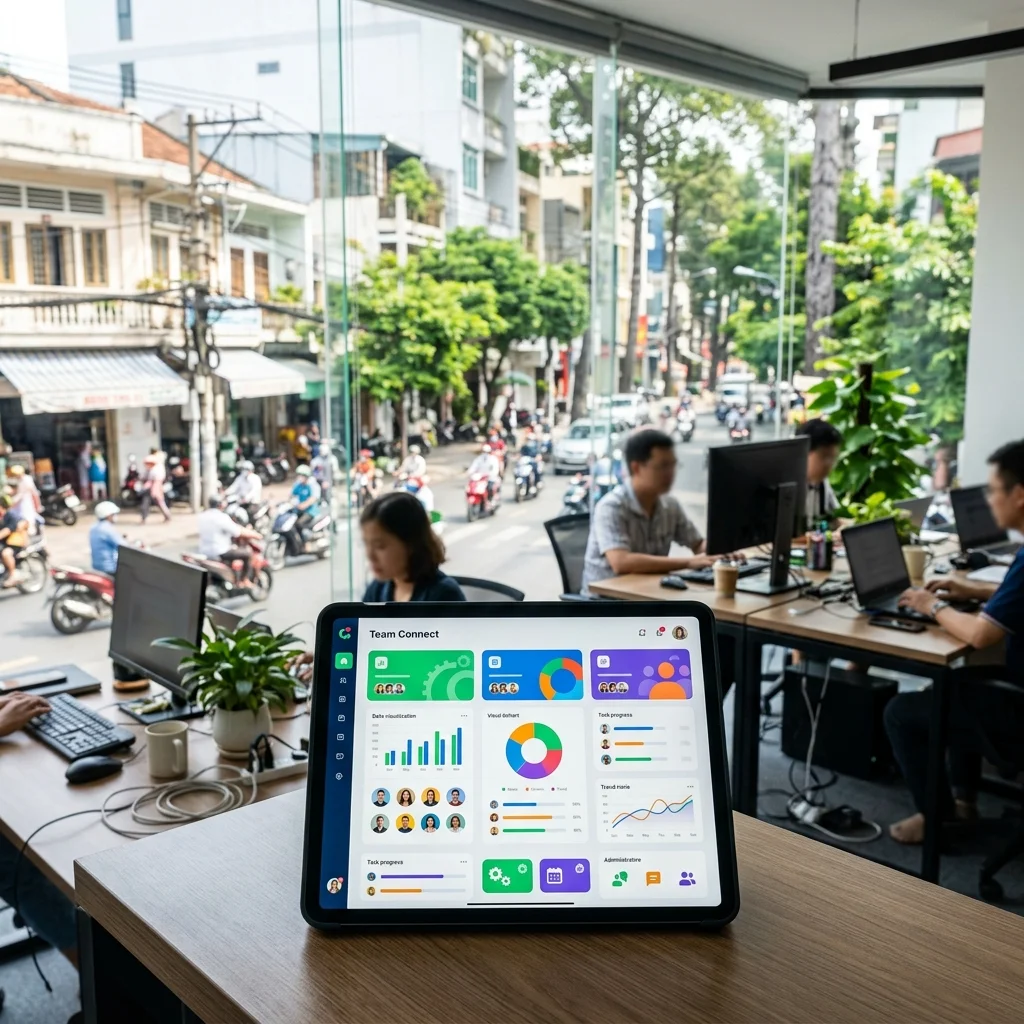
Conversely, a Corporate HR Director orchestrates comprehensive, multi-layered sales training programs, often with substantial budgets. These include sophisticated methodologies, leadership development, advanced negotiation, and digital tools. Career progression is clearly defined, offering specialization, management, or international assignments. The HR Director builds a scalable talent pipeline, leveraging analytics to measure effectiveness and aligning development with global strategies. This ensures a skilled sales personnel growth Malaysia capable of driving significant revenue. The image below illustrates the dedication to skill enhancement.

3. Career Progression Paths for Sales-Focused HR Roles
The future HR career progression sales Malaysia trajectory reflects current operational scope. For an HR Manager in an SME, progression often means evolving into a senior HR leadership role within the company, or transitioning to a larger SME or a smaller corporate entity. Their growth often ties to the SME’s expansion and increasing HR complexity. They gain invaluable, well-rounded experience across HR functions. Advancement relies on demonstrating operational efficiency and direct business impact.
An HR Director in a corporate setting has a more diverse and potentially rapid trajectory. They might advance to regional HR leadership, become a Vice President of HR, or even a Chief Human Resources Officer (CHRO), influencing global talent strategies. Their focus on strategic HR planning and talent management for large sales divisions prepares them for executive responsibilities. The differences between the SMEs’ HR Manager and the Corporates’ HR Director in sale field in Malaysia are stark in these advancement opportunities. Continuous professional development and a proven track record in influencing business strategy through HR are crucial for both, but the application platforms vary considerably. For a deeper dive into these comparative aspects, exploring resources detailing the Differences between the SMEs’ HR Manager and the Corporates’ HR Director in sale field in Malaysia provides further context.
In conclusion, while both the HR Manager in an SME and the HR Director in a Corporation are vital to Malaysia’s sales sector, their daily responsibilities, strategic impact, and career paths diverge significantly. Understanding these distinctions is crucial for HR professionals navigating their careers and for businesses optimizing human capital strategies in a competitive market.
Partner with Shelby Global
You are looking for reliable HR Sevice Suppliers? Contact Shelby Global Now! To connect with verified talents and upgrade your orginization.
—————————————
References
– SHRM Talent Acquisition Resources: https://www.shrm.org/resources-and-tools/hr-topics/talent-acquisition/pages/default.aspx
– Strategic HR: How HR Leaders Drive Business Outcomes: https://www.shrm.org/topics-tools/news/hr-magazine/fall-2023/strategic-hr-how-leaders-drive-business-outcomes
– SHRM Talent Management Resources: https://www.shrm.org/resources-tools/hr-topics/talent-management
– Hays Malaysia Salary Guide: https://www.hays.com.my/hays-salary-guide
– Ministry of Human Resources Malaysia: https://www.mohr.gov.my/index.php/en/labour-law












































































































![TOP 4 recruitment agency in vietnam 2026 [highlight Shelby Global]](https://shelbyglobal.com.vn/wp-content/uploads/2026/04/TOP-4-recruitment-agency-in-vietnam-2026-highlight-Shelby-Global-1.webp "TOP 4 recruitment agency in vietnam 2026 111")