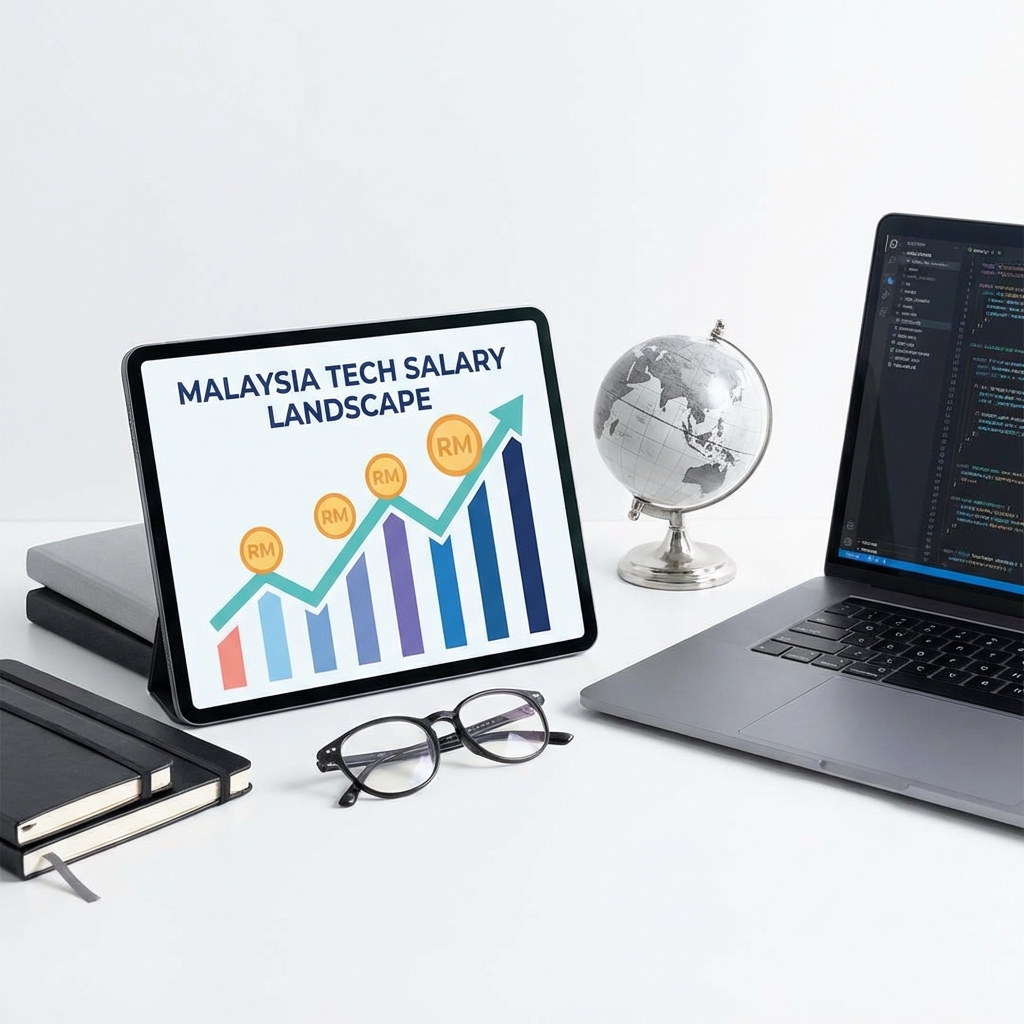
Understanding Malaysia’s Tech Salary Landscape
Dive into the current state of technology salaries in Malaysia, including key factors influencing compensation across various job titles. Malaysia’s technology sector is a dynamic and rapidly evolving landscape, making it crucial for both professionals and employers to grasp the intricacies of its salary structures. As the nation pushes towards a digital economy, understanding the Salary Defining Strategy for all job titles in technology field in malaysia becomes paramount for fair compensation and sustainable growth.
1. Current Tech Market Overview: Demand vs. Supply
Malaysia’s digital transformation initiatives, coupled with a growing startup ecosystem and robust foreign direct investment, have significantly fueled the demand for skilled tech professionals. Areas like Artificial Intelligence (AI), Machine Learning (ML), Cloud Computing, Cybersecurity, Data Science, and full-stack Software Development are experiencing particularly high demand. However, the supply of local talent, while growing, often struggles to keep pace with the rapid technological advancements and specialized skill requirements. This supply-demand imbalance directly impacts salary levels, often driving them upwards for highly sought-after roles and niche expertise.
The government’s push for initiatives like the Malaysia Digital Economy Blueprint (MyDIGITAL) and the establishment of tech hubs (e.g., Cyberjaya) further underscores the nation’s commitment to nurturing a vibrant tech sector. This environment creates competitive salary offerings, especially within multinational corporations (MNCs) and well-funded local tech companies, as they vie for top talent. Roles such as AI Engineers, Data Scientists, DevOps Engineers, and Cloud Architects frequently command premium salaries due to their critical importance in modern digital infrastructure.
2. Key Factors Influencing Tech Salaries (Experience, Skills, Location)
Several critical factors shape the compensation packages for technology professionals in Malaysia:
- Experience Level: As with any industry, experience is a primary determinant. Junior roles (0-2 years) typically command entry-level salaries, while mid-level professionals (3-7 years) with proven track records see significant increases. Senior and Lead positions (8+ years), especially those involving strategic oversight, team management, or highly specialized technical leadership, can command significantly higher remuneration, reflecting their invaluable expertise and ability to drive innovation.
- Specialized Skills and Technologies: The market highly values expertise in cutting-edge and in-demand technologies. Proficiency in programming languages like Python, Java, JavaScript (Node.js, React, Angular), and Go, coupled with experience in cloud platforms (AWS, Azure, GCP), big data technologies (Spark, Hadoop), and cybersecurity frameworks, can substantially boost earning potential. Certifications in these areas also play a crucial role. For a comprehensive overview of current salary benchmarks across various tech specializations, refer to external resources like the annual Hays Asia Salary Guide 2024, which provides detailed insights into remuneration trends in Malaysia and other Asian markets.
- Geographical Location: Kuala Lumpur remains the epicentre of Malaysia’s tech industry, with the highest concentration of tech companies and, consequently, the highest average salaries. Other emerging tech hubs like Penang and Johor Bahru also offer competitive packages, particularly within manufacturing-related tech roles or specific industry clusters, though generally slightly lower than in the capital. The cost of living in these areas also plays a role in the perceived value of compensation.
- Company Type: Multinational corporations (MNCs) generally offer more attractive salary and benefits packages compared to local SMEs or startups, often aligning with global compensation standards. However, successful local startups or well-funded ventures can also offer competitive salaries, sometimes coupled with equity options or other performance-based incentives. Government-linked companies (GLCs) also have their own structured salary scales, which can be competitive for specific roles.
3. Benchmarking Tools and Resources for Malaysian Professionals
For tech professionals in Malaysia looking to assess their market value or employers aiming to set competitive compensation, several tools and resources are invaluable:
- Recruitment Agency Salary Guides: Leading recruitment firms operating in Malaysia, such as Hays, Kelly Services, Robert Walters, and Michael Page, annually publish detailed salary guides. These reports are based on extensive market research and actual placements, offering granular data across various job titles, experience levels, and industries within the tech sector. They are often the most reliable source for specific local benchmarks.
- Online Job Portals and Salary Aggregators: Platforms like JobStreet, LinkedIn, Glassdoor, and Payscale allow users to search for reported salaries based on job title, location, and company. While these can provide a general idea, it’s important to consider that data may be self-reported and vary in accuracy. They are best used to get a broad overview rather than precise figures.
- Professional Networking and Industry Communities: Engaging with professional communities, attending tech meetups, and networking with peers can provide qualitative insights into salary expectations and compensation trends. Online forums and social media groups dedicated to tech professionals in Malaysia can also be a source of shared experiences and advice.
- Direct Market Research: For employers, engaging with HR consultants specializing in tech compensation or conducting direct market surveys can yield the most accurate and up-to-date data for a tailored Salary Defining Strategy for all job titles in technology field in malaysia.
By leveraging these resources, both job seekers and companies can make informed decisions, ensuring fair and competitive remuneration that reflects the current demands and value of talent within Malaysia’s thriving technology sector.
Crafting a Personalized Salary Defining Strategy
In the dynamic and competitive technology landscape of Malaysia, accurately determining and achieving your desired salary is not merely about luck – it’s about strategy. This section will guide you through developing an individual strategy to accurately define your value and secure competitive compensation. Understanding the intricacies of a Salary Defining Strategy for all job titles in technology field in malaysia is crucial for any tech professional looking to thrive in the region.
1. Self-Assessment: Valuing Your Skills and Experience
Before you can negotiate, you must first understand your worth. A robust self-assessment is the cornerstone of any effective salary strategy. Begin by meticulously cataloging your technical skills: programming languages (Python, Java), frameworks (React, Spring Boot), cloud platforms (AWS, Azure), databases, and DevOps tools. Crucially, quantify your impact. Did your Python script reduce processing time by 30%? Did your React development improve user engagement by 15%? These metrics are powerful tools for demonstrating tangible value.
Next, evaluate your soft skills. In the Malaysian tech scene, collaboration, problem-solving, adaptability, and communication are highly prized. Your ability to lead projects, mentor junior developers, or effectively communicate complex technical concepts significantly enhances your marketability. Factor in your years of experience, specific industry exposure (e.g., FinTech, E-commerce), and any relevant certifications (e.g., AWS Certified Solutions Architect, CISSP). These elements collectively shape your unique value proposition, directly influencing your potential for higher IT Market Value Malaysia.
2. Researching Industry Standards and Company Tiers in Malaysia
Once you have a clear picture of your internal value, it’s time to look outwards. The Malaysian tech market is diverse, with significant salary variations based on industry standards, company size, and type. Research is paramount to establishing realistic expectations. Utilize local and international salary aggregators like Glassdoor, Payscale, and LinkedIn Salary Insights. Crucially, delve into reports from recruitment agencies specializing in the Malaysian tech sector. For instance, Michael Page Malaysia’s annual salary guide offers comprehensive IT salary benchmarks across various roles and experience levels, providing invaluable insights. This research helps you understand the prevailing Tech Salary Negotiation Malaysia landscape.
Distinguish between company tiers. Multinational Corporations (MNCs) often offer competitive base salaries and extensive benefits. Local startups and SMEs, while potentially offering lower initial salaries, might provide equity, rapid career progression, and a more dynamic environment. Consider also the industry focus – FinTech companies might compensate specialized roles differently than a manufacturing tech firm. Understanding these nuances allows you to tailor your salary expectations to specific segments of the Malaysian tech market.
3. Setting Realistic Salary Expectations and Growth Paths
Combining your thorough self-assessment with comprehensive market research allows you to set realistic, yet ambitious, salary expectations. Aim for a salary range rather than a single figure, with a clear understanding of your absolute minimum. During negotiations, articulate your value by referencing your quantified achievements and market data. Remember that compensation extends beyond the base salary; consider bonuses, stock options, health insurance, and professional development opportunities. These benefits can significantly enhance your overall package.
Furthermore, a salary defining strategy isn’t a one-time event; it’s an ongoing process tied to your Career Growth Tech Malaysia. Proactively plan your growth path by identifying in-demand skills and future industry trends. Continuous learning, obtaining new certifications, and taking on challenging projects are essential for increasing your earning potential over time. Discuss potential career progression and salary reviews during interviews, demonstrating your long-term commitment and strategic thinking. By taking a proactive and data-driven approach, tech professionals in Malaysia can effectively define, negotiate, and ultimately achieve their desired compensation levels.
Key Skills and Technologies Driving Higher Salaries
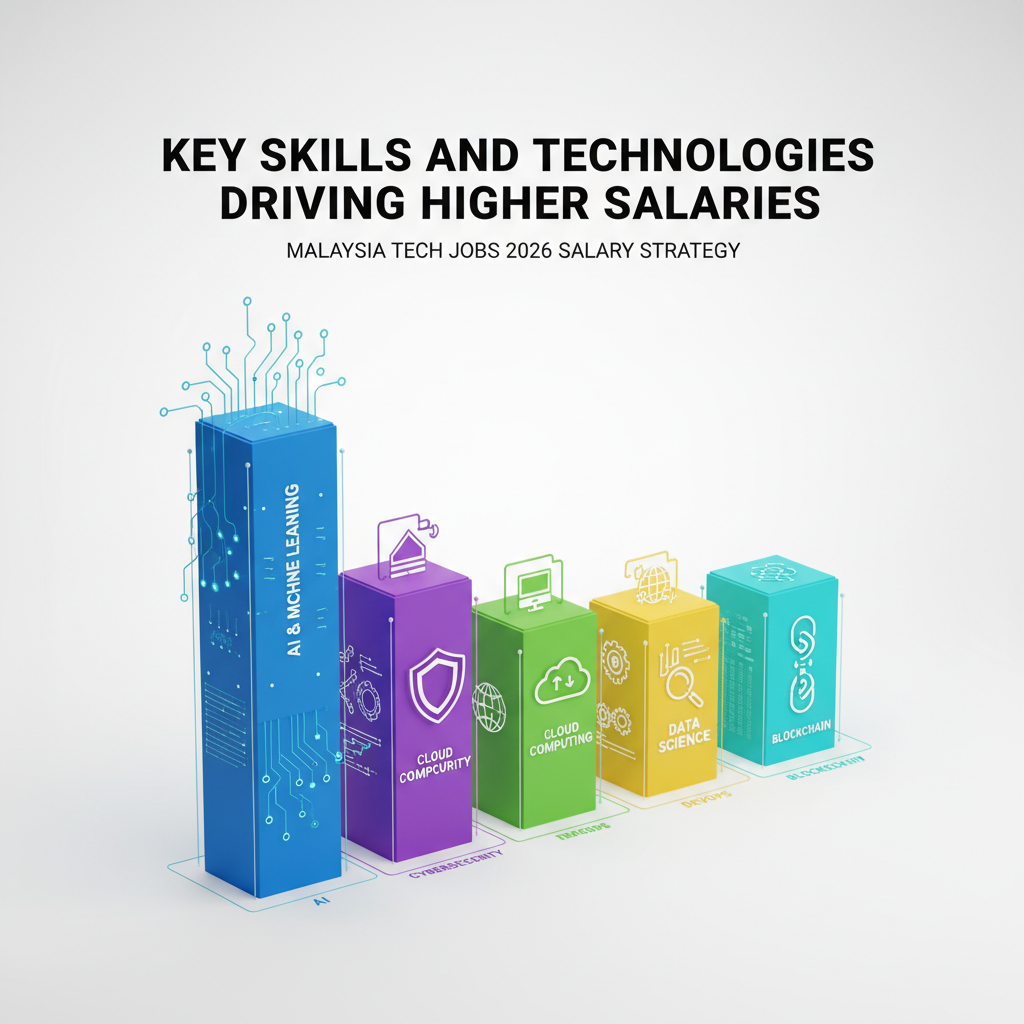
In the dynamic and rapidly evolving Malaysian tech sector, securing a premium salary isn’t solely about experience; it’s increasingly about possessing the right blend of in-demand skills and staying abreast of emerging technologies. As Malaysia solidifies its position as a regional tech hub, companies are actively seeking professionals who can drive innovation, secure digital assets, and harness data for strategic growth. Understanding this landscape is crucial for developing a robust Salary Defining Strategy for all job titles in technology field in malaysia, ensuring that your expertise translates directly into competitive compensation.
This section identifies the most sought-after competencies that command premium salaries, from proficiency in specific programming languages to mastery of cutting-edge technologies and essential leadership soft skills.
-
In-Demand Programming Languages and Frameworks
The foundation of much of the tech world lies in coding, and certain programming languages consistently top the list for high-paying roles in Malaysia. Python continues its reign due to its versatility in data science, AI, web development, and automation. Proficiency in Python, especially coupled with frameworks like Django or Flask, significantly boosts earning potential for developers. JavaScript, alongside modern frameworks such as React, Angular, and Vue.js, remains critical for front-end and full-stack development, powering the interactive web experiences that businesses demand. For backend systems and enterprise-level applications, Java and C# (.NET) maintain strong relevance, particularly in financial services and large corporations. Go (Golang) is also emerging as a high-value skill for building efficient, scalable microservices and cloud-native applications. Expertise in these languages, paired with a solid understanding of software development best practices and agile methodologies, forms a cornerstone for an attractive salary package.
-
Emerging Technologies (AI, Cybersecurity, Cloud, Data Science)
Beyond core programming, specialized knowledge in emerging technologies is a significant salary differentiator. Artificial Intelligence (AI) and Machine Learning (ML) specialists, including data scientists and ML engineers, are at the forefront, leveraging algorithms to extract insights and automate processes. Their ability to develop predictive models, natural language processing solutions, and computer vision applications is highly prized. Cybersecurity professionals are also in unprecedented demand; with the increasing sophistication of cyber threats, experts in penetration testing, security architecture, and incident response command top-tier salaries to protect sensitive data and infrastructure. Cloud computing skills, particularly with platforms like AWS, Azure, and Google Cloud, are essential for architects, engineers, and DevOps specialists responsible for deploying and managing scalable cloud solutions. Finally, Data Science, encompassing big data analytics, business intelligence, and data visualization, empowers organizations to make data-driven decisions, making these skills invaluable across all industries.
-
Soft Skills for Leadership and Management Roles
While technical prowess is non-negotiable, career progression into leadership and management roles—and the associated higher salaries—heavily relies on a robust set of soft skills. Effective communication is paramount, enabling leaders to articulate complex technical concepts to non-technical stakeholders, mentor junior team members, and foster collaboration. Problem-solving and critical thinking are crucial for navigating unforeseen challenges and strategizing innovative solutions. Leadership and team management abilities are vital for motivating teams, allocating resources efficiently, and delivering projects on time and within budget. Furthermore, adaptability and continuous learning are essential in a rapidly changing tech landscape, allowing leaders to guide their teams through technological shifts. Project management skills, often formalized through certifications like PMP or Agile scrum master, are also highly valued for ensuring successful project execution. Integrating these soft skills into one’s professional development is a critical part of a comprehensive Salary Defining Strategy for all job titles in technology field in malaysia, unlocking pathways to senior executive positions and significantly higher earning potential.
By strategically focusing on these in-demand technical and soft skills, professionals in Malaysia can significantly enhance their market value. Staying updated with the latest industry trends, as highlighted by reports such as the Michael Page Malaysia Technology Salary Guide 2024, is crucial for anyone looking to build a successful and highly compensated career in the competitive Malaysian tech sector. Continuous learning and a proactive approach to skill development are the keys to unlocking a premium income.
Effective Salary Negotiation Techniques for Tech Professionals
Gain practical advice and proven strategies for confidently negotiating salaries, whether for a new job offer or seeking a raise. Mastering your Salary Defining Strategy for all job titles in technology field in malaysia is crucial for tech professionals looking to maximize their earning potential in a competitive market. This guide provides actionable insights for navigating salary discussions with confidence and securing the compensation you deserve.
1. Preparing for Your Salary Discussion with Data
Successful salary negotiation begins long before you even utter a number. It’s built on a foundation of thorough research and a clear understanding of your market value. For tech professionals in Malaysia, this means diving deep into tech salary benchmarks Malaysia. Start by researching average salaries for your specific role, experience level, and location using reputable online platforms like Glassdoor, Payscale, and LinkedIn Salary. Don’t just look at the raw numbers; consider the industry, company size, and specific skill sets required. For instance, a Senior Software Engineer with expertise in AI/ML might command a significantly higher salary than one focusing on traditional web development.
Beyond external data, internal preparation is key. Document your achievements, quantify your impact, and highlight projects where you’ve delivered significant value. Did you optimize a process, leading to cost savings? Did you develop a feature that increased user engagement? Did you mentor junior colleagues, enhancing team productivity? Concrete examples demonstrate your worth and provide powerful leverage during negotiations. Understand the company’s financial health and recent performance if possible; this can inform your request and demonstrate your commitment to their success. Being armed with data not only strengthens your position but also conveys professionalism and a well-thought-out approach, essential for any Salary Defining Strategy for all job titles in technology field in malaysia.
2. Leveraging Offers and Counter-Offers Strategically
Once you’ve done your homework, the actual negotiation phase requires finesse and strategy. If you’re fortunate enough to have multiple offers, use them as leverage, but always with diplomacy. Never present competing offers as an ultimatum. Instead, express genuine enthusiasm for the role you truly want and explain that another offer has set a certain expectation regarding your market value. For effective negotiating tech compensation Malaysia, frame your discussion around what it would take for you to accept their offer enthusiastically. This shifts the conversation from a bidding war to a collaborative effort to meet your expectations.
When presenting your counter-offer, be specific and confident. State your desired salary range, justifying it with the research and value you bring. Be prepared for some back-and-forth. It’s not uncommon for companies to push back, but a well-articulated, data-backed counter-offer often yields positive results. Remember, negotiation is a dialogue, not a demand. Maintain a positive and professional demeanor throughout the process. Show your eagerness for the role and the company, but also demonstrate that you understand your worth. According to a Harvard Business Review article on effective negotiation, understanding and articulating your Best Alternative To a Negotiated Agreement (BATNA) is crucial for a strong position. Mastering negotiation techniques can significantly impact your final package, ensuring it aligns with your career goals and financial aspirations.
3. Understanding Benefits and Total Compensation Packages
While the base salary is often the primary focus, a truly effective Salary Defining Strategy for all job titles in technology field in malaysia looks beyond just the monthly figure. The total compensation package encompasses a wide array of benefits that can significantly boost your overall earning and quality of life. For Malaysian tech job benefits, this typically includes medical insurance (often extended to family), EPF (Employee Provident Fund) contributions, annual leave, and performance bonuses. However, many tech companies offer much more.
Consider stock options or Restricted Stock Units (RSUs), which can provide substantial long-term wealth, especially in fast-growing startups or publicly traded tech giants. Look into professional development allowances, certifications, wellness programs, flexible working hours, remote work options, and even perks like free meals or gym memberships. These “soft benefits” might not be liquid cash, but they contribute to your financial well-being, career growth, and work-life balance. Before finalizing any offer, request a detailed breakdown of the entire compensation package. Evaluate how each component aligns with your personal and professional priorities. Sometimes, a slightly lower base salary with superior benefits, greater flexibility, or significant equity can be far more valuable in the long run than a higher base with minimal additional perks. Always negotiate the entire package, not just the base salary, to ensure you’re truly maximizing your career move.
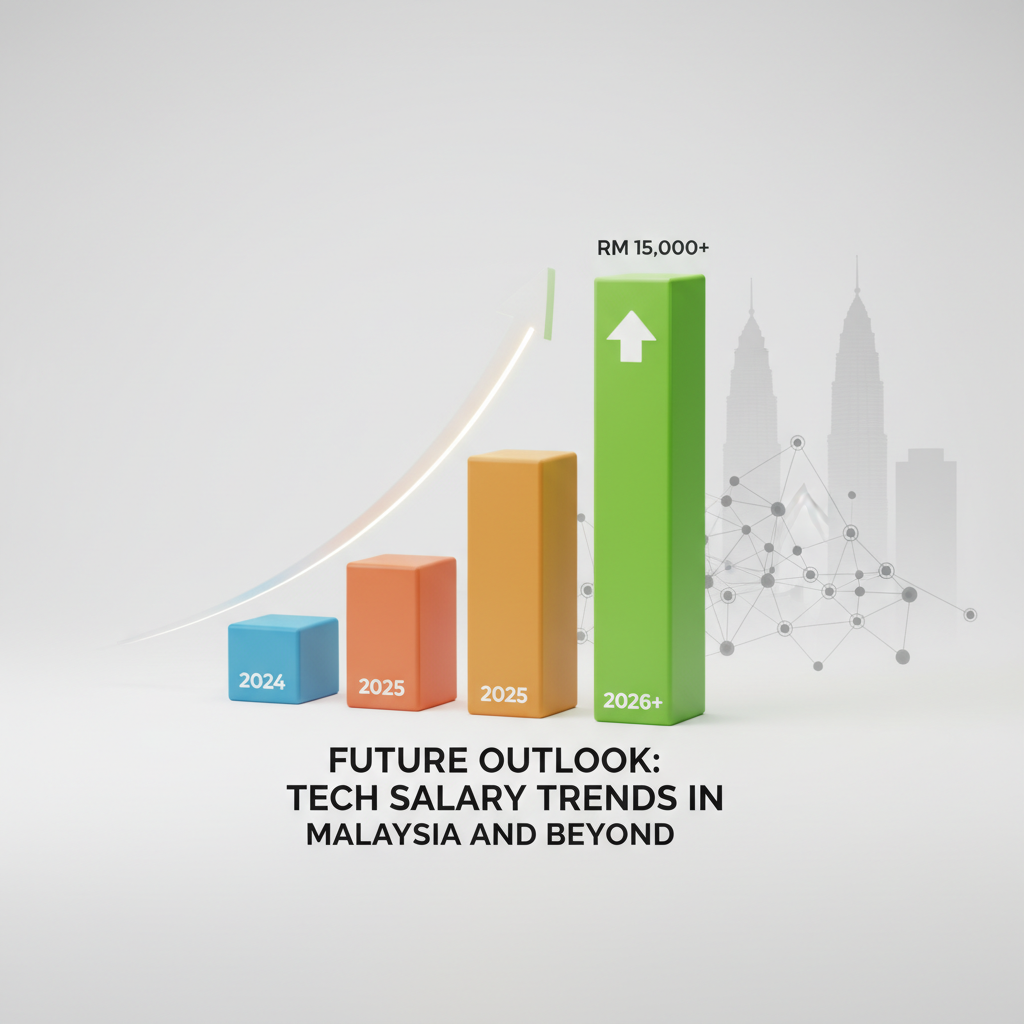
Future Outlook: Tech Salary Trends in Malaysia 2026 and Beyond
Exploring a forward-looking perspective on anticipated shifts and growth areas in tech compensation for the coming years.
The Malaysian technology landscape is poised for significant evolution, and with it, the trajectory of tech salaries. As the nation continues its ambitious digital transformation journey, fueled by government initiatives and private sector innovation, the demand for specialized tech talent will intensify. Understanding the future outlook for tech compensation in Malaysia beyond 2026 requires a nuanced appreciation of global economic forces, localized digital adoption, and strategic talent development. For tech professionals and employers alike, developing a robust Salary Defining Strategy for all job titles in technology field in malaysia will be paramount to attract, retain, and fairly compensate top talent in an increasingly competitive market. The coming years will see distinct trends shaping how tech compensation Malaysia is structured and valued.
1. Impact of Digital Transformation on Salary Growth
Malaysia’s steadfast commitment to becoming a digital-first nation is arguably the most significant driver of future tech salary growth. Initiatives like the Malaysia Digital Economy Blueprint are accelerating the adoption of Industry 4.0 technologies across various sectors, creating an insatiable demand for expertise in areas such as Artificial Intelligence (AI), Machine Learning (ML), Cybersecurity, Cloud Computing, and Data Science. As more businesses undergo digital transformation, the scarcity of professionals with these advanced skills will naturally drive up their market value. We anticipate a widening salary gap between generalist IT roles and highly specialized, in-demand positions. Professionals who actively upskill and specialize in these critical areas will command premium tech compensation Malaysia, reflecting the direct impact of their skills on business innovation and efficiency. This trend underscores the importance of continuous learning and adaptation to new technological paradigms for substantial salary advancement.
2. Globalization and Remote Work Influence on Local Salaries
The post-pandemic era has firmly established remote work as a viable and often preferred mode of employment, blurring geographical boundaries for talent acquisition. This globalization of the workforce has a profound influence on local tech salaries in Malaysia. Malaysian tech professionals are increasingly competing not just with local peers but also with a global talent pool, particularly from regions offering higher wages. While this presents opportunities for Malaysian talent to access international roles with more attractive compensation, it also puts pressure on local companies to reassess their remote work tech salaries to remain competitive. Employers offering competitive benefits, flexible work arrangements, and opportunities for professional growth will be better positioned to attract and retain talent against international competitors. Conversely, local professionals who can demonstrate global-standard skills and productivity stand to gain significantly, potentially seeing their earnings rise closer to global benchmarks. The World Bank emphasizes Malaysia’s journey towards a digital economy, a transformation that inherently ties local talent into global value chains, influencing wage structures significantly.
3. Strategies for Continuous Career and Salary Advancement
For tech professionals aiming for sustained career growth and higher earning potential beyond 2026, a proactive and strategic approach is essential. The cornerstone of this strategy is continuous learning and specialization. Focusing on niche, high-demand skills (e.g., advanced AI ethics, quantum computing, blockchain development, specialized cybersecurity roles) will differentiate individuals in a crowded market. Networking, both locally and internationally, is crucial for identifying emerging opportunities and understanding market benchmarks. Furthermore, understanding the nuances of a Salary Defining Strategy for all job titles in technology field in malaysia involves more than just technical prowess; it includes soft skills like communication, leadership, and problem-solving, which become increasingly valuable in senior roles. Regularly assessing market value through salary guides and industry reports, negotiating effectively, and being open to opportunities that offer significant learning curves will be key to unlocking higher compensation levels and ensuring long-term career resilience in Malaysia’s dynamic tech sector.
Partner with Shelby Global
You are looking for reliable HR Sevice Suppliers? Contact Shelby Global Now! To connect with verified talents and upgrade your orginization.
—————————————
References
– Hays Asia Salary Guide 2024: https://www.hays.com.my/salary-guide
– Michael Page Malaysia’s annual salary guide: https://www.michaelpage.com.my/salary-and-hiring-trends
– Michael Page Malaysia Technology Salary Guide 2024: https://www.michaelpage.com.my/salary-guide/technology
– Mastering negotiation techniques: https://hbr.org/2015/01/negotiating-your-salary-like-a-pro
– World Bank: Malaysia Overview – Digital Economy & Society: https://www.worldbank.org/en/country/malaysia/overview#3












































































































![TOP 4 recruitment agency in vietnam 2026 [highlight Shelby Global]](https://shelbyglobal.com.vn/wp-content/uploads/2026/04/TOP-4-recruitment-agency-in-vietnam-2026-highlight-Shelby-Global-1.webp "TOP 4 recruitment agency in vietnam 2026 111")