The Current Landscape: Driving Marketing Demand in Vietnam
Vietnam’s economy is a dynamic and rapidly evolving landscape, presenting fertile ground for the marketing industry. Characterized by robust GDP growth, a young, tech-savvy population, and increasing integration into the global economy, the demand for sophisticated marketing professionals and services is experiencing an unprecedented surge. This section provides a comprehensive overview of the prevailing market conditions and macro-economic factors that are collectively fueling a significant market demand trend report of marketing field in Vietnam, highlighting the pivotal shifts and opportunities for businesses and marketers alike.

1. Rapid Growth of E-commerce and Digital Penetration
The digital transformation sweeping across Vietnam is arguably the most powerful catalyst for the burgeoning marketing sector. With a staggering internet penetration rate and widespread smartphone adoption, e-commerce has not just taken root but has become deeply ingrained in daily life. Major platforms like Shopee, Lazada, and Tiki dominate the online retail space, alongside a vibrant ecosystem of social commerce facilitated by platforms such as Facebook and TikTok. This exponential growth in online transactions and digital content consumption directly translates into an escalating need for digital marketing expertise. Businesses, from nascent startups to established enterprises, are scrambling to optimize their online presence, enhance user experience, and drive conversions through channels like search engine optimization (SEO), pay-per-click (PPC) advertising, content marketing, social media management, and data analytics. Professionals skilled in these areas are in high demand, as companies strive to capture the attention of the increasingly online Vietnamese consumer. For those seeking a deeper dive into the specific dynamics and projections, a comprehensive market demand trend report of marketing field in Vietnam offers invaluable insights into these evolving requirements.
2. Shifting Consumer Behavior and Hyper-Localization
Vietnamese consumers are evolving rapidly, showcasing a blend of traditional values and modern aspirations. They are increasingly discerning, digitally fluent, and highly responsive to brands that understand and cater to their unique cultural nuances. This shift necessitates a hyper-localized approach to marketing, moving beyond mere language translation to encompass deep cultural understanding, relevant messaging, and community engagement. Brands are investing heavily in influencer marketing, leveraging local personalities who resonate authentically with specific demographics. There’s also a growing emphasis on creating personalized experiences and building strong brand communities, rather than relying solely on mass advertising. The younger generations, particularly Gen Z and millennials, are powerful drivers of these trends, demanding authenticity, sustainability, and social responsibility from the brands they support. This nuanced consumer landscape creates a strong demand for market research specialists, brand strategists, content creators with local insights, and community managers who can effectively bridge the gap between global brands and local preferences. Understanding these intricate shifts is crucial for any business operating in the region, as highlighted in reports detailing the digital economy’s growth and consumer trends in Southeast Asia, such as the e-Conomy SEA 2023: Great expectations report by Google, Temasek, and Bain & Company, which often features Vietnam prominently.
3. Impact of Foreign Investment and Global Standards
Vietnam’s increasing attractiveness as a manufacturing hub and a consumer market has led to a significant influx of foreign direct investment (FDI). This sustained investment brings with it a wave of international brands, each carrying global marketing best practices and higher standards of professionalism. As these multinational corporations establish or expand their presence, they raise the bar for local competitors, pushing the entire industry towards greater sophistication. The demand is not just for more marketers, but for marketers equipped with global perspectives, data-driven analytical skills, and an understanding of international compliance and brand guidelines. This creates a competitive environment where Vietnamese companies are compelled to adopt more advanced marketing strategies, invest in technology, and upskill their talent to compete effectively. Furthermore, the need for multilingual marketing professionals, especially those proficient in English, is growing as more businesses engage in cross-border e-commerce and international partnerships. This integration into the global economy underscores a critical need for continuous learning and adaptation within the Vietnamese marketing sector, shaping the future trajectory of marketing demand and professional development across the nation.
Top In-Demand Marketing Skills & Roles for the Future
The Vietnamese marketing landscape is rapidly evolving, driven by digital transformation, shifting consumer behaviors, and global economic integration. For professionals looking to thrive, understanding the market demand trend report of marketing field in vietnam is paramount. This section identifies critical skills and specific job roles highly sought after, or expected to be in high demand, shaping future careers in this exciting field. The shift towards data-driven strategies, personalized experiences, and digital-first approaches underscores the necessity for continuous skill development to meet these emerging demands.
1. Digital Marketing Expertise (SEO, SEM, Social Media, Content)
At the forefront of Vietnam’s marketing evolution is the undeniable demand for robust digital marketing expertise. As internet penetration soars and e-commerce platforms flourish, businesses prioritize their online presence. Professionals proficient in Search Engine Optimization (SEO) are crucial for ensuring brand visibility and organic traffic, mastering both technical intricacies and strategic keyword targeting specific to the Vietnamese market. Similarly, Search Engine Marketing (SEM), encompassing paid advertising on platforms like Google Ads, requires specialists who can optimize campaigns for maximum ROI in a competitive digital ad space.
Social media marketing continues to be a powerhouse in Vietnam, with platforms like Facebook, Zalo, and TikTok dominating consumer engagement. Companies seek strategists capable of crafting compelling narratives, managing vibrant communities, and executing targeted paid social campaigns. Furthermore, content marketing remains a cornerstone, with a significant need for strategists and creators who can produce engaging, culturally relevant content across various formats—from captivating videos and interactive infographics to informative blog posts and persuasive ad copy. Roles such as Digital Marketing Specialist, SEO Manager, Social Media Manager, and Content Strategist are fundamental to any modern marketing team in Vietnam, offering exciting career pathways for those with specialized digital skills.
2. Data Analytics, AI & Personalization Capabilities
The era of gut-feeling marketing is fading, replaced by a deep reliance on data. Vietnamese businesses increasingly invest in capabilities to collect, analyze, and interpret vast amounts of consumer data to drive strategic decisions. Skills in data analytics are therefore critical, enabling marketers to understand customer behavior, measure campaign performance accurately, and identify actionable insights. This involves proficiency in tools for data visualization, statistical analysis, and predictive modeling.
Complementing data analytics is the burgeoning field of Artificial Intelligence (AI) and Machine Learning (ML) in marketing. AI is revolutionizing how brands interact with customers, automate routine tasks, and predict future trends. Marketers with an understanding of AI applications—from chatbots and programmatic advertising to AI-powered content optimization and customer journey mapping—will be highly valued. This directly feeds into the growing need for personalization capabilities. Vietnamese consumers expect tailored experiences; marketers leveraging data and AI to deliver hyper-targeted campaigns and customized recommendations will possess a distinct competitive edge. Roles like Marketing Analyst, CRM Specialist, Data-Driven Marketing Manager, and AI Marketing Specialist are becoming indispensable, driving strategic growth and customer loyalty through intelligent data utilization. This profound shift is highlighted in reports like the Digital 2023 Vietnam report by DataReportal, underlining the importance of data literacy.
3. Brand Strategy & Cross-Cultural Communication
As Vietnam’s economy integrates globally and its domestic market grows more sophisticated, a strong, distinctive brand strategy is paramount. Marketers skilled in brand strategy are essential for defining a brand’s identity, positioning it effectively, and crafting compelling narratives that resonate with target audiences. This involves understanding market segmentation, consumer psychology, and the art of storytelling to build lasting brand equity. With international brands entering Vietnam and local brands expanding abroad, the ability to develop robust brand architectures and ensure consistent messaging across diverse touchpoints is crucial.
Equally vital is cross-cultural communication expertise. Vietnam is a diverse nation with distinct regional nuances; its increasing engagement with international markets means marketers must navigate complex cultural landscapes. Professionals who can adapt global marketing campaigns to local sensibilities, understand Vietnamese consumer culture, and effectively communicate with diverse stakeholders—both domestic and international—are in high demand. This skill extends to crafting culturally appropriate messages, avoiding missteps, and building bridges between different cultural contexts. Roles such as Brand Manager, Marketing Communications Manager, and International Marketing Specialist are pivotal for businesses aiming to build strong brands that connect deeply with Vietnamese consumers while successfully expanding their global reach.
Emerging Trends Shaping Vietnam’s Marketing Field (2024-2026)
Vietnam’s dynamic economy and tech-savvy population are continuously reshaping its marketing landscape. As we look towards 2024-2026, a confluence of technological advancements, evolving consumer behaviors, and global shifts are poised to redefine how brands connect with their audiences. This section provides a strategic outlook, highlighting the critical new and evolving trends, technologies, and methodologies that will drive the market demand trend report of marketing field in Vietnam, offering insights for businesses aiming to thrive in this vibrant environment.
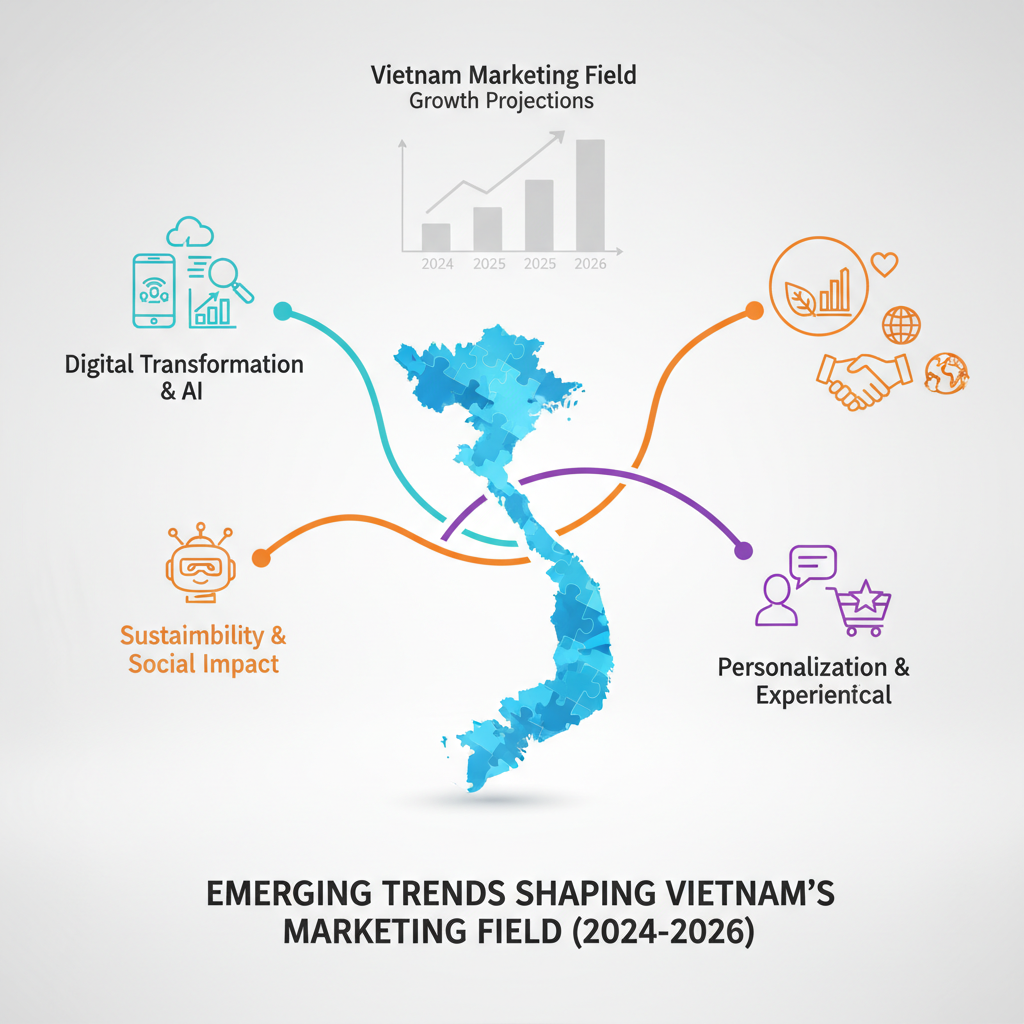
1. Hyper-Personalization and Customer Experience (CX) Focus
The days of one-size-fits-all marketing are rapidly fading. In Vietnam, consumers, especially the younger demographic, expect tailored experiences that resonate with their individual preferences and past interactions. Hyper-personalization, driven by advanced data analytics, artificial intelligence (AI), and machine learning, is no longer a luxury but a necessity. Marketers are leveraging vast amounts of consumer data—from purchase history and browsing behavior to social media interactions—to craft highly relevant messages, product recommendations, and offers. This granular approach extends beyond mere segmentation, aiming to understand the customer’s journey at every touchpoint. A strong focus on Customer Experience (CX) is paramount, encompassing seamless multi-channel interactions, responsive customer service, and intuitive user interfaces. Brands that invest in robust CRM systems and AI-powered tools to predict consumer needs and provide proactive solutions will gain a significant competitive edge, fostering deeper customer loyalty and engagement in Vietnam’s digital consumer market.
2. Interactive Content and Experiential Marketing Growth
As digital saturation increases, traditional static advertising struggles to capture attention. Vietnamese consumers are increasingly drawn to interactive content and experiential marketing that offers engagement rather baffling just information. This trend sees a surge in formats like shoppable videos, AR/VR experiences, gamification in apps and campaigns, quizzes, polls, and user-generated content challenges. Brands are moving towards creating immersive experiences that allow consumers to actively participate and form a stronger emotional connection. Live commerce, particularly prevalent on platforms like TikTok and Facebook, is also witnessing exponential growth, blending entertainment with immediate purchasing opportunities. Furthermore, offline experiential marketing events—from pop-up stores with unique installations to brand activations that offer sensory experiences—are making a comeback, complementing digital strategies. The goal is to move beyond passive consumption, transforming marketing into a memorable, two-way dialogue that builds community and brand advocacy.
3. Sustainability, ESG, and Purpose-Driven Branding
A global shift towards conscious consumerism is profoundly impacting Vietnam’s marketing field. Vietnamese consumers, particularly Gen Z and millennials, are increasingly concerned about environmental, social, and governance (ESG) factors. Brands that demonstrate genuine commitment to sustainability, ethical sourcing, fair labor practices, and social responsibility are resonating more deeply with their target audiences. Purpose-driven branding is no longer just a CSR initiative; it’s becoming a core component of brand identity and marketing strategy. Companies are expected to communicate their values transparently, showcasing their positive impact on society and the environment. This involves authentic storytelling, backing claims with verifiable actions, and integrating sustainability across the entire value chain. Marketers must move beyond greenwashing to genuinely embed ESG principles into their operations and messaging, building trust and fostering long-term relationships with a generation that votes with its wallet for brands that align with their values.
In conclusion, the marketing field in Vietnam from 2024 to 2026 will be characterized by a relentless drive towards personalization, innovative engagement, and ethical responsibility. Brands that embrace these emerging trends, harness the power of data and technology, and authentically connect with their consumers’ evolving values will be best positioned to succeed in this exciting and competitive landscape.
Challenges & Opportunities for Marketing Professionals
Vietnam’s marketing landscape is a vibrant, rapidly evolving ecosystem characterized by both significant hurdles and abundant growth opportunities. As the nation continues its impressive economic ascent and digital transformation, marketing practitioners and businesses operating within its borders face a dynamic environment demanding agility, innovation, and a deep understanding of local nuances. Staying informed through a comprehensive market demand trend report of marketing field in vietnam is paramount for navigating this exciting but complex terrain.
1. Addressing the Talent Gap and Upskilling Requirements
One of the most pressing challenges for the marketing field in Vietnam is the widening talent gap, particularly in specialized digital domains. The rapid pace of technological advancements – from AI-driven analytics to sophisticated programmatic advertising and engaging content marketing – means that existing skill sets can quickly become outdated. Many businesses struggle to find professionals proficient in areas like data science, SEO, SEM, social media strategy, and e-commerce marketing. The disconnect between academic curricula and the real-world demands of a fast-moving industry further exacerbates this issue.
However, this challenge simultaneously presents a significant opportunity. The high demand for skilled marketing professionals is driving increased investment in training and development. Universities are beginning to adapt, and specialized academies and corporate upskilling programs are proliferating. For individuals, this is a prime time to specialize in high-demand areas, while for businesses, investing in continuous learning for their teams can yield a substantial competitive advantage. The focus on upskilling is essential for businesses to leverage insights from any market demand trend report of marketing field in vietnam and respond effectively to evolving consumer behaviors.
2. Navigating Regulatory Landscapes and Data Privacy
As Vietnam’s digital economy expands, so too does its regulatory framework. Marketing professionals must meticulously navigate a complex and evolving landscape of laws pertaining to advertising content, consumer protection, and crucially, data privacy. Recent legislations, such as Decree 13 on Personal Data Protection, impose strict requirements on how businesses collect, store, process, and share user data. Non-compliance can lead to hefty fines and significant reputational damage. This creates a challenging environment where marketers must balance innovative campaigns with stringent legal adherence.
Conversely, robust data privacy and ethical marketing practices offer a powerful opportunity for building consumer trust and brand loyalty. Businesses that prioritize transparency, secure data handling, and responsible advertising can differentiate themselves in a crowded market. Marketing professionals who become experts in regulatory compliance and ethical data practices are increasingly valuable assets, transforming what seems like a hurdle into a strategic advantage for fostering long-term relationships with consumers. Understanding the legal nuances is often a key component of any detailed market demand trend report of marketing field in vietnam.
3. Leveraging Local Culture with Global Best Practices
Successfully engaging the Vietnamese consumer requires more than just translating global campaigns; it demands a deep immersion in local culture, values, and traditions. Vietnam boasts a rich cultural heritage and distinct consumer behaviors, from the importance of family and community to specific holidays and social norms. Marketers often face the challenge of adapting globally successful strategies to resonate authentically with local audiences, avoiding cultural missteps that can alienate rather than attract.
This need for deep localization, however, is a tremendous opportunity for impactful marketing. By combining global best practices in areas like digital analytics, programmatic ad buying, and customer experience management with a nuanced understanding of local insights, brands can create highly effective campaigns. Partnering with local influencers, understanding regional dialects, integrating traditional festivals into promotional calendars, and crafting narratives that align with Vietnamese aspirations can yield exceptional engagement. The fusion of international strategic thinking with authentic local cultural resonance is a powerful driver of success, as consistently highlighted in any comprehensive market demand trend report of marketing field in vietnam. This approach capitalizes on the country’s unique identity while harnessing the efficiency of modern marketing tools, especially as the digital economy’s rapid expansion continues to reshape consumer engagement.
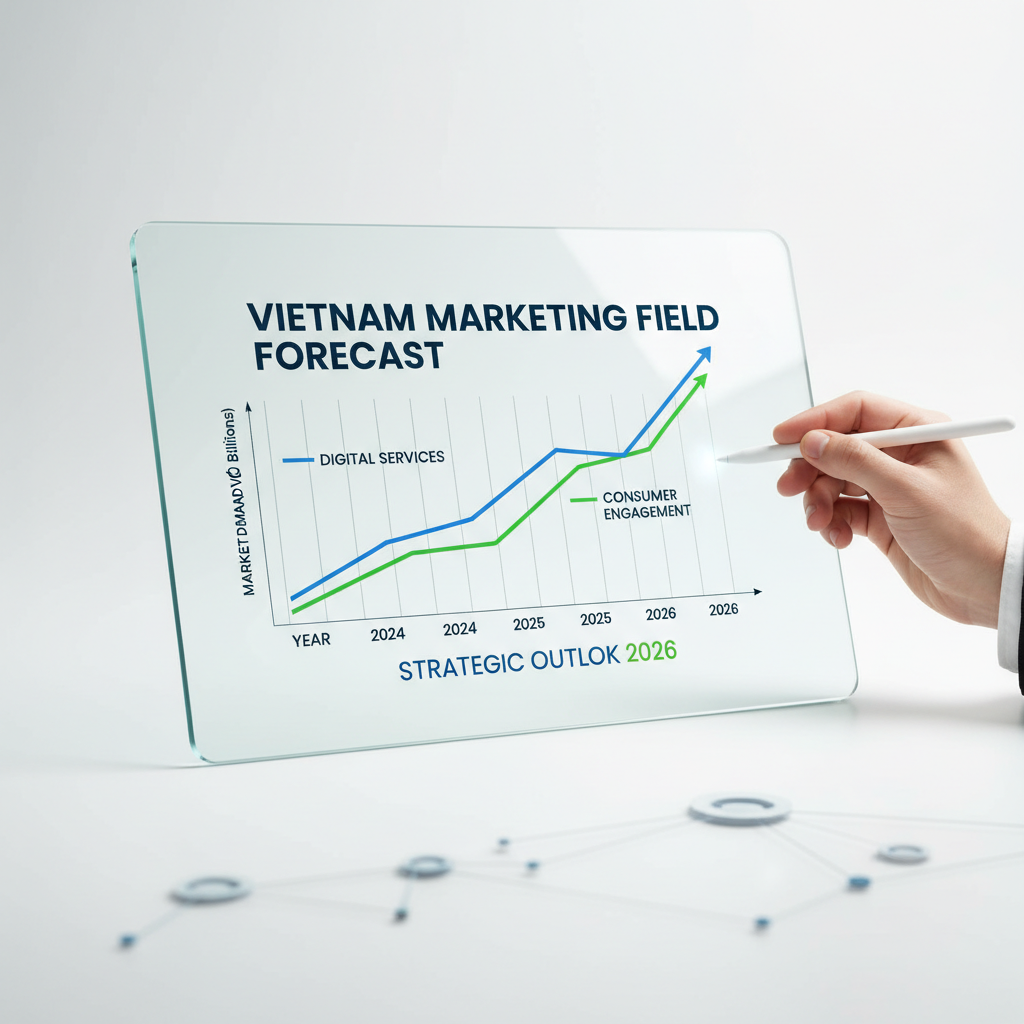
Strategic Outlook: Preparing for Vietnam’s Marketing Field by 2026
Vietnam’s marketing landscape is undergoing a rapid and profound transformation, driven by an accelerating digital economy, a tech-savvy young population, and evolving consumer behaviors. As we look towards 2026, understanding the future trajectory is not just beneficial but imperative for survival and growth. A recent market demand trend report of marketing field in vietnam underscores the urgency for both individuals and organizations to strategically adapt. The nation’s robust economic growth, coupled with increasing internet penetration and smartphone adoption, creates fertile ground for innovative marketing approaches, yet also presents new challenges requiring agility and foresight.
The imperative for transformation is clear. Businesses must move beyond traditional approaches, embracing data-driven insights, artificial intelligence (AI), and hyper-personalization to connect with increasingly discerning Vietnamese consumers. This strategic outlook provides actionable recommendations and insights, focusing on critical areas that will define success in Vietnam’s dynamic marketing environment over the next few years. Preparing for 2026 means investing in human capital, leveraging cutting-edge technology, and building resilient operational frameworks that can navigate rapid change and capitalize on emerging opportunities.
1. Importance of Continuous Learning and Professional Development
The pace of change in digital marketing technologies and consumer preferences demands an unwavering commitment to continuous learning. By 2026, the skills gap between traditional marketers and those equipped for the digital-first era will widen significantly. Professionals in Vietnam’s marketing field must actively pursue upskilling in areas such as data analytics, AI-powered marketing tools, advanced SEO, content marketing, and customer experience (CX) design. Certifications in platforms like Google Analytics, Meta Blueprint, and HubSpot, alongside courses on programmatic advertising and marketing automation, will become essential for career advancement. Organizations, in turn, must foster a culture of lifelong learning, providing resources and opportunities for their teams to acquire new competencies. Investing in professional development not only enhances individual capabilities but also bolsters the collective intelligence and adaptability of the entire marketing department, ensuring they can effectively respond to emerging market demand trend report of marketing field in vietnam insights.
2. Building Diverse, Agile, and Resilient Marketing Teams
The complexities of Vietnam’s future marketing landscape necessitate teams that are not only skilled but also diverse, agile, and resilient. Diversity in thought, background, and perspective allows for more innovative solutions and a deeper understanding of varied consumer segments across Vietnam. Agile methodologies, traditionally associated with software development, are increasingly relevant in marketing. Adopting agile practices enables teams to iterate quickly, test campaigns efficiently, and adapt strategies based on real-time performance data and shifting market conditions. This responsiveness is crucial for navigating fast-evolving trends, such as the rapid growth of e-commerce and social commerce platforms. Furthermore, resilience—the ability to bounce back from setbacks and pivot strategically—will be paramount. Fostering cross-functional collaboration, encouraging experimentation, and empowering team members to take ownership will be key to building marketing units capable of thriving amidst uncertainty and seizing new opportunities in Vietnam’s competitive market.
3. Strategic Adoption of Marketing Technology (MarTech) Stacks
The strategic integration of Marketing Technology (MarTech) is no longer an option but a cornerstone of future success. By 2026, a robust and intelligently deployed MarTech stack will differentiate leading marketers in Vietnam. This includes CRM systems for enhanced customer relationship management, marketing automation platforms for streamlining repetitive tasks, sophisticated analytics tools for extracting actionable insights, and AI-driven solutions for personalization and predictive modeling. Implementing omnichannel marketing strategies, powered by interconnected MarTech tools, will be crucial for delivering consistent and seamless customer experiences across all touchpoints—from mobile apps and social media to offline retail. Organizations must conduct thorough audits of their current technology landscape, identify gaps, and invest strategically in solutions that align with their business objectives and the unique characteristics of the Vietnamese market. Leveraging these technologies will enable businesses to optimize ad spend, improve customer engagement through hyper-personalization, and make data-driven decisions that propel growth in an increasingly digital-first economy. For further insights into the broader digital transformation shaping Southeast Asia, including Vietnam’s pivotal role, refer to the annual e-Conomy SEA report, which provides comprehensive data on the region’s internet economy growth.
Partner with Shelby Global
You are looking for reliable HR Sevice Suppliers? Contact Shelby Global Now! To connect with verified talents and upgrade your orginization.
—————————————
References
– e-Conomy SEA 2023: Great expectations: https://www.bain.com/insights/e-conomy-sea-2023-great-expectations/
– Digital 2023 Vietnam report by DataReportal: https://datareportal.com/reports/digital-2023-vietnam
– customer loyalty and engagement in Vietnam’s digital consumer market: https://www.statista.com/statistics/1230113/vietnam-number-of-digital-consumers-by-segment/
– Vietnam e-commerce revenue forecast to reach US$20.5 billion by 2025: https://en.vietnamplus.vn/vietnam-ecommerce-revenue-forecast-to-reach-us205-billion-by-2025/250786.html
– e-Conomy SEA report: https://www.bain.com/insights/e-conomy-sea/








































































































![TOP 4 recruitment agency in vietnam 2026 [highlight Shelby Global]](https://shelbyglobal.com.vn/wp-content/uploads/2026/04/TOP-4-recruitment-agency-in-vietnam-2026-highlight-Shelby-Global-1.webp "TOP 4 recruitment agency in vietnam 2026 111")