
Understanding Vietnam’s Education Sector: Current State & Future Risks
This section sets the foundation by outlining the present landscape of Vietnam’s education system and identifying the foundational and emerging risks that could shape its future.
Vietnam’s education sector has undergone remarkable transformation over the past few decades, evolving from a post-war rebuilding phase to a dynamic system aiming for international competitiveness. This progress, however, is not without its vulnerabilities and future challenges. A comprehensive trend report of the risk of education field in Vietnam is crucial for policymakers and stakeholders to navigate the complex landscape ahead, ensuring sustained growth and equitable access.

1. Overview of Vietnam’s Education Sector Growth and Achievements
Vietnam’s commitment to education is evident in its impressive achievements. The nation boasts near-universal primary education enrollment and high literacy rates, a testament to significant government investment and societal value placed on learning. Performance in international assessments, such as the Programme for International Student Assessment (PISA), has frequently placed Vietnamese students ahead of many developed nations in subjects like mathematics and science. This reflects a robust foundational education system and dedicated teaching force. Recent years have also seen an expansion of higher education institutions and a growing focus on vocational training to meet the demands of a rapidly industrializing economy. The government’s strategic plans emphasize innovation, quality improvement, and the internationalization of its educational offerings. This upward trajectory forms the backdrop against which potential future challenges must be assessed, providing a strong foundation but also highlighting areas where progress might be vulnerable to external pressures and internal disparities.
2. Identification of Key Vulnerabilities (Socio-Economic, Technological, Environmental)
Despite its successes, Vietnam’s education sector faces several critical vulnerabilities. Socio-economic challenges persist, particularly the stark disparities between urban and rural areas. Remote and ethnic minority communities often lack access to quality infrastructure, experienced teachers, and advanced learning resources, leading to significant educational equity challenges. Addressing these disparities requires targeted interventions and sustained funding. Furthermore, education financing disparities across different regions continue to be a barrier to uniform development. The rapid pace of technological change presents another risk. While Vietnam is embracing digital transformation in education, the digital divide remains a significant concern. Many schools, especially in disadvantaged areas, lack reliable internet access, up-to-date technology, and teachers proficient in integrating digital tools effectively. This gap hinders the development of essential 21st-century skills and impacts workforce readiness. Finally, environmental risks, particularly those linked to climate change, pose a growing threat. Vietnam is highly susceptible to natural disasters like floods and typhoons, which can disrupt schooling, damage infrastructure, and displace communities. The long-term climate change impact on schools and learning continuity requires resilient planning and adaptive strategies. These interconnected vulnerabilities demand proactive risk management to safeguard the sector’s future.
3. Forecasting the Impact of Global Trends on Local Education Dynamics
Looking ahead, global mega-trends are set to profoundly reshape Vietnam’s education landscape. The accelerating pace of automation and artificial intelligence necessitates a fundamental rethink of curriculum content and pedagogical approaches. There is an urgent need to pivot towards skills-based learning, fostering critical thinking, creativity, and problem-solving, rather than rote memorization. This will require significant curriculum reform Vietnam to ensure graduates are equipped for future job markets. Simultaneously, the imperative for continuous teacher professional development becomes paramount, as educators must be empowered with new methodologies and technological competencies to guide students effectively. Demographic shifts, including an aging population in some areas and continued urbanization, will place varying pressures on resources and access. Furthermore, increasing globalization demands a stronger emphasis on foreign language proficiency and intercultural understanding. The ability of Vietnam’s education system to adapt to these forces—integrating new technologies responsibly, fostering resilience against environmental shocks, and narrowing equity gaps—will be critical. Proactive planning based on a thorough trend report of the risk of education field in Vietnam will not only mitigate potential threats but also unlock new opportunities for the nation’s human capital development.
Digital Transformation: Opportunities, Threats, and Cybersecurity
The landscape of education is undergoing a profound digital transformation in education, driven by rapid technological advancements. This shift presents immense potential for innovation, offering personalized learning experiences, expanded access to knowledge, and enhanced administrative efficiencies. However, this progress is not without its caveats. The dual nature of digital advancements means that alongside these opportunities come significant risks, particularly related to online security, data privacy, and ensuring equitable access for all learners. As educational institutions worldwide, and particularly in Vietnam, embrace new technologies, a comprehensive understanding of both the promise and peril is crucial for sustainable development and safeguarding the future of learning.
1. Challenges of Online Learning Adoption, Quality Assurance, and Infrastructure
The accelerated shift towards online learning has exposed significant systemic challenges. While virtual classrooms and digital resources offer flexibility and reach, the adoption rate varies widely, often hampered by a lack of digital literacy among educators and students, and resistance to new pedagogical approaches. Ensuring quality assurance in online education remains a complex task, requiring robust frameworks for curriculum design, content delivery, and assessment that mirror or even surpass traditional methods. A persistent hurdle is the underlying infrastructure – reliable internet connectivity, access to appropriate devices, and stable learning management systems are not universally available. This is particularly pertinent in developing regions, including parts of Vietnam, where disparities in technological readiness can hinder effective implementation and lead to suboptimal learning outcomes. Overcoming these fundamental online learning challenges is paramount for realizing the full potential of digital education platforms.
2. Rising Cybersecurity Risks and Critical Data Privacy Concerns for Students and Institutions
As education increasingly moves online, the sector has become a prime target for cyber threats, making cybersecurity in schools a critical concern. Educational institutions hold a treasure trove of sensitive information, including student academic records, personal identifiable information (PII), financial data, and research data. This makes them attractive targets for phishing attacks, ransomware, data breaches, and other malicious activities. The consequences of such breaches can be severe, ranging from financial losses and reputational damage to, most critically, the compromise of student data privacy. Protecting this data is not merely a technical issue but an ethical imperative, requiring stringent data governance policies, regular security audits, and continuous training for staff and students on best practices. Without robust cybersecurity measures, the very trust essential for digital learning environments can erode, posing significant educational technology risks. It is essential for institutions to follow best practices and guidance from authoritative sources to bolster their defenses. The U.S. Cybersecurity & Infrastructure Security Agency (CISA) provides comprehensive resources on cybersecurity best practices for K-12 schools and school districts.
3. Bridging the Digital Divide and Ensuring Equitable Access to Technology in Education
One of the most pressing ethical and practical challenges of digital transformation is the exacerbation of the digital divide education. While technology offers unprecedented opportunities, its benefits are unevenly distributed. Students from socio-economically disadvantaged backgrounds, those in rural areas, or individuals with disabilities often lack consistent access to devices, high-speed internet, and the necessary digital literacy skills. This disparity creates a two-tiered system of education, where those with access surge ahead, while others are left further behind. Ensuring equitable access technology in education requires concerted efforts from governments, educational bodies, and private sector partners. Initiatives must focus on providing affordable or free internet access, distributing devices, developing accessible digital content, and implementing comprehensive digital literacy programs. Addressing this divide is fundamental to fostering an inclusive educational environment where every student, regardless of their background, has the opportunity to thrive in the digital age. This holistic approach is vital for the future trajectory of the education field in Vietnam, requiring careful consideration of localized challenges and solutions.
The journey through digital transformation in education is complex, filled with both exhilarating potential and formidable challenges. Navigating this landscape successfully requires a strategic, proactive approach to harnessing innovation while diligently mitigating risks related to cybersecurity, data privacy, and equitable access. For a deeper understanding of the specific vulnerabilities and strategic responses tailored to the local context, referring to the trend report of the risk of education field in vietnam can provide invaluable insights. Only through such balanced consideration can the promise of digital education truly be realized for all.
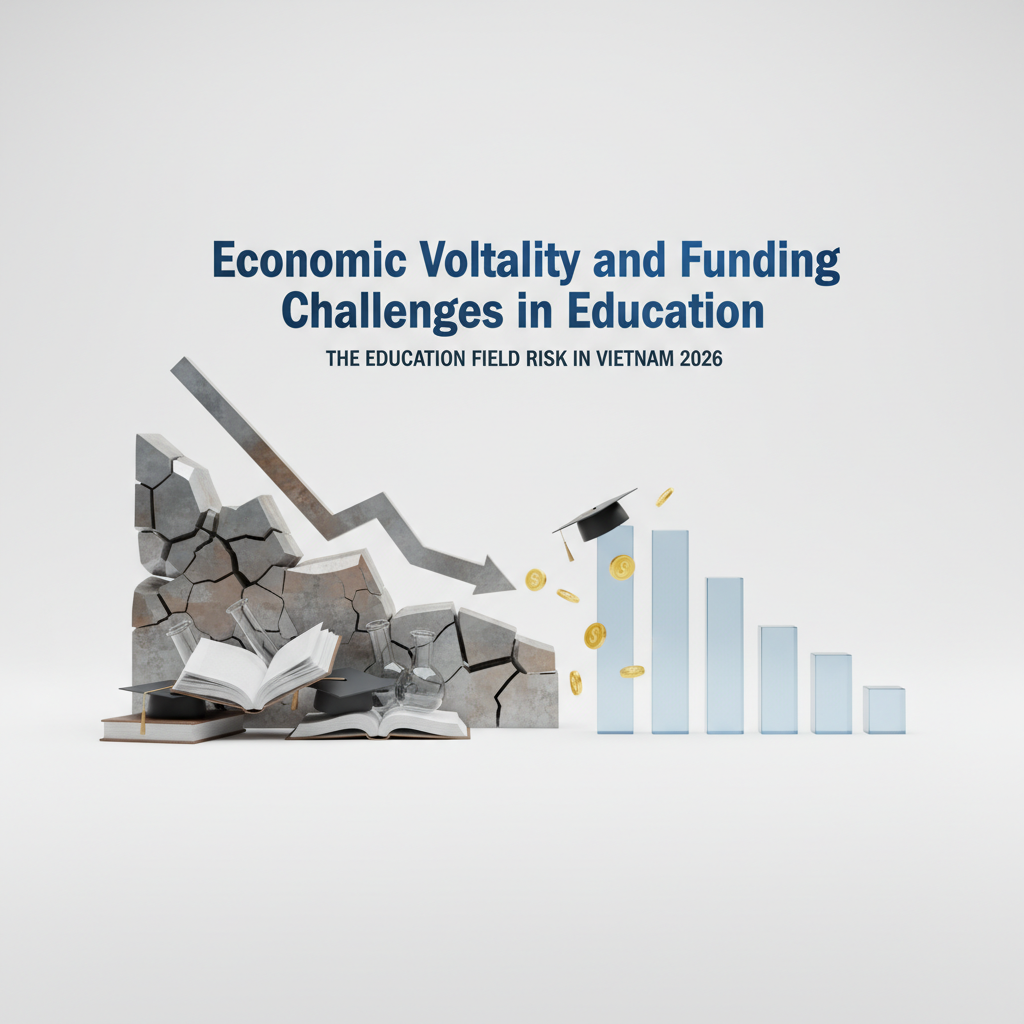
Economic Volatility and Funding Challenges in Education
Vietnam’s rapid economic development has brought about significant advancements in its education sector, yet it remains susceptible to global and domestic economic fluctuations. These challenges profoundly impact the accessibility, institutional sustainability, and the overall quality of learning experiences across the nation. A comprehensive look at the trend report of the risk of education field in vietnam reveals a complex interplay of economic factors that demand strategic foresight and adaptive policies from educators, policymakers, and investors alike.
1. Impact of Inflation and Economic Slowdown on Educational Investment and Budgets
Economic volatility, characterized by periods of high inflation or slowdowns, directly erodes the purchasing power of educational institutions and families. For schools and universities, rising inflation means increased operational costs for everything from salaries and utilities to textbooks and technology. This upward pressure on expenses often necessitates difficult choices: either pass on costs to students through higher tuition, cut back on essential services, or defer critical investments in infrastructure and faculty development. An economic slowdown, conversely, can lead to reduced government revenue, directly impacting public education budgets. When national budgets tighten, education funding is often among the first areas to face cuts, affecting state-funded scholarships, teacher training programs, and the development of new educational facilities. The private sector, which plays a growing role in Vietnamese education, also feels the pinch. Reduced corporate profits may translate into lower investment in vocational training, fewer grants for research, and diminished corporate social responsibility initiatives focused on education. This dynamic poses significant risks to the sustained growth and quality improvement initiatives across all levels of education, hindering efforts to enhance learning experiences and maintain institutional sustainability.
2. Sustainability of Public vs. Private Funding Models and Donor Dependence
The funding landscape for education in Vietnam is a hybrid model, balancing public investment with increasing private sector participation and donor support. Each model presents unique sustainability challenges. Public funding, while intended to ensure broad accessibility, is often constrained by national fiscal policies and the aforementioned economic cycles. Maintaining quality standards across a vast public system with limited resources is a perpetual struggle, potentially leading to disparities between urban and rural educational offerings. Private educational institutions, on the other hand, rely heavily on tuition fees, making them sensitive to economic downturns that impact families’ disposable income. While private funding can bring innovation and specialized programs, it also raises concerns about equity and accessibility for lower-income families. Furthermore, many educational initiatives, particularly in specialized fields or for disadvantaged groups, depend on international aid and donor contributions. While invaluable, donor dependence can be precarious; shifts in global priorities or donor economic health can lead to sudden funding cuts, disrupting long-term projects and institutional planning. Ensuring institutional sustainability requires a careful re-evaluation of these funding models, perhaps exploring diversified revenue streams and robust public-private partnerships that are less susceptible to sudden economic shocks.
3. Affordability of Quality Education for Vietnamese Families and Student Debt
The increasing cost of education, coupled with fluctuating economic conditions, places a substantial burden on Vietnamese families. While the government strives to keep public education affordable, the demand for higher quality, specialized, or international education often pushes families towards private institutions or overseas study, which come with significantly higher price tags. For many, accessing quality education now means a considerable financial outlay, leading to tough decisions about family savings, property sales, or even borrowing. While student debt in Vietnam is not yet on the scale seen in some Western countries, it is a growing concern, particularly for those pursuing higher education or vocational training in private institutions. Families and students must carefully weigh the future career prospects against the immediate financial strain and potential long-term debt. This challenge directly impacts educational accessibility, as economic disparities can dictate who can afford better educational opportunities, potentially exacerbating social inequality. Ensuring that a high-quality education remains within reach for all Vietnamese families, irrespective of their socio-economic background, is critical for national development and social mobility. As Vietnam’s economic outlook continues to evolve, policy adjustments are essential to mitigate these financial barriers, potentially through expanded scholarship programs, income-contingent loan schemes, or targeted subsidies that safeguard both institutional viability and student welfare.
Human Capital Risks: Teacher Quality, Skill Gaps, and Brain Drain
In the dynamic landscape of global development, human capital stands as the cornerstone of national progress. For Vietnam, a rapidly evolving economy, safeguarding and enhancing its human capital through a robust education system is paramount. However, the trend report of the risk of education field in Vietnam reveals pressing challenges. This section addresses critical human capital risks, including difficulties in attracting and retaining qualified educators, ensuring student preparedness for future job markets, and mitigating the detrimental impact of talent migration. These interconnected issues pose significant threats to the long-term prosperity and innovation capacity of the nation’s youth and workforce, highlighting key education sector challenges.
1. Teacher Training, Professional Development, and Retention Challenges
The foundation of any successful education system rests on the competence and dedication of its teachers. In Vietnam, maintaining and elevating teacher quality is a continuous battle. While there have been strides in improving initial teacher training, persistent gaps remain in providing consistent, high-quality professional development opportunities that align with modern pedagogical practices and emerging subject matter. Many educators, particularly in rural or remote areas, lack access to the resources and ongoing training necessary to adapt to technological advancements and evolving curriculum demands. Furthermore, the challenges of teacher retention are significant. Factors such as relatively low remuneration, demanding workloads, limited opportunities for career progression, and inadequate support systems contribute to a high turnover rate. Attracting top talent into the teaching profession and retaining experienced educators within the Vietnamese education system requires comprehensive reforms that address these intrinsic and extrinsic motivators. Enhancing overall teacher quality in Vietnam is not merely about upskilling; it’s about creating an environment where teaching is valued, supported, and seen as a sustainable, attractive career path. Addressing these fundamental issues is crucial for the stability and effectiveness of the nation’s educational framework and for preparing the next generation adequately.
2. Alignment of Curriculum with Industry Demands and Future Skill Gaps
A critical risk facing Vietnam’s human capital development is the potential misalignment between its educational curriculum and the rapidly evolving demands of the global and local job markets. The current system often faces criticism for focusing too heavily on theoretical knowledge and rote learning, potentially leaving graduates unprepared for the practical, analytical, and soft skills required by modern industries. As Vietnam continues its economic integration and shifts towards a knowledge-based economy, the need for advanced skill development in Vietnam becomes increasingly urgent. Industries are demanding proficiency in areas such as digital literacy, critical thinking, problem-solving, creativity, and interdisciplinary collaboration – skills often underdeveloped by traditional educational models. This discrepancy creates significant future skill gaps, hindering workforce readiness and impacting the nation’s competitiveness. Bridging these gaps requires a concerted effort to update curricula, integrate project-based learning, and foster stronger partnerships between educational institutions and industries. Initiatives aimed at enhancing skills for growth, such as those highlighted by institutions like the World Bank, are vital for ensuring that the education system effectively prepares students for the future job market in Vietnam. Without proactive adjustments, the country risks producing a workforce ill-equipped for the demands of tomorrow.
3. Addressing Brain Drain and Enhancing Talent Retention Strategies
Brain drain, the emigration of highly trained and educated individuals to other countries, poses a significant and often underestimated risk to Vietnam’s human capital development. This phenomenon strips the nation of its brightest minds, particularly in specialized fields such as science, technology, engineering, mathematics (STEM), and advanced research. The allure of better research facilities, higher salaries, superior professional opportunities, and a more favorable intellectual environment in developed nations often compels talented Vietnamese professionals and academics to seek opportunities abroad. This outflow exacerbates existing talent shortages and impedes innovation and knowledge transfer within the country. To counteract this critical education sector challenge, robust talent retention strategies are imperative. These strategies must encompass creating attractive domestic career pathways, investing in state-of-the-art research and development infrastructure, offering competitive remuneration packages, and fostering a culture of innovation and intellectual freedom. Furthermore, encouraging diaspora engagement and facilitating mechanisms for knowledge return can help mitigate the full impact of brain drain. Retaining the nation’s human capital is not just about preventing departure; it’s about building a compelling ecosystem that inspires individuals to contribute their expertise domestically, thereby ensuring sustainable growth and intellectual advancement for the Vietnamese education system and economy as a whole.
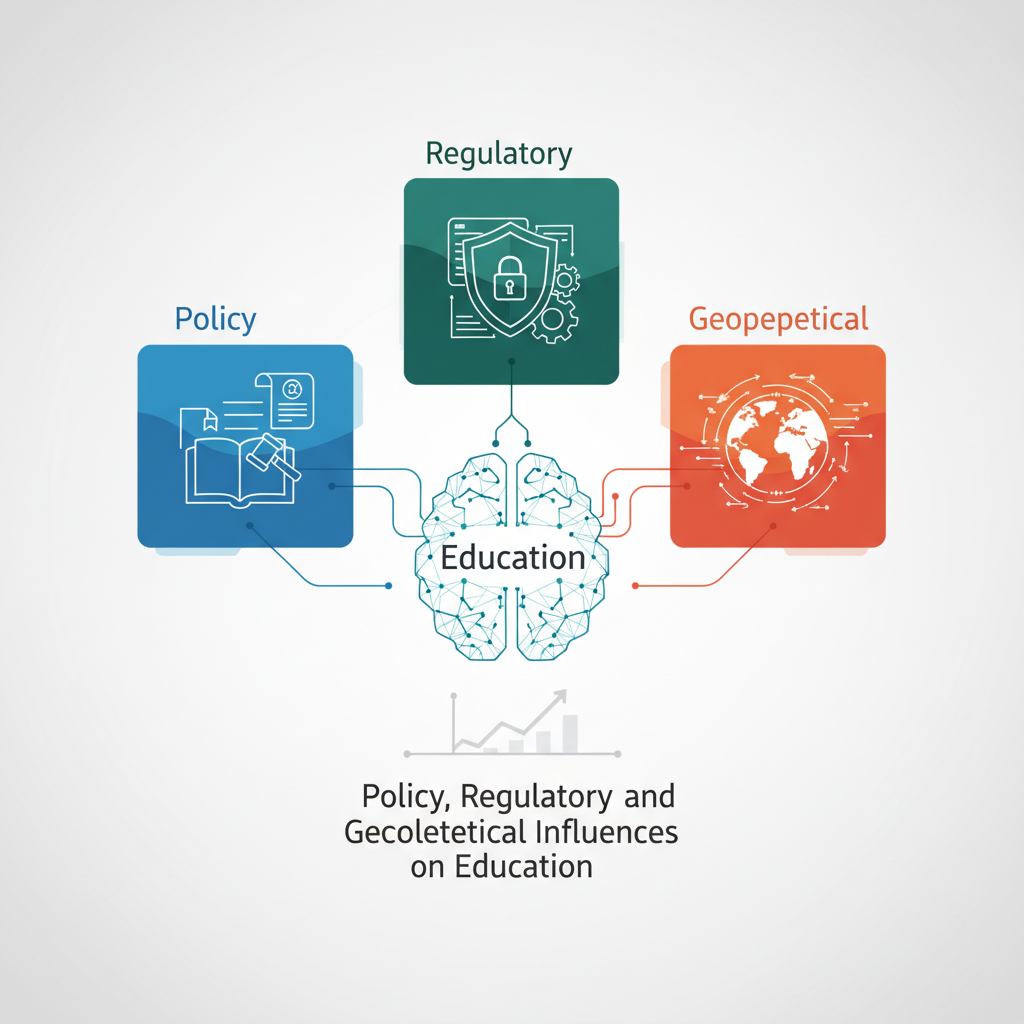
Policy, Regulatory, and Geopolitical Influences on Education
The education sector in Vietnam operates within a dynamic landscape, constantly shaped by evolving government policies, regulatory frameworks, and broader geopolitical shifts. These influences introduce significant uncertainties and new challenges, making it crucial for stakeholders to understand the trend report of the risk of education field in Vietnam. Navigating these complexities requires foresight and adaptability to ensure sustained growth and quality in Vietnamese education.
1. Analyzing the Impact of Evolving Education Policies and Reforms
Vietnam’s commitment to educational advancement is evident in its continuous stream of evolving government policies and reforms. These initiatives, often driven by a desire to align with international standards and national development goals, frequently involve significant curriculum changes, teaching methodology updates, and assessment overhauls. While aimed at enhancing educational quality and student outcomes, the rapid pace of these reforms can pose considerable regulatory challenges for institutions. Schools and universities must quickly adapt their operational structures, staff training, and resource allocation to comply with new directives. This constant state of flux can lead to pedagogical inconsistencies, strained resources, and difficulties in long-term strategic planning, particularly for private and international schools operating within the Vietnamese context. Moreover, the implementation of new policies sometimes faces hurdles related to teacher preparedness, infrastructure limitations, and varying levels of understanding across different regions, impacting the uniform delivery of quality education.
2. Challenges and Risks Associated with Internationalization and Cross-Border Education
The drive towards the internationalization of education has seen a surge in partnerships with foreign institutions and the establishment of international schools in Vietnam. This trend, while offering students diverse learning opportunities and global perspectives, also introduces a unique set of risks. Ensuring the quality assurance of cross-border education programs, managing cultural differences in pedagogy and administration, and maintaining compliance with both Vietnamese and foreign regulatory standards are paramount. There’s a risk of ‘diploma mills’ or substandard programs entering the market if regulatory oversight isn’t robust. Furthermore, the reliance on foreign accreditation and curriculum frameworks can sometimes lead to a disconnect with local educational objectives and cultural values. For institutions, attracting and retaining qualified international faculty, navigating complex visa and work permit regulations, and ensuring the financial viability of such programs add layers of complexity. The sustainability of these international ventures heavily depends on stable regulatory environments and strong, transparent partnerships.
3. Geopolitical Factors Affecting Educational Partnerships, Funding, and Student Mobility
Beyond domestic policies, geopolitical shifts exert a profound influence on Vietnam’s education sector. International relations, trade agreements, and global conflicts can directly impact educational partnerships, the availability of funding for education, and patterns of student mobility. For instance, shifts in diplomatic ties with key partner countries can lead to changes in scholarship programs, research collaborations, and student exchange initiatives. Economic downturns or trade disputes in major economies might reduce the disposable income for international students, affecting their ability to study abroad or choose international programs within Vietnam. Conversely, political instability in other regions might make Vietnam a more attractive study destination, leading to an influx of foreign students. The flow of international development aid and grants, crucial for many educational infrastructure projects and capacity building, is also susceptible to geopolitical realignments. Institutions must therefore develop robust risk assessment strategies to anticipate and mitigate the potential disruptions caused by these broader global dynamics, ensuring continuity and stability in their educational offerings and international engagements.
Partner with Shelby Global
You are looking for reliable HR Sevice Suppliers? Contact Shelby Global Now! To connect with verified talents and upgrade your orginization.
—————————————
References
– World Bank – Vietnam Education Sector Analysis: https://www.worldbank.org/en/country/vietnam/publication/education-sector-analysis
– Cybersecurity Best Practices for K-12 Schools and School Districts: https://www.cisa.gov/resources-tools/resources/cybersecurity-best-practices-k-12-schools-and-school-districts
– World Bank Vietnam Overview: https://www.worldbank.org/en/country/vietnam/overview#3
– Vietnam: Skills for Growth Program to Benefit Two Million Young People, Workers: https://www.worldbank.org/en/news/feature/2021/11/11/vietnam-skills-for-growth-program-to-benefit-two-million-young-people-workers
– Education in Vietnam Overview – UNESCO: https://www.unesco.org/en/countries/vn/education